
In a significant development in the ongoing US-China tech rivalry, Beijing has signaled its approval for American investors to take over TikTok’s operations in the United States. This move marks a rare thaw in the tense standoff between the two global powers, following a pivotal phone conversation between US President Donald Trump and Chinese President Xi Jinping on September 19, where the TikTok issue was reportedly a central topic.
博客
-
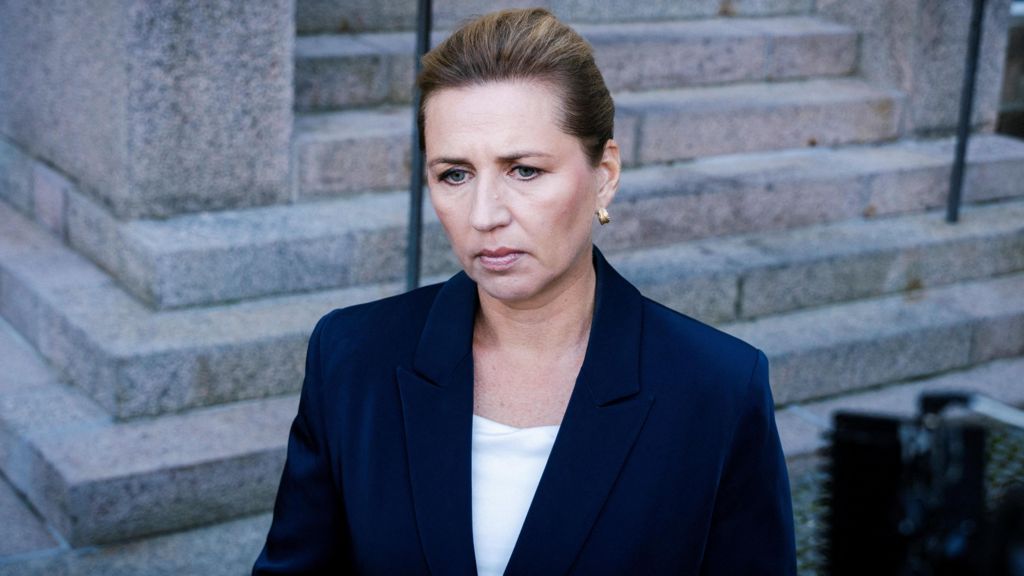
Russia’s involvement in drone sightings cannot be ruled out, Danish PM says
Denmark’s Prime Minister Mette Frederiksen has labeled the drone incursion that disrupted Copenhagen Airport on Monday night as “the most severe attack on Danish infrastructure so far.” The incident, which forced the closure of Kastrup Airport for several hours, was described as an attempt to “disrupt, create unrest, and test the limits” of Denmark’s defenses. Frederiksen drew parallels between this event and recent Russian drone incursions in Poland, Romania, and Estonia, suggesting a broader pattern of destabilization. While Kremlin spokesman Dmitry Peskov dismissed the allegations as “unfounded,” Danish intelligence warned of a “high threat of sabotage.” Flemming Drejer, director of operations at Denmark’s intelligence service PET, noted that the motive may have been to “stress us out and see how we react.” Around 20,000 passengers were affected by the airport closure, which resumed operations after midnight. Danish police described the drone operators as a “capable actor” but have yet to identify their origin. In Norway, Oslo Airport also faced a temporary closure due to suspected drone activity, with 14 flights diverted. Norwegian Prime Minister Jonas Gahr Store condemned Russia’s repeated airspace violations in 2025, emphasizing that such actions are “not acceptable.” The incidents have heightened tensions in Europe, with NATO bolstering its eastern flank by deploying troops and fighter jets from member states, including the UK, France, Germany, and Denmark. The alliance has also warned of a “wider pattern of increasingly irresponsible Russian behavior” following recent incursions into Poland, Romania, and Estonia. As the conflict in Ukraine continues, NATO members like Poland and Sweden have vowed to shoot down any unauthorized objects in their airspace, underscoring the growing security challenges in the region.
-
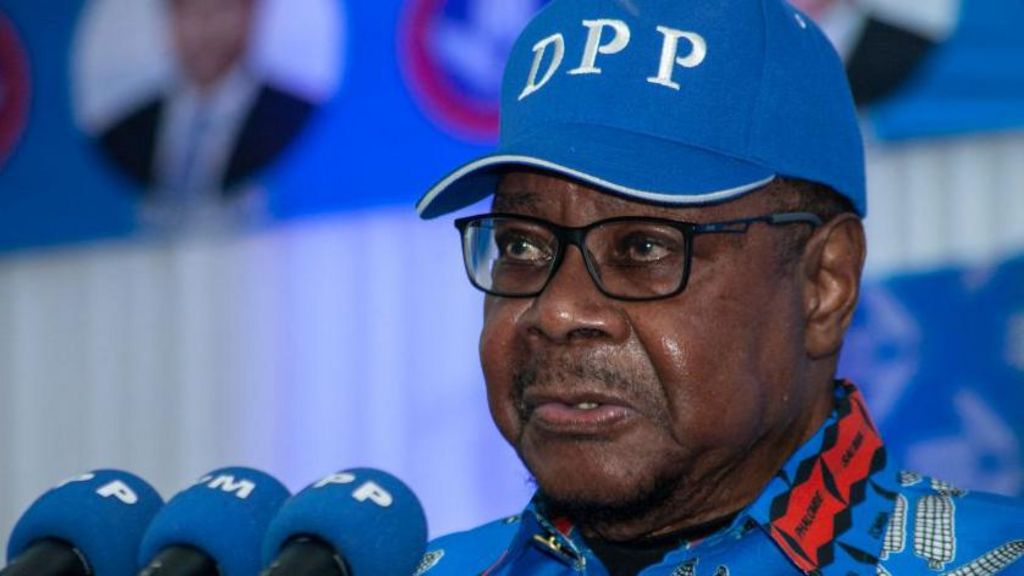
Malawi ex-president takes clear lead in vote-count, results show
In a dramatic turn of events, Malawi’s former President Peter Mutharika, 85, has surged ahead in the country’s presidential race, securing approximately 66% of the valid votes counted so far. His closest rival, incumbent President Lazarus Chakwera, 70, trails with around 24% of the votes. Provisional results from two-thirds of the districts indicate that Mutharika has even managed to win in areas traditionally considered Chakwera strongholds, including the capital, Lilongwe, and Nkhotakota. However, Chakwera’s camp remains optimistic, asserting that once results from remaining districts are announced, his vote share could increase, potentially forcing a run-off. A candidate must secure more than 50% of the vote to win outright, and Malawians are eagerly awaiting the final results from last Tuesday’s election, which the Malawi Electoral Commission has until the end of Wednesday to announce. Two of the 12 districts yet to declare results have a significant number of registered voters, and Chakwera’s team believes he will perform well in these areas, particularly in rural regions around Lilongwe and Dedza. Meanwhile, results from two other districts, where Mutharika is expected to dominate, have been withheld by the electoral commission for accuracy checks. The commission has emphasized its commitment to transparency, accuracy, and credibility, particularly in light of the constitutional court’s annulment of Mutharika’s 2019 victory due to irregularities. Chakwera won the subsequent re-run by a wide margin, but his presidency has been marred by a deepening economic crisis, characterized by high inflation, food and fuel shortages, and frequent power cuts. On Friday, Chakwera’s party alleged ‘irregularities’ and ‘serious anomalies’ in the election process and has called for a ‘physical audit’ of the results, though it has not specified the nature of these irregularities. In a related development, police have arrested eight data entry clerks accused of attempting to manipulate election results. The stakes are high in Malawi’s elections, as the country grapples with a severe cost-of-living crisis.
-

Harris ruled out of Australia’s World Cup defence
In a significant setback for Australia’s cricket team, star all-rounder Grace Harris has been ruled out of the upcoming World Cup due to a calf injury. The 32-year-old sustained the injury during the third one-day international against India on Saturday, a match that saw Australia clinch a 43-run victory. Harris, renowned for her explosive batting and record-breaking performances, will be replaced by Heather Graham, a 28-year-old all-rounder with limited international experience. Harris’s absence is a major blow to Australia as they prepare to defend their title, starting with a match against New Zealand on October 1. Despite her struggles in the longer white-ball format, Harris remains one of the most feared batters globally, evidenced by her stellar performance in this summer’s Women’s Hundred, where she boasted the highest strike rate and hit the most sixes. Graham, who has only one ODI cap from a 2019 match against Sri Lanka, now faces the challenge of filling Harris’s shoes on the world stage.
-
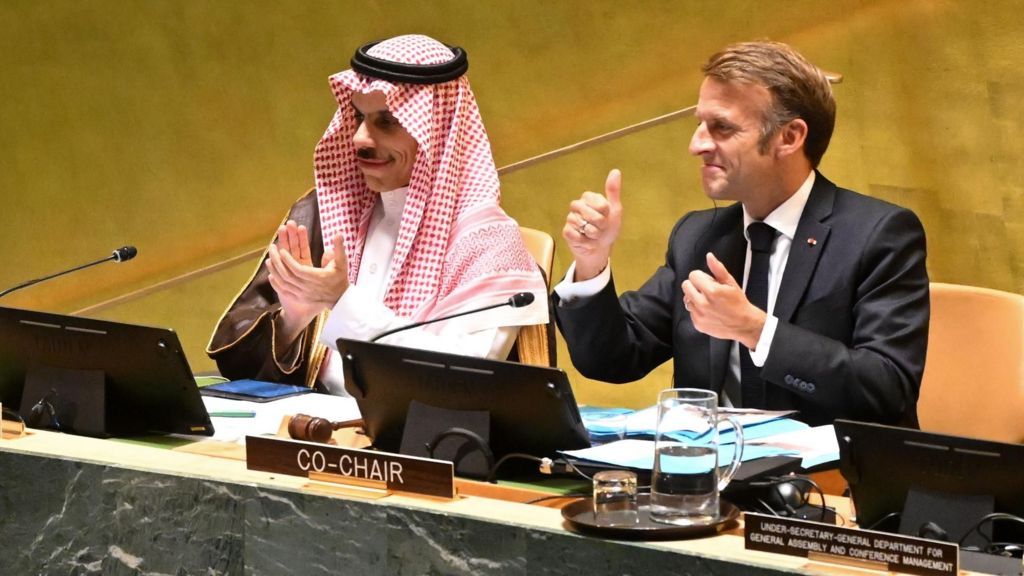
European recognition of Palestinian state shows US still only power that counts
In a landmark move, France and Britain have officially recognized the state of Palestine at the United Nations, marking a pivotal moment in the century-long Israeli-Palestinian conflict. This unprecedented decision, co-chaired by French President Emmanuel Macron and supported by Saudi Arabia, underscores the growing belief among European powers that the conflict has reached a critical juncture requiring bold diplomatic action. Macron, addressing the UN conference in New York, emphasized that “right must prevail over might,” condemning both Israel and Hamas for the ongoing catastrophe in Gaza. The initiative aims to sustain the two-state solution, seen as the only viable path to a fair and shared future for Israelis and Palestinians. UN Secretary-General António Guterres warned that the alternative—a one-state solution—would result in Israeli domination and the subjugation of Palestinians, a scenario he deemed unjustifiable. Israel, however, views the conference and the recognition of Palestine by several nations as a reward for Hamas following its October 2023 attack and hostage-taking. Israeli ministers are considering annexing parts of the occupied West Bank, effectively nullifying the possibility of a Palestinian state. The Trump administration has rejected the European approach, further deepening the rift between Washington and its European allies. Despite the lack of U.S. support, European leaders argue that their strategy offers a diplomatic alternative to the ongoing violence, which has claimed countless lives and left Gaza in ruins. The conference, also led by Saudi Arabia and backed by the Arab League, seeks to exert pressure on Hamas to disarm and relinquish its leadership role, while keeping the door open for normalization of relations between Israel and Saudi Arabia. However, the absence of coordinated efforts among key nations and the Trump administration’s opposition highlight the challenges ahead. Macron and UK Prime Minister Keir Starmer invoked their countries’ colonial legacies in the Middle East, acknowledging the historical recognition of Israel and now advocating for the equal right of Palestinians to statehood. While Palestinians welcome the European recognition, they remain aware that true statehood hinges on the support of the United States, the global superpower of today.
-
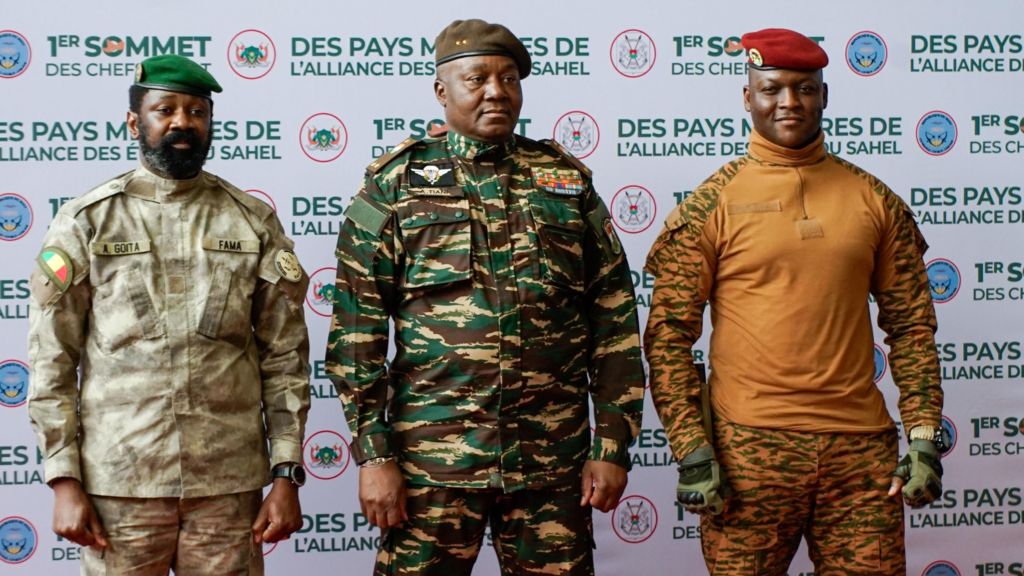
Three West African countries to quit International Criminal Court
In a bold and coordinated move, Burkina Faso, Mali, and Niger have announced their immediate withdrawal from the International Criminal Court (ICC), denouncing it as a ‘tool of neo-colonialist repression.’ The three military-led nations issued a joint statement, declaring their refusal to recognize the authority of the Hague-based court, which operates under the auspices of the United Nations. The leaders of these countries criticized the ICC for its alleged inability to effectively address and prosecute severe crimes, including war crimes, crimes against humanity, genocide, and acts of aggression. They emphasized their intention to establish ‘indigenous mechanisms for the consolidation of peace and justice.’ This decision aligns with longstanding accusations from African leaders, including Rwanda’s President Paul Kagame, who have criticized the ICC for its perceived anti-African bias. Since its establishment in 2002, the ICC has initiated 33 cases, with all but one involving African nations. The withdrawal process will officially take effect one year after the UN is notified. Burkina Faso, Mali, and Niger, all under military rule following coups between 2020 and 2023, form the Confederation of Sahel States. Their armies have faced allegations of committing crimes against civilians amid escalating violence against jihadist groups linked to al-Qaeda and the Islamic State. Earlier this year, the three countries simultaneously exited the Economic Community of West African States (ECOWAS), rejecting its demands to restore democratic governance. Over recent years, Russia has deepened its ties with these nations, which have grown increasingly isolated from the West, particularly former colonial power France. Notably, the ICC issued an arrest warrant for Russian President Vladimir Putin in 2023 over alleged war crimes in Ukraine.
-

Sydney ‘Night Stalker’ pleads guilty to string of sexual assaults in 90s
A 61-year-old man, Glenn Gary Cameron, has pleaded guilty to a series of sexual assaults committed in Sydney during the early 1990s, marking a significant breakthrough in a cold case that had remained unsolved for three decades. Cameron, infamously known as Sydney’s ‘Night Stalker’ and the ‘Moore Park Rapist,’ was arrested at Sydney International Airport in February 2023 after detectives utilized advanced DNA and fingerprint technologies to revisit the unsolved cases. He has admitted to more than a dozen charges, including 11 counts of aggravated sexual assault involving the use of a weapon as a threat, targeting eight women between 1991 and 1993. Cameron’s identity was initially suppressed due to a reporting ban, which was lifted three months after his arrest. On Tuesday, he appeared via video link in Downing Centre Local Court, where he pleaded guilty to 13 of the 36 charges he faced. Nine charges were withdrawn, while the remaining 14 will be considered during his sentencing next month. These include multiple counts of indecent assault, aggravated sexual assault, and detaining a person for advantage. One of the victims, who was attacked decades ago, participated in the court proceedings remotely. A 1993 Sydney Morning Herald article revealed that the victims were primarily Asian women aged 17 to 45, with the attacker using simple Cantonese phrases to lure them near train stations under the guise of offering fake jobs before assaulting them at knifepoint, usually at night. The first attack occurred in April 1991 in Strathfield, followed by others in Moore Park.
-
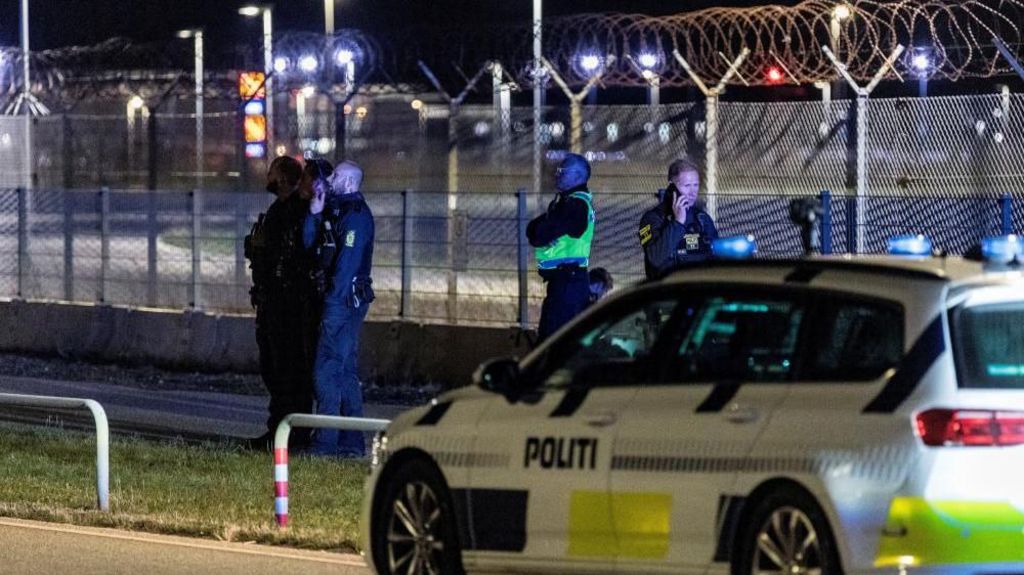
Copenhagen and Oslo airports forced to close temporarily due to drone sightings
Major airports in Denmark and Norway were temporarily shut down on Monday night following unidentified drone sightings, causing significant disruptions to air travel. Copenhagen Airport in Denmark and Oslo Airport in Norway were both forced to suspend operations for nearly four hours, impacting approximately 20,000 passengers. Danish authorities reported that two to three large drones were observed flying near Copenhagen Airport, prompting the activation of armed forces. However, police emphasized there was no evidence suggesting the drones intended to cause harm, speculating instead that the operator aimed to ‘show off.’ Both airports resumed operations by early Tuesday morning. Investigations are ongoing, with Danish police implementing unspecified measures to address the incident. Meanwhile, Norwegian authorities confirmed a drone sighting near Oslo Airport, leading to similar airspace closures. Ukrainian President Volodymyr Zelensky referenced a ‘Russia’s violation’ of NATO airspace in Copenhagen on September 22, though no official attribution has been made by EU or NATO leaders. Flight-tracking website Flightradar24 reported at least 35 flights bound for Copenhagen were diverted due to the closure. Both countries are now assessing the security implications of these incidents.
-
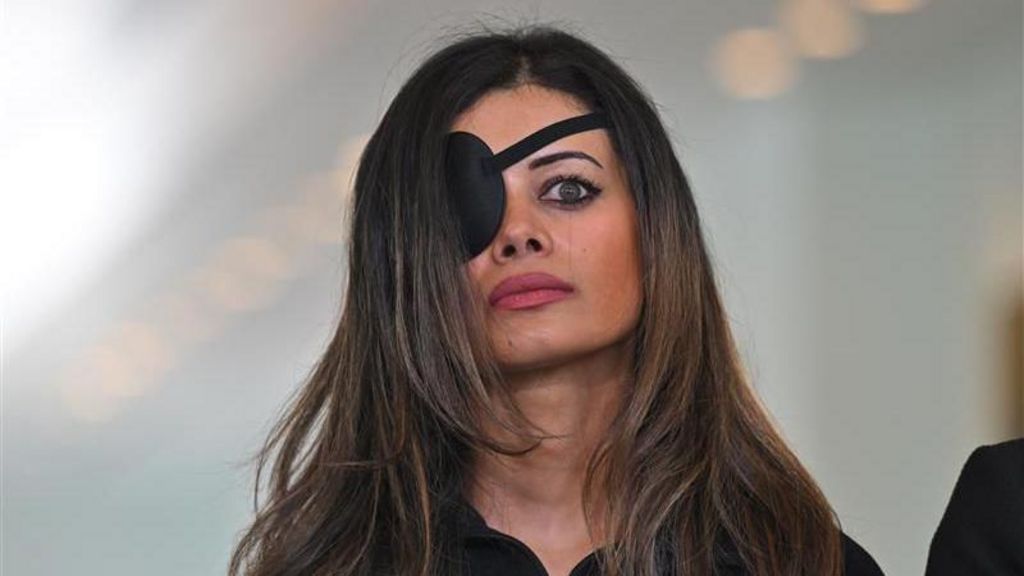
Police officer charged with assault at pro-Palestinian protest in Sydney
A senior constable from New South Wales (NSW) Police has been formally charged with assault following an incident at a pro-Palestinian protest in Sydney earlier this year. Hannah Thomas, a former Greens party candidate, claims she was struck in the face by the officer during a demonstration in Belmore on June 27. The altercation left her with severe facial injuries that necessitated surgical intervention. The protest was staged outside SEC Plating, a company accused by demonstrators of supplying components to the Israel Defense Forces (IDF), allegations the company denies. NSW Police confirmed that the officer’s employment is under review, and a critical incident investigation—activated when an officer is involved in an event causing death or serious injury—is ongoing. The officer, who faces charges of assault occasioning actual bodily harm, is scheduled to appear in court in November. The protest, deemed unauthorized by police, escalated into a scuffle after officers ordered the crowd to disperse. Five individuals, including Thomas, were arrested. Thomas, 35, was hospitalized following the alleged assault and later revealed on Instagram that she might suffer permanent vision loss in her right eye. Initially charged with failing to comply with police orders and resisting arrest, all charges against Thomas were dropped earlier this month, and she was awarded approximately A$22,000 in legal costs. Her lawyer, Peter O’Brien, announced plans to file civil proceedings against NSW Police, citing malicious prosecution, assault, and malfeasance in public office, among other claims. The incident has drawn attention amid the broader context of the Israel-Gaza conflict and its global repercussions.
-

‘Why does China prefer war?’ The K-drama line that infuriated the Chinese internet
South Korean actress Jun Ji-hyun, renowned for her breakout role in the 2001 romantic comedy *My Sassy Girl*, has found herself at the center of a heated controversy following her portrayal in the Disney+ spy romance series *Tempest*. In the show, Jun plays a diplomat investigating a deadly assassination, and a fictional line from her character—questioning China’s preference for war—has ignited outrage among Chinese social media users. Many have accused the series of misrepresenting China as belligerent, leading to calls for brands to sever ties with the actress. The backlash has reignited debates over China’s unofficial ban on South Korean entertainment, which has been in place since 2016 following South Korea’s deployment of a US anti-missile system. While recent months saw signs of easing tensions, with some South Korean performers returning to China, the *Tempest* controversy has fueled renewed support for the ban. Social media users have also criticized other aspects of the series, such as scenes depicting China’s Dalian city with dilapidated buildings and a table setting resembling the Chinese flag. Jun’s agency has clarified that her brand campaigns concluded before the show’s release, but Chinese consumers have continued to pressure brands like La Mer, Louis Vuitton, and Piaget to distance themselves from her. Despite some defending Jun, arguing she did not write the controversial line, the backlash has overshadowed such sentiments. The incident highlights the fragile state of cultural exchanges between China and South Korea, with the future of K-pop and K-dramas in China remaining uncertain.