博客

  • Colorado funeral home director sentenced to 40 years for corpse abuse

    Colorado funeral home director sentenced to 40 years for corpse abuse

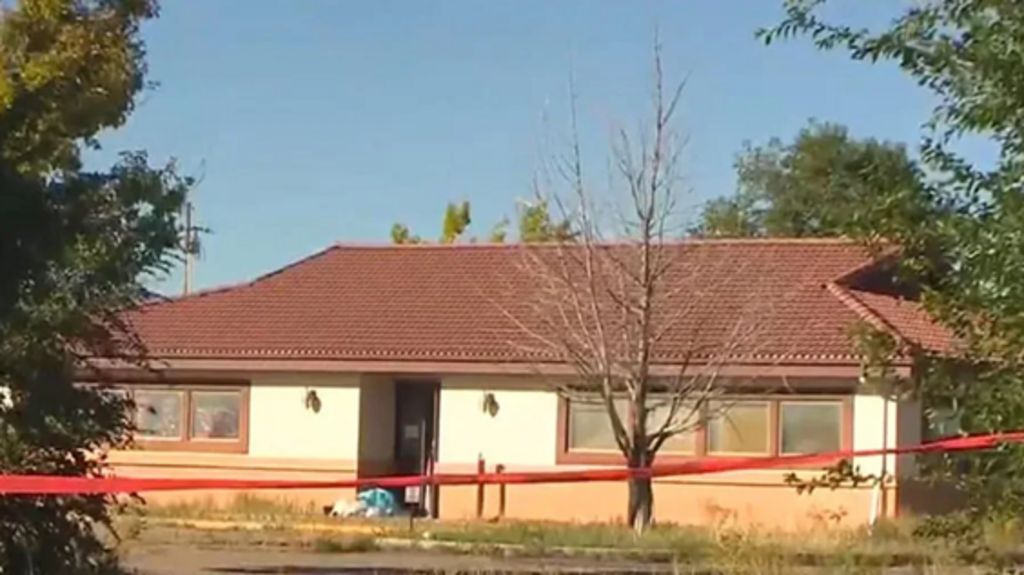
    A Colorado court has delivered a 40-year prison sentence to Jon Hallford, co-owner of the Return to Nature Funeral Home, following one of the most disturbing corpse abuse cases in recent memory. The sentencing concludes a horrific chapter that saw nearly 200 decaying bodies discovered improperly stored at the Penrose facility.

    During emotional courtroom proceedings, grieving family members confronted Hallford, describing him as a ‘monster’ whose actions caused lasting trauma. Victims’ relatives detailed nightmares about their loved ones decomposing in his care, with one daughter stating her mother was ‘treated like yesterday’s trash.’

    The investigation revealed that over four years, 189 bodies—including children and fetuses—were stored in piles within non-refrigerated areas while the funeral home provided families with fake ashes. Prosecutors established that financial greed motivated the scheme, as the business generated sufficient revenue to properly handle remains.

    Judge Eric Bentley, while imposing the sentence, noted the case tested fundamental beliefs about human decency. Hallford offered a courtroom apology, acknowledging, ‘I had so many chances to put a stop to everything and walk away, but I did not. My mistakes will echo for a generation.’

    The case has triggered significant regulatory changes in Colorado’s funeral industry. Previously, state law didn’t require funeral home operators to hold licenses, mortuary science degrees, or even high school diplomas. New legislation imposing stricter oversight has been enacted since the scandal emerged.

    Carie Hallford, Jon’s ex-wife and business partner, has pleaded guilty to similar charges and awaits sentencing. The investigation began in October 2023 following reports of foul odors from the property, leading to the discovery of 115 improperly stored bodies.

  • Salama credits local caddie for stunning wire-to-wire victory in Egypt Golf Series finale

    Salama credits local caddie for stunning wire-to-wire victory in Egypt Golf Series finale

    Spanish professional golfer Juan Salama captured his first MENA Golf Tour championship with a dominant wire-to-wire victory at the Egypt Golf Series finale held at Madinaty Golf Club in Cairo. The rising star credited his local caddie’s expertise as instrumental in his spectacular performance that culminated in a three-shot triumph.

    Salama established tournament dominance from the outset by firing a blistering course-record 60 in the opening round, marking his personal best competitive round. He maintained his commanding position throughout the competition, closing with a five-under-par 65 to finish at 17-under overall. The Spaniard’s victory provided redemption after suffering a playoff defeat to Jack Davidson just seven days earlier at Address Marassi.

    “Shooting 60 was my personal best round, so to open the tournament like that really set everything up,” Salama acknowledged. “I had a local caddie this week who read the greens exceptionally well, and it’s been a fantastic start to the year.”

    The final round presented tense moments as Salama’s pursuers attempted to close the gap. After extending his lead with four birdies on the front nine, a dropped shot at the 15th hole briefly offered hope to competitors. However, Salama demonstrated remarkable composure, navigating the challenging water hazard at the 16th before sealing his victory with a birdie at the 17th.

    “I felt solid but was definitely nervous,” Salama confessed. “I focused on staying present on every shot, maintaining my routine, and handling each moment individually. The water hazard at 16 created particular tension, but I managed to navigate it successfully.”

    Welsh golfer Jack Davidson, last week’s champion, shared second place at 14-under with overnight co-leader Owen Edwards. Davidson posted a 66 in the final round but acknowledged that catching Salama proved ultimately impossible given the Spaniard’s consistent performance.

    England’s Ben Jones delivered the joint best round of the final day with a six-under 64, climbing to fourth position at 13-under. compatriot Curtis Knipes matched Jones’s 64 to secure fifth place at ten-under.

    The tournament concluded the MENA Golf Tour’s successful four-event Egypt swing, which distributed $400,000 in prize money across world-class venues. Salama collected $18,000 from the $100,000 prize fund along with valuable Official World Golf Ranking points. The tour now progresses to Morocco before continuing to Jordan and the GCC region.

  • India rejects ‘baseless’ allegations of involvement in Pakistan mosque bombing

    India rejects ‘baseless’ allegations of involvement in Pakistan mosque bombing

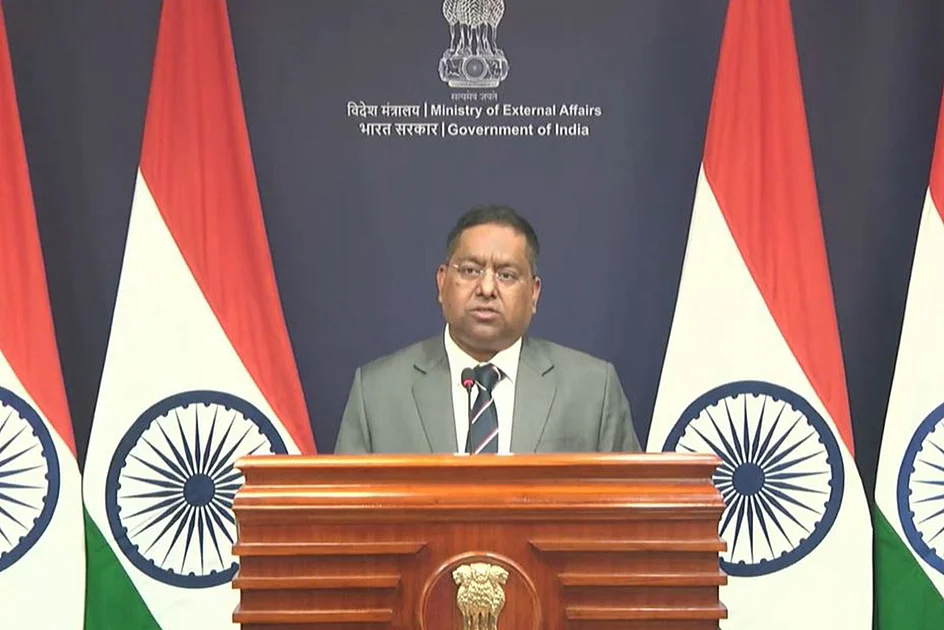
    India has issued a formal rejection of allegations linking it to Friday’s devastating suicide bombing at an Islamabad mosque that resulted in 31 fatalities and over 170 injuries. The Ministry of External Affairs characterized the accusations as “baseless and pointless” while simultaneously condemning the attack and expressing condolences for the loss of life.

    The deadly assault unfolded when an attacker opened fire at the gates of the Khadija Tul Kubra Imambargah mosque before detonating explosives among worshippers. Pakistani Defense Minister Khawaja Asif identified the bomber as having traveled to Afghanistan and directly accused India of sponsoring the terrorist operation. This represents the most severe attack in Pakistan’s capital in over a decade.

    Eyewitness accounts and images from the scene depicted horrific carnage, with bloodied bodies scattered across the mosque’s carpeted floors amid shattered glass and debris. Panicked survivors tended to the wounded in the compound’s gardens as emergency services struggled to respond to the scale of the tragedy.

    The bombing has further strained relations between the nuclear-armed neighbors, with India’s swift denial reflecting the sensitive nature of cross-border terrorism allegations. The incident occurs against a backdrop of longstanding tensions between India and Pakistan, though direct accusations of state-sponsored terrorism remain relatively uncommon in recent diplomatic exchanges.

  • White House removes racist Trump post, says was staff error

    White House removes racist Trump post, says was staff error

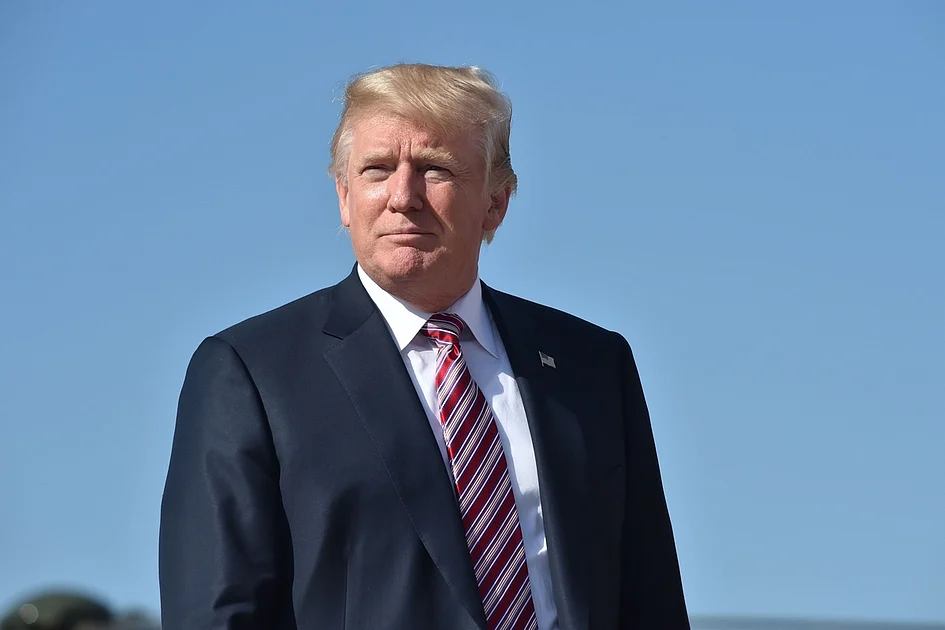
    In a significant incident on Friday, February 6, 2026, the White House attributed a racist social media publication from President Donald Trump’s official account to an administrative error by a staff member. The controversial post, which depicted former President Barack Obama and former First Lady Michelle Obama using dehumanizing monkey imagery, was swiftly removed following its publication.

    A White House official confirmed to AFP that the content was posted erroneously and emphasized its immediate removal from the platform. This explanation contrasted sharply with the response from President Trump’s personal spokeswoman, who had previously dismissed public criticism of the post as ‘fake outrage’ before the White House’s official statement.

    The incident occurs amidst ongoing political tensions and highlights the sensitive nature of official communications from the highest levels of government. The rapid removal suggests internal recognition of the post’s inappropriate nature, though the conflicting narratives from different administration officials have created ambiguity regarding the incident’s origins and the administration’s stance on such content.

    This event raises questions about social media protocols within the White House communications team and the vetting processes for content published under the president’s official designation. The response demonstrates the ongoing challenges in managing official government communications in the digital age, where content can spread rapidly before proper review mechanisms can be implemented.

  • UAE drafted map to build ‘temporary UAE housing complex’ in Israel-controlled Gaza

    UAE drafted map to build ‘temporary UAE housing complex’ in Israel-controlled Gaza

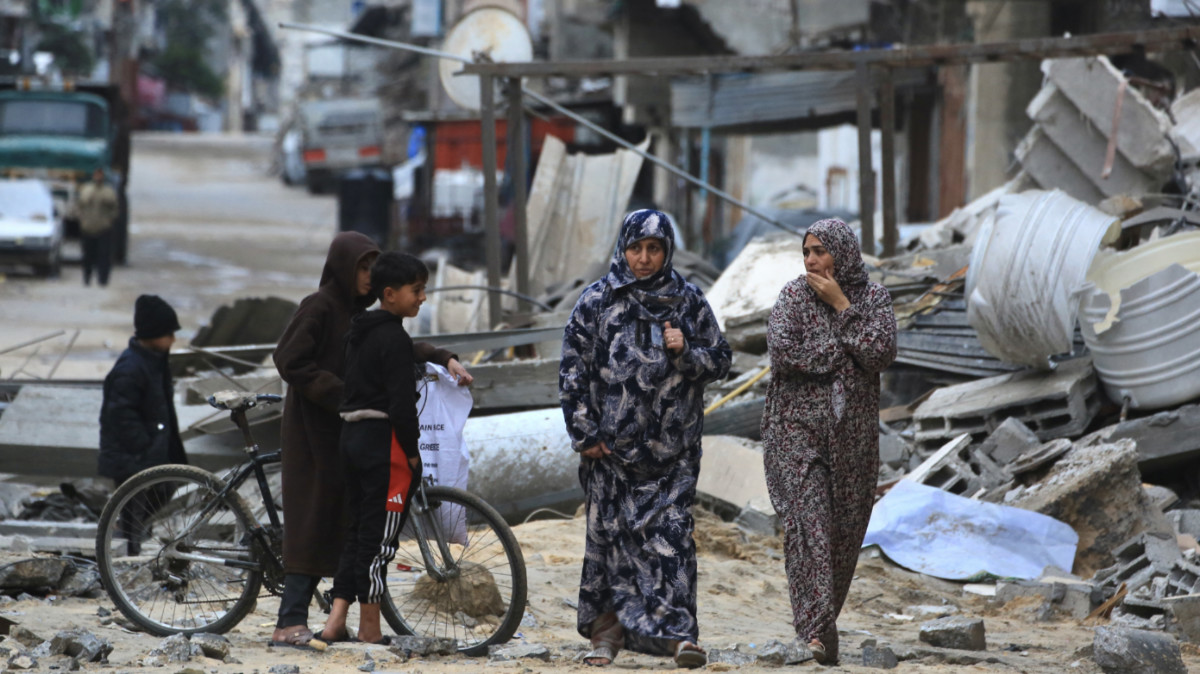
    The United Arab Emirates has developed preliminary blueprints to construct a temporary housing complex for Palestinians within the Israeli-militarily occupied sector of Gaza, according to a Reuters report. This initiative positions the wealthy Gulf state in opposition to regional powers and Palestinian factions who perceive such moves as facilitating the de facto partition of the territory.

    The proposed ‘UAE Temporary Emirates Housing Complex’ is mapped for an area adjacent to Rafah, near Gaza’s sealed border with Egypt. While still in early planning stages, the proposal carries significant geopolitical implications, potentially straining the UAE’s relations with Egypt, which formally opposes any partition of Gaza. Furthermore, regional heavyweights Qatar and Saudi Arabia remain skeptical about funding reconstruction efforts while the threat of permanent Israeli occupation persists.

    This development signals a notable divergence between the UAE’s public diplomacy and its operational stance. Despite official statements from Abu Dhabi denying involvement in Gaza’s civilian administration and rejecting participation in peacekeeping forces, these plans suggest a deeper comfort with the current Israeli-controlled status quo than previously indicated.

    The initiative is reportedly being coordinated with the Trump administration and its ‘Board of Peace,’ with former UN official Nickolay Mladenov—now employed by the UAE—serving as a key liaison. The proposal emerges alongside discussions about developing Gaza’s offshore gas reserves and contrasts with Jared Kushner’s recent remarks at Davos downplaying partition concepts in favor of unified development plans.

    As Israel maintains a strict blockade and controls humanitarian access through the Rafah crossing, these housing plans underscore the UAE’s emerging role as Israel’s preferred partner in navigating Gaza’s complex post-conflict landscape, even as ceasefire violations continue and Hamas refuses disarmament without full Israeli withdrawal.

  • Death toll in illegal Indian ‘rat-hole’ coal mine blast climbs to 23: Official

    Death toll in illegal Indian ‘rat-hole’ coal mine blast climbs to 23: Official

    A catastrophic explosion has ripped through an illicit coal mining operation in northeastern India, claiming the lives of 23 individuals and casting renewed scrutiny on the persistent dangers of outlawed extraction practices. The tragedy unfolded Thursday in Meghalaya’s East Jaintia Hills district, where rescue teams worked tirelessly to recover victims from the devastating blast.

    Senior district official Manish Kumar confirmed the rising death toll to AFP on Friday, stating: ‘Today we recovered four more bodies. We will resume rescue operations again tomorrow.’ Among the fatalities was one injured individual who succumbed to wounds while receiving medical treatment.

    The disaster occurred in what locals term a ‘rat-hole’ mine – a hazardous configuration of deep vertical shafts branching into narrow, claustrophobic tunnels where workers risk their lives extracting coal and minerals. Despite a comprehensive ban imposed by India’s federal environment court in 2014, these illegal operations continue to proliferate across Meghalaya, particularly in the mineral-rich East Jaintia Hills region.

    District police chief Vikash Kumar indicated preliminary investigations suggest the explosion likely resulted from improperly handled dynamite, a common tool in these unregulated mining activities. The 2014 prohibition came after sustained complaints from local communities about severe water source contamination and perpetual safety hazards endangering both miners and residents.

    This incident echoes similar mining tragedies globally, including a recent massive landslide in DR Congo that reportedly claimed hundreds of lives, highlighting the universal dangers of unregulated resource extraction practices that prioritize profit over human safety.

  • The retired Indian factory worker who built a library of two million books

    The retired Indian factory worker who built a library of two million books

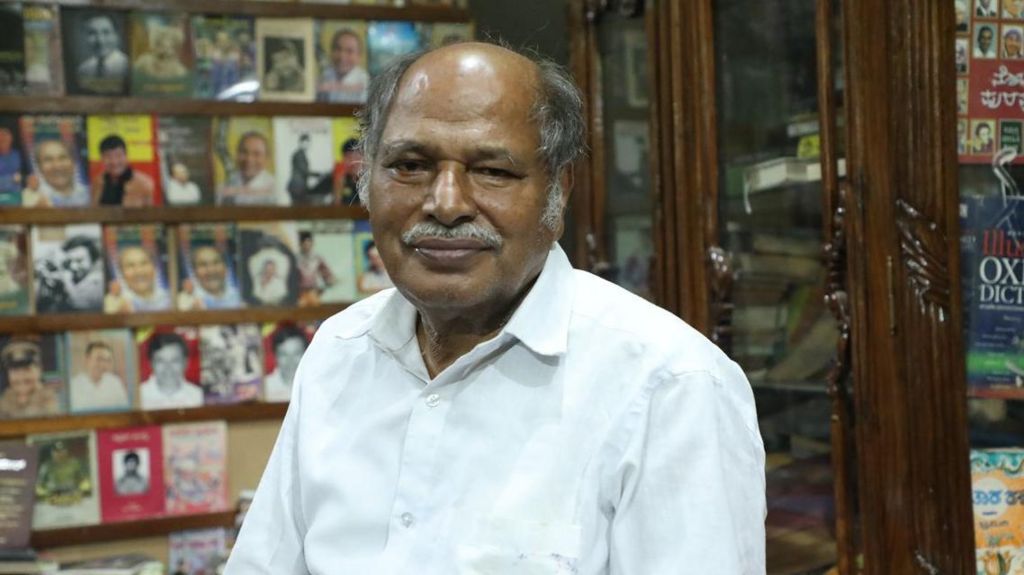
    In the quiet municipality of Pandavapura, Karnataka, 79-year-old Anke Gowda has transformed a childhood passion into one of India’s most extraordinary literary institutions. The retired sugar factory worker, recently honored with the prestigious Padma Shri award, has amassed a staggering collection of approximately two million books over five decades, all freely accessible to the public.

    Gowda’s journey began in rural poverty where books were considered unaffordable luxuries. His insatiable curiosity led him to sacrifice meals for literature, using food money to purchase volumes about Indian freedom fighters and spiritual leaders that he describes as ‘like candy.’ This personal sacrifice evolved into a systemic mission after inspiration from a teacher who encouraged him to create reading opportunities for other rural students.

    After obtaining a postgraduate degree in Kannada literature, Gowda dedicated two-thirds of his factory salary to expanding his collection while supplementing his income through dairy farming and insurance sales. The collection eventually outgrew his home, spilling out of metal trunks and overwhelming his living space until intervention came from unexpected quarters.

    The late industrialist Hari Khoday, upon witnessing the scale of Gowda’s collection, funded construction of a dedicated library building spanning 15,800 square feet. Subsequent support from former Chief Minister HD Kumaraswamy expanded the facility with two additional structures, creating the sprawling complex that stands today.

    Unlike conventional libraries, Gowda’s establishment operates without professional librarians or systematic organization. Books reside in haphazard stacks on shelves and floors, with approximately 800,000 volumes still awaiting unpacking from sacks beneath the library’s awnings. Despite the apparent chaos, regular visitors attest to Gowda’s uncanny ability to locate any volume instantly.

    The library has become an educational hub attracting students, teachers, and scholars from across Karnataka. Assistant Professor Ravi Bettaswami credits the institution with inspiring his own substantial book collection, while government college lecturer Shilpashree Haranu acknowledges the collection’s disorganized appearance but praises Gowda’s intuitive cataloging system.

    Now contemplating the future of his legacy, Gowda expresses hope that governmental or public institutions will assume responsibility for maintaining and expanding the collection. ‘I have fulfilled my responsibility,’ he states philosophically. ‘I have done my best, now it is up to others.’

  • ‘Unhinged, sick individual’: Fury after Trump posts video of Obamas as monkeys

    ‘Unhinged, sick individual’: Fury after Trump posts video of Obamas as monkeys

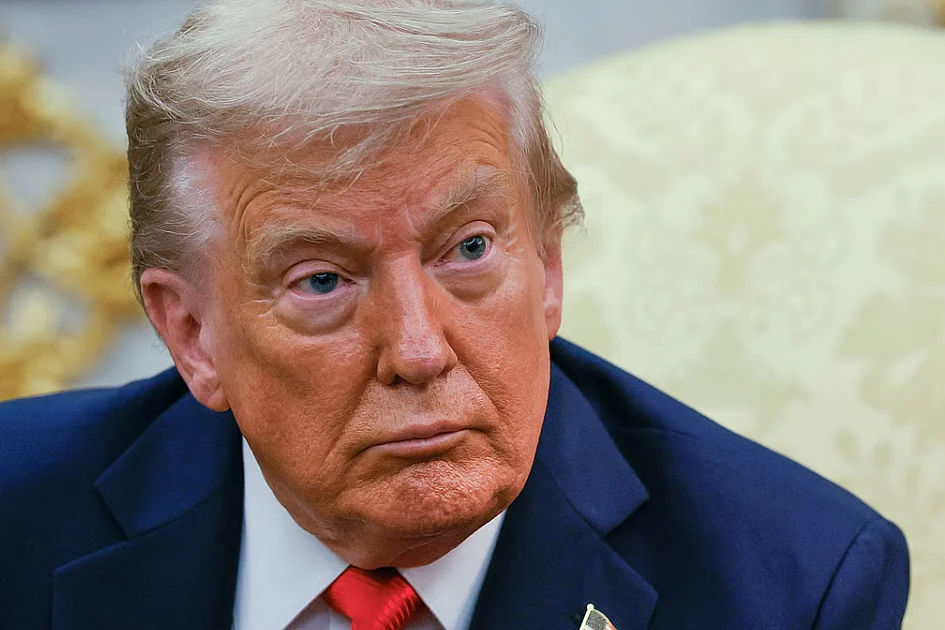
    A firestorm of bipartisan condemnation erupted Friday after President Donald Trump shared a racially inflammatory video on his Truth Social platform depicting former President Barack Obama and First Lady Michelle Obama with monkey features. The controversial post, which surfaced during Trump’s second term, represents one of the most overtly racist communications ever originating from a sitting U.S. president’s official account.

    The one-minute video, promoting debunked conspiracy theories about the 2020 election, superimposed the Obamas’ faces onto primate bodies while playing ‘The Lion Sleeps Tonight’ in the background. It recycled false allegations about Dominion Voting Systems orchestrating Trump’s electoral defeat to President Joe Biden, who served as Obama’s vice president.

    White House Press Secretary Karoline Leavitt defended the post as an ‘internet meme depicting President Trump as the King of the Jungle and Democrats as characters from the Lion King,’ dismissing criticism as ‘fake outrage.’ This defense emerged despite immediate and severe backlash from both sides of the political aisle.

    House Democratic leader Hakeem Jeffries condemned Trump as a ‘vile, unhinged and malignant sick individual,’ demanding universal Republican condemnation. Remarkably, Senator Tim Scott, the chamber’s sole Black Republican and former presidential contender, described the video as ‘the most racist thing I’ve seen out of this White House’ and urged its removal.

    The incident continues Trump’s longstanding pattern of racially provocative behavior toward the Obamas, beginning with his promotion of the ‘birther’ conspiracy theory questioning Barack Obama’s citizenship. This latest controversy coincides with the administration’s systematic dismantling of diversity, equity, and inclusion programs, reversing decades of civil rights progress.

    Analysts note the video represents an escalation in Trump’s use of AI-generated content, with the same creator responsible for previous deepfakes showing Obama arrested and fighter jets dumping waste on protesters. Critics including former Obama advisor Ben Rhodes predicted history would remember the Obamas as ‘beloved figures’ while judging Trump ‘a stain on our history.’

  • Republican senator demands Mamdani explain antisemitism strategy or risk federal funding

    Republican senator demands Mamdani explain antisemitism strategy or risk federal funding

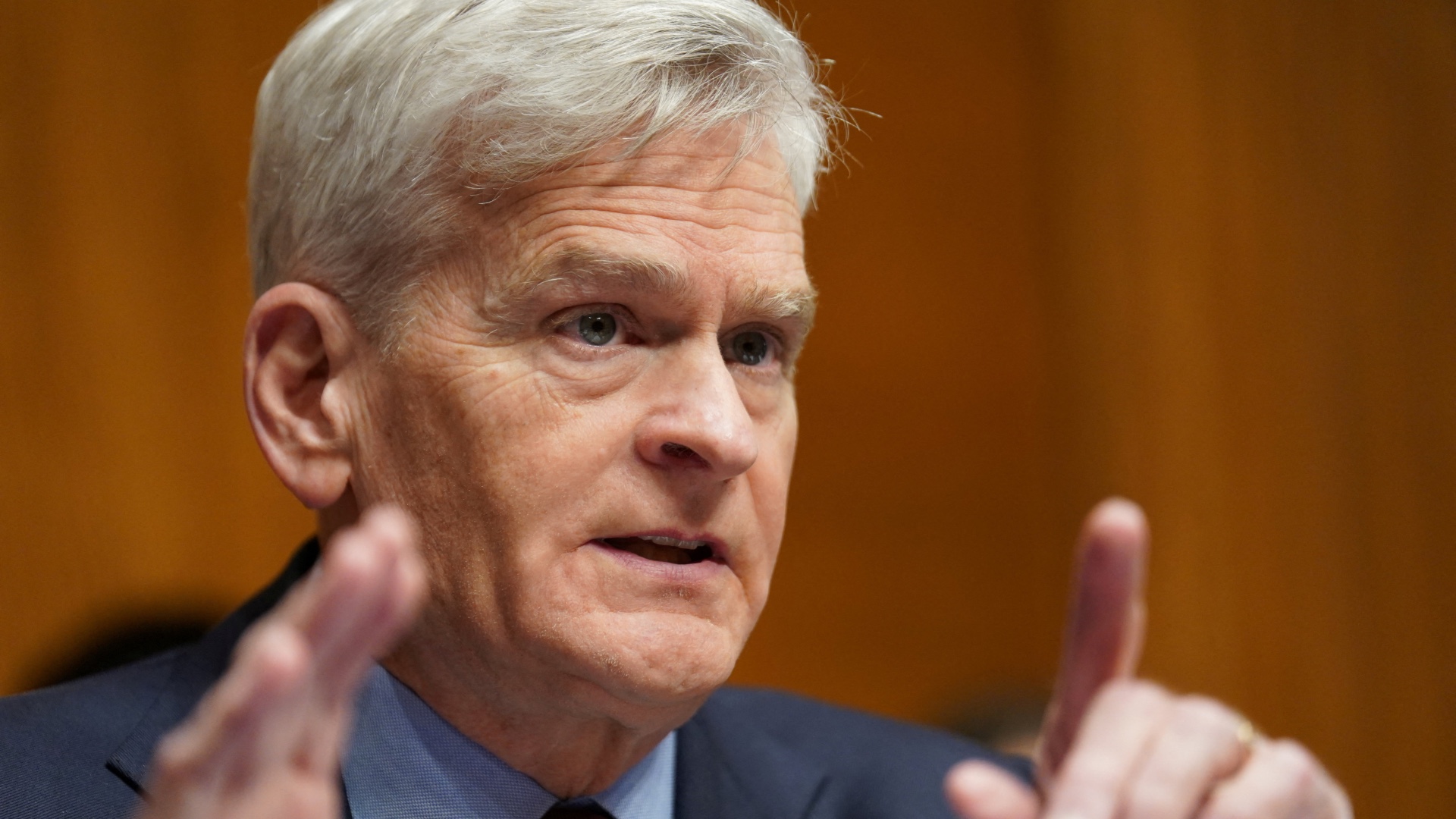
    A significant political confrontation has emerged between Louisiana Republican Senator Bill Cassidy and New York City Mayor Zohran Mamdani regarding civil rights protections for Jewish students. Senator Cassidy, serving as Chairman of the Senate Committee on Health, Education, Labor, and Pensions (HELP), has formally demanded explanations for Mamdani’s decision to revoke two executive orders originally implemented by former Mayor Eric Adams in December.

    The rescinded orders specifically addressed anti-Israel boycotts in municipal environments and established restrictions on protests near synagogues. Cassidy’s letter expresses profound concern that these reversals potentially endanger Jewish students and may violate federal civil rights protections. The senator emphasized that New York City’s access to $2 billion in federal education funding remains contingent upon compliance with federal civil rights statutes.

    Cassidy has requested Mayor Mamdani’s response to six critical questions by February 19th, including inquiries about the administration’s definition of antisemitism, specific protection plans for Jewish students, and the mayor’s personal stance on the Boycott, Sanctions, and Divestment (BDS) movement. The senator specifically referenced the International Holocaust Remembrance Alliance’s (IHRA) definition of antisemitism, previously adopted by the Trump administration.

    This political dispute occurs against a complex backdrop. The BDS movement, approximately twenty years old, advocates for non-violent pressure on Israel regarding its occupation of Palestinian territories, apartheid allegations, and military actions in Gaza. Thirty-eight U.S. states have enacted legislation opposing BDS activities. New York City itself hosts substantial Jewish and Muslim populations, each numbering approximately one million, creating a delicate demographic balance that influences policy decisions.

    The original executive orders stemmed from a November incident outside Manhattan’s Park East Synagogue, where protesters demonstrated against an event promoting Jewish migration to Israeli settlements in the West Bank. These settlements are considered illegal under international law. The protest included chants such as ‘Death to the IDF’ and ‘globalise the intifada,’ referring to Israel’s military and the concept of Palestinian uprising against oppression.

  • A charismatic straight talker, Japan’s Takaichi is poised to expand her power in Sunday’s vote

    A charismatic straight talker, Japan’s Takaichi is poised to expand her power in Sunday’s vote

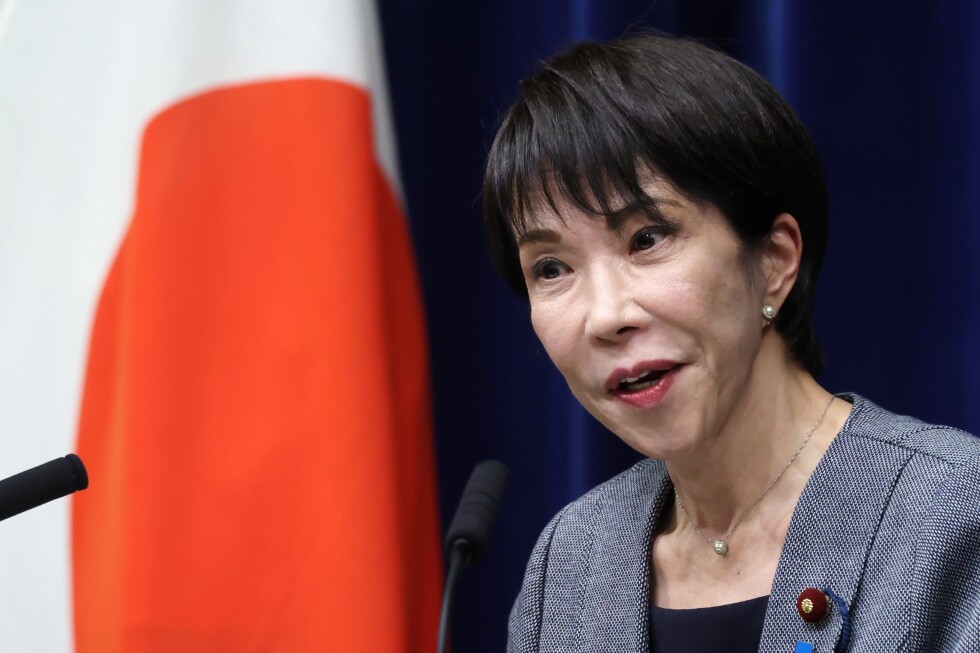
    TOKYO — Breaking from Japan’s traditional political mold, Prime Minister Sanae Takaichi has emerged as an unconventional leader whose unique personal brand is revitalizing the nation’s political landscape. The country’s first female premier combines heavy metal fandom, motorcycle enthusiasm, and drumming prowess with a workaholic philosophy that has unexpectedly resonated with younger demographics.

    Takaichi’s distinctive approach marks a dramatic departure from the elderly male leadership that has dominated Japanese politics for decades. Her popularity stems from what analysts describe as a ‘charismatic combination’ of tough policymaking and playful personal authenticity. Younger supporters, who affectionately refer to her as ‘Sana,’ closely follow her fashion choices, stationery preferences, and even her favorite snack of steamed pork buns.

    This groundswell of support comes at a critical time for her Liberal Democratic Party (LDP), which has governed Japan for most of the past seventy years but recently faced significant challenges. Current polling indicates the LDP is positioned for substantial gains in Sunday’s parliamentary elections, largely attributed to Takaichi’s personal appeal.

    The prime minister’s background reveals a journey from middle-class origins in Japan’s ancient capital of Nara. Raised by conservative parents—a police officer mother and machinery company employee father—Takaichi was immersed in prewar moral values from childhood. Her educational path followed traditional conservative patterns, attending Kobe University while living at home despite gaining admission to prestigious Tokyo institutions.

    Takaichi’s political identity defies easy categorization. While breaking gender barriers as Japan’s first female leader, she maintains deeply conservative positions including support for male-only imperial succession, opposition to same-sex marriage, and preservation of nineteenth-century surname laws that typically pressure women to abandon their family names. This complex positioning has created tension with feminist groups who view her leadership as a setback for gender equality despite her groundbreaking achievement.

    As a protégé of the late Prime Minister Shinzo Abe, Takaichi has embraced and expanded upon his nationalist agenda. She has advocated for enhanced military capabilities, increased defense spending, patriotic education reforms, and traditional family values. Her early weeks in office were marked by hawkish comments regarding potential Chinese military action against Taiwan, representing a shift from Japan’s traditional strategic ambiguity and drawing sharp criticism from Beijing.

    The prime minister’s leadership style combines intense discipline with unexpected personal touches. A self-described workaholic who famously declared she would ‘work, work, work, work, work,’ Takaichi has reportedly spent most of her first three months in office either at the official residence or her workplace, with minimal social engagements. Yet she maintains a playful side, known to spontaneously sing elementary school songs with acquaintances when discovering shared childhood connections.

    This blend of strict conservatism and personal authenticity has created a political phenomenon that transcends traditional demographic boundaries. As University of Tokyo politics expert Izuru Makihara notes, ‘Takaichi is highly regarded, especially by women and younger generations who strongly feel stuck and hopeless.’ Her ability to connect with these constituencies while advancing a strongly conservative agenda represents a significant evolution in Japanese political leadership.