博客

  • How the UAE helped break the India-Pakistan World Cup deadlock

    How the UAE helped break the India-Pakistan World Cup deadlock

    In a dramatic resolution to the cricketing world’s most tense standoff, the United Arab Emirates has emerged as the pivotal mediator in salvaging the iconic India-Pakistan T20 World Cup clash. The breakthrough came after days of intense negotiations that threatened to derail cricket’s most financially significant rivalry.

    The crisis began when Pakistan’s cricket authorities announced a boycott of the February 15 match in Colombo, protesting Bangladesh’s controversial removal from the tournament. This decision sent shockwaves through international cricket, jeopardizing not just the current World Cup but the financial stability of future ICC events.

    Behind the scenes, a diplomatic masterstroke unfolded with Mubashshir Usmani, representing the Emirates Cricket Board as ICC Chair of Associates, playing a crucial mediating role. Usmani participated virtually in emergency meetings between the International Cricket Council, Pakistan Cricket Board, and Bangladesh Cricket Board held in Lahore on Sunday.

    According to sources within the ECB, Usmani’s intervention proved instrumental in bringing all stakeholders – including the Board of Control for Cricket in India – to an amicable resolution. His diplomatic efforts continued until Monday evening when final details were ironed out.

    The UAE’s involvement carried historical significance, as Usmani reminded Pakistani officials of the Emirates’ crucial support during Pakistan’s decade-long exile from hosting international matches following the 2009 Lahore terror attack. During that period, the UAE provided world-class stadiums in Dubai, Abu Dhabi, and Sharjah as neutral venues for Pakistan’s home matches.

    This historical context framed the negotiations, with Pakistan recognizing their opportunity to reciprocate that support by preserving a match that generates approximately $400 million in revenue. These funds are essential for ICC development programs that benefit associate nations worldwide.

    The resolution ensures that the blockbuster clash between the arch-rivals will proceed as scheduled, maintaining the tournament’s integrity and financial viability while demonstrating cricket’s growing diplomatic dimensions.

  • UAE, Iran hold political consultations in Tehran, review regional developments

    UAE, Iran hold political consultations in Tehran, review regional developments

    In a significant diplomatic development, Tehran hosted the second round of high-level political consultations between the United Arab Emirates and the Islamic Republic of Iran on Tuesday. The meeting marked a continued effort to strengthen bilateral relations and address regional security concerns through diplomatic channels.

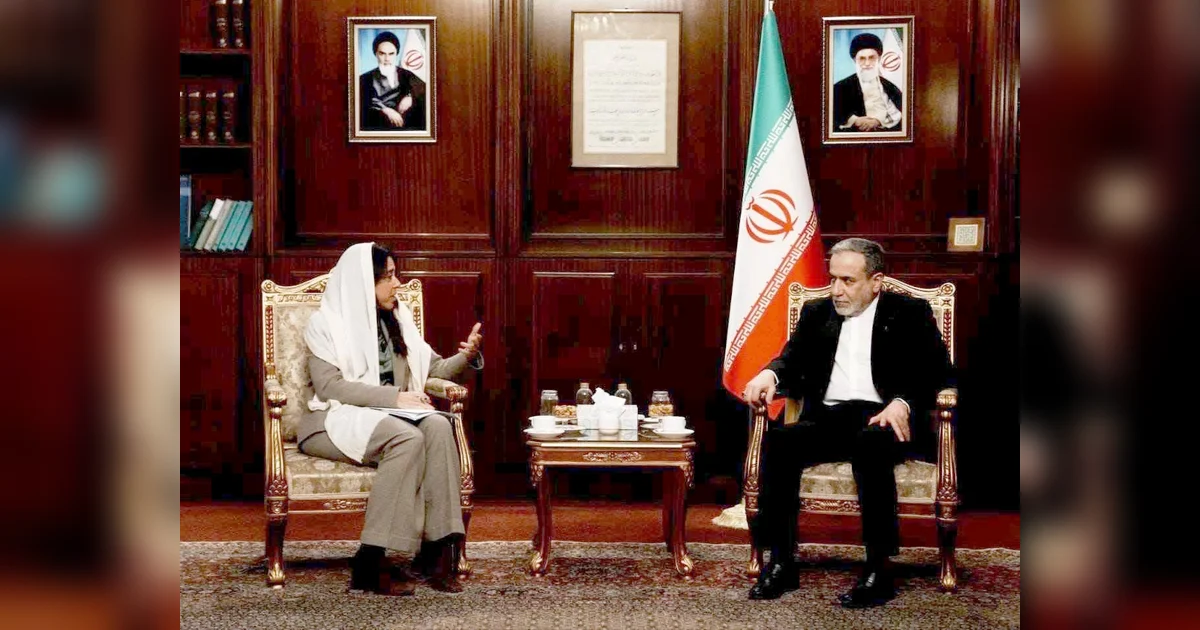
    The discussions were jointly chaired by Lana Nusseibeh, UAE Minister of State, and Majid Takht Ravanchi, Iran’s Deputy Foreign Minister for Political Affairs. The high-level delegation included Khalid Belhoul, UAE Ambassador to Iran, and Reza Ameri, Iran’s Ambassador to the UAE, along with senior officials from both nations.

    Both parties acknowledged the consultations as a constructive platform for addressing multiple areas of mutual interest. The comprehensive agenda covered bilateral cooperation frameworks, practical mechanisms for advancing shared national interests, and detailed reviews of foreign policy matters affecting regional stability.

    A key focus remained on recent developments impacting peace and security in the region, with both sides examining ongoing efforts to address these challenges through diplomatic means. The dialogue extended to exploring new cooperative ventures while strengthening existing partnerships.

    Following the productive discussions, both nations agreed to establish regular coordination mechanisms and activate joint technical committees. These structures will accelerate the implementation of existing agreements and identify new avenues for bilateral cooperation.

    In a separate diplomatic engagement, Minister Nusseibeh met with Iran’s Foreign Minister Abbas Araghchi, conveying formal greetings from Sheikh Abdullah bin Zayed Al Nahyan, UAE’s Deputy Prime Minister and Minister of Foreign Affairs. Their discussions further addressed critical issues affecting regional peace and security architecture.

  • Watch: New video shows masked person outside Nancy Guthrie’s home

    Watch: New video shows masked person outside Nancy Guthrie’s home

    The Federal Bureau of Investigation has unveiled crucial surveillance footage in the ongoing investigation into the disappearance of 84-year-old Nancy Guthrie, who vanished from her Arizona residence more than eight days ago. The newly released video evidence captures a masked individual lurking outside Guthrie’s home, marking a significant development in the search for the elderly woman.

    Law enforcement authorities have intensified their efforts to identify the mysterious figure shown in the grainy footage, which was captured by neighborhood security cameras in the immediate vicinity of Guthrie’s property. The video evidence provides the first tangible lead in what investigators have described as a deeply concerning case of an elderly resident disappearing under suspicious circumstances.

    Criminal investigation experts are analyzing the footage frame-by-frame to determine the exact timing of the sighting and whether it correlates with Guthrie’s disappearance. Forensic specialists are examining the individual’s physical characteristics, clothing, and movement patterns that might offer clues to their identity or intentions.

    Local community members have organized search parties and distributed flyers throughout the region, while law enforcement continues to conduct door-to-door inquiries. The FBI has established a dedicated tip line, encouraging residents to come forward with any information that might assist in identifying the masked individual or locating the missing octogenarian.

    This case has drawn attention to the vulnerabilities faced by elderly residents living alone and has prompted discussions about community safety measures and neighborhood watch programs in residential areas across Arizona.

  • Islamist leader rises from obscurity to challenge for Bangladesh’s top job

    Islamist leader rises from obscurity to challenge for Bangladesh’s top job

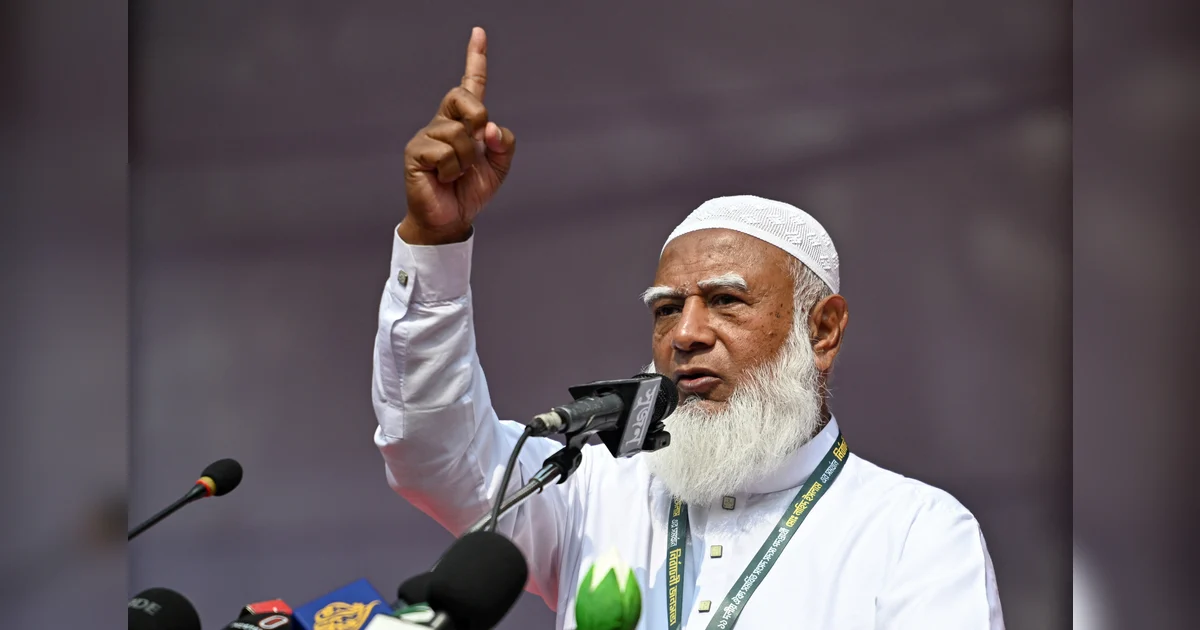
    In a remarkable political transformation, Dr. Shafiqur Rahman has ascended from relative obscurity to become a serious contender for Bangladesh’s highest office. The 67-year-old physician and leader of the Islamist Jamaat-e-Islami party now gazes from campaign posters across Dhaka, representing what could become the nation’s first government led by an Islamist party.

    The upcoming February 12 general election marks Bangladesh’s first national poll since the 2024 Gen Z-led uprising that toppled former Prime Minister Sheikh Hasina. Jamaat-e-Islami, once banned and driven underground during Hasina’s administration, has formed a coalition that presents a substantial challenge to the frontrunning Bangladesh Nationalist Party (BNP), its former ally.

    Rahman’s political journey began in leftist student organizations before he joined Islami Chhatra Shibir, Jamaat’s student wing. He formally entered mainstream politics with Jamaat in 1984 and unsuccessfully contested national elections in 1996, 2001, and 2018. His fortunes changed dramatically following the 2024 uprising when an interim government led by Nobel laureate Muhammad Yunus eased restrictions on the party, and a 2025 court decision lifted the ban entirely.

    Analysts attribute Rahman’s rapid rise to his ability to capitalize on the political vacuum created by Hasina’s departure. Professor Shafi Md Mostafa of Dhaka University notes that Rahman traveled extensively across the country, gained media attention, and transformed into a frontrunner within barely two years.

    The Jamaat leader has attempted to present a more moderate image, emphasizing governance, anti-corruption measures, and social justice while promising equal treatment for all religions. His campaign has resonated with certain voter segments through charitable outreach and flood-relief initiatives. The party further expanded its appeal by allying with the Gen Z National Citizen Party, attracting younger and less conservative voters.

    However, Rahman’s campaign has not been without controversy. His views on women’s roles in society—suggesting they should work no more than five hours daily to prioritize family responsibilities—and a social media post comparing women’s employment to “a form of prostitution” sparked protests at several universities. The party claimed his account had been hacked.

    With approximately 91% of Bangladesh’s 175 million population identifying as Muslim, the election represents a significant moment for one of the world’s largest Muslim-majority nations. The outcome will determine whether this traditionally secular democracy embraces Islamist leadership or maintains its established political course.

  • US consumer spending slowed in December – Is it a warning for the economy?

    US consumer spending slowed in December – Is it a warning for the economy?

    The United States witnessed an unanticipated stagnation in retail sales during the crucial December holiday season, according to a delayed Commerce Department report released Tuesday. This flat performance—following a 0.6% increase in November—signals potential consumer retrenchment amid growing economic uncertainties.

    The data reveals distinct sectoral weaknesses, with furniture stores experiencing a 0.9% monthly decline and clothing retailers seeing a 0.7% drop—categories particularly vulnerable to tariff exposures. While year-over-year sales still showed a 2.4% increase, this represented a noticeable deceleration from November’s 3.3% annual growth rate.

    Economic analysts attribute this softening to multiple converging factors: a faltering labor market, persistent inflationary pressures, and cooling wage growth that saw its slowest pace in over four years at just 0.7% in Q4 2025. Chris Zaccarelli of Northlight Asset Management observed, “Consumer spending has finally caught up with consumer sentiment, and not in a good way.”

    Despite concerning indicators, economists caution against premature pessimism. Michael Pearce of Oxford Economics suggested potential rebounds from three Federal Reserve interest rate cuts implemented last year and the upcoming tax refund season. The unemployment rate’s dip to 4.4% in December provides additional grounds for measured optimism.

    The report underscores a growing economic divergence, with high-income consumers continuing to drive spending while many households increasingly focus on essential purchases. EY-Parthenon’s Gregory Daco noted this “economics of necessity” trend, evidenced by increased spending on gasoline and building materials alongside declines in discretionary categories like electronics and apparel.

    As markets await forthcoming labor market data and Q4 growth estimates, the December retail figures present a complex portrait of consumer behavior in the world’s largest economy, balancing between temporary weakness and fundamental resilience.

  • New homes in Abu Dhabi’s Saadiyat to overlook Guggenheim, Louvre museums

    New homes in Abu Dhabi’s Saadiyat to overlook Guggenheim, Louvre museums

    Abu Dhabi’s real estate landscape gains an architectural masterpiece as Aldar Properties announces the development of Baccarat Residences Saadiyat, an exclusive collection of 77 luxury homes in the emirate’s prestigious Cultural District. The project marks Japanese architect Sou Fujimoto’s inaugural United Arab Emirates commission, featuring two sculptural buildings designed with undulating curves inspired by Saadiyat Island’s natural shoreline.

    The residential complex occupies a privileged position overlooking both the existing Louvre Abu Dhabi and the forthcoming Guggenheim Abu Dhabi, creating an unparalleled cultural environment for residents. The development will comprise two- and three-bedroom residences, expansive four-bedroom sky villas, and two signature penthouses, all offering panoramic views of the Arabian Sea and direct beach access.

    Aldar Development CEO Jonathan Emery confirmed significant market interest in the project, noting that pricing strategy would position the residences as exclusive offerings targeting discerning buyers. “The level of interest is very high,” Emery told Khaleej Times, “but it’s going to be at a price point that’s not going to be for everybody.”

    The location represents one of Abu Dhabi’s most coveted addresses, surrounded by institutional landmarks including Berklee Abu Dhabi, the future Zayed National Museum, and the Natural History Museum Abu Dhabi. Residents will enjoy proximity to the upcoming Saadiyat Grove Mall, scheduled to open later this year, creating a comprehensive live-work-play environment.

    The announcement follows Aldar Group’s record-breaking financial performance for 2025, with net profit surging 25% to Dh8.8 billion—the strongest in the company’s history. The real estate giant continues expanding its portfolio beyond Abu Dhabi and Dubai, with ongoing developments in London and Egypt.

  • WhatsApp Web gets voice and video calling, but is it available in the UAE?

    WhatsApp Web gets voice and video calling, but is it available in the UAE?

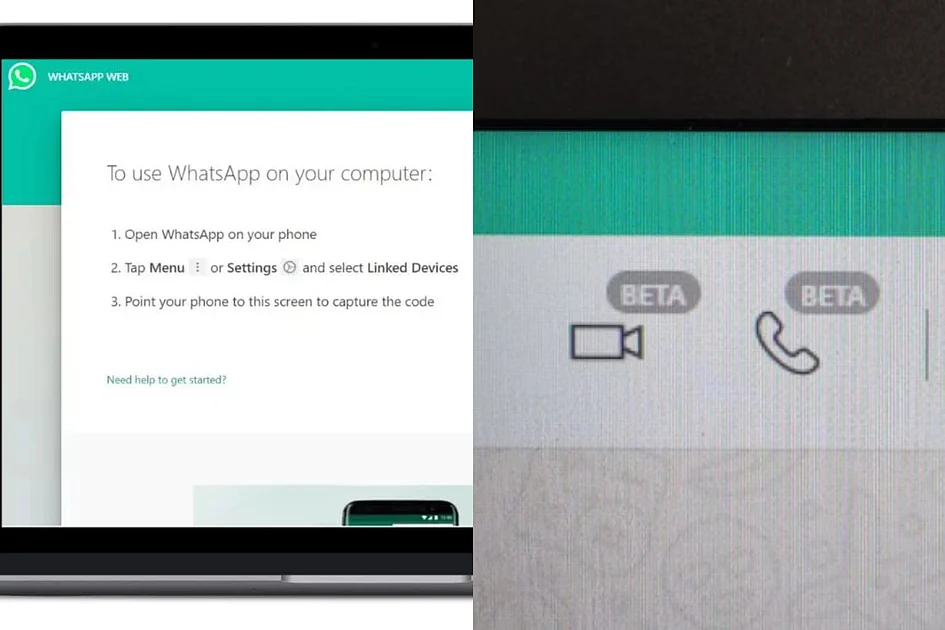
    Meta’s WhatsApp has initiated a significant enhancement to its web platform by introducing native voice and video calling functionality to WhatsApp Web. This development marks a substantial upgrade for browser-based users who previously could only send messages through the web interface without full calling capabilities.

    The new feature, currently in beta testing phase, enables users to initiate encrypted audio and video conversations directly from their web browsers without requiring additional software installations. According to reports from WABetaInfo, a trusted source for WhatsApp updates, eligible beta users will notice dedicated call buttons appearing within individual chat windows.

    This browser-based calling system incorporates several advanced features including screen sharing functionality and maintains WhatsApp’s signature end-to-end encryption using the Signal protocol. The security implementation ensures consistent protection levels across mobile, desktop, and now web platforms, making it suitable for professional discussions and remote collaboration scenarios.

    While the feature represents progress toward parity with WhatsApp’s desktop applications (which gained calling functionality in 2021), current limitations remain. Group calling capabilities are not yet supported in this initial release, with WhatsApp reportedly refining the user experience before broader deployment.

    Regional availability varies significantly, particularly in the United Arab Emirates where telecommunications regulations require approval from the Telecommunications and Digital Government Regulatory Authority (TDRA). As WhatsApp calling features remain restricted on all platforms within the UAE, the web-based calling functionality’s availability will similarly depend on regulatory clearance.

    The phased rollout begins with beta testers, with wider availability anticipated in the coming weeks for most global markets where WhatsApp calling is already permitted.

  • African artefacts looted by British to be returned

    African artefacts looted by British to be returned

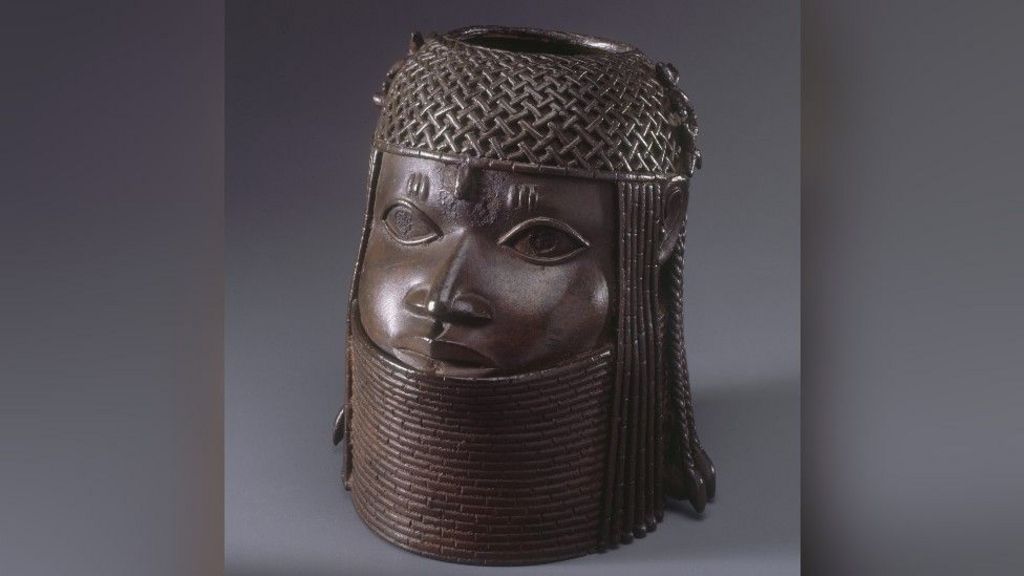
    In a landmark decision addressing colonial-era restitution, the University of Cambridge has formally transferred ownership of 116 cultural artefacts looted from Africa to Nigeria. The artefacts, historically known as the Benin Bronzes, were seized by British military forces during the violent occupation of Benin City in 1897.

    The transfer follows a formal repatriation request submitted by Nigeria’s National Commission for Museums and Monuments (NCMM) in January 2022. The university endorsed the request, with final approval granted by the UK Charity Commission. The artefacts, currently housed at Cambridge’s Museum of Archaeology and Anthropology (MAA), include commemorative heads of Obas (kings) and intricate brass penannular bracelets renowned for their exceptional craftsmanship.

    Planning is underway for the physical return of the majority of these culturally significant objects, with Nigerian authorities anticipating their arrival before year-end. NCMM Director General Olugbile Holloway confirmed the artefacts will be permanently exhibited in museums in Lagos and Benin City, with a new dedicated exhibition planned for the future.

    Not all pieces will immediately leave Cambridge. Seventeen artefacts will remain on loan at the MAA for an initial three-year period, ensuring continued access for researchers, students, and visitors. This arrangement reflects the museum’s decade-long engagement with Nigerian stakeholders, including the Royal Court of the Benin kingdom, scholars, and artists.

    Professor Nicholas Thomas, Director of the MAA, described the extensive dialogue with Nigerian counterparts as “immensely rewarding,” noting broad institutional and international support for repatriating objects appropriated through colonial violence. Holloway emphasized that beyond physical restitution, this return represents the “restoration of the pride and dignity” lost when these spiritually and historically vital objects were taken.

  • Bangladesh’s Tarique Rahman: From exile to edge of power

    Bangladesh’s Tarique Rahman: From exile to edge of power

    In an extraordinary political turnaround, Tarique Rahman stands on the precipice of assuming Bangladesh’s highest office following the February 14 general election, marking a dramatic reversal from his seventeen-year exile in London. The soft-spoken 60-year-old leader of the Bangladesh Nationalist Party (BNP) has undergone a significant image transformation since his triumphant return last Christmas, adopting a conciliatory approach that emphasizes national reconciliation over political retaliation.

    Rahman’s homecoming followed the youth-led uprising that unseated his political rival, long-serving Prime Minister Sheikh Hasina of the Awami League, in August 2024. The former exile, who left Bangladesh in 2008 citing medical needs after his release from detention during a military-backed anti-corruption campaign, received a hero’s welcome upon his return. His journey from London exile to prime ministerial contender represents one of the most remarkable narratives in contemporary South Asian politics.

    The scion of Bangladesh’s prominent political dynasty—son of former President Ziaur Rahman, a key independence figure assassinated in 1981, and former Prime Minister Khaleda Zia—Rahman has pledged to recalibrate the nation’s international partnerships. His proposed foreign policy approach seeks to attract diversified investment without aligning too closely with any single global power, contrasting sharply with Hasina’s perceived proximity to New Delhi.

    Domestically, Rahman’s platform includes expanding financial assistance programs for impoverished families, reducing economic dependence on garment exports through promotion of alternative industries like toys and leather goods, and implementing constitutional reforms to limit prime ministers to two five-year terms—a measure designed to prevent autocratic tendencies.

    Since arriving in Dhaka with his cardiologist wife and barrister daughter Zaima, who has been actively campaigning for her father, Rahman has maintained an unexpectedly restrained political demeanor. He has consciously avoided inflammatory rhetoric, instead emphasizing peace, stability, and institutional rebuilding. This represents a deliberate departure from his previous reputation as an influential behind-the-scenes operator during his mother’s premiership from 2001-2006, when critics accused him of running a parallel government—charges he consistently denies.

    Rahman’s political rehabilitation follows years of legal challenges under Hasina’s administration, including corruption convictions and a life sentence in absentia for a 2004 grenade attack on a political rally—all of which he characterized as politically motivated and which have since been overturned following Hasina’s ouster. From his London base, he witnessed his party’s marginalization through successive elections, with senior leaders imprisoned and party operations severely constrained.

    The BNP leader now emphasizes democratic restoration as his paramount priority, asserting that only through accountable governance can Bangladesh achieve prosperity. His message of national renewal, combined with a carefully managed public image bolstered by social media presence including his family’s viral Siberian cat, has energized party supporters eager for political change after nearly two decades of Hasina’s rule.

    Despite his dynastic origins, Rahman insists his focus remains on establishing genuine democratic practices rather than perpetuating family legacy. With direct oversight of candidate selection, electoral strategy, and alliance negotiations, he maintains firm control over his party’s operations as Bangladesh prepares for a potentially transformative political chapter.

  • How AI helped Indian police identify victim of gruesome murder

    How AI helped Indian police identify victim of gruesome murder

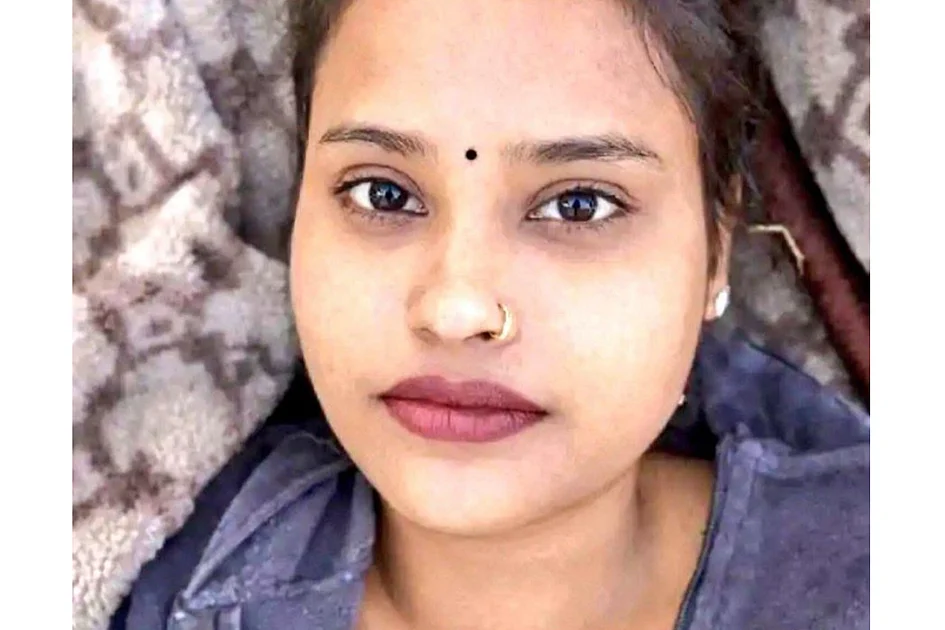
    In a groundbreaking application of artificial intelligence, Indian law enforcement authorities in Agra have successfully identified a murder victim through advanced digital facial reconstruction technology. The case involved an unidentified woman whose body was discovered wrapped in a blanket near the Yamuna Expressway, presenting investigators with significant challenges due to the compromised condition of the facial features.

    The investigation initially reached an impasse when traditional forensic methods, including forensic analysis and canine units, failed to establish the victim’s identity. The deceased’s face was obscured by mud with closed eyes, and the only potential clues were two words—’RS’ and ‘Sunny’—inscribed on her hand, with no official identification documents recovered at the scene.

    Facing these obstacles, the Agra Police Department deployed generative AI technology to digitally reconstruct the victim’s facial features. The sophisticated application digitally opened the eyes and enhanced facial characteristics, creating a natural appearance and clear facial profile that enabled recognition.

    The digitally generated image was subsequently distributed to police stations across Uttar Pradesh, ultimately leading to a critical breakthrough. The reconstruction enabled identification of the victim as Sonali, a 25-year-old resident of Mahoba. This identification prompted family members to come forward with additional information regarding her background.

    Investigators discovered that Sonali had separated from her husband approximately four years prior and had been residing with an individual named Sunny. Post-mortem examination results confirmed death by strangulation. Following the identification, police apprehended Sunny, who confessed to the murder. The suspect admitted to wrapping the victim’s body in a blanket and transporting it to the expressway for disposal after deciding to terminate their relationship.

    This case represents a significant milestone in forensic technology applications, demonstrating how AI-powered tools can provide crucial breakthroughs in criminal investigations where traditional methods prove insufficient.