博客

  • Ramadan moon sighting 2026: Will the UAE break with Saudi Arabia on start of holy month?

    Ramadan moon sighting 2026: Will the UAE break with Saudi Arabia on start of holy month?

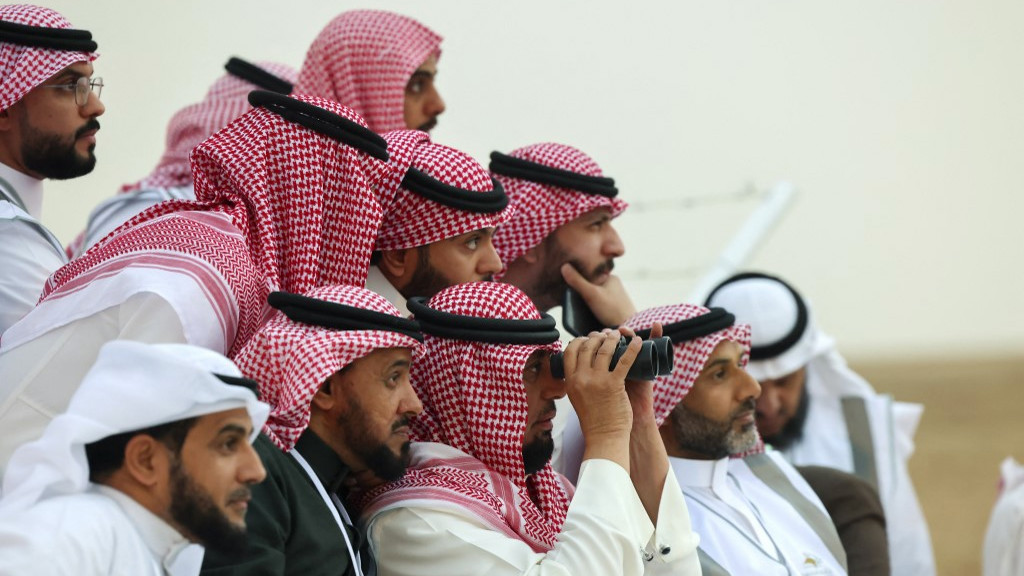
    A significant astronomical disagreement is poised to create unprecedented division among Gulf nations regarding the commencement of Ramadan in 2026. Scientific authorities in the United Arab Emirates have declared the crescent moon will be scientifically impossible to observe on Tuesday, February 17th—the day Saudi Arabia’s moon-sighting committee is expected to make its traditional announcement.

    The Sharjah Academy for Astronomy, Space Sciences and Technology (SAASST) has determined through advanced calculations that the first day of Ramadan will instead fall on Thursday, February 19th. This assessment is supported by Mohammad Odeh, director of the International Astronomical Centre in Abu Dhabi, who confirmed the moon’s invisibility across both the UAE and Saudi Arabia on the anticipated sighting date.

    This scientific consensus contradicts Saudi Arabia’s Umm al-Qura calendar, which precalculates religious dates years in advance and indicates Wednesday, February 18th as Ramadan’s beginning. Historically, Saudi Arabia has reported crescent sightings on dates astronomers deemed impossible, without ever addressing these scientific criticisms.

    The timing of this astronomical dispute coincides with deteriorating diplomatic relations between the UAE and Saudi Arabia, prompting speculation that Emirati authorities might break tradition and declare a different Ramadan start date. However, experts including Imad Ahmed of the New Crescent Society note that the UAE has never previously diverged from Saudi Arabia’s religious calendar determinations.

    Other nations including Oman have already announced the moon’s impossibility of sighting on February 17th, with Jordan and Oman having previously rejected Saudi sightings in 2024. The controversy highlights growing tensions between traditional religious practices and astronomical science, with potential implications for Muslim communities worldwide that typically follow Saudi Arabia’s declarations.
  • Connected‑care technologies gain momentum as hospitals seek integrated safety and monitoring systems

    Connected‑care technologies gain momentum as hospitals seek integrated safety and monitoring systems

    Healthcare institutions throughout the region are accelerating their adoption of interconnected care technologies in pursuit of enhanced medication management and patient monitoring solutions. This strategic shift represents a broader industry transition toward unified platforms that seamlessly integrate medical devices, data analytics, and automated processes—effectively reducing clinical workloads while simultaneously improving precision and visibility across patient care pathways.

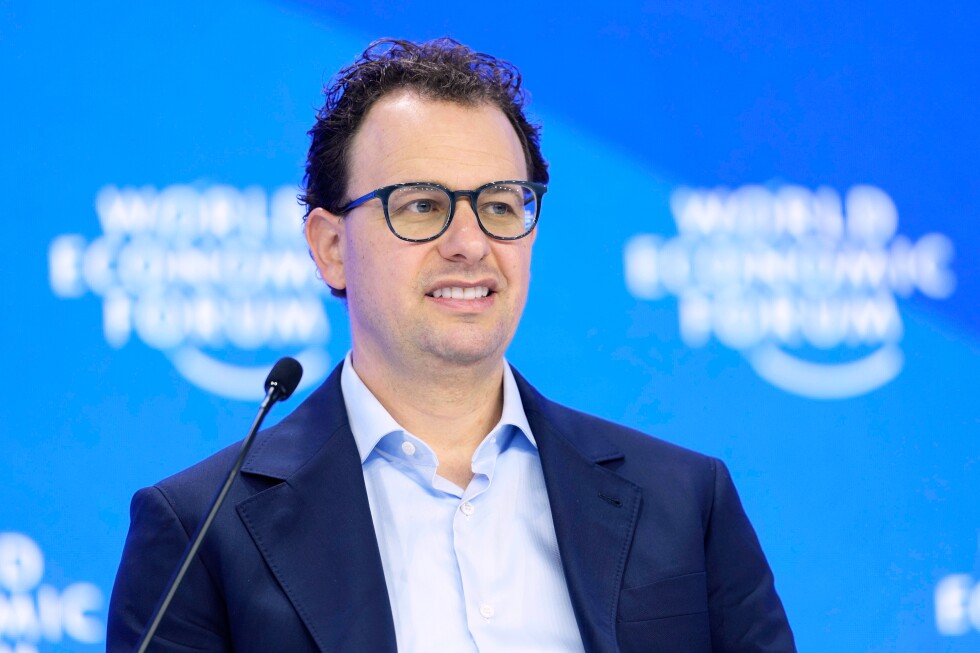
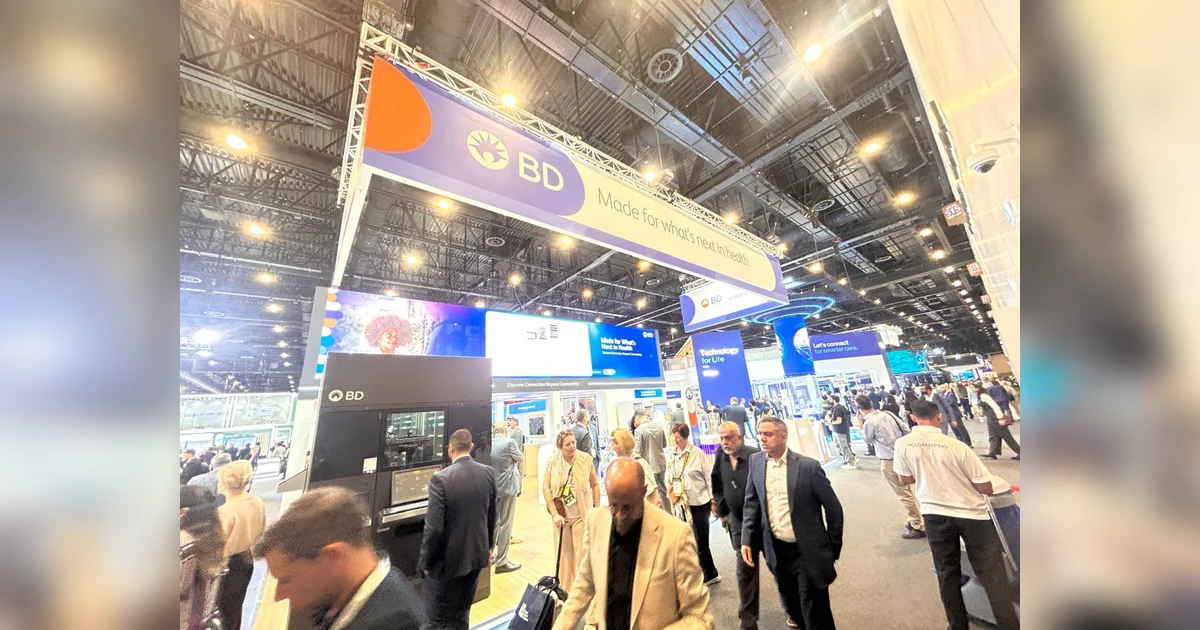
    Three transformative trends are currently reshaping the healthcare technology landscape. Pharmacy automation has emerged as a cornerstone of operational efficiency, with advanced systems revolutionizing pill packaging, single-dose preparation, and robotic storage optimization across diverse pharmacy settings. According to Bilal Muhsin, Executive Vice President and President of the Connected Care Segment at BD, these technologies have transitioned from optional enhancements to essential infrastructure components.

    Medication management is evolving through intelligent, connected infusion technologies exemplified by platforms like BD’s Alaris system. These sophisticated solutions integrate directly with hospital data streams, enabling unprecedented precision in medication delivery oversight. Muhsin emphasizes BD’s leadership position in this rapidly expanding global market segment, highlighting the healthcare industry’s swift migration toward predictive, interoperable systems.

    Patient monitoring technologies are achieving new levels of sophistication through minimally invasive approaches. The proliferation of hemodynamic and cardiac-insight technologies capable of capturing real-time physiological data addresses the growing demand for earlier detection of clinical deterioration. These advanced tools constitute vital elements within connected-care ecosystems, facilitating the industry-wide transition toward continuous, data-informed clinical decision-making.

    This technological evolution is simultaneously influencing corporate structures within the med-tech sector. BD’s recent spin-off of its Biosciences and Diagnostics divisions represents what Muhsin characterizes as strategic realignment, enabling the company to concentrate exclusively on medical technology innovation. Connected Care now stands positioned as a primary driver of long-term organizational value.

    As connectivity expands, regulatory compliance and data sovereignty requirements have grown increasingly complex. BD’s infrastructure architecture deliberately separates patient identity information from clinical data to maintain privacy protections while still enabling valuable clinical insights through advanced analytics.

    In the UAE market, BD is pursuing growth through long-term strategic partnerships rather than transactional supply arrangements. These collaborations typically span five to fifteen years and involve close cooperation with hospital partners to align on shared clinical and operational objectives.

    The company’s innovation pipeline continues to deliver cutting-edge solutions, including the recently launched BD Pyxis Pro dispensing cabinet. This advanced system incorporates guided medication retrieval, specialized cold-storage capabilities, and AI-powered analytics that allow clinicians to investigate trends using natural language queries.

    According to Muhsin, BD’s competitive advantage stems from its unique dual-capability approach: combining industry-leading clinical devices with integrated data intelligence—a model that increasingly defines the future of connected healthcare throughout the region.

  • Meydan provides its own excitement as Carnival heats up on eve of $20m Saudi Cup

    Meydan provides its own excitement as Carnival heats up on eve of $20m Saudi Cup

    In a landmark initiative to celebrate the profound act of organ donation, Mediclinic City Hospital in Dubai has inaugurated the United Arab Emirates’ first-ever ‘Tree of Life’ sculpture. This permanent artistic installation serves as a solemn tribute to both organ donors and their families, recognizing their invaluable contributions to saving and transforming lives.

    The unveiling ceremony was a significant event within the UAE’s healthcare community, highlighting the critical importance of raising public awareness about organ donation. The ‘Tree of Life’ is designed not merely as a memorial but as a powerful symbol of hope, renewal, and the continuous cycle of giving. Its branches represent the far-reaching and life-sustaining impact that a single donor can have on multiple recipients.

    Hospital officials emphasized that the primary objective of this initiative is to foster a stronger culture of organ donation across the nation. By providing a physical space for reflection and honor, Mediclinic aims to inspire more individuals to register as donors, thereby addressing the ongoing need for organs and combating the waiting lists that many patients face. This project aligns with broader national health strategies and the UAE’s commitment to advancing its medical sector and ethical healthcare practices.

    The installation is expected to become a focal point for annual remembrance events and educational campaigns, further embedding the conversation around organ donation into the fabric of the community. It stands as a testament to the hospital’s dedication to not only clinical excellence but also to the compassionate and humanitarian aspects of medicine.

  • Pakistan ex-PM Imran Khan has only 15% vision in right eye, son says

    Pakistan ex-PM Imran Khan has only 15% vision in right eye, son says

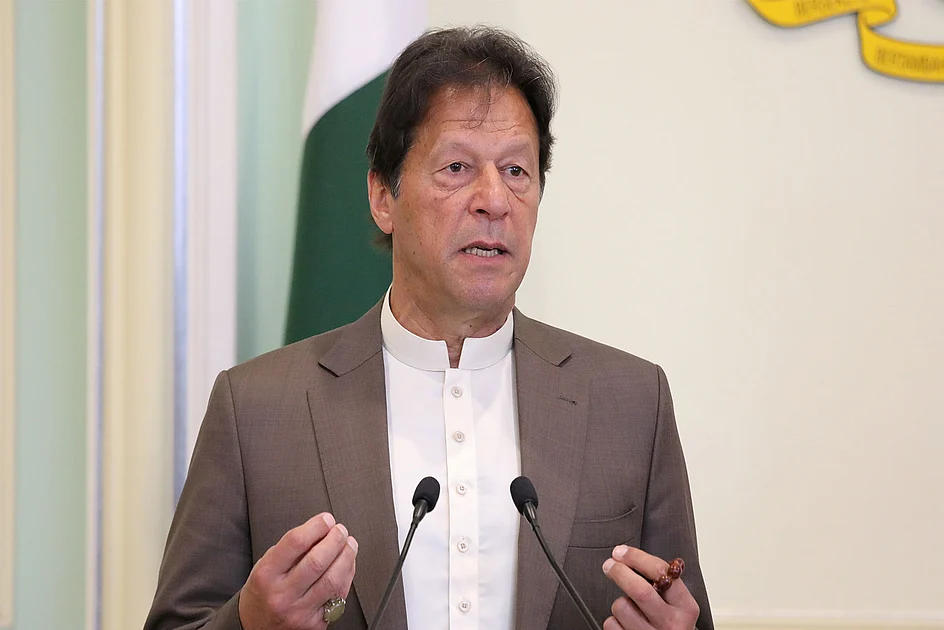
    Pakistan’s political landscape faces renewed scrutiny as former Prime Minister Imran Khan experiences severe vision deterioration while incarcerated. According to revelations from his son Kasim Khan, the imprisoned leader retains merely 15% visual capacity in his right eye—a condition allegedly resulting from prolonged medical neglect during his 922-day solitary confinement.

    The medical crisis unfolded progressively, with initial symptoms of blurred vision reported approximately three months ago during a legal consultation. Despite formal notifications to prison authorities by Khan’s legal representative Salman Safdar, no substantive medical intervention occurred, permitting the condition to advance unchecked. Medical assessments subsequently identified an ocular blood clot as the underlying cause of his vision impairment.

    Contrasting this narrative, Pakistani governmental authorities maintain that Khan underwent appropriate medical procedures at a hospital on January 24, after which they declared him “fine and healthy.” This official stance conflicts sharply with family accounts of systematic medical denial, including blocked access to Khan’s personal physician for over twelve months.

    The Supreme Court of Pakistan has intervened decisively, mandating the formation of a specialized medical team to conduct comprehensive evaluations. The judicial directive additionally permits telephone communications between Khan and his sons, who currently reside in London with their mother Jemima Goldsmith. Notably, the siblings report continued visa denials preventing familial visits despite the escalating health emergency.

    Kasim Khan attributes his father’s physical decline directly to “the regime in power, the Army Chief and the puppets enabling this cruelty,” alleging deliberate manipulation of judicial systems to maintain solitary confinement. The former cricket star turned politician faces multiple convictions including a 10-year sentence for alleged diplomatic cable disclosures and 14 years for corruption charges related to the Al Qadir Trust charity—cases his Pakistan Tehreek-e-Insaf party characterizes as politically motivated exclusion tactics.

    International human rights organizations and democratic nations face mounting calls to address what the family describes as systematic persecution, with historical accountability demanded for all responsible parties.

  • Quadria Capital steps up focus on GCC healthcare investments

    Quadria Capital steps up focus on GCC healthcare investments

    Asia’s premier healthcare-focused private equity firm Quadria Capital is intensifying its strategic focus on the Gulf Cooperation Council (GCC) healthcare market, positioning itself to capitalize on the region’s substantial growth potential. With assets under management exceeding $4.2 billion, the firm is establishing enhanced regional presence to develop scaled healthcare platforms across GCC nations.

    The GCC healthcare sector, valued at approximately $120 billion, demonstrates robust annual growth between 5-13%, significantly outpacing regional GDP expansion. This growth trajectory is fueled by multiple structural factors including rising chronic disease prevalence, aging demographics, mandatory insurance implementation, and predictable healthcare utilization patterns. Despite these favorable demand drivers, the region faces substantial supply constraints with hospital bed density languishing at approximately 50% of OECD standards, persistent workforce shortages, fragmented provider networks, and significant outbound medical tourism indicating gaps in specialized care capacity and quality.

    According to Abrar Mir, Co-Founder and Managing Partner at Quadria, “The GCC stands at a healthcare inflection point. Demand characteristics show large, paying, and long-term requirements while supply remains constrained across both infrastructure and clinical capacity dimensions. Policy support demonstrates both depth and durability.”

    The firm’s leadership emphasizes the region’s readiness for modern healthcare delivery models. Amit Varma, Co-Founder and Managing Partner, notes that “near-universal digital penetration combined with supportive regulatory frameworks positions technology as a core enabler for accelerated scaling, enhanced operational efficiency, and improved patient outcomes.”

    Sunil Thakur, Partner leading GCC initiatives, highlighted Quadria’s hands-on approach: “We maintain close collaboration with management teams focusing on value creation, strategic partnerships, and implementation of digital and AI-driven healthcare models. Our physical presence enables more intensive engagement.”

    Quadria’s expansion strategy leverages existing portfolio companies operating within or entering Middle Eastern markets, providing support through partnership development, market entry assistance, and talent acquisition. The firm will additionally utilize HealthQuad—India’s largest healthtech-focused venture growth fund—to facilitate digital healthcare expansion throughout the GCC region as governments increasingly transition toward regulatory and ecosystem-building roles.

  • Demand grows for multi-device power solutions in the Middle East

    Demand grows for multi-device power solutions in the Middle East

    In a landmark initiative to celebrate the profound act of organ donation, Mediclinic City Hospital in Dubai has inaugurated the United Arab Emirates’ first ‘Tree of Life’ memorial. This permanent artistic installation serves as a powerful tribute to both organ donors and their recipients, aiming to foster a culture of life-saving generosity within the community.

    The sculpture, designed as a symbolic tree with intricate metal leaves, will be engraved with the names of individuals who have given the ultimate gift. It stands not only as a monument of remembrance but also as an educational beacon to raise public awareness about the critical importance of organ donation. Hospital officials emphasize that the installation is a core part of their broader mission to encourage more residents to register as donors, directly addressing the significant need for organs and tissues in the region.

    By creating a visible and poignant point of reflection, the hospital intends to spark conversations among families and inspire potential donors to make a commitment that can save multiple lives. This initiative aligns with the UAE’s national efforts to enhance healthcare services and promote altruistic acts within society. The ‘Tree of Life’ is expected to become a central symbol of hope, gratitude, and medical advancement, honoring the silent heroes whose final act catalyzes a legacy of life and healing for others.

  • US antitrust chief resigns amid tensions with Trump officials

    US antitrust chief resigns amid tensions with Trump officials

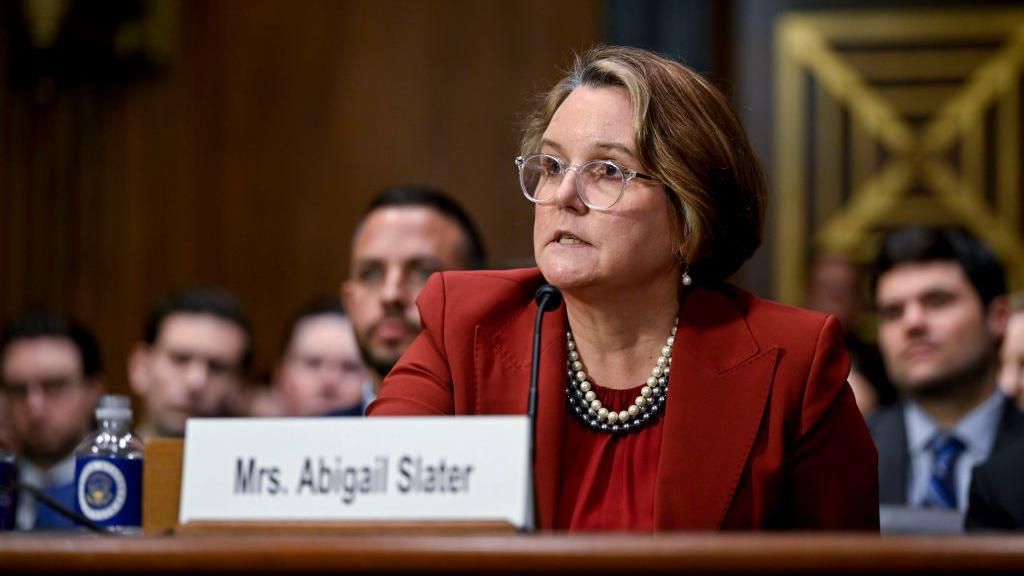
    In a significant development for US competition policy, Gail Slater, the head of the Justice Department’s Antitrust Division, announced her resignation on Thursday via social media. The departure marks the latest in a series of leadership changes within the division since last summer, including the removal of two other senior officials.

    Slater, appointed by President Donald Trump last year and confirmed with bipartisan support, wrote that she was leaving her role ‘with great sadness and abiding hope.’ The Justice Department confirmed her departure but provided no details regarding the circumstances.

    The resignation has sparked concern among antitrust practitioners, lawmakers, and former officials who interpret it as evidence of the White House retreating from robust monopoly enforcement. Critics allege that senior Trump administration officials have repeatedly overruled antitrust division leaders on enforcement decisions, suggesting a softer approach to corporate mergers under lobbyist influence.

    These tensions became publicly visible last summer when the DOJ unexpectedly dropped a lawsuit challenging Hewlett-Packard Enterprise’s $14 billion acquisition of Juniper Networks after companies appealed to top officials. Following this decision, Roger Alford, Slater’s top deputy and veteran of the first Trump administration, was ousted. Alford has since described an internal ‘battle within the Department of Justice’ between antitrust enforcers and senior leadership.

    The ongoing turbulence raises serious questions about the fate of major ongoing cases against companies including Live Nation, Visa, and Apple. According to John Newman, a former FTC official during the Biden administration, this regulatory uncertainty creates a ‘worst case scenario’ for honest businesses while potentially benefiting those indifferent to legal compliance.

    Senator Elizabeth Warren characterized Slater’s departure as appearing ‘like corruption’ and called for congressional investigation into the Trump administration’s actions. The White House did not immediately respond to requests for comment, while a DOJ spokesperson declined to address allegations of intervention by higher-ups.

  • Anthropic hits a $380B valuation as it heightens competition with OpenAI

    Anthropic hits a $380B valuation as it heightens competition with OpenAI

    Artificial intelligence firm Anthropic has achieved a monumental $380 billion valuation, positioning itself alongside industry rivals OpenAI and Elon Musk’s SpaceX as the world’s most valuable private companies. This valuation milestone follows Anthropic’s successful $30 billion funding round, spearheaded by Singapore’s sovereign wealth fund GIC and U.S. investment firm Coatue, with participation from numerous prominent investors.

    The substantial investment includes a segment of the $15 billion commitment announced by Nvidia and Microsoft in November, forming part of a strategic arrangement that obligates Anthropic to purchase approximately $30 billion in computing capacity from Microsoft. This infrastructure is essential for developing and operating advanced AI systems like Claude, Anthropic’s flagship chatbot. The company has also received significant backing from cloud computing giants Amazon and Google.

    According to Renaissance Capital, which specializes in IPO research, Anthropic now ranks as the third most valuable private company globally. OpenAI leads with a $500 billion valuation, while SpaceX maintains the top position following its recent merger with Musk’s AI venture xAI, creator of the Grok chatbot.

    Despite not yet achieving profitability, Anthropic projects remarkable revenue growth, anticipating $14 billion in sales over the coming year. This represents an extraordinary acceleration from generating its first revenue less than three years ago. Unlike OpenAI’s diversified revenue approach, which includes digital advertising, Anthropic has concentrated on developing Claude as a specialized workplace assistant for tasks such as software engineering.

    Founded in 2021 by former OpenAI employees, Anthropic has distinguished itself through its commitment to artificial general intelligence safety. The company recently established a $20 million bipartisan organization aimed at influencing AI regulation in the United States, reinforcing its focus on responsible AI development.

    Financial experts note that whichever company initiates an initial public offering first will gain significant advantages in capital raising and public recognition. However, this transition will also subject their business models to intensified scrutiny from public markets, where quarterly earnings reports could substantially impact stock performance.

  • What is the SAVE America Act that mandates voter ID?

    What is the SAVE America Act that mandates voter ID?

    The U.S. House of Representatives has approved the Safeguard American Voter Eligibility (SAVE) Act in a narrow 218-213 vote, introducing stringent citizenship verification requirements for voter registration as midterm elections approach. The legislation mandates that individuals present valid U.S. passports or birth certificates to establish citizenship when registering to vote, alongside requiring valid photo identification at polling stations.

    This legislative move has ignited intense partisan debate. Republican proponents, including former President Donald Trump who has consistently endorsed the measure, argue that such provisions are essential to prevent voter fraud and strengthen electoral integrity. “American citizens, and only American citizens, should decide American elections,” stated a White House social media post echoing this position.

    Conversely, Democratic opponents have characterized the bill as a form of voter suppression, expressing concerns that it could disenfranchise millions of eligible voters. Particular attention has been drawn to challenges facing married individuals who have changed their names and may lack matching documentation, with an estimated 21 million Americans reportedly lacking readily available citizenship proof.

    The bill faces significant obstacles in the Senate, where Majority Leader John Thune acknowledges insufficient support to reach the 60-vote threshold required for passage. Thune has explicitly dismissed suggestions to alter filibuster rules to facilitate the bill’s advancement. Further complicating its prospects, Republican Senator Lisa Murkowski has declared her opposition to the measure, diminishing its chances of successful passage through the upper chamber.

    The legislative proposal represents a renewed version of previously stalled efforts, establishing specific procedures for individuals with name changes to submit additional identity verification documents while imposing potential criminal penalties on election officials who register voters without obtaining required citizenship proof.

  • Saudi Arabia dismisses investment minister ahead of Vision 2030 plan update

    Saudi Arabia dismisses investment minister ahead of Vision 2030 plan update

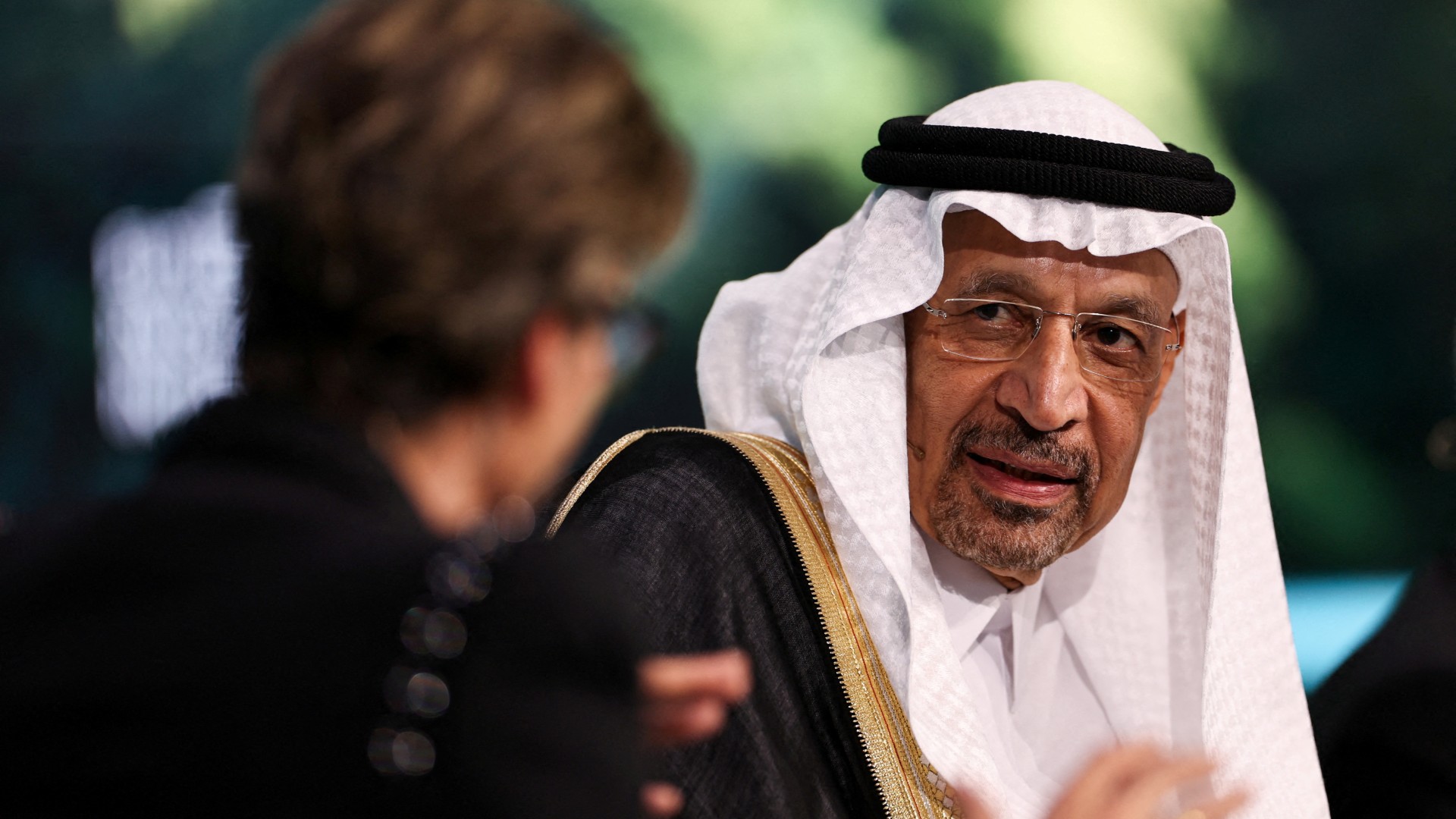
    In a significant cabinet reshuffle, King Salman of Saudi Arabia has issued a royal decree dismissing Khalid bin Abdulaziz Al-Falih from his position as Investment Minister. The move comes as the Kingdom recalibrates its economic strategy amid fiscal pressures and slower-than-expected growth.

    Al-Falih, a veteran energy executive with extensive government experience, has been replaced by Fahd bin Abduljalil bin Ali al-Saif, currently head of global capital finance at the sovereign Public Investment Fund (PIF). The new appointee previously led the fund’s investment strategy and economic insights division, bringing direct PIF experience to the role.

    While relieved of his ministerial portfolio, Al-Falih will retain his position as a minister without portfolio and remain a member of the cabinet. His departure from the investment ministry marks a notable shift in leadership during a critical period for Saudi Arabia’s economic transformation.

    The ministerial change coincides with preparations for a revised five-year plan under Crown Prince Mohammed bin Salman’s Vision 2030 initiative. This revision follows economic challenges including lower-than-anticipated revenues and a growth slowdown to 3.3 percent in 2025, down from 5.3 percent previously.

    According to sources familiar with the matter, persistently low oil prices have constrained the Kingdom’s capacity to finance its most ambitious projects. This fiscal pressure has prompted authorities to reassess several megaprojects, with some being scaled back or postponed entirely.

    Notable adjustments include the suspension of the Mukaab cube-shaped structure in Riyadh, downsizing of a proposed Neom ski resort, and scaling back of The Line—the 170-kilometer linear city concept. These modifications reflect a more pragmatic approach to the Vision 2030 implementation.

    Finance Minister Mohammed al-Jadaan defended the strategic revisions, stating in December that the government would not hesitate to ‘adjust, accelerate, prioritize, defer or cancel’ projects as needed to maintain economic stability.

    Despite these adjustments, several major initiatives continue to advance, including substantial investments in Syrian reconstruction projects and the expansive King Salman Gate development around Mecca’s Grand Mosque, which will feature new towers for prayer, accommodation, and hospitality services.