博客

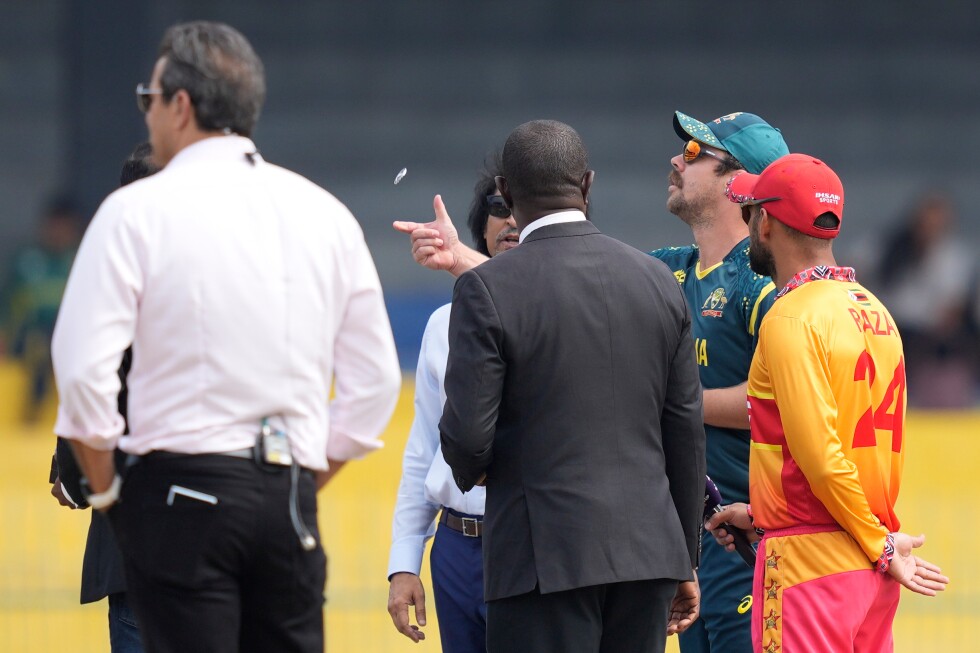
  • Australia wins the toss and fields against Zimbabwe at the T20 World Cup

    Australia wins the toss and fields against Zimbabwe at the T20 World Cup

    COLOMBO, Sri Lanka — Australia’s cricket team made strategic adjustments to its lineup as it faced Zimbabwe in a highly anticipated T20 World Cup match on Friday. Captain Mitchell Marsh, who had been sidelined with a testicular injury sustained during pre-match net practice, continued his recovery process while Travis Head retained leadership duties for the encounter.

    The Australian squad implemented two significant changes from their opening victory against Ireland. Middle-order batsman Tim David returned to active play following hamstring rehabilitation that had excluded him from the Big Bash League, replacing Cooper Connolly. Simultaneously, fast bowler Xavier Bartlett made way for Ben Dwarshuis in the bowling department.

    Zimbabwe, fresh from their commanding eight-wicket triumph over Oman, correspondingly adjusted their roster with two modifications. Veteran batsman Brendan Taylor, who retired hurt during the initial match, was substituted by wicketkeeper-batter Tadiwanashe Marumani. The team management opted to rest pace bowler Richard Ngarava, introducing Tony Munyonga into the playing eleven.

    This confrontation marked the first T20 World Cup meeting between the nations since Zimbabwe’s memorable five-wicket upset against Australia during the tournament’s inaugural 2007 edition. The historical context added significance to the Group B encounter as both teams sought to strengthen their positions in the competition.

    Later Friday fixtures featured associate nations in Group D and Group A matches. The United Arab Emirates pursued their first tournament victory against Canada in New Delhi, while the United States, having previously fallen to India and Pakistan, confronted the Netherlands in Chennai.

    Lineups:
    Zimbabwe: Brian Bennett, Tadiwanashe Marumani, Dion Myers, Sikandar Raza (captain), Ryan Burl, Tony Munyonga, Tashinga Musekiwa, Brad Evans, Wellington Masakadza, Graeme Cremer, Blessing Muzarabani.
    Australia: Travis Head (captain), Josh Inglis, Cameron Green, Tim David, Glenn Maxwell, Marcus Stoinis, Matt Renshaw, Ben Dwarshuis, Nathan Ellis, Matt Kuhnemann, Adam Zampa.

  • Trump will announce ‘multi-billion’ Gaza reconstruction and stabilisation force on 19 February: Report

    Trump will announce ‘multi-billion’ Gaza reconstruction and stabilisation force on 19 February: Report

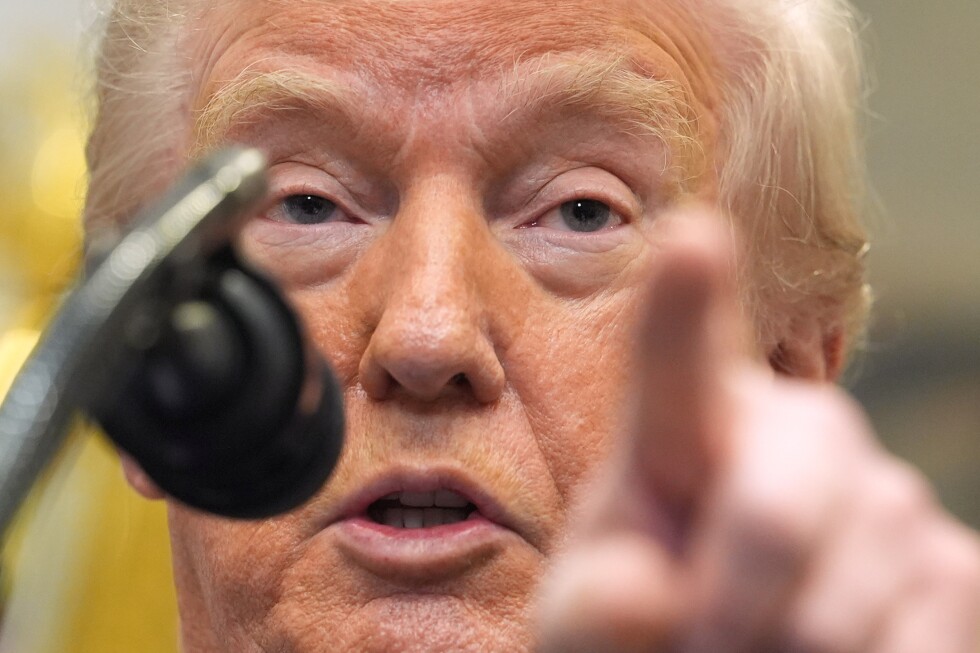
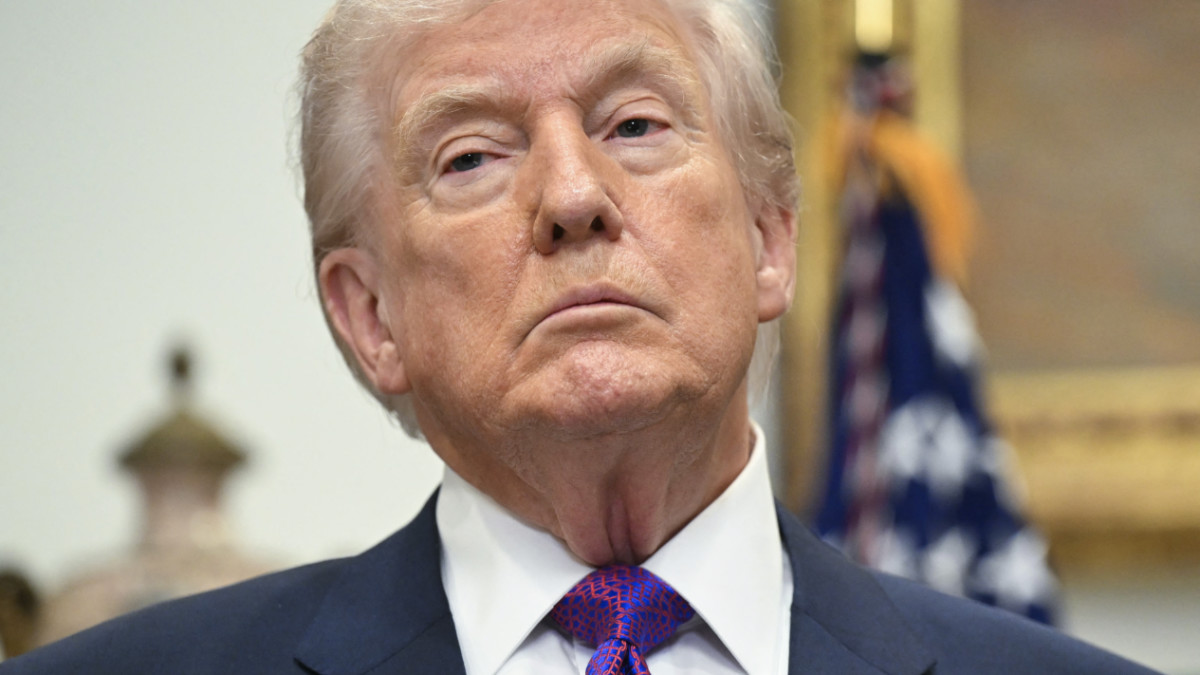
    President Donald Trump is preparing to present a comprehensive multi-billion-dollar reconstruction initiative for Gaza alongside details of a United Nations-mandated stabilization force during the inaugural ‘Board of Peace’ summit on February 19th in Washington, DC. The meeting will convene approximately 20 nations, including multiple heads of state, marking a significant diplomatic effort to address the Gaza crisis.

    The Board of Peace, initially announced by Trump at last month’s Davos Economic Forum, incorporates nearly all major Middle Eastern powers including Qatar, UAE, Saudi Arabia, and Turkey, with additional participation from Pakistan, Armenia, Azerbaijan, and Indonesia. Reuters reports that Trump will announce commitments from several nations to contribute thousands of troops to the proposed stabilization force.

    Indonesia has emerged as a potential major contributor, with Army Chief of Staff Maruli Simanjuntak and President Prabowo Subianto confirming preparations to deploy up to 8,000 soldiers should an agreement be finalized. ‘We are just preparing ourselves in case an agreement is reached and we have to send peacekeeping forces,’ Prabowo stated to journalists.

    The financial architecture of the reconstruction plan envisions wealthier Gulf states including Saudi Arabia, Qatar, and the UAE funding Gaza’s rebuilding. However, these nations have expressed reservations. Saudi Crown Prince Mohammed bin Salman previously demurred when asked about financial contributions, while Qatari Prime Minister Mohammed bin Abdulrahman al-Thani explicitly stated in December that Qatar would not ‘write the check to rebuild what others destroyed,’ referencing Israel’s destructive operations.

    The proposal faces significant geopolitical challenges. Arab and Muslim states remain hesitant to deploy troops, concerned about being positioned between an armed Hamas and Israeli soldiers who continue to occupy approximately 53% of the enclave. Many fear their forces could be perceived as enabling Israel’s occupation and ceasefire violations.

    Despite these obstacles, the Trump administration has made some progress, including backing a committee of Palestinian technocrats reporting to Nickolay Mladenov, the high representative for Gaza. The UAE, currently at odds with Saudi Arabia, has drafted plans to construct compounds for Palestinians in the Israeli-occupied portion of Gaza.

    The situation remains volatile with ongoing ceasefire violations and Israeli strikes continuing to claim Palestinian lives. Hamas refuses to disarm until Israel completely withdraws from Gaza, which remains divided by a ‘yellow line’ and subject to a comprehensive Israeli blockade via the Mediterranean Sea.

  • Trump heads to Fort Bragg to cheer special forces members who ousted Venezuela’s Maduro

    Trump heads to Fort Bragg to cheer special forces members who ousted Venezuela’s Maduro

    President Donald Trump traveled to Fort Bragg, North Carolina on Friday to commend special operations forces involved in the dramatic extraction of Venezuelan leader Nicolás Maduro during a New Year’s operation. The mission resulted in Maduro facing U.S. smuggling charges, marking a significant escalation in American intervention in South American affairs.

    Accompanied by First Lady Melania Trump, the presidential visit to one of the world’s largest military installations by population served dual purposes: recognizing military achievements while engaging with service families. The trip occurs amid increased presidential travel to electorally significant states ahead of November’s midterm congressional elections.

    The administration has subsequently advocated for extensive oversight of Venezuela’s oil industry following Maduro’s removal. In continuation of this foreign policy approach, Trump plans to host Latin American leaders in Florida next month, focusing on countering Chinese influence throughout the region.

    This strategic gathering on March 7 will provide a platform to advance what the president has termed the “Donroe Doctrine”—an assertive foreign policy framework invoking the Monroe Doctrine’s principle of American hemispheric dominance while incorporating Trump’s distinctive approach to international relations.

    The visit marks Trump’s second appearance at Fort Bragg within a year, following a June event commemorating the U.S. Army’s 250th anniversary that was overshadowed by controversial partisan remarks. The administration has recently deployed National Guard units to multiple domestic locations including Washington and Memphis as part of broader immigration enforcement initiatives.

  • Africa leads growth in solar energy as demand spreads beyond traditional markets, report says

    Africa leads growth in solar energy as demand spreads beyond traditional markets, report says

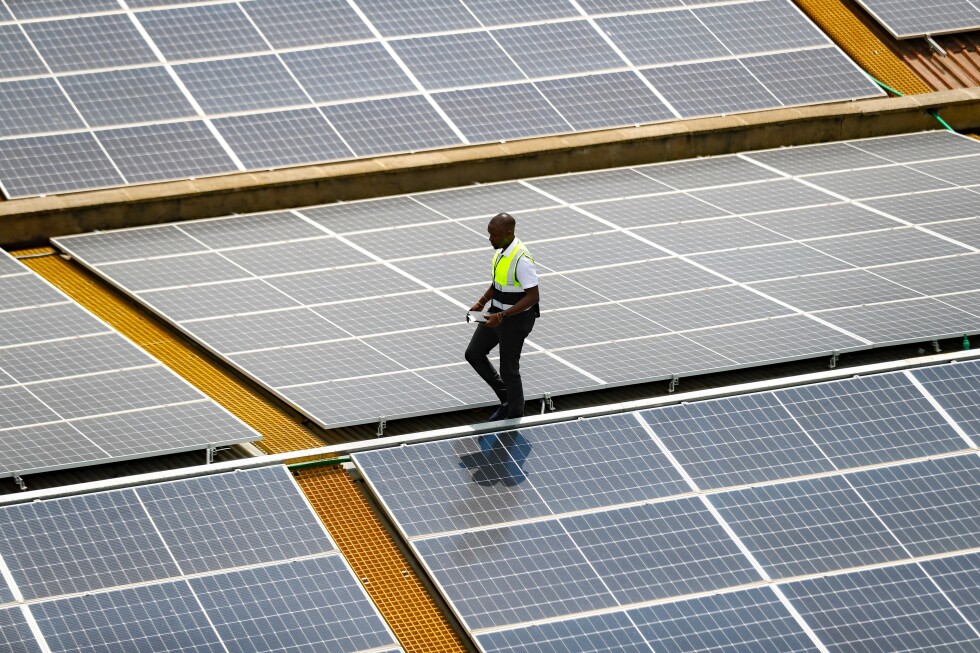
    NAIROBI, Kenya — Defying a worldwide deceleration in renewable energy expansion, Africa has astonishingly positioned itself as the planet’s most rapidly expanding solar market in 2025. This remarkable growth, meticulously documented in a recent industry analysis, signifies a pivotal shift in the global concentration of renewable energy momentum.

    The Africa Solar Industry Association’s comprehensive report reveals that the continent’s installed solar capacity witnessed a robust 17% surge last year. This acceleration was predominantly fueled by a substantial influx of competitively priced, Chinese-manufactured solar panels. While the global solar power capacity increased by 23% to 618 gigawatts (GW) in 2025, this represented a significant slowdown from the 44% growth rate recorded in 2024, making Africa’s performance particularly standout.

    Cynthia Angweya-Muhati, Acting CEO of the Kenya Renewable Energy Association, emphasized the crucial role of international partnership, stating, ‘Chinese enterprises are fundamentally propelling Africa’s green energy transformation. They are making assertive investments and establishing resilient supply chains within the continent’s burgeoning green ecosystem.’

    However, a notable implementation gap persists. Data indicates that although nearly 64 gigawatts peak (GWp) of solar equipment has been shipped to Africa since 2017, the operational capacity currently stands at only 23.4 GWp. A gigawatt peak denotes one billion watts of maximum potential power output under ideal conditions.

    John Van Zuylen, CEO of the Africa Solar Industry Association, attributed this sustained growth to strategic policy evolution. ‘Solar energy has transcended its status as a niche interest of a few early adopters to become a widespread continental priority,’ he commented during the Inter Solar Africa summit in Nairobi. ‘The current trajectory is not ephemeral; it is the result of policies successfully aligning with potent market dynamics.’

    The market landscape is also diversifying. Historically, South Africa was the dominant force, once accounting for approximately half of all solar panel imports. Its share has now receded to below one-third as demand skyrockets across the continent. In a striking demonstration of this broadening appeal, 20 African nations established new annual import records in 2025, with 25 countries each importing a minimum of 100 megawatts of capacity.

    Nigeria has now eclipsed Egypt to become Africa’s second-largest solar importer. The driving force behind this shift is the practical and cost-effective nature of solar energy coupled with battery storage, offering a reliable alternative to expensive diesel generators and an unstable national grid. Algeria experienced a meteoric rise with year-on-year imports soaring over thirty times, while Zambia and Botswana also recorded significant surges.

    The report further highlights that at least 23 African nations, including South Africa, Tunisia, Kenya, Chad, and the Central African Republic, now generate over 5% of their electricity from solar sources.

    A key enabler of this boom is the precipitous decline in costs. Prices for solar panels and, crucially, battery storage units—primarily sourced from China—have fallen dramatically. Battery storage costs in Africa dropped to $112 per kilowatt-hour in 2025, down from an average of $144 in 2023, thanks to technological advancements yielding more flexible and durable systems.

    Van Zuylen noted the profound impact of this trend: ‘This ever-decreasing price of storage carries game-changing implications for a continent with an acute need for stable, baseload power.’

    Policy reforms are also playing a critical role. In Nigeria, the phased removal of diesel subsidies over the past two years has made diesel progressively more expensive, effectively pushing businesses and households toward solar alternatives. This policy was implemented incrementally across sectors to mitigate economic shock. In a major development for regional manufacturing, Nigeria announced plans in September for a 1 GW solar panel factory, poised to be the largest in West Africa. Similar facilities are currently under construction in Egypt, South Africa, and Ethiopia.

    As Africa ambitiously moves to develop its indigenous manufacturing capabilities, the industry is looking towards China for knowledge transfer to mitigate the continent’s reliance on imported equipment and technology.

    The economic benefits extend far beyond manufacturing. Van Zuylen pointed to a parallel jobs boom, explaining, ‘The solar employment surge is occurring in service sectors such as installation, maintenance, distribution, and financing, where thousands of small and medium enterprises are emerging to cater to the escalating demand.’

    Despite the optimistic outlook, significant challenges remain. A primary obstacle is policy inconsistency. Unlike regions such as the Middle East, where governments publish clear, long-term energy roadmaps, many African markets lack stable policy signals. Solar firms operating across the continent cite unpredictable tax structures, fluctuating import duties, and ambiguous long-term energy strategies as factors that erode investor confidence.

    Amos Wemanya, Senior Analyst on Renewable Energy at Powershift Africa, succinctly captured the issue: ‘The problem is not the opportunity. It’s visibility. If a government announces a plan, companies need to have trust that it will remain in place.’
  • Explained: UAE updates FS1, FS2 school admission rules under new age cut-off

    Explained: UAE updates FS1, FS2 school admission rules under new age cut-off

    The UAE Ministry of Education has unveiled significant revisions to admission protocols for Foundation Stage placements in British curriculum private schools, establishing a more nuanced approach to early childhood education entry. Effective from the 2026-27 academic year, the updated framework introduces three pivotal modifications: mandatory readiness evaluations for certain age groups, a singular transitional placement opportunity, and stringent restrictions on subsequent grade transfers.

    The policy shift extends the age eligibility cutoff from August 31 to December 31, aligning placement decisions with the admission year rather than the conventional month-based system. This adjustment primarily benefits children born between September and December who previously faced challenges of joining academic cohorts alongside significantly older peers.

    Under the new provisions, institutions may conduct comprehensive readiness assessments for children born between September 1 and December 31 who haven’t reached three years of age by the academic year’s commencement. These evaluations, performed in collaboration with parents, will determine appropriate FS1 placement suitability. For those demonstrating insufficient preparedness, deferred enrollment until the subsequent academic year remains an option.

    The ministry has instituted a unique transitional measure for children born between September 1, 2022, and December 31, 2022, without prior educational system enrollment. During the 2026-27 academic year only, parents and educational institutions may collaboratively determine optimal placement between FS1 and FS2 tiers.

    A critical stipulation mandates that once students are enrolled in a specific grade, subsequent transfers to alternative grades are expressly prohibited. The policy differentiates between academic calendars, maintaining March 31 as the cutoff for institutions commencing their academic year in April, while the December 31 benchmark applies exclusively to schools with August or September start dates.

    The updated guidelines also address other curriculum structures, clarifying that five-year-old children without prior school registration should generally enroll in KG2 if they reach five years of age by December 31 of the enrollment year. Similar to the British curriculum exception, a transitional provision exists for the 2026-27 academic year permitting children born between September 1 and December 31, 2021, to enroll in either KG1 or KG2 based on assessment results.

  • In Zimbabwe, cash bouquets and scrap metal gifts rival flowers as coveted Valentine’s tokens of love

    In Zimbabwe, cash bouquets and scrap metal gifts rival flowers as coveted Valentine’s tokens of love

    HARARE, Zimbabwe — In a nation where economic pragmatism intersects with romantic expression, Zimbabweans are redefining Valentine’s Day traditions through innovative gift-giving practices that reflect both financial realities and environmental consciousness.

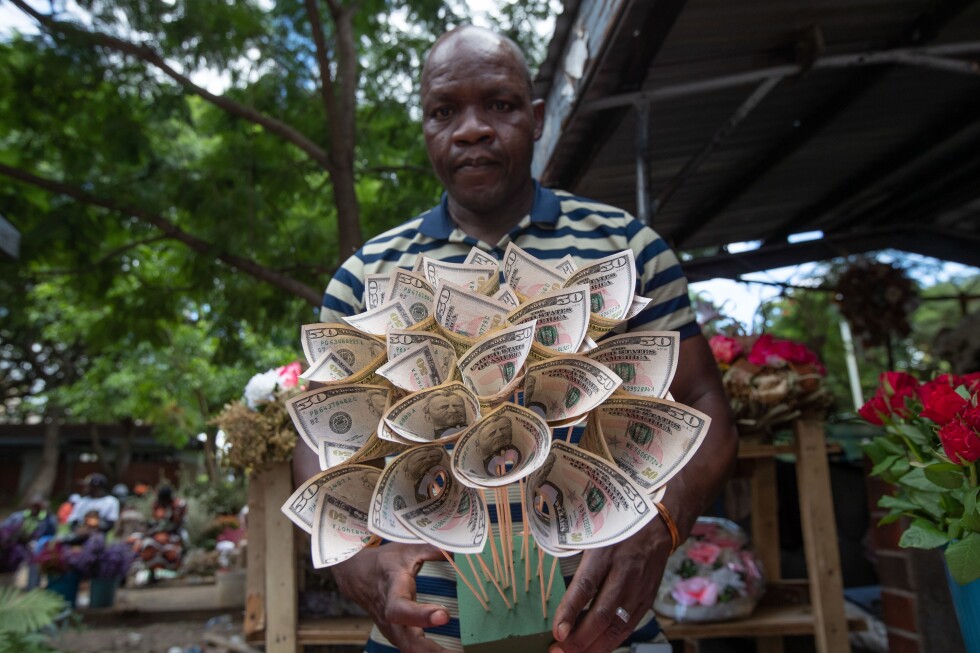
    The emerging trend of money bouquets—carefully crafted arrangements of U.S. dollar bills woven with floral elements—has transformed from social media novelty to mainstream Valentine’s phenomenon. Across traditional markets and digital platforms like TikTok, artisans are meeting growing demand for these hybrid creations that combine financial utility with romantic symbolism.

    At Harare’s established flower market, veteran florist Tongai Mufandaedza demonstrates the intricate process of assembling money bouquets. “The market has significantly improved due to these creations,” noted Mufandaedza, who has three decades of industry experience. “For Valentine’s Day, we anticipate substantially increased customer traffic as everyone seeks to make impressive gestures.”

    The pricing structure reveals interesting market dynamics: a $10 monetary bouquet sells for $25, while traditional rose arrangements command $35-40. This cost-effectiveness, coupled with practical value, drives their appeal in an economy where liquidity often outweighs luxury.

    Generation Z consumers enthusiastically embrace this trend, with 23-year-old Kimberleigh Kawadza expressing full approval: “The innovator behind this concept deserves recognition. It represents perfect appreciation for partners.”

    Interestingly, the trend spans generations, with parents reportedly purchasing money bouquets for daughters to prevent them from seeking “sugar daddies” who might exploit financial incentives.

    The U.S. dollar’s dominance in Zimbabwean transactions—stemming from 2009’s hyperinflation crisis—creates unique logistical challenges. The scarcity of crisp bills has spawned secondary businesses supplying pristine notes for bouquets, as worn currency proves unsuitable for decorative purposes.

    Parallel to monetary expressions, environmental sustainability shapes another gifting innovation: recycled metal creations. At Harare’s Simpli Simbi boutique (“simbi” meaning metal in Shona), artisans transform discarded automotive parts and scrap metal into heartfelt keepsakes.

    Founder Stephanie Charlton explained the philosophy: “We revitalize previously unloved materials into beautiful, permanent treasures. Each piece carries meaningful narratives beyond temporary chocolates or flowers.”

    This environmentally conscious approach attracts growing local clientele, signaling shifting attitudes toward sustainable consumption despite economic pressures.

    Notably, Zimbabwe lacks the restrictive policies implemented elsewhere, such as Kenya’s recent warnings of severe penalties for currency manipulation in bouquets—a contrast highlighting different regulatory approaches to similar trends across Africa.

  • Thailand uses a birth control vaccine to curb its elephant population near expanding farms

    Thailand uses a birth control vaccine to curb its elephant population near expanding farms

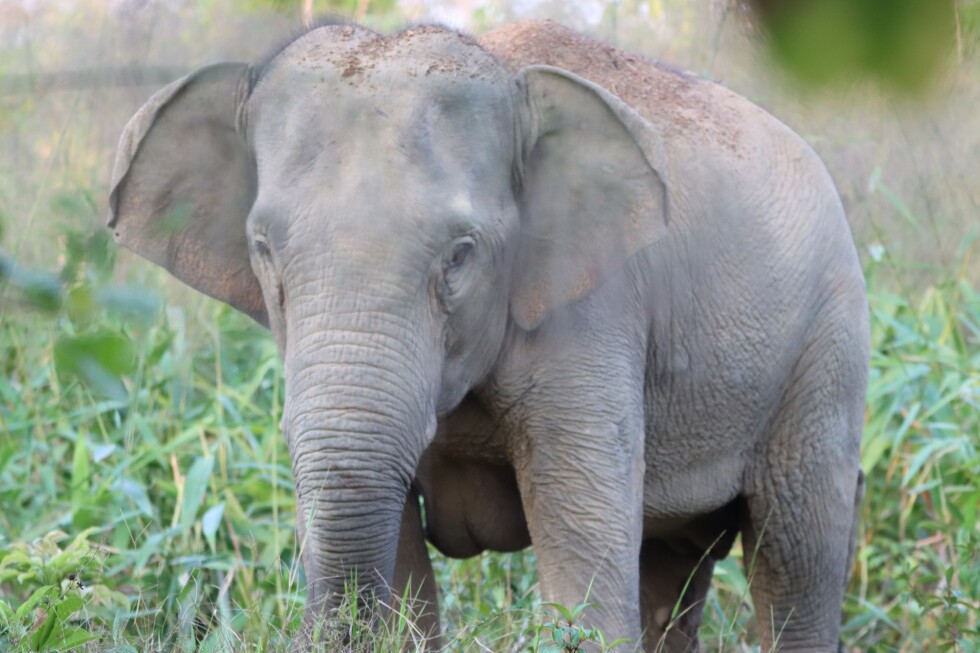
    Thai wildlife authorities have initiated a pioneering conservation strategy by administering contraceptive vaccines to wild elephants in response to escalating human-elephant conflicts. This scientific intervention addresses the critical situation where expanding agricultural activities increasingly encroach upon natural elephant habitats, forcing the animals into human settlements in search of sustenance.

    According to official statistics from Thailand’s Wildlife Conservation Office, wild elephants were responsible for 30 human fatalities and 29 injuries last year, alongside more than 2,000 documented incidents of crop destruction. Sukhee Boonsang, Director of the Wildlife Conservation Office, emphasized that population management has become essential as elephant numbers in proximity to residential areas continue to rise dramatically.

    The vaccination program utilizes an American-developed immunocontraceptive that effectively prevents pregnancy for seven years without suppressing ovulation. Instead, the vaccine works by blocking egg fertilization. Following a successful two-year trial involving seven domesticated elephants that consumed seven vaccine doses, authorities administered the treatment to three wild elephants in Trat province in late January. With 15 remaining doses available, conservationists are currently identifying subsequent priority areas for implementation.

    While the program specifically targets regions experiencing the most severe human-elephant conflicts—where wild elephant birth rates reach 8.2% annually compared to the national average of 3.5%—it has faced criticism from conservation advocates concerned about potential impacts on elephant preservation efforts. Approximately 800 of Thailand’s estimated 4,400 wild elephants inhabit these high-conflict zones.

    Sukhee defended the initiative, stating that without intervention, the situation would become unmanageable for affected communities. The contraception program operates alongside complementary measures including creating additional forest water and food sources, installing protective barriers, and deploying rangers to redirect stray elephants.

    The urgency of these interventions was highlighted recently when a court-ordered relocation operation in Khon Kaen province resulted in the tragic death of an elephant from anesthesia-induced choking. Department of National Parks Director General Athapol Charoenshunsa expressed regret while maintaining that established protocols were followed, with an investigation underway to prevent future incidents.

  • Bangladesh’s BNP wins parliamentary election

    Bangladesh’s BNP wins parliamentary election

    In a decisive political development, the Bangladesh Nationalist Party (BNP) has achieved a parliamentary majority in the nation’s pivotal general election, according to projections from local broadcaster Ekattor TV. The results, tallied as vote counting progressed through Friday, indicate the BNP secured 151 seats in the 300-member parliament, surpassing the crucial halfway mark required to form a government.

    This electoral outcome represents a significant political shift for the South Asian nation, which has experienced considerable political turbulence in recent years. The election was widely viewed as a critical test for Bangladesh’s democratic processes, with international observers closely monitoring the proceedings.

    The BNP’s return to power marks a substantial reversal of political fortunes after years in opposition. Political analysts suggest this victory could herald a new chapter of governance characterized by different policy priorities and international alignments. The election’s conduct and results are being interpreted as a potential stabilizing force for the country’s political landscape, though the transition period will be closely watched for signs of continuity or change in Bangladesh’s domestic and foreign policy directions.

    The substantial majority provides the incoming government with a strong mandate to implement its legislative agenda, though the precise composition of the final parliament remains subject to official confirmation from electoral authorities. The transition of power is expected to proceed following the formal certification of results.

  • The Hindu who stood up for a Muslim and became a hero

    The Hindu who stood up for a Muslim and became a hero

    In an extraordinary display of interfaith solidarity, a Hindu gym owner from Kotdwar, Uttarakhand has emerged as an unexpected national icon after defending a Muslim shopkeeper from religious harassment. Deepak Kumar, 42, intervened on January 26 when he witnessed activists from the hardline Hindu group Bajrang Dal accosting 68-year-old Vakeel Ahmed over his shop name ‘Baba School Dress and Matching Centre’.

    The confrontation escalated when approximately half a dozen vigilantes demanded Ahmed remove ‘Baba’ from his establishment’s signage—a term commonly used across religious lines in India to denote respected elders or spiritual figures. The activists claimed the reference exclusively belonged to Siddhabali Baba, a local Hindu temple deity, and insisted a Muslim merchant had no rights to its usage.

    Kumar’s spontaneous intervention, captured in a viral video, shows him challenging the group’s religious discrimination with the poignant question: ‘Are Muslims not citizens of India?’ When pressed for identification, he deliberately responded ‘Mohammad Deepak’—a symbolic fusion of Hindu and Muslim names—asserting his Indian identity transcends religious boundaries.

    The incident has triggered polarized reactions across the nation. While political figures like Congress MP Rahul Gandhi hailed Kumar as ‘a hero of India’ fighting for constitutional values, the gym owner faced vehement backlash from right-wing groups. Over 150 Bajrang Dal supporters protested outside his business, and Kumar received numerous death threats alongside abusive social media messages.

    The aftermath has taken a personal toll: Kumar’s previously thriving gym now operates at barely 10% capacity as patrons withdraw due to safety concerns, creating financial strain. His family reportedly lives in fear amid ongoing harassment. Nevertheless, support has poured in nationally, with strangers purchasing gym memberships in solidarity and social media users celebrating his courage.

    Police have registered cases from both parties—against unidentified harassers following Ahmed’s complaint, and against Kumar himself based on allegations from Hindu activists. The case continues to spark national dialogue about religious coexistence, constitutional rights, and rising communalism in contemporary India.

    Despite the consequences, Kumar remains resolute, stating: ‘If we remain silent today, tomorrow our children will also learn the same silence.’ His stance has been widely characterized in Indian media as a rare beacon of hope in increasingly polarized times.

  • Sussan Ley and the glass cliff: Does Australian politics still have a problem with women?

    Sussan Ley and the glass cliff: Does Australian politics still have a problem with women?

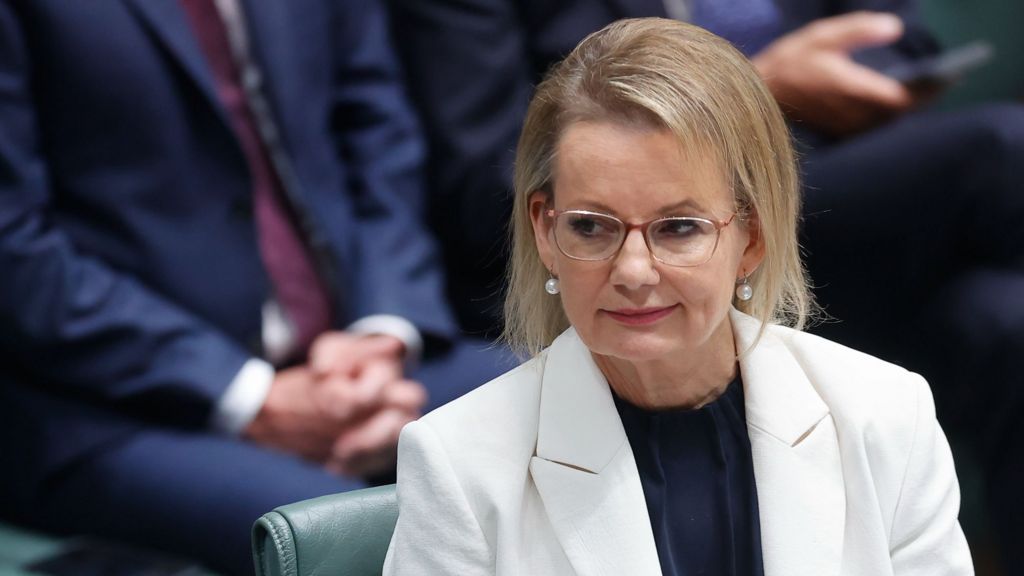
    Australia’s political landscape has been rocked by the dramatic ousting of Sussan Ley as Liberal Party leader after just nine months in the role, sparking intense debate about gender dynamics in conservative politics. Ley, who made history as the first woman to lead the Liberal Party, was replaced by Angus Taylor in a leadership ballot that saw Taylor prevail 34 votes to 17, with Senator Jane Hume elected as deputy leader.

    The leadership change comes amid what political analysts describe as a perfect storm of challenges for the opposition party. Following the most devastating election defeat in the modern Liberal Party’s history last May, the new leader faced the monumental task of unifying fractured party factions, managing a deteriorating coalition with the National Party, overhauling rejected policies, and repairing the party’s reputation with female voters who had abandoned them en masse.

    Ley’s brief tenure has reignited discussions about the ‘glass cliff’ phenomenon—where women and minorities are promoted to leadership positions during times of crisis, setting them up for higher failure risk. Professor Michelle Ryan, Director of the Global Institute for Women’s Leadership and coiner of the term, identified Ley’s situation as a textbook case: ‘There was just crisis on every front… it’s classic glass cliff.’

    Yet perspectives on Ley’s downfall diverge sharply. Her supporters argue gender played a significant role in her premature departure, claiming she was never given a fair chance to succeed. Her opponents, including veteran political commentator Niki Savva, counter that performance, not gender, determined her fate. Savva noted Ley’s approval rating had plummeted to negative 39—the worst performance for an opposition leader in 23 years—and criticized her lack of conviction on key issues.

    The leadership saga highlights broader questions about diversity in Australian politics. While the Labor Party has achieved gender parity in its caucus (57% women) through ambitious quotas implemented over three decades, the Coalition remains approximately one-third female and has resisted quota systems. This reluctance has contributed to the rise of independent female ‘Teal’ candidates who now dominate the crossbench.

    As Taylor assumes leadership, the Liberal Party faces mounting pressure to address internal disunity and better reflect modern Australia’s diversity. The rapid leadership change represents another chapter in the party’s ongoing struggle to adapt to contemporary political realities while maintaining its traditional base.