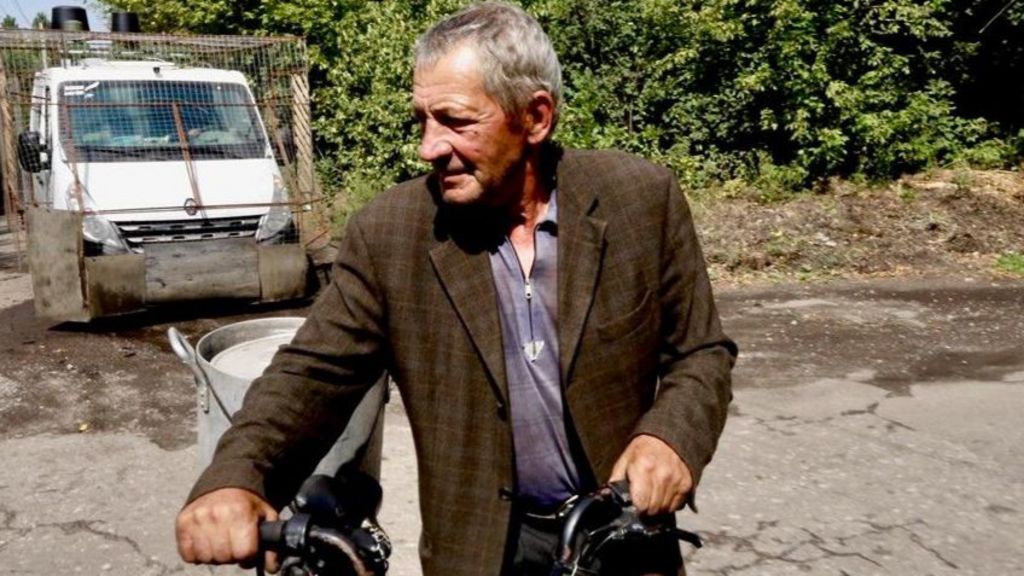
In the war-torn town of Bilozerske, eastern Ukraine, the White Angels—a specialized police unit—embark on a perilous mission to evacuate civilians amidst relentless Russian drone attacks. The town, once home to 16,000 residents, now lies in ruins, with only an estimated 700 inhabitants remaining. The White Angels’ armored van, equipped with a steel cage and drone-jamming technology, offers scant protection against the ever-present threat of Russian drones. Despite the dangers, the team presses on, navigating shattered streets and burned-out homes to rescue those willing to leave.
博客
-
‘For peace, prepare for war’: How Turkey sees Israel’s attack on Qatar
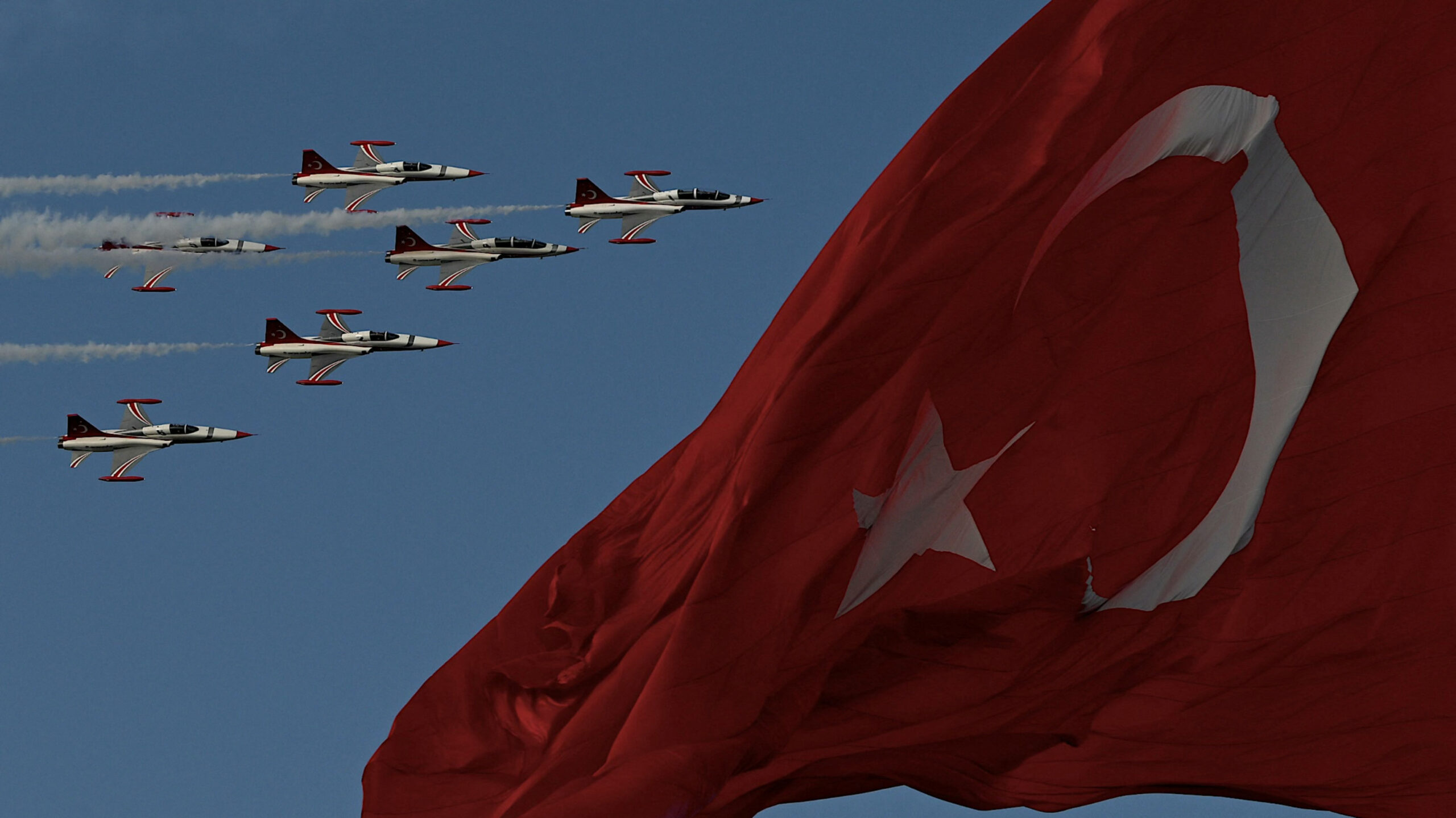
Israel’s recent daylight strike on Hamas leadership in Doha has sent shockwaves across the Gulf region, validating Turkey’s long-standing warnings about Israel’s willingness to disregard international norms and sovereignty. Turkish Foreign Minister Hakan Fidan has repeatedly highlighted Israel’s expansionist strategy, which many Gulf states believed would be restrained by U.S. security guarantees, particularly in Qatar, home to a major U.S. military base. However, the strike has underscored the limits of such assumptions. Turkey, a close ally of Qatar, swiftly condemned the attack, with President Recep Tayyip Erdogan pledging joint steps with Qatar in response. Despite this, Turkey’s options remain constrained, given its modest military presence in Doha and Qatar’s multi-layered security framework involving the U.S., the UK, and the Gulf Cooperation Council. The incident has exacerbated tensions between Turkey and Israel, raising concerns about potential confrontation. In response, Turkey has heightened its air patrols and accelerated defense investments, including the development of advanced missile and air defense systems. While Turkey remains cautious, officials emphasize that any violation of its airspace would provoke a decisive response. Despite the escalating rhetoric, both nations are likely to manage tensions through U.S. mediation and established intelligence channels.
-
A new world order isn’t coming–it’s already here
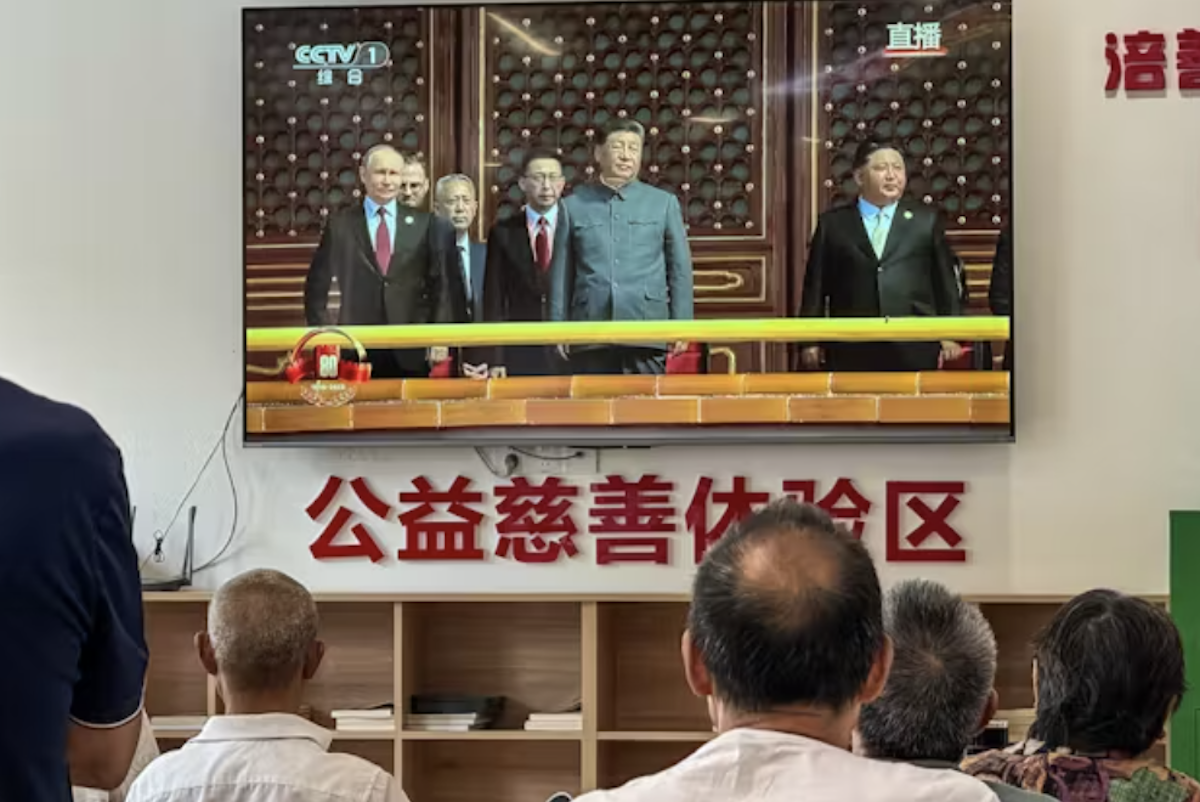
On September 3, 2025, China commemorated the 80th anniversary of its victory over Japan with a meticulously orchestrated event showcasing its military prowess. The spectacle, attended by 26 world leaders, reignited discussions in Western media about the emergence of a China-centric ‘new world order,’ potentially replacing the US-dominated ‘rules-based order.’ This event underscored China’s growing influence on the global stage, prompting geopolitical analysts to argue that the transition to a new world order is already underway, albeit in a state of flux. Historically, global dominance has shifted from the British Empire (1815–1880) to the bipolar Cold War era (1945–1991) and the unipolar US-led order post-1991. However, the US’s global position has been challenged by events such as the 2008 financial crisis, the war on terrorism, and the rise of economic nationalism. Today, a multipolar world is emerging, with the US, China, and Europe as key players. China, under Xi Jinping, is actively pursuing a Sino-centric order, forming alliances with nations like Russia, while Europe is remilitarizing to address regional threats. Despite their strengths, all three power centers face internal challenges, including economic stagnation, aging populations, and political instability. The Global South, comprising nations like Brazil, India, and Indonesia, remains a fluid bloc, hedging between major powers. As the world navigates this transitional phase, questions arise about the durability of alliances, the management of internal crises, and the potential for cooperation on global issues like climate change. The hope is that the transition to a new world order will occur peacefully, avoiding outright conflict.
-
From political outsider to a president like no other: Bolsonaro’s rise and fall
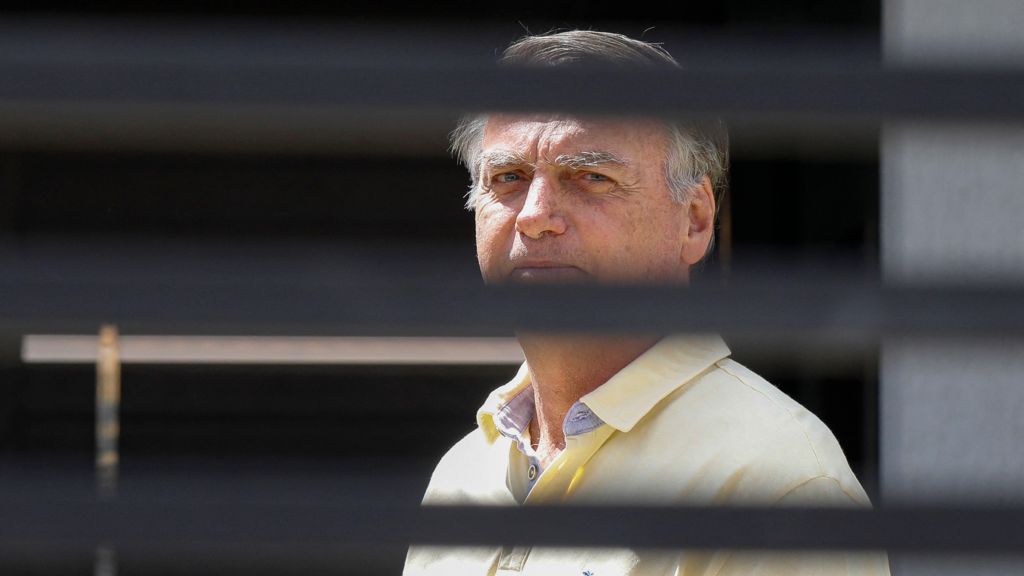
In a landmark ruling, Brazil’s Supreme Court has convicted former President Jair Bolsonaro of orchestrating a coup attempt, sentencing him to over 27 years in prison. The verdict marks a dramatic fall from grace for Bolsonaro, whose political career was once propelled by his outsider image and a shocking assassination attempt during his 2018 campaign. Despite his conviction, Bolsonaro remains a polarizing figure, with allies pushing for amnesty and his influence still looming over Brazil’s political landscape. Bolsonaro’s rise to power in 2018 was fueled by widespread disillusionment with Brazil’s political establishment, exacerbated by years of economic turmoil, corruption scandals, and the imprisonment of former President Luiz Inácio Lula da Silva. Bolsonaro capitalized on this discontent, rallying a coalition of conservative evangelicals, far-right militants, and frustrated middle-class voters. His presidency, marked by pro-business policies, environmental deregulation, and controversial handling of the COVID-19 pandemic, drew both domestic and international criticism. Bolsonaro’s relationship with Brazil’s Supreme Court was particularly contentious, culminating in his refusal to accept the 2022 election results, which saw Lula narrowly defeat him. In the aftermath, Bolsonaro’s supporters stormed government buildings in Brasília, echoing the U.S. Capitol attack. Investigations revealed plans to overturn the election and even assassinate Lula and Supreme Court Justice Alexandre de Moraes. Bolsonaro, now barred from public office until 2060, faces an uncertain future as his allies seek amnesty and potential pardons. The case underscores Brazil’s fragile democracy and the enduring divisions within its society.
-
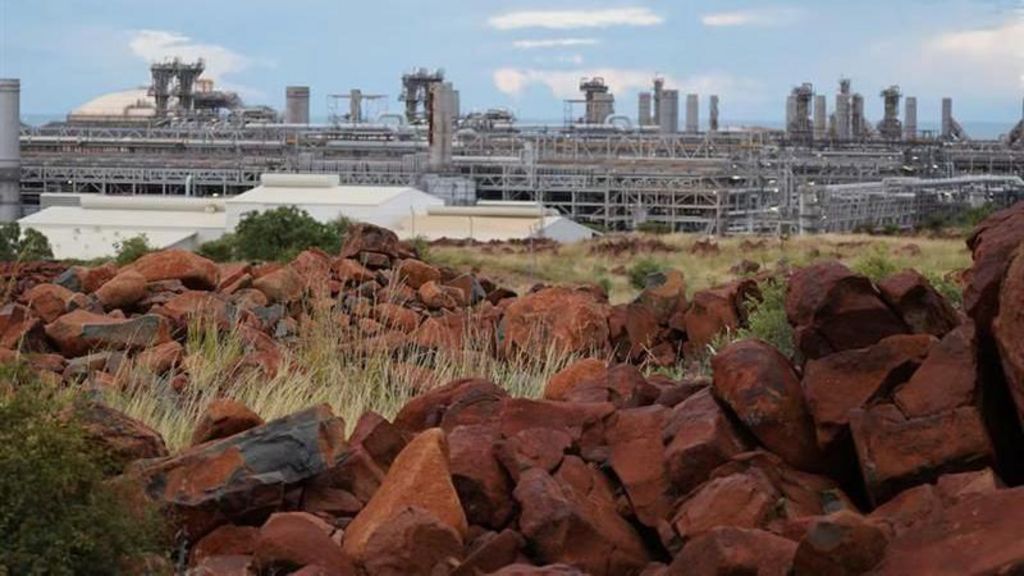
Major Australian gas project extended until 2070
The Australian government has officially extended the operational lifespan of the North West Shelf, one of the nation’s largest fossil fuel projects, by four decades to 2070. This decision comes just days before the federal government is set to announce its 2035 emissions reduction targets. Australia, one of the world’s highest per capita polluters, has committed to reducing emissions by 43% by 2030 but faces criticism for its continued reliance on fossil fuels. Critics argue that the extension undermines global climate goals, while Environment Minister Murray Watt defended the decision, citing 48 new strict conditions imposed on oil and gas giant Woodside Energy. These conditions mandate the reduction of specific gas emissions by 2030 and achieving net zero by 2050. Additionally, safeguards have been introduced to protect the ancient Indigenous rock art in Western Australia’s Pilbara region. Woodside Energy’s Chief Operating Officer, Liz Westcott, welcomed the extension, emphasizing the company’s commitment to providing reliable energy. The North West Shelf project, which includes a processing and export plant in Karratha, is located near the 60,000-year-old World Heritage-listed Murujuga rock art. Watt highlighted that the new conditions would prevent unacceptable impacts on the heritage site, including restrictions on air emissions that could accelerate damage. The decision also includes legal requirements for industry consultation with Indigenous communities and a robust monitoring system to ensure compliance with emissions limits. Further protections for the heritage site were announced under a ‘partial declaration.’ Peter Hicks, chair of the Murujuga Aboriginal Corporation, praised the additional protections for an area of great cultural significance. However, climate groups, including the Australian Conservation Foundation, condemned the extension, labeling the project a ‘carbon bomb’ that jeopardizes global efforts to combat rising temperatures. Australian Greens leader Larissa Waters described the decision as a ‘betrayal and disastrous for the planet’s future.’ Australia has faced successive natural disasters in recent years, with climate experts warning of more crises unless significant emissions reductions are achieved. Prime Minister Anthony Albanese, who came to power in 2022 promising stronger climate action, has been criticized for his government’s continued support of coal and gas projects.
-
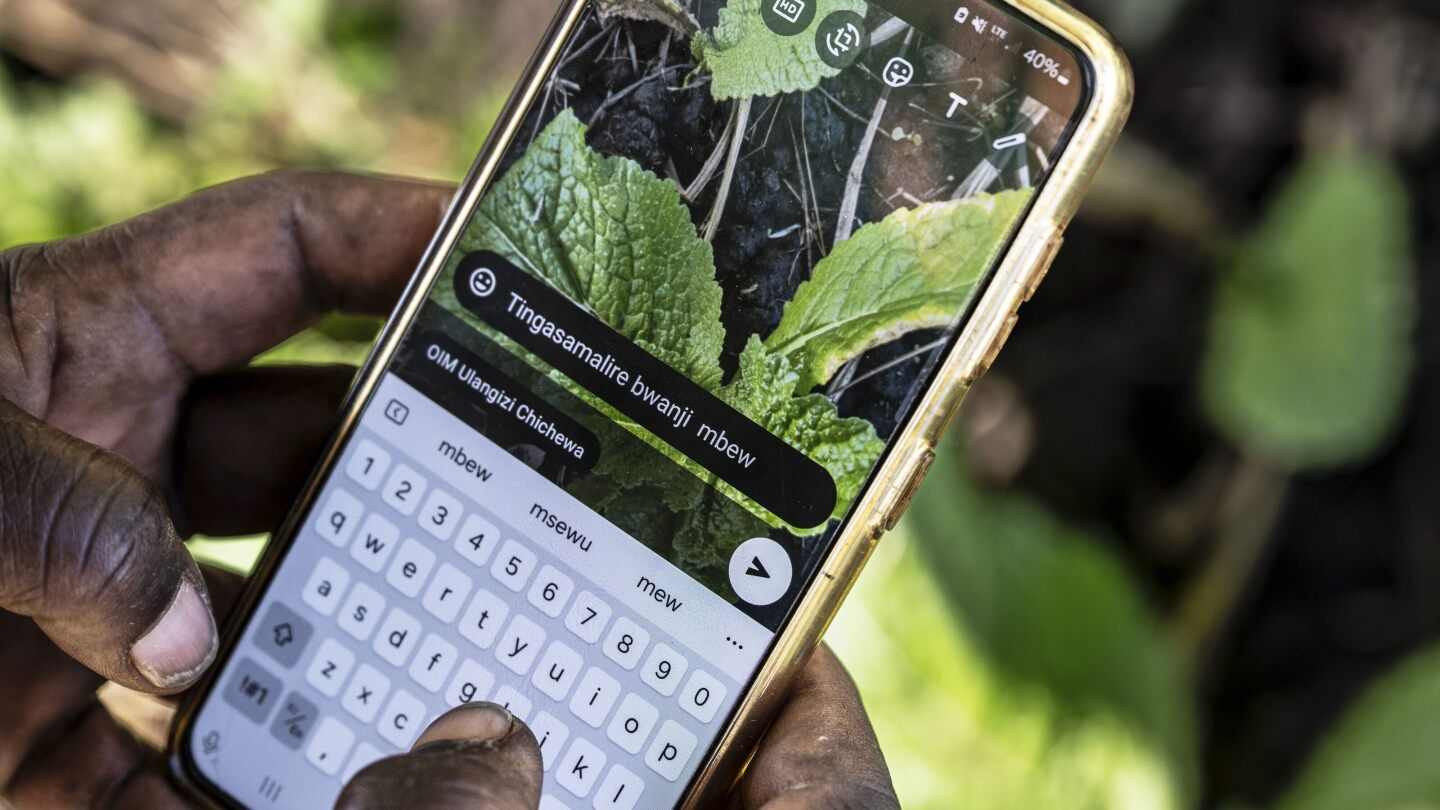
How AI is helping some small-scale farmers weather a changing climate
In the wake of Cyclone Freddy’s devastation in 2023, Alex Maere, a 59-year-old farmer from Malawi, faced the loss of his farm and livelihood. The catastrophic floods stripped his land of fertile soil, leaving behind a barren wasteland of sand and rocks. Once producing 850 kilograms of corn annually to support his family, Maere salvaged a mere 8 kilograms from the wreckage. Determined to adapt, he turned to an AI chatbot developed by Opportunity International, a non-profit organization, for farming advice. Supported by the Malawi government, the AI tool suggested Maere diversify his crops by growing potatoes alongside corn and cassava. Following the guidance, Maere cultivated half a soccer field’s worth of potatoes, earning over $800 in sales and securing his children’s education. This success story highlights the transformative potential of AI in sub-Saharan Africa, where smallholder farms account for 70-80% of the food supply. Despite challenges like language diversity, low literacy, and poor digital infrastructure, AI is empowering farmers with critical insights on crop diseases, drought forecasting, and yield optimization. The Ulangizi app, accessible via WhatsApp and available in Chichewa and English, bridges the gap for farmers without smartphones through on-the-ground support agents. However, scaling up remains a hurdle due to limited internet access and affordability. Trust in AI is fragile, as inaccurate advice could devastate already vulnerable farmers. Yet, by combining AI with traditional community collaboration, Malawi is fostering resilience and productivity in its agriculture sector.
-
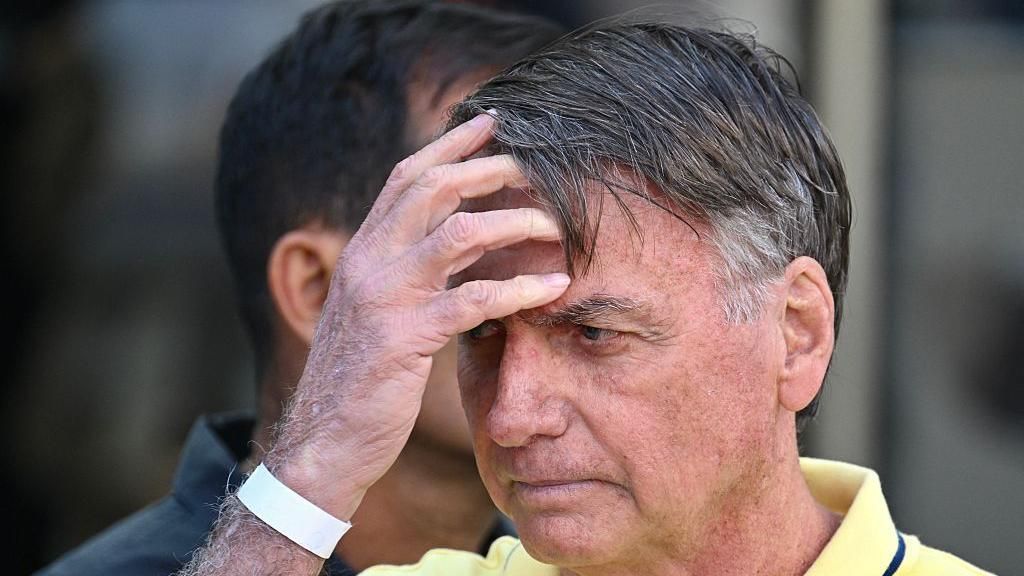
Bolsonaro sentenced to 27 years in prison for plotting Brazil coup
In a landmark ruling that has sent shockwaves through Brazil and beyond, former President Jair Bolsonaro has been sentenced to 27 years and three months in prison for orchestrating a military coup to retain power after his 2022 election defeat. The verdict, delivered by a panel of five Supreme Court justices, marks a pivotal moment in Brazil’s democratic history. Four justices found Bolsonaro guilty of leading a conspiracy to undermine the electoral process, while one dissented, calling the charges unfounded. Bolsonaro’s legal team has denounced the sentence as “absurdly excessive” and vowed to appeal, though legal experts suggest the odds are slim. The court also barred Bolsonaro from holding public office until 2060, effectively ending his political career. Bolsonaro, who was placed under house arrest prior to the trial, did not attend the proceedings but has repeatedly dismissed the case as a politically motivated “witch hunt.” His claims have found resonance with former U.S. President Donald Trump, who likened the trial to his own legal battles, calling the verdict “very surprising.” U.S. Secretary of State Marco Rubio criticized the ruling as unjust, prompting a swift rebuke from Brazil’s foreign ministry, which defended the independence of its judiciary. The trial revealed chilling details of Bolsonaro’s alleged plot, including attempts to assassinate his political rival, Luiz Inácio Lula da Silva, and a Supreme Court justice. While the coup attempt ultimately failed, it culminated in the storming of government buildings by Bolsonaro’s supporters in January 2023, a stark reminder of the fragility of Brazil’s democracy. Justice Alexandre de Moraes, who presided over the trial, warned that Brazil had narrowly avoided a return to authoritarianism, drawing parallels to the country’s 20-year military dictatorship. The case has reignited debates about the resilience of democratic institutions in the face of rising authoritarianism, with Justice Cármen Lúcia likening the coup plot to a “virus” that threatens societal stability. As Bolsonaro faces the prospect of spending the rest of his life in prison, the ruling underscores the enduring struggle to safeguard democracy in Brazil and beyond.
-

What the NHS can learn from the European country that helped more people survive cancer
Denmark’s remarkable transformation in cancer care over the past 25 years has become a beacon of hope for healthcare systems worldwide, particularly for the UK’s National Health Service (NHS). In the late 1990s, Denmark’s cancer survival rates were alarmingly low, with patients often seeking treatment abroad due to inadequate domestic services. However, a bold and comprehensive strategy has since propelled Denmark to the forefront of cancer care, offering valuable insights for the NHS.
-
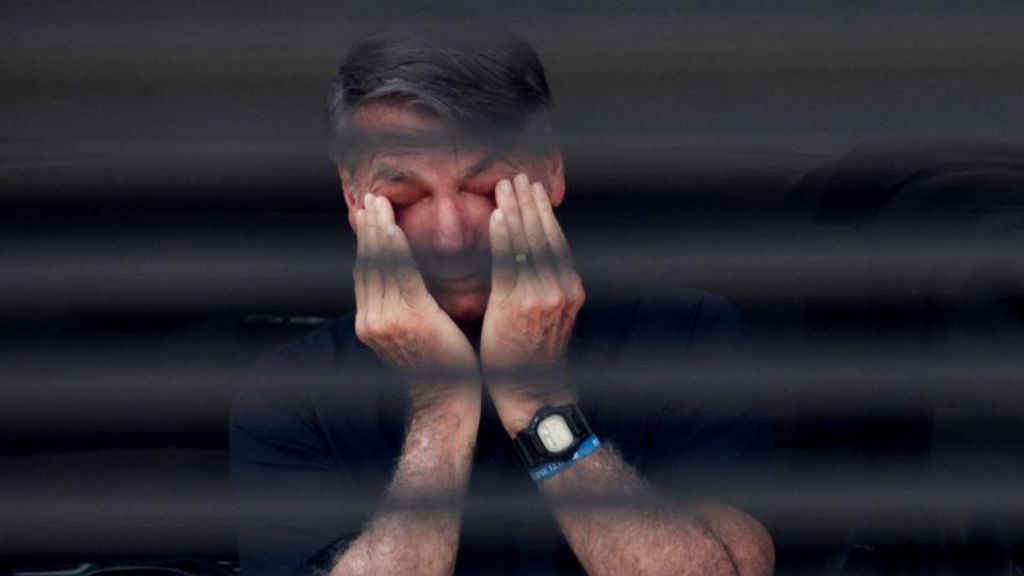
Bolsonaro sentenced to 27 years in jail – what you need to know
Former Brazilian President Jair Bolsonaro has been sentenced to 27 years and three months in prison after being found guilty of orchestrating a coup attempt to overturn his 2022 election loss to Luiz Inácio Lula da Silva. The verdict, delivered by Brazil’s Supreme Court, concluded that Bolsonaro led a conspiracy involving plans to assassinate Lula and his vice-presidential running mate, Geraldo Alckmin, as well as to arrest and execute Supreme Court Justice Alexandre de Moraes, who oversaw the trial. The plot failed due to lack of support from military leaders, allowing Lula to be inaugurated on January 1, 2023. However, a week later, Bolsonaro’s supporters stormed government buildings in Brasília, leading to over 1,500 arrests. The court found that Bolsonaro incited the rioters, hoping the military would intervene and restore him to power. Bolsonaro, who denies all charges, claims the trial is a politically motivated ‘witch hunt’ aimed at preventing his 2026 presidential run. He is currently under house arrest, pending appeals, and barred from public office until 2030. The case has drawn international attention, with former U.S. President Donald Trump comparing Bolsonaro’s legal battles to his own and criticizing the verdict. Seven of Bolsonaro’s allies were also convicted for their roles in the conspiracy. Bolsonaro’s presidency, marked by controversy over his handling of COVID-19 and environmental policies, continues to polarize Brazil.
-
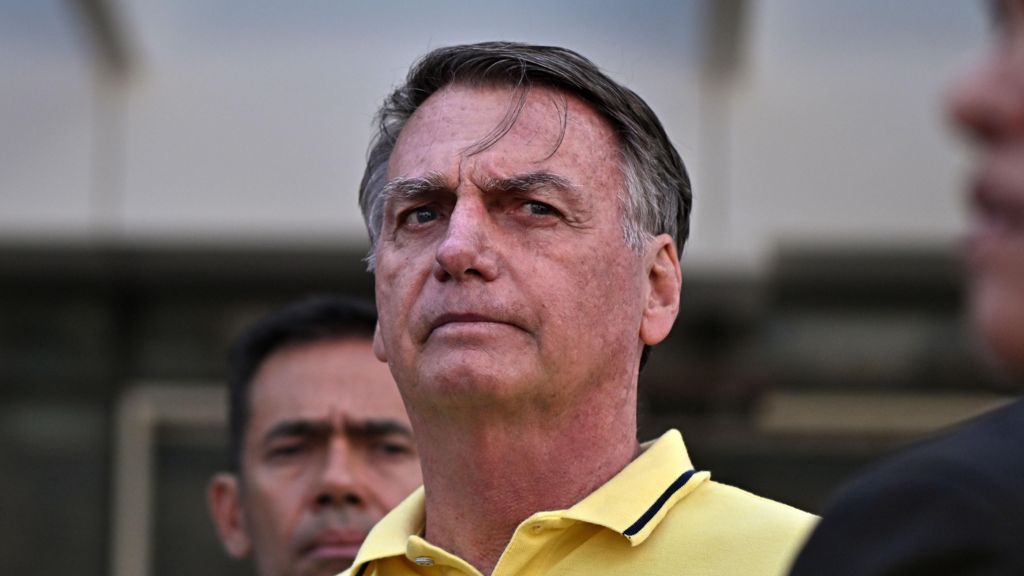
Bolsonaro’s coup trial gripped Brazil – and his conviction will divide the country
In a landmark ruling that has sent shockwaves across Brazil, former President Jair Bolsonaro has been found guilty of orchestrating a coup attempt and leading an armed criminal group following his defeat in the last election. The verdict, delivered by four out of five Supreme Court justices, sentences Bolsonaro to 27 years in prison. This decision marks a pivotal moment in Brazil’s political history, as it addresses the violent aftermath of the 2022 election, which saw Bolsonaro’s supporters storm government buildings in a manner reminiscent of the U.S. Capitol riots on January 6, 2021. The trial, which captivated the nation through live broadcasts, revealed chilling details, including a plan drafted by Bolsonaro’s allies to assassinate President-elect Luiz Inacio ‘Lula’ da Silva and Supreme Court Judge Alexandre de Moraes. Despite Bolsonaro’s absence from the courtroom, citing health issues, his lawyer vehemently denied his involvement in the plot and the riots. The ruling has further polarized the country, with Bolsonaro’s supporters decrying it as political persecution and his critics hailing it as a necessary step to safeguard democracy. As Bolsonaro contemplates an appeal and potential house arrest, the future of his punishment remains uncertain, with his party in Congress pushing for amnesty legislation.