博客

  • From chicken nuggets to fries: List of banned foods from Abu Dhabi schools

    From chicken nuggets to fries: List of banned foods from Abu Dhabi schools

    Abu Dhabi’s education authority has enacted comprehensive nutritional restrictions across early education institutions, prohibiting numerous food and beverage items deemed detrimental to children’s health. The Department of Education and Knowledge (ADEK) has issued updated healthy eating guidelines that apply to both school-provided meals and packed lunches brought from home.

    The extensive banned items list includes sugar-sweetened beverages, caffeinated drinks, processed meats, fried foods, artificial additives, and specific chemical preservatives. Notably prohibited are chicken nuggets, french fries, processed frozen desserts, chocolates (except dark chocolate), and numerous sauces including mayonnaise and ketchup unless low-salt and low-sugar alternatives. The policy also restricts pork products, alcohol-containing foods, hydrogenated fats, and unpasteurized items.

    Educational institutions must establish clear communication channels with parents and implement rigorous monitoring mechanisms. Designated staff members, such as nurses or health safety officers, are required to conduct regular checks to ensure compliance. Schools must maintain violation records and implement corrective measures for repeated non-compliance, with ADEK possessing authority to intervene when institutions fail to meet their responsibilities.

    The policy framework extends beyond restrictions, establishing guidelines for age-appropriate nutrition, bottle-feeding protocols, and breastfeeding support. Institutions must provide appropriately sized utensils and furniture while ensuring food is never used as punishment or reward. Growth monitoring through regular height and weight measurements is mandated for children over two years old.

    This initiative aims to reduce health risks, support healthy development, and create consistent nutritional standards across all early education environments. The regulations formalize Abu Dhabi’s commitment to combating childhood obesity and promoting long-term wellbeing from infancy through school years.

  • 1,200 jobs in GCC: New premium airline announced in Bahrain

    1,200 jobs in GCC: New premium airline announced in Bahrain

    Bahrain has announced a strategic partnership with premium leisure airline beOnd to establish a new aviation hub in the Gulf region. The agreement, signed on Monday, February 16, 2026, marks a significant development in Bahrain’s aviation sector and economic diversification efforts.

    The ambitious initiative will see beOnd operate up to 10 aircraft from Bahrain by 2030, connecting the kingdom to key markets across Europe, the Middle East, Asia, and North America. The airline projects a substantial economic contribution of approximately $1.2 to $1.5 billion to Bahrain’s GDP during its first five years of operations.

    Employment generation stands as a cornerstone of this venture, with plans to create over 1,200 direct high-skilled positions and support an additional 6,000 indirect jobs across tourism, hospitality, logistics, and associated service sectors. The project aligns with Bahrain Economic Vision 2030, focusing on job creation for both nationals and foreign workers while stimulating private-sector growth.

    beOnd will establish a comprehensive center of excellence featuring structured training programs for pilots, cabin crew, engineers, and ground staff. The airline plans to implement advanced technologies including artificial intelligence across operations, maintenance, revenue management, distribution, and passenger experience enhancement.

    CEO Tero Taskila described the Bahrain expansion as “a natural next step in our multi-jurisdictional strategy,” emphasizing the opportunity to “build a premium aviation platform that strengthens connectivity, develops specialized talent, and supports innovation across the travel value chain.”

    Dr. Shaikh Abdulla bin Ahmed Al Khalifa, Bahrain’s Minister of Transportation and Telecommunications, expressed enthusiasm for welcoming beOnd aircraft with Bahraini Air Operator Certificate, noting the airline’s valuable addition to the kingdom’s aviation ecosystem.

    The announcement reflects the growing luxury aviation market in the Gulf region, where several charter operators increasingly cater to high-net-worth individuals and affluent families. beOnd continues its regional expansion following its December 2025 announcement regarding Air Operator Certificate proceedings in Saudi Arabia.

  • China’s green push colliding with America’s fossil fixation

    China’s green push colliding with America’s fossil fixation

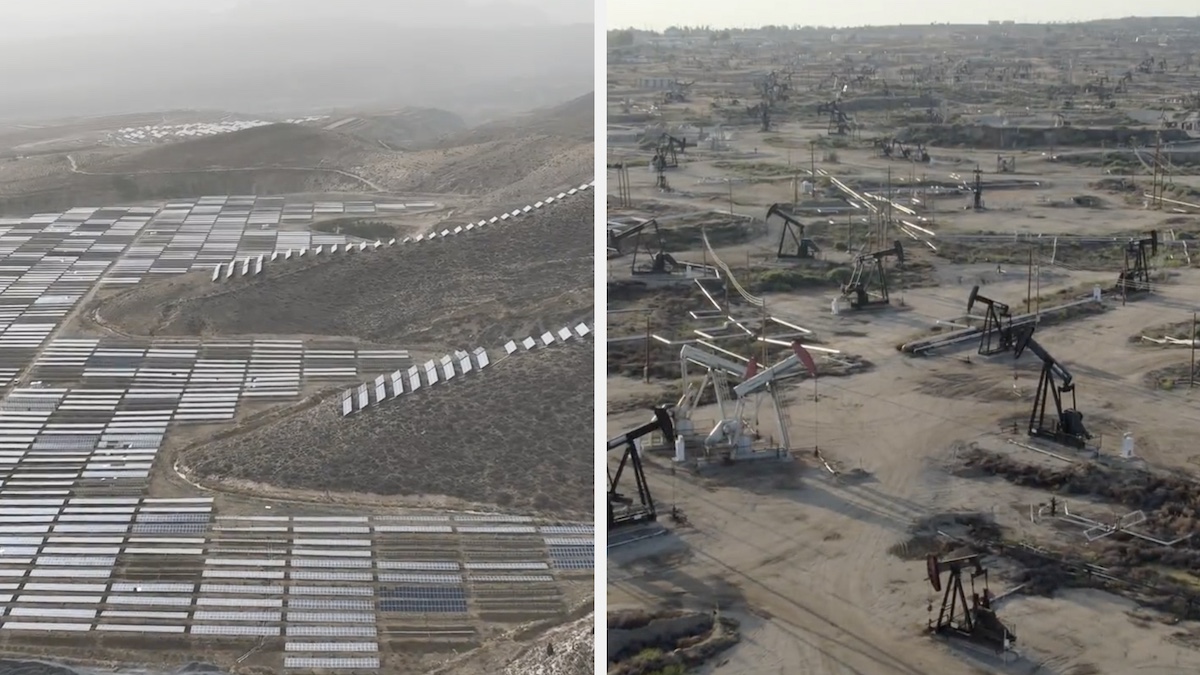
    The world’s two economic superpowers are pursuing radically different energy strategies that will determine the industrial architecture of the 21st century. China is executing a comprehensive industrial policy focused on dominating clean-energy sectors including solar manufacturing, battery supply chains, electric vehicles, and grid infrastructure. This strategic push accounted for a substantial portion of China’s economic growth in 2025 and represents more than environmental policy—it’s a calculated play for long-term economic and geopolitical advantage.

    Meanwhile, the United States presents a contradictory energy landscape. While federal policy emphasizes fossil fuel development and slower renewable approvals, private sector investment and state-level initiatives maintain robust clean-energy funding. This creates a national dichotomy where Washington’s rhetoric conflicts with market realities that continue supporting renewable development based on economic viability.

    Both approaches carry significant risks. China’s clean-energy surge coexists with continued coal dependency, as Beijing approves new coal capacity to ensure energy security and satisfy powerful provincial interests. The US struggles with policy inconsistency that undermines its ability to transform innovation into durable industrial advantage.

    The competition extends beyond climate considerations to fundamental questions about who will manufacture and control the hardware of modern life: power generation systems, storage solutions, transmission networks, EVs, and charging infrastructure. China’s early recognition that energy transition represents industrial transition has allowed it to build manufacturing ecosystems that competitors cannot quickly replicate, creating cost advantages that make Chinese technology the default choice for many developing nations.

    This technological dominance introduces new security concerns as clean energy becomes increasingly connected through software, sensors, and data flows. Governments worldwide worry about potential vulnerabilities in networked systems, creating what security experts call ‘kill switch anxiety.’ These concerns are mutual—China itself restricts Tesla operations in sensitive areas, recognizing that networked machines represent critical infrastructure.

    For Asian economies positioned between these competing systems, the path forward involves strategic diversification: sourcing affordable hardware while insisting on verifiable cybersecurity standards, transparent data governance, and procurement rules that prevent single-supplier dependency. ASEAN members and major manufacturers can benefit from supply-chain rebalancing by building trusted capacity in critical mineral processing and battery ecosystems.

    The ultimate gamble reflects historical precedent—the nation that builds the infrastructure others depend on typically shapes the rules. China bets that clean-energy dominance will yield economic and geopolitical leverage despite coal contradictions, while America wagers that fossil fuel abundance and market dynamism will preserve its primacy despite policy volatility. The outcome will determine not just energy futures but global economic leadership for decades to come.

  • Ramadan at the races: Iftar, Emirates Super Saturday and more

    Ramadan at the races: Iftar, Emirates Super Saturday and more

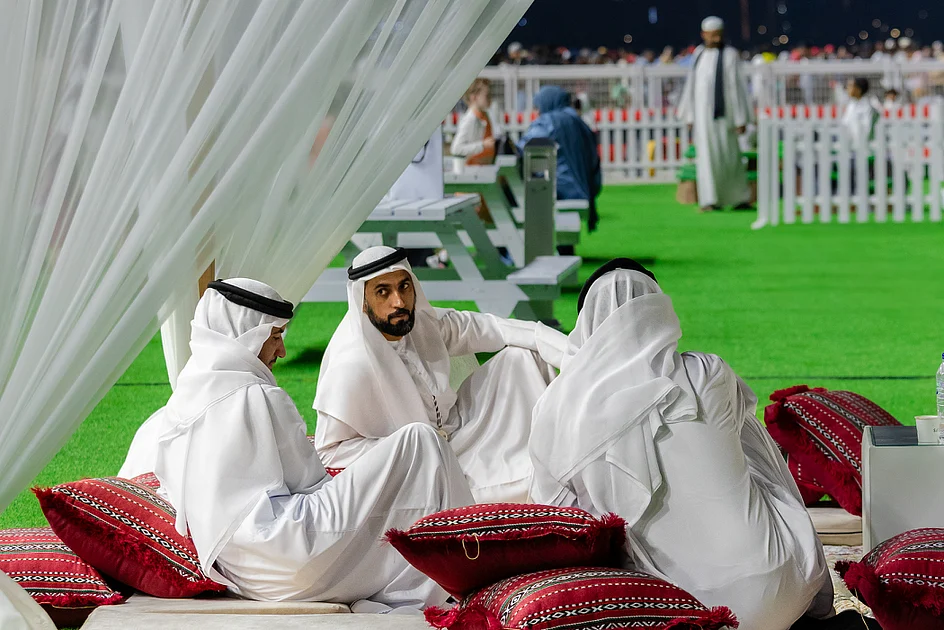
    The Dubai Racing Club has unveiled an innovative cultural experience for Ramadan 2026, seamlessly integrating spiritual observance with elite horseracing at Meydan Racecourse. Throughout four select evenings in February and March, the venue transforms into a multi-sensory destination where traditional Iftar celebrations converge with the excitement of the Dubai Racing Carnival.

    The experience centers around Suite 304, where guests can break their fast overlooking the illuminated track as live racing unfolds below. The carefully orchestrated evening begins at Maghrib and continues until 10pm, featuring extended race intervals during Iftar to ensure comfortable observance of religious traditions. Dedicated prayer facilities are conveniently located adjacent to hospitality areas.

    Culinary offerings highlight authentic regional specialties including ouzi, harees, and traditional Ramadan beverages such as qamar el dein and jallab. The Dh350 adult package provides access to both the racing program and elevated dining experience.

    Beyond the track, the racecourse immerses visitors in cultural elements including live Arabic calligraphy demonstrations, traditional Oud performances, and Ramadan-themed décor throughout the venue. The program also showcases Emirati artists, with visual artist Mona Mohammed Amin Al Khaja exhibiting on February 20, followed by contemporary artists Hamad Al Shamsi and Faris Alhammadi presenting equestrian-inspired works during the prestigious Emirates Super Saturday event on February 28.

    This signature race night serves as the primary precursor to the Dubai World Cup, attracting international racing elites and often revealing future champions. Organizers note that while designed for corporate and social gatherings, current demand predominantly comes from individual guests and small groups seeking a distinctive Ramadan experience within a dynamic sporting environment.

  • Over 30,000 homes without power, flights disrupted as wild storm hits New Zealand

    Over 30,000 homes without power, flights disrupted as wild storm hits New Zealand

    A severe weather system has unleashed chaos across New Zealand’s North Island, resulting in massive infrastructure disruption and widespread damage. Meteorological reports indicate a deepening low-pressure system east of the island has been driving the extreme conditions, characterized by torrential rains and destructive gale-force winds since the weekend.

    The immediate impact has been most severe on transportation networks and energy infrastructure. Wellington International Airport canceled or delayed the majority of its flight operations, with national carrier Air New Zealand suspending services entirely at multiple airports including Wellington, Napier, and Palmerston North. Surface transportation suffered equally, with train and ferry services suspended and numerous road closures implemented due to flooding and structural damage.

    Energy authorities confirmed over 30,000 properties experienced power outages, with approximately 10,000 customers affected in the Wellington region alone. Emergency response teams from Emergency New Zealand reported handling 852 calls overnight, with more than half originating from the capital region. Assistant National Commander Ken Cooper described the situation as requiring continuous response from firefighting crews.

    The storm’s aftermath revealed significant property damage across semi-rural communities. Digital documentation shared across social media platforms showed extensive residential flooding, compromised road systems where sections completely collapsed, and widespread debris from fallen trees. The situation in Wellington was further exacerbated by the failure of the city’s main wastewater treatment plant earlier this month, with storm surges washing raw sewage back onto coastal areas—an event residents graphically described as a ‘poonami’ on social media.

    Personal accounts from affected residents highlighted the storm’s severity. Marilyn Bulford, a resident of Bunnythorpe located approximately 160 kilometers north of Wellington, described the experience as ‘absolutely terrifying’ to local media, noting unprecedented tree damage affecting vehicles, fences, and public spaces.

    Tragically, the weather event has claimed at least one life, with authorities discovering a deceased individual in a submerged vehicle on Saturday. With meteorological forecasts predicting the storm’s movement toward the South Island on Tuesday, officials have issued renewed warnings for potential further disruptions and advised continued caution.

  • UAE weather: Alerts issued for rough seas; chance of rain amid dusty conditions

    UAE weather: Alerts issued for rough seas; chance of rain amid dusty conditions

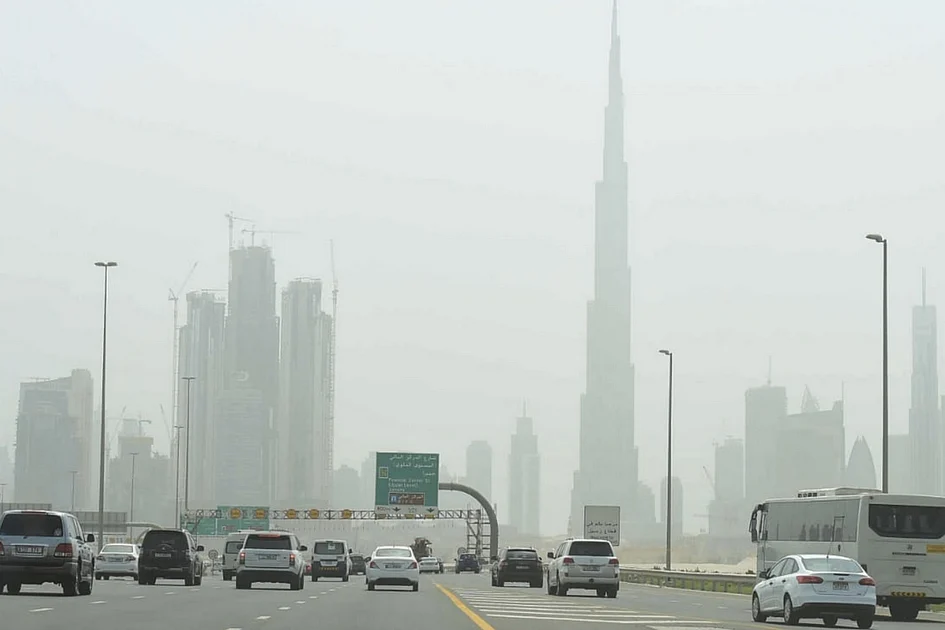
    Meteorological authorities in the United Arab Emirates have issued significant weather advisories for Monday, February 16, 2026, warning residents of challenging conditions both on land and at sea. The National Centre of Meteorology (NCM) activated alert systems as unpredictable weather patterns developed across the region.

    The day’s forecast indicates persistently dusty atmospheres with intermittent partly cloudy conditions. Eastern territories may experience light precipitation as cloud formations develop throughout the day. Maritime conditions have raised particular concern, with initially moderate winds expected to intensify progressively, creating hazardous sea states in both the Arabian Gulf and Oman Sea.

    Temperatures have registered a notable decline across urban centers. Maximum temperatures in Abu Dhabi, Dubai, and Sharjah are projected to reach 26°C, while overnight lows will vary between 18°C in Sharjah and 20°C in the capital and Dubai.

    The NCM’s orange alert designation, indicating hazardous weather activities, remains effective until 8:30 PM local time. Authorities have advised beachgoers and maritime operators to exercise extreme caution due to dangerously rough sea conditions.

    Meteorologists additionally predict increased humidity levels overnight into Tuesday morning, with probable fog or mist formation in interior and coastal zones. Residents are advised to monitor official channels for updates regarding visibility concerns during early morning travel.

  • Pakistan ex-PM Imran Khan’s family doctor denied from meeting him, says sister

    Pakistan ex-PM Imran Khan’s family doctor denied from meeting him, says sister

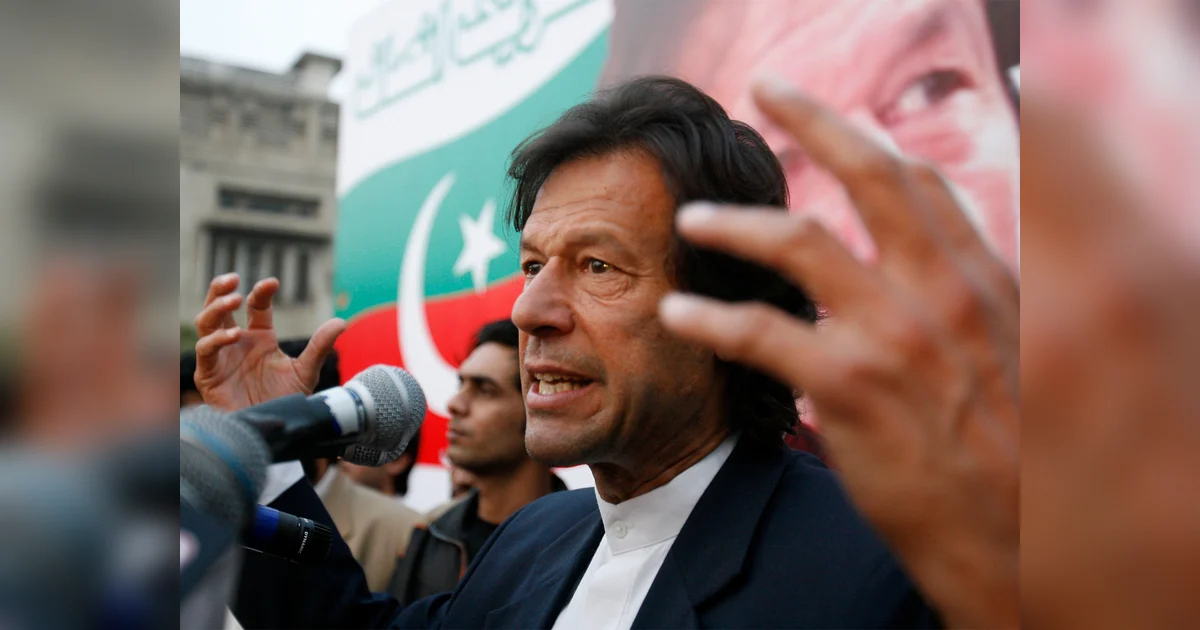
    Pakistan’s imprisoned former Prime Minister Imran Khan faces escalating health concerns as prison authorities systematically reject medical advocacy from his family and personal physicians. Khan, now incarcerated for over 800 days at Adiala Jail in Rawalpindi, has experienced significant vision deterioration with his right eye reportedly retaining only 15% visual capacity.

    The situation reached a critical juncture when Khan’s sister Aleema Khanum publicly denounced the government’s obstruction of proper medical care. Through detailed social media statements, she revealed that authorities repeatedly rejected qualified family representatives despite multiple compliance attempts. Initially proposing Dr. Asim Yousaf (Khan’s personal physician) accompanied by family member Uzma Khan, the government dismissed both the specialist and family representation. Subsequent nomination of cousin Dr. Nausherwan Burki—another medically qualified relative—was similarly rejected.

    This medical standoff follows a Supreme Court directive mandating proper medical evaluation and permitting communication with his children before February 16. While a five-doctor medical team conducted preliminary eye examinations, blood tests, and blood pressure monitoring on Sunday, the family maintains these measures are insufficient without independent medical supervision.

    The prison administration has characterized hospital transfer rumors as unfounded, asserting that Khan merely underwent scheduled examinations. However, the family’s concerns intensify as they question whether authorities deliberately exclude medically knowledgeable family members to control diagnostic outcomes. The pattern of rejected medical advocates and delayed proper treatment has raised alarms about political victimization manifesting through healthcare denial, transforming Khan’s imprisonment into both a political and humanitarian crisis.

  • Celebrate Chinese New Year in Shandong style

    Celebrate Chinese New Year in Shandong style

    As the Year of the Horse dawns, Shandong province emerges as a premier destination for experiencing authentic Chinese New Year celebrations. The eastern Chinese region transforms into a vibrant tapestry of cultural festivities, combining ancient traditions with contemporary energy.

    The provincial celebrations feature spectacular night markets buzzing with activity, where visitors can immerse themselves in local culinary delights and traditional crafts. Heritage folk arts take center stage, showcasing Shandong’s rich cultural legacy through performances and interactive experiences. Ancient cities throughout the province undergo a magical transformation, illuminated by thousands of traditional lanterns that create breathtaking nocturnal landscapes.

    Beyond mere observation, the celebrations offer participatory experiences that engage all senses. The festival atmosphere represents more than seasonal observance—it embodies a continuous celebration of culinary excellence, cultural heritage, and communal energy that defines Shandong’s unique approach to Spring Festival traditions.

    The provincial tourism authorities emphasize that these celebrations provide both domestic and international visitors with unparalleled access to authentic Chinese New Year experiences, positioning Shandong as a cultural hub during the most important festival in the Chinese calendar.

  • Our shared festival: How do Malaysian Chinese celebrate the Chinese New Year?

    Our shared festival: How do Malaysian Chinese celebrate the Chinese New Year?

    As the Year of the Horse commenced across Malaysia, the nation’s Chinese community demonstrated remarkable cultural preservation during Spring Festival celebrations. The festival, recognized as an official statutory holiday in the multicultural Southeast Asian nation, continues to serve as a powerful connective tissue for families and cultural identity.

    Fourth-generation Malaysian Chinese Jess Lee provided exclusive insights to China Daily regarding the enduring traditions maintained within her community. Despite generations of settlement in Malaysia, Lee expressed both surprise and delight at how comprehensively numerous customs originating from China have been maintained within Malaysian Chinese households.

    The preservation effort extends beyond superficial rituals to encompass profound family values and intergenerational bonding. Lee emphasized that regardless of geographical displacement from the cultural homeland, the fundamental significance of traditional festivals remains unchanged: family reunification and cultural transmission across generations. This perspective highlights the adaptive resilience of cultural practices within diaspora communities while maintaining core values.

    The Malaysian Chinese approach to Spring Festival illustrates how traditional customs can flourish outside their country of origin, developing unique characteristics while preserving essential elements. The community’s dedication to maintaining these practices demonstrates the powerful role of cultural heritage in maintaining identity within multicultural societies.

  • Giant robot tribute to Brazil’s President Lula leads start of Rio Carnival

    Giant robot tribute to Brazil’s President Lula leads start of Rio Carnival

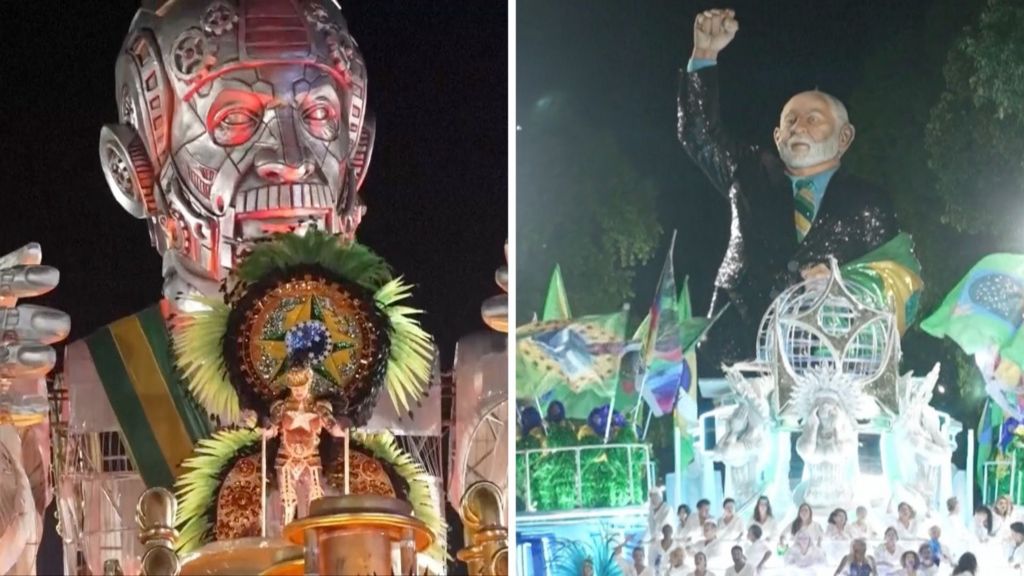
    Rio de Janeiro’s world-renowned Carnival celebrations commenced with a breathtaking spectacle as the iconic samba parades unveiled a monumental robotic tribute to Brazilian President Luiz Inácio Lula da Silva. The dazzling display, presented by one of Rio’s premier samba schools, creatively chronicled the president’s extraordinary journey from impoverished beginnings to the nation’s highest office through elaborate mechanized artistry and vibrant choreography.

    The colossal mechanized figure became an instant highlight of the Carnival’s opening night, seamlessly integrating political narrative with Brazil’s rich cultural traditions. This artistic interpretation represents a significant cultural moment where performing arts intersect with political symbolism, demonstrating how Carnival continues to serve as both entertainment and social commentary.

    The tribute emerges during a particularly consequential period in Brazilian politics, with the celebration occurring against the backdrop of Lula’s return to power following his contentious 2022 election victory. Carnival organizers transformed the Sambadrome into a dynamic canvas of moving parts and rhythmic storytelling, employing state-of-the-art engineering to create the massive animated effigy that captivated audiences.

    This fusion of technology and traditional Carnival artistry marks an evolution in how samba schools conceptualize their thematic presentations, blending mechanical innovation with samba rhythms to create politically-charged visual narratives that resonate with both domestic and international audiences.