博客

  • No more OTP in UAE: Authentication through banks’ apps to prevent social media scams

    No more OTP in UAE: Authentication through banks’ apps to prevent social media scams

    The United Arab Emirates banking sector is undergoing a transformative security modernization, decisively moving away from traditional one-time passwords (OTPs) delivered via SMS or email. This strategic shift, mandated with a deadline of March 31, 2026, sees financial institutions replacing outdated methods with integrated in-app transaction authorization systems designed to be both faster and significantly more secure.

    The initiative is a direct response to a global surge in sophisticated fraud, particularly social engineering scams proliferating on social media platforms that have also victimized UAE residents. Banking executives and regulators identified the inherent vulnerabilities of SMS-based OTPs—such as interception and phishing—as a critical weakness. The new protocol mandates ‘hard authentication’ directly within a bank’s secured application, effectively creating a more robust barrier against unauthorized access.

    Raheel Ahmed, Group CEO of RAKBank, championed the decision as a necessary and correct move for the industry. He emphasized that the transition is not merely a technical upgrade but a fundamental enhancement of customer security. RAKBank itself has already successfully expanded its in-app authentication system to over 180,000 customers, reporting an impressive 80% authorization rate and a smooth, friction-free adoption process supported by educational videos.

    This cybersecurity enhancement is perfectly timed with the nation’s explosive growth in digital and e-commerce transactions, which are estimated to have surpassed a monumental $60 billion in 2025. Data from the Central Bank of the UAE further underscores this digital boom, showing a 22.57% increase in retail transactions under the UAE Funds Transfer System (UAEFTS) in 2024, with a total value of Dh7.4 trillion.

    Beyond immediate security benefits, this initiative is a powerful catalyst for the UAE’s broader vision of a cashless economy, driving greater digital banking app engagement. Acknowledging the digital divide, banks are implementing thoughtful support systems, particularly for elderly customers, to ensure technological literacy does not become a barrier to access. This comprehensive approach ensures the nation’s financial ecosystem remains both inclusive and at the forefront of cybersecurity innovation.

  • Ramadan 2026: These 5 nations will search for Ramadan crescent on Feb 18

    Ramadan 2026: These 5 nations will search for Ramadan crescent on Feb 18

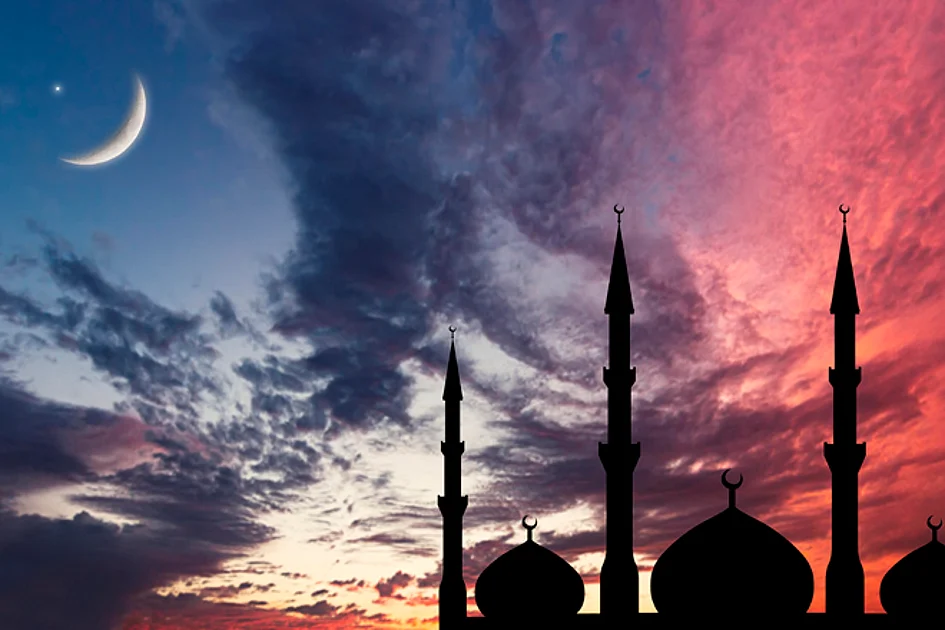
    A distinctive astronomical alignment will delay the commencement of Ramadan crescent observation in several Muslim-majority nations until February 18, 2026, according to celestial calculations from the Astronomy Centre. Pakistan, Bangladesh, Iran, Morocco, and Mauritania will initiate their official moon-sighting efforts on Wednesday rather than Tuesday due to specific calendrical considerations within the Islamic month of Shaban.

    February 17 represents only the 28th day of Shaban in these regions, making traditional moon observation astronomically impossible on that date. Islamic tradition mandates that crescent sighting must occur on the 29th day of the preceding month, creating this one-day differential in the lunar observance calendar.

    The astronomical complexity arises from unusual celestial mechanics occurring this year. Sunset timings indicate the moon will set nearly simultaneously with the sun across many regions, requiring astronomers to calculate visibility based on the lower edge of the moon’s disk rather than conventional upper-edge measurements. This precise astronomical phenomenon significantly impacts visibility calculations and observation methodologies.

    Islamic scholars emphasize that moon sighting represents both a religious tradition and community practice, with Prophet Muhammad’s teachings encouraging direct visual observation. Modern astronomy serves in a supportive capacity rather than replacing traditional methods. Mohammed Shawkat Odah, director of the International Astronomical Union, has previously articulated that scientific calculations enhance rather than supplant physical observation traditions.

    The global Muslim community employs diverse methodologies for determining Ramadan’s commencement, including local physical sighting (Ru’yah), astronomical calculations, standardized following of another nation’s declaration, or hybrid approaches combining scientific and traditional methods. These methodological differences frequently result in varied start dates across the Muslim world, reflecting the intersection of faith, tradition, and modern science in religious observance.

    Antarctica presents a unique case where transient Muslim populations typically adopt the calendar of established Islamic authorities elsewhere, demonstrating the adaptability of lunar observance practices in extraordinary circumstances.

  • T20 World Cup: New Zealand reach Super Eight despite Samra hundred

    T20 World Cup: New Zealand reach Super Eight despite Samra hundred

    In a compelling Group D showdown at the MA Chidambaram Stadium, New Zealand secured their advancement to the Super Eight stage of the ICC Twenty20 World Cup with a commanding eight-wicket victory over Canada on Tuesday. The result simultaneously eliminated Afghanistan from tournament contention.

    The match featured an extraordinary individual performance from Canadian opener Yuvraj Samra, who electrified the stadium with a magnificent 110 runs from just 65 deliveries. The 19-year-old left-hander, named after Indian cricket legend Yuvraj Singh, hammered 11 boundaries and six maximums in what stands as the highest individual score of the tournament thus far. Samra established a formidable 116-run opening partnership with captain Dilpreet Bajwa (36), frustrating New Zealand’s bowling attack for nearly 13 overs without a breakthrough.

    Despite Samra’s heroics that propelled Canada to 173-4, New Zealand’s response proved equally dominant. After early setbacks that saw openers Tim Seifert and Finn Allen dismissed cheaply, the Black Caps found their saviors in Glenn Phillips and Rachin Ravindra. The duo orchestrated an unbeaten 146-run partnership at an astonishing rate of approximately two runs per ball.

    Phillips delivered a blistering 36-ball 76, including six massive sixes, earning him Player of the Match honors. Ravindra provided crucial support with a composed 59-run contribution. Their collaborative effort guided New Zealand to victory with 4.5 overs remaining, marking their third win in four matches.

    Stand-in captain Daryl Mitchell, leading the side in place of ill regular skipper Mitchell Santner, praised his team’s composure under pressure. The result confirms New Zealand’s progression alongside group leaders South Africa, who had previously secured their Super Eight berth with three consecutive victories.

  • Eleven killed in multiple strikes on alleged drug boats, US military says

    Eleven killed in multiple strikes on alleged drug boats, US military says

    The US Southern Command has confirmed a series of maritime counter-narcotics operations resulting in multiple fatalities across strategic trafficking routes. In coordinated strikes targeting three vessels allegedly involved in drug trafficking, eleven individuals described by officials as ‘male narco-terrorists’ were killed. The operations occurred in both the Eastern Pacific and Caribbean waters, with four fatalities on each of two Pacific vessels and three additional deaths on a Caribbean vessel.

    This latest action extends the Trump administration’s aggressive campaign against suspected narcotics transporters, which has now exceeded 40 lethal engagements since September. Military authorities asserted that intelligence indicated the targeted vessels were actively transiting established drug trafficking corridors and participating in narcotics operations.

    Defense Secretary Pete Hegseth characterized the overall mission as essential to removing ‘narco-terrorists from our hemisphere’ and protecting American citizens from dangerous substances. The operations have proceeded without injury to US military personnel, though the program recently recorded its first American casualty when a Marine fell overboard from an attack ship in the Caribbean.

    The frequency of strikes has diminished following the January capture of Venezuelan President Nicolás Maduro, whom the administration accuses of collaborating with trafficking organizations. Meanwhile, legal challenges are mounting as families of deceased Trinidadian men filed a lawsuit alleging the October 14 strike constituted ‘lawless killings in cold blood’ without due process.

    International law experts have raised concerns about the legality of targeting civilians without judicial process, while the administration maintains these actions occur within a formal armed conflict against drug cartels, designating crew members as combatants. The US government has not publicly presented evidence substantiating drug shipments on the vessels struck.

  • UAE extends Emirates Mars Mission until 2028

    UAE extends Emirates Mars Mission until 2028

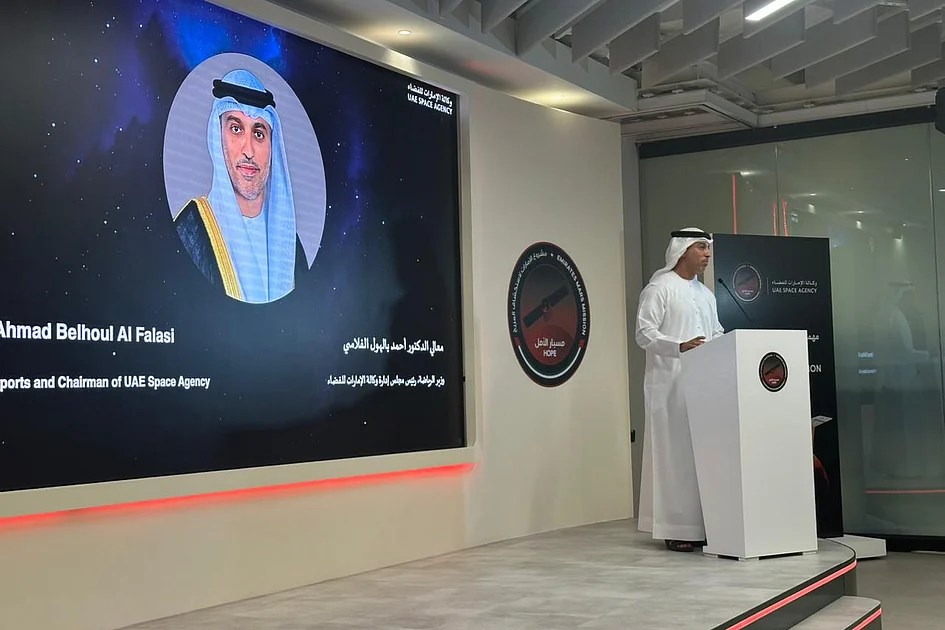
    In a landmark decision announced Tuesday, the United Arab Emirates Space Agency has officially extended its groundbreaking Emirates Mars Mission through 2028, adding three additional years to the Hope Probe’s extraordinary scientific journey. The announcement was delivered by Dr. Ahmad Belhoul Al Falasi, UAE Minister of Sports and Chairman of the UAE Space Agency, with the full endorsement of Sheikh Hamdan bin Mohammed bin Rashid Al Maktoum, Crown Prince of Dubai and Chairman of the Space Council.

    The extension comes following a comprehensive technical evaluation that confirmed the spacecraft remains in optimal condition after five years of operation—far exceeding its original two-year design lifespan. The Hope Probe, which achieved the historic distinction of making the UAE the fifth nation to reach Mars and the second to succeed on its first attempt during the COVID-19 pandemic, has delivered scientific returns that have dramatically surpassed expectations.

    Dr. Noora Al Saeed, Principal Investigator of the mission, highlighted the probe’s remarkable accomplishments, including its recent serendipitous observations of Comet C/2023 A3 (Atlas)—only the third-known interstellar object discovered passing through our solar system. The probe captured detailed imagery of volatile gases ejecting from the comet as it approached the sun, providing scientists with unprecedented access to material from another star system.

    Since entering Martian orbit in 2021, the spacecraft has compiled a comprehensive catalogue of Martian dust storms throughout an entire Martian year, revealed unexpected complex structures in the planet’s upper atmosphere, and captured the highest-resolution images ever obtained of Mars’ mysterious moon Deimos. The mission has collected over 10 terabytes of data—ten times its original target—all shared openly with the global scientific community through 16 data releases.

    The extended operational period will enable researchers to gather additional Martian years of data, with Dr. Al Saeed noting that ‘every additional Mars year of data that we get is going to unlock hundreds of years of research.’ The mission will now focus on deciphering the complex atmospheric connections between Mars’ lower and upper atmospheres, with findings expected to enhance atmospheric modeling not only for the Red Planet but also for Earth.

    Beyond its scientific achievements, the mission has catalyzed a significant national transformation, with STEM enrollment increasing by 31% between 2020 and 2025. The program has generated over 35 scientific publications, facilitated more than 250 participations in international conferences, and trained 58 Emirati students through university research programs. Originally launched during the UAE’s Golden Jubilee celebrations, the mission has transformed the nation from a consumer to a producer of scientific knowledge, with its findings now informing future space exploration initiatives including the UAE’s planned asteroid belt exploration project.

  • Ramadan 2026: 13 ways daily life changes across UAE during holy month

    Ramadan 2026: 13 ways daily life changes across UAE during holy month

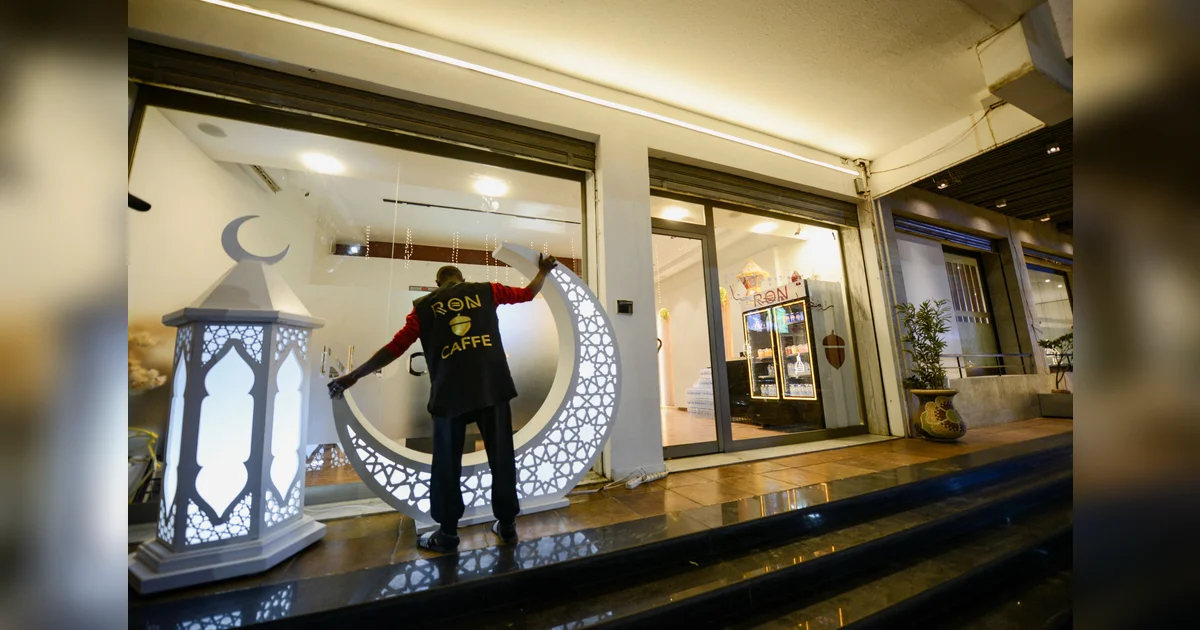
    As Ramadan 2026 approaches, the United Arab Emirates prepares for its annual metamorphosis—a profound recalibration of daily existence that transcends mere religious observance. This holy month, occurring during the cooler winter period, initiates a comprehensive restructuring of social rhythms, commercial operations, and urban dynamics across the seven emirates.

    From approximately 2:30 PM each afternoon, a noticeable tranquility descends upon business districts as both government entities and private corporations implement reduced operational hours. This early departure from workplaces creates an unusual serenity in typically bustling commercial zones, establishing the foundation for the day’s subsequent transformations.

    Transportation networks undergo remarkable changes as major highways experience significantly diminished congestion around 5:45 PM—an extraordinary phenomenon in a nation known for its vibrant traffic patterns. This pre-sunset lull results from residents returning home in preparation for iftar, creating one of the year’s rare periods of roadway calm.

    The culinary landscape transforms substantially with deserted food courts during daylight hours, contrasting sharply with vibrant evening gatherings in public parks where families assemble on blankets approximately thirty minutes before sunset. These communal iftar celebrations create impromptu communities bound by shared tradition and spiritual connection.

    Post-iftar reanimation occurs around 9:00 PM as urban centers regain their vitality through extended commercial hours. Neighborhoods like Karama and Deira undergo remarkable conversions into open-air dining destinations, with streets transforming into expansive food courts featuring Ramadan-specific menus and heightened hospitality services.

    Cultural practices adapt to the seasonal context with karak tea establishments experiencing increased patronage during cooler evenings. These social hubs facilitate extended nocturnal conversations among friends, while mosques accommodate expanded congregations for multiple daily prayers beyond the special Taraweeh sessions.

    Educational institutions modify schedules with earlier student dismissals and reduced extracurricular programming, prompting families to reorganize domestic routines. Public decorum shifts toward softer auditory environments and increased interpersonal courtesy, while visual landscapes transform through ubiquitous ‘Ramadan Kareem’ greetings displayed across digital billboards, architectural features, and personal devices.

    The daily culmination arrives through the resonant tradition of the Ramadan cannon—an auditory signal broadcast across cities marking the moment for breaking fast. This historic practice generates profound emotional responses among both long-term residents and newcomers, serving as both cultural anchor and spiritual milestone within the Emirates’ unique Ramadan experience.

  • Jesse Jackson: A life in pictures

    Jesse Jackson: A life in pictures

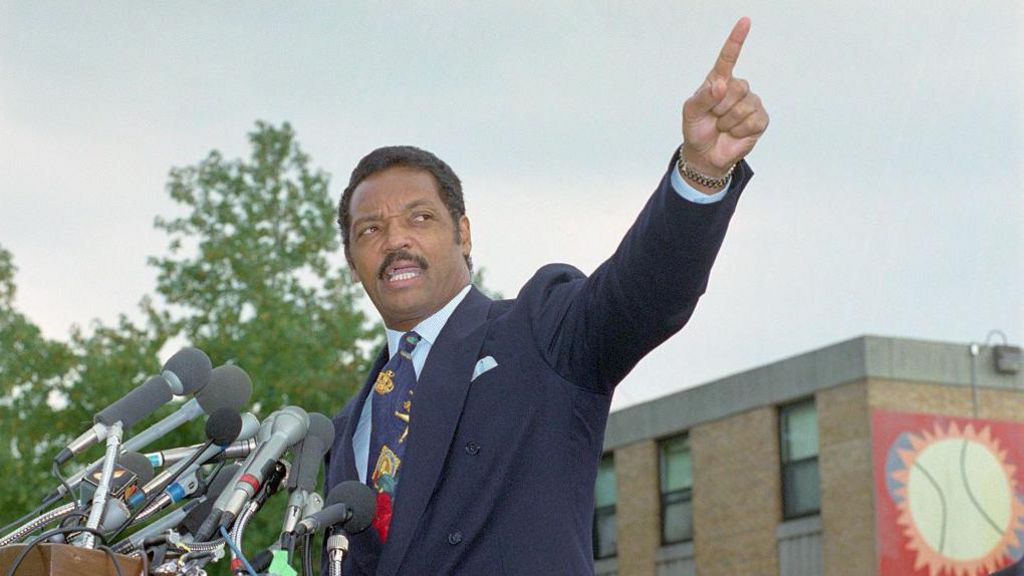
    The United States mourns the passing of Reverend Jesse Louis Jackson, a monumental figure in the civil rights movement, who died at the age of 84. His death marks the conclusion of a profound legacy that bridged grassroots activism with national political influence.

    Jackson’s journey began at the heart of the 1960s civil rights struggle. A historic photograph from 1965 captures him alongside Rosa Parks, the seamstress whose defiant act ignited the Montgomery Bus Boycott a decade earlier. His commitment was further cemented in his role as a key aide to Dr. Martin Luther King Jr., standing beside him on the balcony of the Lorraine Motel in Memphis on April 3, 1968, just one day before the leader’s assassination.

    Following the tragedy, Jackson channeled his grief into action. In 1971, he founded Operation PUSH (People United to Serve Humanity), an organization dedicated to economic empowerment and educational advancement within Black communities, advocating for corporate diversity and inner-city programs.

    His activism evolved into groundbreaking political ambition. Jackson shattered barriers by becoming the first African-American to mount a viable campaign for a major party’s presidential nomination, running in 1984 and again in 1988. His campaigns mobilized a diverse coalition and brought issues of social and economic justice to the national forefront.

    Jackson’s influence extended globally. He was a vocal advocate against apartheid, joining Nelson Mandela at a 1993 rally in South Africa to promote voter education. His decades of service were formally recognized in 2000 when President Bill Clinton awarded him the Presidential Medal of Freedom, the nation’s highest civilian honor.

    His life represented a throughline from the struggles of the 1960s to the political achievements of the 21st century. He was present at the moment of Barack Obama’s historic election in 2008, a symbolic passing of the torch. Even in his later years, Jackson remained on the front lines, traveling to Minneapolis following the murder of George Floyd in 2020 to demand justice. His final public appearance included a poignant moment on stage at the 2024 Democratic National Convention, a testament to his enduring presence in the fight for equality.

  • ‘Inside the Haramain’ Facebook page down ahead of Ramadan moon sighting

    ‘Inside the Haramain’ Facebook page down ahead of Ramadan moon sighting

    In an untimely technical disruption, the prominent Facebook page ‘Inside the Haramain’—a primary news source for millions following the Two Holy Mosques in Saudi Arabia—was unexpectedly disabled on Tuesday, February 17, 2026, just hours before the crucial Ramadan moon sighting. The publication, which serves over 6 million global followers, announced the disruption via alternative social media channels, highlighting the severe impact during this religiously significant period.

    The disabling occurred at approximately 1 PM, coinciding with the highly anticipated global wait for official confirmation of Ramadan’s commencement. The page is particularly vital on moon sighting occasions, when Muslims worldwide depend on its updates for accurate religious timing.

    Inside the Haramain has formally appealed to Meta, Facebook’s parent company, urging an expedited review and restoration process. They emphasized the ‘significant public interest’ and time-sensitive nature of their content, particularly regarding Ramadan announcements. The publication assured followers that updates would continue through other social media platforms while resolution efforts are underway.

    This incident raises concerns about digital reliability during critical religious observances and the dependence of traditional religious communities on social media for authoritative information. The disruption comes despite Saudi Arabia’s official call for Muslims to sight the Ramadan crescent on this specific date, underscoring the intersection of faith and digital infrastructure in modern religious practice.

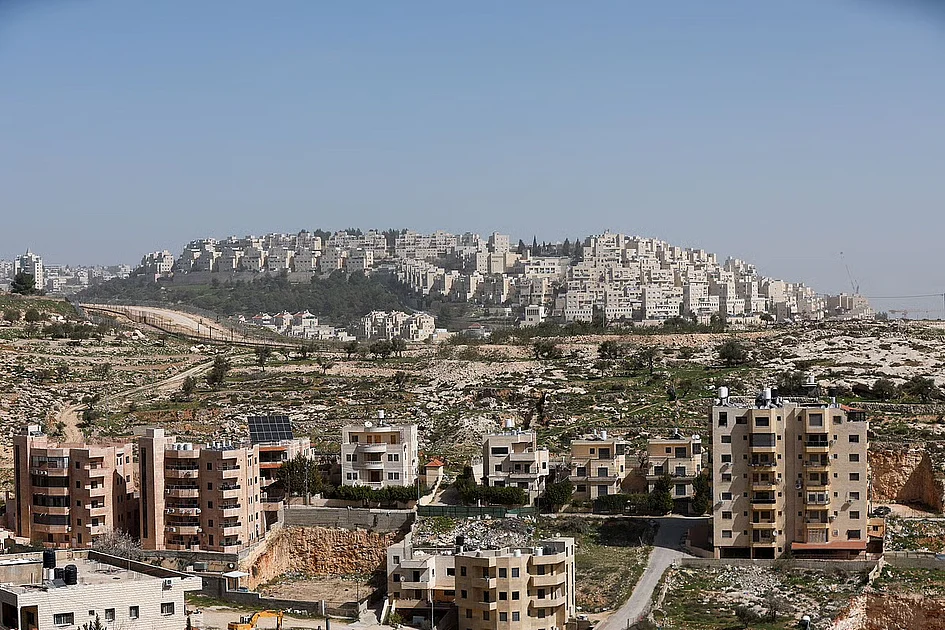
  • UAE, 7 other countries condemn Israel’s ‘illegal’ approval of West Bank land registration

    UAE, 7 other countries condemn Israel’s ‘illegal’ approval of West Bank land registration

    In a significant diplomatic development, the foreign ministers of eight nations—the United Arab Emirates, Jordan, Indonesia, Pakistan, Turkey, Saudi Arabia, Qatar, and Egypt—have issued a joint condemnation of Israel’s recent authorization of land registration procedures in the occupied West Bank. The ministers characterized the decision as a severe violation of international law during a coordinated statement released on Tuesday.

    The controversial policy, which marks the first large-scale land registration initiative since 1967, involves classifying territories as ‘state lands’ to facilitate settlement expansion. The coalition of nations warned that these measures represent a dangerous escalation intended to consolidate Israeli control through systematic land confiscation and the imposition of illegal sovereignty over Palestinian territories.

    Citing multiple legal frameworks, the ministers emphasized that Israel’s actions directly contravene the Fourth Geneva Convention and United Nations Security Council Resolution 2334, which explicitly prohibits settlement activities in occupied territories. They further referenced the International Court of Justice’s advisory opinion that maintains the illegality of Israel’s occupation policies.

    The joint statement articulated deep concern that these administrative changes aim to alter the demographic and historical status of the West Bank, thereby undermining the feasibility of a two-state solution. The ministers asserted that such unilateral measures jeopardize regional stability and diminish prospects for establishing an independent Palestinian state based on pre-1967 borders with East Jerusalem as its capital.

    Reiterating their categorical rejection of these policies, the eight nations called upon the international community to implement decisive measures ensuring accountability and protecting Palestinian rights to self-determination. The coordinated response signals growing international pressure against settlement expansion activities that continue to shape the geopolitical landscape of the Middle East.

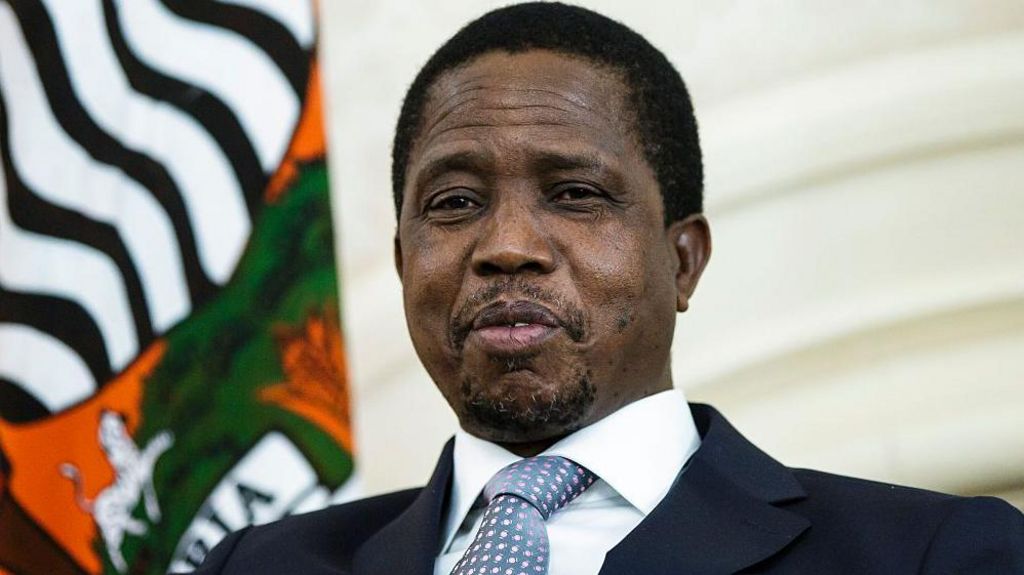
  • Family of Zambia’s ex-President Lungu dismiss poisoning allegation – lawyers

    Family of Zambia’s ex-President Lungu dismiss poisoning allegation – lawyers

    The protracted legal dispute surrounding the burial of former Zambian President Edgar Lungu has entered a new phase as his family formally denies allegations of poisoning while challenging South African police investigations. Lungu, who passed away in June 2025 at age 68 in a Pretoria clinic, remains in a South African morgue eight months later as competing claims over his final resting place continue unresolved.

    In a significant development, Johannesburg-based Mashele Attorneys, representing the Lungu family, has confirmed compliance with five subpoenas related to criminal investigations while simultaneously dismissing the poisoning claims as “unfounded and unsupported by credible evidence.” The legal team has raised serious concerns about additional police attempts to secure custody of the body, citing existing High Court orders that designate Two Mountains Funeral Services as the legitimate custodian pending resolution of legal proceedings.

    The conflict stems from fundamentally different visions for Lungu’s burial. The Zambian government, which secured a favorable court ruling in August 2025, insists on repatriating the former leader’s remains for a state funeral with full honors. Conversely, Lungu’s family maintains that the former president explicitly did not want his successor, President Hakainde Hichilema, to attend his funeral—a preference rooted in their long-standing political rivalry—and thus prefers a private burial in South Africa.

    South African police have maintained extraordinary discretion regarding the case, with spokesperson Brigadier Athlenda Mathe characterizing it as “a very sensitive matter that cannot be discussed at this stage.” The morgue currently housing Lungu’s remains has implemented around-the-clock security surveillance, underscoring the heightened sensitivity surrounding the former president’s body.

    Mrs. Lungu, who has remained in South Africa since her husband’s death, recently escalated the legal battle by filing an appeal with the Supreme Court of Appeal in Bloemfontein to overturn the previous ruling mandating repatriation to Zambia. This move ensures the complex international legal and diplomatic situation will continue indefinitely, highlighting the unusual circumstances surrounding a former head of state’s prolonged inability to be laid to rest.