博客

  • Could David Cameron be prosecuted for threatening the ICC?

    Could David Cameron be prosecuted for threatening the ICC?

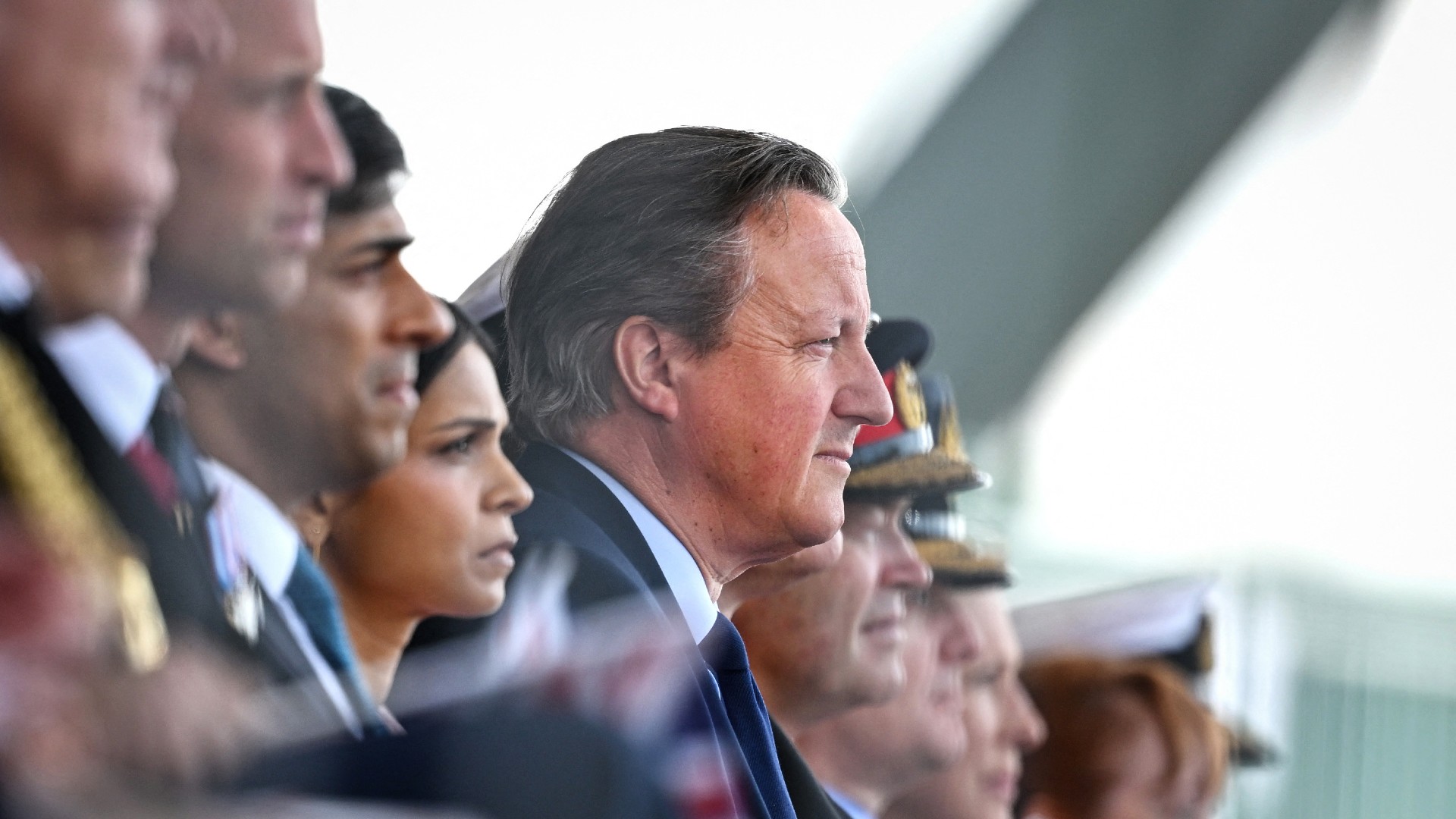
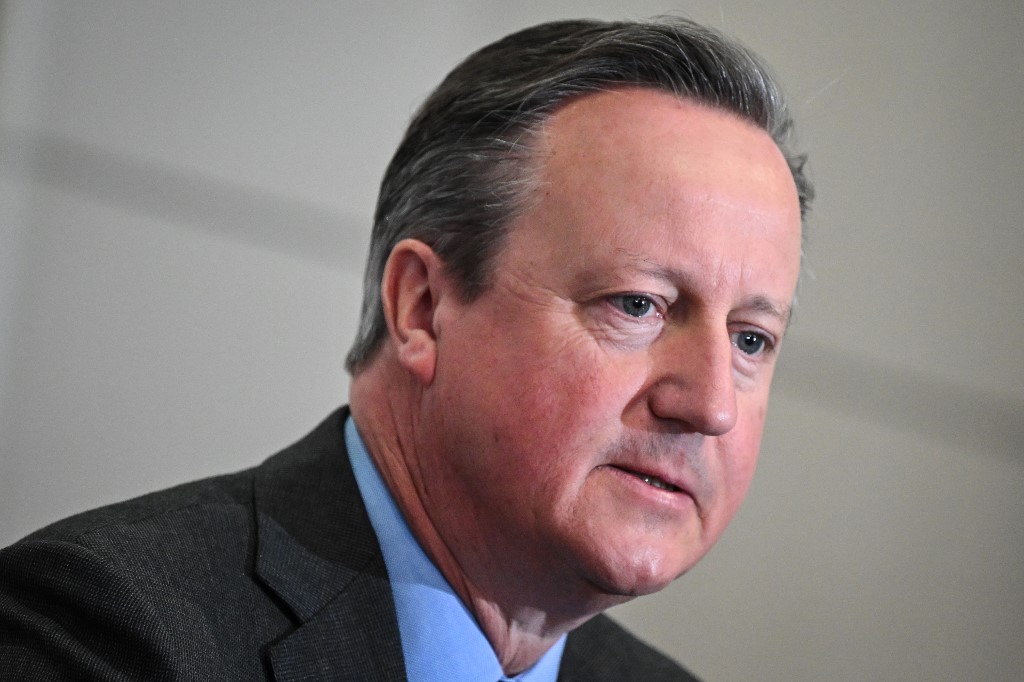
    International legal authorities have raised serious concerns about potential criminal liability for David Cameron, the United Kingdom’s former Foreign Secretary, following revelations about his alleged attempts to influence the International Criminal Court’s judicial processes. According to exclusive reporting from Middle East Eye, Cameron reportedly threatened Chief Prosecutor Karim Khan during an April 2024 telephone conversation, warning that Britain would withdraw from the Rome Statute and cease financial support if the court pursued arrest warrants for Israeli leaders.

    UN Special Rapporteur on Palestine Francesca Albanese characterized such threats as clear obstruction of justice, stating the situation demonstrates ‘incredible audacity’ from someone in a position of power. Professor Sergey Vasiliev of the Open University of the Netherlands noted that if confirmed, Cameron’s actions would represent a crossing of legal boundaries and demonstrate profound disrespect for the ICC’s judicial independence.

    The controversial exchange occurred while Prosecutor Khan’s team was preparing arrest warrants for Israeli Prime Minister Benjamin Netanyahu, Defense Minister Yoav Gallant, and three Hamas leaders. Despite Cameron’s intervention, the court formally approved the warrants six months later on November 21, charging Netanyahu and Gallant with war crimes and crimes against humanity in Gaza.

    Legal experts cite Article 70 of the Rome Statute, which prohibits offenses against the administration of justice, including intimidating court officials to influence their duties. Professor Tom Dannenbaum of the Fletcher School of Law and Diplomacy explained that while the UK maintains the right to withdraw from the ICC, conditioning such action on specific prosecutorial decisions constitutes improper political pressure that undermines judicial independence.

    The potential consequences for Cameron could include ICC arrest warrants and, if convicted, up to five years imprisonment in The Hague. Domestically, British law permits investigation under the ICC Act 2001 for obstruction of justice or misconduct in public office, offenses carrying maximum life sentences. However, experts note practical challenges including political considerations and possible functional immunity claims for actions taken in official capacity.

    The development occurs amidst heightened tensions between the ICC and Western governments, including recent US sanctions against court officials and Prosecutor Khan’s current leave of absence pending unrelated misconduct investigations.
  • From Kent State to LA, using soldiers on civilians is high-risk

    From Kent State to LA, using soldiers on civilians is high-risk

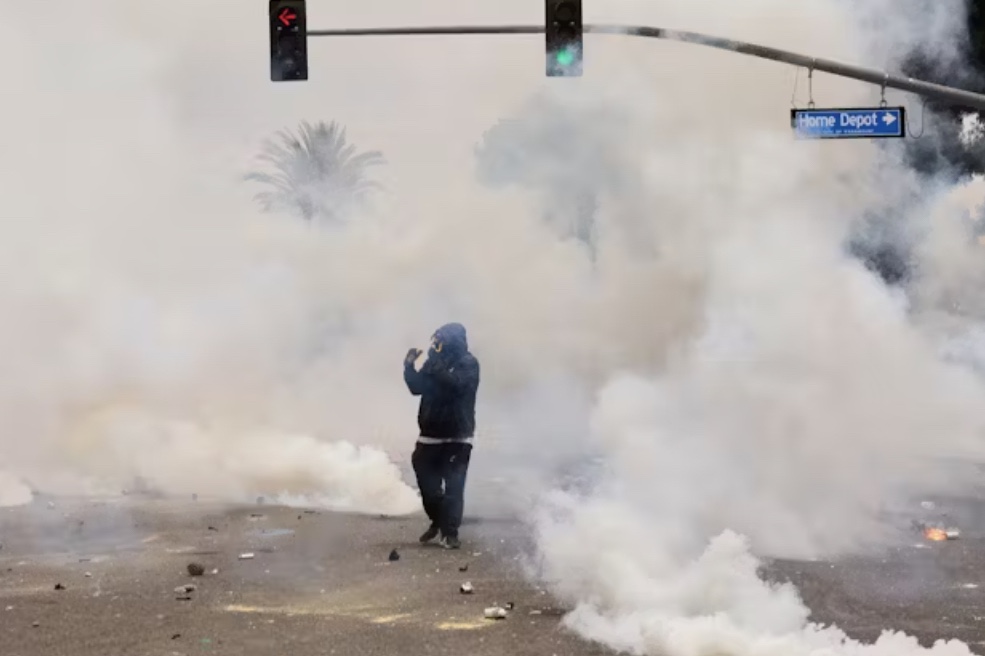
    In response to escalating protests in Los Angeles against federal immigration enforcement raids, President Donald Trump ordered the deployment of 2,000 California National Guard troops on June 7, 2025. The move aimed to protect federal agents conducting the raids, with Trump also authorizing the Pentagon to dispatch regular U.S. troops if necessary. The president’s orders did not specify rules of engagement, raising concerns about the potential use of force. California Governor Gavin Newsom, who did not request the National Guard, criticized the decision as “inflammatory” and warned it could exacerbate tensions. The protests began on June 6, 2025, following immigration raids across the city. The deployment of the National Guard, a state militia typically under the command of governors, was federalized by Trump under Section 12406 of Title 10 of the U.S. Code, which allows mobilization in cases of rebellion or threats to federal authority. This decision has drawn comparisons to the Kent State tragedy of May 4, 1970, when National Guard troops opened fire on anti-war protesters at Kent State University, killing four students and wounding nine. Historians and experts warn that deploying military forces in civilian protests can lead to unpredictable and tragic outcomes, as seen in Kent State. The incident underscores the delicate balance between maintaining order and respecting civil liberties, with critics arguing that aggressive displays of force can escalate tensions rather than resolve them.

  • Exclusive: David Cameron threatened to withdraw UK from ICC over Israel war crimes probe

    Exclusive: David Cameron threatened to withdraw UK from ICC over Israel war crimes probe

    The British government secretly threatened to withdraw funding and membership from the International Criminal Court should it proceed with arrest warrants against Israeli leaders, according to exclusive revelations from Middle East Eye.

    Former Prime Minister and then-Foreign Secretary David Cameron delivered this ultimatum during a heated April 2024 telephone exchange with ICC Chief Prosecutor Karim Khan. The confrontation occurred while Khan was on official duties in Venezuela, with Cameron warning that targeting Israeli leadership would be equivalent to “dropping a hydrogen bomb” on diplomatic relations.

    Cameron explicitly stated that issuing warrants against Israeli Prime Minister Benjamin Netanyahu and Defense Minister Yoav Gallant would force the UK to “defund the court and withdraw from the Rome Statute” – the foundational treaty establishing the ICC. He argued that while prosecuting Russia for aggression against Ukraine was justified, targeting Israel during its self-defense operations following October 7 attacks was unacceptable.

    The foreign secretary aggressively interrupted Khan throughout the conversation, claiming the warrants would create “profound implications” within British politics and his Conservative Party. He accused the prosecutor of singling out Israel while ignoring other nations like Iran.

    Khan remained resolute despite the pressure, emphasizing that his office had engaged with Israel for three years without meaningful cooperation. He warned that UK withdrawal would signal the death of the rules-based international system, stating: “If this were to occur then we would have to accept that the rules-based system would be dead.”

    The prosecutor later expressed surprise at the blunt nature of the threats, noting that similar pressure applied to a national prosecutor would potentially constitute a criminal offense. He described his disappointment that senior officials would “debase themselves and their nation” through such tactics.

    The confrontation preceded Khan’s formal announcement of warrant applications on May 20, 2024, which also targeted Hamas leaders Yahya Sinwar, Ismail Haniyeh and Mohammed Deif. The Sunak government subsequently filed a formal objection challenging ICC jurisdiction over Israeli nationals, though the newly elected Labour government under Keir Starmer withdrew this objection in July.

    The ongoing tension reflects broader international divisions regarding the ICC’s Palestine investigation, with the United States imposing sanctions on Khan and four ICC judges while freezing the prosecutor’s assets. The court continues to maintain its independence despite these pressures, recently ordering that any future warrants related to Palestine investigations remain confidential.

  • ‘Lilo & Stitch’ cruises to No. 1 again; John Wick spinoff ‘Ballerina’ dances to 2nd place

    ‘Lilo & Stitch’ cruises to No. 1 again; John Wick spinoff ‘Ballerina’ dances to 2nd place

    In a weekend dominated by Disney’s ‘Lilo & Stitch,’ the highly anticipated John Wick spinoff ‘Ballerina’ fell short of expectations. The Disney juggernaut secured its third consecutive week at the top of the box office charts, adding $32.5 million domestically, bringing its North American total to $335.8 million and global earnings to $772.6 million. Meanwhile, ‘Ballerina,’ directed by Len Wiseman and starring Ana de Armas, debuted with $25 million from 3,409 theaters in the U.S. and Canada, significantly lower than initial projections of $35 to $40 million. Despite positive critic reviews and audience exit polls, the film’s performance was underwhelming. Internationally, ‘Ballerina’ earned $26 million from 82 countries, pushing its global opening to $51 million. With a reported production budget of $90 million, much of the cost was offset by foreign pre-sales. As the first spinoff in the John Wick franchise, ‘Ballerina’ recorded the second-lowest opening in the series, surpassing only the original 2014 film, which opened at $14 million. The franchise has collectively grossed over $1 billion worldwide. Paul Dergarabedian, senior media analyst for Comscore, noted that ‘Ballerina’ is playing like a true original rather than a typical franchise film, which could benefit its long-term performance. The film may see a stronger second weekend as it competes with family-focused ‘How to Train Your Dragon.’ Elsewhere, ‘Mission: Impossible – The Final Reckoning’ slid to third place with $15 million, while ‘Karate Kid: Legends’ and ‘Final Destination: Bloodlines’ rounded out the top five. Wes Anderson’s ‘The Phoenician Scheme’ expanded nationwide, earning $6.3 million, and the anime ‘Dan Da Dan: Evil Eye’ debuted in the top 10 with $3.1 million. Overall, the box office is up 26% compared to the same period in 2024.

  • FIFA Club World Cup: When it starts and which teams are playing in soccer’s new-look tournament

    FIFA Club World Cup: When it starts and which teams are playing in soccer’s new-look tournament

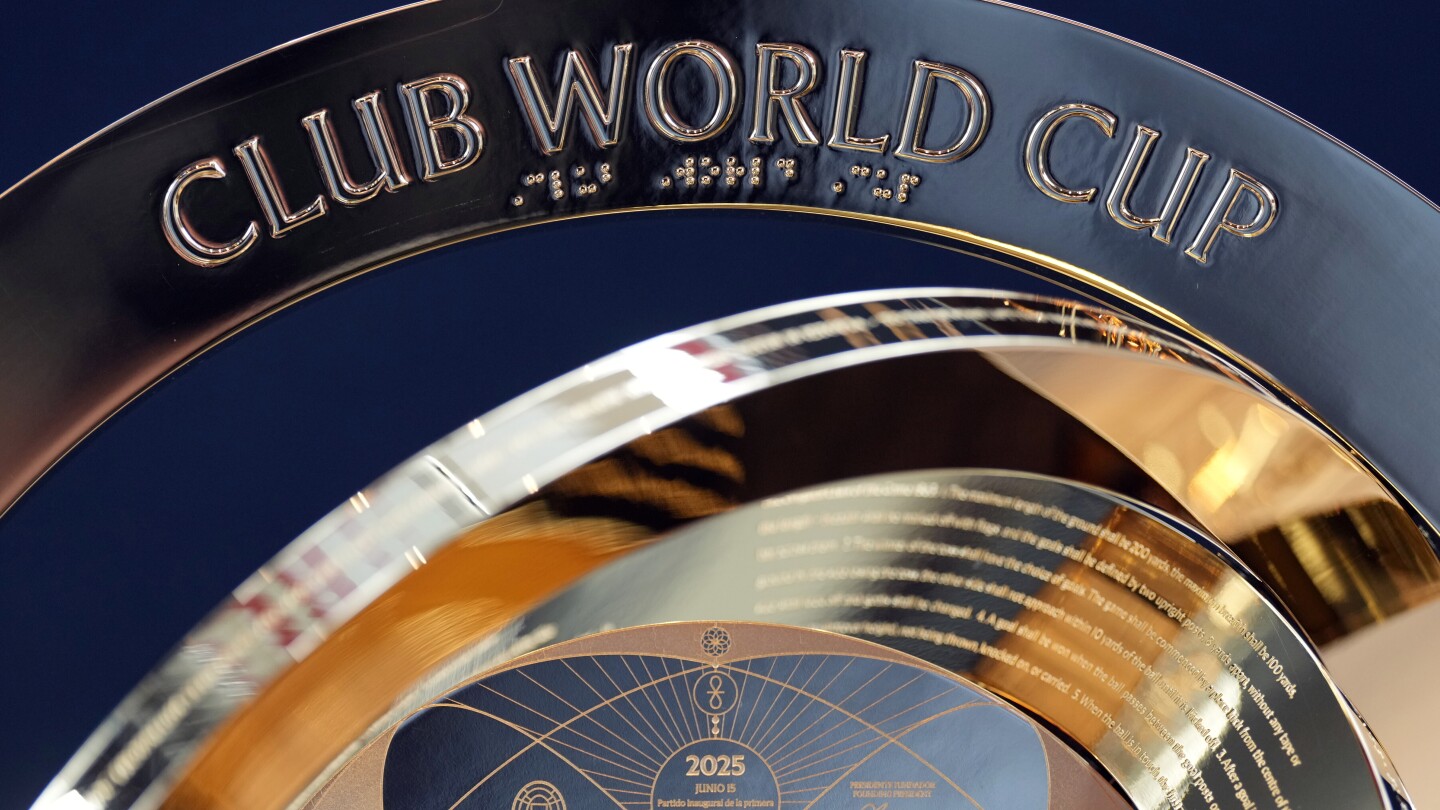
    The highly anticipated FIFA Club World Cup, now expanded to 32 teams, is set to commence on June 14 in Miami, featuring soccer’s elite players and clubs, including Lionel Messi’s Inter Miami and European giants like Real Madrid and Manchester City. This revamped tournament, hosted across multiple U.S. cities, marks FIFA’s ambitious attempt to establish a premier global club competition akin to the international World Cup. However, the event faces challenges, including concerns over player burnout and fan engagement in an already congested soccer calendar. The tournament’s format mirrors the World Cup, with eight groups of four teams competing in a round-robin stage, followed by knockout rounds culminating in the final on July 13 at New Jersey’s MetLife Stadium. Notable participants include top clubs from Europe, South America, and other regions, though some European powerhouses like Barcelona and Manchester United are absent due to FIFA’s stringent qualifying criteria. With a staggering $1 billion prize pool, the competition promises high stakes, but its success remains uncertain amidst mixed reactions from players and fans alike.

  • Wang: People-to-people ties can deepen China-Japan relations

    Wang: People-to-people ties can deepen China-Japan relations

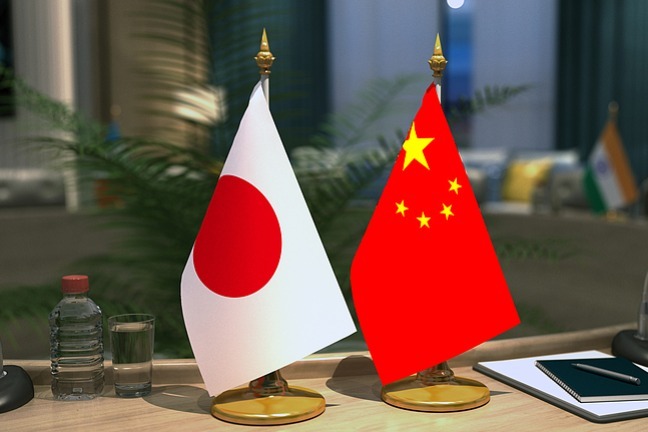
    Foreign Minister Wang Yi highlighted the importance of fostering people-to-people connections to enhance China-Japan relations during a meeting with Yohei Kono, president of the Japanese Association for the Promotion of International Trade (JAPIT), in Beijing on Wednesday. Wang emphasized that such engagements have historically played a crucial role in advancing bilateral ties and remain vital in the current geopolitical climate. He praised Kono for his unwavering commitment to promoting friendship between the two nations, even during challenging times. Wang also underscored the significance of remembering historical lessons, particularly as this year marks the 80th anniversary of the victory in the Chinese People’s War of Resistance Against Japanese Aggression and the World Anti-Fascist War. He echoed Japanese Prime Minister Shigeru Ishiba’s recent remarks on the importance of learning from history to avoid repeating past mistakes. Kono reaffirmed JAPIT’s dedication to fostering friendly cooperation and stressed that while history cannot be altered, the future can be shaped through collective efforts. The discussions also touched on strengthening trilateral cooperation and cultural exchanges among China, Japan, and South Korea, with both sides agreeing on the need to integrate industrial and supply chains to counter de-globalization challenges. They emphasized the importance of mutual understanding and friendship among the people of the three nations to promote regional peace, stability, and prosperity.

  • China hopes Japan will reflect on its historical crimes, adhere to path of peaceful development: FM spokesperson

    China hopes Japan will reflect on its historical crimes, adhere to path of peaceful development: FM spokesperson

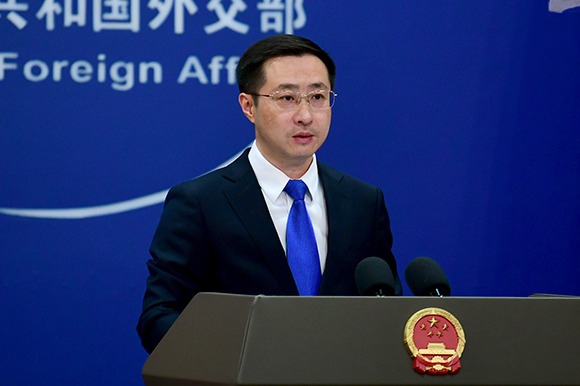
    In a recent statement, China has called on Japan to deeply reflect on its historical crimes, learn from the past, and steadfastly adhere to the path of peaceful development. This appeal was made by Chinese Foreign Ministry spokesperson Lin Jian during a routine press briefing on Wednesday. Lin’s remarks were in response to a recent statement by Japanese Prime Minister Shigeru Ishiba, who emphasized the importance of historical reflection and the avoidance of past war mistakes. Lin noted that China places significant importance on Ishiba’s position, recalling that during a meeting between Chinese and Japanese leaders in Lima, Peru, in November 2024, Ishiba had expressed Japan’s commitment to facing history squarely and looking toward a peaceful future. Lin stressed that adopting a correct historical stance, showing remorse, and apologizing for past aggressions are crucial for Japan’s reintegration into the international community. These actions not only affect the political foundation of China-Japan relations but also Japan’s relationships with its neighbors and its global image. Lin urged Japan to completely sever ties with any attempts to whitewash or obscure its history of aggression, take a responsible stance toward history, and commit to peaceful development through concrete actions to regain the trust of its Asian neighbors and the international community.

  • Li: Expand trade ties with Japan

    Li: Expand trade ties with Japan

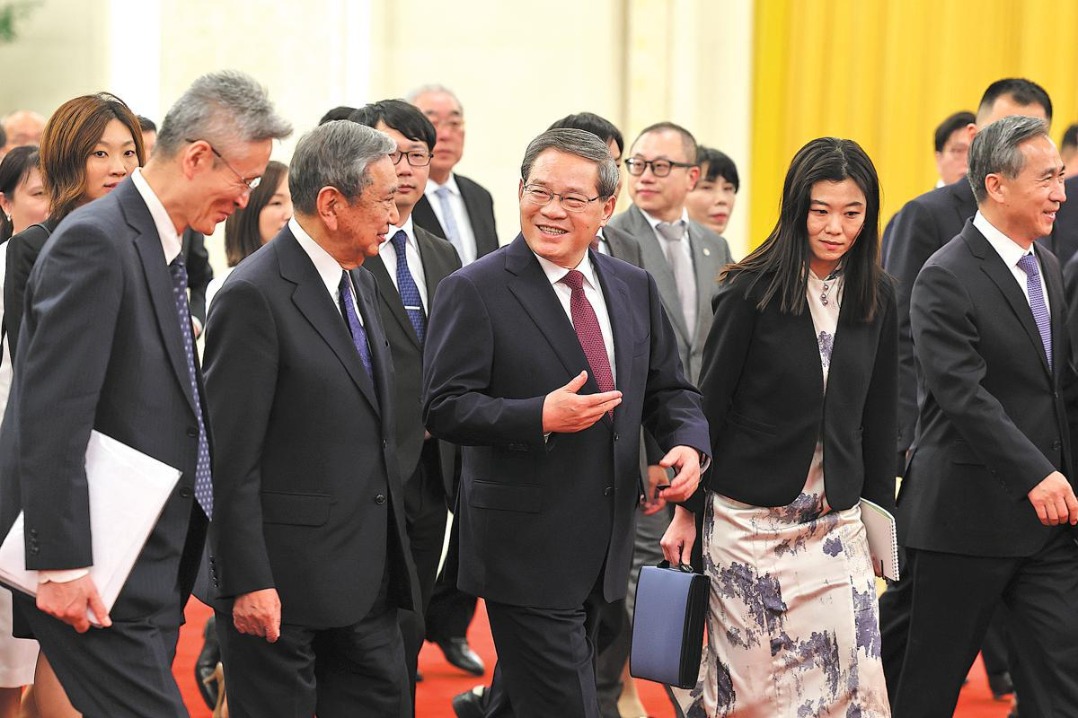
    Premier Li Qiang emphasized the importance of expanding trade and investment between China and Japan during a meeting with a Japanese business delegation in Beijing. The meeting, held at the Great Hall of the People, was led by Yohei Kono, president of the Japanese Association for the Promotion of International Trade. Premier Li highlighted the strategic and mutually beneficial relationship between the two nations, recalling the recent agreement between President Xi Jinping and Japanese Prime Minister Shigeru Ishiba to advance bilateral ties. He stressed the need for proactive actions to strengthen political mutual trust and people-to-people connections, urging both countries to manage differences constructively and promote stable bilateral relations. Premier Li also pointed out the challenges posed by the evolving international landscape and called for leveraging the industrial complementarity and technological expertise of both nations to explore new areas of cooperation, such as the digital economy, green economy, and biopharmaceuticals. He reaffirmed China’s commitment to high-standard opening-up and welcomed Japanese enterprises to expand their presence in China. The meeting followed the sixth China-Japan High-Level Economic Dialogue in Tokyo, where both sides reached a 20-point consensus to deepen economic cooperation. Kono acknowledged China as Japan’s most important economic partner and emphasized the need for enhanced communication to safeguard multilateralism and the free trade system. Since the normalization of diplomatic relations in 1972, bilateral trade has grown over 300-fold, with accumulated investment nearing $140 billion.

  • Ancient DNA reveals a new group of people who lived near land bridge between the Americas

    Ancient DNA reveals a new group of people who lived near land bridge between the Americas

    In a groundbreaking discovery, scientists have uncovered evidence of a previously unknown pod of ancient hunter-gatherers who thrived approximately 6,000 years ago near the land bridge connecting North and South America. This revelation, published in the journal *Science Advances*, sheds new light on the complex migration patterns of early humans across the Americas. The group, identified through ancient DNA analysis, inhabited the high plateaus of present-day Bogotá, Colombia—a strategic location where the two continents converge. Intriguingly, this ancient population does not share close genetic ties with either ancient Native Americans in North America or ancient or modern South Americans, leaving their exact place in the human family tree a mystery. Archaeologist Andre Luiz Campelo dos Santos of Florida Atlantic University, who was not involved in the study, remarked, ‘Up to this point, we didn’t believe there was any other lineage that would appear in South America. This is unexpected.’ By 4,000 years ago, this group had vanished, replaced by a genetically distinct population. The reasons for their disappearance remain unclear, with possibilities ranging from assimilation into a larger group to complete displacement. Further genetic analysis in South America could help determine whether traces of this ancient lineage persist in modern populations. Study author Andrea Casas-Vargas of the National University of Colombia emphasized the significance of the region, calling it ‘the gateway to the South American continent.’ This discovery underscores the importance of the land bridge in the migration and settlement of ancient peoples across the Americas.

  • Forget Musk. Russ Vought is the real power behind Trump

    Forget Musk. Russ Vought is the real power behind Trump

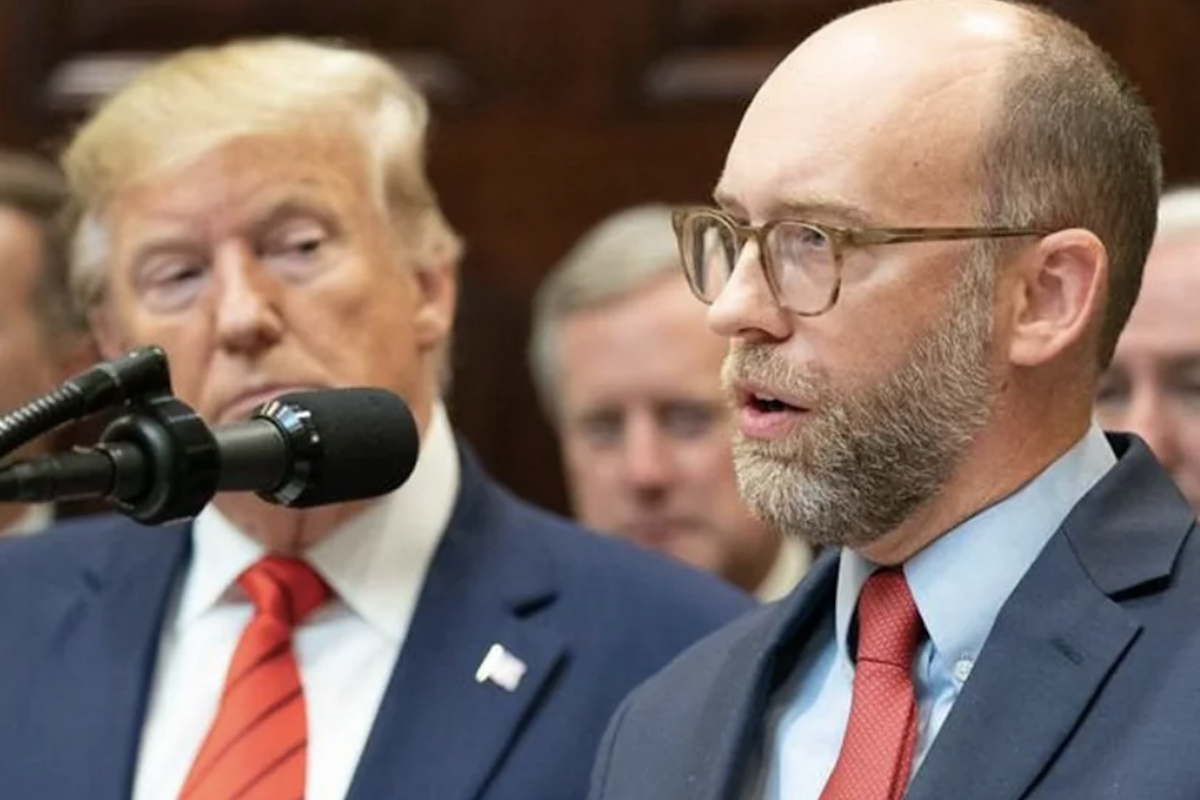
    While Elon Musk has been a prominent figure in the Trump administration, Russell Vought, the Director of the Office of Management and Budget (OMB), has emerged as a more influential yet less visible force. Vought is rumored to soon take over the Department of Government Efficiency (DOGE) from Musk, further solidifying his role in shaping the administration’s policies. Unlike Musk, Vought operates largely out of the media spotlight, driven by a deep commitment to radically transforming the U.S. presidency and embedding Christian values into government and public life. Vought has vowed to ‘crush the Deep State,’ a mission he began during Trump’s first term, where he served as OMB deputy director and briefly as director. He played a key role in Executive Order 13957, which aimed to reclassify thousands of federal policy jobs, allowing the White House to swiftly alter employment in these roles. Although this order was revoked by the Biden administration, Trump issued a similar order (14171) in January, potentially affecting 50,000 federal positions. Vought argues that such measures are essential for the White House to retain control over federal agencies, preventing ideological opponents from undermining its initiatives. During the Biden presidency, Vought was the key architect of the Heritage Foundation’s Project 2025, a 900-page blueprint widely seen as the foundation for Trump’s potential second term. Many of its recommendations, including high trade tariffs and DOGE’s cost-cutting initiatives, have already been implemented. Vought’s influence extends to his close relationship with Musk, with whom he has coordinated efforts to streamline government spending. Despite facing opposition from Democrats, who view him as a radical threat to constitutional norms, Vought remains steadfast in his belief in the unitary executive theory, which asserts the president’s authority over all executive branch operations. His continued push for reform could lead to significant legal battles, potentially reshaping the balance of power in the federal government.