博客

  • Seven Chinese tourists, driver dead after bus sinks into Russia’s Lake Baikal

    Seven Chinese tourists, driver dead after bus sinks into Russia’s Lake Baikal

    A devastating incident on the frozen expanse of Russia’s Lake Baikal has resulted in the feared deaths of seven Chinese tourists and their local bus driver. The catastrophe occurred when the ice beneath their vehicle fractured, causing the bus to plunge into the frigid waters of the world’s deepest lake.

    According to a statement released by Igor Kobzev, the regional governor, via his Telegram channel on Friday, the accident prompted an immediate emergency response. Miraculously, one tourist managed to escape the submerged bus. Search and rescue operations are actively continuing for the remaining victims in the harsh Siberian conditions.

    The Irkutsk regional prosecutor’s office has initiated a criminal investigation to determine the precise circumstances that led to the breach of the ice road, a route commonly traversed by tourist vehicles during the winter months. Located north of Mongolia, Lake Baikal is a UNESCO World Heritage site and an immensely popular destination, particularly for adventure seekers.

    This tragedy casts a somber shadow over the rapidly growing tourism ties between China and Russia. Tourist traffic from China to Russia has seen a significant surge in recent years, a trend bolstered by deepening political alignment and a “no limits” strategic partnership formalized last year. This cooperation was further streamlined by the introduction of a mutual visa-free travel regime, facilitating easier movement between the two nations.

  • Israeli settlers kill another teenaged US citizen in occupied West Bank

    Israeli settlers kill another teenaged US citizen in occupied West Bank

    A 19-year-old Palestinian-American citizen, Nasrallah Abu Siyam, was fatally shot by Israeli settlers during an attack on the village of Mukhmas, located east of Ramallah in the occupied West Bank. The incident occurred on Wednesday when Abu Siyam and fellow villagers intervened to protect a local farmer under assault by a group of settlers, according to an eyewitness account provided to the Associated Press.

    Raed Abu Ali, a resident of Mukhmas, reported that Israeli military forces arrived at the scene and deployed tear gas, sound grenades, and live ammunition to disperse the crowd. Social media footage circulating online appears to capture the moment Abu Siyam was shot and his body being removed from the area.

    Middle East Eye contacted the US State Department for comment but had not received a response by publication time. This killing marks the latest in a series of violent incidents targeting Palestinian communities in the West Bank, which have intensified significantly since the October 2023 Hamas-led attacks on southern Israel and Israel’s subsequent military operations in Gaza.

    Abu Siyam becomes at least the sixth US citizen killed by Israeli settlers or security forces in 2024 alone, joining Tawfic Abdel Jabbar, Mohammad Khdour, Ayşenur Ezgi, Amer Rabee, and Sayfollah Musallet. Accountability for these deaths remains largely absent despite growing international concern.

    The United Nations human rights agency released a report on Thursday suggesting that the systematic attacks by Israeli settlers and soldiers in the West Bank may constitute ethnic cleansing. The document cites systematic unlawful use of force by Israeli security forces, widespread arbitrary detention and torture of Palestinians, and extensive unlawful demolition of Palestinian homes as evidence of systematic discrimination and oppression against the Palestinian population.

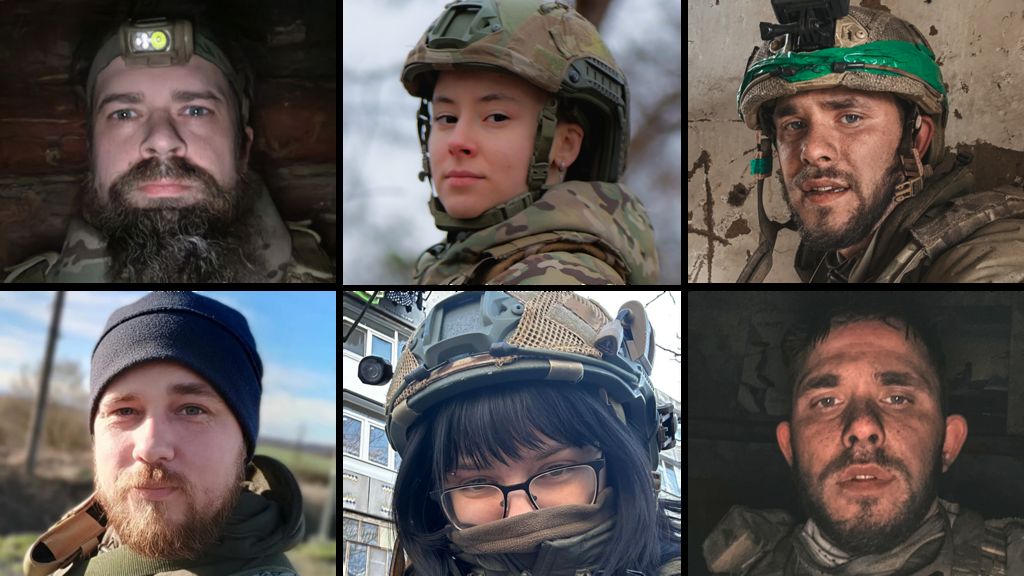
  • In the army now: Pictures that show how ordinary Ukrainians have been shaped by war

    In the army now: Pictures that show how ordinary Ukrainians have been shaped by war

    When Russia launched its full-scale invasion on February 24, 2022, ordinary Ukrainian citizens underwent an extraordinary transformation—becoming soldiers virtually overnight. Four years into the conflict, the BBC has documented the profound personal journeys of nine such individuals, whose lives have been irrevocably altered by war.

    Olena, once a nightclub administrator in Prague, abandoned her cosmopolitan existence to become a military pilot. She reflects on her pre-war self as “more naive” and notes how her priorities have shifted from material pursuits to the fundamental preservation of her comrades’ lives. “My place is here as long as the enemy is in my house,” she states with resolve.

    Oleh, a publishing graduate and former NGO worker, described his initial reaction as one of fear and confusion. Despite having no military background, he enlisted within a month, trading role-playing board games for actual combat. The war shattered his belief in positive thinking techniques, revealing that only direct action could counter armed aggression.

    Anastasia’s path led from being a barista to operating First Person View drones—a role where she constantly battles gender discrimination. “You constantly have to prove you are worthy,” she explains. The conflict has clarified her values, teaching her to appreciate simple happiness: time with loved ones, good food, and the security of waking up tomorrow.

    Roman, a top bio-engineer specializing in facial reconstruction, might have been working with leading surgeons in Copenhagen. Instead, he applies his medical expertise on the front lines while operating drones. He lives strictly in the present, acknowledging that reconstruction work will await him long after hostilities cease.

    Viktor, who had previously served four years before moving to Poland, returned immediately after the invasion began. He barely recognizes his pre-war self, describing the person in earlier photos as “a little boy” unaware of what awaited him. Most of his comrades have perished in the conflict.

    The most harrowing accounts come from soldiers who endured captivity. Serhii, captured during the siege of Azovstal, spent over two years as a prisoner of war—an experience he describes as feeling “doomed” without any certainty about the future. Kyrylo, held for several weeks in 2022, witnessed comrades being abused while powerless to intervene. Both struggle with reintegration, with Kyrylo noting the painful transition from being “someone” on the battlefield to feeling like “nobody” in civilian life.

    These personal narratives reveal the war’s deep psychological toll and the complete transformation of identity experienced by those who answered their nation’s call. From redefined values to enduring trauma, these soldiers embody both the resilience and sacrifice of Ukraine’s civilian army.

  • 18 dead in Egypt after minibus carrying fish-farm workers collides with truck

    18 dead in Egypt after minibus carrying fish-farm workers collides with truck

    A devastating traffic collision in Egypt’s Dakahlia governorate has resulted in 18 fatalities after a minibus transporting fish-farm workers collided with a heavy truck on Thursday. The accident occurred along the June 30 Axis, a major northern transportation corridor, as workers were traveling from their homes near Port Said to their workplace.

    Local media outlet Al-Shorouk reported that preliminary investigations point to excessive speed combined with poor weather conditions that severely reduced visibility as primary factors behind the tragedy. While authorities have yet to release an official death toll, multiple sources have confirmed the casualty count.

    Egyptian Prime Minister Mostafa Madbouly has extended formal condolences to the families of victims and directed that financial compensation be provided to affected families. Dakahlia Governor Tarek Marzouk publicly mourned the deceased, referring to them as ‘martyrs’ in an official statement released through his office’s Facebook platform.

    This incident highlights Egypt’s ongoing struggle with road safety, where traffic accidents remain alarmingly frequent due to poorly maintained infrastructure and widespread violation of traffic regulations. Government statistics from 2024 recorded over 5,200 road fatalities nationwide, underscoring the severity of the problem.

    The Interior Ministry’s recent report of 111,583 traffic violations occurring within a single 24-hour period further illustrates the scale of traffic law non-compliance throughout the country. This tragic event represents one of the deadliest road accidents in Egypt thus far in 2026, raising renewed concerns about transportation safety measures and enforcement mechanisms.

  • Explained: Why a UN report found RSF committed genocide in Sudan’s el-Fasher

    Explained: Why a UN report found RSF committed genocide in Sudan’s el-Fasher

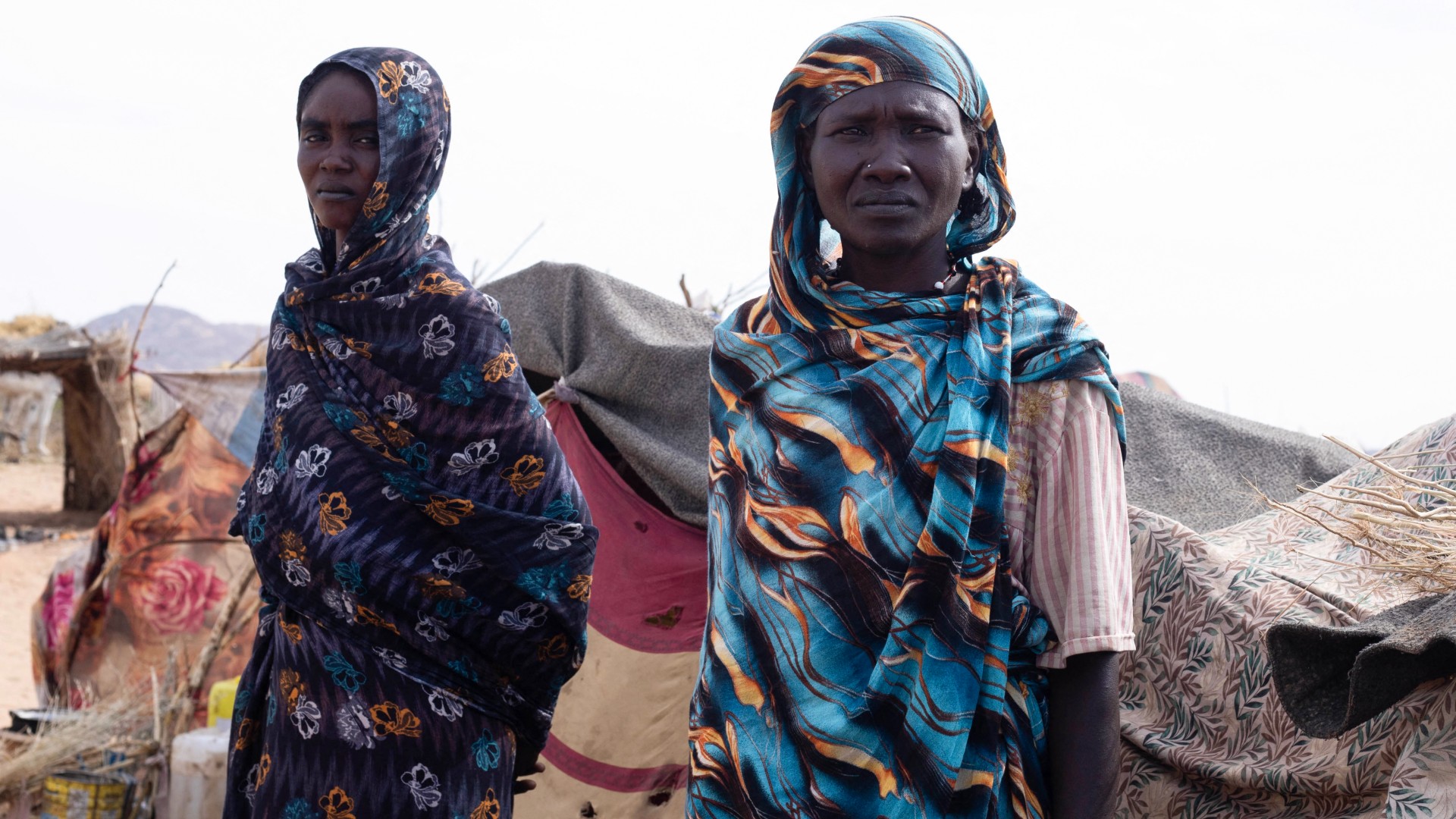
    A comprehensive United Nations investigation has concluded that Sudan’s paramilitary Rapid Support Forces (RSF) committed systematic atrocities during their capture of el-Fasher in October that demonstrate clear indicators of genocide. The report documents a pattern of large-scale crimes targeting specific ethnic groups in North Darfur’s capital.

    The UN mission established that the RSF’s offensive displayed three fundamental elements of genocide under international law: mass killings of protected groups, intentional infliction of severe physical and psychological harm, and deliberate creation of conditions calculated to bring about physical destruction. The investigation specifically identified the Fur, Masalit and Zaghawa communities as primary targets, noting these groups received protected status under the Rome Statute during previous ICC proceedings against former president Omar al-Bashir.

    Evidence reveals the RSF implemented a coordinated strategy of extermination through multiple mechanisms. The paramilitary forces besieged el-Fasher for eighteen months, systematically cutting off food, water, medical supplies and humanitarian assistance while conducting relentless attacks on civilian infrastructure. Drones and heavy weapons targeted communal kitchens, medical facilities and places of worship, including a dawn prayer attack on Al-Safiya Mosque that killed approximately 70 civilians, including 11 children.

    The report details how RSF fighters employed explicit genocidal language, with survivors recounting statements such as “We want to eliminate anything black from Darfur” and “We will carry out extermination against you, an extermination like what we did to Masalit.” The forces constructed earthen berms and trenches to trap civilians without adequate sustenance, leading to widespread starvation where residents resorted to eating animal fodder and tree leaves.

    During the actual capture of the city between October 24-26, the RSF engaged in indiscriminate killings, including executions at checkpoints where men were separated from women and children. Fighters recorded themselves executing civilians while chanting racist slogans and using ethnic slurs. The notorious commander known as Abu Lulu personally conducted executions, with video evidence showing him shooting a pregnant woman seven times in the abdomen after inquiring about her pregnancy term.

    The investigation further documented systematic sexual violence targeting women and girls aged 7-70 from non-Arab communities, particularly the Zaghawa. Victims reported gang-rapes, sexual slavery, and brutal physical assaults, often conducted in front of family members. The mission confirmed cases of women being abducted and subjected to repeated rape over multiple days, with many remaining missing.

    The UN has called for immediate international intervention to halt the violence and bring perpetrators to justice, emphasizing that the documented crimes represent some of the most severe violations of international law witnessed in recent conflicts.

  • Trump brings in new 10% tariff as Supreme Court rejects his global import taxes

    Trump brings in new 10% tariff as Supreme Court rejects his global import taxes

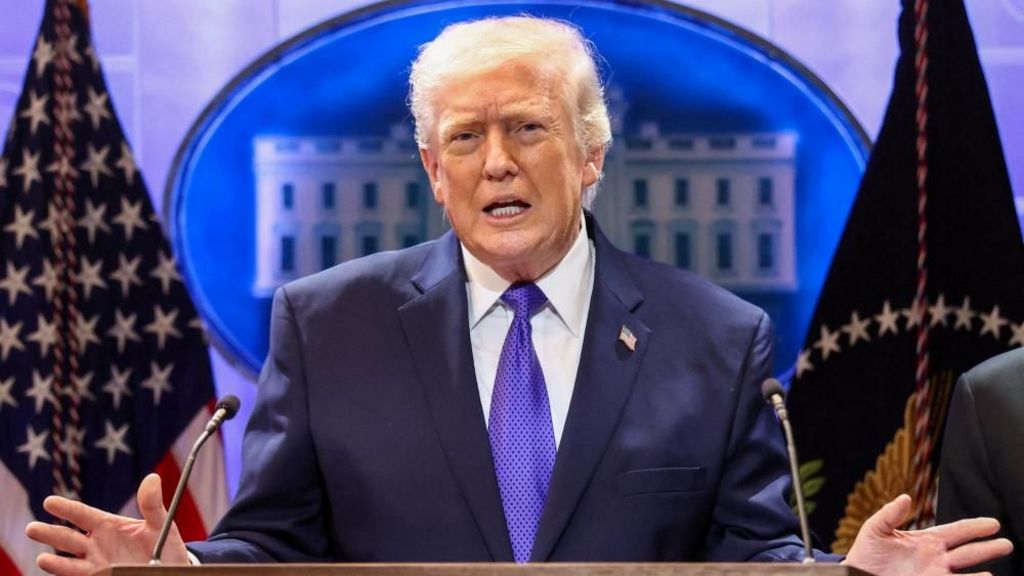
    In a dramatic escalation of tensions between the executive and judicial branches, President Donald Trump has announced a new 10% universal tariff immediately following a landmark Supreme Court ruling that struck down his previous global trade measures. The 6-3 decision, which found the president had exceeded his authority, represents one of the most significant judicial checks on presidential power in recent history.

    The court’s majority opinion, authored by Chief Justice John Roberts, determined that the International Emergency Economic Powers Act of 1977—cited by the administration as legal justification—contained no explicit congressional delegation of tariff-setting authority. ‘When Congress has delegated its tariff powers, it has done so in explicit terms and subject to strict limits,’ Roberts wrote, joined by the court’s three liberal justices and two Trump-appointed conservatives, Amy Coney Barrett and Neil Gorsuch.

    Speaking from the White House briefing room, Trump delivered an extraordinary rebuke of the judicial branch, characterizing the decision as ‘terrible’ and labeling dissenting Republican-appointed justices as ‘fools and lap dogs’ who demonstrated ‘unpatriotic and disloyal’ behavior. The president vowed to continue his trade policy through alternative legal mechanisms, including Section 122—a rarely invoked statute allowing temporary tariffs of up to 15% for 150 days without congressional approval.

    The ruling triggered immediate market reactions, with the S&P 500 gaining 0.7% as business leaders expressed relief. Beth Benike, owner of Minnesota-based Busy Baby products, described feeling ‘like a thousand-pound weight has been lifted off my chest,’ while Terry Precision Cycling CEO Nik Holm called the decision a ‘relief’ despite anticipating lengthy supply chain recovery.

    Legal experts warned that the path to tariff refunds—estimated at $130 billion already collected under the invalidated program—remains fraught with complexity. Diane Swonk, chief economist at KPMG US, cautioned that litigation costs could prevent smaller firms from recouping funds, while trade analyst Geoffrey Gertz noted the situation had ‘only gotten more complicated and more messy.’

    The administration indicated that even nations with existing trade agreements, including the UK, EU, and India, would now face the new universal levy, though officials expect these countries to maintain previously negotiated concessions. European Commission spokespersons stated they were ‘analyzing the ruling carefully’ amid concerns about renewed trade uncertainty.

    This constitutional clash sets the stage for prolonged legal battles and potentially far-reaching implications for presidential authority in international trade matters.

  • Israel army says on ‘defensive alert’ regarding Iran but no change to public guidelines

    Israel army says on ‘defensive alert’ regarding Iran but no change to public guidelines

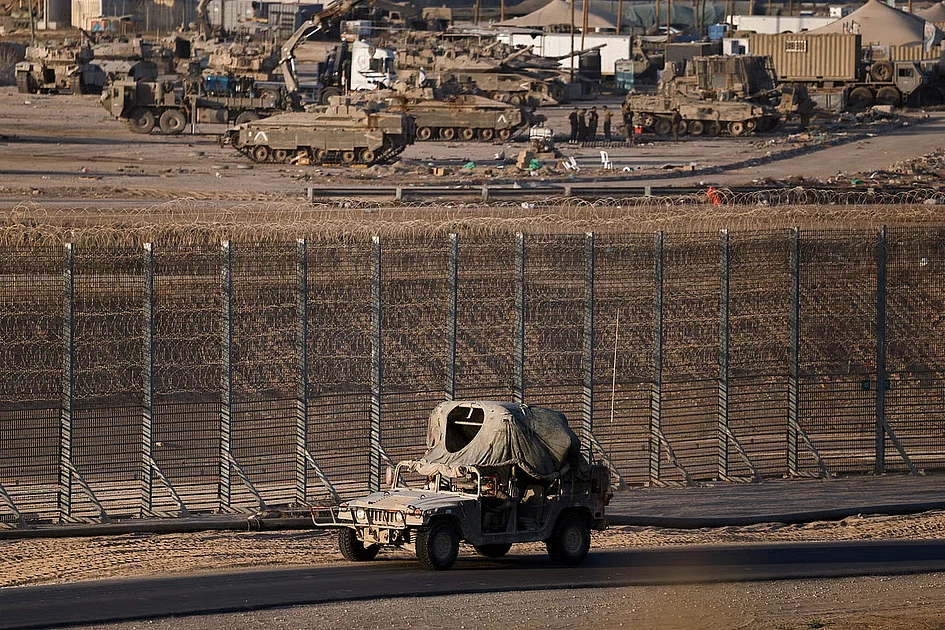
    The Israeli Defense Forces have elevated their defensive readiness while carefully monitoring escalating tensions between the United States and Iran, according to a Friday statement from military officials. Army spokesperson Brigadier General Effie Defrin confirmed in a video address that while the military remains on heightened alert, there has been no modification to public safety guidelines despite the volatile regional situation.

    “We are maintaining vigilant surveillance of regional developments and remain acutely aware of the ongoing public discourse regarding Iran,” stated Defrin. “The Israeli military is currently operating under defensive alert status, with our operational capabilities fully prepared to respond to any shifts in the security landscape.”

    The spokesperson employed vivid military terminology to illustrate the current state of readiness, noting that “our visual monitoring extends across all sectors, and our operational readiness has been intensified more than ever before to address any alterations in the tactical environment.” This declaration comes amid increasing rhetorical exchanges between American and Iranian officials, creating a tense atmosphere throughout the Middle East.

    Despite the heightened military alertness, Israeli authorities have deliberately avoided implementing changes to civilian protocols, indicating a calibrated approach that balances security preparedness with public normalcy. The military’s statement appears designed to reassure both domestic and international observers that while defensive measures are being prioritized, there is no immediate cause for public alarm.

  • Dubai Police stop children riding bike on public road, impose Dh50,000 impound fee

    Dubai Police stop children riding bike on public road, impose Dh50,000 impound fee

    Dubai authorities have imposed a substantial 50,000-dirham vehicle impound release fee following the interception of minors operating a recreational motorbike on public thoroughfares. The incident, occurring this week, prompted immediate intervention from traffic patrols to safeguard both the young riders and other road users.

    Major-General Saif Muhair Al Mazrouei, Assistant Commander in Chief for Operations Affairs at Dubai Police, confirmed the guardian’s subsequent summons and the motorcycle’s confiscation. The supervising adult reportedly pleaded ignorance of traffic regulations, though officials emphasized this defense holds no legal validity.

    Legal proceedings have been initiated under Wadeema’s Law, legislation specifically criminalizing actions that expose children to hazardous situations or compromise their physical and psychological welfare. The statute explicitly prohibits guardians from permitting minors to engage in activities threatening their safety.

    Al Mazrouei elaborated on the grave risks involved, noting children’s developmental limitations in navigating complex traffic environments. Their typically underdeveloped physical coordination, risk assessment capabilities, and emergency response mechanisms create potentially fatal scenarios when operating vehicles among regular traffic.

    Authorities clarified that recreational motorcycles are strictly designated for controlled, enclosed areas with professional supervision—not public roads shared with commercial and passenger vehicles. The police statement urged parents to uphold their legal and ethical obligations through vigilant supervision and adherence to licensing age requirements.

    The case has reignited public awareness campaigns about parental responsibilities, with officials reminding communities that child protection constitutes a collective societal duty originating within households. Dubai Police encourage citizens to report similar endangerment incidents via their 901 call center or through the Police Eye digital service.

    This enforcement action aligns with broader regional road safety initiatives, following recent advisories about e-scooter restrictions in educational zones and warnings after seven motorbike accidents injured nine individuals in Abu Dhabi.

  • Trump says considering strike on Iran, day after ‘bad things’ would happen comment

    Trump says considering strike on Iran, day after ‘bad things’ would happen comment

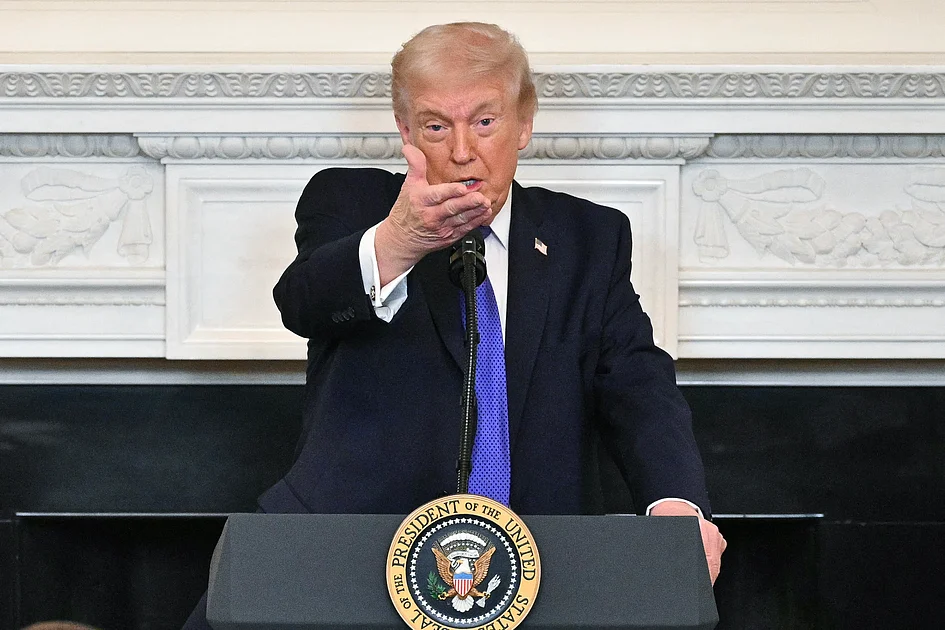
    Tensions between the United States and Iran have escalated dramatically as President Donald Trump confirmed he is contemplating limited military action against Tehran. This development follows his administration’s significant naval mobilization in the Middle East, designed to pressure Iran into accepting a nuclear agreement.

    The confrontation intensified after Trump’s Thursday remarks suggesting ‘bad things’ would occur if Tehran failed to reach a deal within an extended 15-day deadline. When pressed by journalists on Friday regarding potential military strikes, the president acknowledged, ‘The most I can say—I am considering it.’

    Diplomatic efforts continue simultaneously, with Iranian Foreign Minister Abbas Araghchi revealing that draft proposals for a potential agreement could be finalized within days. Following Geneva negotiations this week, Araghchi stated both parties agreed to exchange draft frameworks, describing this as the ‘next step’ in the process.

    Contradictions have emerged between official statements from both nations. While Trump has repeatedly insisted Iran must completely cease uranium enrichment, Araghchi asserted American negotiators haven’t demanded zero enrichment. ‘What we are now talking about is how to ensure that Iran’s nuclear programme, including enrichment, remains peaceful forever,’ the minister explained in an interview with MS NOW.

    The geopolitical standoff has triggered military posturing from both sides. Washington has deployed the USS Abraham Lincoln carrier group to the Gulf and ordered the Gerald Ford carrier to the region. Iran responded with naval exercises near the strategic Strait of Hormuz.

    Regional stability concerns heightened as Israel’s military announced being on ‘defensive alert’ regarding Iran, though public security guidelines remain unchanged. Meanwhile, Iran’s UN ambassador warned that US bases and assets would become ‘legitimate targets’ if America follows through with military threats.

    The economic dimension remains crucial, with Araghchi acknowledging Iran’s interest in swift sanctions relief. ‘We are under sanctions, obviously any day that sanctions are terminated sooner would be better for us,’ he noted, adding Tehran has ‘no reason to delay’ negotiations.

    This diplomatic crisis occurs against the backdrop of recent domestic unrest in Iran, where economic hardships sparked protests that authorities suppressed with force, resulting in significant casualties according to human rights organizations.

  • US Supreme Court rules Trump administration’s sweeping tariffs illegal

    US Supreme Court rules Trump administration’s sweeping tariffs illegal

    In a landmark ruling with significant implications for presidential authority and international trade, the US Supreme Court declared on Friday that the sweeping tariff regime implemented by former President Donald Trump violated established legal parameters. The Court determined that the administration’s application of a national emergency statute to justify broad-based import duties exceeded the law’s intended scope.

    The controversial tariffs, predominantly targeting Chinese goods alongside steel and aluminum imports from various nations, were originally enacted under Section 232 of the Trade Expansion Act of 1962. This provision traditionally authorizes the executive branch to impose trade restrictions specifically addressing genuine national security threats.

    Justice Elena Kagan, writing for the majority, emphasized that “while the presidency possesses considerable latitude in international affairs, this authority remains bounded by congressional statutes. The application of emergency powers to economic matters lacking clear national security dimensions constitutes an overreach of executive power.”

    The ruling represents a substantial judicial check on presidential trade authority and establishes a crucial precedent limiting the use of emergency economic powers. Legal analysts suggest the decision will likely reshape how future administrations justify and implement trade measures, particularly those affecting global supply chains and international relations.

    The Court’s decision emerged from a consolidated challenge brought by coalitions of affected businesses, manufacturing associations, and trading partners who argued the tariffs caused economic harm while lacking proper legal foundation. Industry representatives have welcomed the ruling as restoring predictability to international trade relationships.