博客

  • NHS mental health trust withdraws from counter-terror police programme

    NHS mental health trust withdraws from counter-terror police programme

    A significant NHS mental health trust in England has formally withdrawn from a contentious counter-terrorism initiative that permitted police access to confidential patient medical records, including those of young children identified as potential extremism risks. The Birmingham and Solihull Mental Health NHS Foundation Trust (BSMHFT), serving 1.3 million residents across the West Midlands, terminated its participation in the Counter Terrorism Clinical Consultancy Service (CTCCS) effective April 1, 2025.

    The CTCCS program, established in 2016 as a collaborative effort between Counter Terrorism Policing and the NHS in England and Wales, enabled mental health professionals to assess individuals flagged by police as potential security threats, frequently without any criminal activity having occurred. The initiative created pathways for counter-terrorism authorities to obtain sensitive medical information for risk assessment purposes under the guise of clinical consultation.

    BSMHFT’s spokesperson confirmed the March 2025 decision resulted from the program’s misalignment with the trust’s strategic priorities. This departure marks the first publicly acknowledged withdrawal from a program that critics argue has surreptitiously integrated counter-terrorism operations within mental healthcare systems.

    The program initially operated through ‘Vulnerability Support Hubs’ that assessed individuals, including children as young as six, referred through policing channels for perceived susceptibility to extremism. Mental health professionals working within these units underwent rigorous police vetting procedures to access highly sensitive intelligence.

    Over a five-year period, more than 3,000 individuals, predominantly teenagers, were referred to hubs located in London, Birmingham, and Manchester. Common referrals included individuals with psychotic disorders, personality disorders, mood disorders, autism spectrum disorders, and learning difficulties.

    The program faced substantial criticism for blurring the boundaries between healthcare and surveillance, undermining patient consent protocols, and repurposing NHS expertise for intelligence-led policing. Researchers documented that CTCCS clinicians routinely contacted healthcare providers to request sensitive medical information, including diagnoses and treatment compliance records, which were then utilized to inform counter-terrorism decisions without patient knowledge.

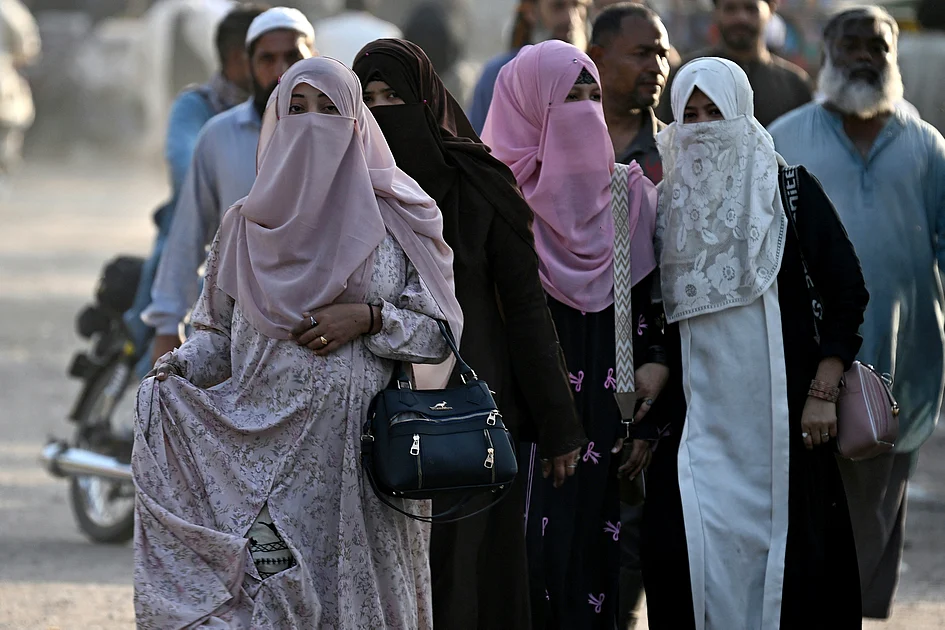
    Professor Charlotte Heath-Kelly, an international security scholar at the University of Warwick, noted the program’s disproportionate impact on Muslim communities, with research indicating Muslims were assessed at a ratio of 28:1 compared to white British referrals. The program allegedly bypassed established NHS safeguards and violated patient privacy rules by sharing medical information with counter-terrorism case officers without patient consent.

    Campaign group Medact, which first exposed the program in 2021, welcomed BSMHFT’s withdrawal, describing the program as ‘unethical and Islamophobic.’ Research manager Hil Aked stated: ‘Mental health workers should be providing patients with care, not spying on them for police,’ while calling on remaining participating NHS trusts to follow suit.

    BSMHFT had served as one of three foundational NHS trusts supporting the program since its inception, processing all referrals from the Midlands and Wales. The trust maintained a dedicated team working exclusively on the program for several years before its strategic reversal.

    NHS England, British Counter-Terror Police, and the Home Office had not responded to requests for comment at the time of reporting.

  • Nick Reiner pleads not guilty in the killing of parents Rob and Michele

    Nick Reiner pleads not guilty in the killing of parents Rob and Michele

    In a tragic development that has shocked the Hollywood community, Nick Reiner, son of acclaimed filmmaker Rob Reiner, has entered a formal plea of not guilty to charges of murdering his parents. The 32-year-old appeared before a Los Angeles court on Monday for his arraignment, clad in a brown prison jumpsuit while facing allegations of fatally stabbing both his father and mother, Michele Reiner, within their Brentwood residence last December.

    Prosecutors detailed that the gruesome discovery was made in the bedroom of the family home, where both victims were found with multiple stab wounds. Following the alleged incident, Reiner fled the scene before ultimately being taken into custody. The case presents severe potential penalties, including life imprisonment without the possibility of parole or even the death penalty, should a conviction be secured.

    The defendant remains in custody as proceedings advance, with a subsequent court appearance scheduled for April 29th. The case continues to develop as investigators and legal teams compile evidence and prepare for trial. Located in one of Los Angeles’ most affluent neighborhoods, the crime has drawn significant media attention and public scrutiny, highlighting issues of family violence and mental health in high-profile communities.

  • China’s railways brace for highest peak of Spring Festival holiday return trips

    China’s railways brace for highest peak of Spring Festival holiday return trips

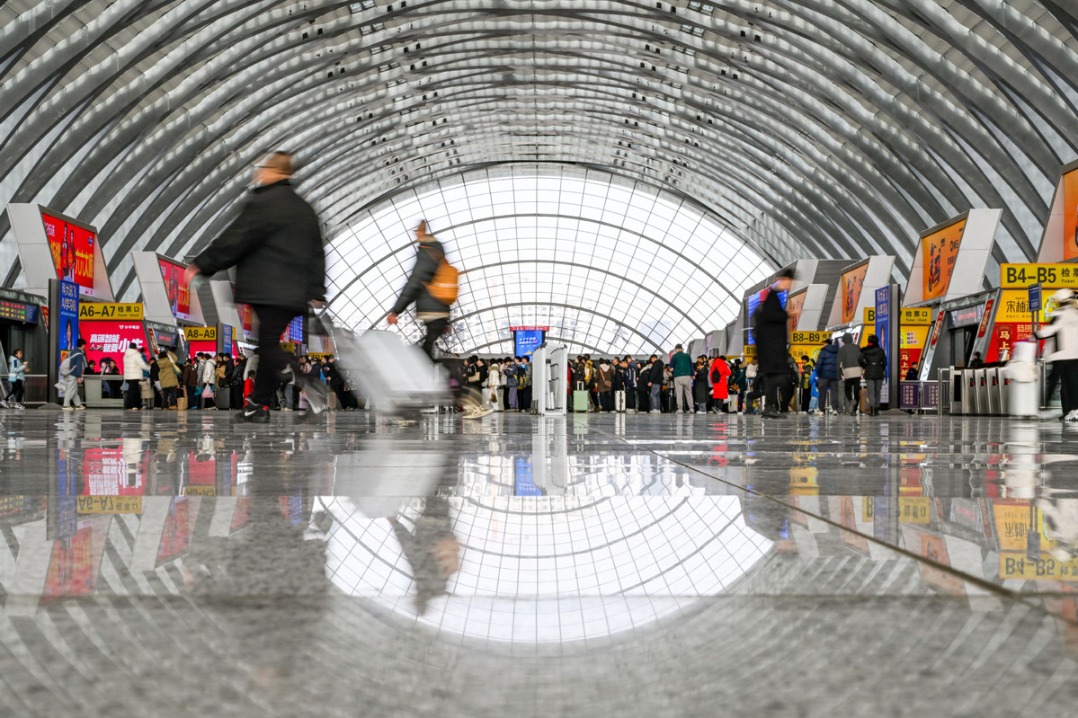
    China’s extensive railway infrastructure is currently managing the most intense return migration period following the conclusion of the Spring Festival holiday season. According to the China State Railway Group Co Ltd., February 23rd marked the anticipated peak travel day, with projections indicating approximately 18.5 million passenger journeys throughout the national railway network on this single day.

    This substantial passenger volume continues the pattern established on the previous day, which recorded nearly 18.3 million journeys. To accommodate this massive movement of travelers, railway authorities implemented significant capacity expansion measures, adding 2,297 extra trains to the regular schedule to meet the extraordinary demand.

    Major metropolitan centers including Beijing, Shanghai, Guangzhou, and Shenzhen experienced substantial bidirectional passenger flows, with both arrivals and departures reaching critical volumes simultaneously. Local railway departments across China have activated comprehensive service measures to maintain operational efficiency and passenger safety during this period of extreme congestion.

    The 2026 Spring Festival, traditionally known as the Chinese New Year, occurred on February 17th, with the official holiday period spanning nine days beginning February 15th. This annual migration pattern represents the world’s largest periodic human movement, with hundreds of millions of Chinese citizens traveling to reunite with family before returning to their workplaces and cities of residence.

  • After Cosmic Orange, iPhone 18 Pro may launch in bold new red shade, says report

    After Cosmic Orange, iPhone 18 Pro may launch in bold new red shade, says report

    Apple Inc. is reportedly undergoing a significant transformation in its color strategy for premium devices, with the upcoming iPhone 18 Pro series expected to break from tradition with vibrant finishes. According to Bloomberg sources, the technology giant is developing a striking deep red variant for its Pro models, marking a departure from the typically muted palette reserved for high-end devices.

    The shift follows the remarkable market reception of the Cosmic Orange iPhone 17 Pro Max, particularly in the Chinese market, which demonstrated strong consumer appetite for bold colors in premium segments. Historically, Apple has maintained a conservative approach with Pro models, favoring sophisticated but understated tones including graphite, silver, and titanium finishes.

    Current internal testing reportedly includes multiple shades of red, with some prototypes initially mistaken for purple or brown variations. Industry analysts suggest this strategic pivot reflects Apple’s response to evolving consumer preferences and increased competition in the premium smartphone market.

    Meanwhile, Apple’s anticipated entry into the foldable market will maintain a contrasting aesthetic approach. The rumored iPhone Fold is expected to launch exclusively in conservative black/dark gray and white/light silver options, aligning with the device’s positioning as a premium productivity tool rather than a fashion statement.

    The foldable iPhone is projected to debut alongside the iPhone 18 Pro series in September, representing Apple’s dual approach to the high-end market: embracing bold colors for traditional smartphones while maintaining minimalist elegance for innovative form factors.

  • Mosque built in memory of doctor killed in RAK crash opens in Uganda this Ramadan

    Mosque built in memory of doctor killed in RAK crash opens in Uganda this Ramadan

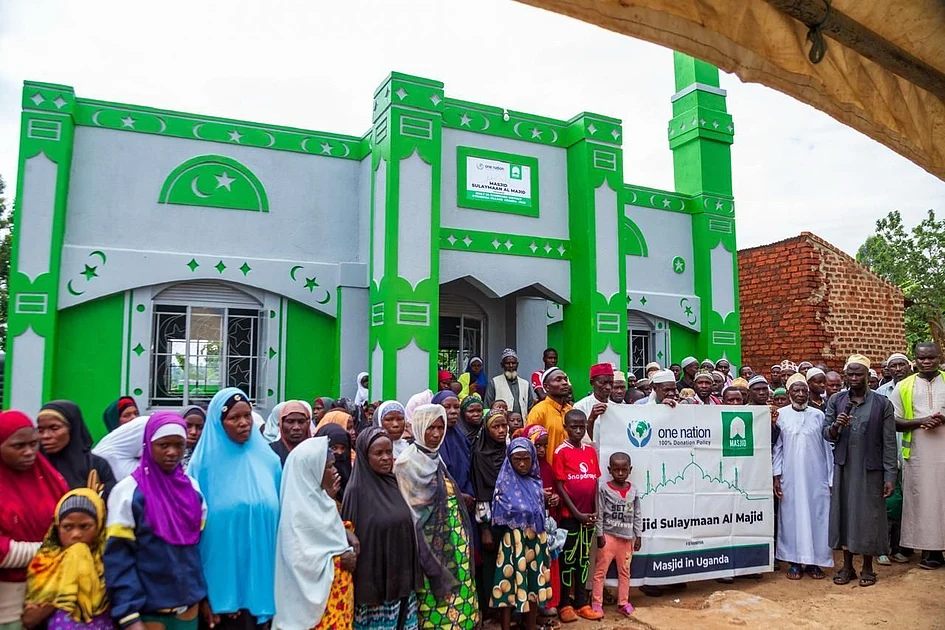
    A newly constructed mosque in rural Uganda has opened its doors during Ramadan, serving as a lasting tribute to Dr. Sulaymaan Al Majid, a British-based physician who tragically died in a Ras Al Khaimah aircraft crash in December 2024. The inaugural prayers at Masjid Sulaymaan Al Majid in Rutooma Village mark the completion of the first of two mosques built through a remarkable charitable campaign honoring the 26-year-old doctor’s legacy.

    Dr. Al Majid, a clinical fellow at County Durham and Darlington NHS Foundation Trust, had been visiting family in the UAE when the sightseeing flight he was on crashed off the coast of Ras Al Khaimah, claiming both his life and that of the pilot. In the aftermath of the tragedy, friends, colleagues, and UK mosque congregants launched a fundraising initiative through humanitarian organization One Nation that surpassed all expectations, generating sufficient donations to construct two mosques rather than the initially planned one.

    The newly opened facility in Kamwenge District represents a transformative addition to the local community, where residents previously faced significant challenges accessing places of worship due to considerable travel distances, poor road conditions, and limited transportation options. The mosque accommodates over 120 worshippers and features solar-powered lighting, dedicated Quran storage, and rainwater harvesting systems—addressing both spiritual and practical needs of the community.

    According to Majid Mukarram, Dr. Al Majid’s father, the second mosque project is nearing completion and expected to open later during Ramadan. The family expressed profound emotional significance in witnessing the first prayers conducted at the facility, viewing it as an ongoing charity (sadaqah jariyah) that continues to honor their son’s memory while serving practical community needs.

    Muhammad Al Majid, the deceased doctor’s younger brother and a medical student at the University of Central Lancashire, noted that the mosque embodies the values his brother championed throughout his life—community service, spiritual commitment, and practical compassion. Dr. Al Majid, who was born and raised in the UAE, had been widely respected within UK medical circles for his advocacy work improving recognition and wellbeing for NHS trainees through his role with the British Medical Association.

    The project stands as testament to the global reach of charitable giving during Ramadan, demonstrating how tragedy can transform into enduring community benefit across international boundaries.

  • Illegal gold mining surges into new parts of Peru’s Amazon, threatening rivers and lives

    Illegal gold mining surges into new parts of Peru’s Amazon, threatening rivers and lives

    COLOMBIA — A devastating wave of illegal gold mining operations is rapidly infiltrating previously untouched regions of Peru’s Amazon rainforest, creating an escalating environmental and public health emergency that experts warn could cause irreversible damage to one of the world’s most biodiverse ecosystems.

    The destructive industry, once concentrated primarily in Peru’s southern Amazon region of Madre de Dios, has now expanded northward into Loreto, Ucayali, and along the Ecuador border. This alarming expansion marks a dangerous new phase for Amazon destruction, as operations penetrate remote river systems and Indigenous territories with increasing sophistication.

    Rodolfo García Esquerre, Peru’s high commissioner against illegal mining, acknowledged the severity of the crisis during a February television interview, stating: ‘Unfortunately, we have illegal mining in all regions of Peru.’

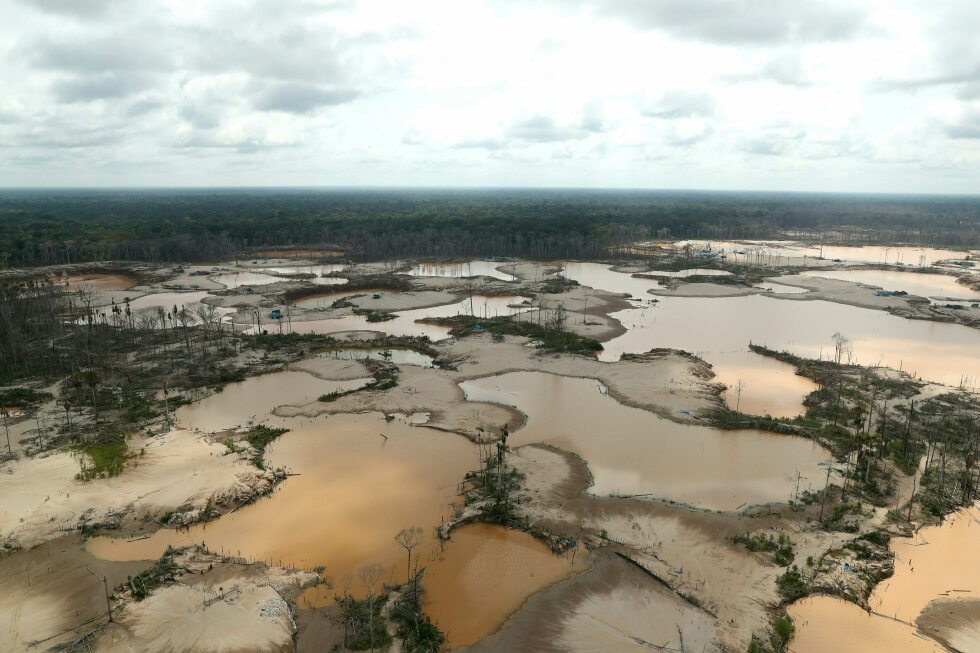
    The mining techniques employed are exceptionally destructive: bulldozers strip away pristine forest, excavators carve massive pits into flood plains, and floating dredges suction river sediment in search of gold. The process leaves behind toxic, mercury-contaminated water pools and severely eroded riverbanks, while access roads enable deeper penetration into previously intact wilderness.

    Environmental lawyer César Ipenza attributes the accelerated expansion to surging gold prices, with the precious metal trading at approximately $2,000 per ounce in 2026—near historic highs and roughly double its value from a decade earlier. ‘Illegal mining has increased considerably,’ Ipenza confirmed, noting that higher prices make operations economically viable in increasingly remote areas.

    The environmental transformation occurs with alarming speed. Research professor Luis Fernández of Wake Forest University’s Sabin Center for Environment and Sustainability observed: ‘You’ll see changes in weeks to months once the machinery comes in… sediment plumes in the rivers almost immediately.’

    At the Panguana Biological Station in Peru’s central Amazon—a private conservation area protecting exceptionally biodiverse forests—administrator Fernando Malatesta described dramatic changes: ‘Where there were once intact forests… the rivers are now murky. You used to see crystal-clear water, but not anymore.’ He recounted visiting a nearby area recently deforested by dozens of machines, describing it as ‘an unrecognizable place.’

    The crisis extends beyond environmental damage to include serious threats to human safety. Malatesta and his team were forced to abandon their research station in 2025-2026 after facing escalating threats and confrontations with armed individuals. Researchers connect this violence to growing involvement of organized criminal networks, with illegal gold mining becoming a significant revenue source for transnational crime organizations.

    Julia Urrunaga, Peru program director for the Environmental Investigation Agency, noted the activity is ‘deeply linked to the political forces in the country right now,’ complicating enforcement efforts.

    While Peru’s government established a high-level multisector commission in late 2023 to combat illegal mining and formalize small-scale operations, environmental defenders consider enforcement inadequate despite recent operations seizing equipment valued at over $16 million.

    Indigenous communities face particularly dire circumstances. Julio Cusurichi, an Indigenous leader from Madre de Dios, reported that more than 30 Indigenous leaders have been killed in recent years while defending their territories. Some communities, facing economic pressure, have reluctantly participated in mining operations, selling land for short-term gain despite long-term consequences.

    The most insidious threat may be mercury contamination. Used extensively in gold extraction, mercury pollutes rivers and enters food chains, particularly affecting communities that rely on fish as a dietary staple. Claudia Vega, mercury program coordinator at the Amazon Center for Scientific Innovation, warned that contamination levels could approach those of Japan’s Minamata disaster, which caused widespread neurological damage, deformities, and sensory loss.

    Scientists caution that continued expansion could push the Amazon toward an ecological tipping point, potentially converting vast rainforest areas into degraded savanna-like ecosystems. Urrunaga emphasized that international gold buyers ‘need to be accountable for the destruction that their consumption is generating in terms of the environment, but most importantly in terms of human lives.’

    As Malatesta solemnly noted: ‘Every tree that falls, every river that is contaminated and every animal that disappears remind us that we are losing an irreplaceable treasure.’

  • How the former Prince Andrew could be removed from Britain’s line of succession

    How the former Prince Andrew could be removed from Britain’s line of succession

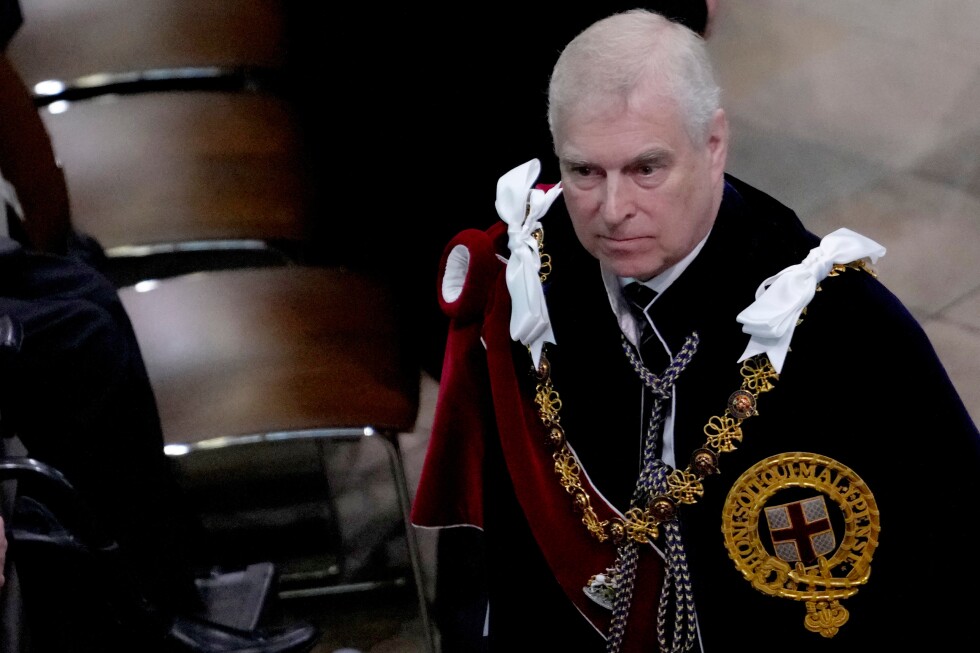
    The British government has initiated formal considerations to remove Andrew Mountbatten-Windsor from the royal line of succession, potentially marking the first such constitutional alteration in nine decades. This development follows the arrest of King Charles III’s younger brother on suspicion of misconduct in public office, though he was subsequently released without charge after eleven hours in custody.

    The controversial royal, who was stripped of his princely title and military affiliations in October due to his associations with convicted sex offender Jeffrey Epstein, currently maintains the eighth position in succession to the British throne. The allegations against him intensified following the recent release of millions of documents from the U.S. Justice Department’s Epstein investigation, which suggest he may have shared confidential trade information during his tenure as UK trade envoy from 2001 to 2011.

    Darren Jones, Prime Minister Keir Starmer’s chief secretary, confirmed to Parliament that the government remains open to taking action regarding the succession line once police investigations conclude. The process would require a complex legislative procedure involving not only the UK Parliament but also the cooperation of approximately a dozen Commonwealth nations where King Charles serves as head of state.

    Australia’s Prime Minister Anthony Albanese has already expressed support for excluding Andrew from succession, describing the allegations as “grave” and emphasizing the necessity of a full investigation. Other Commonwealth realms including Canada, New Zealand, and several Caribbean nations have yet to formally communicate their positions.

    Constitutional experts note that the procedure would be historically significant and legally intricate, potentially requiring years of diplomatic coordination. The last comparable adjustment occurred in 2013 with the Succession to the Crown Act, which established gender-neutral succession rules and required two years of multinational negotiations.

    The potential removal raises additional questions about the status of Andrew’s daughters, Princesses Beatrice and Eugenie, who currently occupy the ninth and twelfth positions in the line of succession. Historical precedent suggests legislation could be crafted to exclude Andrew without necessarily affecting his descendants, similar to the treatment of King Edward VIII following his 1936 abdication.

    While Buckingham Palace has not issued an official statement regarding the potential constitutional change, sources indicate the royal family would not obstruct parliamentary decisions on the matter, with the monarch emphasizing that “the law must take its course.”

  • Carney heading on overseas trade mission as Canada seeks to reduce its reliance on US

    Carney heading on overseas trade mission as Canada seeks to reduce its reliance on US

    Canadian Prime Minister Mark Carney embarks on a pivotal Pacific tour this week, visiting India, Australia, and Japan in a bold diplomatic maneuver to diversify Canada’s trade partnerships. This tri-nation journey represents a calculated shift from historical economic reliance on the United States amid persistent trade tensions.

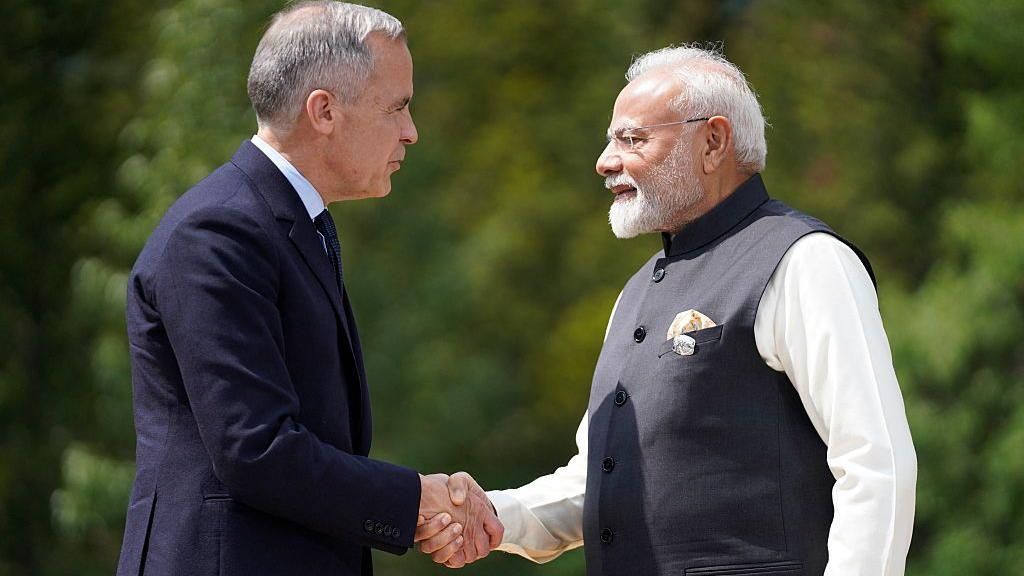
    The itinerary begins Thursday in New Delhi, where Carney will meet Indian Prime Minister Narendra Modi, marking a significant thaw in bilateral relations that had frozen following former Prime Minister Justin Trudeau’s 2023 allegations of Indian involvement in a Sikh separatist’s killing on Canadian soil. The diplomatic reconciliation began when Carney extended an invitation to Modi for last year’s G7 summit in Alberta, followed by Foreign Minister Anita Anand’s productive visit to India that revived trade discussions.

    Carney’s office confirmed the agenda will extend beyond trade to encompass energy cooperation, artificial intelligence development, defense partnerships, critical minerals security, maritime security protocols, and food security initiatives. This comprehensive approach reflects Canada’s strategic vision for multilateral engagement.

    The Pacific initiative responds directly to what Carney termed ‘economic coercion’ by great powers during his World Economic Forum address in Davos—a clear reference to Trump administration policies. With approximately 75% of Canadian exports currently US-bound, Carney has articulated an ambitious goal to double non-US exports within the next decade.

    This reorientation has already produced tangible policy shifts, including Canada’s break from US trade policy through the removal of Chinese electric vehicle tariffs in exchange for reduced Chinese tariffs on Canadian agricultural products. The trade diversification strategy unfolds against a complex backdrop: while the US Supreme Court recently struck down broad Trump-era tariffs, sector-specific duties on Canadian steel, aluminum, and automobiles remain intact.

    Simultaneously, the United States-Mexico-Canada Agreement (USMCA) faces critical renegotiation, with all three nations required to decide on its extension this summer. While Canada and Mexico advocate for maintaining the trilateral pact, Trump administration officials have indicated preference for bilateral agreements, creating additional uncertainty for North American trade relations.

  • ‘I will go’: Bengalis in Pakistan hope for family reunions

    ‘I will go’: Bengalis in Pakistan hope for family reunions

    A renewed diplomatic warming between Pakistan and Bangladesh has ignited long-dormant hopes among Pakistan’s estimated one-million-strong Bengali community for family reunions after decades of separation. The resumption of direct flights after a 14-year hiatus marks a significant breakthrough in bilateral relations, which had remained frosty since the nations’ bitter 1971 partition.

    In Karachi’s Bengali markets, stories of separation echo through crowded alleyways. Shah Alam, a 60-year-old dried seafood vendor, embodies this narrative—stranded in Pakistan for nearly three decades after what was intended as a brief visit. ‘I wanted to go back, but there was no way. The relationship was not good. I had no money,’ Alam told AFP, now planning his return to Bangladesh after Eid al-Adha to reunite with surviving family members.

    The geopolitical shift follows Bangladesh’s 2024 student-led uprising that brought new leadership under Chief Adviser Muhammad Yunus, who pledged to warm relations with Islamabad. This diplomatic progress continues under newly elected Prime Minister Tarique Rahman, creating unprecedented opportunities for people-to-people connections.

    Yet beneath this optimism lies complex reality. Many Bengali families in Pakistan’s slum settlements like Machhar Colony face statelessness—deprived of national identity cards, education access, and economic opportunities. ‘I am a Pakistani, but I don’t have my identity card,’ lamented 22-year-old Ahmed, whose family cannot prove pre-1971 residency.

    Community representatives note the cultural transformation undergone by Pakistani Bengalis, with many adopting Urdu and local customs. ‘We don’t have our own culture now,’ acknowledged lawyer Hafiz Zainulabdin Shah, though he expressed optimism about the improved bilateral relationship.

    The diplomatic breakthrough, including Foreign Minister Ishaq Dar’s 2025 Dhaka visit—the first by a Pakistani official since 2012—signals a potential new chapter not only in state relations but in healing personal wounds that have festered for generations.

  • Hetmyer hammers 85 as West Indies thrash Zimbabwe

    Hetmyer hammers 85 as West Indies thrash Zimbabwe

    In a spectacular display of power hitting, Shimron Hetmyer’s explosive 85 runs from just 34 deliveries propelled the West Indies to a commanding 107-run victory against Zimbabwe in the Super 8 stage of the Men’s T20 World Cup. The match, held at Mumbai’s Wankhede Stadium, witnessed the Caribbean side post a mammoth 254-6 – the second-highest total in tournament history.

    The left-handed batsman from Guyana demonstrated extraordinary batting prowess, striking seven sixes and seven fours while maintaining a staggering strike rate of 250. Hetmyer’s performance was particularly remarkable given he was dropped twice by Tashinga Musekiwa at critical moments in his innings. His 19-ball half-century set a new West Indian World Cup record, surpassing his own previous achievement.

    Captain Rovman Powell provided substantial support with a well-crafted 59 from 35 balls, while middle-order contributions from Sherfane Rutherford, Romario Shepherd, and Jason Holder accelerated the scoring in the final overs. Zimbabwe’s bowling attack endured a chastening experience, with only Graeme Cremer managing an economy rate below 10.

    Facing an unprecedented chase at the Wankhede Stadium, where no team had successfully pursued more than 230 in T20 history, Zimbabwe’s innings collapsed early. The spin duo of Gudakesh Motie (4-28) and Akeal Hosein (3-28) dismantled the batting lineup, reducing Zimbabwe to 20-3 within the first three overs.

    Despite the comprehensive defeat, Brad Evans provided late resistance with an aggressive 43 from 21 balls, including five sixes, while establishing a record 10th-wicket partnership of 44 with Richard Ngarava. The victory reinforces West Indies’ status as serious contenders for the title, though questions emerge about whether they’re reaching peak form too early in the competition.