博客

  • Explosion, gunfire as Afghan forces shoot at aircraft over Kabul

    Explosion, gunfire as Afghan forces shoot at aircraft over Kabul

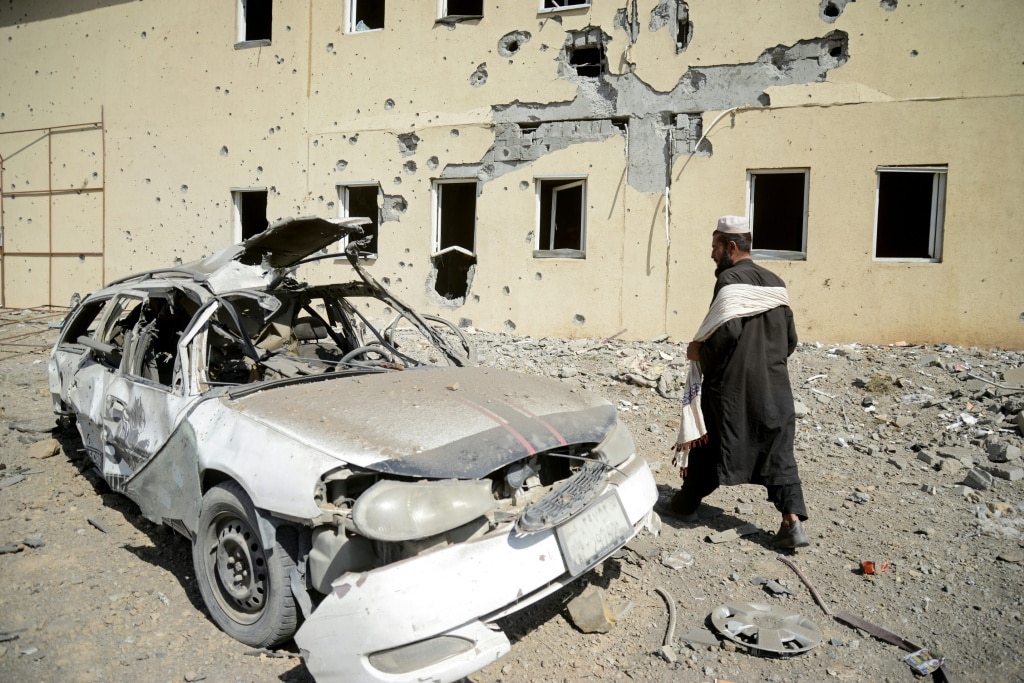
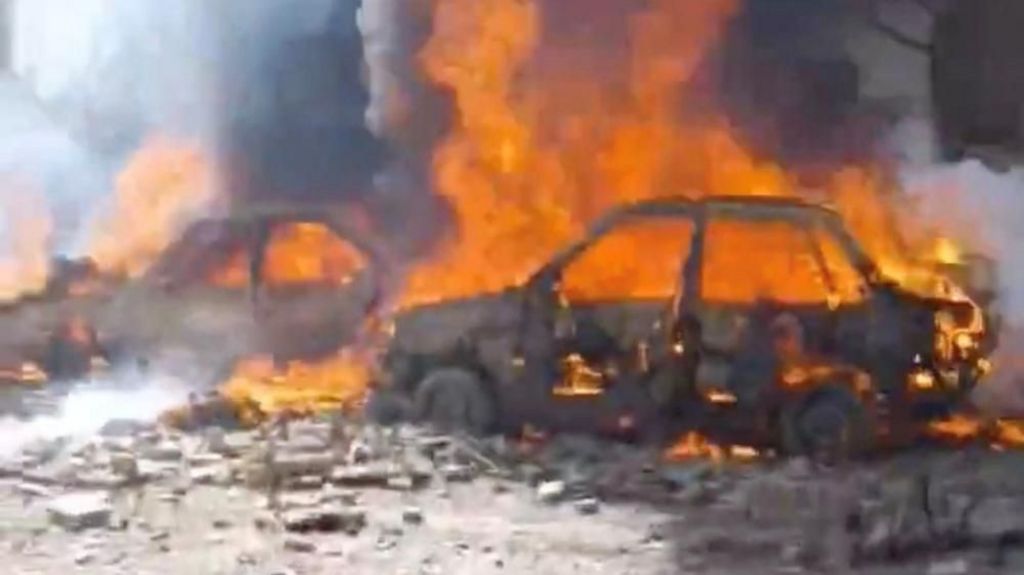
    Kabul was thrust into a state of high alert on Sunday as the sound of explosions and sustained anti-aircraft gunfire echoed through the city center. According to reports from AFP journalists on the ground, the Taliban-led government confirmed its forces were engaging Pakistani aircraft in a significant escalation of ongoing border hostilities.

    The current crisis represents a dangerous intensification of cross-border tensions that have been building for months. The situation deteriorated dramatically on Thursday when Afghan forces initiated an offensive along the contentious frontier, prompting Pakistan to respond with both ground operations and aerial bombardments.

    Taliban government spokesman Zabihullah Mujahid stated Sunday that “anti-aircraft fire is being directed at Pakistani aircraft in Kabul,” confirming the defensive measures being taken in the capital. Pakistan has acknowledged conducting bombing campaigns on Friday targeting key Afghan cities including Kabul and Kandahar—the latter being home to Afghanistan’s supreme leader.

    Civilian casualties have become a central point of contention in the conflict. Afghan authorities have accused Pakistan of killing non-combatants in multiple attacks, allegations that Islamabad has not directly addressed. In rural southern Kandahar, construction workers reported being hit by two airstrikes on Sunday, with site managers confirming three fatalities.

    “Everything went dark before our eyes,” recounted 20-year-old Enamullah, who provided only one name. “I came from Kabul just to earn a piece of bread.”

    According to Afghan government deputy spokesman Hamdullah Fitrat, Pakistani fire has killed 30 civilians across eastern Khost, Kunar, and Paktika provinces since Thursday, in addition to those killed in Kandahar. These casualty figures, like many claims from both sides, remain difficult to verify independently.

    The conflict has expanded beyond aerial engagements. An AFP journalist in Jalalabad reported hearing a jet and two explosions on Saturday, with Afghan security forces claiming they downed a Pakistani fighter jet and captured its pilot—an assertion Islamabad dismissed as “totally untrue.”

    Diplomatic efforts to secure a ceasefire have thus far proven unsuccessful. Saudi Arabia and Qatar have engaged in mediation attempts, while China has stated it is “working with” both countries and called for calm. The United States has expressed support for “Pakistan’s right to defend itself against Taliban attacks,” according to Under Secretary of State for Political Affairs Allison Hooker.

    The fundamental dispute centers on Pakistan’s accusation that Afghanistan has failed to act against militant groups conducting attacks within Pakistani territory—a charge the Taliban government rejects. Many recent assaults have been claimed by Tehreek-e-Taliban Pakistan (TTP), a militant group that has intensified operations since the Taliban returned to power in Kabul in 2021.

    Analysts note that this week’s escalation marks a strategic shift, with Pakistan focusing airstrikes on Afghan government facilities rather than solely targeting militant positions as in previous operations.

    Pakistan’s information minister reported that 37 locations across Afghanistan had been hit by airstrikes since operations began, while Islamabad earlier stated that 12 of its soldiers had been killed. Meanwhile, Afghan officials claim to have killed more than 80 Pakistani soldiers and captured 27 military posts.

    The defense ministry in Kabul has also asserted it conducted air strikes on Pakistani territory over the past two days, which observers believe may have been drone operations.

    With Islamabad declaring “open war” on Friday and the Afghan government calling for “dialogue,” the current violence represents the worst outbreak since October fighting that killed more than 70 people on both sides. Land borders between the neighboring nations have remained largely closed since that time, further complicating the humanitarian and diplomatic situation.
  • Bowen: A dangerous moment, but US and Israel see opportunity not to be missed

    Bowen: A dangerous moment, but US and Israel see opportunity not to be missed

    Tehran has been plunged into crisis following a massive coordinated airstrike by United States and Israeli forces that resulted in the death of Iran’s Supreme Leader Ayatollah Ali Khamenei. The attack, described by Israel as ‘pre-emptive,’ represents the largest aerial operation in Israeli Air Force history according to military officials.

    Security footage from Tehran shows chaotic scenes with smoke rising over residential neighborhoods as emergency services respond to the strikes. The operation appears calculated rather than reactive, with both nations judging Iran vulnerable due to economic crises, damaged defenses from last summer’s conflict, and internal unrest following brutal crackdowns on protesters.

    This military action delivers another blow to international law frameworks, as both President Trump and Prime Minister Netanyahu justified the strikes under self-defense principles despite the enormous power disparity between their nations and Iran. Netanyahu, facing domestic elections, has consistently viewed Iran as Israel’s primary security threat, while Trump’s objectives have shifted from previously declaring Iran’s nuclear program ‘obliterated’ to now emphasizing nuclear ambitions as justification.

    The political calculus appears to include hopes for regime change, with both leaders addressing the Iranian people directly about ‘freedom’ and overthrow opportunities. Historical precedents in Iraq and Libya suggest such outcomes remain highly uncertain and likely to produce catastrophic collateral damage including state collapse and prolonged civil conflict.

    Iran’s complex political structure, maintained through ideological commitment, corruption, and ruthless security enforcement, suggests the regime will persist despite leadership decapitation. The Islamic Revolutionary Guards Corps (IRGC) remains positioned to install a new clerical leader, unlikely to be swayed by Trump’s offers of immunity given the cultural significance of martyrdom in Shia ideology.

    Regional powers including Saudi Arabia face heightened instability as this conflict threatens to export violence across the Middle East and beyond. The deliberate targeting of Khamenei demonstrates a belief in assassination as strategy, though dealing with a state rather than militant movement creates fundamentally different challenges than previous operations against Hamas or Hezbollah leadership.

    With trust obliterated following the US withdrawal from the JCPOA nuclear agreement and recent demands for missile program restrictions, diplomatic solutions appear remote. Iran’s remaining leadership now calculates survival strategies while the world confronts the unpredictable consequences of escalated conflict in an already volatile region.

  • Why did the US attack Iran? Is the US at war? Here’s what to know

    Why did the US attack Iran? Is the US at war? Here’s what to know

    In a dramatic escalation of Middle East tensions, the United States and Israel initiated joint military operations against Iranian targets early Saturday. The coordinated offensive, designated “Epic Fury” by US forces and “Lion’s Roar” by Israel, represents the most significant military confrontation between the nations in decades.

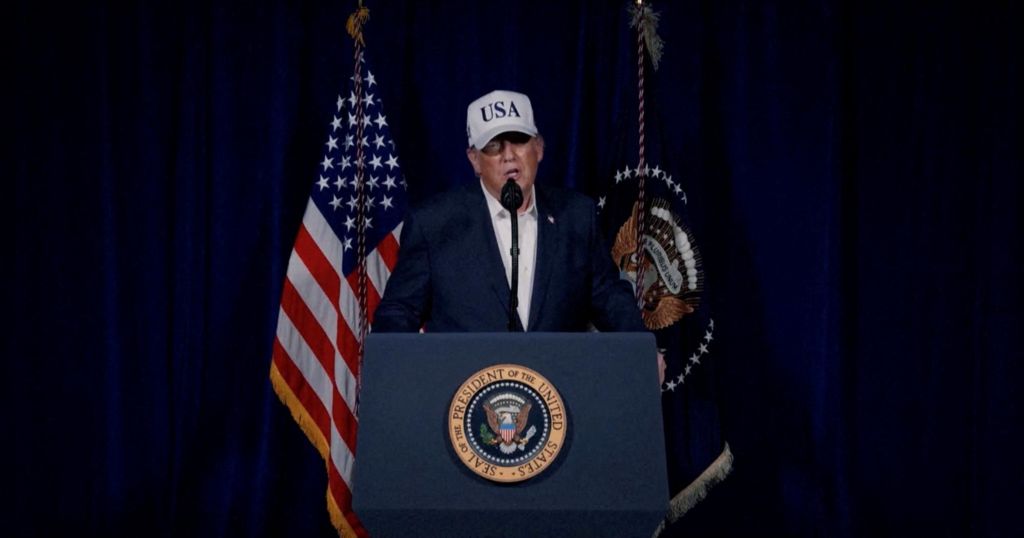
    President Donald Trump utilized social media to announce the operations, simultaneously declaring the death of Iranian Supreme Leader Ali Khamenei, whom he characterized as “one of the most evil people in History.” Iranian state media subsequently confirmed the passing of the 86-year-old leader and declared a 40-day mourning period. Intelligence sources indicate approximately 40 Iranian officials perished in the strikes, with satellite imagery revealing substantial damage to Khamenei’s compound in Tehran.

    The military action follows the collapse of nuclear negotiations between Washington and Tehran just two days prior. President Trump justified the offensive by citing Iran’s nuclear ambitions, historical grievances including the 1979 hostage crisis and 1983 Beirut barracks bombing, and what he described as an “unending campaign of bloodshed” targeting American interests.

    Iranian forces launched immediate retaliatory strikes throughout the Middle East, with projectiles targeting US military installations in Bahrain, Kuwait, Qatar, and the UAE. Iranian Foreign Minister condemned the initial attack as “unprovoked and illegal.”

    Domestic reaction in the United States fractured along partisan lines. Congressional Republicans largely endorsed the operation, with Senator Lindsey Graham declaring it “necessary and long justified.” Democrats denounced the unilateral action, with Senator Tim Kaine labeling the conflict “Trump’s illegal war” and renewing calls for war powers legislation.

    Current US military presence in the region includes two aircraft carrier groups and approximately 30,000-40,000 troops distributed across 13 bases, though officials indicate no immediate plans for ground troop deployment in Iran. Casualty reports indicate over 200 fatalities and 700 injuries within Iran, with additional casualties reported in Israel and the UAE. President Trump warned that military operations would likely continue throughout the coming week.

  • Will Oscars be 17th time lucky for songwriter Diane Warren?

    Will Oscars be 17th time lucky for songwriter Diane Warren?

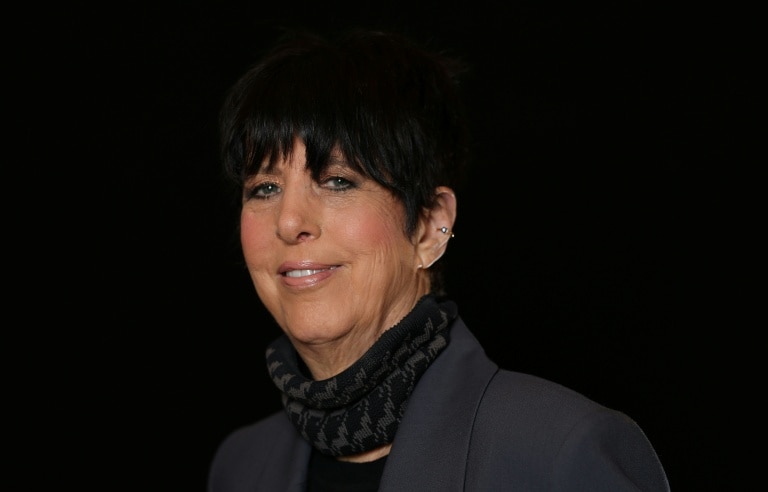
    After an unprecedented 17 nominations spanning nearly four decades, legendary songwriter Diane Warren stands on the precipice of potentially claiming her first competitive Academy Award. The 68-year-old music icon, recognized for penning timeless hits like Aerosmith’s “I Don’t Want to Miss a Thing” and Celine Dion’s “Because You Loved Me,” has become a perennial Oscars fixture despite never securing the golden statuette.

    This year’s nomination carries profound personal significance for Warren. Her nominated composition, “Dear Me,” serves as an emotional letter of empowerment to her childhood self. Featured in the documentary “Diane Warren: Relentless,” the Kesha-performed ballad directly addresses Warren’s experiences with childhood bullying and isolation. “This is my most personal song I’ve ever done for a movie,” Warren revealed, describing how music provided salvation during her difficult youth.

    The Grammy-winning songwriter conceptualized the piece as a therapeutic message to her younger self, assuring that life would eventually improve despite contemporary hardships. With characteristic humor, Warren added that she envisioned telling her bullied younger self that “you’re going to go back to your reunion, they’re going to look really old, you’re going to still look good, too.”

    Despite holding the record for most Oscar nominations without a win, Warren maintains philosophical perspective about the recognition. She emphasizes that selection by the Academy’s music branch—comprising esteemed composers, songwriters, and music editors—already constitutes victory among hundreds of contenders.

    Warren faces competition from Nicholas Pike’s “Sweet Dreams of Joy” from the opera documentary “Viva Verdi!,” alongside entries from “KPop Demon Hunters,” “Train Dreams,” and “Sinners.” Pike, a first-time nominee, echoed Warren’s sentiment that nomination itself represents extraordinary achievement, remarking that “everyone is a winner” among the distinguished finalists.

    The 98th Academy Awards ceremony on March 15 will determine whether Warren’s 17th attempt finally yields that transformative victory, potentially crowning one of American music’s most influential careers with its missing ultimate accolade.

  • ‘Dubai’s nightmare’: Iranian strikes shatter calm of UAE business hub

    ‘Dubai’s nightmare’: Iranian strikes shatter calm of UAE business hub

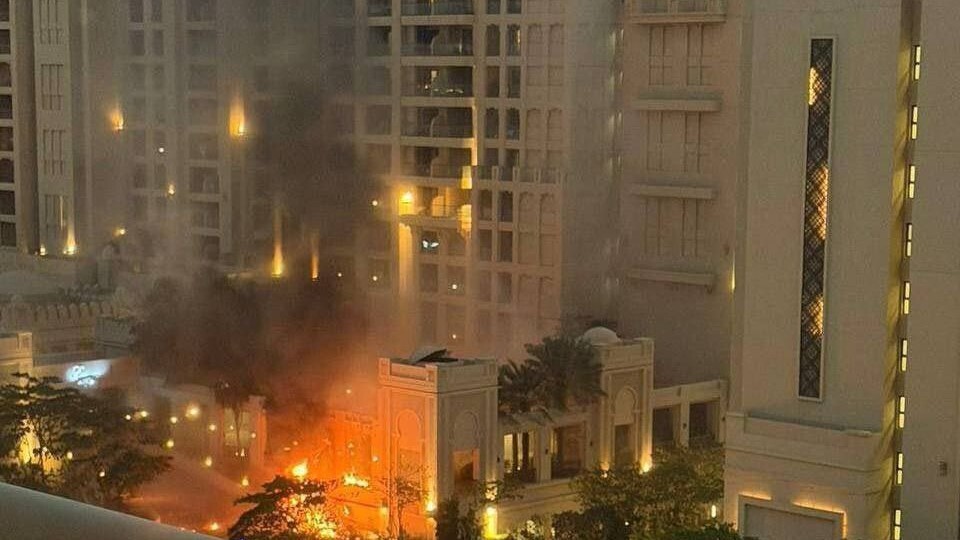
    Dubai’s carefully cultivated image as a secure haven in the turbulent Middle East faced an unprecedented challenge on Saturday as Iranian missiles and drones targeted the emirate. The assault, launched in retaliation for a surprise US-Israeli operation, sent billowing smoke and flames across the skyline of the region’s premier business and entertainment capital.

    The attack carries profound implications beyond immediate geopolitical tensions. Dubai has emerged as the world’s foremost beneficiary of post-pandemic economic trends, attracting London bankers, American finance professionals, and global entrepreneurs with its low-tax environment and efficient bureaucracy. The city-state’s property market has soared by 75% since 2020, while its financial institutions have become magnets for diverse capital flows—from Sudanese militia leaders trading gold to Eastern European expatriates fleeing conflict.

    Symbolic footage of an Iranian drone striking the luxurious Fairmont Hotel on Palm Jumeirah circulated rapidly through expatriate communities, challenging the fundamental calculation that built modern Dubai. The evacuation of the Burj Khalifa—the world’s tallest building—and indefinite flight suspensions at Al Maktoum International Airport further underscored the city’s vulnerability.

    Regional analysts note that Dubai’s essence depended on being a safe oasis in a troubled region. The attacks demonstrate that no amount of economic success can fully insulate the emirate from the Middle East’s unpredictable politics. This development potentially reprices risk assessments for the wealthy global citizens who have fueled Dubai’s boom, with competitors like Doha, Riyadh, and Muscat waiting to offer alternatives.

    The strikes have unexpectedly unified Gulf Cooperation Council leaders, with Saudi Crown Prince Mohammed Bin Salman expressing solidarity with Emirati leadership. Iran’s broader calculation appears to be forcing regional monarchs to either support US military operations or pressure Washington to de-escalate tensions—particularly if economic hubs continue suffering collateral damage.

  • Blasts hit Dubai and Abu Dhabi as UAE sucked into US-Israel conflict with Iran

    Blasts hit Dubai and Abu Dhabi as UAE sucked into US-Israel conflict with Iran

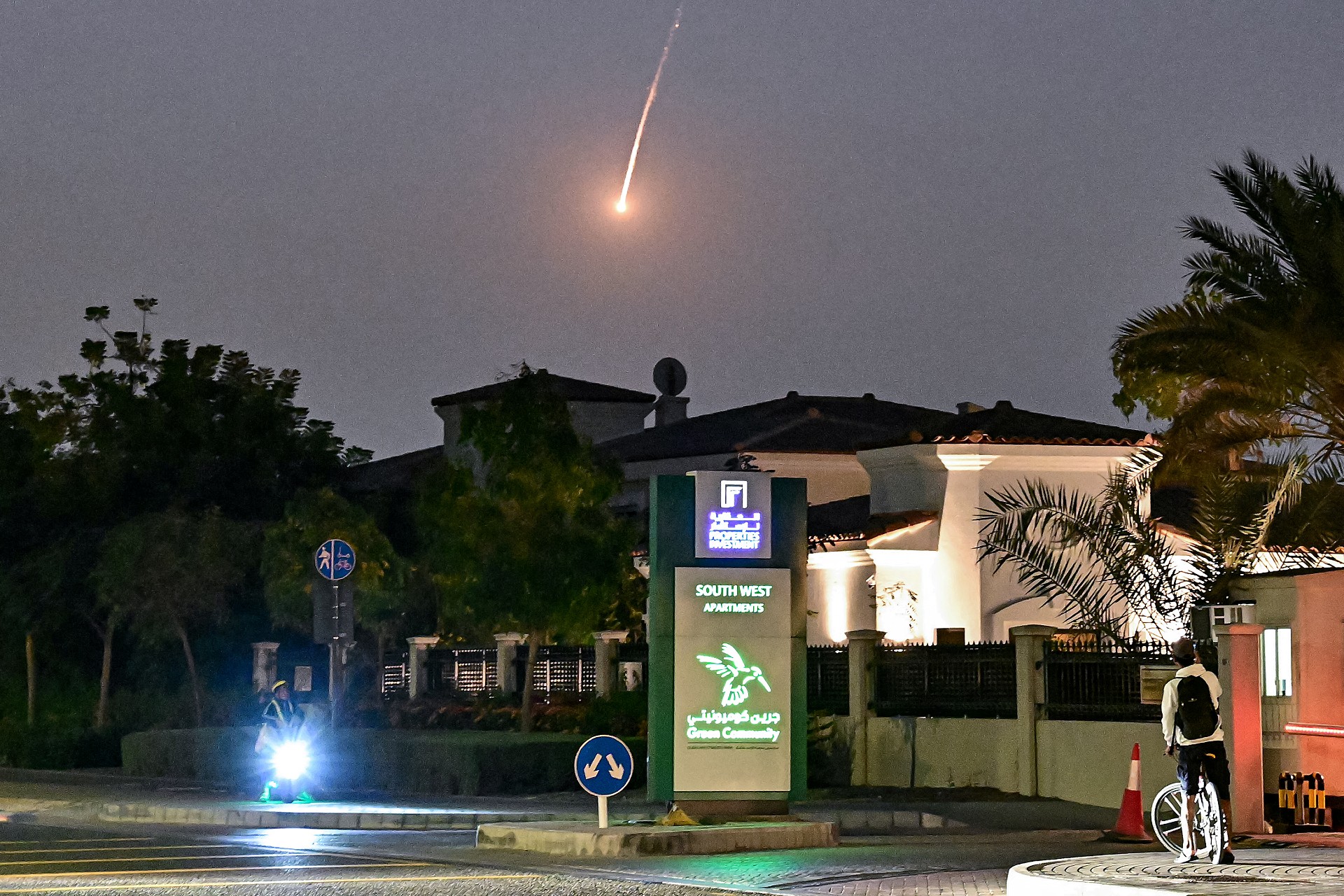
    The United Arab Emirates found itself on the frontline of regional conflict this Saturday as Iranian-origin missiles and drones targeted both Dubai and Abu Dhabi, marking a significant escalation in Middle Eastern tensions. The attacks represent the first major spillover of the US-Israeli conflict with Iran into Gulf states, with UAE air defense systems intercepting multiple projectiles while some managed to penetrate the protective shield.

    Eyewitness accounts from Dubai residents described visible plumes of smoke near prominent landmarks including the Fairmont the Palm and Dubai Marina neighborhoods. Verified video footage circulating online appeared to capture the moment an Iranian Shahed drone struck the city. Simultaneously, Abu Dhabi residents reported hearing distinct sounds of missile interceptions overhead as defense systems engaged incoming threats.

    The UAE stands among several Gulf nations—including Qatar, Kuwait, Saudi Arabia, and Bahrain—that have come under Iranian fire, presumably targeting US military installations throughout the region. The Al Dhafra Air Base, located just outside Abu Dhabi and housing approximately 5,000 American military personnel, represents one such potential target.

    In response to the crisis, UAE President Sheikh Mohammed bin Zayed Al Nahyan initiated emergency communications with Saudi Crown Prince Mohammed bin Salman and Qatari Emir Sheikh Tamim bin Hamad Al Thani. All parties unanimously condemned Tehran’s aggressive actions against regional stability.

    Official statements from UAE authorities emphasized that defense systems handled the missile strikes “with high efficiency, without any serious material damage,” while maintaining that “the situation remains under full control.” Despite these assurances, the Ministry of Economy issued guidance against stockpiling basic commodities, while the National Emergency Crisis and Disasters Management Authority warned residents against approaching or photographing fallen shrapnel.

    Tragically, one Pakistani national confirmed lost his life due to shrapnel impact in Abu Dhabi, marking the first casualty from the attacks.

    The aviation sector experienced significant disruption as authorities initially advised passengers to avoid Dubai International and Al Maktoum International airports before suspending all flights indefinitely by afternoon. Travelers like Mariam (a pseudonym) found themselves stranded for hours before receiving confirmation of flight cancellations, with luggage remaining at airports throughout the crisis.

    Abu Dhabi resident Omar (also a pseudonym) described receiving location-based emergency alerts directing citizens to seek shelter in secure buildings and avoid windows—a precaution not universally distributed across the emirate.

    Despite official attempts to maintain normalcy, visible signs of unease emerged throughout Dubai. Ridesharing driver Akhtar noted significantly lighter than normal traffic patterns “because of the Iran-America situation,” while numerous high-profile retail establishments including Apple’s flagship store and luxury brands like Maison Margiela, Kenzo, and Christian Louboutin closed their doors during typically busy Ramadan shopping periods.

    The UAE’s strict regulations regarding unverified information sharing—with penalties reaching approximately $55,000 for violations—have created a climate of cautious communication among residents. Nevertheless, social media platforms showed Emirati citizens sharing images of smoke plumes and expressing support for national security services at local establishments such as shisha bars in Dubai’s Business Bay district.

  • US, Israel defend strikes at UN as Iran alleges ‘war crime’

    US, Israel defend strikes at UN as Iran alleges ‘war crime’

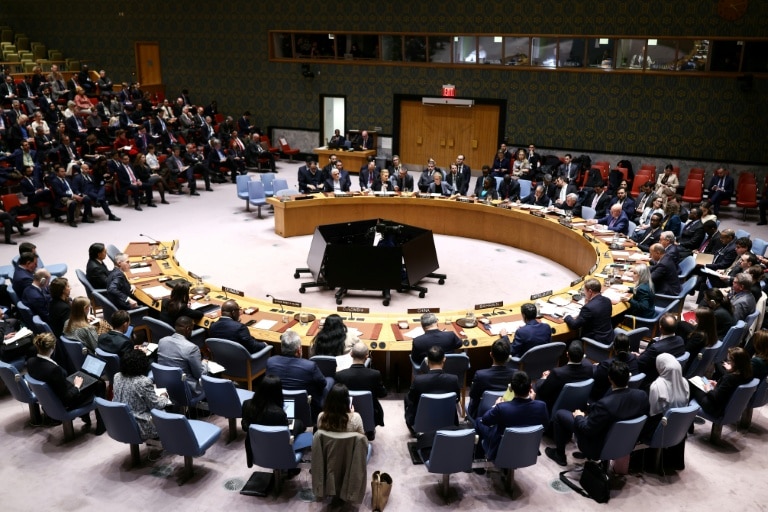
    The United Nations Security Council convened an emergency session amidst escalating tensions following coordinated military strikes by the United States and Israel against Iranian targets. The session revealed profound divisions among global powers regarding the legality and justification of the attacks.

    United States Ambassador Mike Waltz presented Washington’s position, emphasizing that preventing nuclear weapon proliferation by Iran constituted a fundamental global security imperative rather than a political matter. He referenced longstanding UN resolutions allegedly disregarded by Tehran and criticized Iran’s human rights record, particularly its suppression of domestic protests, questioning the nation’s moral standing within the international body.

    Israeli representative Danny Danon characterized the military action as necessary rather than aggressive, asserting that Tehran’s provocations had left no reasonable alternatives. He condemned what he described as hypocrisy among Security Council members who criticized the strikes while remaining silent regarding Iran’s retaliatory measures.

    Iranian Ambassador Amir Saeid Iravani denounced the operations as war crimes, citing significant civilian casualties including more than 100 children at Minab School in southern Iran. He accused certain Council members of applying double standards by overlooking what he termed flagrant aggression against his nation while condemning Iran’s exercise of self-defense under the UN Charter.

    The diplomatic confrontation exposed clear geopolitical fractures. Russia and China exclusively condemned the US-Israeli strikes, while Gulf nations including Saudi Arabia, the United Arab Emirates, and Bahrain issued a joint statement through Bahrain’s ambassador characterizing Iran’s regional attacks as cowardly and holding Tehran fully responsible for escalating hostilities.

    UN Secretary-General Antonio Guterres issued a grave warning regarding the potential for military actions to trigger uncontrollable consequences throughout the Middle East, emphasizing the region’s extreme volatility and the dangers of escalation.

  • Why is WhatsApp’s privacy policy facing a legal challenge in India?

    Why is WhatsApp’s privacy policy facing a legal challenge in India?

    India’s Supreme Court is presiding over a pivotal legal confrontation that challenges the fundamental business practices of major technology corporations, with WhatsApp’s 2021 privacy policy at the center of this judicial scrutiny. The case represents a critical examination of digital privacy rights, consumer autonomy, and regulatory oversight of dominant online platforms in the world’s largest democracy.

    WhatsApp, which maintains an unprecedented 97% penetration rate among India’s internet users with approximately 853 million accounts, recently submitted an affidavit to the Supreme Court committing to implement enhanced user data controls by March 16. The messaging platform affirmed that Indian users would retain full access to WhatsApp services even if they exercise their right to opt out of data sharing with parent company Meta for advertising purposes.

    This judicial development follows stern criticism from the bench regarding WhatsApp’s previously mandatory data-sharing approach, which the court characterized as effectively ‘committing theft of private information’ and potentially undermining constitutional privacy protections. The Competition Commission of India (CCI) had previously condemned the policy as creating a ‘no real choice’ situation for users through its ‘take it or leave it’ framework.

    The legal saga originated in March 2021 when the CCI initiated an investigation alleging Meta engaged in ‘exploitative and exclusionary conduct’ by leveraging WhatsApp’s market dominance to disadvantage advertising competitors. This culminated in a November 2024 ruling that imposed a $25 million fine on Meta for ‘abusing its dominant position’ and mandated behavioral changes within three months, including a five-year prohibition on sharing user data with Meta entities.

    While WhatsApp and Meta challenged these penalties, the companies have now committed to establishing a consent-based framework for data sharing. The platform will implement prominent notification systems and dedicated settings tabs enabling users to review, modify, or completely opt out of data-sharing arrangements. According to the affidavit, ‘Sharing of user data collected on WhatsApp with other Meta companies for purposes other than providing WhatsApp services shall not be made a condition for service access in India.’

    The case unfolds against the backdrop of India’s evolving digital regulatory landscape, including the new digital data protection law that WhatsApp has begun preparing to implement, though this legislation itself faces constitutional challenges regarding potential free speech implications and surveillance concerns.

    Digital rights advocates remain divided on the implications. Some welcome the judicial intervention as necessary protection against corporate overreach in developing markets, while others like activist Nikhil Pahwa argue that ‘advertising is a legitimate business model’ fundamental to internet economics, noting that users retain ultimate choice through platform alternatives like Signal or Telegram.

  • Olivia Dean wins 4 Brit Awards, taking artist of the year and song of the year

    Olivia Dean wins 4 Brit Awards, taking artist of the year and song of the year

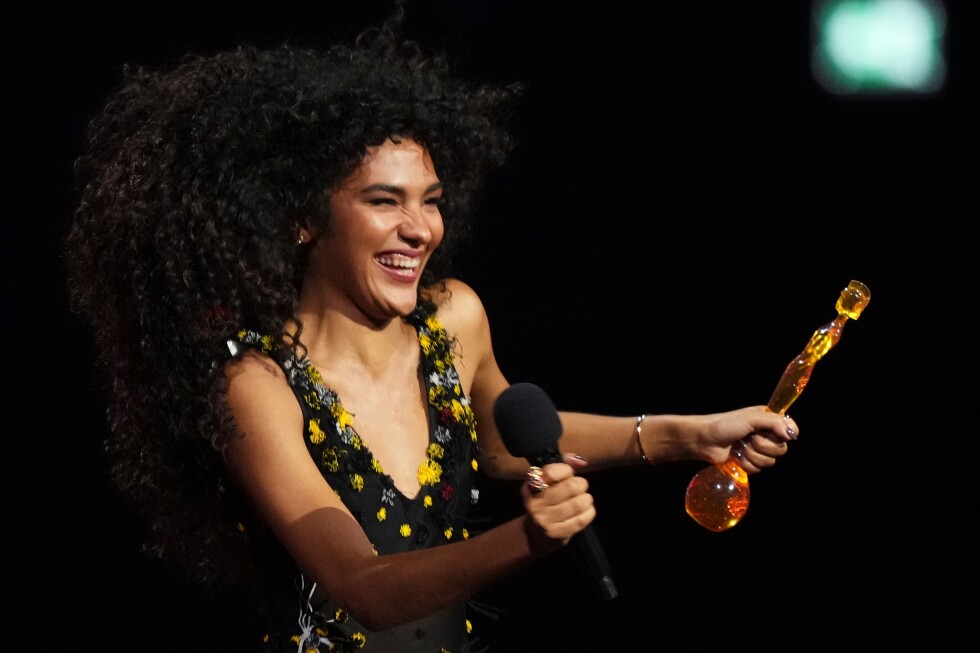
    MANCHESTER, U.K. — The 2024 Brit Awards ceremony witnessed a spectacular triumph for singer-songwriter Olivia Dean, who achieved an extraordinary sweep by capturing four prestigious trophies at the United Kingdom’s premier music celebration. The event, historically held in London, made a significant geographical shift this year to the AO Arena in Manchester, marking its first occurrence in Northern England.

    Dean’s remarkable haul included the night’s top honors: Artist of the Year and Song of the Year, complemented by her Grammy-aligned victory as Best New Artist. The British performer, who once attended the renowned BRIT School, delivered a captivating live performance of her hit single ‘Man I Need’ during the Saturday evening broadcast.

    The ceremony commenced with a highly anticipated television debut by global superstar Harry Styles, who unveiled ‘Aperture’—the lead single from his forthcoming album ‘Kiss all the Time, Disco Occasionally,’ scheduled for release next week.

    International categories saw Spanish sensation Rosalía claim Best International Artist, while the collaborative track by ROSÉ and Bruno Mars secured Best International Song. American rock band Geese earned recognition as Best International Group.

    A poignant memorial segment honored the late heavy metal legend Ozzy Osbourne, who passed away last year. Former Take That member Robbie Williams led the tribute, joined by surviving members of Black Sabbath for a specially arranged performance of ‘No More Tears.’

    Emerging artist Jacob Alon received the Critics Choice Award (previously titled Brits Rising Star), joining an esteemed lineage that includes Adele and Sam Fender. The performance roster additionally featured Raye, SOMBRE, and Mark Ronson—the latter honored with the Outstanding Contribution to Music award.

  • ‘No to War’: Iranian opposition abroad pushes back against US-Israeli strikes

    ‘No to War’: Iranian opposition abroad pushes back against US-Israeli strikes

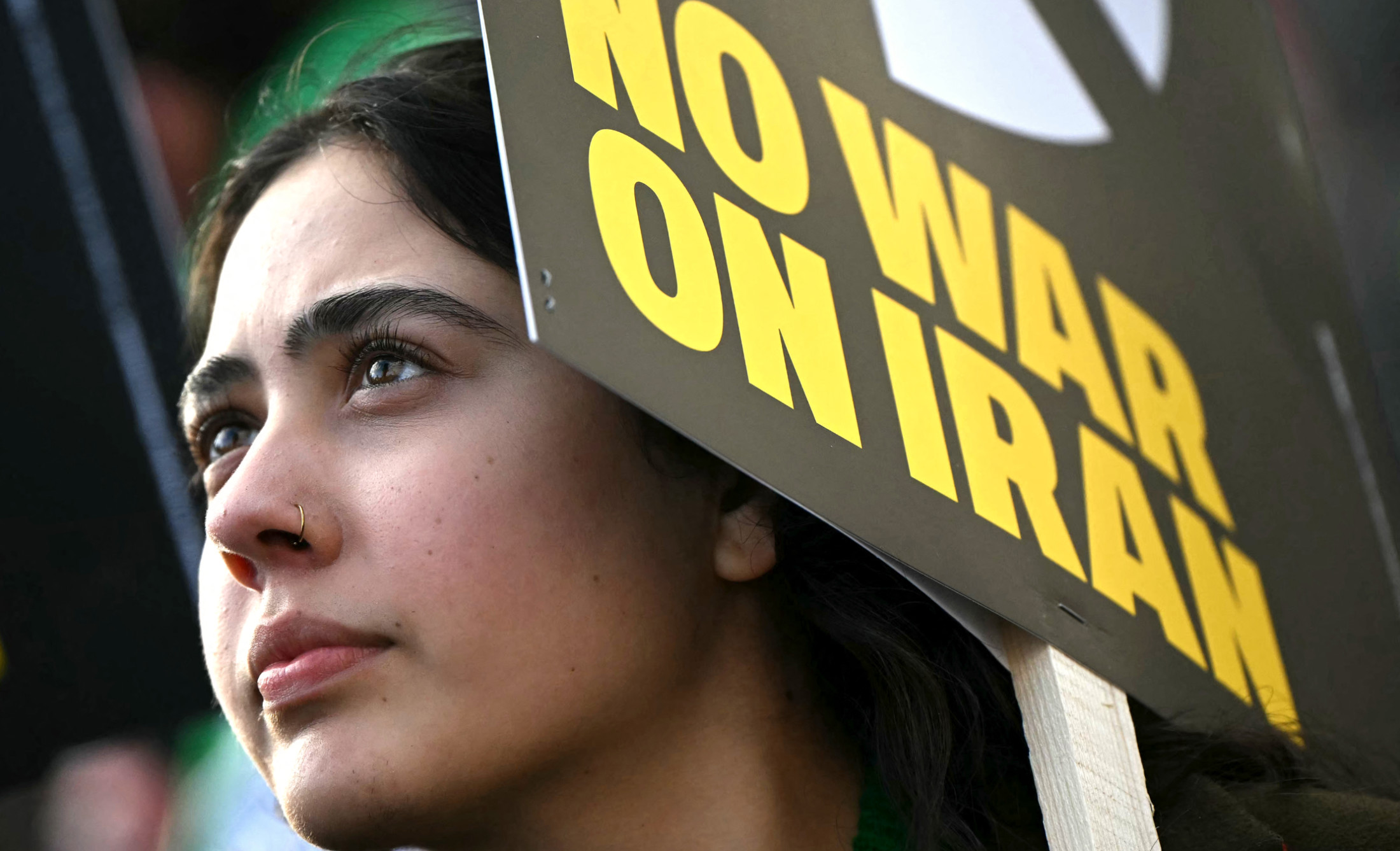
    The initial hours following U.S.-Israeli military strikes on Iran ignited a fierce and multifaceted debate across Farsi-language social media, revealing profound fractures within the Iranian opposition movement. The discourse, spanning the entire political spectrum, showcased a stark divergence of opinions regarding foreign intervention.

    Almost immediately, anti-war activists resurrected the Farsi hashtag #NoToWar, advocating against military escalation. This stance stood in direct opposition to calls from pro-monarchy factions, spearheaded by Reza Pahlavi—the Israel-aligned son of Iran’s last Shah—who publicly demanded an intensification of attacks on the Islamic Republic. Pahlavi’s camp, which has aggressively campaigned against rival opposition voices since Israel’s previous conflict with Iran, found itself at the center of a growing storm of criticism.

    Prominent journalist and regime critic Panah Farhadbahman issued a stark warning against foreign military action, drawing a historical parallel. He likened contemporary supporters of extensive U.S. strikes to those who backed the 1979 revolution, emphasizing that their advocacy would be permanently recorded. In a separate statement, Farhadbahman argued that the destruction of military infrastructure by Israel and the U.S. strategically weakens any future Iranian government, questioning the sincerity of motives behind the strikes.

    The criticism of Pahlavi intensified as users circulated symbolic imagery highlighting his perceived foreign allegiances. Comparative graphics placed his grandfather, Reza Shah, next to the British flag (referencing the 1921 coup), his father, Mohammad Reza Pahlavi, beside the American flag (referencing the 1953 CIA-backed coup), and Reza Pahlavi himself adjacent to the Israeli flag, identifying it as his primary foreign supporter—a connection many opposition figures find deeply troubling.

    This sentiment was echoed by political analyst Behrouz Farahani, who pointedly questioned the prospect of Israeli-backed democracy by sharing a report on Israeli soldiers shooting a Palestinian child. The Toofan opposition group abroad condemned the attacks, declaring that ‘war of aggression is not a solution to any problem. It is the problem.’

    The human cost of the conflict was brought into sharp focus by the widespread sharing of images from a struck girls’ school in Minab, where officials reported at least 85 fatalities, predominantly girls aged seven to twelve. This tragedy fueled a complex sentiment captured in one user’s post: ‘No to the Islamic regime. No to war. No to Israeli and US aggression. No to fascism and Pahlavi.’

    Conversely, U.S.-backed figures like journalist Masih Alinejad called for continued assaults, a position that also drew significant backlash. One user criticized Alinejad for celebrating a strike on a former official’s residence while allegedly ignoring the visible panic and potential civilian casualties in the footage she shared.

    The anti-war movement also resonated with persecuted religious minorities. A widely circulated video featured Pastor Mona Pahlevani directly addressing Iranians who had solicited foreign intervention, holding them responsible for the ensuing Iranian deaths and stating, ‘The blood of the people killed in the war… is on your hands.’