博客

  • Nigeria halts Christian pilgrimages to Holy Land over Middle East conflict

    Nigeria halts Christian pilgrimages to Holy Land over Middle East conflict

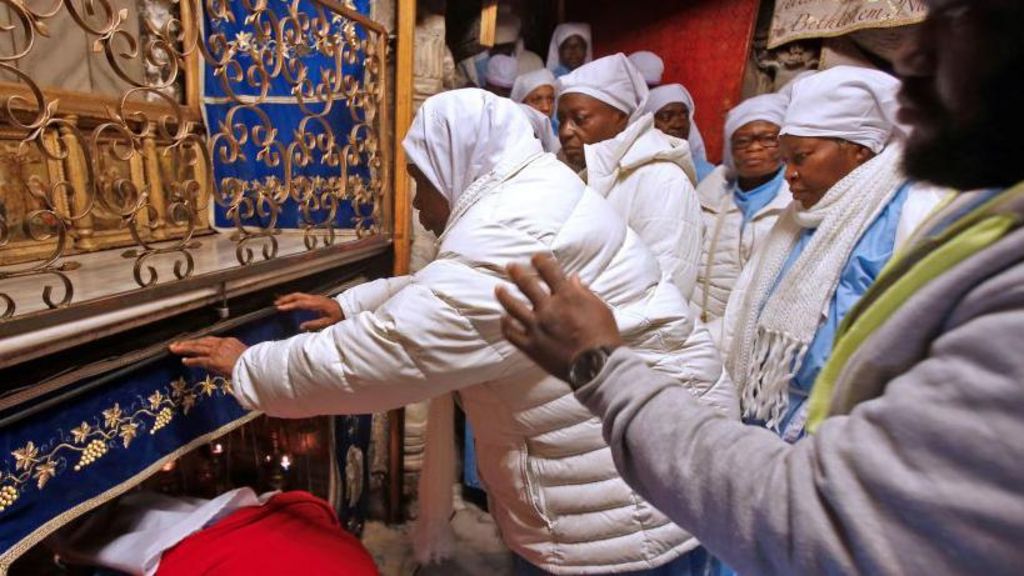
    The Nigerian government has implemented an immediate suspension of all religious pilgrimages to Israel and the occupied West Bank, responding to heightened security risks stemming from escalating Middle Eastern tensions. This decisive action was formally declared by the Nigerian Christian Pilgrim Commission (NCPC), the official agency overseeing Christian pilgrimage operations nationwide.

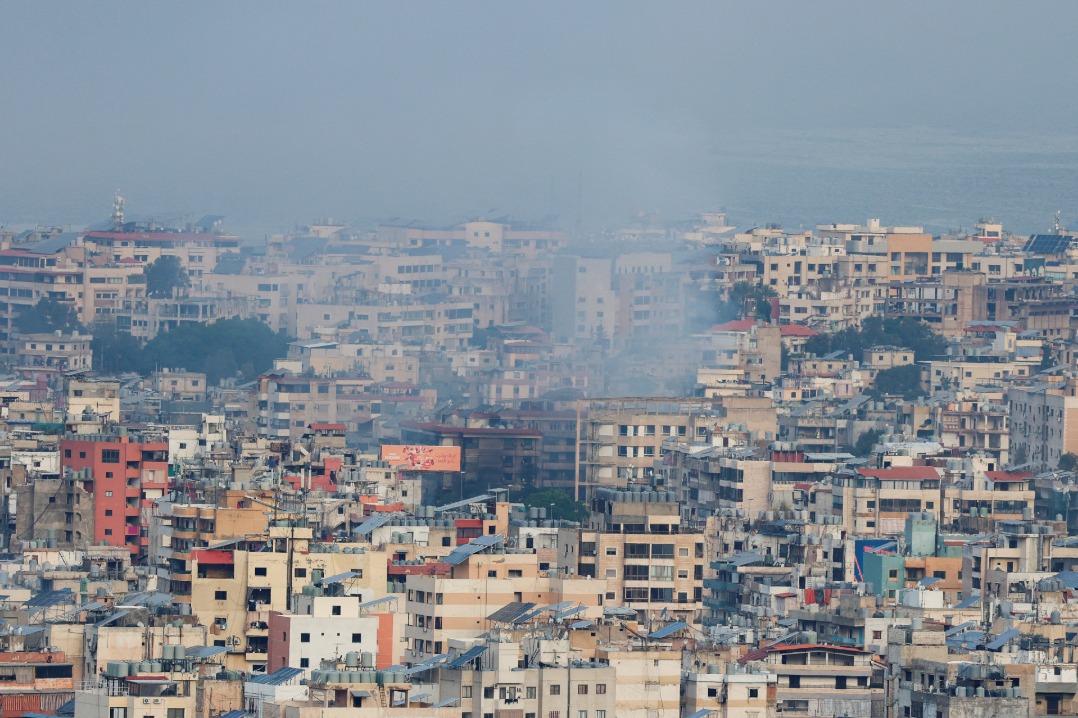
    The commission’s official statement emphasized that this preventive measure aims to safeguard the ‘safety and comfort’ of Nigerian pilgrims amidst rapidly deteriorating regional security conditions. The current crisis erupted following targeted U.S. and Israeli military strikes in Iran that resulted in the death of Supreme Leader Ayatollah Ali Khamenei, triggering retaliatory attacks by Iran against Israeli territories and U.S.-allied Gulf states.

    This security-driven suspension encompasses both government-coordinated pilgrimages and privately organized tour operations, effectively halting thousands of annual religious journeys. Aviation disruptions have compounded the situation, with multiple Middle Eastern countries closing their airspace and numerous flight cancellations stranding travelers across the region.

    Nigeria’s pilgrimage tradition represents a profound aspect of the nation’s religious fabric, particularly for its substantial Christian population concentrated in southern regions. Each year, thousands of Nigerian Christians undertake spiritually significant journeys to biblical sites in Jerusalem, Bethlehem, and Nazareth, often with financial support from state governments. Many participants save for years to undertake these pilgrimages, with Easter typically representing a peak travel period.

    The travel disruption has additionally affected Nigerian Muslims attempting to reach Mecca for Umrah pilgrimages, though unlike the fixed-date Hajj, Umrah can be performed throughout the year. Personal accounts illustrate the human impact of these travel restrictions, with prospective pilgrims like Alhaji Zaharaddeen Abubakar stranded in Kano after having secured travel arrangements. Travel industry representatives confirm that some passengers were already boarded and preparing for departure when flights were abruptly canceled.

  • Enoch Burke’s mother and sister to be arrested and jailed

    Enoch Burke’s mother and sister to be arrested and jailed

    Dublin’s High Court has issued arrest warrants for Martina Burke and her daughter Ammi Burke, mother and sister of controversial teacher Enoch Burke, sentencing both to 14 days imprisonment for contempt of court. The dramatic ruling comes amid an ongoing legal confrontation stemming from Enoch Burke’s refusal to comply with court mandates regarding a transgender student’s pronoun usage at Wilson’s Hospital School.

    Presiding Justice Brian Cregan delivered the stern verdict following the women’s disruptive conduct during February proceedings, where both repeatedly interrupted court operations requiring removal by Irish police forces. The judge emphasized that the rule of law remains binding upon all citizens regardless of personal beliefs, stating Ireland operates as “a democracy governed by the rule of law – not a theocracy, governed by the Burke family.”

    The case has exposed extraordinary security measures, with Justice Cregan noting the unprecedented requirement of deploying ten gardaí officers during Burke family hearings. Particularly concerning to the court was Ammi Burke’s professional status as a solicitor, with the judge referring her conduct to the Law Society’s disciplinary committee for potential investigation.

    In a consequential procedural shift, the court ordered future appearances by Martina, Ammi, and Isaac Burke to occur remotely rather than in physical proceedings. The family has been granted a three-week window to formally contest this virtual appearance mandate. The absent defendants were reportedly at their workplaces during Wednesday’s hearing despite prior notification of the scheduled proceedings.

    This judicial escalation marks the latest development in a protracted legal battle that began with Enoch Burke’s suspension from teaching duties for rejecting a transgender student’s preferred pronouns, subsequently defying court orders to remain away from school premises.

  • Why Iran isn’t attacking America’s bases in Turkey

    Why Iran isn’t attacking America’s bases in Turkey

    In a calculated escalation of regional tensions, Iran has launched attacks against US military installations across Gulf states, citing their operational role in joint US-Israeli operations against Iranian interests. This development highlights Tehran’s selective targeting strategy, particularly notable for its exclusion of two strategically significant US bases in Turkey: Incirlik Air Base and Kurecik Radar Station.

    Geographic proximity alone would suggest Turkey-based facilities represent more immediate targets, sharing a direct border with Iran unlike the distant Gulf monarchies. Analysis reveals three fundamental reasons behind Iran’s deliberate avoidance of Turkish targets:

    1. Differential Risk Assessment: Iranian strategists perceive Gulf states as vulnerable targets with limited retaliatory capabilities. Their economies demonstrate fragility against drone warfare, while military inexperience—with limited exception of engagements against Houthi forces—reduces perceived escalation risks. Furthermore, historical sectarian tensions between Shiite-majority Iran and Sunni-led Gulf kingdoms create stronger animosity than exists with Turkey.

    2. Turkish Military Deterrence: Turkey’s armed forces have demonstrated formidable capability through sustained combat operations against Syrian Kurdish forces, intervention in Libya, and demonstrated proficiency in drone warfare during the 2020 Nagorno-Karabakh conflict. This proven operational effectiveness creates substantial deterrence, as Iran recognizes potential Turkish ground invasion capabilities that could compound existing pressure from US-Israeli aerial campaigns.

    3. Alliance Architecture: Turkey’s NATO membership introduces Article 5 considerations that could transform regional conflict into transatlantic confrontation. Additionally, Turkey’s strategic alliance with Azerbaijan presents second-front vulnerabilities, given northern Iran’s substantial ethnic Azeri population. Potential Azerbaijani intervention or NATO involvement through Turkish channels represents escalation Iran cannot presently afford.

    The strategic calculus indicates Iran perceives Gulf states as collectively weaker than solitary Turkey, with greater susceptibility to destabilization through limited strikes. This assessment, combined with respect for Turkish military capabilities and fear of alliance-triggered escalation, explains Tehran’s selective targeting despite all hosting US military assets.

  • Watch: BBC asks Hegseth about reports of strike on Iranian girls’ school

    Watch: BBC asks Hegseth about reports of strike on Iranian girls’ school

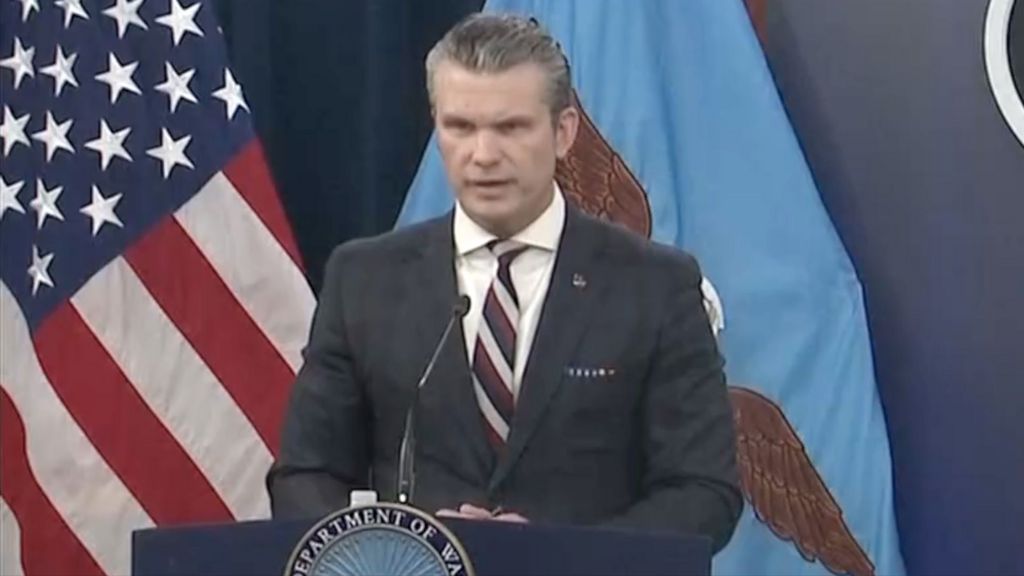
    During a televised interview with the BBC, U.S. Secretary of Defense Pete Hegseth addressed emerging reports concerning a military strike on a girls’ school located in Iran. When pressed for details and confirmation of U.S. involvement, Secretary Hegseth maintained a measured diplomatic stance, stating unequivocally that the incident was under active investigation by American authorities. He refrained from confirming any operational details or attributing immediate responsibility, emphasizing the procedural necessity of gathering and verifying facts before drawing conclusions. The exchange highlights the sensitive and often opaque nature of international military operations and the standard protocol of official inquiries in the immediate aftermath of such reports. The Secretary’s comments reflect the administration’s cautious approach to navigating complex geopolitical allegations, prioritizing verified intelligence over speculative claims.

  • China says no country should dictate others’ destiny

    China says no country should dictate others’ destiny

    China has emphatically declared that no nation possesses the authority to dominate international affairs or determine the destinies of other countries. The statement came from Lou Qinjian, spokesperson for the fourth session of the 14th National People’s Congress, during a press conference preceding the annual legislative gathering.

    Addressing growing international concerns about the erosion of global governance systems and the diminishing role of the United Nations, Lou articulated China’s firm position against unilateralism and the increasing use of force in international relations. The spokesman specifically referenced the situation in Iran, emphasizing that the nation’s sovereignty, security, and territorial integrity must be fully respected.

    China urgently called for the immediate cessation of military operations against Iran, advocating instead for diplomatic dialogue and negotiations to prevent further escalation of tensions in the Middle East. Lou affirmed China’s commitment to functioning as a responsible global power in facilitating peaceful resolutions.

    The spokesperson outlined China’s Global Governance Initiative, which champions sovereign equality, adherence to international rule of law, genuine multilateralism, people-centered approaches, and concrete actions. This framework represents China’s proposed solution for creating a more just and equitable global governance system.

    As a permanent member of the UN Security Council and a major world power, China pledged to collaborate with all nations to uphold the authority and status of the United Nations, maintain the principles of the UN Charter, practice authentic multilateralism, and contribute significantly to global governance reform efforts aimed at building a shared future for humanity.

  • Bridging culture and technology to craft unique travel experiences

    Bridging culture and technology to craft unique travel experiences

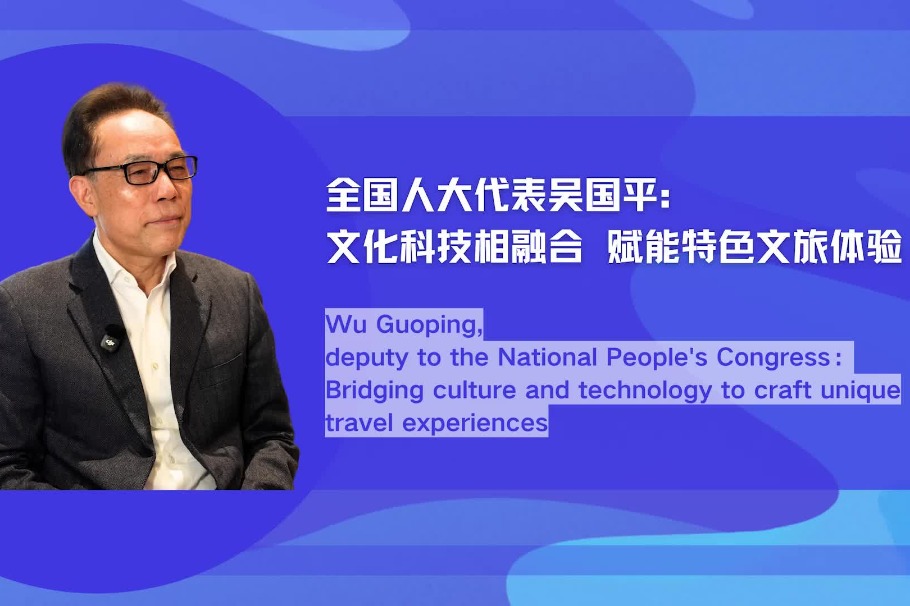
    During the ongoing National People’s Congress sessions, delegate Wu Guoping presented a visionary framework for transforming China’s tourism sector through the strategic integration of cultural heritage and technological innovation. In an exclusive dialogue with China Daily, the legislator articulated that the future of travel experiences lies not in ephemeral social media attractions but in creating profound spiritual destinations that command repeated visitation.

    The proposal emphasizes moving beyond superficial tourism trends to develop deeply immersive experiences that resonate on cultural and emotional levels. By leveraging cutting-edge technologies alongside authentic cultural elements, destinations can evolve into meaningful places that visitors feel compelled to revisit throughout their lives.

    This approach represents a significant shift from traditional tourism models, focusing instead on creating lasting emotional connections between travelers and destinations. The integration aims to preserve cultural authenticity while enhancing accessibility and engagement through appropriate technological applications.

    Wu’s initiative comes at a pivotal moment as China’s tourism sector seeks sustainable development models that balance economic growth with cultural preservation and innovation. The proposal has garnered attention from industry experts who see potential applications across China’s diverse cultural landscapes and historical sites.

  • Sri Lanka says an Iranian warship has sunk off its coast in the Indian Ocean

    Sri Lanka says an Iranian warship has sunk off its coast in the Indian Ocean

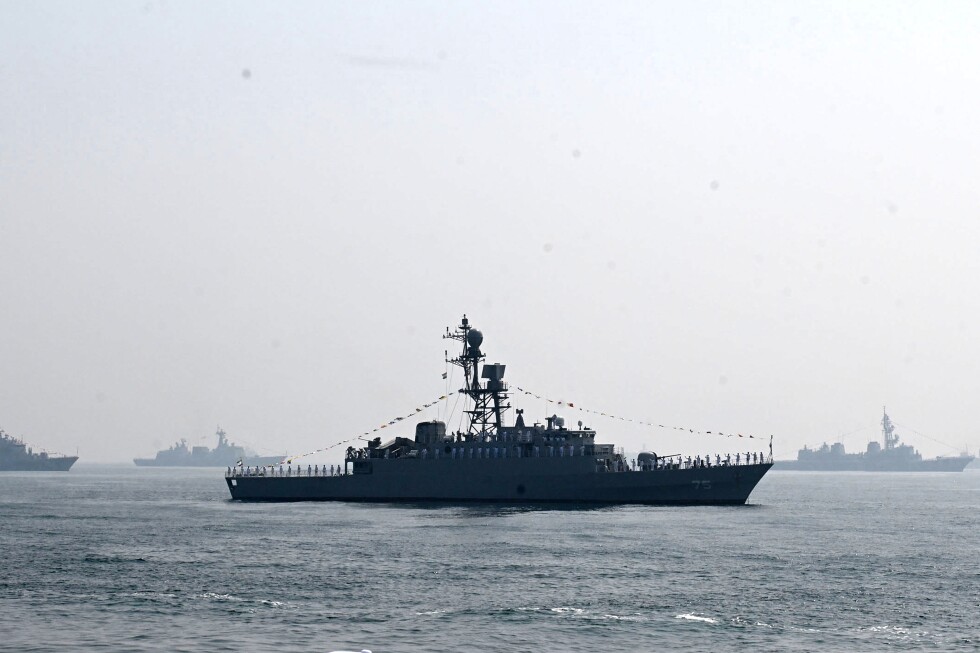
    COLOMBO, Sri Lanka — A significant naval confrontation unfolded in international waters off the coast of Sri Lanka this week, resulting in the sinking of a major Iranian warship by a U.S. submarine. The incident triggered a multinational rescue operation led by the Sri Lankan Navy, which successfully recovered 32 survivors from the stricken vessel.

    According to statements from U.S. Defense Secretary Pete Hegseth, the Iranian frigate IRIS Dena was struck and sunk by a torpedo launched from an American submarine operating in international waters. The confirmation came as search and rescue missions continued in the area.

    Sri Lankan Foreign Minister Vijitha Herath informed Parliament that upon receiving distress signals indicating the Iranian vessel was sinking with 180 personnel aboard, the island nation immediately deployed naval ships and air force aircraft to assist. Navy Commander Buddhika Sampath described the challenging rescue conditions, noting that when Sri Lankan forces arrived at the coordinates, the warship had already disappeared beneath the waves. ‘There were only some oil patches and life rafts,’ Sampath reported. ‘We found people floating on the water.’

    The rescued personnel, admitted to a local hospital, sustained various injuries. Dr. Anil Jasinghe, a senior health ministry official, confirmed one individual remains in critical condition, seven require emergency treatment, and others are being treated for minor injuries. Commander Sampath acknowledged the presence of several fatalities in the water but declined to provide specific numbers as recovery operations continue.

    The IRIS Dena represents one of Iran’s most advanced naval assets—a Moudge-class frigate equipped with heavy guns, surface-to-air missiles, anti-ship missiles, torpedoes, and helicopter capabilities. The vessel recently completed an international tour in 2023, visiting ports in South Africa and Brazil alongside support ship IRIS Makran.

    This incident occurs within the broader context of ongoing naval conflicts involving Iranian forces. U.S. Admiral Brad Cooper, leader of American military’s Central Command, revealed that at least 17 Iranian naval vessels have been destroyed during continuing hostilities, starkly stating, ‘We are also sinking the Iranian navy—the entire navy.’

    Both the IRIS Dena and its support ship had been previously sanctioned by the U.S. Treasury Department in February 2023, along with executives of an Iranian drone manufacturer accused of supplying weapons to Russia for use against civilian targets in Ukraine.

  • Heihe celebrates Lantern Festival with large-scale yangko performance

    Heihe celebrates Lantern Festival with large-scale yangko performance

    The border city of Heihe erupted in vibrant celebration on Tuesday as it hosted a massive yangko performance to mark the 2026 Lantern Festival. This city-wide cultural extravaganza featured ten distinct yangko troupes accompanied by thematic floats, collectively showcasing the diverse regional characteristics and artistic heritage of the northeastern Chinese city.

    The performance gained particular attention for its international dimension, with Russian performers from Aihui district’s yangko teams delivering a striking visual contrast with their blonde hair and blue eyes. These foreign participants demonstrated remarkable proficiency in the traditional Northeast Chinese folk dance, capturing the essential stylistic elements with authenticity and enthusiasm.

    The event served as both a cultural preservation initiative and a cross-border cultural exchange platform, highlighting Heihe’s unique position as a Sino-Russian border city. The elaborate floats and coordinated dance routines transformed the urban landscape into a dynamic tapestry of movement and color, attracting substantial local participation and viewership. This celebration not only honored traditional Chinese festival customs but also demonstrated the evolving nature of cultural expressions in China’s border regions, where international influences creatively merge with local traditions.

  • Crossing Tongji Bridge – Foshan’s time-honored festival tradition

    Crossing Tongji Bridge – Foshan’s time-honored festival tradition

    For over four centuries, the ancient city of Foshan in Guangdong province has maintained a remarkable Lantern Festival tradition centered around Tongji Bridge. This annual ritual, occurring on the 15th and 16th days of the first lunar month, draws entire families who participate in a symbolic procession across the historic structure while carrying traditional tokens of fortune.

    Participants clutch windmills representing good luck and lettuce symbolizing wealth as they traverse the bridge from north to south, chanting the traditional phrase: ‘Crossing Tongji Bridge, troubles go away.’ This practice has evolved into one of South China’s most enduring cultural celebrations, blending folk beliefs with community bonding.

    The tradition continues to thrive in modern times, with this year’s events scheduled from March 2-4 incorporating both traditional elements and contemporary attractions. The festival now features charitable parades, dynamic lion dance performances, and vibrant night markets that create a bridge between Foshan’s rich heritage and its modern urban identity.

    Tongji Bridge itself stands as more than mere infrastructure—it serves as a cultural touchstone connecting generations of Foshan residents. The ritual represents one of many regional variations in how Chinese communities celebrate the Lantern Festival, which marks the final day of traditional Spring Festival observances.

    The preservation of this custom demonstrates how ancient traditions adapt to contemporary urban life while maintaining their core cultural significance. As families continue to gather annually for this ritual, they reinforce community bonds and ensure the transmission of cultural values to younger generations.

  • Trump’s war on Iran: Shifting stories and unanswered questions

    Trump’s war on Iran: Shifting stories and unanswered questions

    The Trump administration’s conflicting communications regarding military engagements with Iran have drawn intense scrutiny from analysts examining the precision of governmental messaging during international crises. BBC Analysis editor Ros Atkins has dissected the divergent statements emerging from various officials within the administration, creating a mosaic of contradictory narratives that has complicated the understanding of U.S. actions and intentions toward Iran.

    This examination reveals a pattern of shifting justifications and evolving explanations that have left both allies and adversaries struggling to interpret American foreign policy objectives. The administration’s initial characterization of operations as ‘imminent threat’ responses subsequently faced modifications and qualifications from different government spokespersons, creating confusion about the factual basis for military decisions.

    This phenomenon represents a case study in how modern governments communicate during tense geopolitical situations, where traditional diplomatic clarity appears to have been supplanted by competing narratives from different power centers within the same administration. The resulting information vacuum has been filled with speculation and uncertainty about the true nature of events and the strategic thinking behind American actions in the volatile Middle East region.

    The analysis further explores how such mixed messaging affects international relations, alliance structures, and global perceptions of American leadership, raising fundamental questions about accountability and transparency in governmental communications during times of potential conflict.