博客

  • Australian superstar Ellyse Perry made a ‘really promising’ return to training on Wednesday

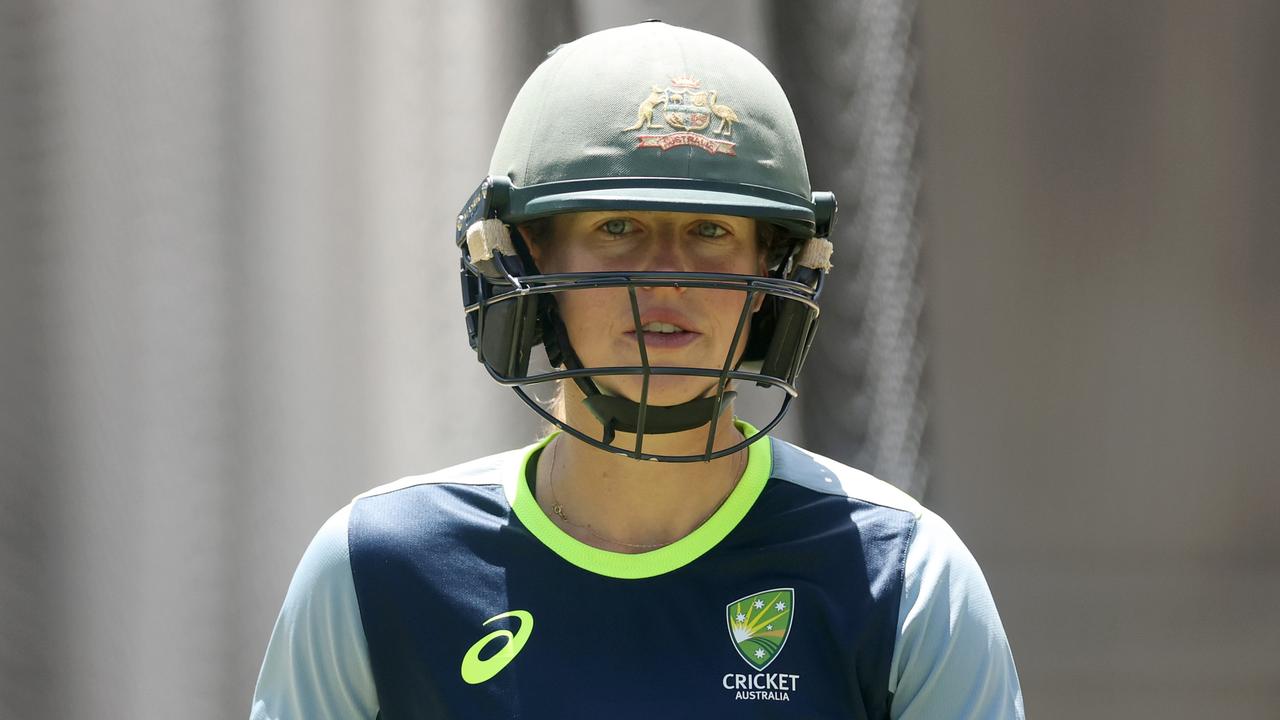
    Australian superstar Ellyse Perry made a ‘really promising’ return to training on Wednesday

    The Australian women’s cricket team enters the one-off Test match in Perth holding a significant four-point lead over India, a position potentially strengthened by the anticipated return of legendary all-rounder Ellyse Perry. However, her role is expected to be limited exclusively to batting due to a recent quad strain that sidelined her during the team’s clean sweep of the One Day International series.

    Captain Alyssa Healy, who has announced her retirement from international cricket following this Test, expressed optimism about Perry’s condition. ‘We’ve got a very rough idea of what the XI is going to look like and obviously Ellyse Perry is the key one,’ Healy stated. ‘She trained really well yesterday so it’s looking really promising. But I dare say there will be debutants so we’ll have to wait and see who that will be.’

    Healy later essentially confirmed Perry’s inclusion in the lineup, though noting her participation would be as a specialist batter. When questioned about how the all-rounder would manage without bowling, Healy responded, ‘hopefully she will just stay out there and bat all day instead.’

    Attention has also turned to potential new faces in the squad, with 19-year-old fast bowler Lucy Hamilton emerging as a strong candidate for a Test debut. Hamilton recently received her ODI cap from Healy and could bring a left-arm bowling option to the iconic WACA pitch, known for favoring such bowlers throughout its history.

    Healy praised the young bowler’s maturity, stating, ‘I am excited if she gets her opportunity to see her do her thing. She’s an incredibly mature 19-year-old and was well-deserved of her ODI debut. If she happens to get the baggy green tomorrow, I am excited to see what she can bring.’

    The captain herself approaches her final international match with characteristic determination, fresh from a spectacular 158-run innings off just 98 balls in her ODI farewell. When asked about the possibility of another century send-off, Healy remarked with laughter, ‘I am not going out there to make a duck. If three figures come up then so be it, but at the end of the day I just want to contribute to the team’s success.’
  • Iranian strike kills 11-year-old Iranian in Kuwait

    Iranian strike kills 11-year-old Iranian in Kuwait

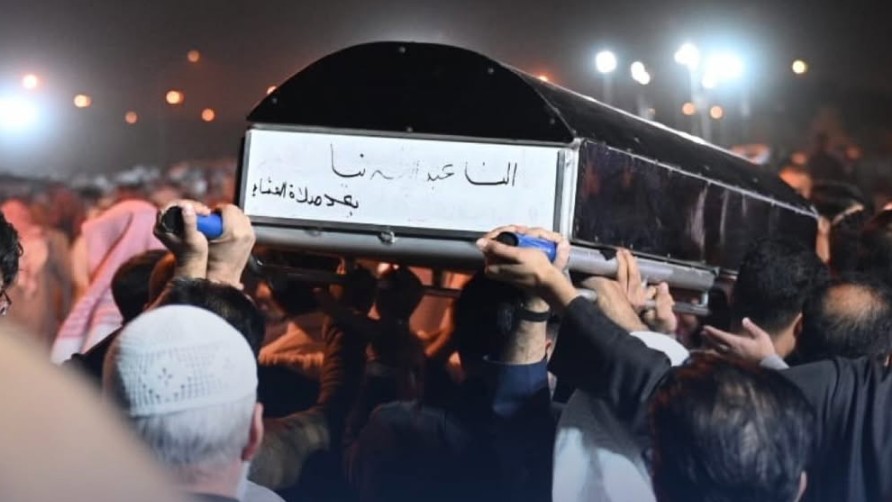
    An 11-year-old girl has become the first child casualty in Gulf nations amid escalating regional conflicts, after remnants of an Iranian rocket struck a residential building in Kuwait’s capital governorate of Al-Asimah. Alna Abdullah was pronounced dead in the early hours of Wednesday following nearly 30 minutes of unsuccessful resuscitation efforts by medical teams.

    While four other family members present in the home escaped serious injury, local media described them as non-Kuwaiti nationals. Funeral footage and interviews suggest the family may be of Iranian descent, reflecting Kuwait’s complex demographic landscape where approximately 40 percent of citizens are Shia Muslims of Iranian origin.

    The tragedy occurs against a backdrop of intensified regional violence, coming just hours after Kuwait buried two military personnel killed in Iranian attacks. This week also witnessed the deaths of six American soldiers in Kuwait, which hosts three major US military bases and several smaller US-operated facilities.

    Remarkably, these attacks have fostered unexpected national unity following years of political tension. Since the emir dissolved parliament—the only elected legislative body in the Gulf—and revoked citizenship from tens of thousands over fraud allegations, approximately 16 percent of Kuwaitis have lost their citizenship status as of last month.

    The health minister recently faced online criticism after stating that none of the patients transferred to hospital following Iranian attacks were Kuwaiti nationals. This comment sparked public discourse about Kuwait’s demographic composition, where citizens constitute only about 30 percent of the population, with nearly 45 percent being South Asian nationals.

    In response to growing tensions, former national assembly speaker Marzouq al-Ghanim struck a conciliatory tone at Abdullah’s funeral, declaring that “all who live on the land of Kuwait, according to Kuwaitis, is a Kuwaiti.”

    Kuwait has formally requested both the UN Secretary General and Security Council president to condemn Iran’s “heinous” attacks, which Kuwait asserts violate its sovereignty and airspace, according to Kuwait Times reports.

  • A breast cancer survivor knits prostheses in Kenya as silicone ones are costly

    A breast cancer survivor knits prostheses in Kenya as silicone ones are costly

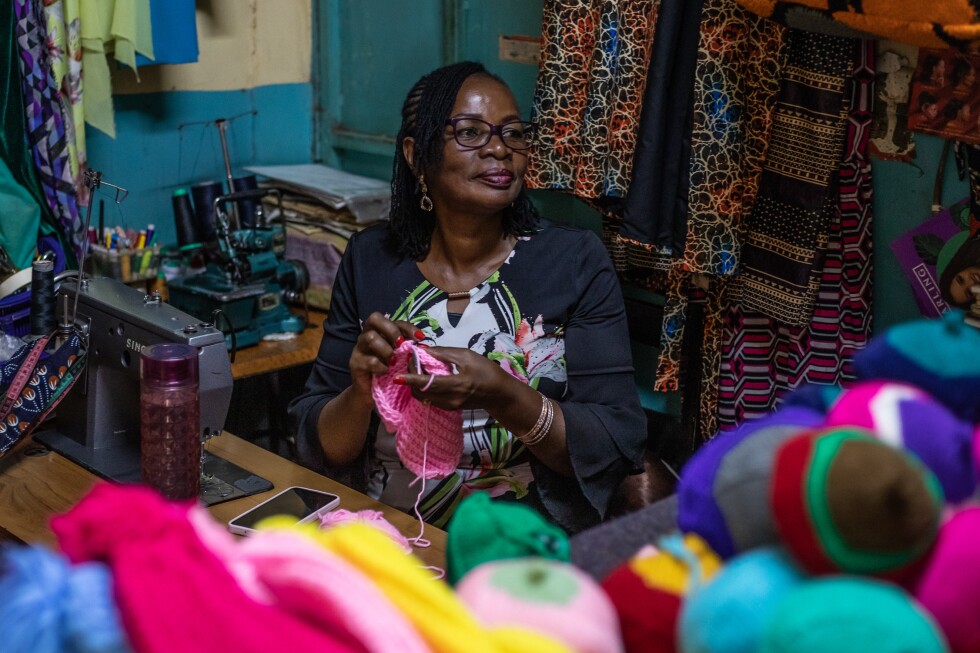
    In the Kenyan town of Thika, a remarkable story of resilience and compassion unfolds as breast cancer survivor Mary Mwangi transforms lives through an unexpected medium: knitted prostheses. What began as personal therapy during her recovery has evolved into a movement restoring dignity to thousands of women who have undergone mastectomies without reconstructive surgery.

    Following her cancer diagnosis, Mwangi initially anticipated the worst. However, during recovery, she discovered that knitting provided not just distraction but profound therapeutic value. In 2017, she began creating hats and scarves before encountering another woman crafting breast prostheses. This inspired her to establish the New Dawn Cancer Warriors collective, where survivors now produce affordable alternatives to expensive silicone implants.

    These hand-knitted prostheses, priced at just $10 per breast—approximately one-sixth the cost of silicone options—represent a critical innovation in a country where breast cancer constitutes the most frequently diagnosed cancer among women. With approximately 6,000 new cases identified annually in Kenya, and 40% of the population living below the poverty line, accessible solutions are desperately needed.

    The prostheses consist of yarn exteriors filled with pillow-soft fiber, providing comfort and natural appearance beneath clothing. For many Kenyan women who previously resorted to stuffing bras with clothing material, these creations represent both physical normalcy and emotional restoration.

    Nancy Waithera, a high school science teacher, described her diagnosis as making “everything turn dark,” particularly following her husband’s recent death. Discovering Mwangi’s prostheses before her surgery provided crucial psychological preparation. “My dignity was restored,” Waithera affirmed after wearing her prosthesis to church for the first time.

    Medical experts confirm the significance of such initiatives. Surgeon Daniel Ojuka from Kenyatta National Hospital cancer treatment center notes that mastectomy remains the most affordable option for most Kenyan women, as reconstructive surgery isn’t covered by national health insurance. The emotional impact of waking post-surgery is profound, with many patients experiencing severe distress.

    Beyond physical products, Mwangi’s collective provides community support that proves vital for recovery. Member Eglah Wambui emphasized knitting’s therapeutic benefits, noting how it redirects focus from disease to creation. The community aspect addresses concerning mental health challenges; Wambui recalled one woman who tragically took her own life during treatment due to depression.

    Having distributed over 600 prostheses in three years through organizational partnerships, Mwangi’s group demonstrates how grassroots innovation can address healthcare gaps. More importantly, it spreads a crucial message: “There is life after cancer, and cancer is not a death sentence,” Mwangi declares. “I’m a living testimony.”

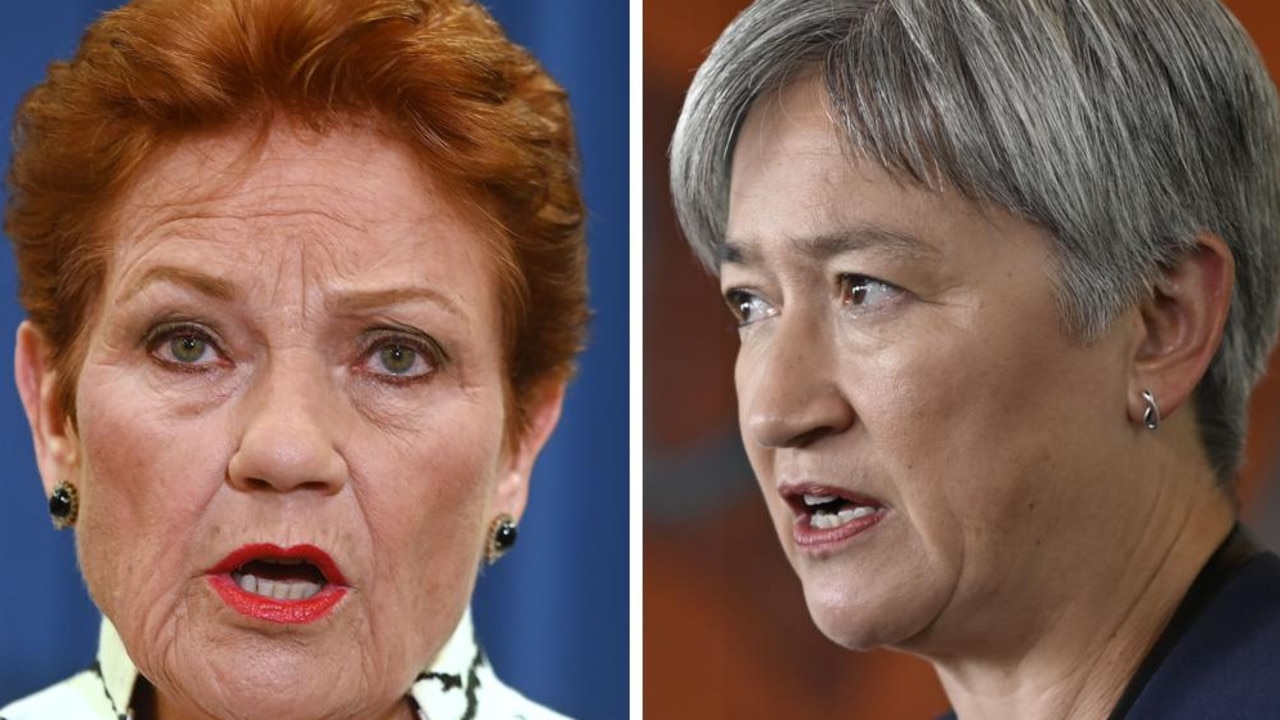
  • ‘Forgive the sins’: Penny Wong, Pauline Hanson clash as One Nation leader criticises Labor over fuel reserves

    ‘Forgive the sins’: Penny Wong, Pauline Hanson clash as One Nation leader criticises Labor over fuel reserves

    A heated parliamentary confrontation has unfolded regarding Australia’s fuel reserve policies, sparking intense accusations between political factions. During Thursday’s question time, Foreign Affairs Minister Penny Wong launched a sharp critique against One Nation leader Pauline Hanson, alleging she had effectively “forgiven the sins” of the Coalition while demonstrating clear “political allegiance” through her selective criticism.

    The exchange centered on fuel security concerns amid rising global prices driven by the ongoing US-Israeli conflict with Iran. Senator Hanson had pressed the Labor government over petroleum stockpiles, claiming Australia maintained “only 25 days of diesel” reserves despite Energy Minister Chris Bowen’s assurances about their condition. She further argued that net-zero emissions ambitions jeopardized national security “in the event of a crisis.”

    Minister Wong countered by revealing Australia currently maintains higher aviation fuel, petrol, and diesel reserves than at any point over the past fifteen years. She noted the conspicuous absence of similar scrutiny from Senator Hanson during the Coalition’s administration, suggesting political motivations behind the criticism.

    Industry Minister Tim Ayres intervened, detailing the government’s implementation of minimum stock holding obligations including 1.5 billion litres of petrol and three billion litres of diesel—effectively creating a strategic reserve. He accused both the Coalition and One Nation of attempting “to frighten little old ladies” and profiting from manufactured crises without having taken substantive action during their own tenure.

    The political tensions emerge against a backdrop of surging support for One Nation in recent polls and following the defection of former Nationals MP Barnaby Joyce. Senator Hanson had previously expressed openness to collaborating with either The Nationals or Liberals, though she dismissed joining what she called “the rabble that they are at the moment.”

  • Much of Iran’s navy has been neutralized

    Much of Iran’s navy has been neutralized

    In a devastating blow to Iran’s naval capabilities, United States forces have systematically dismantled key assets of the Islamic Republic’s Navy and Islamic Revolutionary Guard Corps naval units during Operation Epic Fury. The multi-pronged offensive has resulted in the confirmed destruction or severe damage of at least 20 Iranian vessels, marking one of the most significant naval engagements in recent history.

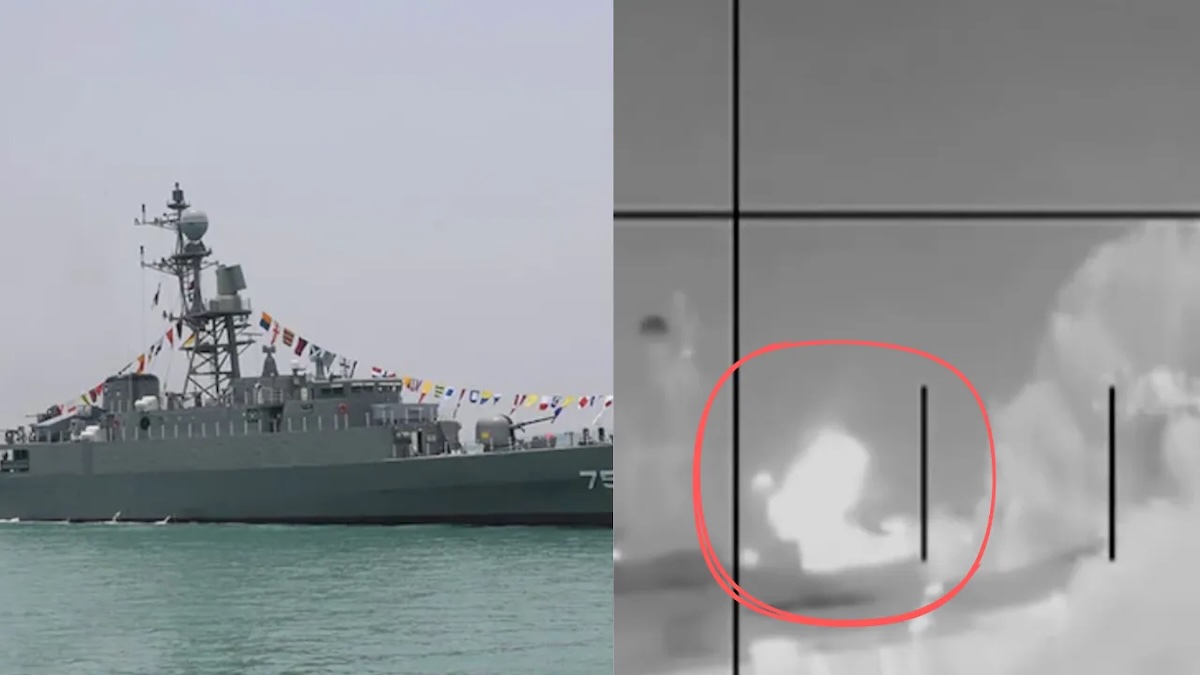
    According to confirmed reports from the Pentagon and statements by War Secretary Pete Hegseth, the IRIS Dana, a Moudge-class corvette from Iran’s Southern Fleet, was sunk by a single Mark 48 ADCAP torpedo fired from a US submarine near Sri Lankan waters. The vessel, named after Mount Dena, carried approximately 140 crew members, with casualty numbers remaining uncertain as rescue operations were undertaken by the Sri Lankan navy.

    Simultaneously, satellite imagery and social media footage confirmed the Shahid Soleimani-class corvette Shahid Sayyad Shirazi engulfed in flames near Bandar Abbas port following precision US strikes. The lead ship Shahid Soleimani and its sister vessel Shahid Hassan Bagheri were also confirmed destroyed during the operation.

    The devastation extended across Iran’s naval hierarchy, with the drone carrier Shahid Bagheri severely damaged or sunk within the initial hours of combat. A Jamaran-class corvette was confirmed by US Central Command to be “sinking to the bottom of the Gulf of Oman” at Chahbahar pier on March 1, 2026. The IRINS Makran, a massive converted tanker serving as a mobile forward base, was documented ablaze at its berth in Bandar Abbas through satellite imagery from March 2.

    Admiral Brad Cooper, CENTCOM commander, revealed that hundreds of small craft—the backbone of Iran’s asymmetric naval strategy—were targeted at their moorings in Bandar Abbas, Bushehr, and Assaluyeh. Iran’s submarine fleet suffered equally catastrophic losses, with a Fateh-class coastal submarine rendered inoperable after sustaining direct damage near Bandar Abbas. Multiple Ghadir-class midget submarines were among the 17 vessels confirmed destroyed during the initial 100 hours of operations.

    Heavy strikes involving B-2 stealth bombers and Tomahawk missiles targeted submarine pens at Bandar Abbas, potentially trapping or disabling Iran’s three Russian-built Kilo-class submarines (Taregh, Nooh, and Yunes) through infrastructure destruction despite ongoing damage assessment.

    The scale of destruction recalls historical naval defeats, though Iranian officials have yet to issue a comprehensive statement regarding the losses. Military analysts suggest this operation represents a fundamental reshaping of naval power dynamics in the Persian Gulf and surrounding waters.

  • Fertility giant Monash IVF agrees to settle with families after shocking embryo bungle

    Fertility giant Monash IVF agrees to settle with families after shocking embryo bungle

    Australian fertility provider Monash IVF has reached comprehensive settlements with families affected by significant embryo transfer errors at its clinics in Melbourne and Brisbane, marking a pivotal resolution to medical mishaps that shook the nation’s reproductive health sector.

    The incidents, which occurred in 2023 and 2025, involved critical procedural failures where embryos were mistakenly implanted into incorrect patients. At the Clayton facility in Melbourne, clinicians erroneously transferred a patient’s own embryo to the same individual rather than their intended partner. This followed an even more severe case at the Brisbane clinic where staff implanted an embryo from unrelated donors, resulting in a woman delivering another couple’s biological child.

    Company representatives confirmed that substantial claims stemming from these events have either been finalized or are in advanced settlement stages. A Monash IVF spokesperson expressed profound regret, stating: “We deeply regret the events from 2025 and have implemented rigorous enhancements to our safety protocols and oversight mechanisms across all clinical sites.”

    The fertility provider has collaborated extensively with regulatory authorities to elevate operational standards beyond mandatory requirements. Organizational reforms included an independent comprehensive review of procedures and the subsequent resignation of CEO Michael Knapp following the controversies.

    Financial implications for the company appear mitigated through insurance coverage, with investors notified that both claims fall within policy parameters. The organization’s half-yearly report to the Australian Stock Exchange confirmed that insurers have acknowledged liability coverage under relevant policies, with directors anticipating no material financial exposure.

    Monash IVF has instituted sweeping operational changes aimed at preventing recurrence, emphasizing strengthened safety culture and enhanced embryo handling protocols to restore patient confidence in their fertility treatment services.

  • Legal fight expected following Kyle and Jackie O $200m implosion

    Legal fight expected following Kyle and Jackie O $200m implosion

    The spectacular collapse of Australian radio’s most lucrative partnership is poised to ignite complex legal warfare following the unprecedented suspension of shock jock Kyle Sandilands. The dramatic implosion of the decade-long $200 million contract between Sandilands and co-host Jackie ‘O’ Henderson has thrown their flagship program into chaos and their network into damage control.

    ARN Media, the ASX-listed network owner, executed a 14-day suspension of Sandilands for what it termed ‘an act of serious misconduct’ during a February broadcast that reduced Henderson to tears. The incident, wherein Sandilands publicly criticized his co-host’s professional performance, has effectively halted production of the nationally syndicated program.

    According to prominent media law expert Michael Bradley, the contractual fallout presents exceptionally complex legal terrain. ‘One would anticipate this escalating into litigation rapidly given the enormous financial stakes and problematic history of tolerated on-air behavior,’ Bradley noted. The central legal question revolves around what conduct ARN can legitimately deem unacceptable after years of broadcasting controversial content.

    Bradley emphasized the unique nature of the situation: ‘Other than murdering his co-host on air, what could he possibly do that they would then say ‘that’s too far’? This paradox fundamentally undermines the network’s position regarding enforceable behavioral standards.’

    The $200 million decade-long agreement, signed in 2021 and extending to 2034, represents one of Australian media’s most significant talent investments. ARN has formally notified markets that Henderson ‘cannot continue to work with Mr. Sandilands’ while offering her an alternative programming opportunity. Should Sandilands fail to remedy the contractual breach, ARN has threatened termination of its agreement with his production company, Quasar Media.

    The situation encompasses multiple legal dimensions including individual contract disputes, workplace relations considerations, and broadcast decency standards. With both careers and hundreds of millions in revenue at stake, industry observers anticipate protracted legal proceedings that could redefine talent-network relationships in Australian media.

  • Septic tank searched, mine shafts to be explored as police ramp up outback search for missing SA woman Trisha Graf

    Septic tank searched, mine shafts to be explored as police ramp up outback search for missing SA woman Trisha Graf

    Authorities in South Australia have escalated their investigation into the mysterious disappearance of Trisha Graf, who vanished from the remote mining town of Andamooka in December 2025. The search operation has now entered a critical phase with investigators examining potentially hazardous locations in the harsh outback terrain.

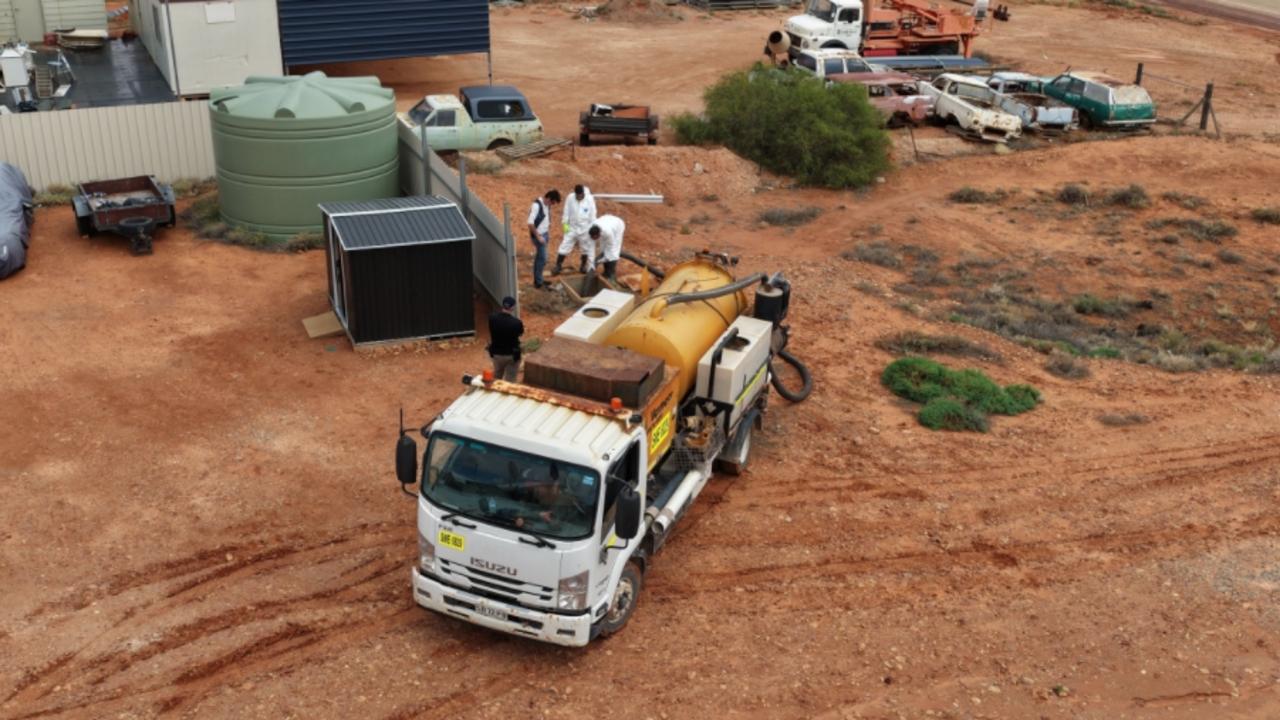
    New developments reveal that police recently conducted a thorough examination of a septic tank at a property near Graf’s last known location on February 23. Despite meticulous efforts, the search yielded no evidence related to her disappearance. The investigation had been temporarily halted due to severe weather conditions but has now resumed with renewed determination.

    The timeline of events indicates Graf was last seen during the early hours of December 12 after visiting the Roxy Downs hotel. Surveillance records show her departing the establishment at approximately 12:19 AM in her white 2012 Ford Territory (registration S254BCX). Shortly afterward, she reportedly collided with a kangaroo near Andamooka Township but continued her journey to visit a friend.

    Her final confirmed sighting occurred around 2:00 AM on Dunstan Drive. Friends discovered her vehicle approximately ten hours later, positioned on a dirt mound near Blue Dam, east of Andamooka. The abandoned car showed no immediate signs of what might have transpired after she was last seen.

    Law enforcement officials are now preparing to search numerous mine shafts located east of Andamooka, considering the area’s mining history and potentially dangerous abandoned sites. The community remains on high alert as authorities urge anyone with information to contact Crime Stoppers at 1800 333 000.

  • Global order is ‘breaking down’, Carney tells Australian parliament

    Global order is ‘breaking down’, Carney tells Australian parliament

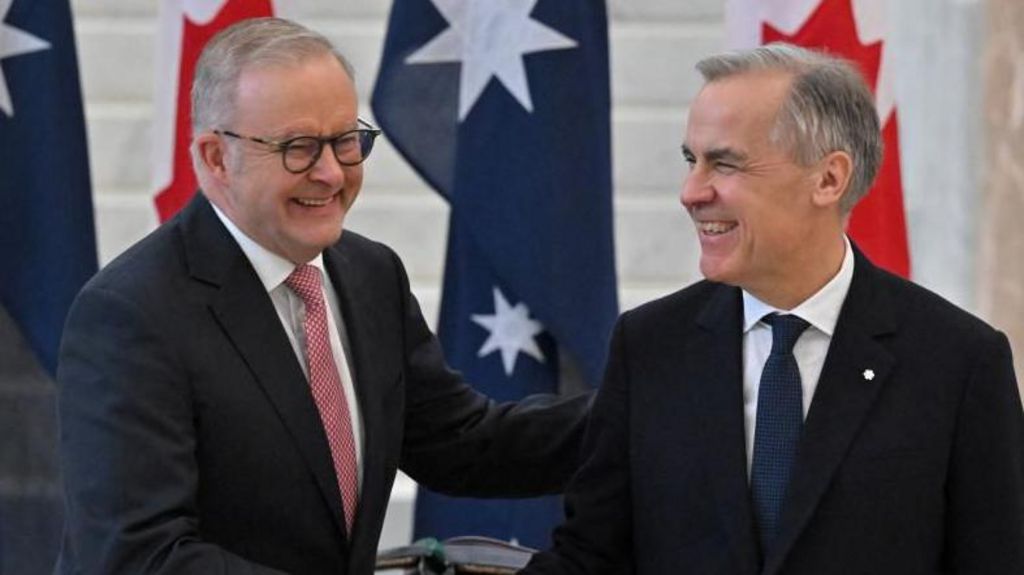
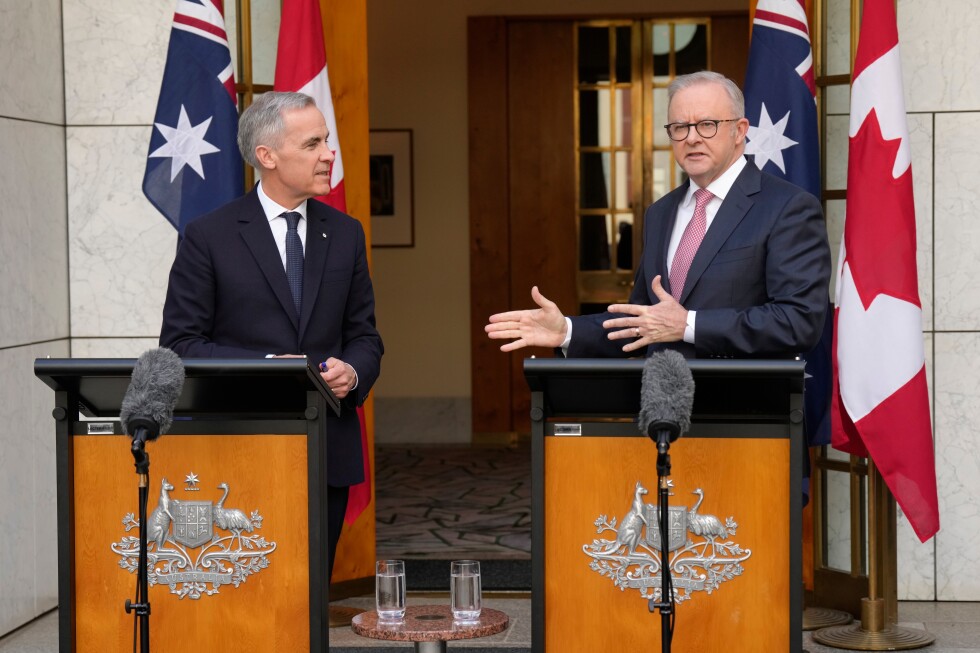
    In a historic address to Australia’s Parliament in Canberra—the first by a Canadian leader in nearly two decades—Prime Minister Mark Carney emphasized the urgent need for middle powers to collaborate as “strategic cousins” in response to the collapse of the post-war global order. Speaking before lawmakers, Carney warned that consecutive international crises have eroded existing frameworks, creating a vacuum where either middle nations collectively shape new rules or risk having outcomes dictated by hegemons.

    The two leaders, Carney and Australian Prime Minister Anthony Albanese, announced a series of agreements aimed at deepening cooperation in defense, artificial intelligence, and critical minerals. Australia formally joined the G7 Critical Minerals Alliance, which Carney hailed as the world’s largest coalition of trusted democratic mineral reserves. Together, the two nations supply one-third of global uranium and lithium and over 40% of iron ore.

    Albanese underscored the shared values and convictions binding the countries, stating, “Australia and Canada must seek and create new ways to stand with—and for—each other.”

    On Middle Eastern tensions, both leaders expressed support for recent strikes on Iran while calling for regional de-escalation. They insisted, however, that any ceasefire must be contingent on Iran no longer possessing nuclear weapon capabilities. Albanese cited Iran’s influence as a factor in antisemitic attacks in Australia last year.

    Carney’s visit follows a four-day diplomatic trip to India, where he signed multibillion-dollar agreements, marking a thaw in relations previously strained by allegations linking India to an assassination on Canadian soil. The tour will conclude with meetings in Japan with Prime Minister Sanae Takaichi.

  • Canada and Australia leaders urge war de-escalation, but agree Iran can’t get nuclear weapons

    Canada and Australia leaders urge war de-escalation, but agree Iran can’t get nuclear weapons

    CANBERRA, Australia – In a significant bilateral meeting held in Australia’s capital, Canadian Prime Minister Mark Carney and Australian Prime Minister Anthony Albanese presented a unified front on the escalating Iranian conflict, advocating for immediate de-escalation while maintaining an unequivocal stance against Iranian nuclear proliferation.

    The high-level discussions occurred amidst heightened global tensions following recent military developments, including the sinking of an Iranian warship by a U.S. submarine in the Indian Ocean and NATO’s interception of an Iranian ballistic missile near Turkish airspace.

    Prime Minister Carney emphasized the necessity of broadening diplomatic efforts beyond direct combatants. “We seek a comprehensive de-escalation involving a wider coalition of nations,” Carney stated during a joint press conference. “However, this cannot be achieved without permanently eliminating Iran’s capacity to develop nuclear weapons and export terrorism. These outcomes must be fundamental to any resolution.”

    Carney specifically highlighted the potential role of the six-nation Gulf Cooperation Council, praising their “remarkable restraint” amid regional instability and suggesting their inclusion in peace-building initiatives.

    Prime Minister Albanese echoed these sentiments, condemning Iran’s expanding military operations. “The international community demands immediate de-escalation and cessation of Iran’s cross-border attacks,” Albanese asserted. “We’ve witnessed unacceptable aggression toward Gulf states not involved in hostilities, including targeting of civilian and tourist areas. The permanent prevention of Iranian nuclear weapons capability remains paramount.”

    When questioned about potential Canadian military involvement, Carney declined to categorically exclude such possibilities, noting the conflict’s potential for rapid expansion. “This addresses a fundamental hypothetical in a rapidly evolving situation,” he responded. “While we cannot absolutely rule out participation, any engagement would align with our strategic alliances and national interests.”

    The Canberra meeting formed part of Carney’s three-nation trade-focused tour, commencing in India and proceeding to Japan following his address to the Australian Parliament.