博客

  • Culture minister emphasizes importance of high-quality cultural works

    Culture minister emphasizes importance of high-quality cultural works

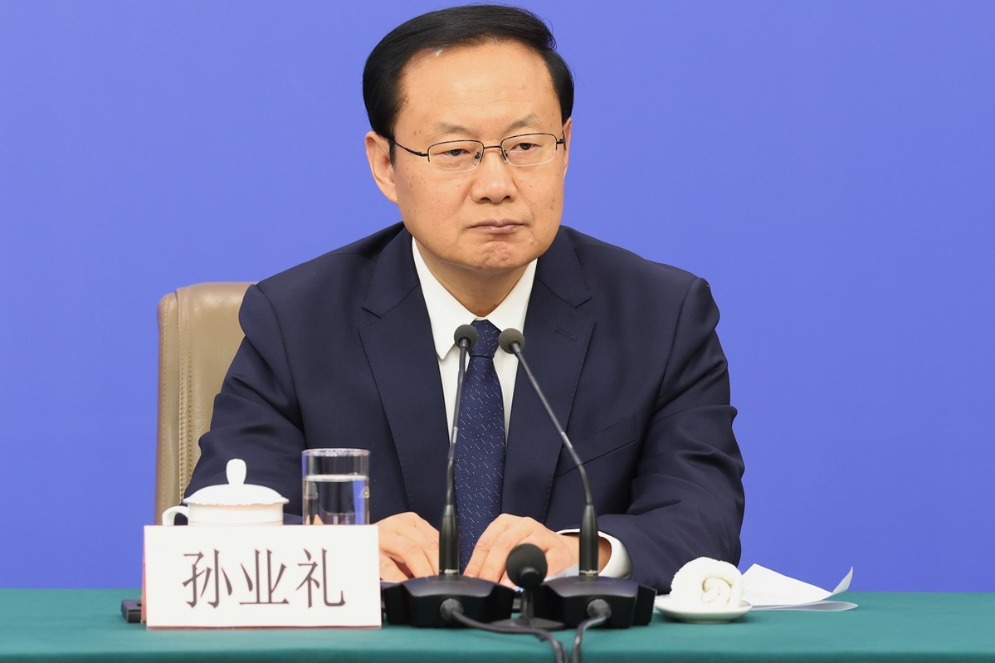
    China’s Minister of Culture and Tourism Sun Yeli has articulated a comprehensive strategy to elevate the nation’s cultural landscape, emphasizing the creation of premium cultural works that meet evolving public expectations. Speaking at a press conference during the Fourth Session of the 14th National People’s Congress on March 7, 2026, Minister Sun outlined policies aimed at strengthening cultural industry systems and market mechanisms.

    The announcement comes against the backdrop of impressive sector performance, with official statistics revealing that cultural enterprises above designated size generated approximately 15 trillion yuan ($2.17 trillion) in business revenue during 2025, representing a 7.4% year-on-year increase. These enterprises simultaneously achieved total profits of about 1.4 trillion yuan, marking a 6.5% annual growth.

    Minister Sun highlighted the correlation between rising living standards and heightened public expectations for cultural products. “With improved living conditions and aesthetic appreciation, people naturally demand higher quality cultural offerings,” he stated, underscoring the need for cultural policies that respond to these evolving preferences.

    The minister detailed plans to implement new-era art creation initiatives and guide cultural workers toward producing refined works with enhanced original creativity. He emphasized the importance of developing cultural products that resonate with contemporary audiences through multiple sensory experiences—works “that the general public would love to read, watch and listen to.”

    Beyond content creation, Sun addressed infrastructure needs, advocating for improved quality and accessibility of public cultural services. His vision includes optimizing traditional cultural venues while developing innovative cultural spaces that bring premium resources directly to grassroots communities, ensuring equitable access for both urban and rural residents.

    Notably, the minister recognized the transformative impact of digital technologies, particularly artificial intelligence, which has dramatically lowered barriers to public participation in cultural creation. “The general public is no longer satisfied with passive consumption but increasingly eager to actively participate,” Sun observed, pledging to develop new literary and artistic forms that provide platforms for public creativity and talent expression.

  • Russian strikes kill 12 across Ukraine

    Russian strikes kill 12 across Ukraine

    A devastating overnight assault by Russian forces has left a trail of destruction across Ukraine, resulting in at least 12 fatalities and injuring over a dozen civilians, including children. The coordinated offensive, which spanned from Friday into Saturday, involved a massive deployment of 29 missiles and 480 drones targeting both civilian and critical infrastructure sites nationwide.

    The northeastern city of Kharkiv suffered the most catastrophic damage when a ballistic missile completely demolished a five-story residential building, claiming nine lives according to latest reports. Emergency crews worked tirelessly through the night searching for survivors trapped beneath the rubble. Among the confirmed victims were two women and their children, adding to the tragic human toll.

    Ukrainian President Volodymyr Zelensky condemned the attacks as part of Russia’s continued strategy to destroy residential areas and critical infrastructure. In response to the escalating violence, Zelensky held urgent discussions with French President Emmanuel Macron, emphasizing the critical need for implementing the €90 billion EU aid package and additional sanctions against Russia, currently hindered by Hungarian opposition.

    The Russian defense ministry maintained that the operation constituted a ‘massive high-precision strike’ exclusively against military targets, continuing their longstanding denial of targeting civilian facilities. Meanwhile, Russian-installed authorities in occupied Kherson reported one fatality and four injuries from Ukrainian drone strikes.

    The aerial bombardment triggered nationwide air raid alerts and prompted neighboring Poland to scramble military aircraft to protect its airspace near the Ukrainian border. Separate incidents in Dnipropetrovsk and Sumy regions claimed additional lives, including a 24-year-old man killed when his vehicle was struck by a Russian drone.

    This latest exchange of hostilities occurs against the backdrop of stalled peace negotiations and recent prisoner exchanges, with Zelensky expressing concern that prolonged Middle East conflicts could further delay crucial deliveries of US-made PAC-3 air defense missiles. The Ukrainian leader has proposed a strategic exchange of drone interceptors for missiles and offered to deploy Ukrainian drone specialists to assist US allies in the Gulf region against Iranian drone threats.

  • Beyond 10t yuan: How Shandong aims to power ahead

    Beyond 10t yuan: How Shandong aims to power ahead

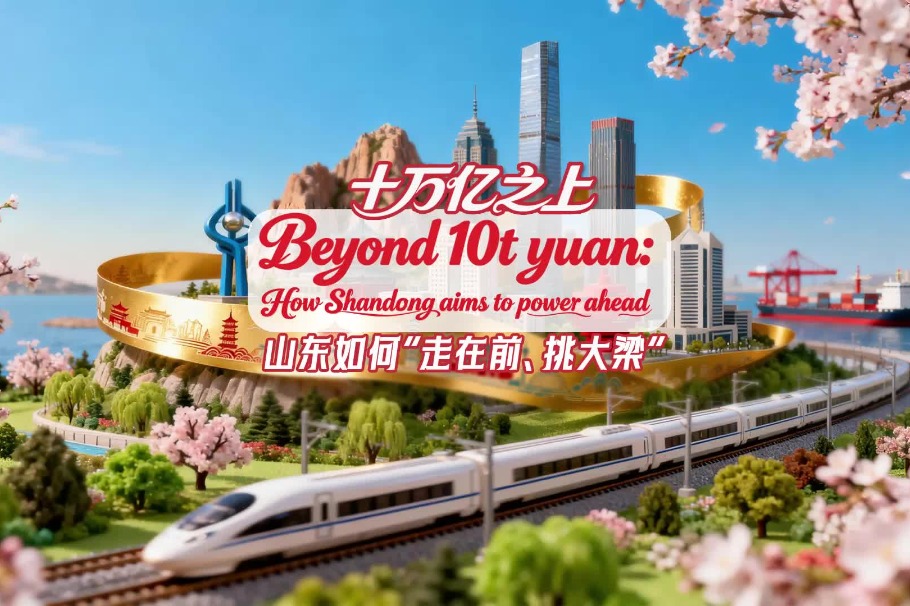
    Shandong Province has achieved a monumental economic milestone by surpassing 10 trillion yuan ($145 billion) in GDP for 2025, establishing itself as Northern China’s foremost economic powerhouse and the nation’s third provincial-level economy to join the elite ’10-trillion-yuan club.’ This achievement places Shandong alongside Guangdong and Jiangsu as China’s leading regional economies.

    As the province enters 2026, government representatives and political advisors are convening during the annual Two Sessions to deliberate on Shandong’s next phase of development. The critical question facing policymakers is how to sustain this impressive growth momentum while addressing structural challenges and identifying new growth drivers.

    The province’s economic transformation has been fueled by strategic investments in advanced manufacturing, technological innovation, and green energy initiatives. Shandong’s coastal location has facilitated robust international trade, while its industrial heartland has undergone significant modernization.

    Key discussion points at the political gatherings include industrial upgrading strategies, innovation ecosystem development, regional coordination mechanisms, and sustainable growth policies. The outcomes of these deliberations will shape Shandong’s economic trajectory and potentially offer a development blueprint for other northern provinces.

    This economic milestone represents not just numerical achievement but symbolizes the shifting economic balance within China, with northern regions demonstrating increased competitiveness in the national economic landscape.

  • CPPCC members attend group interview before 2nd plenary meeting

    CPPCC members attend group interview before 2nd plenary meeting

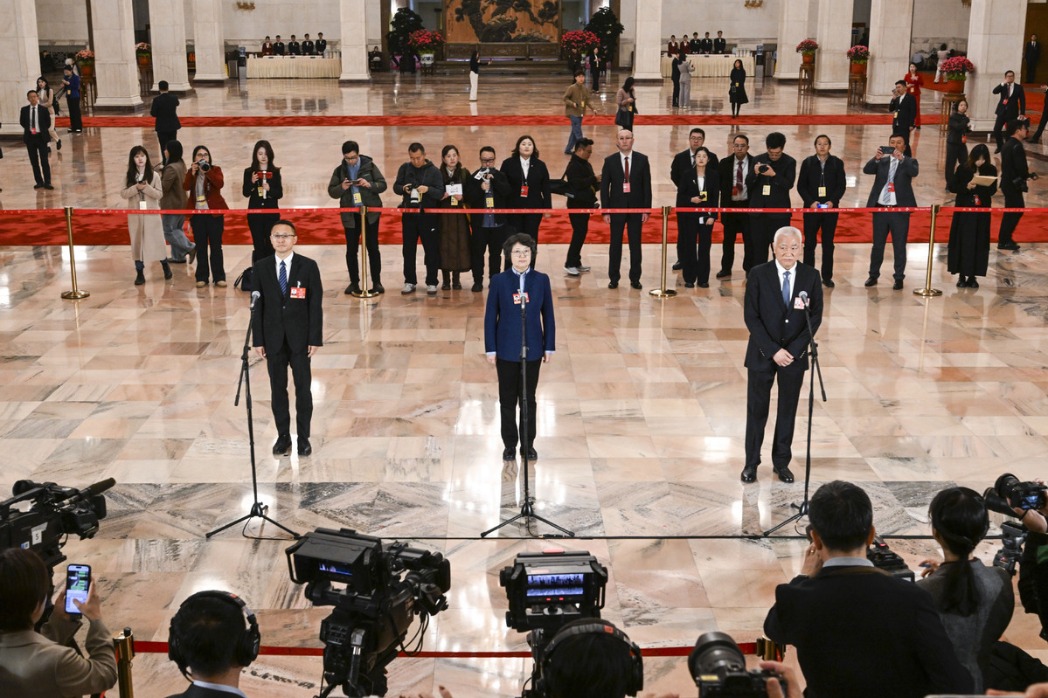
    Beijing, March 7, 2026 – Members of the Chinese People’s Political Consultative Conference (CPPCC) convened for a significant group interview session preceding the second plenary meeting of their fourth annual session. The event, held at the iconic Great Hall of the People, served as a platform for political advisors to articulate their perspectives on national development priorities.

    The gathering represents a crucial component of China’s political calendar, bringing together representatives from diverse sectors including academia, business, culture, and science. These advisors play a vital role in China’s unique political framework by providing specialized insights and policy recommendations to legislative and executive bodies.

    This year’s discussions are particularly noteworthy as they address contemporary challenges facing China’s development trajectory. The pre-meeting interview format allows for transparent communication of the CPPCC’s advisory function, demonstrating the participatory nature of China’s political consultation process.

    The proceedings reflect the ongoing evolution of the CPPCC’s role in facilitating multi-channel dialogue between the government and various societal sectors. As the session progresses, observers anticipate these consultations will contribute to policy formulation across numerous domains including economic development, technological innovation, and social welfare enhancement.

  • Ian Huntley, one of UK’s most notorious child killers, has died, days after being attacked in prison

    Ian Huntley, one of UK’s most notorious child killers, has died, days after being attacked in prison

    LONDON — Ian Huntley, one of Britain’s most infamous child murderers, has died following a violent assault by a fellow inmate at Frankland maximum-security prison. The 52-year-old former school caretaker had been on life support since February 26th when he was brutally attacked with a metal bar in the prison workshop.

    Huntley was convicted in 2003 for the murders of 10-year-olds Holly Wells and Jessica Chapman, a case that profoundly shocked the British nation. The two best friends vanished from the village of Soham in eastern England on August 4, 2002, after leaving a family barbecue to purchase candy. Their disappearance triggered one of the largest manhunts in UK history, with thousands of volunteers joining police in the search effort.

    The investigation captivated the nation for 13 agonizing days, during which a photograph of the girls wearing matching red Manchester United football shirts became symbolic of the search. The massive public concern manifested in hundreds of bouquets left outside Soham’s local church by grieving visitors. The search concluded when hikers discovered the girls’ remains in a wooded area near the village.

    The UK Ministry of Justice acknowledged the case as “one of the most shocking and devastating in our nation’s history” and extended condolences to the families of the victims. Despite maintaining his innocence throughout trial proceedings at London’s Central Criminal Court, Huntley received a life sentence with a minimum term of 40 years.

    During his incarceration, Huntley survived multiple assassination attempts, including a 2010 incident where another inmate slashed his throat. These repeated threats necessitated his placement under close protection alongside other high-profile offenders.

    British media outlets have identified Anthony Russell, a 43-year-old convicted murderer and rapist, as the suspected perpetrator of the fatal assault. Durham Constabulary has launched a comprehensive investigation into the circumstances surrounding Huntley’s death, with evidence being prepared for the Crown Prosecution Service to consider potential charges.

    At the time of the 2002 murders, Huntley resided with Maxine Carr, a teaching assistant at the victims’ elementary school. Carr provided Huntley with a false alibi during the investigation and served 21 months in prison for perverting the course of justice. She currently lives under a new identity as part of her release conditions.

  • China to boost global appeal with better inbound tourism services

    China to boost global appeal with better inbound tourism services

    China is launching an ambitious nationwide initiative to transform its inbound tourism infrastructure, creating a more accessible and seamless experience for international visitors. Culture and Tourism Minister Sun Yeli announced the sweeping reforms during a press conference held alongside the National People’s Congress sessions, outlining a multi-faceted approach to position China as a premier global destination.

    The comprehensive strategy addresses every aspect of the tourist journey, from streamlined visa processing and border clearance procedures to enhanced transportation networks, accommodation standards, and culinary experiences. Minister Sun emphasized that these coordinated improvements aim to establish three powerful brand identities: ‘Travel in China,’ ‘Shopping in China,’ and ‘Services in China.’

    Recent policy changes have already yielded significant results, with 2025 witnessing over 150 million inbound tourist arrivals—a 17% year-on-year increase—and tourism revenue exceeding $130 billion, representing a remarkable 40% growth. Notably, more than 30 million foreign visitors entered China through expanded visa-free programs, which now cover 50 countries for unilateral visa-free access and 55 countries for transit visa-free arrangements.

    A major breakthrough has been achieved in payment systems, where international visitors can now seamlessly link foreign bank cards to Chinese mobile payment platforms and utilize overseas digital wallets domestically. The infrastructure supporting card payments has been substantially expanded, complemented by increased currency exchange services and ‘small change packages’ for cash-paying tourists.

    The digital transformation has been particularly successful, with over 80% of visitors from countries including Kazakhstan and Malaysia adopting mobile payment systems. Total mobile payment transactions by international tourists reached approximately 80 billion yuan ($11 billion) in the previous year, becoming an integral part of their daily experience in China.

    Shopping experiences have been enhanced through expanded tax refund services, including instant refund options at point of purchase. This has diversified purchasing patterns, with tourists increasingly acquiring cultural products, creative merchandise, and trendy collectibles alongside traditional electronics like smartphones, drones, and VR headsets.

    Minister Sun highlighted that these practical improvements, combined with strengthened global promotional campaigns, have fostered deeper understanding and appreciation of Chinese culture among international visitors. The phenomenon of foreign tourists embracing Chinese lifestyles—often described as ‘becoming Chinese’—has emerged as a popular social media trend, reflecting growing enthusiasm for authentic cultural immersion.

  • China to boost campus sports leagues under ‘Health First’ push

    China to boost campus sports leagues under ‘Health First’ push

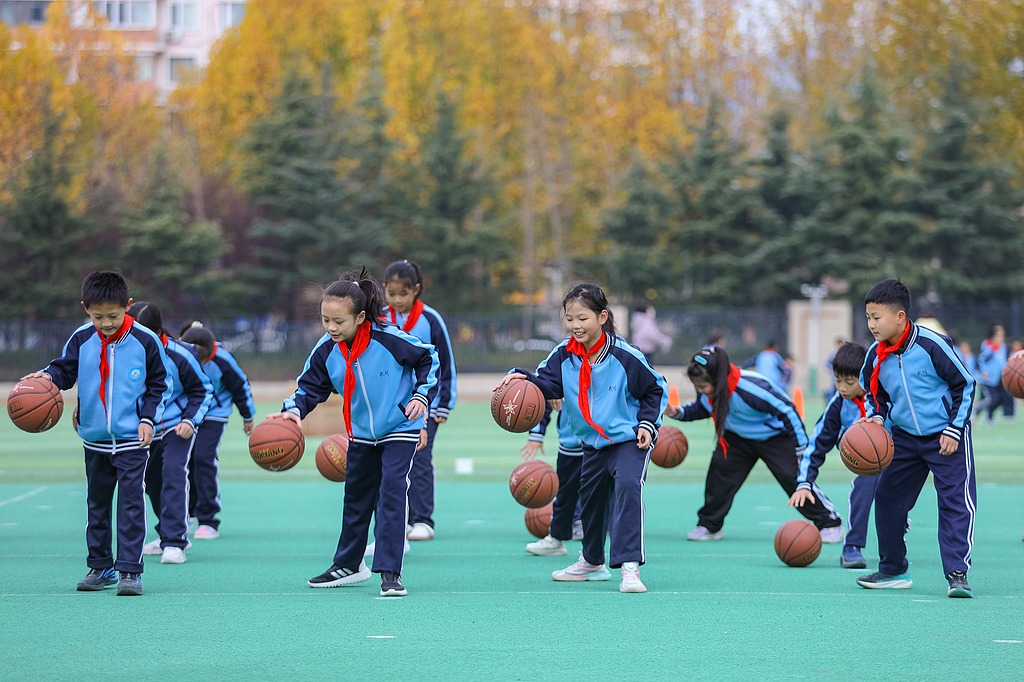
    China has unveiled a major educational reform prioritizing student health through the nationwide expansion of school sports leagues and enhanced psychological support systems. Education Minister Huai Jinpeng announced the sweeping measures during a press conference held alongside the National People’s Congress sessions, marking a significant shift toward implementing the “Health First” educational philosophy across the nation’s academic institutions.

    The comprehensive strategy will establish competitive leagues for soccer, basketball, and volleyball at both classroom and school levels, creating structured athletic frameworks within educational settings. This initiative forms part of a broader campaign to ensure every student develops at least one permanent sports proficiency while transforming school campuses into vibrant hubs of physical activity.

    Minister Huai confirmed the successful implementation of mandatory 15-minute classroom breaks and two-hour daily physical activity periods throughout China’s primary and secondary education systems. Early results from national monitoring indicate promising trends, with overall student fitness levels showing steady improvement across primary through university levels. Notably, the national student myopia rate has demonstrated a consistent decline over four consecutive years.

    The Education Ministry’s first post-Spring Festival meeting specifically addressed health prioritization, signaling institutional commitment to this paradigm shift. “Physical engagement takes precedence,” Minister Huai emphasized. “We consider athletic exercise the most effective method to motivate students to transition from classroom environments to playground settings.”

    Complementing the physical wellness components, authorities will launch a new action plan focusing on psychological health development. This multidimensional approach incorporates sports participation, artistic performances, labor experiences, outdoor expeditions, reading initiatives, and traditional games to foster positive mental attributes.

    Educational institutions will strengthen teacher-student relationships while ensuring adequate staffing of qualified mental health professionals. “We must administer education with genuine warmth,” Minister Huai stated, “creating campus atmospheres that feel secure, comfortable, and caring through professional guidance and counseling services.”

    The reform introduces accountability measures making student physical and mental wellness key evaluation metrics for schools, with these factors becoming central components of educational supervision frameworks nationwide.

  • China to deepen culture-tourism integration to spur consumption, growth

    China to deepen culture-tourism integration to spur consumption, growth

    China is embarking on an ambitious national strategy to deepen the integration between its cultural and tourism sectors, positioning this fusion as a powerful engine for consumer spending and economic expansion. Minister of Culture and Tourism Sun Yeli unveiled this strategic direction during a press conference on March 7th, held alongside the National People’s Congress annual session.

    The announcement comes against the backdrop of remarkable growth in China’s tourism sector. Minister Sun revealed that domestic tourist trips surpassed 6.5 billion throughout 2025, marking a substantial 16 percent year-on-year increase. Tourism expenditure reached an unprecedented 6.3 trillion yuan ($915 billion), establishing a new record high for the industry.

    The recently concluded Spring Festival holiday provided compelling evidence of this trend, with domestic trips reaching 596 million and tourism spending exceeding 800 billion yuan ($116 billion) during the nine-day period. These figures represent the highest recorded numbers for the holiday season, demonstrating the growing significance of travel in Chinese consumption patterns.

    Minister Sun characterized this development as more than mere statistical growth, noting that ‘traveling, watching performances and spending leisure time in different places have become a new lifestyle for many people.’ This evolution reflects a fundamental shift in consumer behavior, with tourism transitioning from simple sightseeing to immersive experiences that blend cultural engagement with leisure activities.

    The ministry’s strategy encompasses multiple dimensions of development. Digital transformation will play a crucial role in creating innovative travel services, products, and experiences that inject fresh momentum into traditional tourism models. Beyond technological advancement, the initiative will foster cross-sector collaboration, linking tourism more closely with sports, commerce, agriculture, and industrial sectors.

    Contemporary Chinese travelers are increasingly seeking personalized experiences that offer emotional connections and cultural depth. Minister Sun emphasized that ‘tourism today is no longer only about visiting scenic spots,’ noting growing demand for local life experiences, cultural activities, and event-based travel centered around concerts, exhibitions, and special occasions.

    To meet these evolving preferences, China will encourage travel programs connected to performing arts, intangible cultural heritage experiences, and sporting events. The government will further support innovative business models that combine tourism with diverse sectors, creating new growth opportunities while better satisfying public demand for quality travel experiences.

  • Ukraine’s low-cost Shahed killers draw US and Gulf interest, but a wartime ban blocks sales

    Ukraine’s low-cost Shahed killers draw US and Gulf interest, but a wartime ban blocks sales

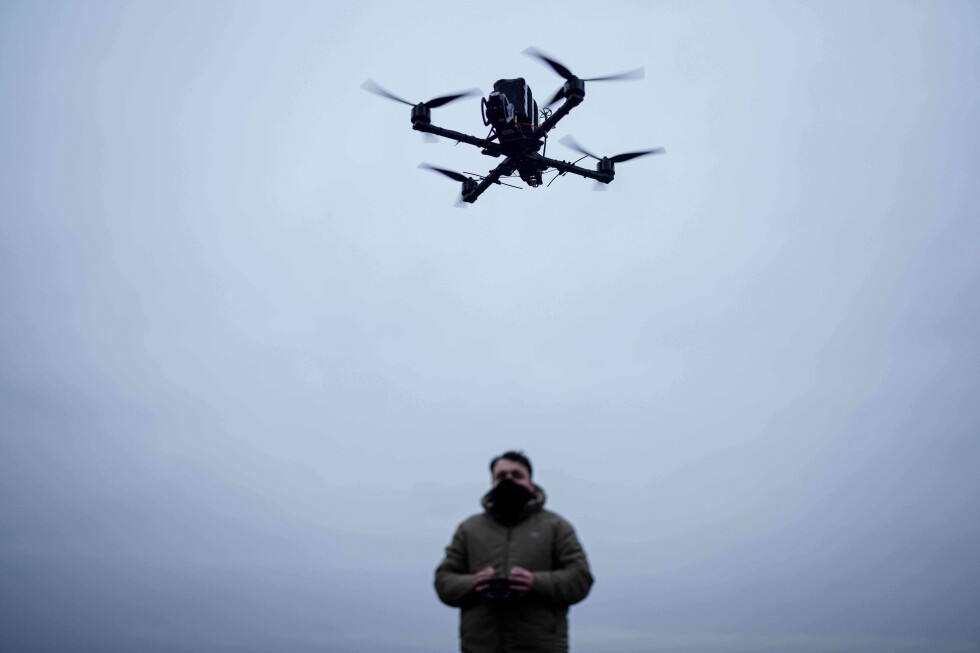
    KYIV, Ukraine — As Middle Eastern conflicts deplete U.S. missile inventories, Ukraine is strategically positioning its battlefield innovation—cost-effective interceptor drones—as diplomatic currency in global defense negotiations. Having evolved into a world leader in interceptor production since Russia’s full-scale invasion began four years ago, Ukraine now offers its combat-tested expertise to the United States and Gulf partners while seeking advanced weaponry it cannot domestically manufacture.

    Ukraine’s defense sector, initially underdeveloped at the war’s onset, has undergone rapid transformation through necessity-driven innovation. The industry now specializes in countering Iranian-designed Shahed drones, which Russia launches by the hundreds, with interceptors costing merely $1,000-$2,000 compared to million-dollar Patriot missiles. This technological advancement has attracted significant international interest, particularly after the U.S. recently requested ‘specific support’ against Shahed drones in the Middle East, prompting President Zelenskyy to deploy Ukrainian equipment and experts—though operational details remain classified.

    The emerging opportunity comes as Gulf nations exhaust their Patriot missile stocks against inexpensive Iranian drones, creating what defense experts call an unsustainable cost imbalance. Lockheed Martin produced a record 600 PAC-3 MSE interceptors throughout 2025, yet Zelenskyy revealed that Middle Eastern nations expended over 800 such missiles in just three days—more than Ukraine’s entire reserve throughout its four-year conflict.

    Ukrainian manufacturers report receiving repeated requests from the U.S. and Gulf states including UAE, Bahrain, Saudi Arabia, and Qatar for their domestically produced interceptors. Companies like General Cherry, creator of the ‘Bullet’ interceptor that has downed hundreds of Shaheds, and Skyfall, producer of the 3D-printed P1-Sun capable of reaching 300 km/h, assert they can manufacture tens of thousands of units monthly without compromising Ukraine’s defenses.

    However, analysts caution that global arms trading involves complex diplomatic considerations beyond technical capability. Yevhen Mahda of Kyiv’s Institute of World Policy notes that weapon trading is ‘an incredibly subtle and sensitive issue’ dominated by the U.S., requiring more than compelling narratives to access international markets.

    Ukraine’s most valuable export may be its human expertise. While hardware exports remain legally complicated under wartime restrictions, Zelenskyy has repeatedly offered to send instructors abroad—a significant strategic sacrifice given Ukraine’s own personnel shortages. Effective interceptor systems require integration with radar networks and trained operators, with Oleh Katkov of Defense Express emphasizing that ‘the real, proven expertise—not just on paper—exists only in Ukraine.’

    The proposed arms exchange represents a potential geopolitical realignment, where Ukraine could emerge as a new player in modern warfare if it can navigate diplomatic challenges and scale production while maintaining its defensive capabilities.

  • China to train over 10 million workers, upgrade skills for new industries, says minister

    China to train over 10 million workers, upgrade skills for new industries, says minister

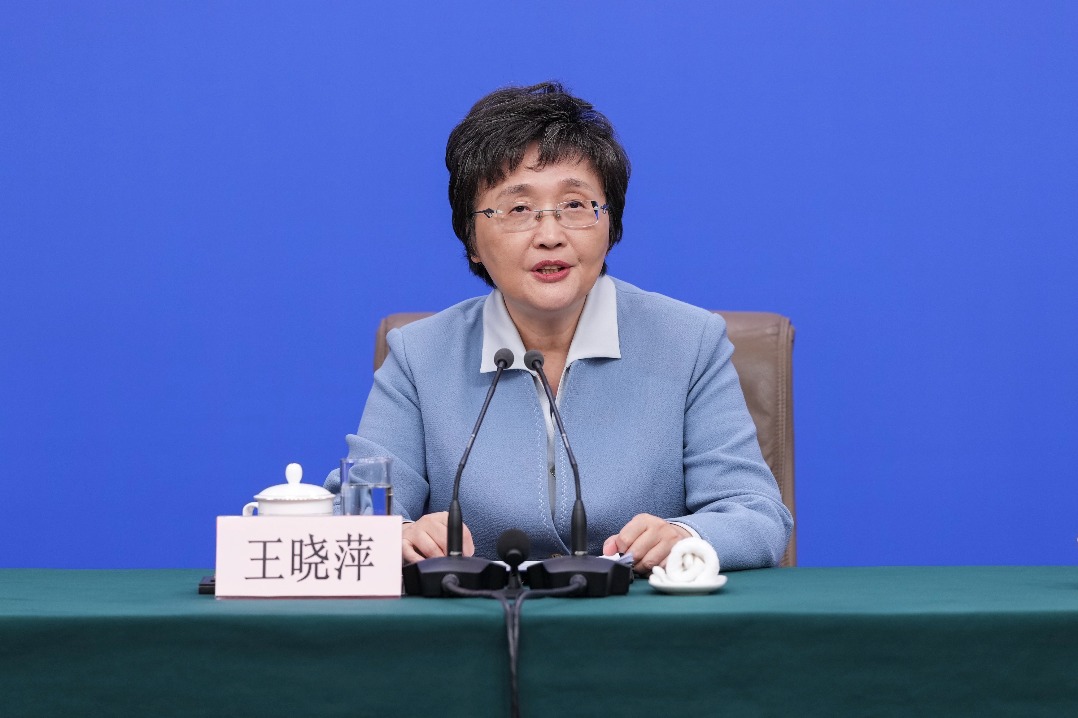
    China has unveiled an ambitious national workforce development strategy aimed at training more than 10 million workers through state-subsidized programs, with particular focus on emerging sectors including the low-altitude economy, artificial intelligence, new energy vehicles, and elderly care services. The announcement was made by Wang Xiaoping, Minister of Human Resources and Social Security, during a press conference on March 7, 2026, held as part of the ongoing National People’s Congress sessions.

    The comprehensive skills upgrade initiative represents a strategic response to the rapidly evolving industrial landscape, positioning vocational training as a cornerstone of China’s economic modernization efforts. Minister Wang outlined the establishment of a lifelong vocational skills training ecosystem designed to accommodate workers at varying career stages—from new entrants receiving preparatory instruction to experienced employees pursuing advanced specialization and career changers acquiring completely new skill sets.

    A key innovation in this national upskilling campaign involves the creation of industry-led systems that seamlessly integrate corporate requirements with educational content and employment pathways. This tripartite approach has already seen significant implementation, with over 20 provinces establishing more than 230 such collaborative frameworks that enable companies to enhance workforce capabilities while improving operational efficiency.

    Complementing the training expansion, China will implement a reformed eight-grade vocational skill grading system and promote skill-based compensation structures that reward technical proficiency and innovation. Minister Wang emphasized the principle that “those who work harder, possess higher skills and innovate more will get greater rewards,” signaling a fundamental shift in how technical expertise is valued within the labor market.

    Concurrently, China will host the 48th WorldSkills Competition in Shanghai from September 22-27, 2026, providing a global platform to showcase vocational excellence. The event, recognized as the world’s most influential skills competition, will feature over 60 competitive categories and include the inaugural WorldSkills Museum, offering international visitors an immersive experience in technical craftsmanship and innovation.