博客

  • Xinjiang NPC deputy: Draft bill to strengthen ethnic unity

    Xinjiang NPC deputy: Draft bill to strengthen ethnic unity

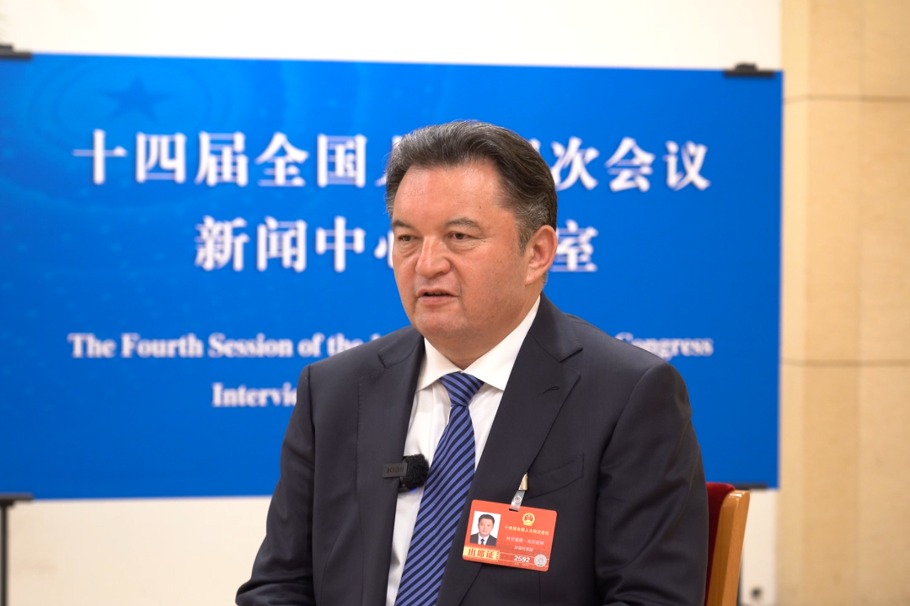
    Yershat Tursonbay, a National People’s Congress deputy representing China’s Xinjiang Uygur Autonomous Region and serving as governor of Ili Kazak Autonomous Prefecture, has announced a significant legislative initiative aimed at fortifying ethnic unity through comprehensive legal measures. The proposed draft bill on promoting ethnic unity and progress currently under parliamentary review marks a strategic shift from policy guidance to formal legal frameworks.

    According to Tursonbay, China has historically advanced ethnic cohesion through multifaceted approaches including policy implementation, educational programs, and practical community engagement. The new legislation represents a transformative step that will elevate national consciousness from mere ideological awareness to legally binding obligations, effectively converting popular will into institutional commitment.

    This legislative move establishes stronger legal foundations for ethnic unity efforts, potentially creating more structured approaches to inter-ethnic relations and community development. The transition from voluntary participation to legally supported implementation signals China’s commitment to institutionalizing ethnic harmony through statutory mechanisms.

    The proposed legislation emerges as part of broader national efforts to strengthen community bonds across China’s diverse ethnic landscape, particularly in regions like Xinjiang where multiple ethnic groups coexist. The legal framework aims to provide consistent standards and measurable outcomes for unity initiatives nationwide.

    Tursonbay’s announcement during the NPC sessions highlights the government’s methodical approach to ethnic relations, emphasizing the importance of sustainable, legally-grounded solutions rather than temporary measures or ideological campaigns alone.

  • Merz’s party stumbles into a year of German state elections with a narrow defeat

    Merz’s party stumbles into a year of German state elections with a narrow defeat

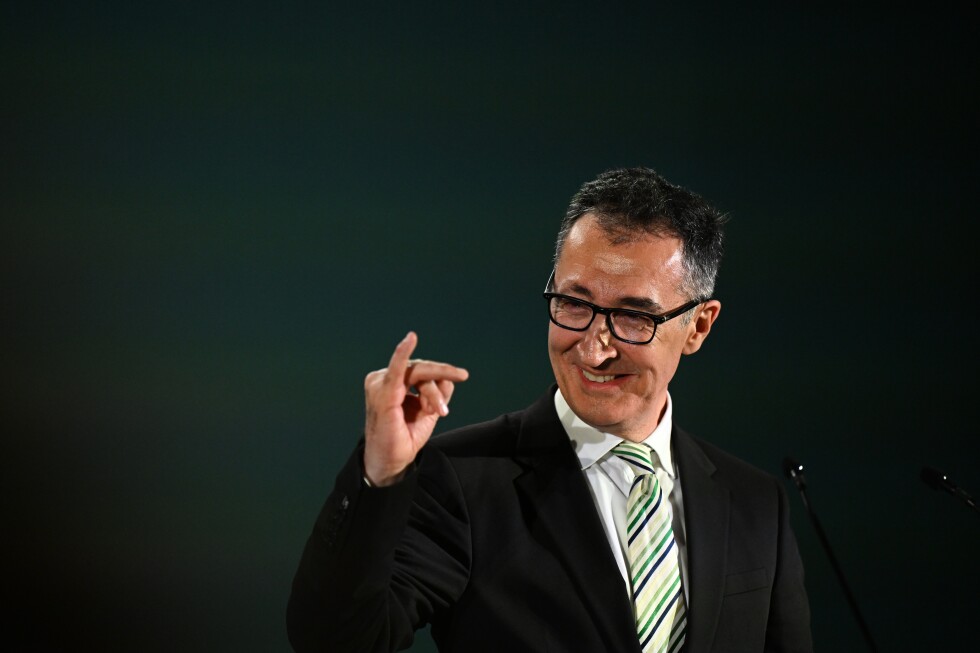
    In a significant political upset, Germany’s environmentalist Green Party has clinched a narrow victory in the southwestern state of Baden-Württemberg, dealing a substantial blow to Chancellor Friedrich Merz’s Christian Democratic Union (CDU) in the first of several critical state elections this year. Despite initial predictions favoring the center-right CDU, final results revealed the Greens secured 30.2% of the vote, edging past the CDU’s 29.7%. This outcome marks a remarkable comeback for the Greens in Germany’s important industrial heartland, home to automotive giants Mercedes-Benz and Porsche. The victory was largely attributed to the campaign prowess of Cem Özdemir, a seasoned federal lawmaker and former agriculture minister, whose conservative-leaning approach resonated with voters in this traditionally right-leaning region. Meanwhile, the far-right Alternative for Germany (AfD) nearly doubled its support to 18.8%, reflecting its growing influence since last year’s national election. Chancellor Merz’s federal coalition partners, the Social Democrats, suffered an embarrassing collapse, obtaining merely 5.5% of the vote. Political analysts suggest the CDU’s defeat signals voter dissatisfaction with the federal government’s domestic performance, particularly regarding economic stagnation. The two parties are expected to continue their coalition governance in Baden-Württemberg, with Özdemir poised to become Germany’s first state governor of Turkish descent.

  • Flash floods leave 28 dead in Nairobi, disrupt flights

    Flash floods leave 28 dead in Nairobi, disrupt flights

    Nairobi, Kenya’s bustling capital, has been plunged into chaos following catastrophic flash floods that have claimed at least 28 lives and brought the city to a standstill. The disaster, triggered by torrential rainfall that commenced on Friday and persisted through the night, has resulted in widespread destruction and significant disruption to transportation networks.

    According to Police Chief George Seda, the victims perished through various tragic circumstances, with some drowning while others were electrocuted by submerged power sources. The death toll remains fluid as search and rescue operations intensify across the affected regions. Over 100 vehicles have been severely damaged, with many overturned both on roadways and in parking facilities.

    Kenya’s aviation sector has been severely impacted, with Kenya Airways confirming substantial flight disruptions. Multiple aircraft were diverted to Mombasa, the coastal city, as the main airport struggled with operational challenges. The national carrier warned travelers to anticipate continued disruptions throughout the coming hours.

    In response to the escalating crisis, President William Ruto has deployed a multiagency emergency team to coordinate relief efforts. The government has committed to covering hospital expenses for all affected individuals and is organizing the distribution of relief food supplies to displaced families. Notably, the military has been mobilized to augment emergency services, while the local toll road operator has suspended fees on elevated routes to facilitate evacuation and rescue operations.

    Rescue teams, including specialized units from the Kenya Red Cross, are battling extremely challenging conditions to reach stranded residents. Secretary-General Ahmed Idris acknowledged the severe limitations posed by impassable roads and overwhelming traffic congestion, stating that teams are working tirelessly despite these obstacles.

    Social media platforms have been flooded with dramatic visuals depicting submerged residences and vehicles being swept away by powerful currents. The continuing rainfall suggests that the situation may deteriorate further, prompting authorities to prioritize the relocation of those in immediate danger to secure locations.

  • Colombian president calls for transparency, participation as legislative elections kick off

    Colombian president calls for transparency, participation as legislative elections kick off

    BOGOTA – As Colombia commenced its pivotal legislative elections on Sunday, President Gustavo Petro issued a compelling appeal for enhanced electoral transparency and robust citizen engagement. The president, accompanied by First Lady Veronica Alcocer, cast his ballot at a polling station within the Congressional building, using the occasion to champion significant reforms to the nation’s electoral oversight system.

    President Petro formally urged electoral authorities to transition election auditing responsibilities from private contractors to state-controlled mechanisms. This proposed shift aims to establish greater institutional accountability and reduce external influences in the electoral process.

    Emphasizing law enforcement’s critical role, Petro revealed that the National Police had intercepted approximately 4 billion pesos (over one million US dollars) allegedly intended for voter coercion among economically vulnerable populations. The president characterized this substantial seizure as merely ‘a tiny amount compared to what we know,’ suggesting widespread attempts to undermine electoral integrity.

    Petro directly connected electoral crimes to powerful criminal networks involved in drug trafficking and illegal mining operations, describing them as ‘mafias that take over institutions’ that threaten democratic foundations.

    The Colombian leader called upon citizens to actively participate as election observers nationwide, stating that genuine ‘democratic culture’ and ‘democratic soul’ must precede the establishment of truly democratic institutions. His remarks highlighted the philosophical underpinnings of his administration’s electoral integrity campaign.

    With over 41 million eligible voters participating across 13,746 domestic and international voting centers, Sunday’s elections carried significant weight beyond legislative representation. The simultaneous primaries conducted by Colombia’s three major political blocs—right, center, and left—would determine presidential candidates for the upcoming electoral cycle, making citizen participation particularly consequential for the nation’s political trajectory.

  • Shanxi ‘slow train’ offers affordability, convenience

    Shanxi ‘slow train’ offers affordability, convenience

    Cutting through the rugged terrain of northern China’s Taihang Mountains, a remarkable railway service continues to bridge communities while defying modern transportation trends. Operated by China Railway Taiyuan Group, the 8818/8817 public welfare train has served as an essential lifeline for remote villages since its inauguration in 1991.

    This 305-kilometer journey connects Taiyuan Station with Lingqiu Station, traversing the landscape at a deliberate pace of under 45 kilometers per hour. The seven-and-a-half-hour voyage offers unparalleled affordability, with fares ranging from just 4 yuan (approximately $0.58) to 34.5 yuan for the complete route. The train’s strategic placement of stops directly at village thresholds has made it an indispensable resource for mountain communities.

    The service, affectionately dubbed ‘The Train of Happiness,’ has fundamentally transformed mobility for residents like 71-year-old Liu Ronghua from Lingqiu county. Having contributed to the railway’s construction in his youth, Liu now benefits from the connectivity it provides. ‘This public service train enables us to transcend mountain barriers and experience the wider world,’ he remarked.

    Beyond mere transportation, the train has catalyzed life-changing opportunities. Sun Zhibin, an educator at Lingqiu No. 7 Middle School, attributes his personal and professional trajectory to the railway. In 2002, a 19.5-yuan ticket—painstakingly saved from his father’s modest income—facilitated his journey to Taiyuan for education. That fateful trip not only launched his academic career but also led to meeting his future wife. Today, Sun revisits the route with his children, sharing his educational heritage.

    The train regularly transports students like Sun Nan, a graduate researcher at Shanxi Agricultural University, who carries agricultural technology materials between campus and hometown. His livestock research has dramatically improved sheep breeding outcomes, doubling local survival rates and significantly boosting family incomes.

    Cultural enrichment accompanies practical transportation, with folk art troupes periodically performing for passengers. The route winds past historical landmarks including Yanmen Pass and Mount Wutai, blending cultural preservation with contemporary mobility needs. As China advances with high-speed rail networks, this deliberate connection between historical significance and modern accessibility continues to serve as a vital artery for mountain communities.

  • Oil firms cut output as crisis blocks key shipping lane

    Oil firms cut output as crisis blocks key shipping lane

    Major oil producers across the Gulf region have initiated significant production cuts as escalating regional tensions continue to block shipments through the critical Strait of Hormuz, creating substantial disruptions to global energy supplies.

    The Abu Dhabi National Oil Company (ADNOC) announced on Saturday that it is implementing strategic output adjustments to manage storage constraints while maintaining operational readiness. “This approach preserves operational flexibility and will enable the company to resume normal operations without prolonged delay,” ADNOC stated, emphasizing that its onshore operations continue unaffected.

    The strategic waterway, currently impassable due to regional conflicts now entering their tenth day, typically facilitates approximately 20% of global oil and liquefied natural gas shipments. Energy analysts had previously warned that storage capacities would reach critical levels, forcing production reductions.

    ADNOC confirmed it is utilizing alternative export routes bypassing the strait and international storage facilities to maintain supply continuity to global markets. Simultaneously, Saudi Arabia’s Aramco is temporarily redirecting crude shipments to the Red Sea port of Yanbu to serve customers unable to access Gulf routes.

    Kuwait Petroleum Corporation joined the growing list of producers implementing cuts, declaring force majeure on Saturday following similar moves by Iraq and Qatar. The Kuwaiti company described its production adjustment as “strictly precautionary” while emphasizing its readiness to restore output once conditions normalize.

    Industry analysts note that while increased shipments from Red Sea ports provide some mitigation, they fall significantly short of compensating for the massive supply disruption caused by the closure of the world’s most important oil transit channel. The situation remains fluid with companies assessing impacts on a product-by-product basis while implementing established security protocols to protect personnel and infrastructure.

  • Strikes target civilian, energy sites despite Tehran’s apology

    Strikes target civilian, energy sites despite Tehran’s apology

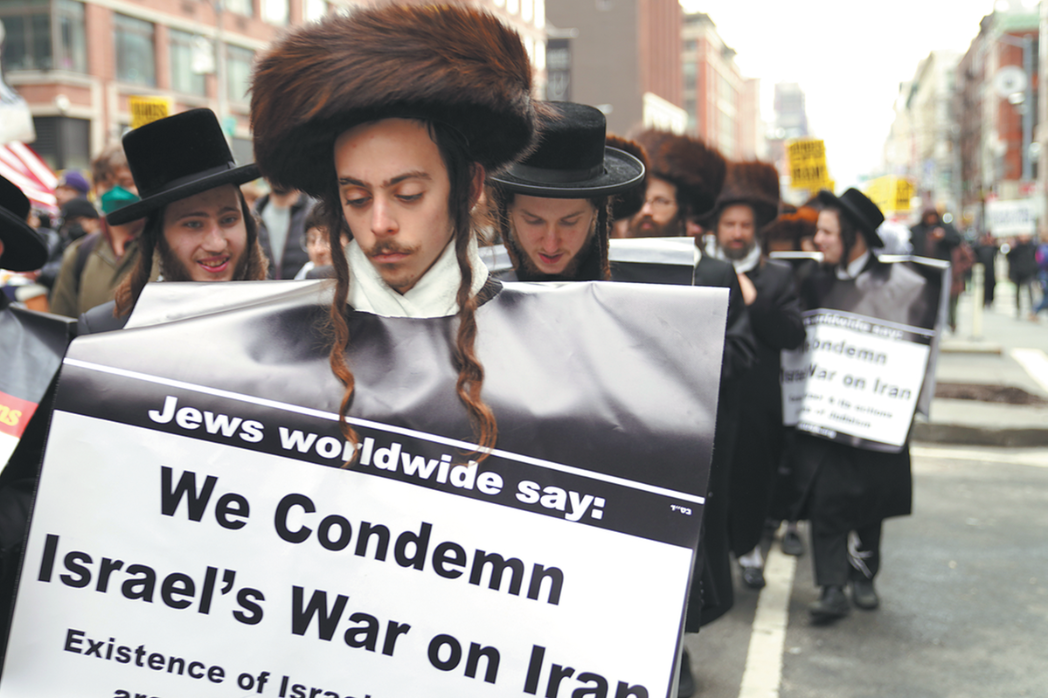
    The Middle Eastern geopolitical landscape witnessed significant escalation over the weekend as military operations intensified despite diplomatic overtures. United States and Israeli forces executed coordinated strikes against Iranian targets, including a devastating attack on the Shahran oil depot near Tehran that triggered substantial fires and prompted immediate fuel rationing measures across the capital region.

    Iranian state media confirmed subsequent restrictions on civilian fuel purchases, reducing personal allocations from 30 to 20 liters amid supply disruptions. The Israeli military publicly claimed responsibility for targeting energy infrastructure allegedly connected to Iran’s armed forces.

    Simultaneously, Iran prepared for a historic leadership transition with the Assembly of Experts finalizing selection of a new Supreme Leader. Ahmad Alamolhoda, an assembly member, confirmed through Mehr News Agency that the decisive vote had occurred, though the identity of the successor remained undisclosed pending formal announcement.

    The conflict expanded beyond Iranian borders with Tehran reporting counterstrikes against US assets across the region. Iran’s Khatam al-Anbiya Central Headquarters asserted significant casualties among US Fifth Fleet personnel, claiming 21 fatalities with additional injuries. Reports also indicated approximately 200 casualties at Al Dhafra Air Base near Abu Dhabi and attacks on US commercial vessels in the Persian Gulf.

    In a notable diplomatic development, Iranian President Masoud Pezeshkian issued a video apology to Gulf nations affected by Tehran’s military operations, clarifying that strikes specifically targeted US facilities rather than regional neighbors. However, the president simultaneously reaffirmed Iran’s sovereign right to self-defense against what he termed “military aggression by the United States and the Zionist regime” in a subsequent social media statement.

    The regional tension manifested beyond the Persian Gulf as northern Israel intercepted three drones launched from Lebanese territory, though no casualties resulted from these incidents according to Israeli media reports.

  • Glasgow building fire closes Scotland’s busiest train station and disrupts rail services

    Glasgow building fire closes Scotland’s busiest train station and disrupts rail services

    A catastrophic fire has paralyzed Scotland’s railway infrastructure after flames ravaged a historic building adjacent to Glasgow Central Station, the nation’s busiest transport hub. The inferno, which ignited Sunday within a vape shop on Union Street, consumed the four-story structure throughout the night, resulting in partial collapse of the 1851-era edifice.

    National Rail authorities confirmed the complete closure of Glasgow Central Station, warning of severe disruptions to all inbound, outbound, and transit services with no projected reopening timeline. Dramatic overnight footage captured the building’s dome-like roofing structure completely engulfed in flames before ultimately collapsing under the fire’s intensity.

    Despite the scale of destruction, Scottish Fire and Rescue Service officials reported no casualties in the incident. Emergency crews continued containment operations Monday as the blaze’s impact reverberated across Scotland’s transportation network, affecting countless commuters and regional travel connections. The incident represents one of the most significant urban fires in recent Glasgow history, both for its infrastructural impact and the loss of historic architecture.

  • Alleged Bondi gunman seeks order to suppress family’s identity

    Alleged Bondi gunman seeks order to suppress family’s identity

    Naveed Akram, the primary suspect in December’s Bondi Beach shooting massacre, has formally requested a judicial order prohibiting media outlets from disclosing identifying information about his immediate family members. The 24-year-old defendant, who faces 59 criminal charges including 15 counts of murder, did not personally attend Monday’s hearing at Sydney’s Downing Centre Local Court.

    Through legal representation, Akram petitioned for comprehensive non-publication protections covering the names, residential addresses, workplaces, and educational institutions of his mother, brother, and sister. Magistrate Greg Grogin issued a provisional suppression order while acknowledging the complicated circumstances, particularly noting that the mother’s identity had already entered widespread public circulation through previous media coverage.

    The judicial officer raised pragmatic concerns during proceedings, questioning whether protective measures remained functionally viable given existing publicity. News Corp Australia, representing multiple major media entities including Sky News Australia, indicated potential legal challenges to the suppression order. The matter is scheduled for further review next week.

    Background context reveals Akram’s mother previously granted media interviews defending her son shortly after the tragic incident. His father, Sajid Akram, died during a confrontation with police responders at the attack scene. The surviving suspect, who sustained critical injuries during the event, has not yet entered a formal plea despite a previous court appearance where he verbally acknowledged understanding procedural matters.

    Authorities have characterized the December 14th attack on a Jewish festival as Australia’s most devastating mass shooting event since the 1996 Port Arthur tragedy. Prosecutors maintain that Akram and his accomplice operated independently without organizational support, though allegedly inspired by Islamic State ideologies.

  • Highlights of foreign minister’s news conference

    Highlights of foreign minister’s news conference

    Foreign Minister Wang Yi articulated China’s strategic foreign policy positions during a press conference held alongside the National People’s Congress session in Beijing on Sunday. The comprehensive briefing covered critical international relationships and global governance challenges.

    Regarding China-Russia relations, Minister Wang characterized the partnership as “rock solid against all odds,” emphasizing strategic independence, profound political mutual trust, and close coordination between the two nations. He described the relationship as possessing strong strategic resilience that enables it to withstand external pressure and instigation.

    On Middle Eastern affairs, the Foreign Minister cautioned that “might does not make right,” asserting that military force provides no sustainable solutions to regional conflicts. He emphasized that Middle Eastern people should determine their own affairs independently, without external interference through color revolutions or regime change attempts.

    Minister Wang presented China’s Global Governance Initiative as essential to strengthening the United Nations system, warning that creating parallel structures or exclusive blocs outside the UN framework proves unpopular and unsustainable. He called for broader international participation in revitalizing the UN to enhance its effectiveness.

    Addressing neighborhood diplomacy, Wang Yi highlighted China’s traditional cultural emphasis on good neighborliness and mutual assistance. He positioned China as an anchor for regional security, an engine for development prosperity, and a champion of shared Asian values.

    The Foreign Minister identified the Global South as an emerging positive force in international relations, stressing that multilateralism remains vital for these nations. He affirmed China’s fundamental alignment with Global South interests, noting that international rules should be formulated through inclusive participation.

    Regarding European relations, Wang challenged protectionist approaches, stating that “interdependence is not a risk” and “intertwined interests are not threats.” He welcomed European engagement with China’s market opportunities rather than building isolationist barriers.

    On the Palestinian question, the Minister reaffirmed China’s support for the two-state solution as the only equitable and widely recognized resolution. He emphasized the Palestinian people’s legitimate right to peace and development free from turmoil and conflict.

    The press conference also covered China’s relationships with Latin America, Africa, Japan, India, and addressed specific regional issues including the South China Sea and Taiwan. Minister Wang consistently emphasized principles of non-interference, mutual benefit, and peaceful resolution of disputes throughout his responses.