博客

  • Big Tech backs Anthropic in fight against Trump administration

    Big Tech backs Anthropic in fight against Trump administration

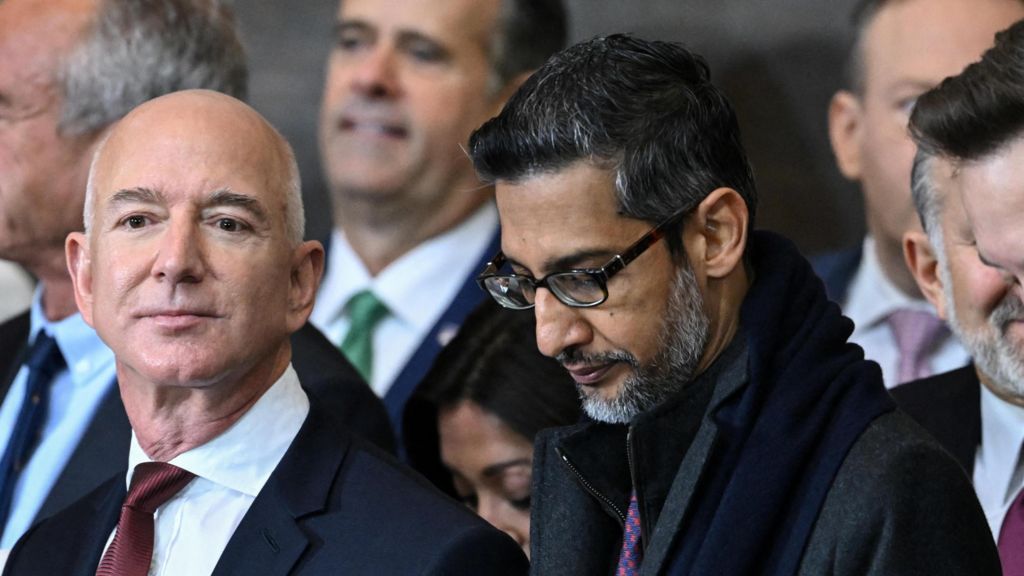
    In an unprecedented show of solidarity, America’s technology behemoths including Google, Amazon, Apple, and Microsoft have thrown their collective weight behind artificial intelligence firm Anthropic in its high-stakes legal battle against the Trump administration. The controversy centers on Defense Secretary Pete Hegseth’s extraordinary designation of Anthropic as a “supply chain risk”—a move tech giants warn could establish dangerous precedents for governmental overreach and retaliation against private enterprises.

    The legal confrontation erupted after Anthropic refused to comply with administration demands to remove contractual provisions prohibiting the use of its AI technology in domestic mass surveillance programs and autonomous weapons systems. This principled stand triggered what Microsoft described in court filings as potentially “broad negative ramifications for the entire technology sector,” with the software giant emphasizing its agreement that AI tools “should not be used to conduct domestic mass surveillance or put the country in a position where autonomous machines could independently start a war.”

    A coalition of influential organizations including the Chamber of Progress—a tech advocacy group representing Google, Apple, Amazon, Nvidia and other major players—filed a joint amicus brief expressing grave concerns about the administration’s punitive actions. The brief characterized the Defense Department’s labeling of Anthropic as “a potentially ruinous sanction” that effectively constitutes little more than a “temper tantrum” by government officials.

    The legal documents reveal startling allegations that the Defense Department actively contacted Anthropic’s customers, urging them to sever business relationships with the AI company. During Tuesday’s court hearing in San Francisco, Department of Justice representatives declined to deny these actions or commit to ceasing further retaliation.

    The conflict reached its boiling point in February when Anthropic CEO Dario Amodei publicly refused to eliminate ethical guardrails from government contracts, prompting President Trump to announce on his Truth Social platform that Anthropic’s Claude AI—in use by government agencies since 2024—would be completely removed from federal operations. Secretary Hegseth subsequently issued the unprecedented “supply chain risk” designation, marking the first time an American company has received such a label.

    Notably absent from the coalition supporting Anthropic is Meta, which departed the Chamber of Progress in 2025 after years of membership. This divergence highlights the complex political landscape where tech executives have largely supported and donated to Trump since his return to office, yet found the administration’s actions against Anthropic sufficiently alarming to warrant unified opposition.

    The case has attracted support from nearly 40 OpenAI and Google employees, along with two dozen former high-ranking military officials who warned the government’s actions “send the message that investing in national security carries the risk of capricious retaliation or disproportionate punishment for voicing disagreement.”

    Legal experts anticipate this landmark case may establish critical precedents regarding corporate free speech rights, ethical boundaries in government contracting, and the appropriate limits of executive power in regulating emerging technologies. As expressed by Foundation for Individual Rights and Expression counsel John Coleman: “A free society requires no less” than companies staying true to their principles against federal pressure.

  • Shadow tankers: the only ships still moving through Hormuz Strait

    Shadow tankers: the only ships still moving through Hormuz Strait

    The strategic Strait of Hormuz has become a maritime ghost town since February 28, 2026, when escalating tensions between the United States, Israel and Iran triggered a catastrophic 90% collapse in oil tanker traffic through the world’s most vital energy corridor. Iran’s explicit threats to destroy any vessels transiting the narrow passage have created an effective blockade, stranding over 400 tankers in the Persian Gulf as insurance providers hesitate to cover warzone risks and crews exercise their right to refuse dangerous passages.

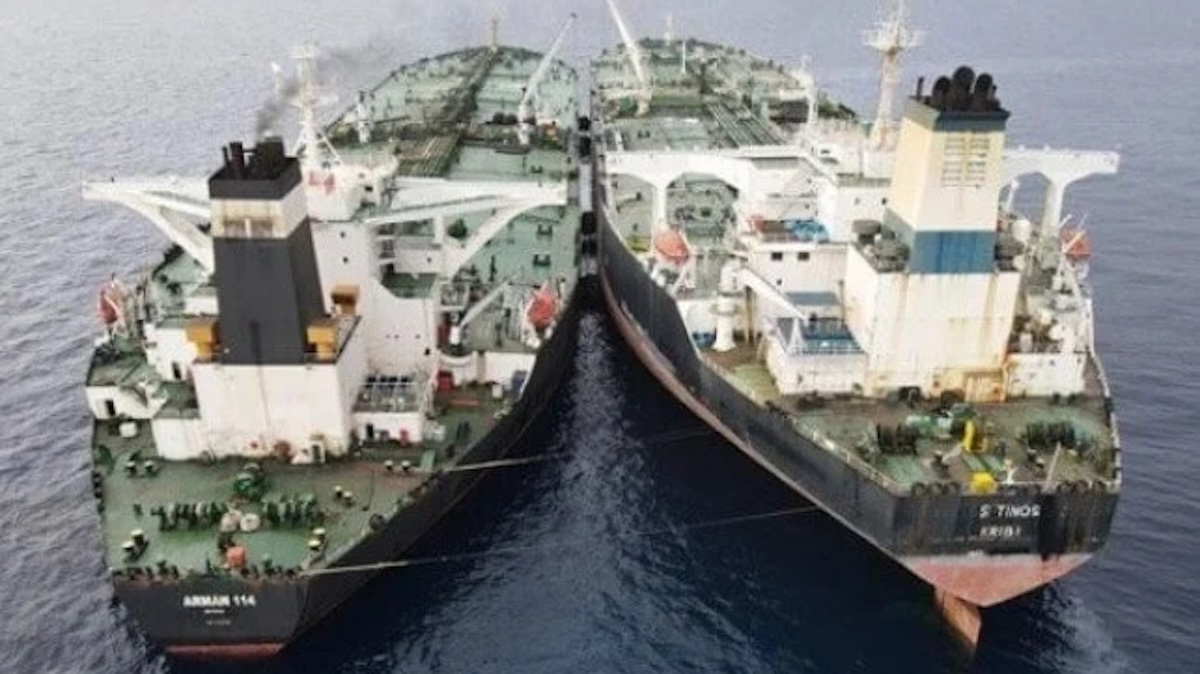
    Amid this standstill, a parallel shipping ecosystem continues operating outside international norms. Dubbed the ‘shadow fleet,’ these vessels specialize in circumventing sanctions, ignoring environmental regulations, and operating with obscured ownership structures. Their continued movement through the crisis zone reveals fundamental weaknesses in global maritime governance, where tracking systems remain voluntary and flag registrations operate as commercial transactions rather than meaningful regulatory frameworks.

    The maritime insurance system, traditionally the enforcement backbone of shipping compliance, has proven inadequate against determined circumvention. While mainstream insurers based in London have frozen coverage for legitimate operators, approximately 1,100 shadow vessels continue moving restricted commodities using opaque insurance arrangements. Maritime intelligence indicates this parallel fleet represents 17-18% of all liquid cargo tankers worldwide.

    This crisis exposes how voluntary participation underpins global shipping. Without physical mechanisms to prevent transponder manipulation or fraudulent registrations, vessels can effectively become stateless entities. The current situation demonstrates how sanctions compliance becomes ‘ruinously expensive’ for some nations, prompting the development of alternative systems that now dominate movement through the critical strait.

    The persistence of shadow operations during this geopolitical crisis sends a stark message about maritime governance: systems built on voluntary participation can be voluntarily abandoned when economic or political incentives outweigh the costs of compliance.

  • Pasquantino has WBC’s first 3-homer game to lead Italy over Mexico, advancing US to quarterfinals

    Pasquantino has WBC’s first 3-homer game to lead Italy over Mexico, advancing US to quarterfinals

    In a spectacular display of power hitting, Vinnie Pasquantino delivered the first three-home-run game in World Baseball Classic history, catapulting Italy to a decisive 9-1 victory over Mexico on Wednesday night. This monumental performance secured Italy’s Pool B championship while simultaneously advancing the United States to the quarterfinals as the group’s runner-up.

    The Italian victory resolved a day of uncertainty for Team USA, which found itself relying on other results after suffering an 8-6 defeat to Italy just 24 hours earlier. Pasquantino, who began the tournament mired in an 0-for-12 slump, dramatically reversed his fortunes with solo shots in the second, sixth, and eighth innings. His historic achievement was complemented by Jon Berti’s earlier home run, establishing an early commanding lead for the Italian squad.

    Italy’s flawless 4-0 record in pool play represents an unprecedented achievement for European teams in the tournament’s history. The team’s distinctive celebration ritual—espresso shots from the dugout machine following each home run—added cultural flair to their dominant performance.

    The victory carries significant implications for the tournament bracket. Italy will face Puerto Rico in Saturday’s quarterfinal matchup in Houston, while the United States prepares to confront Canada, which secured its historic first advancement past the preliminary round with a 7-2 victory over Cuba. Mexico’s elimination carries additional consequences, as the loss disqualifies them from automatic qualification for the 2028 Los Angeles Olympics—a particular disappointment for a team that finished third in the 2023 WBC.

    In other tournament action, the Dominican Republic completed an undefeated run through Pool D with a 7-5 victory over Venezuela. The game featured offensive fireworks from the Dominican Republic’s star-studded lineup, with Fernando Tatis Jr., Ketel Marte, Juan Soto, and Vladimir Guerrero Jr. all contributing home runs in the victory.

  • Senegal parliament doubles penalty for same-sex relations

    Senegal parliament doubles penalty for same-sex relations

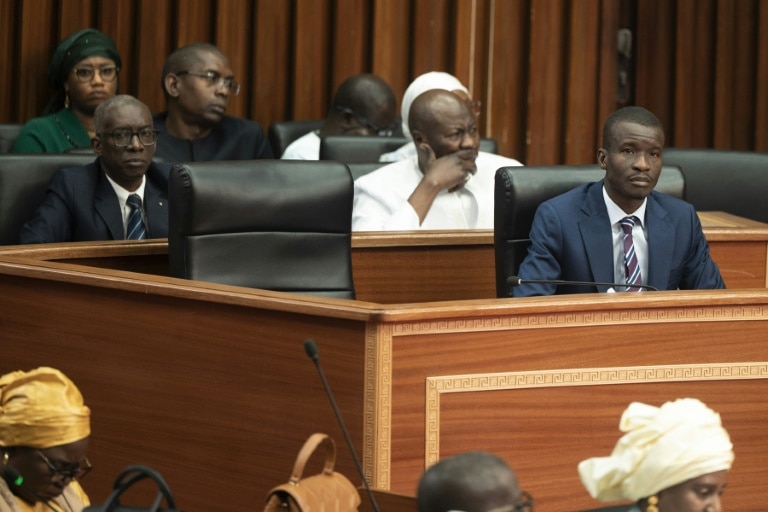
    Senegal’s National Assembly has overwhelmingly approved a sweeping legislative amendment that significantly intensifies penalties for same-sex relations, marking a substantial escalation in the nation’s crackdown on LGBTQ individuals. The newly passed bill, which received presidential endorsement consideration from President Bassirou Diomaye Faye, increases imprisonment terms from the previous maximum of five years to a stringent ten-year sentence for consensual same-sex activities.

    The legislative overhaul extends beyond mere incarceration enhancements, introducing comprehensive provisions that criminalize advocacy, promotion, or financial support for same-sex relationships with prison terms ranging from three to seven years. Notably, the legislation incorporates measures against unsubstantiated accusations of same-sex activities while simultaneously empowering authorities to conduct phone searches as evidence-gathering mechanisms.

    Parliamentary proceedings revealed strong support for the measures, with the bill passing by 135 votes in favor, zero opposition, and three abstentions. During heated debates, lawmaker Diaraye Ba declared that ‘homosexuals will no longer breathe in this country,’ receiving applause from colleagues. The legislation also imposes substantial financial penalties, elevating fines from 100,000-1.5 million CFA francs to 2-10 million CFA francs (approximately $3,500-$17,600).

    This legal development occurs against a backdrop of intensified enforcement actions, with media reports indicating dozens of arrests since February 2024, including high-profile detentions of local celebrities. The political climate has been charged with homophobic rhetoric, as Prime Minister Ousmane Sonko—who previously promised to criminalize same-sex relations—personally presented the bill despite maintaining the offense’s misdemeanor classification rather than elevating it to felony status.

    Social media platforms have amplified anti-LGBTQ sentiments, featuring campaigns that equate same-sex relations with separate child abuse cases and propagate messages labeling LGBTQ individuals as ‘walking dangers.’ Religious organizations in the predominantly Muslim nation have actively supported the crackdown, framing LGBTQ rights as foreign impositions contrary to Senegalese values.

    Senegal’s position reflects broader continental trends, with approximately 32 African nations maintaining anti-homosexuality laws, including extreme provisions in Uganda, Mauritania, and Somalia where same-sex relations carry capital punishment. The legislation represents one of West Africa’s most comprehensive anti-LGBTQ legal frameworks, signaling deepening societal divisions and institutionalized discrimination against sexual minorities.

  • Real Madrid run riot as Valverde treble stuns Man City

    Real Madrid run riot as Valverde treble stuns Man City

    In a breathtaking display of football mastery, Real Madrid delivered a tactical masterclass against Manchester City, securing a commanding 3-0 victory in their Champions League round of 16 first leg encounter. The Santiago Bernabeu witnessed Uruguayan midfielder Federico Valverde achieve a spectacular first-half hat-trick within a devastating 22-minute spell, completely dismantling Pep Guardiola’s favored squad.

    Despite missing several key players including Kylian Mbappe, Jude Bellingham, and Rodrygo Goes due to injuries, manager Alvaro Arbeloa’s strategic lineup decisions proved inspired. The inclusion of 18-year-old midfielder Thiago Pitarch, following his recent promising performances, added fresh energy to Madrid’s midfield composition.

    Manchester City, the 2023 Champions League titleholders, entered the match with an aggressive formation designed to exploit Madrid’s perceived defensive vulnerabilities this season. Guardiola’s selection of only two central midfielders and the Champions League debuts of Antoine Semenyo and Marc Guehi initially suggested City’s confidence in their attacking approach.

    Valverde broke the deadlock against the run of play in the 20th minute when goalkeeper Thibaut Courtois launched a precise long ball that bypassed City’s defense. The Uruguayan international demonstrated exceptional composure by rounding goalkeeper Gianluigi Donnarumma before slotting home. Just seven minutes later, Valverde doubled Madrid’s advantage with a clinical finish after combining effectively with Vinicius Junior.

    The hat-trick was completed in spectacular fashion before halftime as Valverde elegantly flicked Brahim Diaz’s delivery over Guehi before volleying powerfully into the net, sending the Bernabeu into raptures.

    Madrid’s defensive unit, marshaled by Antonio Rudiger and Dean Huijsen, effectively neutralized Erling Haaland throughout the match, with City’s top scorer eventually being substituted despite his team needing goals. Courtois preserved the clean sheet with a spectacular reaction save against Nico O’Reilly late in the match, while Donnarumma redeemed himself by saving Vinicius Junior’s second-half penalty.

    Valverde, reflecting on his extraordinary performance, stated: ‘These are the nights you dream about as a footballer. The team’s collective effort and unity have shown we can achieve remarkable things when we work together toward the same objective.’

  • Lawmakers call for action on ‘invisible overtime’

    Lawmakers call for action on ‘invisible overtime’

    Chinese policymakers are spearheading a critical movement against the pervasive culture of ‘invisible overtime’ during the ongoing Two Sessions, highlighting how digital connectivity has eroded traditional boundaries between professional and personal time. This modern workplace phenomenon sees employees consistently engaged in work-related communications through digital platforms beyond their official working hours without compensation or recognition.

    National Committee member of the Chinese People’s Political Consultative Conference Lyu Guoquan, previously with the All-China Federation of Trade Unions, identified a significant legislative gap. Current labor regulations define working hours strictly through physical presence metrics, failing to account for remote digital engagements that constitute substantial unpaid labor. This legal oversight leaves millions of workers without protection or compensation for after-hours digital work.

    NPC deputy Zhao Mingzhi from Liaoning province emphasized how highly digitalized corporations have institutionalized constant availability expectations. Flexible work arrangements, while beneficial in theory, have created an ‘always-on’ culture where employees face pressure to respond to work communications regardless of the hour, effectively extending working hours far beyond legal limits without documentation or remuneration.

    The issue has gained substantial public traction, with a China Youth Daily survey revealing that over 50% of respondents prioritize working hour regulations and the ‘right to disconnect’ among their key concerns for the Two Sessions. This emerging concept would guarantee workers’ legal protection against penalties for refusing non-urgent digital communications outside contracted working hours.

    Lyu proposed comprehensive legal amendments to explicitly define work-rest boundaries and establish the right to disconnect as a fundamental worker protection. Additionally, he recommended reforming labor arbitration procedures to simplify evidence collection processes, shifting the primary burden of proof to employers once workers provide preliminary evidence of after-hours work demands.

    NPC deputy Lei Maoduan from Shanxi connected excessive overtime to broader societal challenges, noting its impact on family planning decisions among younger generations and overall social sustainability. Lei highlighted how internet companies have normalized extreme work models like ‘996’ (9am-9pm, 6 days weekly) and ‘big/small week’ rotations, often tying extended hours directly to performance evaluations and career advancement.

    The proposed solutions include promoting results-oriented workplace cultures rather than time-based metrics, establishing clear after-hours communication guidelines, and implementing persistent legal regulations combined with strict supervision and industry self-discipline. Legislators emphasize that addressing invisible overtime is essential not only for worker dignity and family wellbeing but also for maintaining China’s long-term economic competitiveness in the global market.

  • ‘Folded my teeth back’: The gruesome moments that defined Craig Fitzgibbon’s heroics as a player and coach

    ‘Folded my teeth back’: The gruesome moments that defined Craig Fitzgibbon’s heroics as a player and coach

    The pantheon of rugby league’s most formidable figures has a new entry, with former representative star and current coach Craig Fitzgibbon being hailed for one of the sport’s most extraordinary displays of fortitude. While the annals of the game are filled with tales of players enduring immense pain—from John Sattler’s broken jaw in the 1970 grand final to Sam Burgess playing nearly an entire championship decider with a fractured cheekbone—Fitzgibbon’s 2000 heroics stand apart for their sheer audacity.

    During a Round 9 clash against Newcastle, then in his debut season with the Roosters, Fitzgibbon sustained a devastating blow from Knights veteran Tony Butterfield just 90 seconds into the second half. The impact shattered his jaw, yet he refused medi-cab assistance, requiring two trainers to help him leave the field. Miraculously, he returned in the final moments as his team rallied to tie the game at 18-all. With seconds remaining, Fitzgibbon—despite his severe injury—stepped up to slot a difficult conversion from the left, securing an against-all-odds victory.

    In a recent revelation, Fitzgibbon recalled the gruesome aftermath: “My teeth got flattened back onto my tongue because I cracked my jaw along the chin line which folded my teeth back.” Team doctors had to physically reposition his teeth in the sheds, all without the benefit of modern head injury protocols. Defying medical expectations, he even played the following week.

    This legendary toughness continues to define Fitzgibbon’s coaching career at the Cronulla-Sutherland Sharks. Current co-captain Cameron McInnes, himself no stranger to playing through injury, attested to his coach’s undiminished vigor. “He got his black belt in jujitsu recently with him having a bad knee,” McInnes revealed. “He’s a dangerous man. During wrestling sessions, he comes in and can put us to sleep whenever he wants.” Fitzgibbon’s legacy thus endures—not merely as a historical footnote, but as a living standard of resilience in one of the world’s most physically demanding sports.

  • ‘If I don’t work, I go hungry’: The migrant workers risking their lives to keep the Gulf running

    ‘If I don’t work, I go hungry’: The migrant workers risking their lives to keep the Gulf running

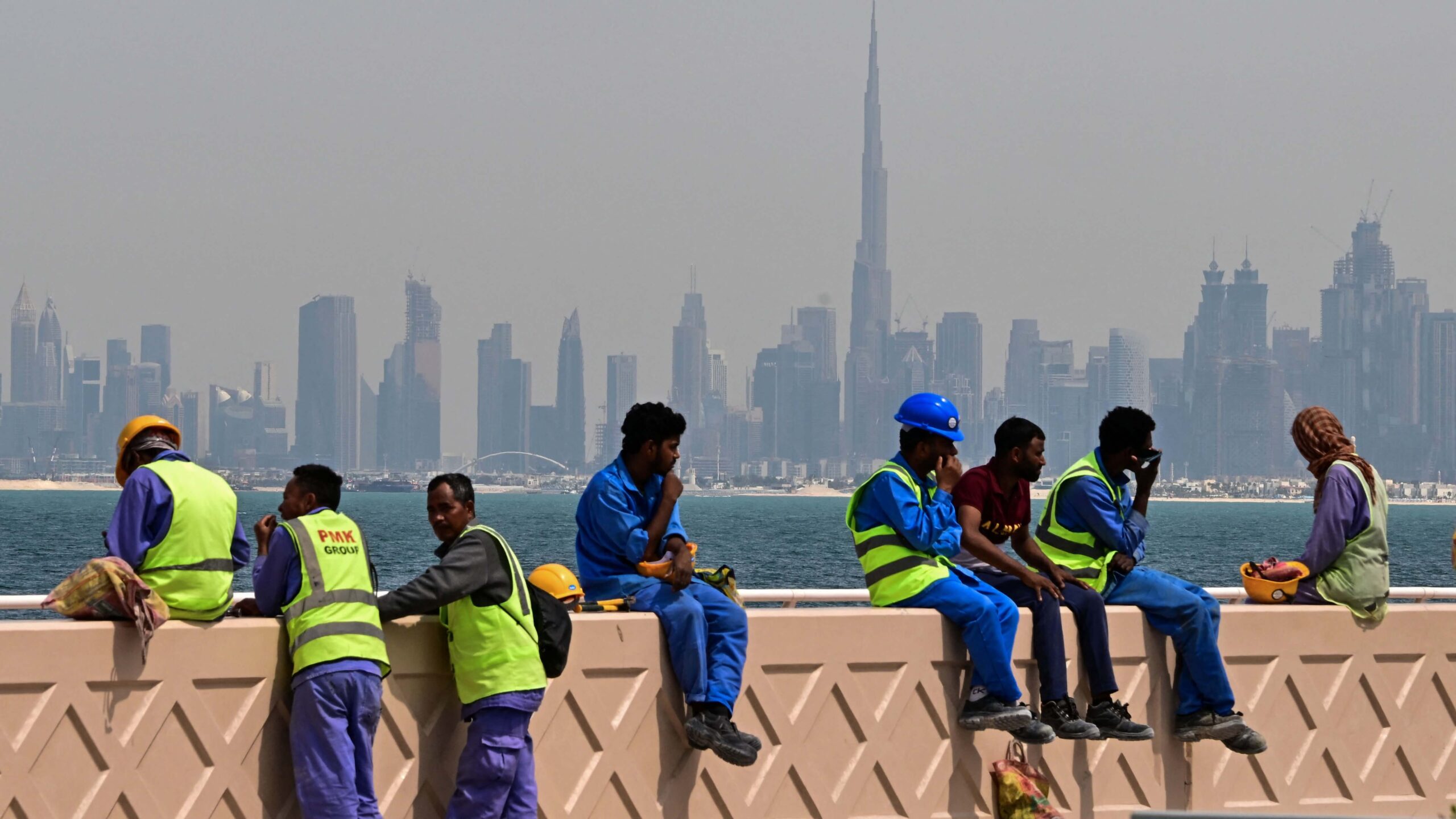
    As Iranian missiles strike the Gulf region, the area’s vast migrant workforce continues laboring under dangerous conditions with minimal protection. Delivery riders, cleaners, construction workers, and security personnel—primarily from Bangladesh, Nepal, Pakistan, and other developing nations—find themselves on the frontlines of a conflict they didn’t create.

    Despite escalating violence that has killed at least 12 civilians across Gulf states (all migrant workers from South Asia), these essential workers report receiving no safety guidance, shelter information, or evacuation support. According to Equidem, a human rights organization with investigators across the region, migrant workers experience universal trauma and panic while being systematically excluded from official safety measures.

    Executive Director Mustafa Qadri identifies two forms of discrimination: exclusion from safety communications and structural discrimination that forces workers to continue working during attacks. ‘There is a conscious choice made to get workers from relatively poor countries,’ Qadri explains, ‘because they’re less likely to complain or demand protection.’

    Delivery riders working for major platforms in the UAE describe continuing to work through attacks with no instruction or choice. ‘I came here to earn money, and working in any situation has become a necessity,’ one Pakistani driver told Middle East Eye. ‘If I do not work, I may go hungry.’

    Paradoxically, these workers face increased demand for their services as wealthier residents shelter indoors, relying on delivery apps for basic necessities. Some riders report better tips but describe relentless workloads and empty roads as they move toward danger while others flee.

    The crisis highlights historical failures by sending countries—including Nepal, Kenya, India, Bangladesh, and Ethiopia—to provide meaningful consular support. Meanwhile, workers on US and Western military bases face particular vulnerability, as standard procedures typically evacuate Western civilians while essential services continue to be run by migrant workers who remain behind.

    Migrant workers have also become primary witnesses to the attacks, with much visual documentation circulating online captured on their phones. This has led to arrests, with Bahrain detaining five Pakistani and one Bangladeshi worker for allegedly praising Iranian strikes while filming aftermath footage.

    The emotional toll remains largely unaddressed. As one shopkeeper in Qatar noted, ‘Mental health is passive. It’s about being prepared and navigating this if it prolongs. Spending 15 minutes of our day worrying about falling shrapnel is something people have made peace with.’

  • New US ambassador to South Africa summoned over ‘undiplomatic remarks’

    New US ambassador to South Africa summoned over ‘undiplomatic remarks’

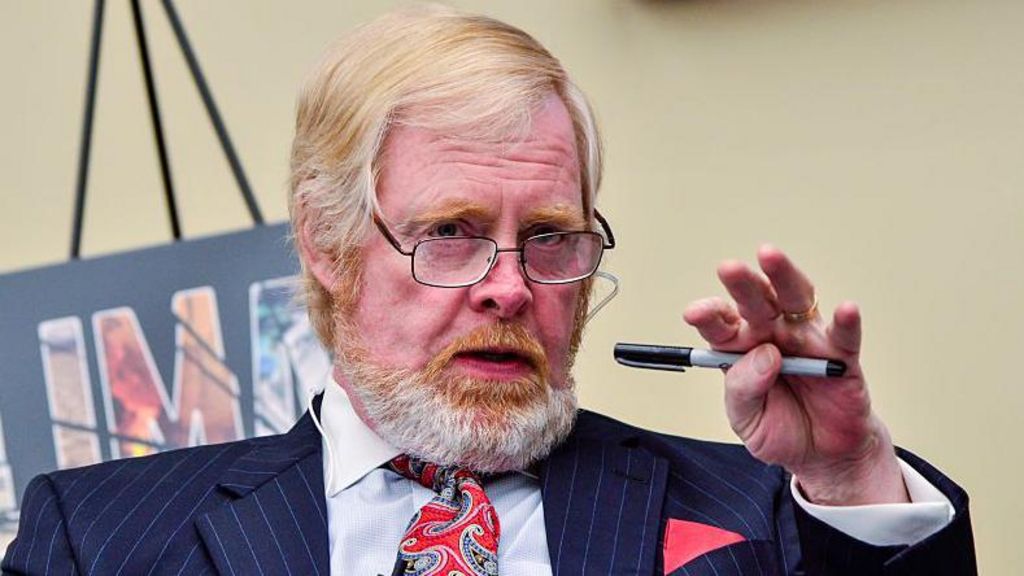
    South Africa has formally summoned US Ambassador Leo Brent Bozell III following controversial remarks he made about the anti-apartheid chant ‘Kill The Boer,’ creating a significant diplomatic rift between the two nations. The newly appointed ambassador, who assumed his position last month, sparked outrage by challenging a South African Constitutional Court ruling that had previously determined the chant does not constitute hate speech.

    The diplomatic confrontation unfolded after Bozell addressed a business gathering in Hermanus on Tuesday, where he presented five areas requiring improvement in South Africa. His comments regarding the judicial system’s handling of the contentious chant were particularly inflammatory, with the ambassador stating he ‘did not care what the courts said’—a remark perceived as disrespecting the country’s legal institutions.

    South Africa’s Department of International Relations and Cooperation issued a formal demarche, expressing the government’s severe disapproval of Bozell’s ‘undiplomatic’ statements. Foreign Minister Ronald Lamola emphasized the reciprocal nature of US-South Africa relations, noting that South African companies maintain substantial investments in the United States.

    Following the diplomatic summons, Bozell issued a clarification and apology on Wednesday. Zane Dangor, Director-General of International Relations, confirmed the ambassador had expressed regret that his comments ‘detracted from any impression that he wanted to work with us constructively.’ Bozell subsequently affirmed that ‘the US government respects the independence of South Africa’s judiciary.’

    This incident occurs against a backdrop of deteriorating relations since President Donald Trump took office. Tensions have escalated over multiple issues including trade policies, diplomatic approaches, and South Africa’s strategic partnerships. Trump has repeatedly criticized President Cyril Ramaphosa’s administration, accusing it of failing to protect white minorities and questioning land reform initiatives.

    Conversely, South Africa has condemned the US decision to prioritize refugee applications from white Afrikaners, maintaining that claims of ‘white genocide’ lack credible evidence. The relationship further strained last year when the US imposed unprecedented tariffs on South African goods, the highest among African nations.

  • Israel to build base in Somaliland to target Houthis, says report

    Israel to build base in Somaliland to target Houthis, says report

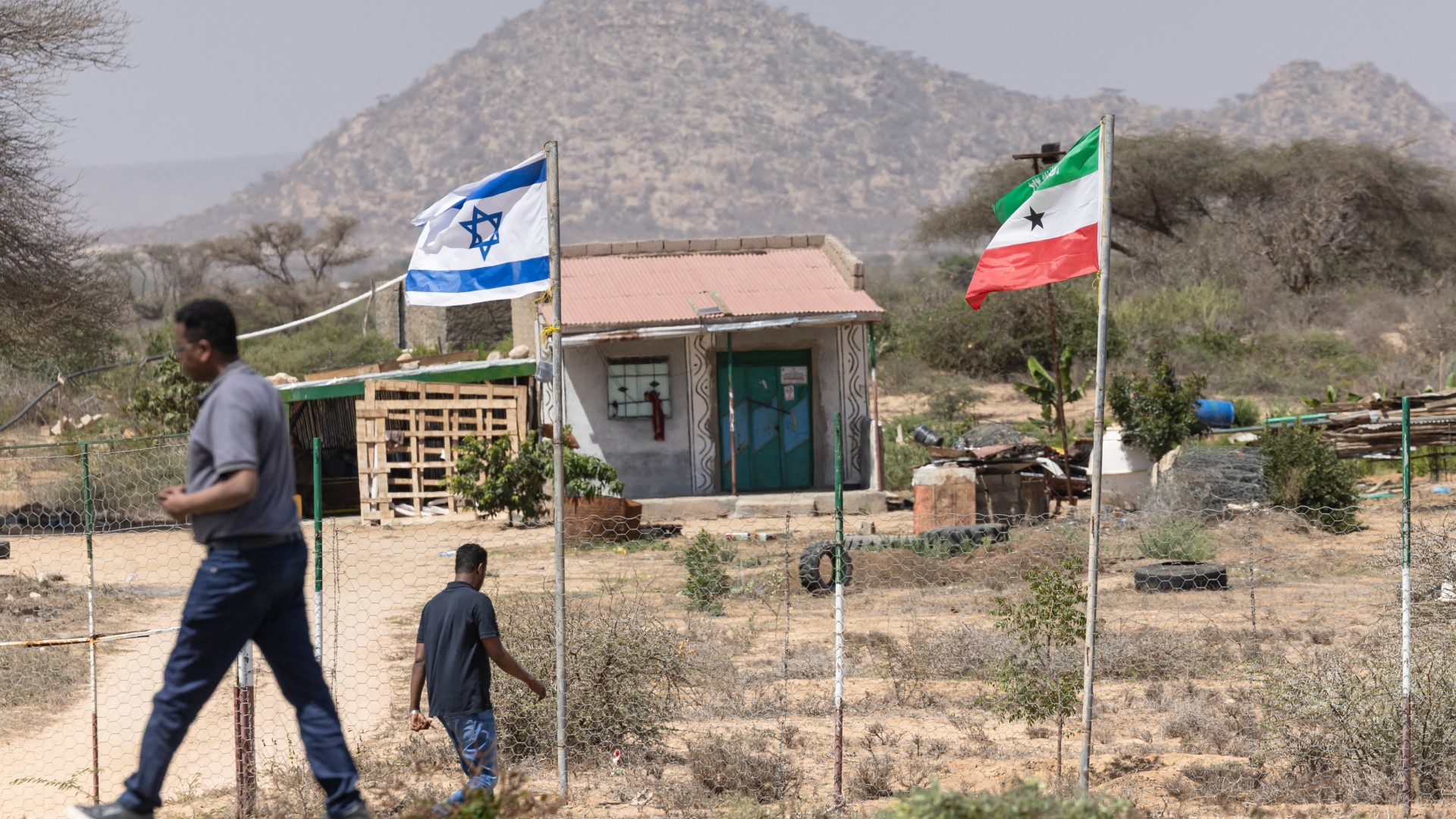
    Israel is actively considering the establishment of a strategic military installation in Somaliland to enhance its operational capabilities against Yemen’s Houthi forces, according to a Bloomberg investigation. This development follows Israel’s groundbreaking diplomatic recognition of Somaliland as a sovereign state in December—making it the first nation to extend such acknowledgment.

    Anonymous Somaliland officials revealed that the proposed facility would serve dual purposes: intelligence gathering and direct military operations targeting Houthi positions. The strategic location, approximately 260 kilometers from Yemen across the Gulf of Aden, offers geographical advantages for regional security operations.

    Preparatory activities have already commenced, with Israeli security delegations conducting coastal surveys along Somaliland’s shoreline in June to identify suitable locations. Concurrently, Israel has secured blast-resistant facilities in Hargeisa’s hotels while scouting for permanent diplomatic premises.

    Somaliland’s Minister of the Presidency, Khadar Hussein Abdi, confirmed the evolving security partnership, stating: “We will have a strategic relationship that encompasses many dimensions. While military base discussions remain preliminary, comprehensive analysis will undoubtedly occur.”

    The timing of this initiative coincides with heightened regional tensions. The Houthi movement, aligned with Iran, has previously launched missile and drone attacks against international shipping routes and Israeli territory in solidarity with Palestinians during the Gaza conflict. Israeli military officials have established specialized intelligence units dedicated to monitoring the Houthis, whom they consider among Israel’s most significant security threats.

    This strategic partnership also intersects with complex regional dynamics. The United Arab Emirates maintains substantial infrastructure in Somaliland, including a military airstrip and port operations managed by DP World. Somalia’s federal government has previously severed ties with the UAE over these developments, while both Somaliland and Puntland administrations rejected Mogadishu’s objections.

    The geopolitical implications extend beyond immediate security concerns, potentially reshaping diplomatic recognition patterns and regional alliance structures in the Horn of Africa and Arabian Peninsula.