博客

  • US names six crew killed in refuelling plane crash in Iraq

    US names six crew killed in refuelling plane crash in Iraq

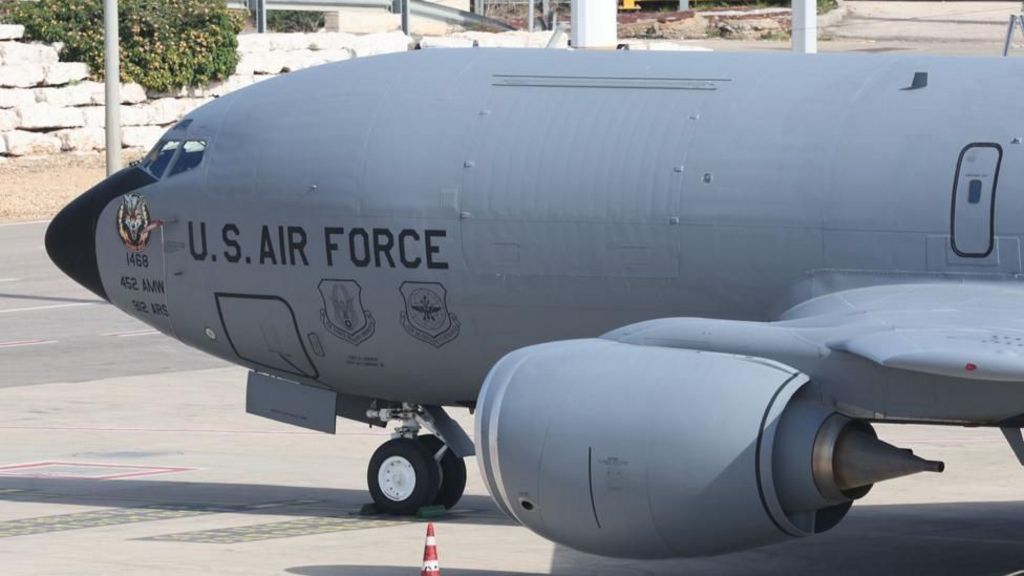
    The United States Department of Defense has officially released the identities of all six service members who perished in the tragic crash of a Boeing KC-135 Stratotanker aerial refueling aircraft in western Iraq. The fallen crew, hailed as “American heroes” by Defense Secretary Pete Hegseth, are: Air Force personnel John Klinner, 33 (Alabama); Ariana Savino, 31 (Washington); Ashley Pruitt, 34 (Kentucky); and National Guard members Seth Koval, 38 (Indiana); Curtis Angst, 30 (Ohio); and Tyler Simmons, 28 (Ohio).

    The incident occurred on Thursday during a combat mission supporting ongoing U.S. operations against Iran. The aircraft was one of a pair involved in the event; the second tanker landed safely. Preliminary U.S. military assessments have ruled out hostile fire or friendly fire as immediate causes for the loss. However, U.S. officials speaking to CBS News indicated that investigators are exploring the possibility of a mid-air collision. The crash site was reported near Turaibil, close to the Iraqi-Jordanian border—a region known for operations by Iran-aligned militias.

    Contradicting the U.S. assessment, Iranian state television broadcast a claim that an allied militia group successfully targeted the aircraft with a missile. U.S. Central Command (Centcom) described the crash as occurring over “friendly airspace.”

    This tragedy marks a significant escalation in the official U.S. military death toll, which now stands at 13 since the outbreak of the U.S.-Israel war with Iran a fortnight ago. The conflict began with combined U.S. and Israeli strikes on Iran on February 28th. In addition to the six lives lost in Iraq, six more service members were killed in Kuwait and another in Saudi Arabia. The U.S. military has now lost at least four aircraft in the conflict, including three F-15 fighter jets downed in a suspected friendly-fire incident over Kuwait in early March; all crew in that event ejected safely.

    The KC-135 Stratotanker, manufactured by Boeing in the 1950s and 1960s, remains a critical backbone of the U.S. Air Force’s global mobility and refueling capabilities, enabling extended combat missions for fighter aircraft across the globe.

  • Bespoke women’s football stadiums? Why US sides are making the move

    Bespoke women’s football stadiums? Why US sides are making the move

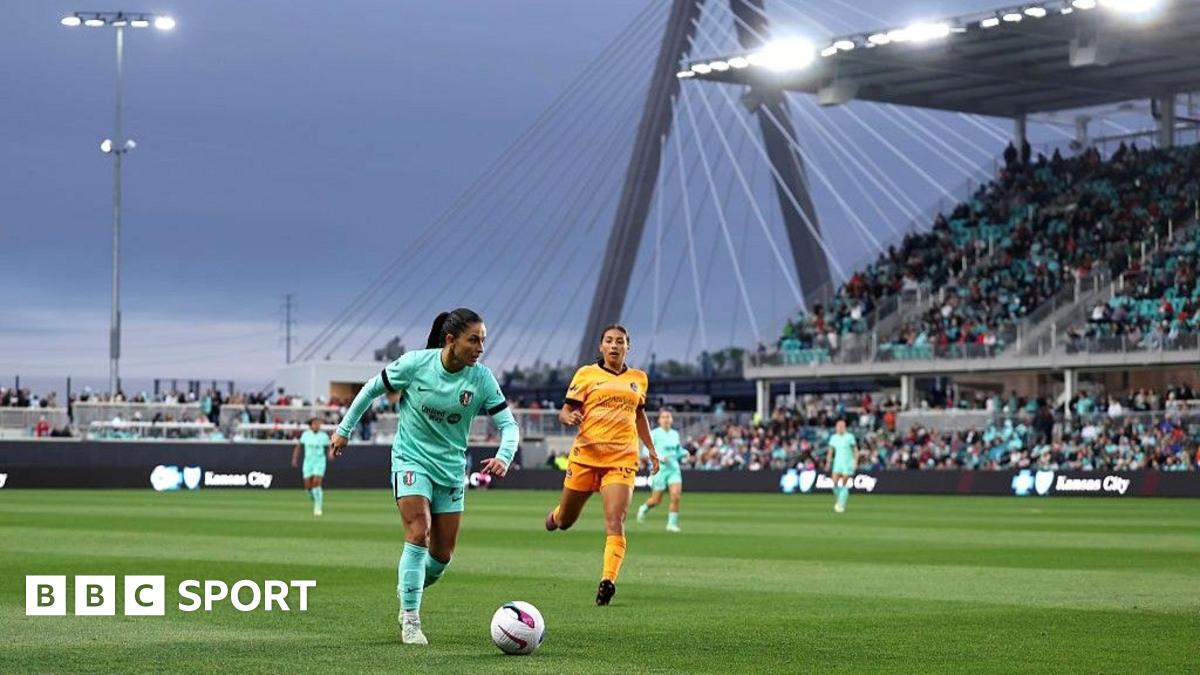
    KANSAS CITY – A groundbreaking transformation is underway in women’s football as the United States leads the charge in stadium infrastructure development. The Kansas City Current, having competed at the revolutionary CPKC Stadium for two seasons, has established the world’s first purpose-built venue exclusively for women’s football. This pioneering facility represents a seismic shift in how women’s sports franchises approach infrastructure and fan engagement.

    Chris Long, co-owner of Kansas City Current, asserts that dedicated stadiums will become essential for competitive advantage within the next decade. “If a women’s football team does not have their own stadium in 10 years’ time, they will be at a disadvantage,” Long states emphatically.

    The movement is gaining momentum with Denver Summit, a new NWSL franchise, constructing their own stadium scheduled for completion by the 2028 season. This trend raises fundamental questions about the future direction of women’s football infrastructure globally, particularly in comparison to traditional models where teams share facilities with men’s franchises or other sports organizations.

    Kansas City’s football heritage runs deep, though the journey hasn’t been straightforward. FC Kansas City, an NWSL founding member in 2012, folded by 2017. The Current emerged in 2021 through investments from local business leaders Angie and Chris Long, alongside Brittany Mahomes. Their ambitious vision materialized with the opening of CPKC Stadium in March 2024, boasting an 11,500 capacity that consistently sells out—a stark contrast to many UK venues where women’s teams often play in partially filled large stadiums.

    Raven Jemison, KC Current president, emphasizes the strategic advantage: “Our job is to create the best home advantage and make sure every seat is filled so our opponents feel it’s going to be very hard to play here.”

    The financial implications are equally significant. Jen Millet, president of Denver Summit, highlights the revenue control aspect: “A big part of a sustainable business model is controlling revenue streams. Women have been tenants and missed out on those things—food, beverage, parking, rentals, retail.”

    Design innovations specifically tailored for women’s sports are emerging as a key differentiator. Denver’s planned 14,500-seat venue, designed by architectural firm Populous, will feature an intentionally open end to blend architecture with green space and community. Sherri Privitera, Senior Principal at Populous, explains the inclusive design philosophy: “We will have flexible seating for people to be communal and areas for children who cannot sit for three hours. We have more toilets than required and sensory rooms for mothers who are nursing.”

    The contrast with England’s Women’s Super League is striking. Eleven of twelve WSL teams remain attached to men’s operations, with only London City Lionesses fully independent. Most play in large, often sparsely filled stadiums or small shared grounds. Brighton had proposals for a purpose-built stadium approved in 2023, but owner Tony Bloom could not “put a time on it” as of late 2025.

    Financial barriers present significant challenges. While NWSL teams like Kansas City reportedly generate approximately $36 million in revenue—comparable to top WSL clubs Arsenal (£21.5m) and Chelsea (£21.3m)—English clubs often rely on parent companies for funding. Long acknowledges the financial hurdles: “It is very expensive—when we started, we approached 40 banks and got 39 noes. You need them to believe.”

    Despite these challenges, the evidence from Kansas City suggests dedicated stadiums deliver competitive advantages. The team dominated the 2025 regular season, winning the NWSL Shield by 21 points. Long attributes this success partly to the psychological impact: “It’s the feeling of belonging. If you’re a tenant, the schedule isn’t based on you… you put your stuff in the locker room but have to take it out because it’s temporary.”

    As the women’s game continues its remarkable growth trajectory, the stadium revolution pioneered in America’s heartland may well define the next chapter of professional women’s football worldwide.

  • French voters head to polls in early municipal test before 2027 presidential election

    French voters head to polls in early municipal test before 2027 presidential election

    French citizens participated in nationwide municipal elections on Sunday, casting ballots to determine local leadership from rural villages to major urban centers. This electoral exercise serves as a critical barometer for political organizations preparing for the 2027 presidential election, which will determine President Emmanuel Macron’s successor upon completion of his second and final term.

    While these elections primarily address community-level governance issues, political analysts are meticulously examining the outcomes for early indicators of party strength ahead of the forthcoming presidential contest. The electoral process will conclude with a second-round runoff scheduled for March 22nd in constituencies where no clear majority emerges.

    Significant attention centers on high-stakes contests in France’s principal metropolitan areas. Paris witnesses an open race following incumbent Socialist Mayor Anne Hidalgo’s decision not to pursue a third term after steering the capital through both the 2015 terrorist attacks and the successful organization of the 2024 Olympic Games.

    Marseille, France’s second-largest city, appears headed for a tightly contested battle between sitting left-wing Mayor Benoît Payan and Franck Allisio, representing the far-right National Rally party. The performance of Marine Le Pen’s National Rally in these local elections undergoes particular scrutiny as observers assess whether the party maintains momentum despite potential complications surrounding its leader’s presidential eligibility.

    Le Pen faces significant legal obstacles following her 2023 conviction on embezzlement charges, resulting in a five-year ban from public office. As the daughter of controversial National Front founder Jean-Marie Le Pen—multiple times convicted for antisemitism and incitement to racial hatred—Marine Le Pen’s political future hinges on an appellate court decision scheduled for July 7th. An unfavorable ruling would substantially undermine her presidential aspirations.

    Over 904,000 candidates competed for municipal positions across approximately 35,000 French communities during this initial voting phase.

  • Kazakhs vote in referendum on new constitution that could keep the president in power

    Kazakhs vote in referendum on new constitution that could keep the president in power

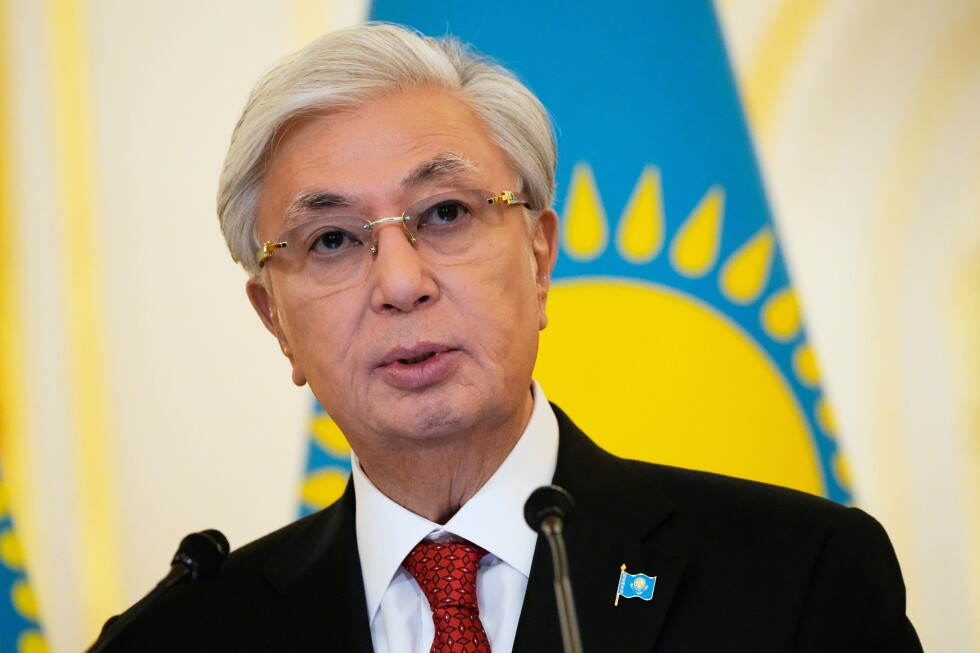
    Citizens of Kazakhstan are participating in a national referendum this Sunday to determine the fate of significant constitutional amendments that would substantially reshape the nation’s political landscape. The proposed changes, championed by President Kassym-Jomart Tokayev, represent the second major constitutional overhaul in just four years.

    The central provisions of the referendum include consolidating the parliament’s two chambers into a single legislative body and granting the president expanded authority to appoint all government officials. The reforms also reintroduce the position of vice-president, further concentrating executive power within the presidential administration.

    President Tokayev, a 72-year-old former Soviet official and Kazakh diplomat with prior service at the United Nations, has framed these constitutional modifications as necessary measures to enhance governmental efficiency. He argues that in an era of rapid global transformation, Kazakhstan requires streamlined decision-making processes to respond effectively to emerging challenges.

    However, political analysts monitoring Central Asian affairs suggest these reforms may serve a more strategic purpose. The current constitution limits President Tokayev to a single seven-year term ending in 2029. Experts including Temur Umarov, a fellow at the Carnegie Russia Eurasia Center, contend that the referendum could potentially reset presidential term limits, creating a constitutional loophole that would enable Tokayev to seek reelection beyond his mandated term.

    The outcome of this referendum will determine whether Central Asia’s largest nation moves toward a more centralized power structure, with implications for both domestic governance and Kazakhstan’s positioning within the complex geopolitical landscape of the region.

  • Republic of Congo’s president reelected to fifth term, provisional results show

    Republic of Congo’s president reelected to fifth term, provisional results show

    BRAZZAVILLE, Republic of Congo — The Republic of Congo’s longstanding leader Denis Sassou N’Guesso has secured a fifth presidential term with an overwhelming 94.82% of votes, as announced by Interior Minister Raymond Zephirin Mboulou in provisional results Tuesday. The 82-year-old leader, who has dominated Congolese politics for over four decades, defeated six challengers in an election marked by internet shutdowns and restricted movement across the capital.

    The electoral process unfolded with characteristic constraints on digital connectivity, while voter turnout was officially reported at 84.65% with approximately 2.6 million ballots cast. However, observations in the capital Brazzaville revealed notably sparse activity at polling stations, with many citizens expressing skepticism about the election’s potential to alter the nation’s political trajectory.

    Sassou N’Guesso’s political journey spans 42 years, beginning with his initial rise to power in 1979. After conceding defeat in the nation’s first multi-party elections in 1992, he returned to leadership through military means following the 1997 civil war. The recent campaign highlighted significant disparities between the incumbent and his opponents, with Sassou N’Guesso being the sole candidate to conduct a nationwide tour while his image dominated the capital’s infrastructure.

    The electoral process faced boycotts from two major opposition parties citing allegations of unfair practices. Constitutional amendments in 2015, which removed presidential age and term limits, paved the way for his continued candidacy.

    This political continuity occurs against a backdrop of severe economic challenges. World Bank data indicates the nation struggles with international debt representing 94.5% of GDP, critically high youth unemployment, and pervasive poverty affecting over half of its 5.7 million citizens. Nearly half the population is under 18 years old.

    Sassou N’Guesso’s extended rule places him among Africa’s longest-serving leaders, trailing only Cameroon’s Paul Biya and Equatorial Guinea’s Teodoro Obiang Nguema Mbasogo in political longevity.

  • Japan routs Philippines 7-0 to reach Women’s Asian Cup semis and clinch a World Cup spot

    Japan routs Philippines 7-0 to reach Women’s Asian Cup semis and clinch a World Cup spot

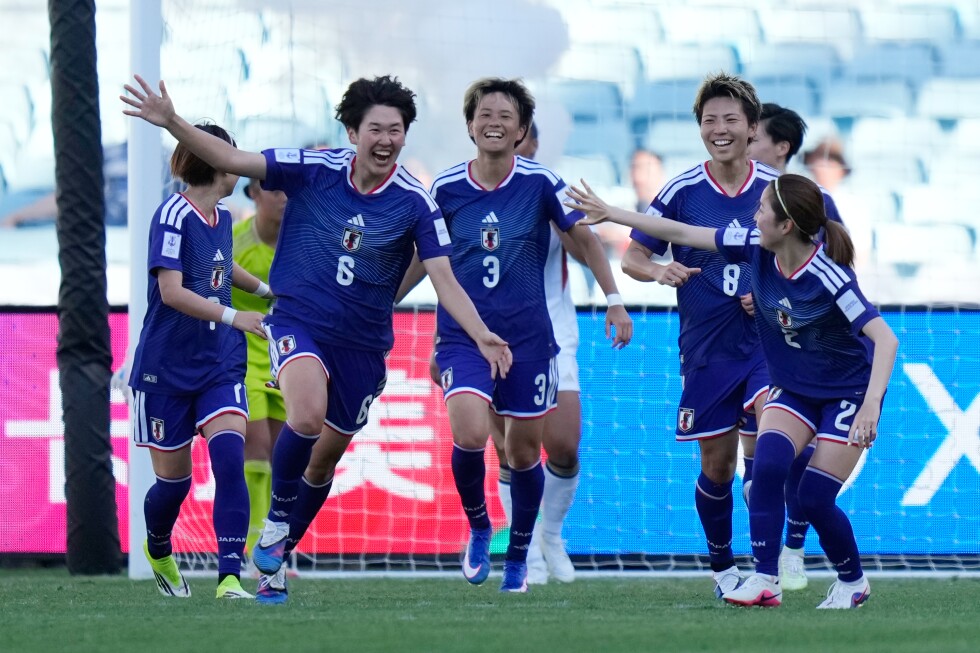
    In a spectacular display of offensive prowess, Japan’s women’s national football team demolished the Philippines 7-0 in Sunday’s Women’s Asian Cup quarterfinal, simultaneously securing their qualification for the 2027 World Cup and advancing to the tournament’s semifinal round. The commanding victory showcased Japan’s tournament dominance, having now scored 24 goals without conceding any in the current championship.

    Tottenham defender Toko Koga, aged 20, emerged as the standout performer with two headed goals—one in first-half stoppage time and another in the 76th minute. Despite completely controlling possession and field position, Japan faced unexpected resistance from a determined Philippine defense during the first half, with goalkeeper Nina Meollo initially keeping the match scoreless.

    The breakthrough finally came through Mina Tanaka’s close-range header following a goalmouth scramble, immediately transforming the game’s dynamics. This ignited a scoring cascade, with Koga adding her first just three minutes later. The second half witnessed continued Japanese dominance with Remina Chiba (65th minute) and Manaka Matsukubo (67th minute) scoring in quick succession before Koga’s second strike. Substitutes Momoko Tanikawa and Riko Ueki completed the rout with additional goals in the final four minutes of regulation.

    Philippines coach Mark Torcaso acknowledged the quality of their opponents, stating: ‘Obviously it’s tough to take but you’re playing probably the best team in Asia… probably one of the top five teams in the world. Our girls showed tremendous determination in that first half.’

    Japan now prepares to face 2022 runner-up South Korea on Wednesday for a chance to advance to the championship final. Head coach Nils Nielsen maintained perspective despite the emphatic victory, noting: ‘It’s always nice to score a lot of goals and for the players to show what they can do, but it’s not going to help us against Korea.’

    The semifinal qualification carries additional significance as all four semifinalists automatically secure placement in the 2027 Women’s World Cup, while losing quarterfinalists enter playoffs for two remaining spots. The tournament continues with China set to face host Australia in the other semifinal matchup.

  • Caddy faces ‘hardest weeks’ on New Zealand trek

    Caddy faces ‘hardest weeks’ on New Zealand trek

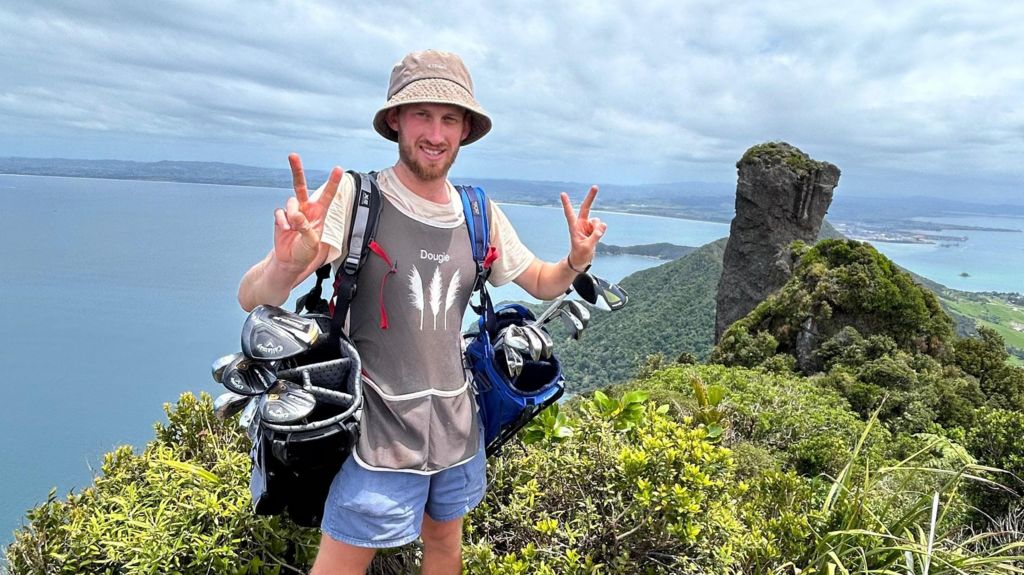
    An English golf caddy is undertaking an extraordinary philanthropic journey, carrying two full sets of clubs across New Zealand’s entire length. Dougie Haynes, 31, originally from Oxford, has embarked on a monumental 3,000-kilometer (1,900-mile)徒步 expedition along the Te Araroa Trail, which he commenced in October to support charitable causes.

    Haynes recently conquered what he describes as the most challenging segment of his six-month odyssey—a grueling four-week stretch from Havelock near the South Island’s northern tip to Christchurch. This notorious section presented extreme physical demands, including traversing the rugged Richmond Range and summiting Mount Rintoul, which left him with severely sore knees.

    The trek’s difficulty intensified with the Waiau Pass, renowned among seasoned hikers as the trail’s most demanding single-day section. “You do a very steep ascent up some scree and come down the other side. It’s basically pretty close to rock climbing,” Haynes recounted, noting the particular challenge of managing his 15kg (33lbs) golf bags during precarious descents.

    Despite the physical hardships, Haynes emphasizes the breathtaking rewards: “I felt like I was in a Microsoft screensaver—there were waterfalls, mountains, snow, and rainforest.” The past month has provided what he calls “spectacular scenery and beauty” that offset the trail’s difficulties.

    Currently recuperating in Christchurch after completing the toughest segment, Haynes is preparing for the final phase of his journey. He will soon tackle the trail’s highest section, passing beneath New Zealand’s tallest peak, Mount Cook, before continuing south toward Bluff.

    The adventurer’s mother in Lower Heyford, Oxfordshire, maintains concerned vigilance about her son’s safety. Haynes manages her worries with humor: “I tell her oh if you don’t hear from me for 10 days then you can start worrying,” acknowledging the frequent signal blackouts in remote areas.

    Haynes aims to raise NZ$50,000 (£22,000) for two charities: Kids Can, a New Zealand-based organization supporting disadvantaged children, and Mind, a UK mental health charity. His unique fundraiser combines his professional background as a caddy at two of New Zealand’s most prestigious golf courses with his passion for adventure and social responsibility.

  • Strait of Hormuz not closed but under Iran’s control: IRGC commander

    Strait of Hormuz not closed but under Iran’s control: IRGC commander

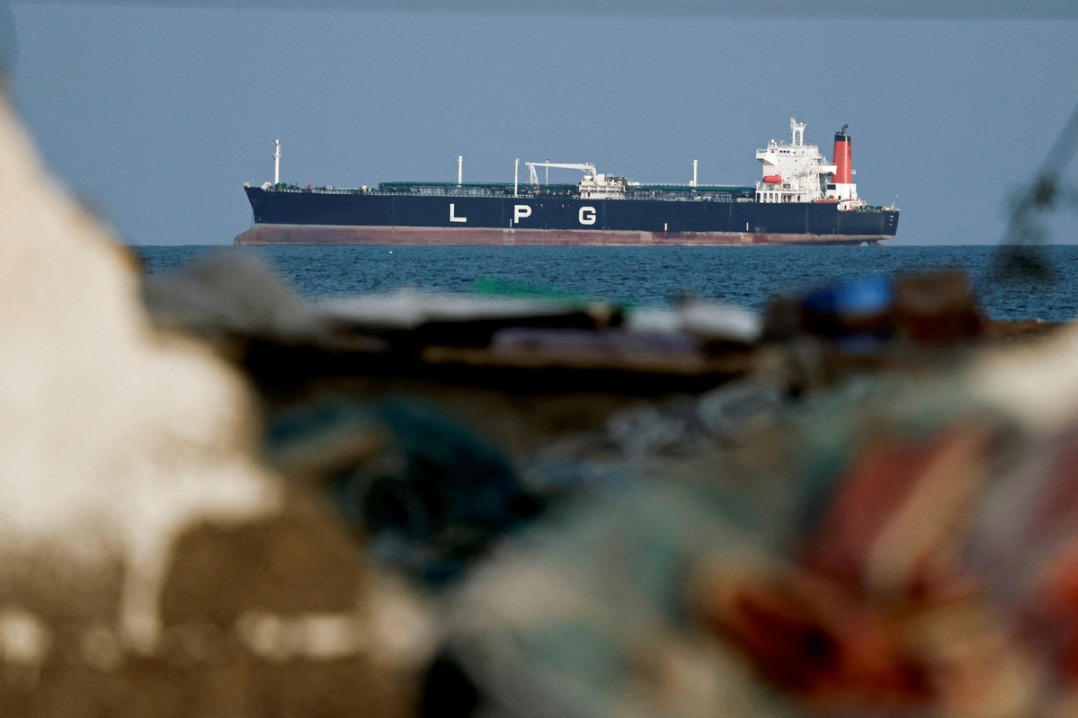
    Amid escalating geopolitical tensions, Iranian military leadership has declared the strategic Strait of Hormuz remains operational while firmly under Tehran’s jurisdiction. Alireza Tangsiri, Commander of the Islamic Revolutionary Guard Corps Navy, explicitly refuted claims by the United States regarding the destruction of Iran’s naval capabilities or providing secure passage for oil tankers through the critical waterway.

    The senior commander emphasized through Iran’s semi-official Tasnim news agency that while the strait maintains operational status, it remains subject to Iranian authority. This statement comes as a direct response to recent U.S.-Israeli military actions against Iranian interests, which have triggered reciprocal measures from Tehran targeting American assets throughout the region.

    Iranian Foreign Minister Abbas Araghchi reinforced this position in communications with U.S. media outlets, clarifying that maritime access remains unrestricted for international shipping except for vessels affiliated with the United States, Israel, and their allied nations. “The Strait of Hormuz is open. It is only closed to the tankers and ships belonging to our enemies, to those who are attacking us and their allies. Others are free to pass,” Araghchi stated.

    The strategic significance of this narrow passage cannot be overstated, with approximately 20% of global oil shipments traversing through this chokepoint. The situation has drawn international attention following Supreme Leader Mojtaba Khamenei’s inaugural message pledging to maintain Iranian influence over the vital shipping lane.

    Concurrently, U.S. President Donald Trump has called upon nations dependent on Hormuz oil shipments to assume greater responsibility for maintaining nautical access with American support. This development occurs against a backdrop of Washington’s efforts to stabilize soaring oil prices resulting from recent military confrontations.

  • Shohei Ohtani ends World Baseball Classic just like in 2023, but as loser instead of champion

    Shohei Ohtani ends World Baseball Classic just like in 2023, but as loser instead of champion

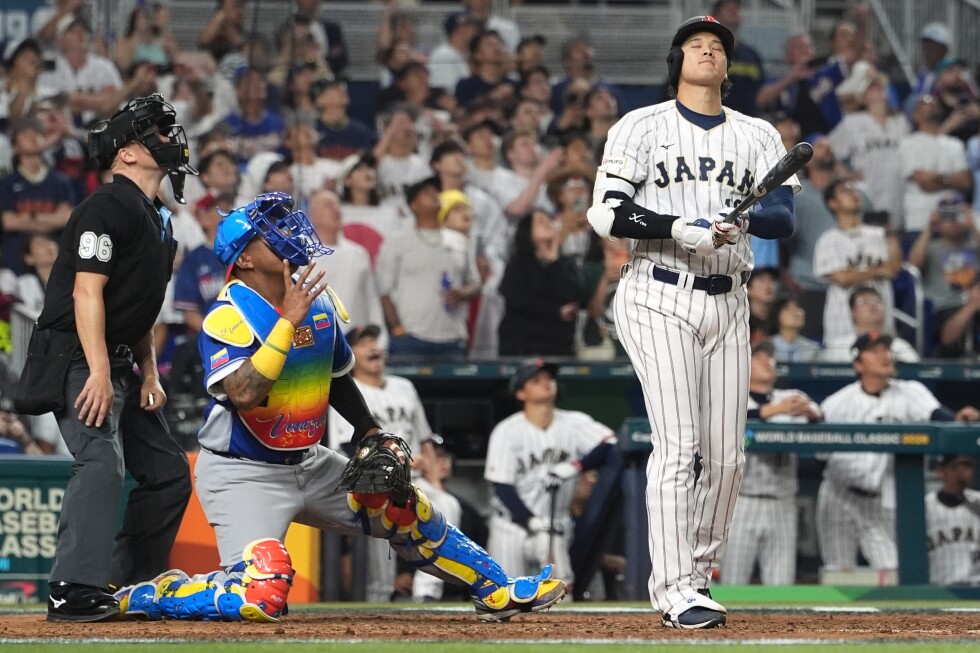
    In a stunning reversal of baseball fortunes, Japan’s World Baseball Classic dynasty crumbled Saturday night in an 8-5 quarterfinal defeat against Venezuela at loanDepot Park. The loss marked a dramatic departure from Japan’s triumphant 2023 championship victory, particularly for superstar Shohei Ohtani, who experienced polar opposite emotions from his championship-clinching moment against Team USA just one year earlier.

    Baseball’s premier player concluded Japan’s elimination with an infield popup in the ninth inning, subsequently removing his batting equipment with visible dejection as Venezuelan celebrations erupted across the field. “I was really disappointed,” Ohtani stated afterward, capturing the somber mood of the Japanese squad.

    The defeat terminated Japan’s remarkable tournament legacy, snapping an 11-game WBC winning streak that dated back to 2017. The Samurai Warriors had previously reached the semifinals in all five WBC tournaments and remained the only nation to capture consecutive titles (2006, 2009).

    Japan initially appeared poised for victory after Shota Morishita’s three-run homer in the third inning established a 5-2 advantage. However, Venezuela mounted a spectacular comeback with Maikel Garcia’s two-run blast in the fifth inning and Wilyer Abreu’s decisive three-run shot in the sixth that permanently shifted momentum.

    Despite Ohtani’s tournament-leading .462 batting average, three home runs, and seven RBIs, the two-way superstar struggled in his final three plate appearances with two strikeouts before his game-ending popup. Manager Hirokazu Ibata acknowledged the strategic limitations of deploying Ohtani exclusively as a hitter, noting “We didn’t have an option for Ohtani to pitch from the middle of the game.”

    The loss highlighted Japan’s broader statistical regression, with team batting average dropping from .299 in 2023 to .284 and ERA rising from a tournament-best 2.29 to 3.35. The absence of pitcher Roki Sasaki further hampered Japan’s defensive capabilities, while Ohtani’s restricted role as hitter-only limited strategic options in critical moments.

  • Kimi Antonelli takes his first F1 win with victory in China to extend Mercedes’ dominant start

    Kimi Antonelli takes his first F1 win with victory in China to extend Mercedes’ dominant start

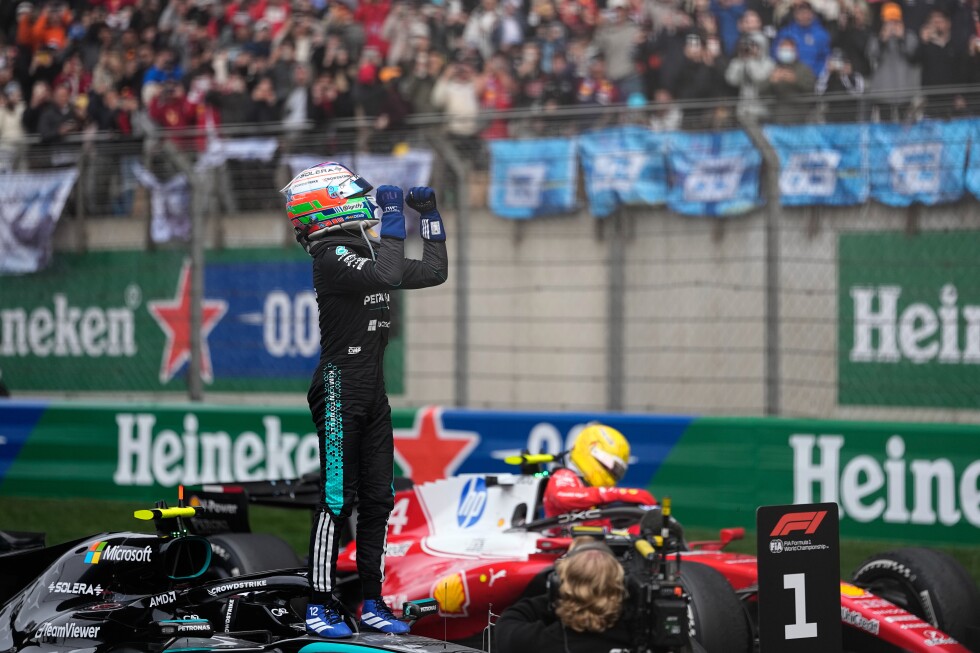
    SHANGHAI — Mercedes rookie Kimi Antonelli shattered expectations at the Chinese Grand Prix on Sunday, securing his maiden Formula 1 victory and cementing his status as the sport’s second-youngest race winner at just 19 years old. The Italian driver delivered a masterclass performance, fending off intense pressure from teammate George Russell and Ferrari’s charging duo to claim a decisive win.

    Antonelli’s emotional podium moment saw him joined by Russell in second place and seven-time champion Lewis Hamilton in third—marking Hamilton’s first podium finish since his high-profile switch to Ferrari. “I’m speechless. I’m about to cry, to be honest,” an overwhelmed Antonelli confessed during post-race celebrations. “Thank you to my team for helping me achieve this dream.

    The victory validates Mercedes team principal Toto Wolff’s controversial decision to recruit the young Italian prodigy into Hamilton’s former seat. Wolff had faced considerable skepticism when Antonelli joined Mercedes’ junior program at age 11 and later crashed within minutes of his 2024 practice debut. “Many said it was too early last year,” Wolff acknowledged to Sky Sport Germany. “We asked ourselves whether it was too much pressure, but today he delivered ruthlessly.”

    The race unfolded with dramatic intensity as Russell engaged in a wheel-to-wheel battle with both Ferrari drivers, creating a buffer that allowed Antonelli to build an insurmountable lead. Despite a late braking scare that Antonelli described as giving him “a little bit of a heart attack,” the young driver maintained composure to take the checkered flag.

    Notable retirements and technical issues plagued multiple teams, with reigning champion Max Verstappen suffering a power unit failure while running sixth. McLaren endured a catastrophic double DNS (Did Not Start) as both Lando Norris and Oscar Piastri encountered electrical failures before the race began. The team confirmed “two different electrical problems on the power unit side” after investigation.

    Antonelli’s triumph makes him the first Italian winner since Giancarlo Fisichella in 2006—a full five months before the young driver was born. Only Max Verstappen achieved a Grand Prix victory at a younger age, having won at 18 in 2016.

    The event occurred against the backdrop of Formula 1’s announcement canceling next month’s Middle Eastern races in Bahrain and Saudi Arabia due to regional conflict, adding further significance to this complete demonstration of emerging talent amid the sport’s evolving landscape.