博客

  • Starmer talks to Trump on importance of reopening of Strait of Hormuz

    Starmer talks to Trump on importance of reopening of Strait of Hormuz

    British Prime Minister Keir Starmer engaged in a critical telephone discussion with US President Donald Trump on Sunday evening, addressing the escalating Middle Eastern crisis and its severe repercussions on global maritime commerce following the closure of the Strait of Hormuz.

    According to an official statement from 10 Downing Street, Prime Minister Starmer emphasized the urgent necessity of restoring access to the strategic maritime corridor to normalize shipping operations and mitigate spiraling global economic costs. Both leaders committed to maintaining close coordination as regional developments unfold.

    The dialogue follows earlier comments from British Energy Secretary Ed Miliband, who identified conflict resolution as the most definitive solution to reopening the vital waterway. Miliband warned that the ongoing closure—affecting approximately 20% of global oil transit—is already inflicting substantial damage on the world economy, evidenced by sharp increases in oil and gas prices.

    President Trump had previously announced on social media that multiple nations were preparing naval deployments to secure the strait, though specific details remained undisclosed.

    The current crisis originated from February 28th joint Israeli-American operations against Iranian targets, which resulted in the death of Supreme Leader Ali Khamenei, numerous military officials, and over 1,300 civilians. Iran retaliated with extensive missile and drone attacks against US and Israeli installations throughout the region.

    Now entering its third week, the conflict has effectively shut down one of the world’s most critical energy corridors, with new Iranian leadership under Mojtaba Khamenei vowing to maintain control over the strategic waterway as the economic consequences continue to mount globally.

  • Leukemia therapy tackles relapse risks

    Leukemia therapy tackles relapse risks

    Chinese researchers have pioneered a groundbreaking biomimetic platform that significantly enhances the effectiveness of CAR-T therapy for leukemia patients. This innovative approach, described as ‘molecular double-sided tape,’ addresses the critical challenge of cancer relapse that affects over 50% of patients following conventional treatment.

    The technology, detailed in the prestigious journal Cell, centers on the discovery that CD71—a protein responsible for iron transport—shows consistently high expression across various leukemia types and disease stages. Leveraging this biological feature, scientists from the Chinese Academy of Sciences’ Institute of Process Engineering developed the Ferritin Aggregation Cell Engager (FACE) platform through precisely controlled solvent-induced self-assembly.

    Unlike traditional methods that require complex genetic reengineering of CAR-T cells, the FACE platform integrates seamlessly with existing treatment protocols. During the 30-minute preparation phase, FACE anchors to CAR-T cells via CD71 receptors. Upon administration, it simultaneously attaches to leukemia cells, creating a reinforced connection that dramatically improves cancer cell recognition and elimination.

    In preclinical trials using patient-derived leukemia models, the technology demonstrated remarkable efficacy. The FACE-enhanced therapy achieved equivalent therapeutic outcomes using only 20% of the conventional CAR-T cell dosage while substantially reducing adverse effects. Most notably, the platform remained effective even when cancer antigens dropped below 10% of normal levels—a condition that typically renders leukemia cells undetectable to standard CAR-T cells.

    The researchers further advanced the technology by developing a drug-loaded variant that delivers chemotherapy directly to cancer cells. This combined approach proves particularly effective against antigen-negative escapees that commonly evade conventional treatments.

    Professor Wei Wei, corresponding author of the study, emphasized the clinical advantages: ‘Our FACE platform utilizes endogenous proteins and FDA-approved polymer derivatives, manufactured through a simple, scalable process. It integrates seamlessly into existing CAR-T workflows without additional genetic engineering.’

    The technology has been validated across multiple leukemia subtypes and treatment-resistant scenarios using both mouse models and human patient samples. The research team has additionally established an efficacy database and AI-powered predictive framework to support clinical translation and treatment optimization.

    Peer reviewers at Cell have endorsed the approach as ‘a promising translational strategy’ with potential applications across various blood cancers, highlighting its adaptability to diverse clinical settings and capacity to address leukemia antigen variability.

  • Thailand elects new House speaker

    Thailand elects new House speaker

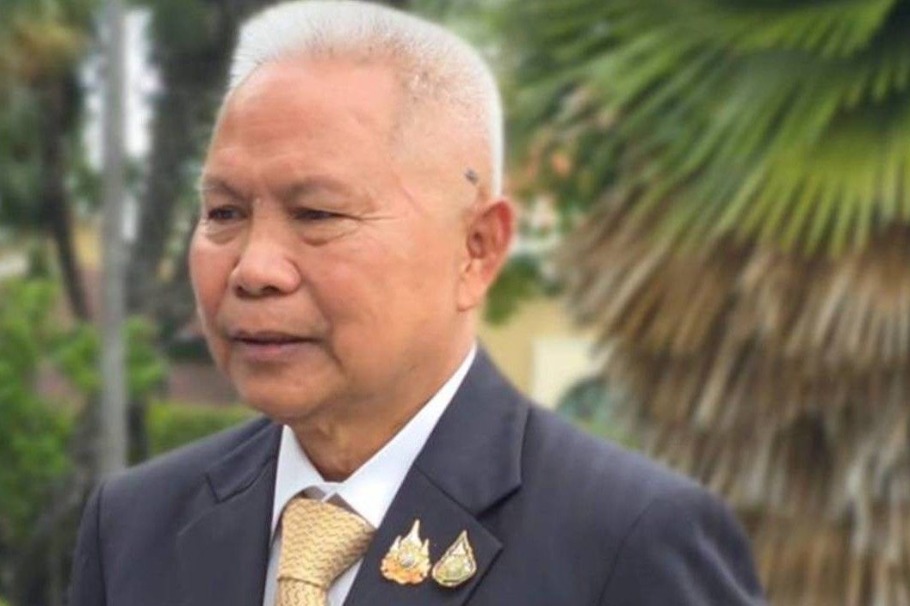
    Thailand’s political landscape witnessed a significant milestone on Sunday as the House of Representatives elected Sophon Saram as its new speaker, marking the inaugural step toward establishing a new government. The Bhumjaithai Party parliamentarian secured the position with an overwhelming 289 votes, defeating his rival Parit Wacharasindhu from the People’s Party, who garnered 123 votes.

    Sophon Saram brings extensive governmental experience to his new role, having previously served as transport minister, deputy prime minister, and chairman of multiple parliamentary committees. In his inaugural address, the newly elected speaker outlined his vision for a proactive legislative body committed to modernizing obsolete laws, strengthening executive oversight, and rebuilding public confidence in Thailand’s political institutions.

    The election process featured both candidates presenting their governance philosophies before representatives proceeded with an anonymous ballot. The Bhumjaithai Party further consolidated its parliamentary influence with Mallika Jiraphanwanich elected unopposed as first deputy speaker, while Lertsak Phattanachaiyakul of the Pheu Thai Party assumed the position of second deputy speaker.

    This leadership selection represents a critical assessment of coalition stability, with the ruling alliance reportedly commanding approximately 291 seats in the 27th House of Representatives. Bhumjaithai Party leader Anutin Charnvirakul confirmed the coalition’s numerical strength to effectively manage both legislative affairs and national administration.

    Political analysts emphasize that the speaker’s primary responsibility will involve orchestrating parliamentary procedures and convening the prime ministerial vote scheduled for Thursday. A seamless transition is anticipated to signal political stability, potentially reducing investment risks and enhancing business confidence.

    Meanwhile, experts warn that the incoming administration must navigate complex challenges including geopolitical tensions, trade conflicts, and rapid technological transformation. Thailand Development Research Institute President Somkiat Tangkitvanich identified additional domestic constraints such as sluggish economic growth, demographic aging, and systemic corruption.

    The tourism sector specifically requires policy consistency, according to Tourism Council of Thailand President Chai Arunanondchai, who noted four different ministers had overseen the industry in the past year alone. Stable governance is considered essential for restoring the tourism sector’s growth trajectory amid global economic uncertainties.

  • Innovation elevates gold exploration

    Innovation elevates gold exploration

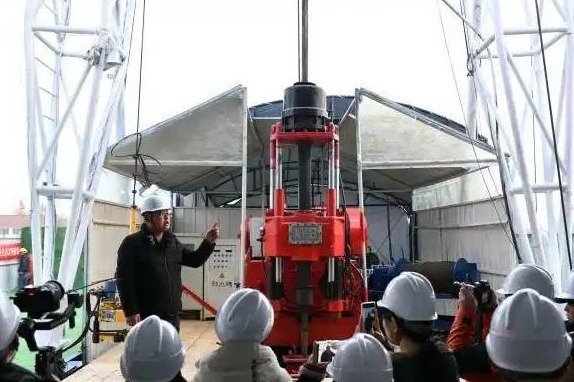
    A 30-meter drilling rig stands prominently against the agricultural landscape of Wuchengdaren village in Laizhou, Shandong province, signaling a technological revolution in mineral exploration. This sophisticated apparatus represents the vanguard of China’s ambitious campaign to probe nearly 3 kilometers beneath the Earth’s surface in search of new gold deposits, with core samples expected within six months.

    The Shandong Provincial Bureau of Geology and Mineral Resources has initiated a comprehensive exploration program comprising 36 separate projects with a total investment of 76 million yuan ($11 million). This strategic effort aims to augment gold reserves in the Jiaodong peninsula by 20 to 50 metric tons within a single year—a significant undertaking given that the region already contains approximately one-quarter of China’s proven gold reserves, ranking it as the world’s third-largest gold district.

    After centuries of extensive mining that exhausted surface and shallow deposits, the bureau has pioneered advanced drilling technologies capable of reaching unprecedented depths. While previous exploration typically stopped at 2,000 meters, the organization now leads 83% of China’s scientific drilling projects exceeding 3,000 meters. Their expertise was demonstrated recently when they established a new global record by achieving full core extraction at 2,843.17 meters during marine scientific drilling operations.

    The technological transformation extends beyond mere depth penetration. Modern prospecting begins months before drilling commences, integrating sophisticated geological research with physical detection methods including electrical and magnetic surveys, complemented by chemical analysis. This multi-faceted approach identifies subsurface anomaly zones with remarkable precision.

    “We’re fundamentally changing how gold exploration operates,” explained Ma Xiaopeng, deputy director of the exploration engineering division at the bureau’s No. 6 geological team. “Through targeted drilling based on comprehensive data analysis, we can progressively narrow our search parameters. Subsequent laboratory analysis of extracted cores provides critical information about ore body conditions, grade quality, and depth positioning.”

    Innovation continues with the adaptation of 2D reflection seismic technology—traditionally land-based—for marine exploration in Laizhou Bay. The most significant advancement, however, comes through digital integration. The bureau is developing comprehensive models that synthesize geological, geophysical, geochemical, and drilling data with artificial intelligence capabilities.

    “We’re transitioning gold prospecting from experience-driven operations to intelligence-driven models,” stated Zhang Chengwei, Party secretary and director of the provincial bureau. This shift aligns with Shandong’s implementation plan for high-quality development of the gold industry (2025-2027), jointly issued by ten provincial departments, which specifically emphasizes deep exploration in the Jiaodong region.

    The intensified exploration occurs against a backdrop of evolving gold demand dynamics in China. Recent market analysis reveals that demand for gold bars and coins surpassed gold jewelry for the first time last year, while industrial applications—particularly in electronics and renewable energy sectors—show steadily increasing consumption patterns.

    “Ensuring national resource and energy security remains the paramount responsibility of our geological and mineral system,” Zhang emphasized, underscoring the strategic importance of these technological advancements for China’s broader economic and security objectives.

  • Gulf bases targeted as US hits Iran’s oil hub

    Gulf bases targeted as US hits Iran’s oil hub

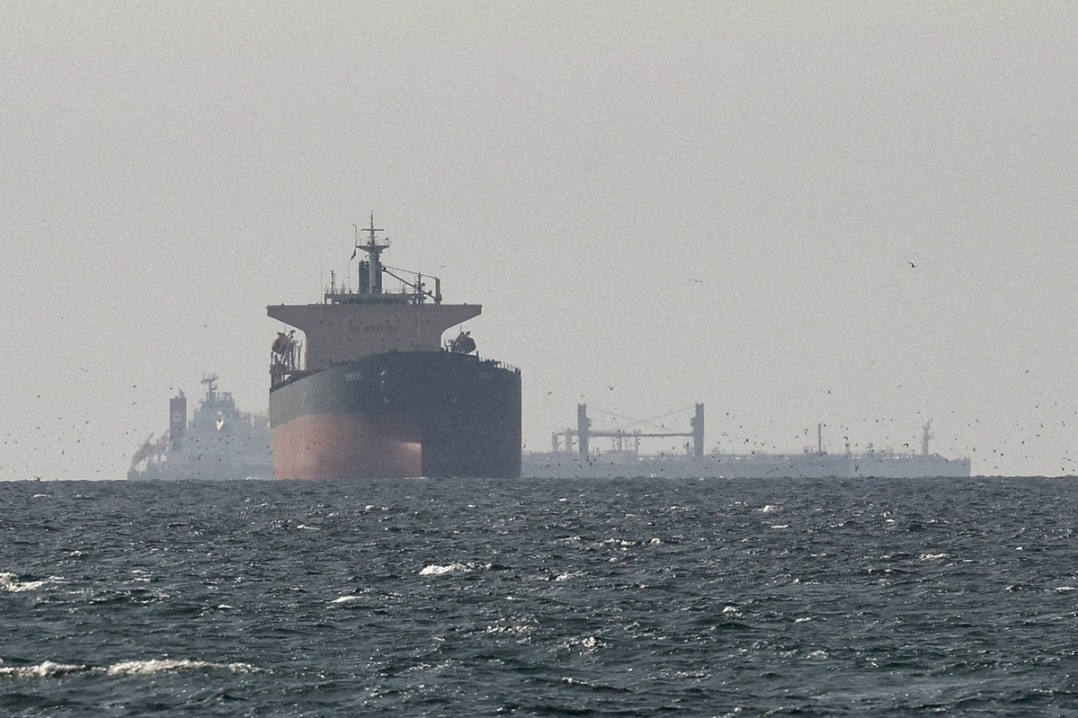
    The strategic Persian Gulf region has become the epicenter of intensifying military confrontations as US forces launched targeted strikes on Iran’s critical oil infrastructure. The attacks focused on Kharg Island, a vital petroleum export terminal handling approximately 90% of Iran’s crude oil shipments, marking a significant escalation in the ongoing conflict between Iran, the United States, and Israel.

    According to military reports, American forces conducted precision strikes against more than 90 Iranian military targets on the small coral island located 30 kilometers off Iran’s southwestern coast. The assault represents a dangerous new phase in the three-week conflict that shows no signs of de-escalation despite international concerns.

    Iranian Foreign Minister Seyed Abbas Araghchi confirmed the attacks originated from two locations within the United Arab Emirates, characterizing the situation as “extremely dangerous.” Iranian authorities have subsequently designated three major UAE ports as “legitimate targets” and urged civilian evacuations from these areas.

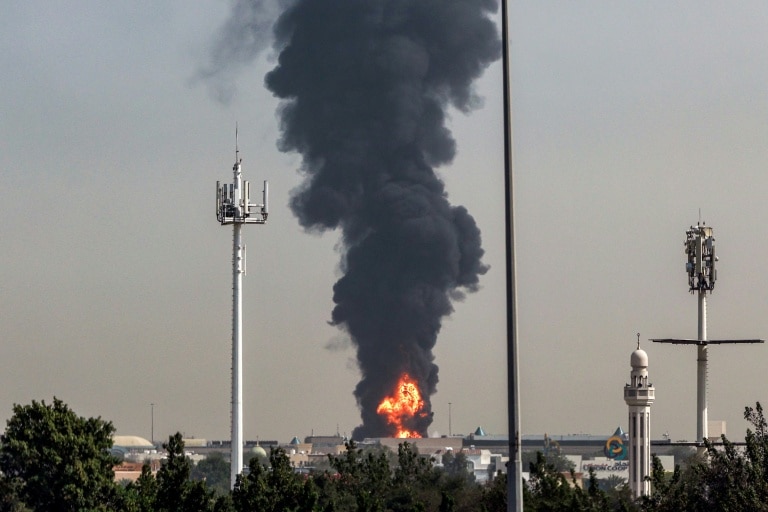
    Gulf Arab states find themselves increasingly embroiled in a conflict they neither initiated nor endorsed, with Bahrain, Saudi Arabia, and the UAE all activating defense systems to intercept incoming projectiles. Debris from an intercepted Iranian drone struck an oil facility at Fujairah Port, producing plumes of thick black smoke visible in television footage.

    Behind the diplomatic scenes, resentment is mounting among Gulf Cooperation Council members who are bearing unexpected economic and security costs. Anwar Gargash, diplomatic adviser to the UAE president, emphasized his nation’s commitment to “reason and de-escalation” while maintaining the right to self-defense.

    The conflict has expanded to include allegations of false-flag operations, with Iran’s joint military command accusing the US and Israel of using replica Iranian drones to attack neighboring countries and shift blame to Tehran. The Revolutionary Guards separately vowed to hunt down Israeli Prime Minister Benjamin Netanyahu, promising to “track down and eliminate him with all our strength.”

    As the strategic Strait of Hormuz remains virtually blocked by the threat of Iranian attacks, Washington has called for international naval assistance to protect global oil supplies. Meanwhile, diplomatic efforts continue, with Iran’s Araghchi urging other nations to “refrain from any action that could lead to escalation and expansion of the conflict” during discussions with French Foreign Minister Jean-Noel Barrot.

    Despite the extensive attacks, Iranian officials maintain that oil exports from Kharg Island continue normally, though independent verification remains challenging amid the ongoing hostilities.

  • War in the Middle East: latest developments

    War in the Middle East: latest developments

    The Middle East conflict escalated dramatically on Monday with a series of significant military and geopolitical developments. Explosions rocked central Tehran as Iranian air defense systems activated, though the specific targets remained unclear. This occurred shortly after Israel confirmed conducting large-scale overnight strikes.

    In southern Lebanon, the Israeli Defense Forces initiated what they described as “limited ground operations” against Hezbollah strongholds, aiming to enhance their forward defense perimeter.

    The United Arab Emirates faced multiple security incidents. Dubai International Airport gradually resumed operations following a suspension caused by a drone-related fuel tank fire nearby. Simultaneously, the Emirati defense ministry reported intercepting waves of Iranian drones and missiles. Separate attacks targeted the Fujairah oil industry zone and the outskirts of Abu Dhabi, where a Palestinian civilian was killed by a missile strike.

    Global energy markets reacted strongly, with Brent Crude oil prices surging 3% to $106.50 per barrel amid the heightened tensions.

    Diplomatic efforts intensified as EU foreign ministers considered extending their Red Sea naval mission to the strategically vital Strait of Hormuz. U.S. President Donald Trump pressured NATO allies and China to contribute to securing the oil transport conduit, warning of a “very bad” future for the alliance if they failed to assist. However, both Japan and Australia subsequently ruled out naval deployments to the region.

    Despite the escalating conflict, the Iranian men’s football team maintained plans to participate in the upcoming World Cup in North America, according to Asian Football Confederation officials.

    Iranian Foreign Minister Abbas Araghchi condemned Israeli strikes on Tehran fuel depots as “ecocide,” citing long-term health risks to residents. While Trump claimed the U.S. was in discussions with Iran, Tehran denied any ongoing talks between the nations.

  • China launches new remote sensing satellite

    China launches new remote sensing satellite

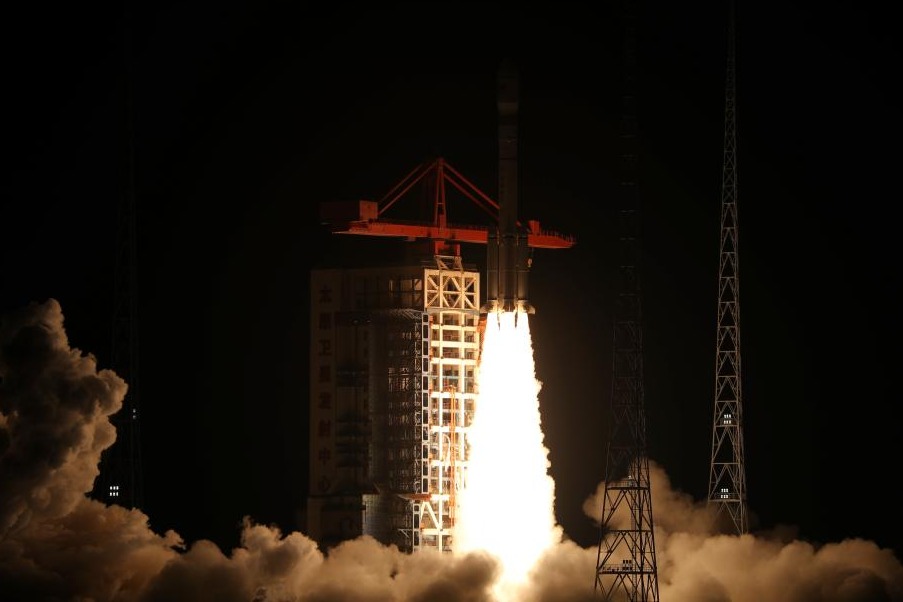
    China has achieved another milestone in its space exploration program with the successful deployment of the Yaogan-50 02 remote sensing satellite. The launch occurred at precisely 9:22 PM on Sunday from the Taiyuan Satellite Launch Center, located in Shanxi Province of northern China.

    The advanced satellite was propelled into orbit using an enhanced Long March-6 carrier rocket, marking a significant accomplishment in China’s aerospace capabilities. Mission control confirmed that the satellite successfully reached its predetermined orbital path, with all systems functioning optimally.

    This newly deployed satellite represents China’s growing expertise in Earth observation technology, with specialized applications in terrestrial mapping, agricultural productivity assessment, and disaster management operations. The sophisticated imaging and data collection systems aboard the Yaogan-50 02 will provide critical information for environmental monitoring and emergency response coordination.

    The mission holds particular significance as it constitutes the 633rd flight operation within the Long March rocket family, demonstrating China’s consistent progress in space technology and launch reliability. This achievement reinforces China’s position as a major participant in the global space community, with continuously expanding capabilities in satellite deployment and Earth observation infrastructure.

  • India hopeful Iran talks will ease Hormuz route for its ships

    India hopeful Iran talks will ease Hormuz route for its ships

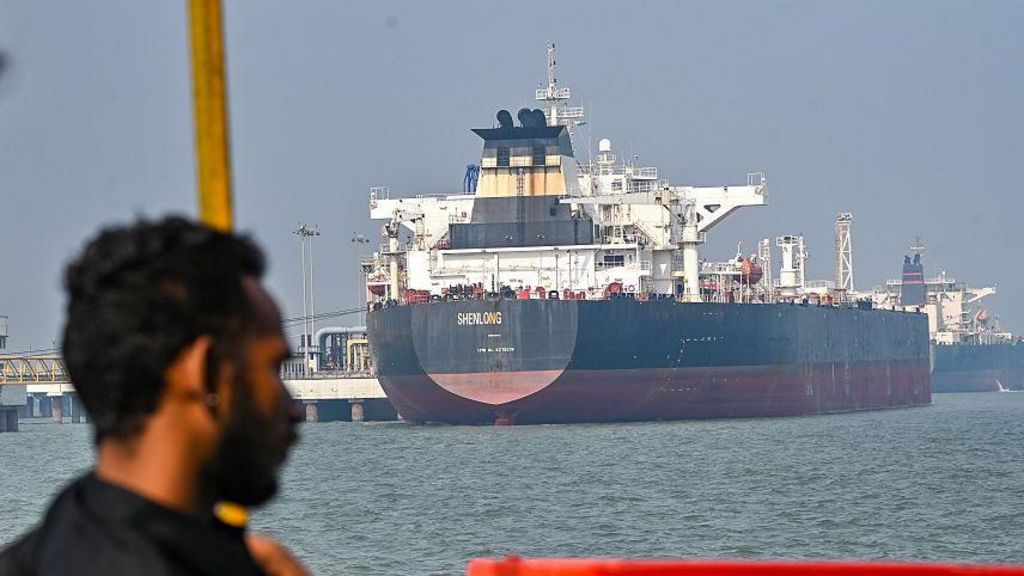
    Indian Foreign Minister S. Jaishankar has confirmed that diplomatic engagement with Tehran has yielded partial success in securing passage for Indian vessels through the critically important Strait of Hormuz. This development follows Iran’s near-total blockade of the strategic waterway amid escalating Middle East tensions.

    In an exclusive interview with the Financial Times, Jaishankar revealed that two Indian-flagged gas tankers successfully navigated the strait on Saturday following intensive diplomatic discussions. However, he emphasized that no “blanket arrangement” exists for all Indian shipping, with twenty-two vessels still awaiting clearance to transit the channel.

    The current crisis emerged after U.S. and Israeli forces launched comprehensive strikes against Iranian targets on February 28th, triggering retaliatory actions from Tehran that extended to non-military targets in Gulf states allied with America. The conflict has severely disrupted global energy shipping through the narrow passage between Iran and Oman, which facilitates approximately one-fifth of worldwide oil and gas transportation.

    For India, the Strait of Hormuz represents an essential economic artery, with 40-50% of crude imports, half of liquefied natural gas supplies, and most liquefied petroleum gas shipments transiting through this corridor. The disruptions have already precipitated domestic cooking-gas shortages, sparking panic buying and temporarily shuttering some restaurants.

    Jaishankar characterized India’s diplomatic approach as pragmatic and relationship-based, noting that each country’s engagement with Iran “stands on its own merits.” He explicitly denied any quid pro quo arrangements with Tehran, instead emphasizing the nations’ longstanding bilateral relationship.

    While acknowledging the preliminary nature of these developments, the foreign minister expressed commitment to continued dialogue, stating: “If it is yielding results for me, I would naturally continue to look at it.” He advocated for reasoned coordination over escalation, suggesting this approach might benefit other nations seeking resolution.

    The situation remains fluid as multiple international players, including European governments and Turkey, pursue diplomatic solutions. Meanwhile, former U.S. President Donald Trump has called for allied nations to deploy naval assets to the region to secure the vital shipping lane.

    Energy markets have already responded to the tensions, with Brent crude prices approaching $106 per barrel on Monday. Analysts note India’s delicate balancing act, maintaining relationships with both Iran and Western allies while prioritizing energy security and regional stability.

  • 2 dead after 2 boats carrying students capsize off US base construction site in southern Japan

    2 dead after 2 boats carrying students capsize off US base construction site in southern Japan

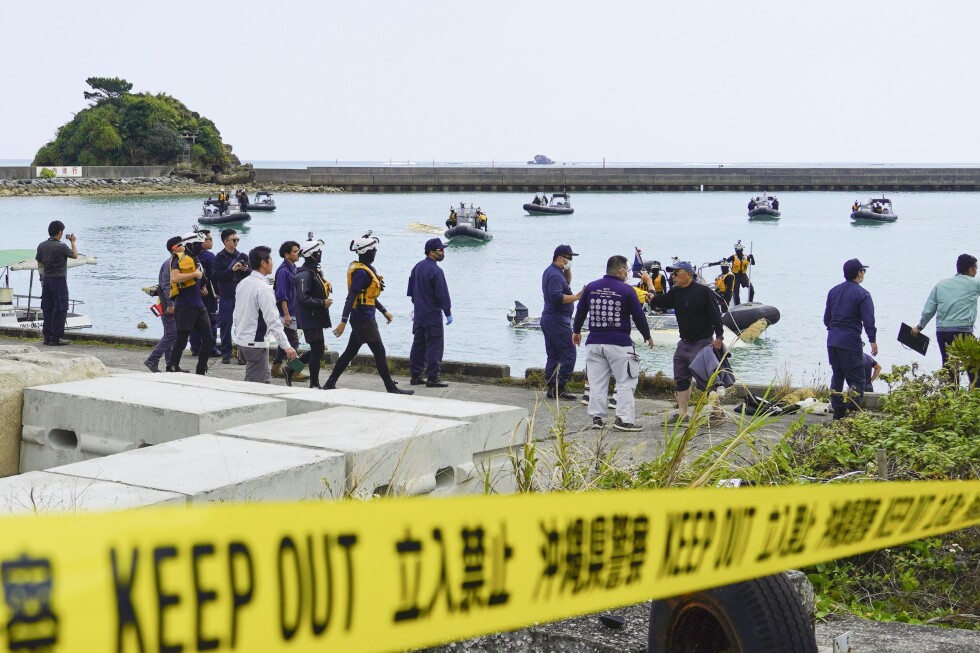
    A maritime tragedy unfolded Monday near Henoko, Okinawa, as two vessels carrying 21 individuals capsized in waters adjacent to a contentious U.S. military base relocation site. According to Japanese authorities, all passengers were thrown into the ocean, resulting in two fatalities despite rescue efforts.

    The Japan Coast Guard confirmed that 18 of those aboard were high school students from Kyoto participating in an educational peace program. The group was divided between two boats: ten students aboard the Heiwa Maru and eight on the smaller Fukutsu vessel, accompanied by three adult crew members.

    Coast guard rescue teams successfully extracted all 21 individuals from the water. Tragically, a 17-year-old female student and the captain of the Fukutsu were later pronounced dead. Two additional individuals sustained non-life-threatening injuries and received medical treatment.

    The incident occurred approximately one kilometer east of Henoko while a wave advisory was active. Preliminary reports indicate relatively calm water conditions with no evidence of vessel collision. Maritime authorities have launched a full investigation to determine the precise cause of the capsizing.

    Henoko has become a focal point for activists opposing the protracted relocation of U.S. Marine Corps Air Station Futenma, though officials clarified the students were engaged in observational activities rather than protest. This relocation project has been stalled for nearly three decades due to persistent legal challenges and demonstrations between Okinawan residents and the Tokyo government.

    The tragedy highlights ongoing tensions surrounding American military presence in Okinawa, which hosts approximately half of the 50,000 U.S. troops stationed in Japan under bilateral security agreements. Local communities have consistently raised concerns regarding accidents, environmental pollution, noise pollution, and crime associated with the military installations.

  • Israel announces Lebanon ground assault against Hezbollah

    Israel announces Lebanon ground assault against Hezbollah

    The Israeli military has confirmed the initiation of ground operations against Hezbollah forces in southern Lebanon, marking a significant escalation in the ongoing Middle Eastern conflict. This development occurs alongside intensified international efforts to address the critical shipping blockade in the Strait of Hormuz following Iranian attacks.

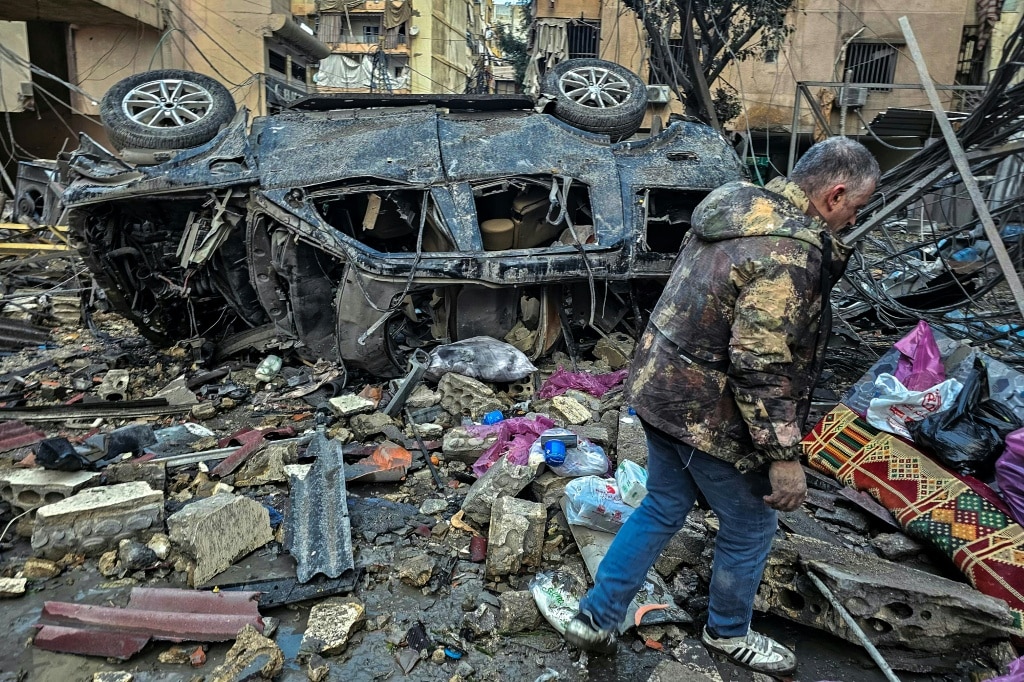
    Military spokesperson Brigadier General Effie Defrin characterized the Lebanese incursion as ‘limited ground operations’ intended to establish a strengthened defensive posture along Israel’s northern frontier. The announcement follows sustained aerial bombardments on Hezbollah strongholds in Beirut’s southern suburbs, areas previously subjected to comprehensive evacuation orders that triggered substantial population displacement throughout Lebanon.

    The broader regional confrontation has witnessed Iran executing retaliatory measures against approximately ten nations hosting American military installations. Revolutionary Guards officials disclosed the deployment of nearly 700 missiles and 3,600 drones targeting Israeli and US interests since hostilities commenced.

    Concurrently, global energy markets face unprecedented strain following Iran’s obstruction of the Strait of Hormuz—a vital maritime channel through which approximately one-third of the world’s seaborne oil passes. The subsequent 40-50% surge in crude prices prompted President Donald Trump to urgently solicit naval support from multiple nations including China, France, Japan, South Korea, and Britain to safeguard commercial tanker transit.

    The International Energy Agency has coordinated the release of 400 million barrels from strategic petroleum reserves to mitigate supply disruptions. Asian and Oceania nations are initiating immediate stockpile distributions, with European and American releases scheduled for subsequent weeks.

    Civilian infrastructure continues to suffer collateral damage, with Dubai International Airport temporarily suspending operations following drone-induced fires near its facilities. Iraqi authorities reported rocket attacks wounding five personnel at Baghdad Airport, which houses sensitive US diplomatic installations.

    Despite suffering leadership losses—including the reported demise of Supreme Leader Ali Khamenei—Iran’s interim leadership maintains defiance. Current estimates indicate over 1,200 casualties from US and Israeli strikes, while UN agencies report up to 3.2 million internally displaced persons within Iran amidst prolonged internet restrictions entering their seventeenth day.