博客

  • Taliban says hundreds killed in Pakistani air strike on Kabul hospital

    Taliban says hundreds killed in Pakistani air strike on Kabul hospital

    A significant escalation in cross-border hostilities has erupted between Afghanistan and Pakistan, with the Taliban government leveling a grave accusation against its neighbor. Senior Taliban official Hamdullah Fitrat, serving as deputy spokesman, has publicly charged Pakistan with conducting a lethal assault on the Omid Addiction Treatment Hospital in Kabul. The facility, described as a 2,000-bed drug rehabilitation center, was reportedly struck on Monday evening.

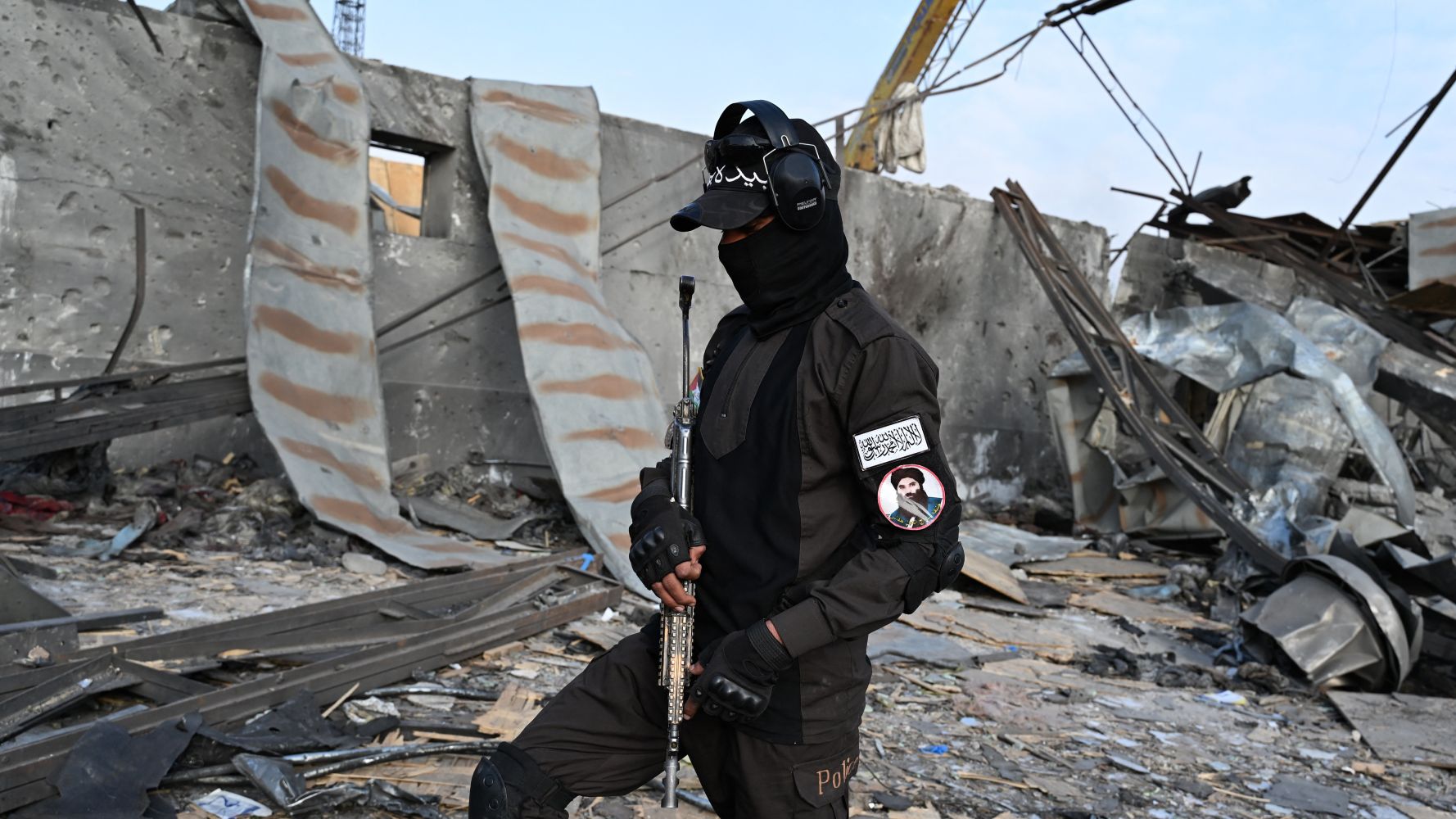
    According to Taliban claims, the attack resulted in catastrophic structural damage to the hospital complex. Disturbing imagery circulated by international news agencies depicted rescue personnel from the Afghan Red Crescent organization extracting numerous victims from the collapsed wreckage. Survivors were photographed congregating in makeshift triage areas near the devastation.

    Fitrat provided a stark casualty assessment via social media platform X, stating: ‘As a consequence of this aggression, substantial portions of the medical facility have been demolished. We hold serious apprehensions regarding a substantial death toll, which has regrettably reached approximately 400 fatalities, with an additional 250 individuals sustaining injuries.’

    The Pakistani government has issued an emphatic rebuttal of these allegations. Information Minister Attaullah Tarar dismissed the reports as ‘factually incorrect and deliberately crafted to misguide international perception.’ Official statements from Islamabad maintain that military operations exclusively targeted terrorist infrastructure allegedly operated by Afghan-based militants.

    Minister Tarar specified that precision strikes were conducted against bases utilized by the Taliban regime to support armed factions designated as Fitna Al Khawarij and Fitna Al Hindustan. These groups have claimed responsibility for numerous attacks against Pakistani military and civilian targets in border regions including Balochistan and Khyber Pakhtunkhwa.

    This incident exacerbates already deteriorating diplomatic relations between the neighboring nations. Tensions have intensified considerably since the Taliban’s ascension to power in 2021 following the United States’ withdrawal from Afghanistan. Former strategic allies have engaged in open conflict since February, with both sides reporting hundreds of combatant casualties in border skirmishes.

    The geopolitical complexity is deepened by ethnic dimensions, as the Taliban predominantly comprises Pashtun members. This ethnic group maintains a significant population of approximately 40 million within Pakistan’s 200 million citizens, further complicating bilateral relations. Both nations routinely exchange accusations regarding civilian targeting and support for insurgent groups operating across their shared 2,640-kilometer frontier.
  • Tunisia detains seven Gaza flotilla activists

    Tunisia detains seven Gaza flotilla activists

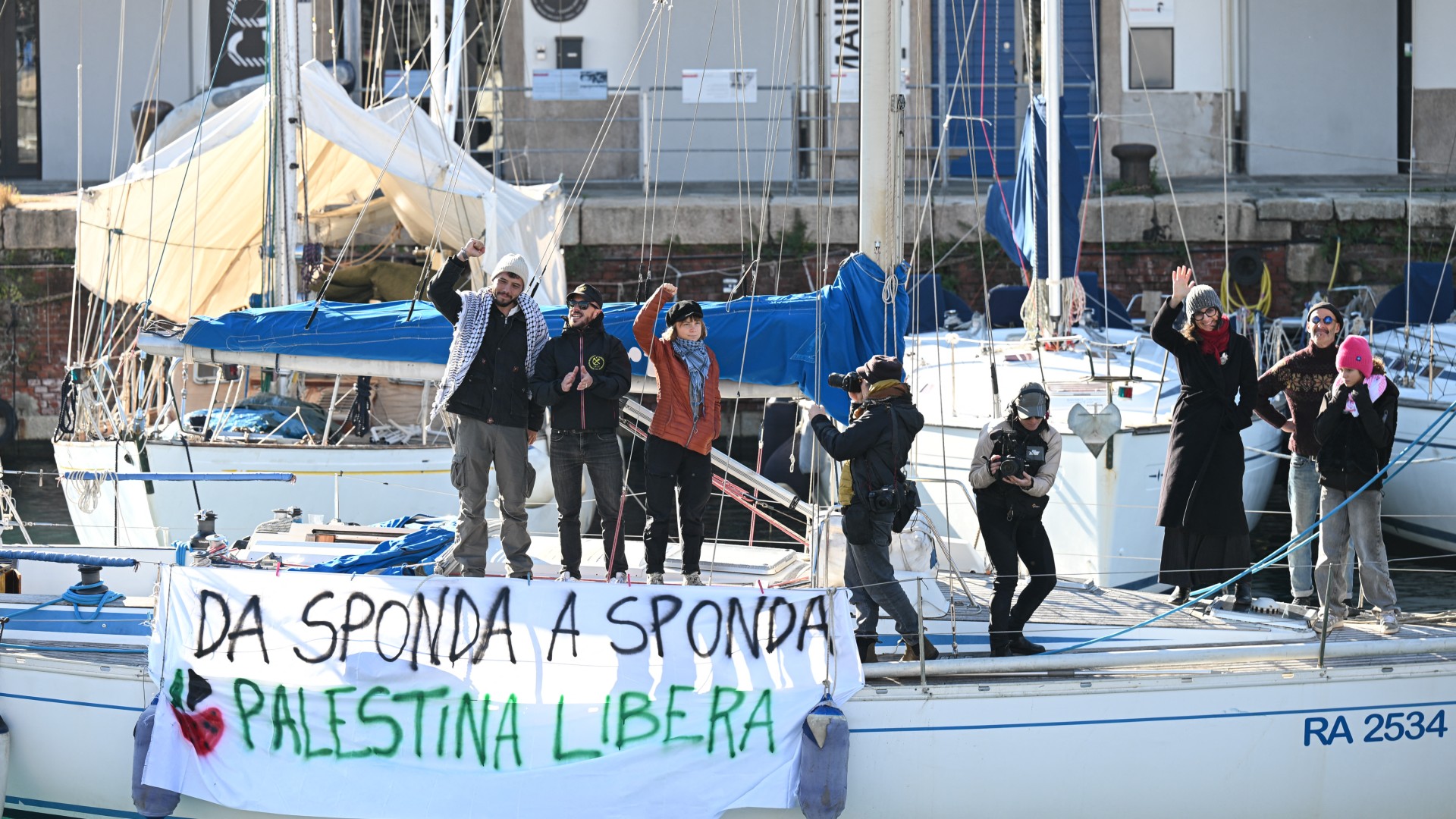
    A Tunisian judicial authority has mandated the pre-trial incarceration of seven activists affiliated with the pro-Palestinian initiative Global Sumud, invoking the nation’s anti-terrorism legislation on grounds of alleged financial misconduct. The detained individuals, including prominent figures Wael Naouar, his spouse Jawaher Channa, Nabil Chennoufi, Mohamed Amine Bennour, and Sana M’hidli, were initially apprehended on March 6th following a tense encounter with security forces at Sidi Bou Said port.

    Legal representative Sami Ben Ghazi confirmed to AFP that formal arrest warrants were issued after a ten-day police custody period, charging the group with orchestrating a ‘money laundering conspiracy.’ The allegations reportedly stem from fundraising activities conducted during the flotilla’s inaugural humanitarian mission to Gaza in September, though specific evidentiary details remain undisclosed.

    The judicial proceedings have drawn sharp criticism from human rights advocates and civil society organizations. Mahdi Elleuch, a noted Tunisian activist, condemned the actions as systematic repression of political expression, stating: ‘The regime is repressing all forms of political and social activism, including in support of the Palestinian cause. It consistently employs fabricated charges through a compliant judiciary.’

    Dissent manifested visibly as dozens of protesters congregated outside the Financial Judicial Centre, decrying the prosecution as politically motivated. This development occurs within a broader context of intensified governmental crackdowns following President Kais Saied’s 2021 power consolidation, which has witnessed mounting restrictions on civil liberties, press freedom, and organizational operations.

    Global Sumud representatives characterized the detentions as representing ‘a troubling break with Tunisia’s long history of solidarity with the Palestinian people,’ particularly when combined with recent prohibitions on lawful assemblies. The organization, which coordinates maritime aid missions to challenge the Israeli blockade of Gaza, frames its activities as non-violent responses to humanitarian crisis conditions.

    Amnesty International’s Tunisia division expressed grave concern regarding the ‘alarming arrests and increasing restrictions on peaceful gatherings,’ highlighting a deteriorating environment for human rights defenders. The incident precedes the group’s announced second aid convoy to Gaza, described as their largest humanitarian undertaking to date.

  • Belgian court orders trial of ex-diplomat for Congo independence icon Patrice Lumumba’s killing

    Belgian court orders trial of ex-diplomat for Congo independence icon Patrice Lumumba’s killing

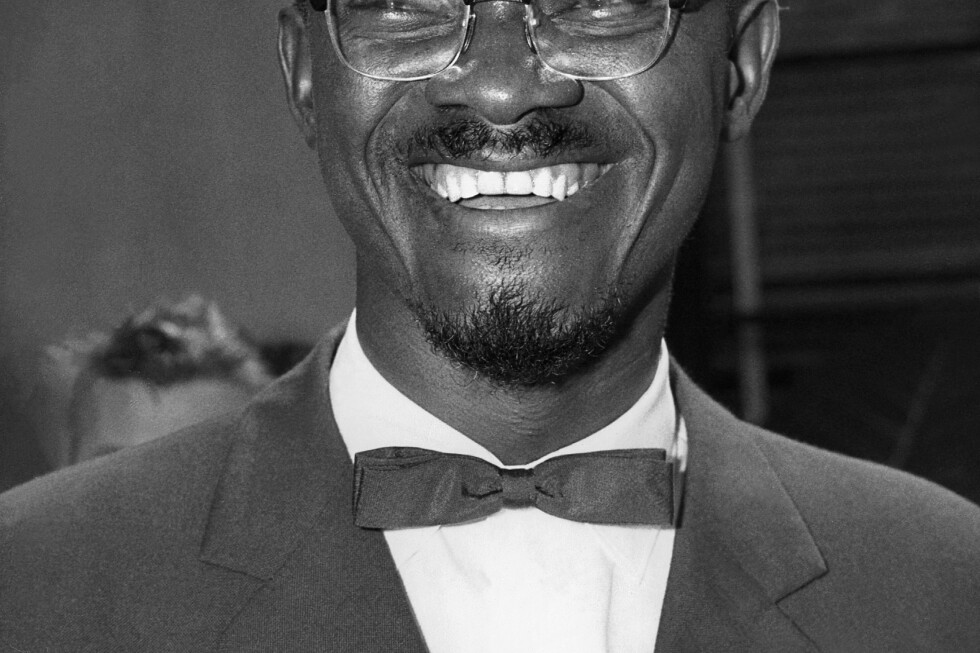
    In a landmark judicial decision addressing Belgium’s colonial past, a Belgian court has mandated that 93-year-old former diplomat Étienne Davignon stand trial for alleged involvement in the 1961 assassination of Patrice Lumumba, Congo’s first prime minister and independence leader. This unprecedented ruling marks one of the few instances where Belgian authorities have pursued legal action concerning the nation’s controversial colonial history in Congo.

    Lumumba, a seminal figure in Congo’s struggle for independence from Belgian rule, served merely three months as prime minister before being ousted from power and subsequently killed at age 35. His brief tenure in 1960 represented a transformative moment for the mineral-rich nation’s sovereignty movement.

    Davignon, who served as a junior diplomatic intern in Kinshasa (then Léopoldville) during Lumumba’s administration, stands as the sole surviving individual among ten Belgians suspected of participation in the assassination plot. The Belgian federal prosecutor’s office has formally charged the former European Commission vice president with “participation in war crimes” specifically related to Lumumba’s “unlawful detention and transfer.”

    The judicial development follows a decade-long legal pursuit initiated by Lumumba’s children, who filed a case in Belgian courts in 2011 seeking accountability for their father’s death. Although Lumumba was ultimately killed by Congolese separatists in January 1961, historical evidence has consistently suggested complicity by both Belgian and American authorities due to Lumumba’s perceived Communist sympathies during the Cold War era.

    The case remains particularly haunting as Lumumba’s body was never recovered, with historical accounts indicating it may have been dissolved in acid following his execution. Davignon maintains two weeks to appeal the charges and has previously denied any wrongdoing in connection with Lumumba’s death.

  • French teams Toulouse and Lorient will have disability pictograms on their jerseys

    French teams Toulouse and Lorient will have disability pictograms on their jerseys

    In an unprecedented move for professional sports, Toulouse and Lorient football clubs will showcase specially designed disability pictograms instead of player names on their jerseys during Saturday’s Ligue 1 encounter. This visual initiative forms the cornerstone of an extensive awareness campaign orchestrated by the French Professional Football League (LFP) to promote improved long-term stadium accessibility for individuals with disabilities.

    The seven distinct pictograms represent visual, cognitive, hearing, intellectual, debilitating illnesses, motor, and intellectual disabilities. According to the LFP’s official statement, these symbols collectively embody a profound commitment to enhancing inclusion and visibility for disabled communities within football culture.

    Dubbed the ‘Most Inclusive Match,’ the event represents a collaborative effort between the LFP, Spain-based World Football Summit, and Portugal’s Integrated Dreams nonprofit organization. Toulouse becomes the first French club to host this innovative event following its successful implementation across Spanish clubs including Real Betis, Atlético Madrid, and Real Sociedad over the past three years.

    The Stadium de Toulouse will undergo comprehensive modifications to accommodate diverse needs, including accessible shuttle services, audio description technology, visual assistance devices, and specially designed areas for spectators with sensory and autistic conditions, supported by dedicated staff members. The stadium’s 33,000-capacity forecourt will be transformed into an interactive awareness space.

    Pre-match activities will feature disability-focused job fairs, educational conferences on inclusion innovation hosted by Toulouse Business School, and practical workshops. Participating associations will conduct introductory sessions to blind soccer and wheelchair rugby, both featured disciplines in the recent 2024 Paris Paralympic Games.

    The symbolic pre-match procession will see players accompanied by both disabled and able-bodied children, reinforcing the inclusive messaging. Ceremonial kickoff honors will be shared by two-time Paralympic badminton champion Lucas Mazur and Mayane, a 21-year-old French actress with Down syndrome, who serve as event ambassadors.

    Marian Otamendi, World Football Summit co-founder and CEO, emphasized the campaign’s significance: ‘Football theoretically represents the world’s most accessible sport, yet millions with disabilities remain excluded from live match experiences. This initiative directly confronts the barriers preventing full participation.’

  • Australian first-home buyers face grim market as property prices continue to surge

    Australian first-home buyers face grim market as property prices continue to surge

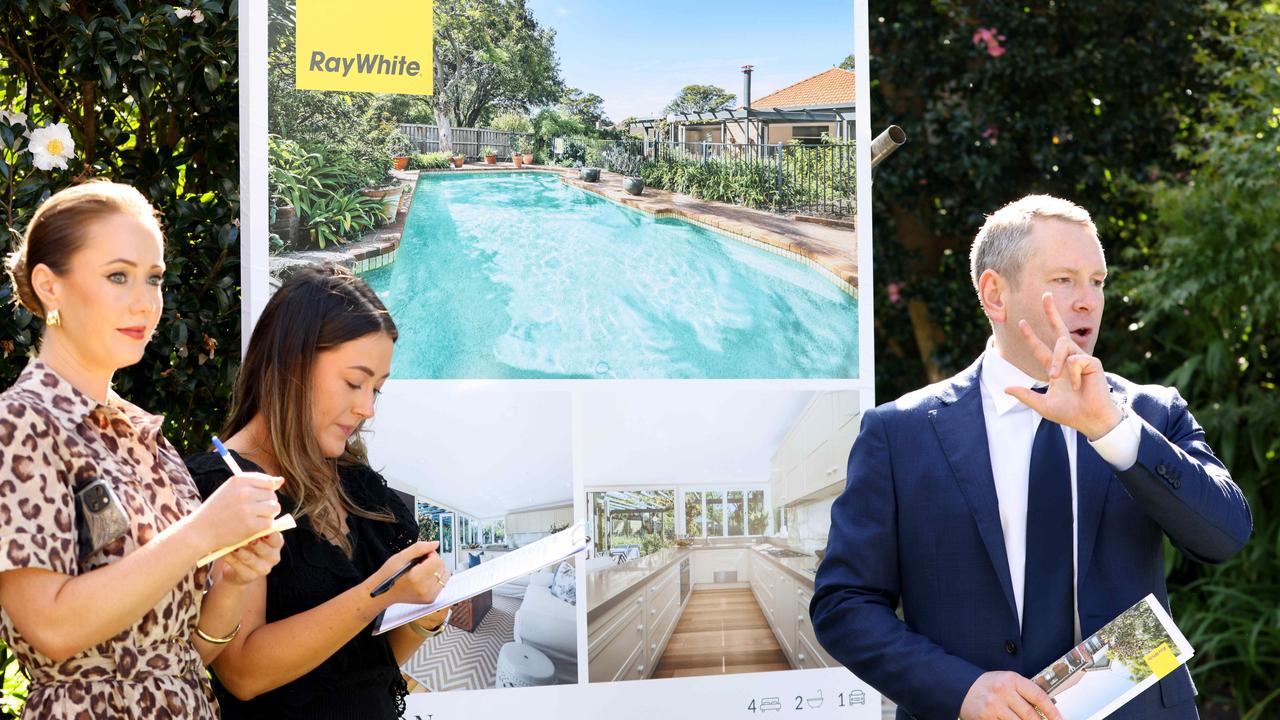
    Australia’s blistering property market is exhibiting definitive signs of deceleration in response to consecutive interest rate hikes by the Reserve Bank of Australia (RBA). However, this cooling trend delivers a paradoxical outcome for aspiring homeowners, failing to translate into improved affordability or accessibility for those attempting to enter the market.

    The official cash rate now stands at a substantial 4.10 percent, its highest point since April 2025, following aggressive back-to-back increases in February and March. Financial markets are bracing for additional monetary tightening, potentially as soon as May, which would entirely erase the interest rate relief experienced throughout 2025.

    Independent economist Eliza Owen provides a sobering analysis, indicating that while price declines are materializing, they are concentrated in the premium segment of the market. ‘Typically, the higher end demonstrates greater sensitivity to interest rate fluctuations because, in dollar terms, borrowing capacity experiences a more significant reduction,’ Ms. Owen explained. She further noted that government incentives, such as the 5 percent deposit scheme, are ironically sustaining demand at the lower end, creating intensified competition among first-home buyers and counteracting the downward price pressure from rate rises.

    Compounding the issue are external economic shocks, including oil price volatility stemming from geopolitical tensions involving the US, Israel, and Iran. Ms. Owen forecasts a ‘mild decline’ in the markets of Sydney and Melbourne, with other cities and regional areas continuing to see price growth, albeit at a reduced pace. A critical factor limiting a major correction is supply constraint; as market conditions deteriorate, potential sellers and developers withdraw, opting to hold properties and shelve new projects rather than sell into a weakening market.

    Supporting this view, recent data from Proptrack reveals a landmark milestone: the combined capital city median house price surpassed $1 million for the first time in February. Hobart led monthly growth with a 1.0 percent increase, followed by Brisbane and Adelaide at 0.7 percent each. Brisbane’s annual surge of $153,500 brought its median to $1,046,000, while Adelaide’s rose $118,600 to $929,000. Regional markets have notably outperformed capitals, climbing 0.6 percent in February and 10.5 percent year-on-year.

    Despite these daunting figures, not all hope is lost for new entrants. Metricon CEO Brad Duggan emphasized that housing remains a long-term decision, and delaying a purchase could be counterproductive if supply constraints persist. Data from his firm indicates that 40 percent of current customers are first-home buyers who are adapting their strategies—often compromising on location or design—rather than abandoning their ownership ambitions entirely, demonstrating resilience in the face of stretched affordability.

  • Trump thanked by Irish PM for affirming US and Ireland’s ‘tremendous bond’

    Trump thanked by Irish PM for affirming US and Ireland’s ‘tremendous bond’

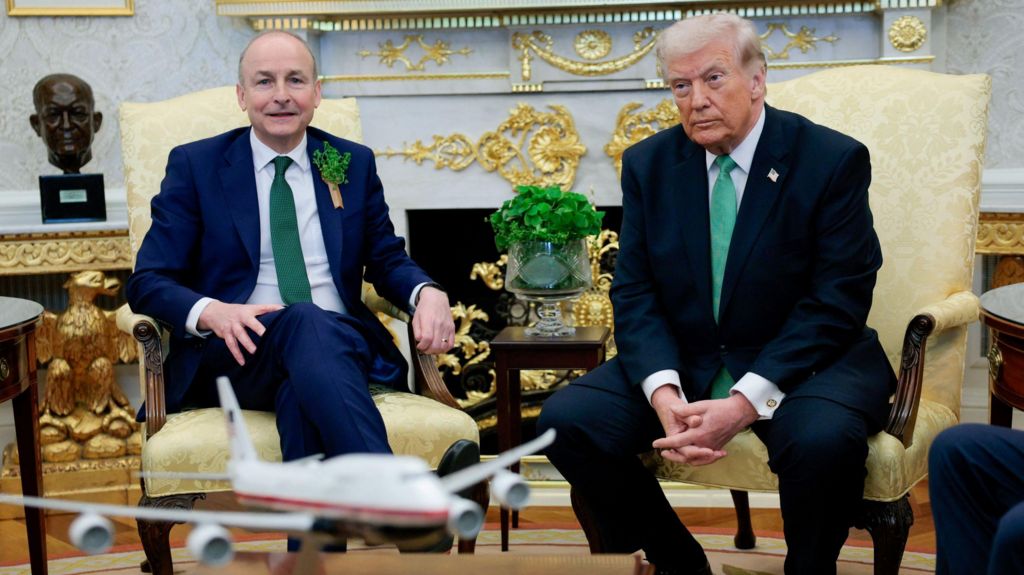
    In a ceremonial display of diplomatic tradition, Irish Taoiseach Micheál Martin convened with former US President Donald Trump at the White House on St. Patrick’s Day, reinforcing bilateral ties while navigating contentious geopolitical issues. The annual diplomatic ritual, deeply embedded in US-Ireland relations, unfolded with the customary exchange of shamrocks and public affirmations of mutual cooperation.

    President Trump characterized the nations’ trade relationship as ‘tremendous’ during the Oval Office meeting, forecasting its rapid expansion while alluding to potential tariff negotiations. ‘We have a tremendous trade relationship with Ireland and we’ll keep it that way,’ Trump stated, acknowledging both countries’ desire to strengthen economic partnerships.

    The Taoiseach emphasized the historical significance of Irish contributions to American society, noting that 23 US presidents claimed Irish heritage. ‘The Irish have helped to build America,’ Martin remarked, framing the White House reception as recognition of the Irish diaspora’s enduring legacy.

    Geopolitical tensions surfaced when journalists questioned Trump about energy price increases resulting from US-Israeli military actions against Iran. The former president defended the operations as necessary measures against ‘nuclear terrorism,’ predicting energy markets would stabilize ‘like a rock’ following conflict resolution.

    Martin’s engagement faced domestic criticism, particularly from Sinn Féin leadership boycotting St. Patrick’s Day events over US policies in Gaza. Deputy First Minister Emma Little-Pengelly, however, characterized the boycott as a ‘missed opportunity’ for diplomatic engagement regardless of political differences.

    The meeting concluded with discussions about establishing legal migration pathways between the nations, reflecting ongoing efforts to strengthen people-to-people connections beyond governmental relations.

  • From Gaza to Tehran, Palestinians and Iranians compare life under the bombs

    From Gaza to Tehran, Palestinians and Iranians compare life under the bombs

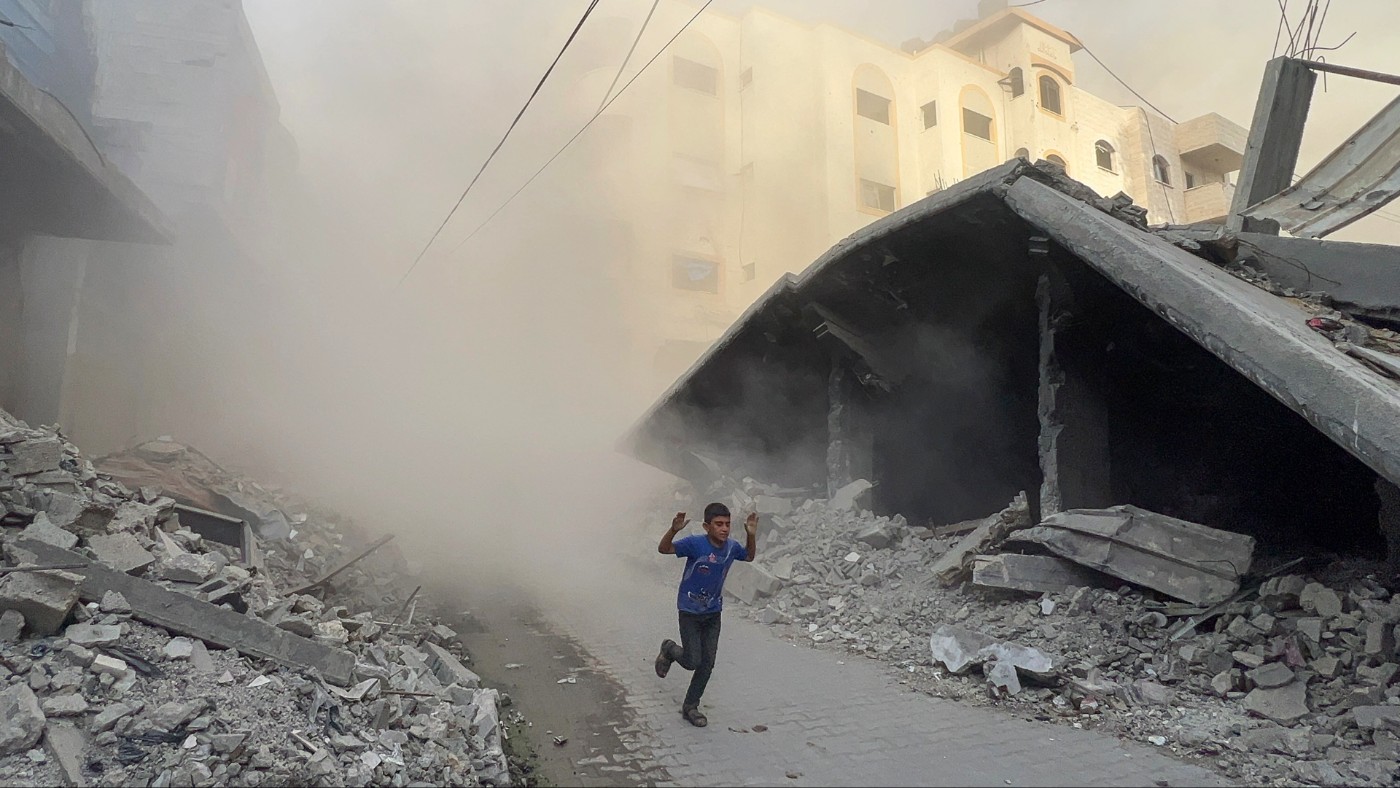
    Residents of Tehran and other Iranian cities are experiencing haunting parallels to the destruction in Gaza as civilian infrastructure becomes systematic military targets in the ongoing conflict. The pattern of attacks on schools, hospitals, and residential areas has created eerie similarities that both Iranians and Palestinians recognize as part of a devastating regional strategy.

    The war’s impact on education has been particularly severe. Multiple schools across Iran have suffered direct hits, including the Shajareh Tayyebeh school in Minab where a double-tap strike killed at least 168 people. The targeting of educational institutions mirrors the systematic destruction of Gaza’s school system, where over 97% of schools have been damaged or destroyed according to UNICEF data.

    Healthcare facilities have similarly become battlegrounds. Tehran’s Gandhi Hospital suffered significant damage to its IVF department, creating anguish for prospective parents who lost genetic materials. This pattern directly recalls the destruction of Gaza’s al-Basma IVF Center in December 2023, which wiped out nearly 4,000 frozen embryos. The targeting of medical infrastructure follows a documented pattern from Gaza, where 94% of medical facilities have been damaged and no fully functional hospitals remain according to the WHO.

    Civilian casualties have mounted rapidly, with at least 1,444 civilians killed in the first two weeks of conflict—a rate comparable to the initial phase of the Gaza offensive that claimed over 4,100 Palestinian lives in a similar timeframe. The psychological impact on survivors is profound, with many reporting sleep disturbances from constant bombardment and trauma from witnessing destruction they previously only saw in news reports from other conflict zones.

    Regional analysts and residents note that the tactical approach appearing in Iran reflects testing and refinement of methods previously deployed in Gaza, with similar patterns now emerging in Lebanon and Syria. The consistent targeting of civilian infrastructure across multiple conflicts suggests a strategic doctrine rather than isolated incidents, creating humanitarian crises that will require years of reconstruction and recovery.

  • Iran security chief Ali Larijani killed, claims Israeli defence minister

    Iran security chief Ali Larijani killed, claims Israeli defence minister

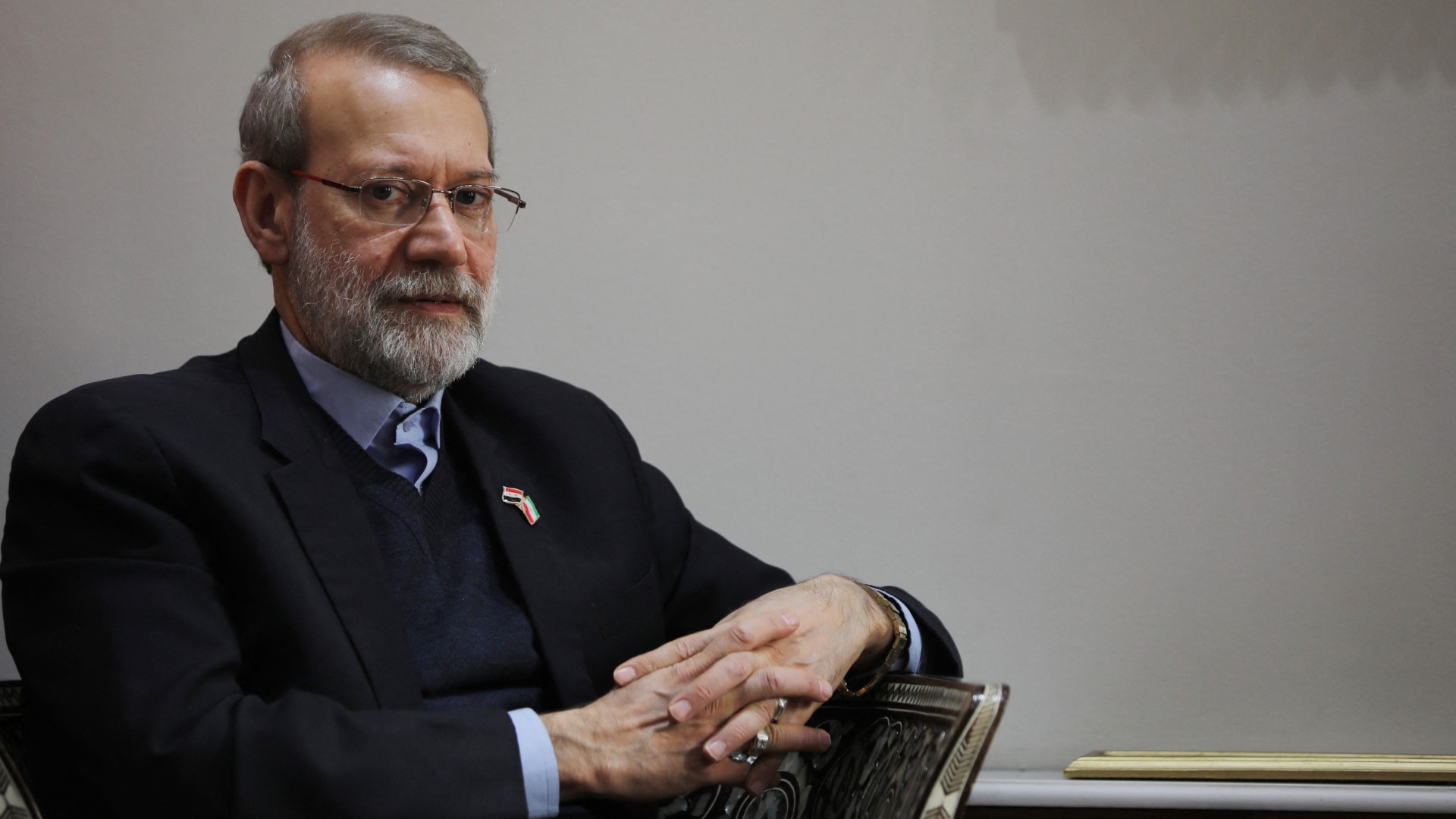
    Israeli Defense Minister Israel Katz declared on Tuesday that Ali Larijani, a prominent Iranian security chief, had been eliminated in a targeted Israeli military operation. The announcement followed Monday night strikes, with four Israeli officials confirming to Reuters that Larijani was the intended target, though initial assessments could not confirm whether the operation resulted in his death or injury.

    Contradicting the Israeli claim, a handwritten note attributed to Larijani surfaced on his Telegram channel shortly after Katz’s statement. The message paid homage to recently deceased Iranian naval personnel ahead of a scheduled funeral ceremony, casting immediate doubt on the success of the Israeli operation. Iranian authorities have yet to issue an official confirmation regarding Larijani’s status.

    Larijani’s significance within Iran’s political hierarchy has substantially increased following the assassination of former Supreme Leader Ayatollah Ali Khamenei two weeks prior, with many observers viewing him as the nation’s de-facto leader. His public presence was noted as recently as Friday during mass Al-Quds Day rallies in Tehran.

    In a related development, the Israeli military confirmed successfully targeting and eliminating Gholamreza Soleimani, commander of Iran’s Basij paramilitary force, during overnight operations. The strike reportedly destroyed a recently established tent camp after several Basij headquarters sustained damage from previous Israeli attacks. The operation also claimed the lives of the paramilitary’s deputy commander and additional high-ranking officials, according to Israeli military statements.

    Separately, Israeli forces targeted Akram al-Ajouri, a senior leader of Palestinian Islamic Jihad, in a strike conducted days earlier within Iranian territory. Military officials indicated al-Ajouri was likely killed but emphasized confirmation efforts remain ongoing.

    These developments occur against the backdrop of heightened tensions, with the United States having offered a $10 million reward just days earlier for information on Larijani and nine other Iranian officials linked to the Islamic Revolutionary Guard Corps.

  • Argentina’s last big World Cup tune-up vanishes and leaves Scaloni’s squad untested vs Europe

    Argentina’s last big World Cup tune-up vanishes and leaves Scaloni’s squad untested vs Europe

    BUENOS AIRES, Argentina — Argentina’s strategic preparations for their upcoming World Cup defense have encountered a significant setback following the abrupt cancellation of the highly anticipated Finalissima clash against European champions Spain. The match, originally scheduled for March 27 in Qatar, was scrapped due to geopolitical tensions in the Middle East, depriving coach Lionel Scaloni of a crucial benchmarking opportunity against elite European competition.

    The cancellation has triggered frantic negotiations within the Argentine Football Association (AFA) to secure alternative opponents during the current international window. Compounding the challenge, the AFA has yet to confirm any final warm-up matches for late May, just weeks before Argentina opens their World Cup campaign in June.

    This disruption comes at a particularly sensitive juncture in Argentina’s preparation cycle. Manager Scaloni had emphasized that the period from March onward would be “crucial” for developing optimal player conditioning ahead of the tournament. The Spanish showdown was intended to address lingering uncertainties about captain Lionel Messi’s availability for his potential sixth World Cup appearance, evaluate starting lineup options, and assess emerging talents within the squad.

    Argentina’s recent scheduling approach has drawn attention for its commercial orientation. Since their triumphant 2022 World Cup victory, the team has maintained an impressive unbeaten streak across South American qualifying matches and friendlies, including Copa América 2024 glory. However, their opponents have predominantly included lower-ranked nations such as Curaçao, Indonesia, and Guatemala—a deliberate strategy that has maximized financial returns while limiting exposure to European football’s tactical sophistication.

    This scheduling pattern marks a historic departure: Argentina may arrive at a World Cup without having faced European opposition during their preparation cycle for the first time ever. The three-time champions begin their Group Stage campaign against Algeria on June 16 in Kansas, followed by encounters with Austria and Jordan.

  • Damascus authorities ban alcohol sales in non-Christian areas

    Damascus authorities ban alcohol sales in non-Christian areas

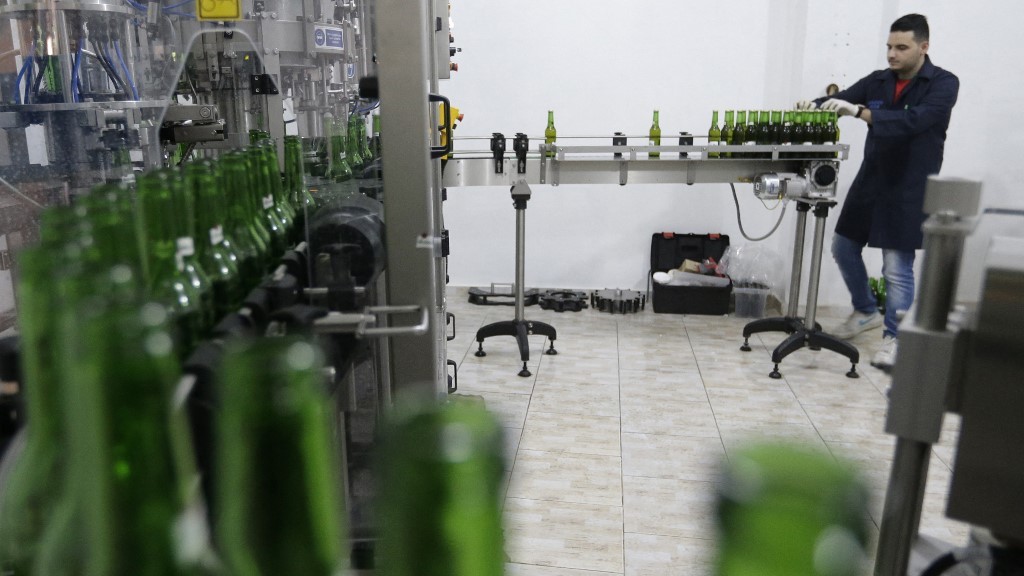
    The transitional government in Damascus has enacted a sweeping prohibition on alcohol sales throughout the Syrian capital, marking a significant shift in social policy since the overthrow of Bashar al-Assad’s regime. The new regulations, announced Monday, forbid the sale of alcoholic beverages in restaurants and nightclubs across most of the city, citing numerous public complaints and aiming to eliminate practices deemed contrary to public morals.

    The ban contains notable exceptions for three predominantly Christian districts—Bab Touma, Qassaa, and Bab Sharqi—where alcohol sales will be permitted under strict conditions. Establishments in these exempted areas must hold specific commercial building permits and may only sell sealed containers for takeaway consumption. Additionally, all businesses authorized to sell alcohol must maintain a minimum distance of 75 meters from religious sites, educational institutions, and cemeteries, and at least 20 meters from police stations and government buildings.

    This policy represents a departure from the government’s previous restraint in imposing social restrictions since President Ahmed al-Sharaa assumed power in December 2024. Sharaa, whose former Hay’at Tahrir al-Sham group was once affiliated with al-Qaeda, had largely avoided such measures until recent months. The alcohol ban follows other controversial regulations, including January’s prohibition on makeup for female public sector employees and last year’s mandate requiring full-body swimsuits on public beaches.

    The sectarian nature of the exemptions has sparked significant criticism from various segments of Syrian society. Many secular Sunnis and religious minorities view the ban as an infringement on civil liberties, while analysts argue the neighborhood-specific exemptions institutionalize religious segregation. Syrian analyst Jihad Yazigi noted on social media platform X that the decision effectively creates division between Muslim and Christian communities, reversing historical trends toward integration that had begun even during the late Ottoman period.

    The controversial social policies emerge as the transitional government faces multiple challenges, including domestic unrest, Israeli attacks, and complex diplomatic relations with former allies and adversaries. The government’s legitimacy remains questioned following October’s parliamentary elections, where Sharaa directly appointed one-third of representatives while government-appointed committees selected the remainder. The electoral process notably excluded the Druze-majority Sweida province and Kurdish-held northeast regions, leaving 32 parliamentary seats vacant.

    According to a temporary constitution announced in March, the current parliament will exercise legislative functions throughout a five-year transitional period until permanent constitutional arrangements can be established. Government officials maintain that conventional elections remain unworkable following Syria’s devastating 13-year conflict, which resulted in hundreds of thousands of deaths and millions displaced. However, the selection process has disappointed pro-democracy advocates who had anticipated more substantial political reforms following Assad’s ouster.