博客

  • The Iran war is causing oil prices to soar – can China withstand it?

    The Iran war is causing oil prices to soar – can China withstand it?

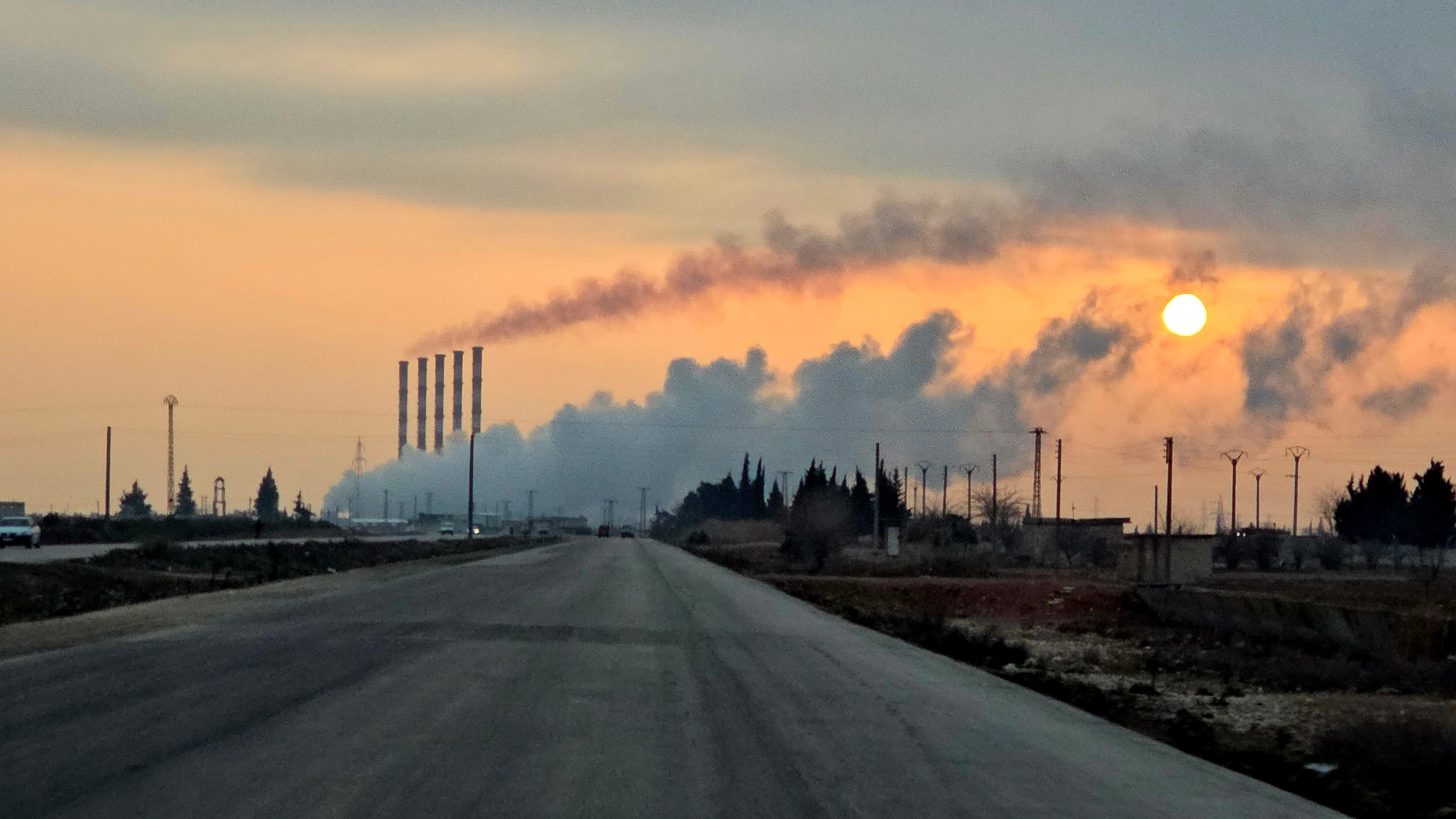
    The escalating conflict in Iran has triggered a severe disruption in global oil supplies, placing China’s carefully constructed energy security framework under unprecedented pressure. Following Iran’s threats against vessels traversing critical trade waterways in retaliation for US-Israeli strikes, Middle Eastern energy shipments have ground to a virtual standstill.

    This blockade has created a worldwide oil shortage that has particularly impacted Gulf-reliant Asian economies. The Philippines has implemented mandatory four-day work weeks to conserve fuel, while Indonesia faces dwindling reserves that may last merely weeks. China, as the planet’s largest oil purchaser, is experiencing similar strains but enters this crisis from a position of relative strength due to years of strategic preparation.

    The global economic landscape has been destabilized since late February when US and Israeli strikes targeted Iranian assets. Subsequent attacks on shipping infrastructure and the effective closure of the Strait of Hormuz—the world’s busiest oil transit channel—have driven prices toward $120 per barrel. Approximately 20 million barrels daily, representing one-fifth of global oil production, normally flow through this critical waterway according to U.S. Energy Information Administration estimates.

    China’s energy consumption patterns reveal a complex defensive structure. The nation consumes an estimated 15-16 million barrels daily, primarily supporting its massive transportation networks. While Gulf nations historically supplied significant portions—with Saudi Arabia and Iran each contributing over 10% of imports—China has diversified its sources strategically.

    Northern regions rely predominantly on domestic production and Russian pipeline imports, which remain unaffected by Middle Eastern conflicts. Russian oil now constitutes nearly one-fifth of China’s energy imports, making Moscow Beijing’s largest supplier despite Western sanctions. Furthermore, coal—abundantly available domestically—generates most of China’s electricity, with oil and gas comprising just over a quarter of the total energy mix.

    Ole Hansen, Saxo Bank’s head of commodity strategy, notes that Beijing has capitalized on favorable crude prices and Gulf abundance to build one of the world’s largest oil reserves. Customs data shows a 16% year-over-year increase in crude purchases during January-February alone. Iran, despite U.S. sanctions, has been a key supplier of discounted crude, with reports indicating China purchases over 80% of Tehran’s oil exports.

    Analysts estimate China maintains reserves of 900 million to 1.4 billion barrels—approximately three months’ worth of imports. Current vessel-tracking data reveals over 46 million barrels of Iranian crude sitting in South China Sea tankers, providing a substantial buffer against supply disruptions.

    Nevertheless, Beijing exhibits cautionary measures, reportedly ordering refineries to halt fuel exports to stabilize domestic prices. Simultaneously, China’s aggressive renewable energy expansion has created additional insulation. Wind, solar and hydropower generated over one-third of China’s electricity in 2024, with clean sources now constituting more than half of installed capacity.

    Roger Fouquet, an energy economics researcher, characterizes China’s renewable transition as both environmentally motivated and strategically economic. The proliferation of electric vehicles—comprising at least one-third of new car sales—further decouples mobility costs from oil market volatility. As Roc Shi from the University of Technology Sydney observes, ‘An EV owner in Beijing simply doesn’t feel the pain at the pump when the Middle East flares up.’

    Despite these advantages, China remains vulnerable to broader economic impacts. Rising oil prices increase costs for petrochemical industries producing plastics and fertilizers, while electricity rates may climb during energy crises. As the world’s largest energy importer, China must accept higher-priced barrels—but does so from a position of prepared resilience rather than desperation.
  • Alberta seeks to set limits on use of medically assisted dying

    Alberta seeks to set limits on use of medically assisted dying

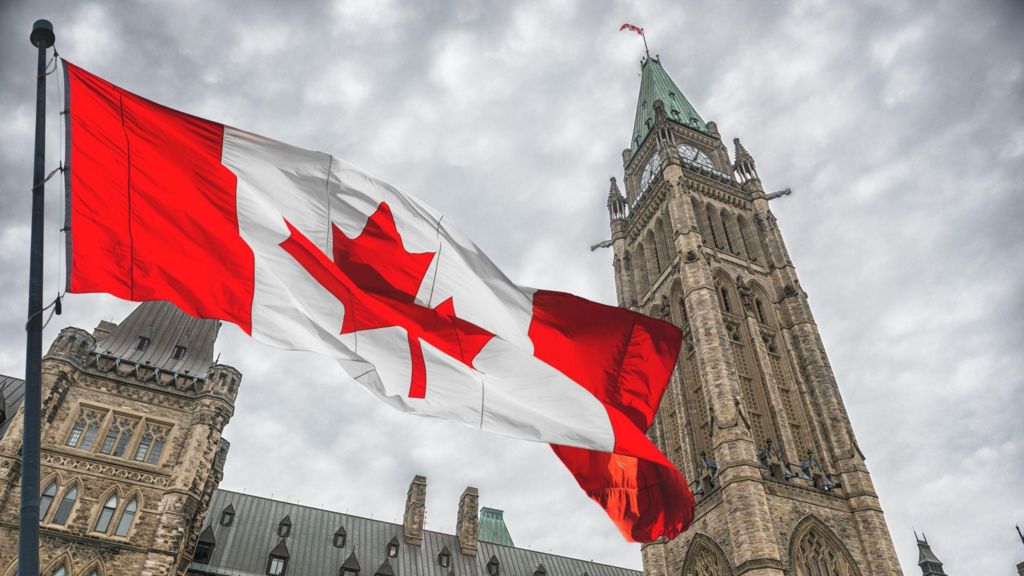
    The provincial government of Alberta has introduced groundbreaking legislation aiming to significantly restrict access to medically assisted dying (MAID) within its jurisdiction. The proposed bill would limit the procedure exclusively to individuals facing imminent end-of-life circumstances, marking the first time a Canadian province has independently moved to impose stricter limitations than federal regulations allow.

    Premier Danielle Smith articulated the government’s position during a Wednesday news conference, stating that MAID should remain an option solely for those without any prospect of recovery. “This legislation strengthens safeguards and restores clear limits on eligibility to protect vulnerable Albertans facing mental illness or living with disabilities,” Smith emphasized. “Those struggling with severe mental health challenges need treatment, compassion and support, not a path to end their life at what may be their lowest moment.”

    The comprehensive proposal includes multiple protective measures: prohibiting physicians from unilaterally raising MAID as an option with patients, banning public advertising of the service in healthcare facilities, and formally protecting healthcare professionals’ rights to conscientious objection. This legislative initiative comes as Canada prepares to expand MAID access to individuals whose sole condition is mental illness in 2025—an expansion that has already been postponed twice amid ongoing debates about implementation safeguards.

    Canada’s journey with medically assisted dying began in 2016 following legalization for terminal illness cases, with subsequent expansions to include those with serious and chronic physical conditions after a landmark Quebec court case. According to federal data, medically assisted deaths currently account for approximately 5% of all Canadian deaths, with the overwhelming majority (around 96% in 2024) involving patients whose death was deemed “reasonably foreseeable” due to conditions like cancer.

    The proposed legislation has generated polarized reactions across the healthcare and advocacy communities. Moira Wilson of Inclusion Canada welcomed Alberta’s initiative, stating it “demonstrates that governments can strengthen laws and better protect people whose lives are not nearing an end.” Similarly, Mara Grunau of the Canadian Mental Health Association’s Alberta division endorsed the measures, emphasizing that “recovery from mental illness and suicidality is possible, expected even.”

    Conversely, advocates for expanded access have strongly criticized the proposal. Helen Long of Dying with Dignity Canada condemned the legislation as a “direct attempt to circumvent the constitutional criminal law authority” that unjustly limits patient autonomy. She expressed concern that the bill would create “additional barriers for individuals who are suffering and who wish to exercise choice.”

    The ongoing national debate reflects broader tensions between provincial healthcare authority and federal eligibility standards, with Alberta’s move potentially establishing a precedent for other provinces considering similar restrictions. As Canada continues to navigate this complex ethical landscape, Alberta’s proposed legislation represents a significant development in the evolving conversation about end-of-life choices and protections for vulnerable populations.

  • US-Israeli war on Iran ‘unjustified and unlawful’, French ambassador tells MEE

    US-Israeli war on Iran ‘unjustified and unlawful’, French ambassador tells MEE

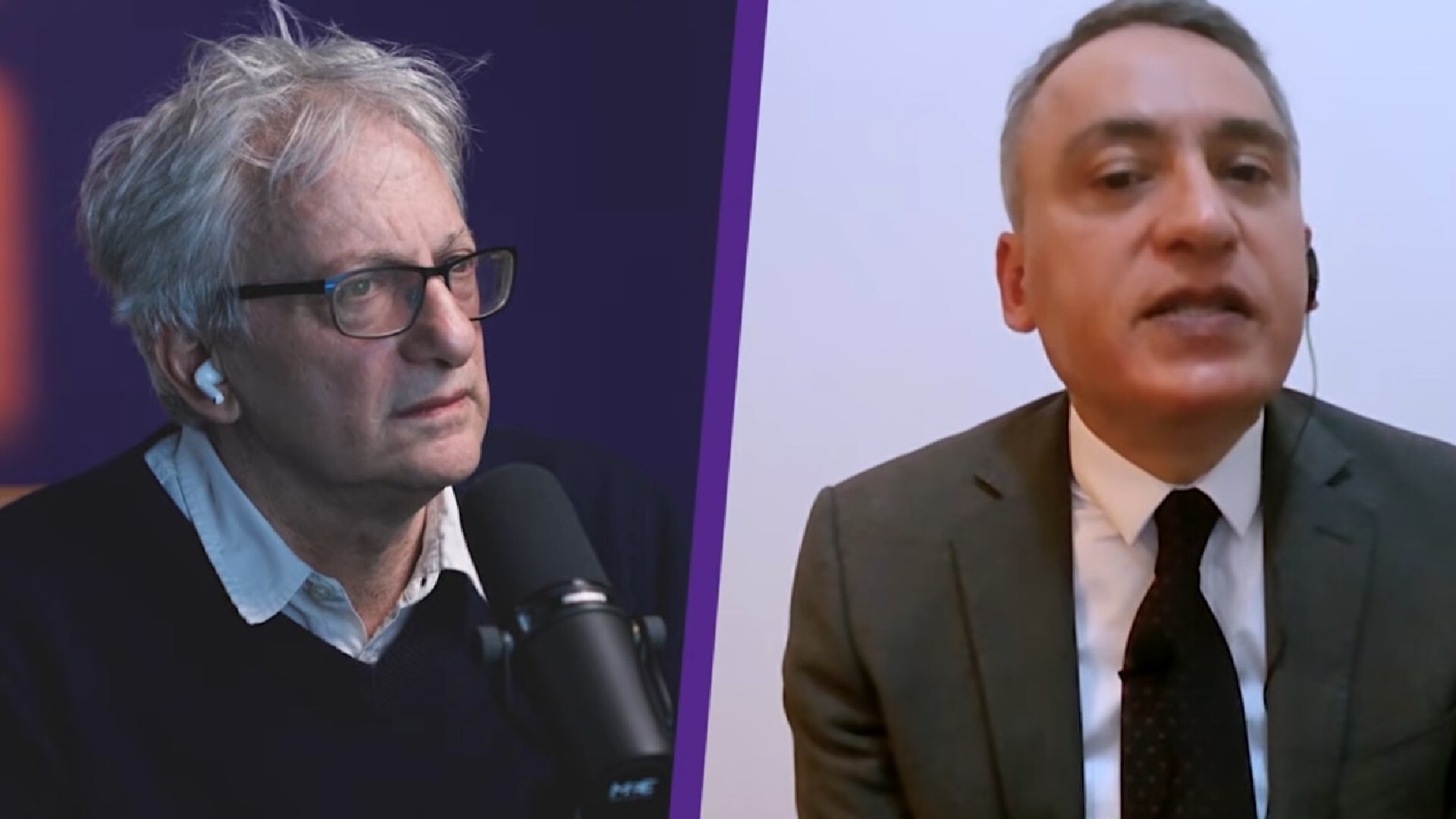
    In an exclusive interview with Middle East Eye, France’s ambassador to Oman Nabil Hajlaoui has delivered a sharp diplomatic rebuke of the US-Israeli military campaign against Iran, characterizing the operation as both unjustified and outside international legal frameworks. The ambassador’s remarks, recorded for The David Hearst Podcast, represent a significant public divergence between Western allies regarding Middle East military strategy.

    Hajlaoui articulated France’s position with notable clarity: ‘This military operation exists outside of international law and we cannot endorse it in any way. We see no justification, no supporting Security Council resolution, nor any situation requiring such rapid escalation to military action.’

    The timing of the offensive, launched on February 28th, proved particularly troubling according to the French diplomat. The attacks coincided with a critical juncture in Oman-mediated negotiations between Washington and Tehran that had shown promising developments. Ambassador Hajlaoui revealed that French officials had received briefings indicating substantive progress in these talks, with several elements ‘moving in the right direction.’

    This assessment aligns with recent statements from Omani Foreign Minister Badr bin Hamad Al Busaidi, who three weeks prior had announced Iran’s agreement to never stockpile enriched uranium and to degrade existing nuclear material to ‘the lowest level possible’ through an irreversible conversion process into fuel. The US-Israeli military operation commenced merely one day after these diplomatic breakthroughs.

    Hajlaoui expressed understanding regarding Iran’s anger following the attacks, noting the natural frustration when ‘you discuss and then you are attacked.’ While acknowledging that Tehran’s concessions remained ‘very far from American expectations,’ the ambassador identified broader sticking points including Iran’s ballistic missile program and regional activities that Western powers view as destabilizing.

    The French diplomat suggested Israel likely drove the momentum toward military confrontation rather than prolonged negotiations, stating: ‘I’m really not informed of the way the Israelis and Americans discussed this preparation, but we can just see that the momentum was pushed by the Israelis.’

    This military escalation has generated profound disappointment in Muscat according to Hajlaoui, who described the mood as one of ‘clear dismay’ at what he termed a ‘collective failure to prevent war.’ The ambassador warned that Gulf states are being unwillingly drawn into a conflict they did not seek, despite their recent efforts to rebuild relations with Tehran.

    Hajlaoui issued sobering warnings about the conflict’s potential expansion, noting the absence of clear limits to escalation. He highlighted the particularly grave economic implications should Iran close the Strait of Hormuz—the world’s most critical oil chokepoint through which approximately 20% of global oil output and one-third of liquefied natural gas transit.

    While France has deployed an aircraft carrier to the region as reassurance to partners, Hajlaoui emphasized that France has no intention of involvement ‘in any way in this war.’ The nation is collaborating with allies to monitor the strategic strait but will refrain from active intervention during ongoing military operations.

    The ambassador characterized potential US troop deployment as ‘a very big game changer’ that would contradict the administration’s stated policy of avoiding ‘endless wars.’ Such escalation would represent ‘an incredible political risk’ and a total policy shift according to Hajlaoui.

    Finally, the diplomat expressed concern about the undermining of multilateralism internationally, citing reduced US contributions to UN agencies and the creation of alternative forums competing with established international institutions.

  • Barcelona, Liverpool, Bayern and Atletico reach Champions League quarter-finals

    Barcelona, Liverpool, Bayern and Atletico reach Champions League quarter-finals

    European football witnessed a series of spectacular performances as four continental powerhouses secured their places in the UEFA Champions League quarter-finals on Wednesday evening. The night featured breathtaking displays of attacking prowess and remarkable individual achievements that highlighted the competition’s elite level.

    Barcelona delivered a masterclass performance at Camp Nou, demolishing Newcastle United 7-2 in their second-leg encounter to secure an 8-3 aggregate victory. The Catalan giants demonstrated offensive brilliance with Raphinha and Robert Lewandowski each netting doubles, while Marc Bernal, Lamine Yamal, and Fermin López contributed to the scoring spectacle. Despite Anthony Elanga’s first-half brace for the visitors, Barcelona’s relentless pressure proved overwhelming as they recorded only their third seven-goal Champions League victory in club history.

    Meanwhile, Liverpool orchestrated a impressive comeback against Galatasaray at Anfield, overturning their first-leg deficit with a commanding 4-0 triumph. Dominik Szoboszlai initiated the scoring with a superb corner conversion before Mohamed Salah redeemed an earlier penalty miss by providing two assists and capping the performance with a spectacular curling strike. The Egyptian’s milestone 50th Champions League goal sealed Liverpool’s 4-1 aggregate advancement and sets up a highly anticipated quarter-final confrontation with Paris Saint-Germain.

    Atletico Madrid progressed despite a 3-2 defeat to Tottenham Hotspur in London, leveraging their substantial first-leg advantage to advance 7-5 on aggregate. Diego Simeone’s squad demonstrated tactical discipline throughout the encounter, with Randal Kolo Muani and David Hancko finding the net for the Spanish side.

    Bayern Munich completed the quarter-final picture with a comprehensive 4-1 victory over Atalanta, building upon their emphatic 6-1 first-leg result to secure a 10-2 aggregate domination. Harry Kane showcased his world-class quality by converting a retaken penalty and adding a magnificent second goal, reaching the exclusive 50-goal Champions League milestone in just 66 appearances—the fastest English player to achieve this feat.

    The quarter-final pairings now establish compelling narratives: Barcelona will face domestic rivals Atletico Madrid in an all-Spanish clash, while Liverpool seeks redemption against PSG in a rematch of last season’s dramatic encounter. Bayern Munich prepares for a heavyweight confrontation with Real Madrid, promising another chapter in their storied European rivalry.

  • Rebuilding Syria’s northeast: Damascus’ toughest test yet

    Rebuilding Syria’s northeast: Damascus’ toughest test yet

    In Syria’s volatile northeast, a dramatic geopolitical transformation has unfolded with unprecedented speed, marking a pivotal shift in the country’s post-Assad landscape. The region has witnessed the astonishingly rapid collapse of Kurdish-led autonomous rule, replaced by a fragile reintegration process under Damascus’ authority that now faces its most critical examination.

    The Syrian government achieved a remarkably swift reassertion of control across territories previously held by the Syrian Democratic Forces (SDF), following a comprehensive military campaign supported by tribal fighters that triggered a widespread retreat. This development culminated in a January 30 agreement establishing a permanent ceasefire and a phased roadmap for incorporating the northeast’s military and civilian institutions back into state control.

    Senior security official Abu Qasem characterized the stunning reversal, noting that “fifteen years of self-rule ended in a fortnight.” He attributed the rapid collapse to sustained coordination between Damascus and tribal elements, combined with diminished U.S. support for the SDF that quickly eroded their operational viability.

    The government of Ahmed al-Sharaa has initiated confidence-building measures, including a landmark decree recognizing Kurdish identity and language rights, restoring citizenship to previously disenfranchised Kurds, and declaring Nowruz a national holiday—Syria’s first formal acknowledgment of Kurdish national rights since independence in 1946.

    Practical reintegration steps have followed, with Hasakah governor Nour al-Din Ahmad announcing the reopening of provincial roads, reactivation of Qamishli airport, reinstatement of dismissed employees, resumption of transport links with the capital, and prisoner releases. The government simultaneously expanded governors’ administrative and spending powers, implementing a decentralized local administration model negotiated with the SDF.

    Despite these developments, Middle East Forum analyst Aymenn Tamimi believes the fundamental power dynamics favor Damascus: “The objective is clear: to build a centralized state that does not tolerate autonomous or rival political projects.”

    Significant security challenges have emerged during the transition, particularly regarding detention facilities. The chaotic transfer of al-Aqtan prison in Raqqa province—where 126 minors were reportedly abused in SDF custody—and the disorderly withdrawal from al-Hol camp, which housed thousands of Islamic State-linked families, have raised concerns about escaped detainees and security vacuums.

    The Islamic State has sought to exploit this instability, declaring a “new phase” of operations against Syrian authorities whom they’ve branded apostates. Meanwhile, the U.S. completed transferring over 5,700 adult male IS detainees from Syria to Iraq during the transition period.

    Economically, the northeast represents both tremendous opportunity and challenge for Damascus. The region contains Syria’s most significant oil and gas resources, grain-producing land, and key cross-border routes. Syrian economist Yazan Enayeh notes that “Syria’s reassertion of control over northeast oil and gas fields is a game changer,” potentially generating substantial fiscal revenues and energy self-sufficiency.

    However, Abu Qasem observed striking underdevelopment in former SDF-controlled areas, raising questions about resource allocation. The ultimate test for Damascus will be whether reclaimed control can translate into tangible benefits for the war-weary region through security, essential services, job creation, and inclusive governance that accommodates one of Syria’s most diverse and unpredictable regions.

  • ‘Tough watching’: Storm star relives grand final heartbreak caused by yet another cruel injury blow

    ‘Tough watching’: Storm star relives grand final heartbreak caused by yet another cruel injury blow

    Melbourne Storm centre Jack Howarth approaches Friday’s grand final rematch against Brisbane with a renewed sense of purpose, having overcome a series of devastating setbacks that marred his early career. The promising athlete’s journey has been characterized by remarkable resilience in the face of multiple challenges that would have ended lesser careers.

    Howarth’s fortunes reached their nadir during last year’s championship decider when he was forced from the field within the opening fifteen minutes due to injury, compounding the frustration of a controversial denied try in the 2024 grand final. These on-field disappointments formed just part of a broader narrative of adversity that included missed State of Origin selection opportunities and a frightening health scare.

    In a revelation that puts his athletic struggles in perspective, Howarth disclosed that a routine appendicitis diagnosis ultimately led doctors to discover a tumor, which was fortunately detected early and successfully removed. This off-field battle provided context to the physical challenges that have punctuated his professional journey.

    Now fully fit and displaying impressive form, Howarth has embraced a positional shift to the right side of the field with immediate success, scoring tries in each of Melbourne’s first two victories this season. His performance has been instrumental in the Storm’s perfect start to the 2025 campaign, creating an intriguing subplot to Friday’s highly anticipated showdown against the winless Broncos.

    While acknowledging the emotional weight of last year’s grand final defeat, both Howarth and coach Craig Bellamy emphasize forward-focused perspectives rather than seeking vengeance. Bellamy notably dismissed the notion that a regular-season victory could compensate for previous championship disappointment, emphasizing the importance of concentrating on current objectives rather than past outcomes.

    Howarth’s philosophical approach to his career challenges reflects maturity beyond his years: ‘I just chose to completely switch off and not look back on any of that type of stuff because you can take it into the following year. I just wanted to go into a new year.’ This mindset, combined with his evident talent and renewed physical condition, positions Howarth as a key figure in Melbourne’s pursuit of redemption this season.

  • Jetstar announces 60k cheap fares to Aussie beaches in snap ‘Life’s a Beach Sale’

    Jetstar announces 60k cheap fares to Aussie beaches in snap ‘Life’s a Beach Sale’

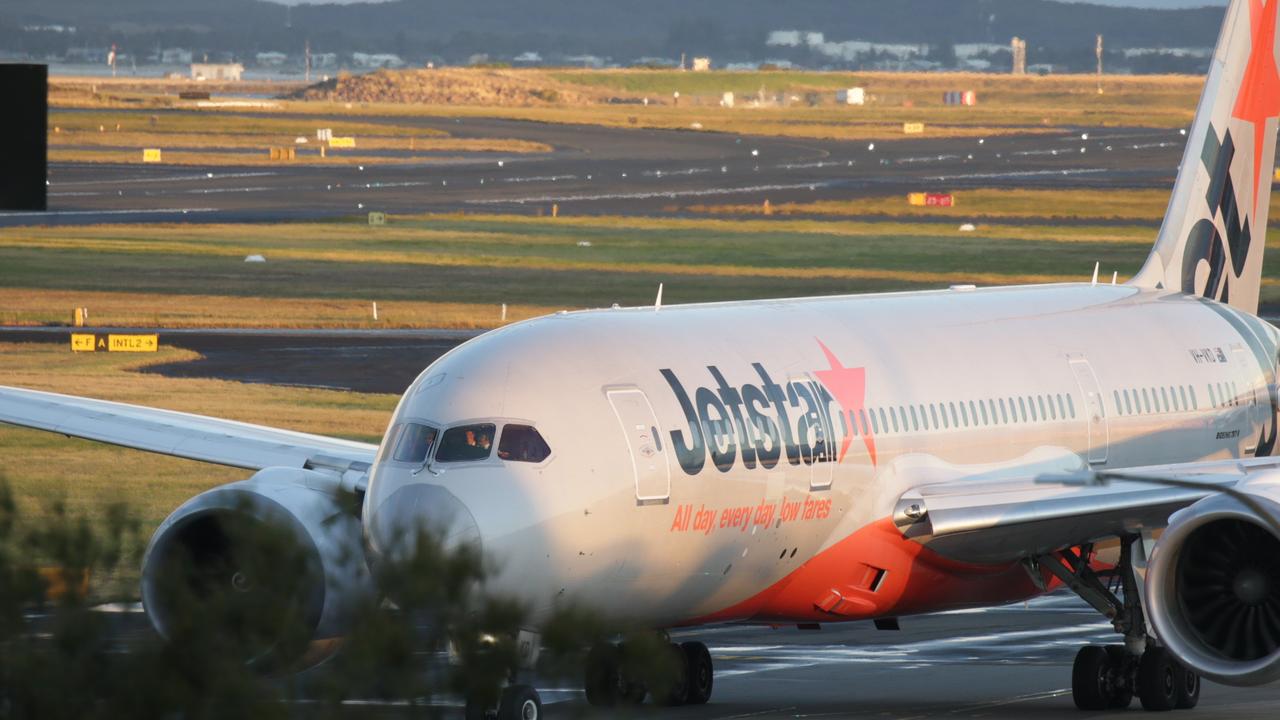
    In a significant move to stimulate domestic and regional travel, Australian budget carrier Jetstar has unleashed a massive fare reduction initiative targeting beach destinations. Dubbed the ‘Life’s a Beach Sale,’ this limited-time promotion offers an unprecedented 60,000 discounted seats across its network, effectively slashing prices to encourage spontaneous getaways.

    The strategic pricing campaign, launched nationally, features remarkably low fares starting from just $49 for one-way trips. Key routes include Adelaide to the Sunshine Coast, Cairns to the Gold Coast, and Sydney to Hervey Bay—all available at the entry-level price point. The sale extends beyond domestic borders, with international flights to Pacific destinations like Vanuatu offered from $189, providing comprehensive options for various travel preferences.

    Jetstar’s Executive Customer and Digital Manager Prue McKenzie characterized the initiative as an ideal opportunity for Australians to experience coastal escapes without financial strain. ‘Nothing compares to a beach holiday, and with fares beginning at $49, this sale presents the perfect justification to organize your next retreat to beloved coastal locales,’ McKenzie stated. The airline emphasized its commitment to maintaining affordable air travel accessibility, enabling more frequent trips for vacationers.

    The promotional scheme specifically targets popular coastal regions including the Sunshine Coast, Gold Coast, Cairns, Whitsundays Coast, and Hervey Bay—areas renowned for their tourism appeal. Industry analysts note such aggressive pricing strategies help maintain competitive pressure in the aviation market while stimulating tourism economic activity in destination communities.

    This pricing initiative reflects broader trends in airline revenue management and post-pandemic travel recovery efforts, where targeted sales serve both market penetration objectives and brand positioning as customer-friendly carriers. The limited availability of these specially priced tickets is expected to drive quick booking decisions among travel-conscious consumers.

  • Ecuador gang leader wanted for murder of presidential candidate arrested

    Ecuador gang leader wanted for murder of presidential candidate arrested

    In a significant international law enforcement operation, Mexican authorities have apprehended Ángel Esteban Aguilar Morales, a high-ranking leader within one of Ecuador’s most formidable drug-trafficking syndicates. The arrest, which took place in Mexico City, marks a pivotal development in a transnational criminal investigation.

    Operating under the alias ‘Lobo Menor,’ Aguilar Morales was the subject of an Interpol Red Notice and was wanted for his alleged involvement in the 2023 assassination of Ecuadorian presidential candidate Fernando Villavicencio. Ecuador’s Interior Minister, John Reimberg, confirmed that the suspect had been utilizing falsified Colombian identification documents to evade capture.

    Mexico’s Security Minister, Omar Garcia Harfuch, detailed the charges against Aguilar, linking him to extensive criminal operations including international narcotics trafficking, extortion, and multiple homicides. The successful operation was a collaborative effort, involving personnel from Ecuador’s navy, security forces, and migration officers.

    Colombian President Gustavo Petro hailed the capture, labeling Aguilar ‘one of the world’s most notorious assassins.’ President Petro emphasized that the arrest demonstrates the potent effectiveness of trilateral coordination between Colombia, Ecuador, and Mexico in combating sophisticated multi-crime networks.

    The victim, Fernando Villavicencio, was a prominent journalist and member of the National Assembly. He was fatally shot in August 2023 after departing a campaign event in Quito. A year following the assassination, five individuals connected to the Los Lobos gang, including its alleged leader Carlos Angulo (known as ‘The Invisible’), were convicted and imprisoned for the murder. Prosecutors asserted that Angulo orchestrated the hit from within his prison cell, a claim he continues to deny.

    The U.S. government designated Los Lobos a Foreign Terrorist Organization last year, condemning the group for inflicting brutal violence and terror upon the citizens of Ecuador. The gang is reported to maintain deep operational ties with Mexico’s powerful Jalisco New Generation Cartel (CJNG).

    This arrest also highlights Ecuador’s critical and vulnerable position in the global drug trade. Situated between Colombia and Peru—the world’s primary cocaine producers—the nation has become a major transit hub. An estimated 70% of the cocaine originating from these countries is trafficked through its borders, fueling extreme violence and corruption.

  • US intelligence chief says Iran’s regime ‘intact’ but ‘degraded’

    US intelligence chief says Iran’s regime ‘intact’ but ‘degraded’

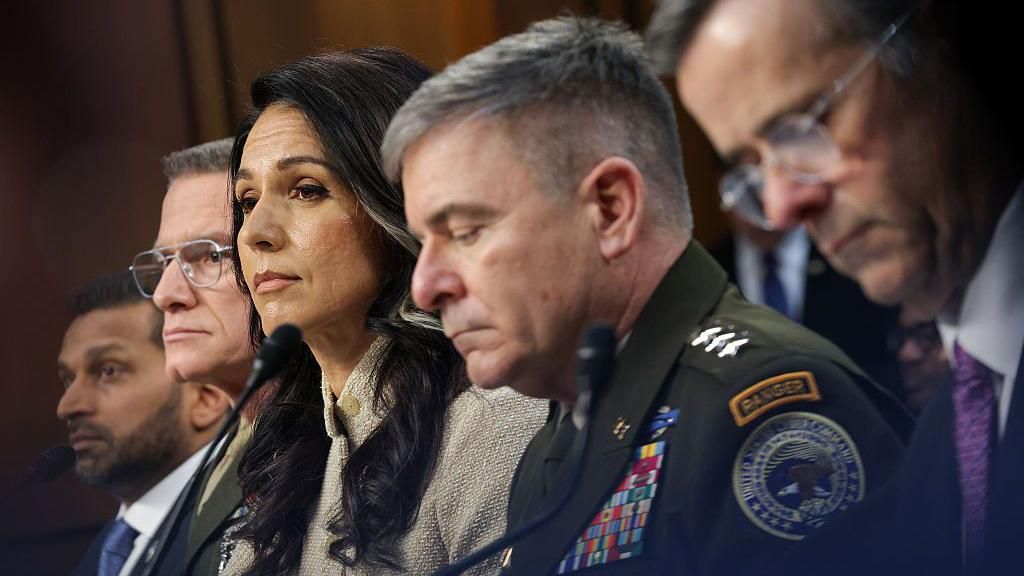
    In a significant congressional hearing on global threats, US Director of National Intelligence Tulsi Gabbard characterized Iran’s regime as structurally “intact” but operationally “largely degraded” following military strikes targeting its leadership and defense capabilities. The Wednesday testimony before Congress marked the first public intelligence briefing since the outbreak of the 12-Day War in February 2025 and featured unprecedented scrutiny of the administration’s justification for military action.

    The hearing gained particular significance following Tuesday’s resignation of National Counterterrorism Center Director Joe Kent, who publicly contradicted the administration’s position by stating Iran posed “no imminent threat” to the United States. This divergence highlighted deepening institutional tensions within the intelligence community regarding the justification for military engagement.

    When pressed by Democratic Senator Jon Ossoff regarding whether she personally assessed Iran as an imminent threat, Gabbard deferred executive authority, stating: “The only person who can determine what is and is not an imminent threat is the president.” This response sparked further questioning about the intelligence community’s role in the decision-making process that led to the June 2025 military campaign jointly conducted with Israel.

    CIA Director John Ratcliffe presented a contrasting view to Kent’s assessment, testifying that “Iran has been a constant threat to the United States for an extended period of time, and posed an immediate threat at this time.” The divergence underscored the complex and sometimes contradictory intelligence assessments surrounding Iranian capabilities and intentions.

    Gabbard revealed that intelligence agencies had long anticipated potential Iranian aggression in the Strait of Hormuz, a critical global shipping channel that Iran has effectively shut down since hostilities began. She noted the Defense Department implemented “pre-emptive planning measures” based on intelligence assessments predicting Iran “would likely hold the Strait of Hormuz” during conflict.

    The hearing also uncovered notable omissions in Gabbard’s public testimony compared to her prepared written remarks. While her submitted testimony asserted US-Israeli attacks had “obliterated” Iran’s nuclear enrichment program with “no efforts” to rebuild, these claims were omitted from her oral presentation. When questioned by Democratic Senator Mark Warner about this discrepancy, Gabbard cited time constraints, prompting Warner to suggest she had selectively omitted information contradicting the president’s narrative.

    Lawmakers further probed the intelligence community’s involvement in presidential decision-making, with Senator Angus King questioning whether intelligence officials were present during final deliberations on military action. Ratcliffe acknowledged participating in “dozens and dozens” of meetings with the president but could not identify a specific decision-making moment.

    The extensive hearing illuminated ongoing tensions between legislative oversight and executive authority while revealing substantive disagreements within the intelligence establishment regarding the characterization of threats posed by Iran.

  • What does a war win look like for US, Israel and Iran?

    What does a war win look like for US, Israel and Iran?

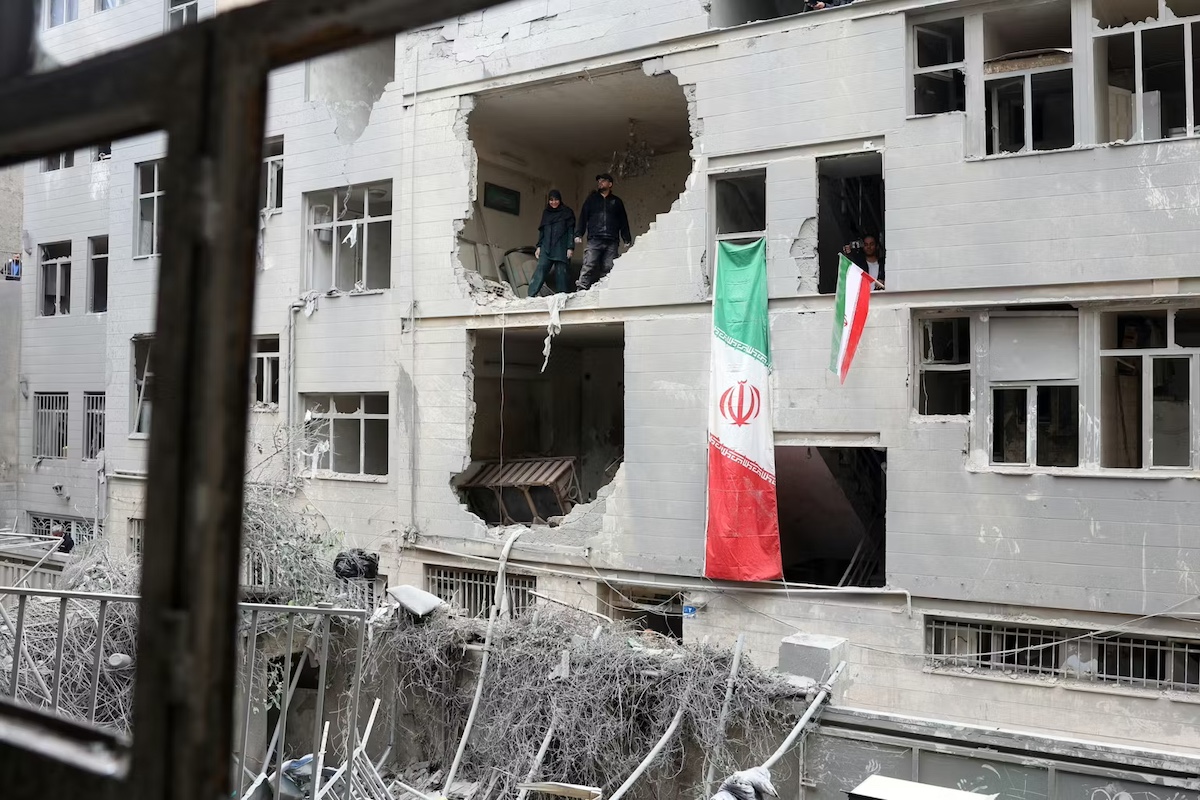
    The Middle Eastern military confrontation enters its third week with escalating intensity as Iran demonstrates unexpected resilience against combined US-Israeli operations. The conflict, initiated on February 28 as a voluntary military engagement by Washington and Jerusalem, has evolved into a protracted struggle with no clear resolution in sight.

    Tehran’s Islamic regime is engaged in a battle for survival while simultaneously executing a strategy of asymmetric warfare designed to inflict maximum regional and global economic disruption. Despite inferior conventional military capabilities compared to the US-Israeli alliance, Iranian forces have maintained operational continuity and institutional stability, rapidly appointing Mojtaba Khamenei as successor to the slain supreme leader.

    The American position, characterized by contradictory objectives and unclear strategic goals, contrasts sharply with Israel’s explicitly stated ambition to dismantle both the Iranian regime and diminish Iranian state sovereignty. Prime Minister Netanyahu has further articulated expansionist territorial ambitions based on biblical references to ‘greater Israel,’ receiving unexpected endorsement from US Ambassador Mike Huckabee.

    Military analysts observe that the conflict has entered a critical phase where missile and interceptor inventories may determine the eventual outcome. Meanwhile, Iran continues to leverage regional proxy networks and economic pressure tactics, attempting to transform the bilateral confrontation into a broader regional crisis that might compel Gulf Arab states to intervene diplomatically.

    The humanitarian consequences continue to mount, with Iranian and Lebanese civilian populations bearing disproportionate casualties. The conflict has already triggered global energy market disruptions through attacks on critical infrastructure including Kharg Island’s oil export facilities, though Trump administration officials maintain these economic impacts remain temporary.

    As the war progresses without clear exit strategies, international observers anticipate either material exhaustion or political declaration of victory as potential conclusion scenarios, though neither outcome promises regional stability in the polarized post-conflict landscape.