博客

  • High oil prices knock down stocks and erase Wall Street’s hopes for a cut to interest rates

    High oil prices knock down stocks and erase Wall Street’s hopes for a cut to interest rates

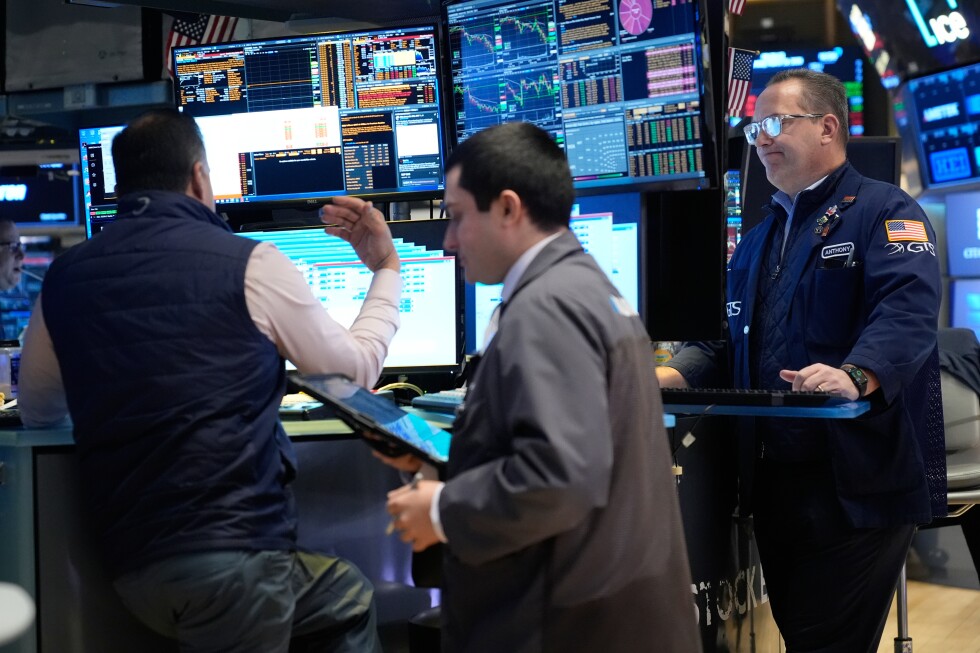
    Wall Street experienced a significant downturn on Friday as escalating oil prices and shifting Federal Reserve policy expectations rattled investors. The S&P 500 declined 1.5%, marking its fourth consecutive weekly decline—the longest such streak in twelve months. The Dow Jones Industrial Average dropped 443 points (1%) while the Nasdaq composite tumbled 2% amid broad-based selling pressure.

    The market deterioration accelerated alongside a sharp reversal in oil markets. Brent crude, the international benchmark, surged 3.3% to settle at $112.19 per barrel, while U.S. benchmark crude gained 2.3% to reach $98.32. Concurrently, Treasury yields jumped substantially, with the 10-year yield climbing to 4.38% from 4.25% just a day earlier—representing a dramatic increase from the 3.97% level observed before recent geopolitical tensions.

    According to CME Group data, traders have virtually eliminated bets on Federal Reserve rate cuts for 2024, with some market participants now pricing in potential rate hikes by 2026—a scenario considered highly improbable before recent developments. This paradigm shift reflects growing concerns that prolonged energy price inflation might force central banks to maintain restrictive monetary policies.

    Ann Miletti, Head of Equity Investments at Allspring Global Investments, noted that sustained elevated oil prices could ultimately dampen economic activity sufficiently to prevent Fed tightening. However, she warned that if current conditions persist for three months, investor caution would increase substantially as businesses struggle to adapt to suddenly higher energy costs.

    The selling pressure affected approximately 75% of S&P 500 constituents, with small-cap stocks particularly impacted. The Russell 2000 index fell 2.3%, reflecting heightened sensitivity to interest rate expectations among smaller companies. Super Micro Computer plummeted 33.3% following allegations against company executives regarding unauthorized technology transfers, though FedEx gained 0.8% after reporting stronger-than-expected quarterly earnings.

    Globally, European and Asian markets followed Wall Street lower, while gold prices declined to $4,574.90 per ounce—further challenging its traditional status as a safe-haven asset during periods of market uncertainty.

  • Trio charged over alleged plot to smuggle Nvidia chips from US to China

    Trio charged over alleged plot to smuggle Nvidia chips from US to China

    Federal authorities have unsealed charges against three technology industry figures accused of orchestrating a sophisticated scheme to illegally export advanced American artificial intelligence chips to China, circumventing strict export controls through an elaborate system of dummy equipment and falsified documentation.

    The Department of Justice announced Thursday the arrest of Yih-Shyan ‘Wally’ Liaw, a U.S. citizen and Senior Vice President of Business Development at California-based Super Micro Computer, along with Taiwanese citizen Ting-Wei ‘Willy’ Sun. A third individual, Ruei-Tsang ‘Steven’ Chang, also from Taiwan, remains at large according to federal authorities.

    The defendants allegedly conspired with an unidentified Southeast Asian company, referred to as Company-1 in court documents, to divert Nvidia-made semiconductors—highly coveted AI chips subject to stringent export restrictions—to Chinese brokers. The sophisticated operation involved placing orders for servers containing restricted technology while fabricating records to indicate Company-1 as the intended end user.

    Instead, the conspirators allegedly repackaged servers with assistance from a logistics firm, concealing them in unmarked containers before shipment to China. The operation utilized thousands of replica ‘dummy’ servers designed to resemble legitimate equipment during audits, while the actual restricted technology had already been illegally exported.

    Surveillance footage reportedly captured Sun using hair dryers to remove and reapply labels and serial number tags between genuine server boxes and their replica counterparts. The Justice Department estimates Company-1 purchased approximately $2.5 billion worth of equipment, shipping ‘massive quantities of servers with controlled U.S. artificial intelligence technology’ to China without proper authorization.

    Super Micro Computer, a publicly-traded technology equipment supplier, confirmed the individuals’ association with the company while emphasizing its cooperation with investigators. The firm placed Liaw and Chang on administrative leave and terminated its contract with Sun, stating the alleged conduct violated company policies and export compliance controls.

    This case emerges alongside a separate investigation involving two Chinese nationals arrested in August 2025 for illegally shipping millions of dollars worth of Nvidia chips to China through Malaysian and Singaporean intermediaries. The ongoing enforcement actions highlight heightened concerns about technology transfer to China amid national security considerations.

    Nvidia, whose advanced semiconductors power most artificial intelligence applications, maintains rigorous compliance programs according to company representatives. The chipmaker emphasized it provides no support for unlawfully diverted systems and collaborates closely with government agencies on export control enforcement.

  • Robert Alan Gee jailed for 13 years for violently shaking five-week-old baby Michael Willmot to death in caravan park

    Robert Alan Gee jailed for 13 years for violently shaking five-week-old baby Michael Willmot to death in caravan park

    In a landmark sentencing at Brisbane Supreme Court, Robert Alan Gee has been handed a 13-year prison term for the 2021 manslaughter of five-week-old Michael Willmot. The tragic incident occurred when Gee, left alone with the infant at a Daisy Hill caravan park in Logan, violently shook the crying baby before throwing him onto a couch, causing catastrophic brain injuries.

    Justice Martin Burns delivered the sentence on Friday as Gee remained emotionless, dressed casually in T-shirt and shorts. The court heard how Gee—who was not the biological father—had been overcome with frustration during the brief period of supervision, leading to the fatal assault.

    Compounding the tragedy, medical attention was not sought in the subsequent days as Michael’s condition deteriorated. The infant’s mother, Kristie Lee Willmot, had left him in Gee’s care for less than an hour while obtaining drugs. She previously received a four-year suspended sentence for her role in the manslaughter and child cruelty charges, having failed to seek immediate medical assistance due to fears of child protection intervention.

    Family spokesperson Malliree Reilly, Michael’s godmother, expressed relief at the sentencing outcome outside court, stating the family was “happy that this person is off the streets.” She revealed concerns about Gee’s criminal history and called for greater awareness regarding violent offenders in community settings. The family continues to honor Michael’s memory as a “very sweet, beautiful baby boy” while advocating for improved child protection measures.

  • Political tug of war over Iranian women’s soccer team prompts criticism in Australia

    Political tug of war over Iranian women’s soccer team prompts criticism in Australia

    A high-stakes diplomatic confrontation between Iran, the United States, and Australia regarding seven members of Iran’s women’s soccer team has culminated with the majority returning to Tehran while two players remain in Australia under protection visas.

    The controversial episode began when five team members initially accepted asylum offers in Australia following their elimination from the Women’s Asian Cup tournament. Within days, however, all but two players reversed their decisions and rejoined their team in Kuala Lumpur before ultimately returning to Iran.

    Refugee advocates have criticized the handling of the situation, arguing that political posturing overshadowed the welfare concerns of the athletes. Graham Thom of the Refugee Council of Australia described the outcome as ‘far from ideal,’ noting concerns about whether the women received adequate independent legal counsel during the rushed process.

    The situation escalated into an international spectacle when U.S. President Donald Trump publicly intervened via social media, urging Australia to grant asylum and personally discussing the matter with Australian Prime Minister Anthony Albanese. This highly public approach marked a departure from Australia’s traditional practice of handling asylum claims discreetly.

    Iranian officials claimed victory in what they characterized as a propaganda battle, with Foreign Ministry spokesman Esmaeil Baghaei accusing Australian authorities of coercing the women into signing visa documents under false pretenses. Australia has denied applying pressure on the athletes regarding their stay or departure.

    Experts suggest the women’s initial silent protest during the national anthem—a gesture that attracted global attention—unintentionally transformed them into symbols of resistance, drawing them into a geopolitical conflict between opposing powers. The reasons behind the five players’ decision to return remain undisclosed, though concerns about potential threats to family members in Iran have been raised by advocates.

    The two remaining players, Fatemeh Pasandideh and Atefeh Ramezanisadeh, continue to receive Australian government support while the returned athletes were met with an official welcome ceremony in Iran, where midfielder Fatemeh Shaban publicly expressed happiness about returning to her homeland.

  • Netanyahu says Iran no longer able to enrich uranium, produce missiles

    Netanyahu says Iran no longer able to enrich uranium, produce missiles

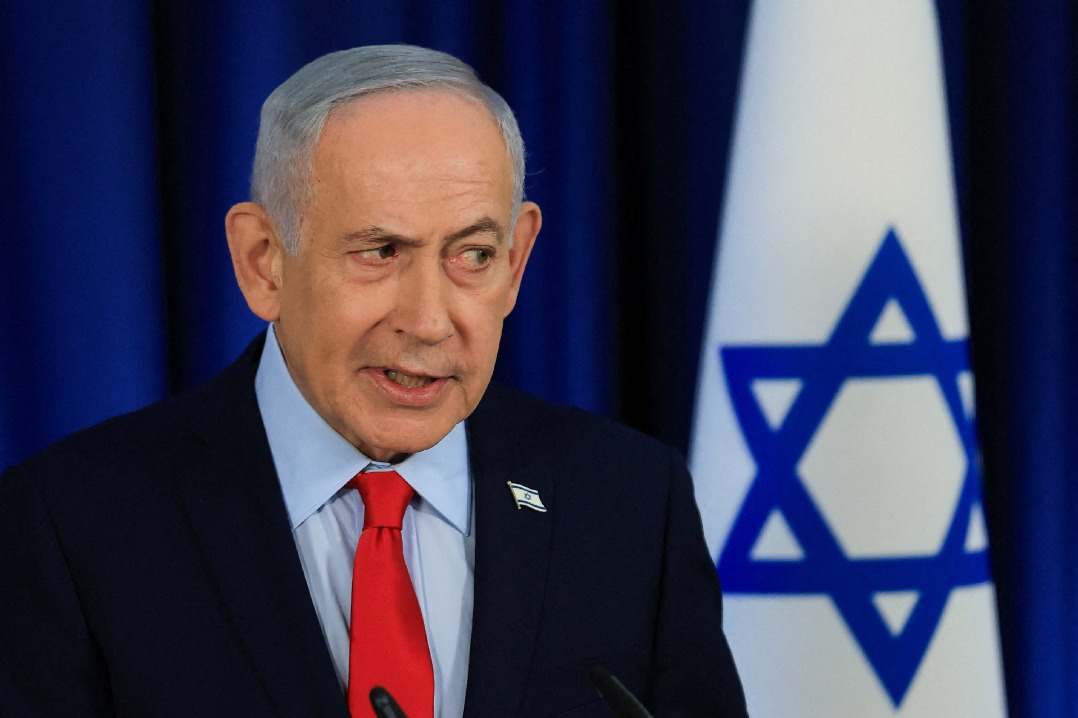
    Israeli Prime Minister Benjamin Netanyahu made a significant declaration during a Thursday press conference, stating that Iran has been effectively stripped of its uranium enrichment capabilities and missile production infrastructure. This announcement comes in the wake of coordinated military operations between Israel and the United States targeting Iranian strategic assets.

    Netanyahu outlined that the dismantling of Iran’s nuclear and missile programs constituted two primary objectives of the joint campaign. The third stated goal—regime change in Tehran—remains contingent upon the will of the Iranian population, according to the Israeli leader.

    The Prime Minister addressed Wednesday’s Israeli strike on an Iranian natural gas facility in the Persian Gulf, confirming earlier statements by former U.S. President Donald Trump that Israel had not provided advance notification to Washington regarding the operation. This revelation highlights the complex coordination dynamics between the two allied nations.

    In a notable concession to diplomatic relations, Netanyahu acknowledged complying with President Trump’s request to suspend further military actions against Iranian targets. “President Trump asked us to hold off on future attacks, and we’re holding it,” Netanyahu stated during the briefing.

    The Israeli leader further revealed the extent of the allied military success, claiming that combined U.S. and Israeli operations had resulted in the complete destruction of Iran’s naval presence in the Caspian Sea. This development represents a substantial blow to Iran’s regional military capabilities and strategic positioning.

    The statements come amid ongoing tensions in the Middle East and reflect the continuing strategic partnership between Israel and the United States in countering Iranian influence and military development in the region.

  • US deports Singaporean vlogger convicted of child sex offences

    US deports Singaporean vlogger convicted of child sex offences

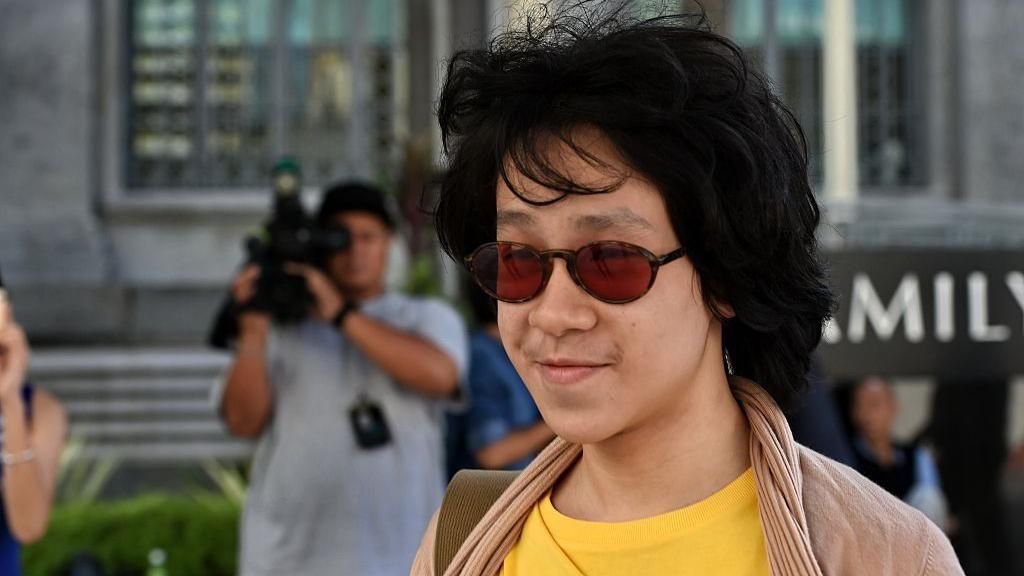
    Amos Yee, the Singaporean national who gained international attention through controversial political commentary and subsequent criminal convictions, has been forcibly returned to Singapore by U.S. immigration authorities. The deportation concludes a complex legal saga spanning nearly a decade and multiple jurisdictions.

    Yee first attracted notoriety in 2015 following the death of Singapore’s founding leader Lee Kuan Yew, when the then-16-year-old posted profanity-laden videos criticizing Lee’s legacy and making inflammatory religious comments. The content, which included crude depictions of the former prime minister, resulted in numerous police reports and ultimately led to Yee’s imprisonment in Singapore for offenses against religious harmony.

    In 2017, Yee was granted political asylum in the United States after an immigration appeals board determined he had legitimate fears of persecution in Singapore. This decision occurred despite opposition from the Department of Homeland Security and made Yee a controversial figure among free speech advocates and government critics.

    However, Yee’s legal troubles continued in the United States. In 2020, he was convicted in Illinois for possession of child pornography and grooming a 14-year-old girl he had contacted through online platforms. Court documents revealed he used WhatsApp to solicit inappropriate materials from the minor and distributed her photographs online.

    Following his release on parole in November, U.S. Immigration and Customs Enforcement (ICE) immediately took Yee into custody. He was subsequently listed among what the agency described as ‘the worst of the worst criminal aliens’ in a newly created database.

    Yee now faces charges in Singapore for violating the country’s Enlistment Act, which requires all male citizens to complete two years of mandatory military service typically beginning at age 18. His hearing is scheduled for Friday, though authorities have not confirmed whether additional charges might be filed related to his previous offenses.

    The case has reignited discussions about free speech limitations, religious harmony laws, and cross-border legal enforcement between the United States and Singapore.

  • Energy fallout from Iran war signals a global wake-up call for renewable energy

    Energy fallout from Iran war signals a global wake-up call for renewable energy

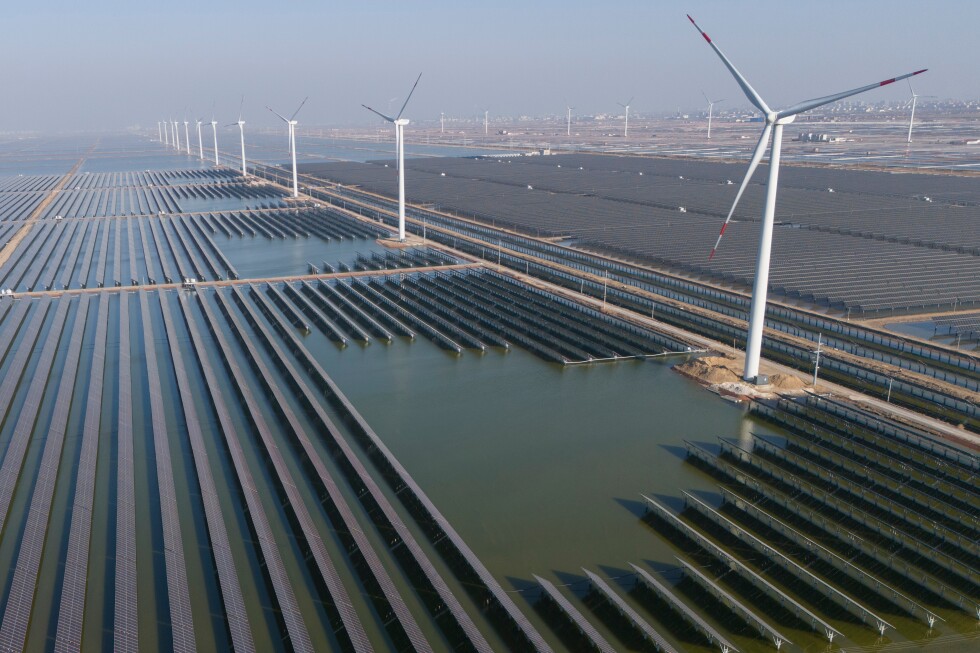
    The ongoing conflict in Iran has dramatically revealed the world’s precarious dependence on fragile fossil fuel supply chains, intensifying calls for an accelerated transition to renewable energy sources. With hostilities effectively halting oil exports through the critical Strait of Hormuz—a narrow maritime passage handling approximately 20% of global oil and liquefied natural gas (LNG)—energy markets have experienced significant disruptions. These developments have triggered price surges and placed substantial strain on import-dependent economies worldwide.

    Asia, as the primary destination for these oil shipments, has borne the brunt of the impact, though European and African nations likewise face considerable challenges. European policymakers are implementing energy demand reduction measures, while Africa prepares for escalating fuel costs and inflationary pressures.

    Unlike previous energy crises, renewable power now presents cost-competitive alternatives to fossil fuels in numerous markets. The International Renewable Energy Agency reports that over 90% of new renewable projects initiated in 2024 offered cheaper electricity generation than fossil fuel alternatives.

    The crisis extends beyond electricity generation, affecting fertilizer production, plastics manufacturing, and numerous other industries. Nations with more developed renewable infrastructure demonstrate greater resilience, as these systems utilize domestic solar and wind resources rather than imported fuels.

    Energy analyst James Bowen of ReMap Research observes: “These crises regularly occur. They are a feature, not a bug, of a fossil fuel-based energy system.”

    China and India, the world’s two most populous nations, present contrasting approaches to energy security. China has established global leadership in renewable adoption while remaining the largest crude oil importer and primary purchaser of Iranian oil. Approximately 10% of Chinese vehicles are now electric, significantly reducing import dependence according to International Energy Agency data.

    Lauri Myllyvirta of the Centre for Research on Energy and Clean Air notes that without this transition, China would be “far more vulnerable to supply and price shocks.”

    India has pursued renewable expansion at a slower pace with less governmental support for manufacturing and grid integration. Following Russia’s invasion of Ukraine, India prioritized energy security through discounted Russian oil purchases and increased coal production. While solar and wind capacity provided some cushioning effect, the country now faces cooking gas shortages affecting restaurants and industries.

    Wealthy nations have responded variably to the crisis. Some European governments initially attempted to reduce fossil fuel dependence but subsequently focused on securing alternative suppliers. Germany constructed LNG terminals to replace Russian gas with American exports, potentially slowing its energy transition. Research indicates Europe’s fossil fuel spending since the Ukraine conflict represents approximately 40% of the investment required for full transition to clean energy.

    Japan has predominantly diversified fossil fuel imports rather than investing substantially in domestic renewables, with solar and wind constituting merely 11% of its energy production.

    Developing nations face particularly severe challenges, competing with wealthier countries for limited gas supplies. Import-dependent economies across Africa and Asia—including Benin, Zambia, Bangladesh, and Thailand—confront potentially devastating impacts from sustained high prices.

    Kennedy Mbeva of the University of Cambridge’s Centre for the Study of Existential Risk emphasizes that African nations should strategically build long-term energy security through cleaner investments. While South Africa considers new gas infrastructure, Ethiopia has banned gasoline and diesel vehicles to promote electric transportation.

    Renewable energy has provided measurable protection for some nations. Pakistan’s solar expansion has prevented over $12 billion in fossil fuel imports since 2020, with potential savings of $6.3 billion in 2026 alone. Vietnam’s solar generation stands to save hundreds of millions in avoided coal and gas imports.

    Countries without renewable buffers are implementing emergency measures: Bangladesh has closed universities to conserve electricity and instituted fuel rationing, while Thailand has suspended petroleum exports and increased domestic production.

    As research fellow Areeporn Asawinpongphan of the Thailand Development Research Institute concludes: “The time for promoting domestic renewables should have happened a long time ago.”

  • BTS Arirang review: K-pop idols rekindle their fire

    BTS Arirang review: K-pop idols rekindle their fire

    After an extensive four-year hiatus during which all seven members completed South Korea’s mandatory military service, global superstars BTS have launched a spectacular return with their tenth studio album ‘Arirang.’ The comeback represents not just a musical event but a cultural phenomenon, with unprecedented fan engagement and commercial expectations reaching historic proportions.

    The scale of BTS’s return is evidenced by staggering numbers: their free Seoul concert kicking off an 82-date sold-out world tour attracted over 250,000 in-person attendees while being live-streamed to 190 countries via Netflix. Industry analysts project the tour could generate between $1-2 billion in revenue, potentially surpassing Taylor Swift’s record-breaking Eras Tour. The demand has reached such heights that Mexico’s President Claudia Sheinbaum formally requested additional shows from the South Korean government.

    Musically, ‘Arirang’ marks a significant artistic departure from the polished retro-disco of their previous hits like ‘Dynamite’ and ‘Butter.’ The album opens with a rebellious, rap-heavy energy reminiscent of their 2014 album ‘Dark & Wild,’ featuring tracks like ‘FYA’ with its Jersey club influences and ‘Hooligan’ with its audacious soundscape of sharpening knives and cinematic strings. Spanish producer El Guincho, known for his work with Rosalía and Charli XCX, helped craft this return to their roots.

    The album’s title and concept pay homage to Korean heritage, drawing inspiration from Korea’s most beloved folk song ‘Arirang’ and its historical significance. The promotional materials thoughtfully reference the first known recording of Arirang made by seven Korean men at Howard University in 1896, creating a symbolic connection across 130 years of cultural exportation.

    Lyrically, the album explores complex themes including the psychological toll of fame, with tracks like ‘Normal’ examining ‘the space between spotlight and silence’ and ‘Merry Go Round’ addressing the relentless pace of celebrity life. The album’s first single ‘Swim,’ primarily written by leader RM, presents a more contemplative perspective on surrendering to life’s currents.

    While the latter section of the album features more conventional love songs that some critics might consider less innovative, the closing track ‘Into The Sun’ returns to experimental form with digital vocal effects and stadium rock grandeur. The album ultimately demonstrates BTS’s renewed commitment to their career while acknowledging the complexities of their global superstardom.

  • ‘Clumsy’: Tit-for-tat strikes on energy assets gift Iran another tactical lever

    ‘Clumsy’: Tit-for-tat strikes on energy assets gift Iran another tactical lever

    Recent US strategic decisions regarding Iranian energy infrastructure have inadvertently granted Tehran significant escalation dominance in an increasingly volatile regional conflict, according to high-level Arab officials speaking with Middle East Eye. The situation developed after Israel’s strike on Iran’s South Pars gas field, which energy analysts had long considered a worst-case scenario trigger for retaliatory attacks on critical energy production sites.

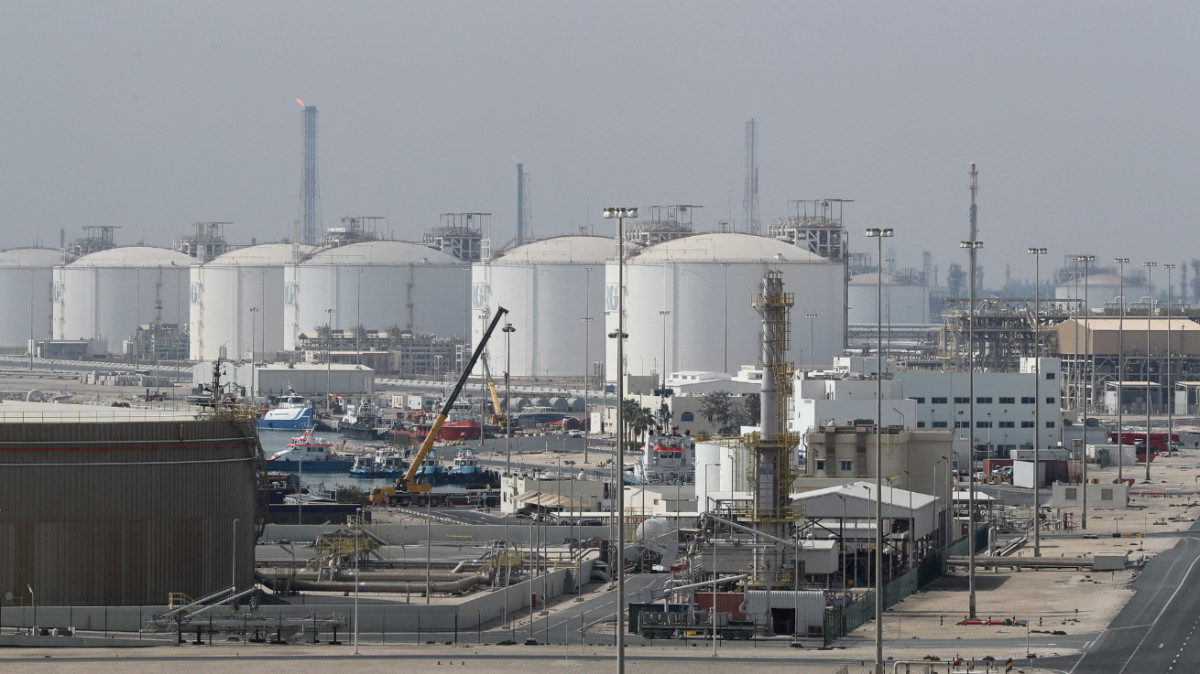
    Iran’s response targeted Qatar’s Ras Laffan natural gas facilities, effectively demonstrating their capacity to impact global energy markets. This tit-for-tat exchange has revealed fundamental miscalculations in US foreign policy approach, with one Arab official characterizing American actions as “clumsy” alliance management.

    The strategic landscape has shifted substantially since Iran established de facto control over the Strait of Hormuz, creating a ‘safe’ shipping corridor through its territorial waters while charging vessels for transit access. This development represents a significant geopolitical setback for Washington, which has failed to secure this crucial maritime passageway.

    Alan Eyre, Iran expert and diplomatic fellow at the Middle East Institute, assessed the Israeli strike as a “strategic blunder” apparently motivated by the Trump administration’s desire to impose costs on Iran for controlling the vital waterway. While Iran has demonstrated calculated responses to US and Israeli actions, Eyre cautioned against overstating Tehran’s position, noting that Iran “has less to lose and is doing things that it knows are risky because they have to.”

    The attack on Qatar’s facilities proved particularly damaging, eliminating 17% of its LNG export capacity with repairs expected to take three to five years. This triggered a 20% surge in European natural gas prices, highlighting the global economic implications of regional conflicts.

    Despite President Trump’s public denial of prior knowledge regarding the Israeli strike, Arab diplomats and former US officials expressed skepticism about these claims. Dan Shapiro, former US ambassador to Israel, stated there was “zero chance” Israel would conduct such an operation without US Central Command’s full awareness and approval.

    Iranian Foreign Minister Abbas Aragchi explicitly warned that future attacks on Iranian infrastructure would meet with unrestrained response, emphasizing that any resolution to the conflict must address damage to civilian sites. Meanwhile, the US faces limited options to address rising energy prices, with discussions emerging about potentially lifting sanctions on Iranian oil—a move that would contradict current offensive actions against Tehran.

  • Mortgage holders warned to brace for interest rates hitting a 17-year high

    Mortgage holders warned to brace for interest rates hitting a 17-year high

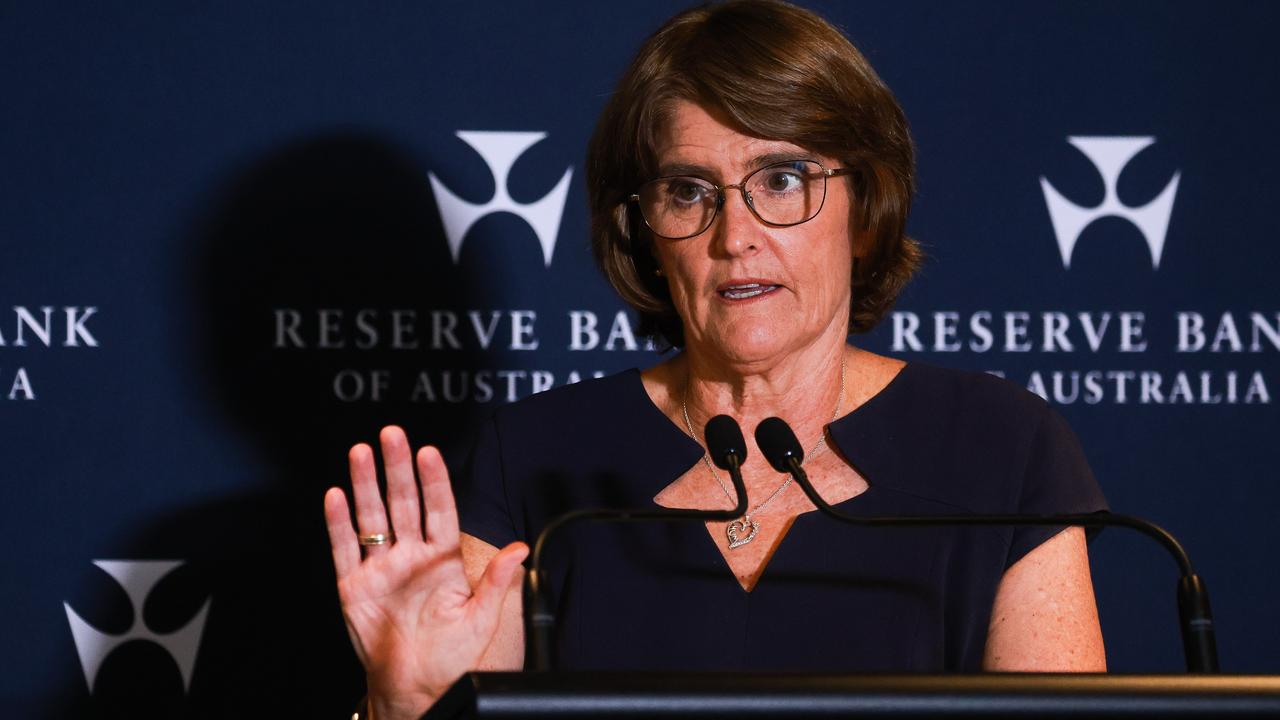
    Australian mortgage holders face the prospect of intensified financial strain as monetary markets project a potential return to 17-year peak interest rates. Financial analysts now forecast that the Reserve Bank of Australia (RBA) may implement three additional 25-basis-point increases before year-end, potentially elevating the cash rate to 4.85%—a threshold unseen since November 2008 during the global financial crisis.

    This tightening monetary policy responds to persistent domestic inflation pressures compounded by emerging geopolitical tensions. IG Market analyst Tony Sycamore notes that money markets currently predict approximately 67 basis points of RBA rate hikes through December. The escalation follows the central bank’s recent increase to 4.1%, with Governor Michele Bullock acknowledging possible recession risks if inflation remains untamed.

    The international monetary landscape exhibits parallel trends, with the US Federal Reserve, Bank of England, and European Central Bank maintaining hawkish stances. This synchronized response primarily addresses energy price surges stemming from Middle Eastern conflicts. Crude oil prices have skyrocketed from approximately $79 to over $155 per barrel within three weeks, directly impacting Australian fuel costs by 10 cents per liter for every $14 per barrel increase.

    Morningstar strategist Lochlan Halloway emphasizes that while Middle East instability introduces additional inflationary risks, Australia’s core challenge remains domestic economic overheating. Recent economic data reveals 2.6% annual GDP growth exceeding non-inflationary capacity estimates, alongside unexpectedly low unemployment and robust private demand.

    Global X investment strategist Justin Lin warns that rising energy costs will permeate broader consumer expenses: “Beyond pain at the pump, Australians will confront elevated grocery bills as increased crude and gas prices elevate diesel and fertilizer expenses, placing global food systems on an inflationary trajectory.” Food and alcohol constitute 17.44% of Australia’s consumer price index.

    Governor Bullock maintains that controlling inflation remains paramount despite potential economic contraction: “The best contribution we can make to full employment and investment is achieving low, stable inflation. We must remain focused on this objective even amid external shocks.” The RBA targets 2-3% inflation, contrasting with the current 3.8% rate.