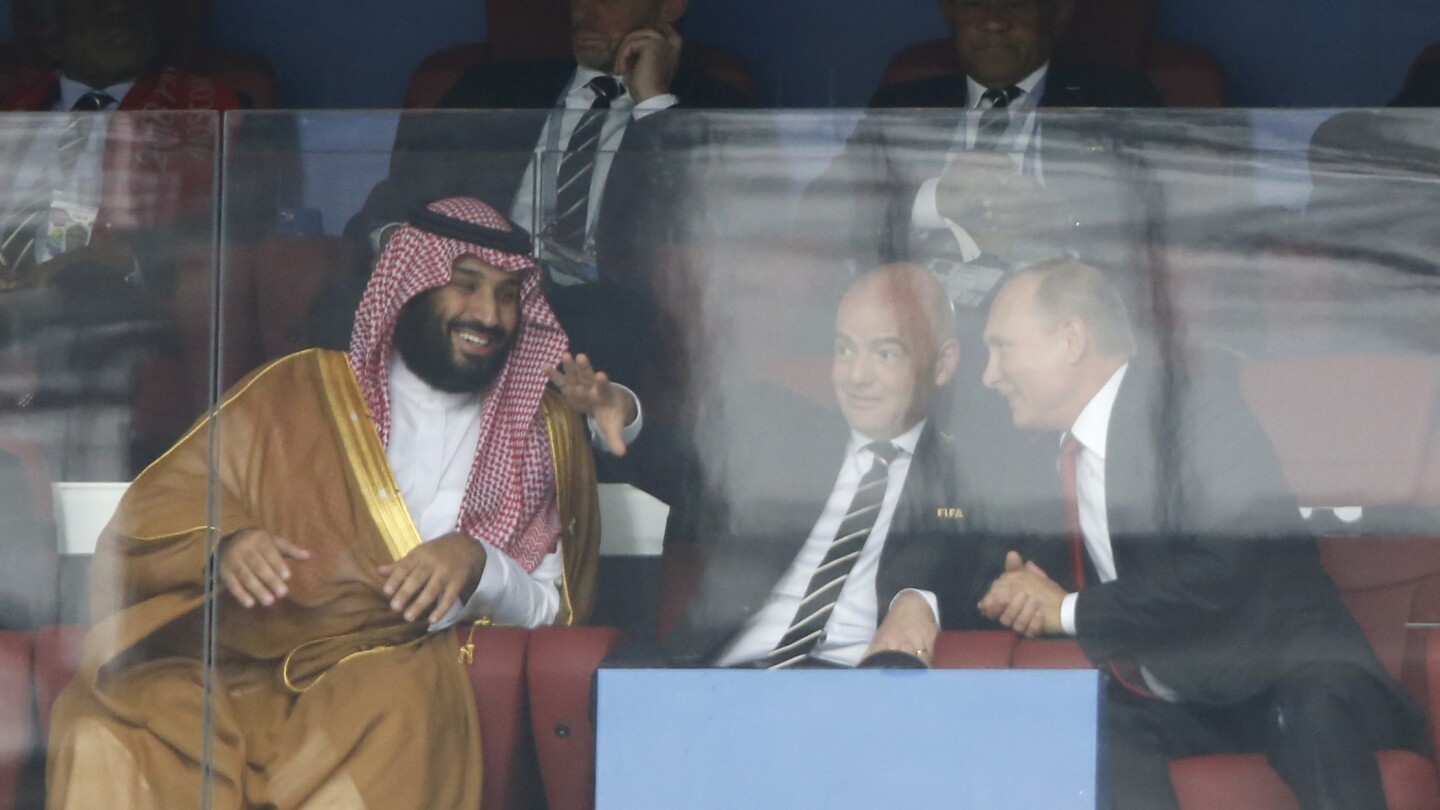
In a strategic move that positions Saudi Arabia as the frontrunner to host the 2034 FIFA Men’s World Cup, the Saudi Arabian Football Federation formally submitted its bid to FIFA on Monday. The kingdom’s candidacy is bolstered by a streamlined bidding process that restricts participation to members of the Asian and Oceania football governing bodies. This development follows FIFA’s recent decision to fast-track the 2034 hosting contest, effectively paving the way for Saudi Arabia’s potential victory. The 2030 World Cup, set to be co-hosted by six nations across three continents—Europe, Africa, and South America—has already been decided, leaving Asia as the focal point for the 2034 edition. Saudi Arabia’s bid is supported by over 70 of FIFA’s 211 member federations, reflecting its global outreach and commitment to expanding football’s reach. The kingdom’s infrastructure, including its readiness to host the 2027 Asian Cup, aligns with FIFA’s stringent hosting criteria. However, the bid has sparked concerns about potential scheduling conflicts, as the tournament would likely be held in November-December, disrupting European football leagues. FIFA’s decision-making process, influenced by its 37-member council, is expected to finalize the 2034 host by late next year. Saudi Arabia’s growing influence in global football, underscored by its acquisition of Newcastle United and investments in domestic clubs, further solidifies its candidacy.
博客
-
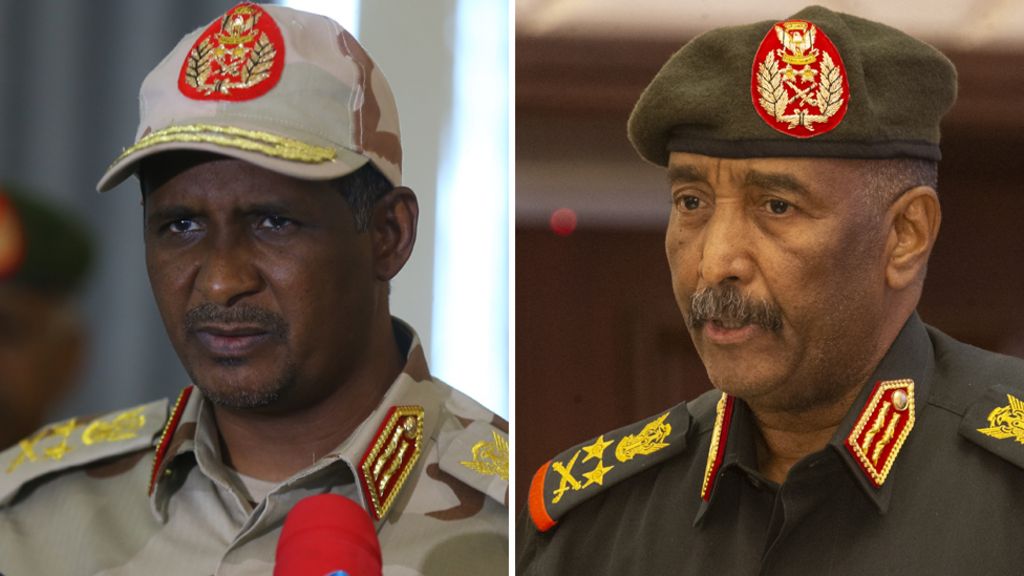
Sudan crisis: Burhan and Hemedti – the two generals at the heart of the conflict
The streets of Khartoum, Sudan’s capital, are now a battleground, echoing with explosions and shrouded in smoke. The country has plunged into chaos as two powerful generals, Abdel Fattah al-Burhan, leader of the Sudanese Armed Forces (SAF), and Mohamed Hamdan Dagalo, known as Hemedti, head of the Rapid Support Forces (RSF), engage in a fierce struggle for supremacy. Once allies in the 2019 coup that ousted former dictator Omar al-Bashir, their rivalry now threatens to dismantle the nation. Their relationship dates back to the Darfur conflict, where both played pivotal roles in counter-insurgency operations. Hemedti, once a militia leader, rose to prominence by aligning with the Saudi-led coalition in Yemen, while al-Burhan solidified his position within the SAF. Despite their past collaboration, tensions escalated after the 2021 military takeover, with al-Burhan accused of reinstating Bashir-era loyalists, prompting Hemedti’s dissent. Hemedti, often marginalized by Sudan’s elite, has sought to position himself as a national leader, advocating for democracy while consolidating power through his vast business empire. The current conflict centers on the integration of the RSF into the regular armed forces, a contentious issue that has reignited hostilities. As the fighting intensifies, civilians bear the brunt of the violence, and the future of Sudan hangs in the balance.
-
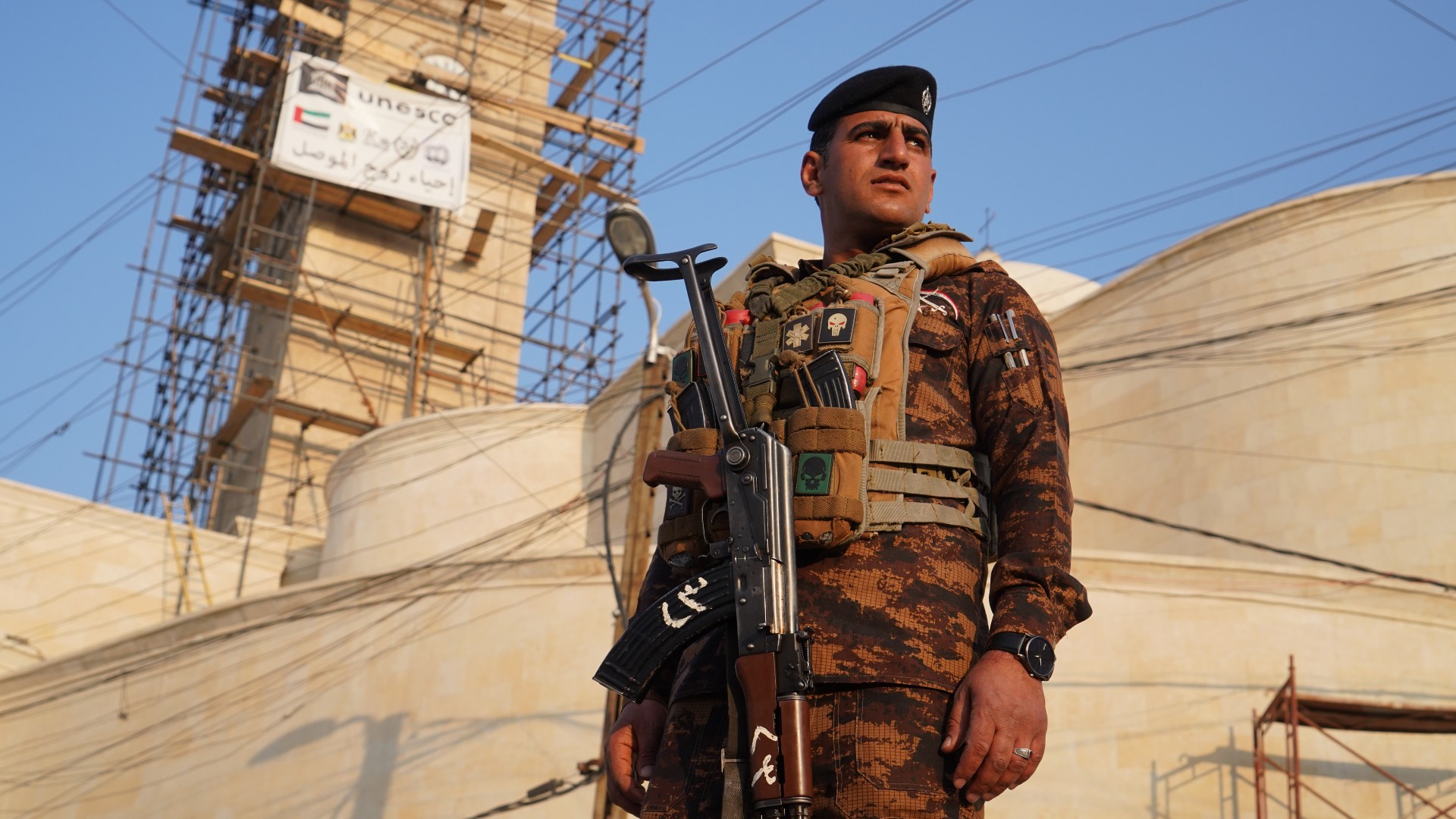
Iraq war: Twenty years after ‘shock and awe’, Mosul residents still picking up the pieces
Two decades ago, on March 20, 2003, the United States and its allies launched a devastating military campaign against Iraq, marking the beginning of a conflict that would reshape the nation’s destiny. The invasion, initiated under the pretext of eliminating weapons of mass destruction (WMDs) allegedly harbored by Saddam Hussein, quickly escalated into a full-scale war. The ‘shock and awe’ strategy saw hundreds of missiles rain down on Baghdad, leaving the city in ruins and its citizens in chaos. Despite the swift overthrow of Saddam’s regime, the invasion unleashed a cascade of unintended consequences that continue to haunt Iraq today. The absence of WMDs, later confirmed, raised questions about the legitimacy of the war, while the power vacuum left in its wake fueled sectarian violence, insurgencies, and the rise of extremist groups like the Islamic State (IS). The invasion’s aftermath has been marked by widespread destruction, displacement, and a profound sense of loss among Iraqis. Cities like Mosul, once vibrant cultural hubs, remain scarred by years of conflict. The Christian community, which once thrived in Iraq, has dwindled significantly, with many fleeing persecution. Despite the fall of IS, the road to recovery remains fraught with challenges, as Iraqis grapple with the enduring legacy of a war that promised liberation but delivered devastation.
-
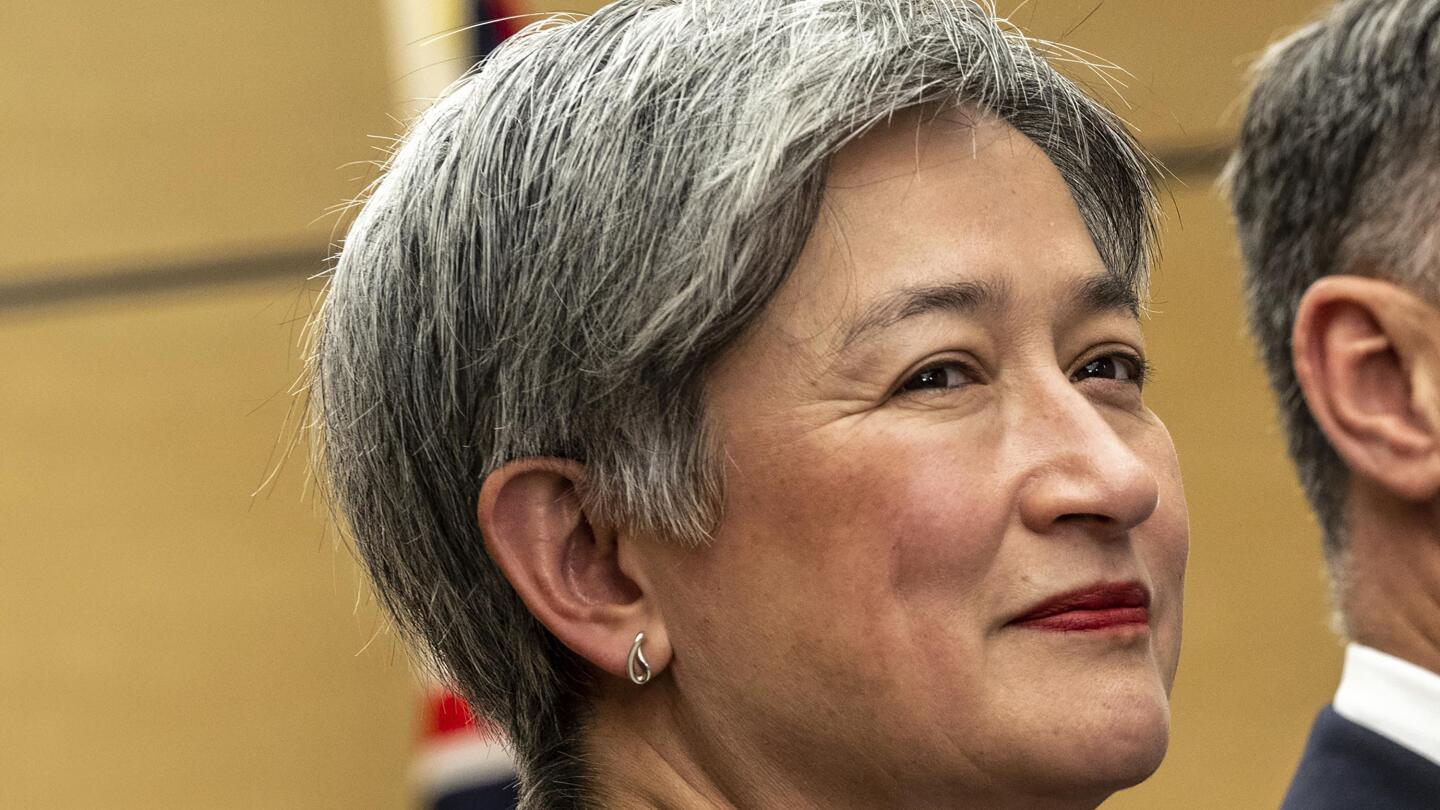
Australia vies for Pacific influence with new security deal
In a strategic move to bolster its presence in the Pacific region, Australia has inked a comprehensive security agreement with Vanuatu, a small island nation in Oceania. This development comes amidst growing geopolitical competition with China, which has been actively seeking to expand its influence in the region. The newly signed pact encompasses a wide range of areas including humanitarian aid, disaster response, law enforcement, cyber security, defense, border security, and maritime safety. Although the full details of the agreement remain undisclosed, Australian Foreign Minister Penny Wong emphasized the importance of sovereign decisions in enhancing regional security during a press conference in Port Vila, Vanuatu’s capital. Wong proudly declared Australia as Vanuatu’s principal security partner of choice. This agreement follows China’s recent security deal with the Solomon Islands, which has sparked concerns over potential military escalation in the South Pacific. China’s broader attempt to secure a sweeping regional agreement with ten Pacific nations, covering various sectors from security to fisheries, was met with resistance. Australia has been actively countering China’s influence through a series of diplomatic missions across the Pacific. Wong highlighted that the level of engagement and cooperation with Australia is a matter of individual choice for each Pacific nation. During her visit, Wong also participated in the handover of a new wharf and a police boat, both funded under Australia’s Pacific Maritime Security Program. The delegation’s next stops include Palau and Micronesia, with Palau being one of the few nations maintaining diplomatic ties with Taiwan rather than China. Palau’s President Surangel Whipps Jr. acknowledged the significant Chinese investment in his country but reiterated Palau’s stance of maintaining friendly relations with all nations without external pressure. Whipps also praised Australia’s commitment to reducing greenhouse gas emissions by 43% by 2030, though he urged for a more ambitious target of 50%. Climate change remains a critical issue for many Pacific nations, with rising sea levels and severe weather posing existential threats to low-lying islands.
-
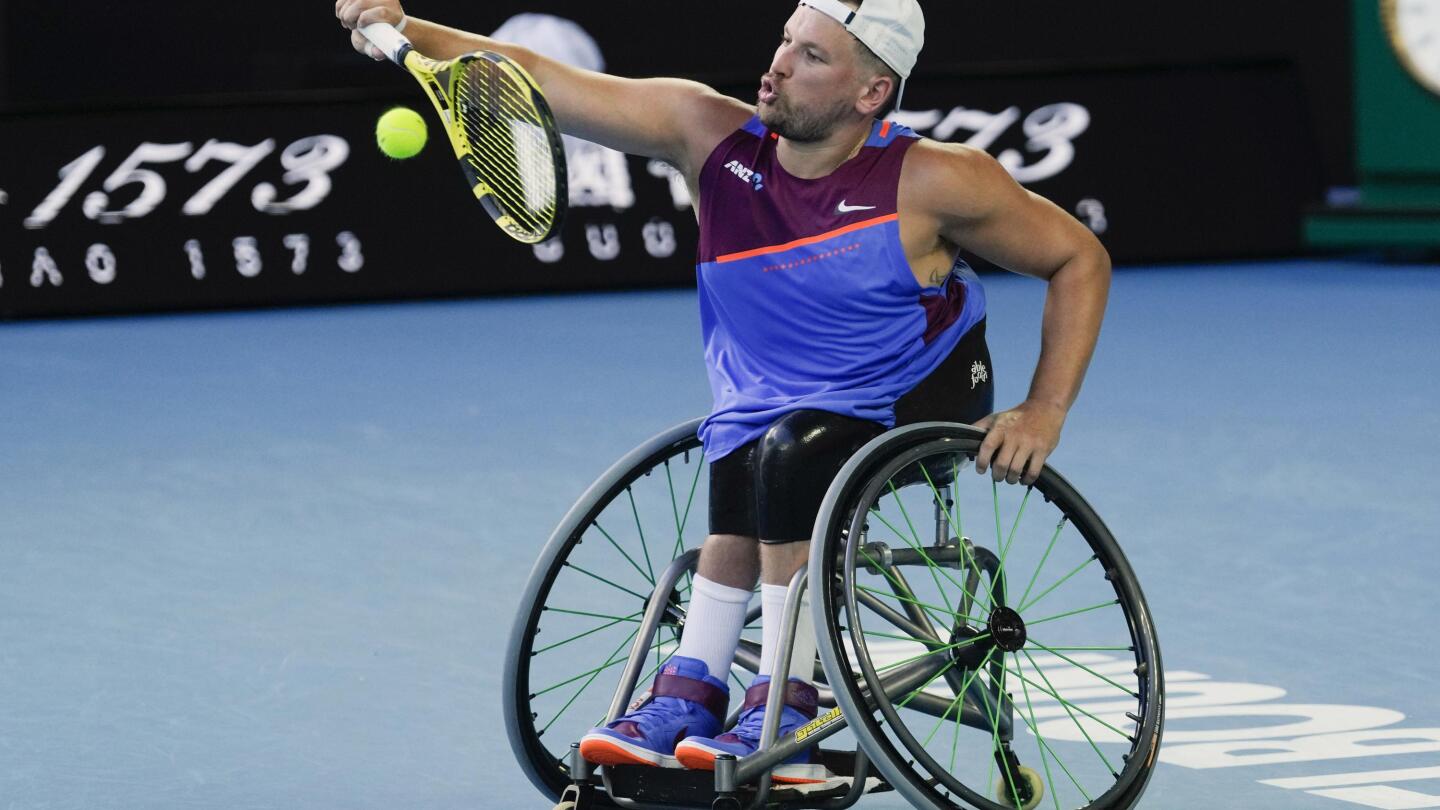
Horse trainer, wheelchair athlete to attend royal funeral
CANBERRA, Australia — In a significant gesture of inclusivity, Australian Prime Minister Anthony Albanese revealed on Tuesday that his official delegation to Queen Elizabeth II’s funeral will feature a diverse group of individuals, including racehorse trainer Chris Waller and wheelchair tennis champion Dylan Alcott. These two prominent figures are part of a contingent of 10 ‘everyday Australians’ selected to represent the nation at the state funeral scheduled for Monday at Westminster Abbey in London. Albanese emphasized that the inclusion of these citizens was a specific request from the British royal family, aiming to honor individuals who have made substantial contributions to their local communities.
-
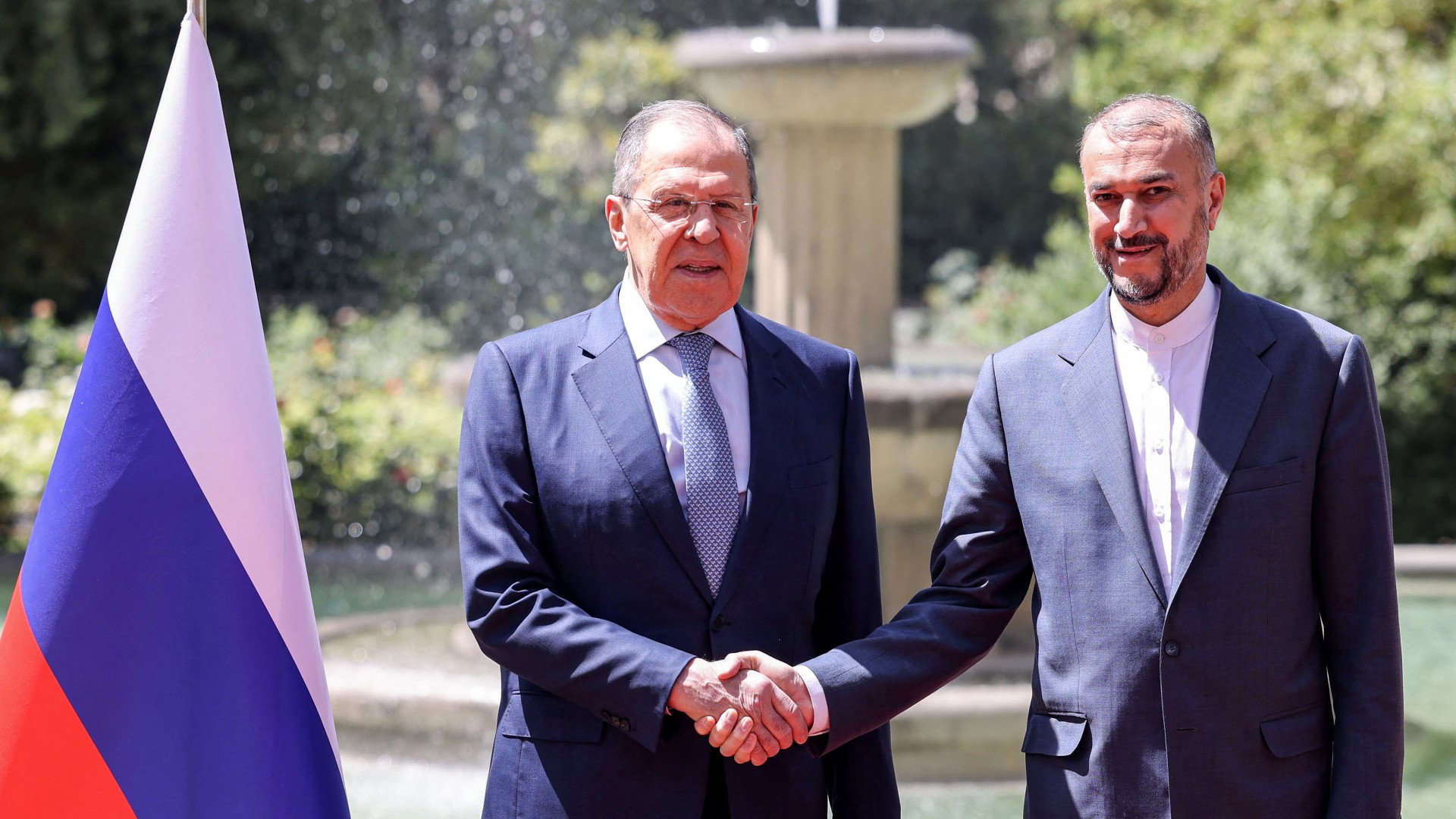
Iranian press review: Venezuela part of ‘Axis of Resistance’, says Maduro
Venezuelan President Nicolas Maduro has positioned his nation as a key member of the international ‘Axis of Resistance’ during his official visit to Tehran, calling for a unified front against United States and Israeli influence worldwide. The Iranian-coined term traditionally describes Shia forces opposing American and Israeli interests in the Middle East, but Maduro expanded its scope to encompass global anti-colonial movements.
Addressing audiences in the Iranian capital, Maduro declared that resistance movements now operate across Western Asia, Africa, Latin America, and the Caribbean. He framed this alliance as a struggle against neoliberalism, racism, and multiple forms of colonialism—including political, economic, cultural, and cyber domains. The Venezuelan leader emphasized the movement’s goal of decolonizing minds and resisting imperial hegemony.
The visit yielded significant bilateral agreements, including a 20-year cooperation roadmap between Iran and Venezuela. Maduro recalled previous security collaboration, revealing that Iranian experts had assisted in repairing Venezuela’s electricity infrastructure following cyber-attacks, a effort coordinated after his meeting with the late IRGC commander Qassem Soleimani.
Meanwhile, Iran continues to expand its international partnerships amid ongoing sanctions. Russian-Iranian relations have deepened since the Ukraine conflict began, with plans for a joint trade center (Nova-Pars) and enhanced cooperation in energy, manufacturing, and oil/gas equipment. A new Caspian Sea transportation corridor will connect Russia to the Persian Gulf, complemented by unprecedented shipbuilding knowledge transfers and parts manufacturing agreements.
Domestically, Iran faces mounting challenges. President Ebrahim Raisi’s directive to manufacture 72-seat aircraft—reportedly for religious symbolism—has drawn widespread public mockery given Iran’s aging fleet and aviation safety record. Critics highlight the administration’s previous unfulfilled promises regarding inflation control and COVID-19 vaccines.
Additionally, Iran’s healthcare system confronts a severe physician shortage despite medical school graduations. Approximately 20,000 trained doctors have abandoned clinical practice for higher-paying sectors including real estate, cryptocurrency trading, and beauty clinics, exacerbating the nation’s medical care crisis.
-
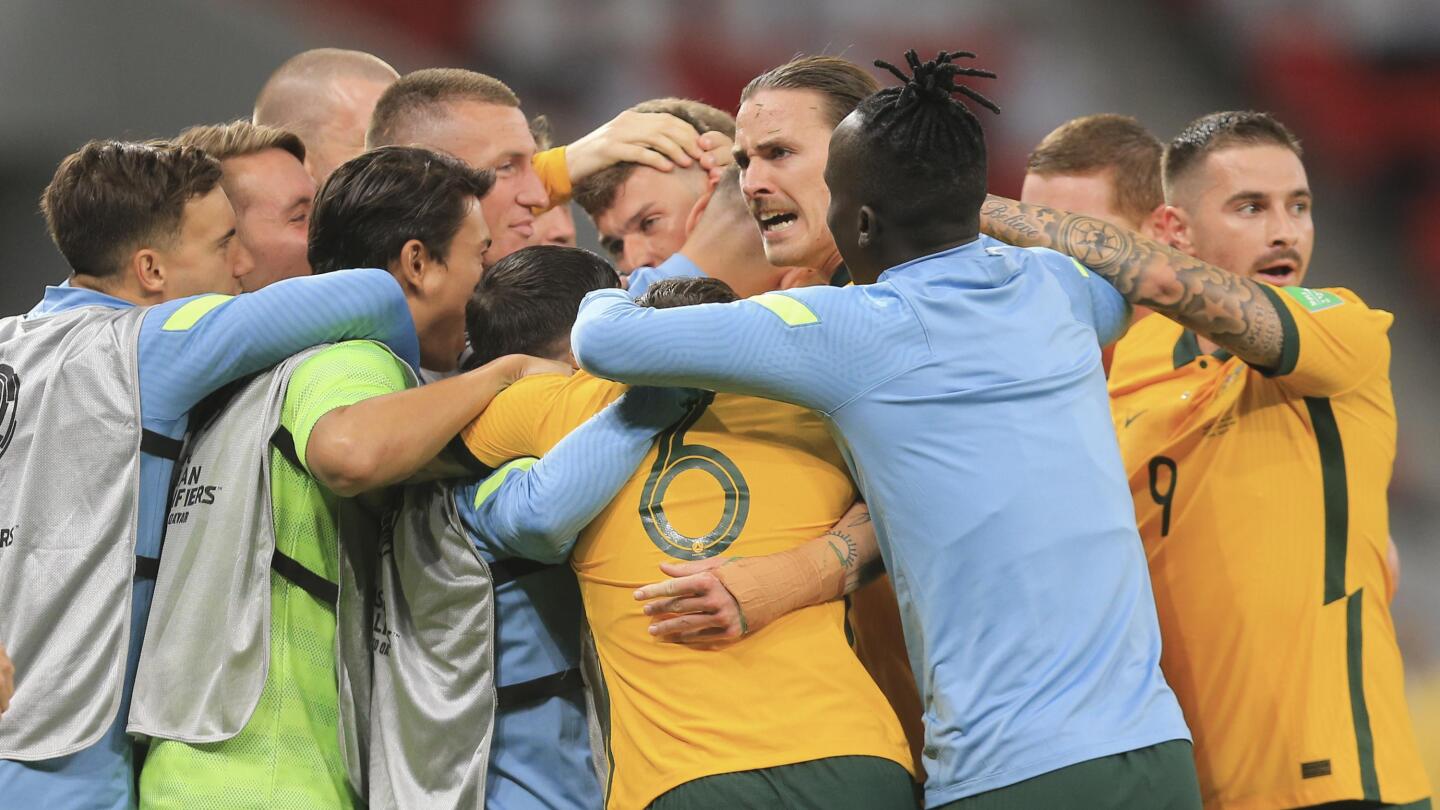
Peru, Australia ready to playoff for a World Cup spot
In a high-stakes showdown, Australia and Peru are set to face off in a decisive intercontinental playoff for a coveted spot in the 2022 FIFA World Cup in Qatar. The match, scheduled for late Monday in Al Rayyan, marks a winner-takes-all encounter, contrasting with the home-and-away format of previous playoffs. Both teams have a history of securing World Cup berths through such playoffs, with Peru defeating New Zealand and Australia overcoming Honduras in 2017 to qualify for the Russia tournament. This time, only one will advance to join Group D, where France, Denmark, and Tunisia await. Peru’s coach Ricardo Gareca, who led the team to fifth place in South American qualifiers, emphasized the significance of the match, noting both teams’ extensive experience in high-pressure situations. Peru enters the game with confidence, having defeated Australia 2-0 in their only previous meeting during the 2018 World Cup. Meanwhile, Australia, fresh off a 2-1 victory over the United Arab Emirates in the Asian playoff, is banking on its resilience and fighting spirit. Coach Graham Arnold drew parallels to the historic 2005 playoff win over Uruguay, urging his team to channel their “Aussie DNA” to secure a fifth consecutive World Cup appearance. With 12,000 Peruvian fans expected to fill the Ahmad bin Ali Stadium, the atmosphere promises to be electric as both nations vie for glory on the global stage.
-

Qatar to host New Zealand’s bid to qualify for the World Cup
The journey to the 2022 FIFA World Cup in Qatar begins for New Zealand and other Oceania teams as the region’s qualifying tournament is scheduled to take place in the host nation from March 14 to 30. FIFA confirmed Qatar as the neutral venue for the qualifiers, which have faced repeated delays due to COVID-19 travel and quarantine restrictions. This tournament marks the final opportunity for Oceania teams to secure a spot in the intercontinental playoffs. New Zealand, led by Burnley forward Chris Wood, is heavily favored to emerge victorious. The winner of the Oceania qualifiers will face the fourth-place team from the North American qualifying group in a playoff on June 13 or 14. Currently, Panama holds that position, closely followed by Mexico and the United States, with Canada leading the group. The Oceania qualifiers are divided into two groups: New Zealand, New Caledonia, Fiji, and Papua New Guinea in one, and Solomon Islands, Tahiti, Vanuatu, and the winner of the Tonga vs. Cook Islands play-in game in the other. The top two teams from each group will advance to the semifinals, with the final on March 30 determining Oceania’s representative in the playoffs. Notably, Samoa and American Samoa have withdrawn from the competition. New Zealand, ranked 110th by FIFA, has played minimal competitive soccer in recent years, making this tournament a crucial test for the Kiwis.
-
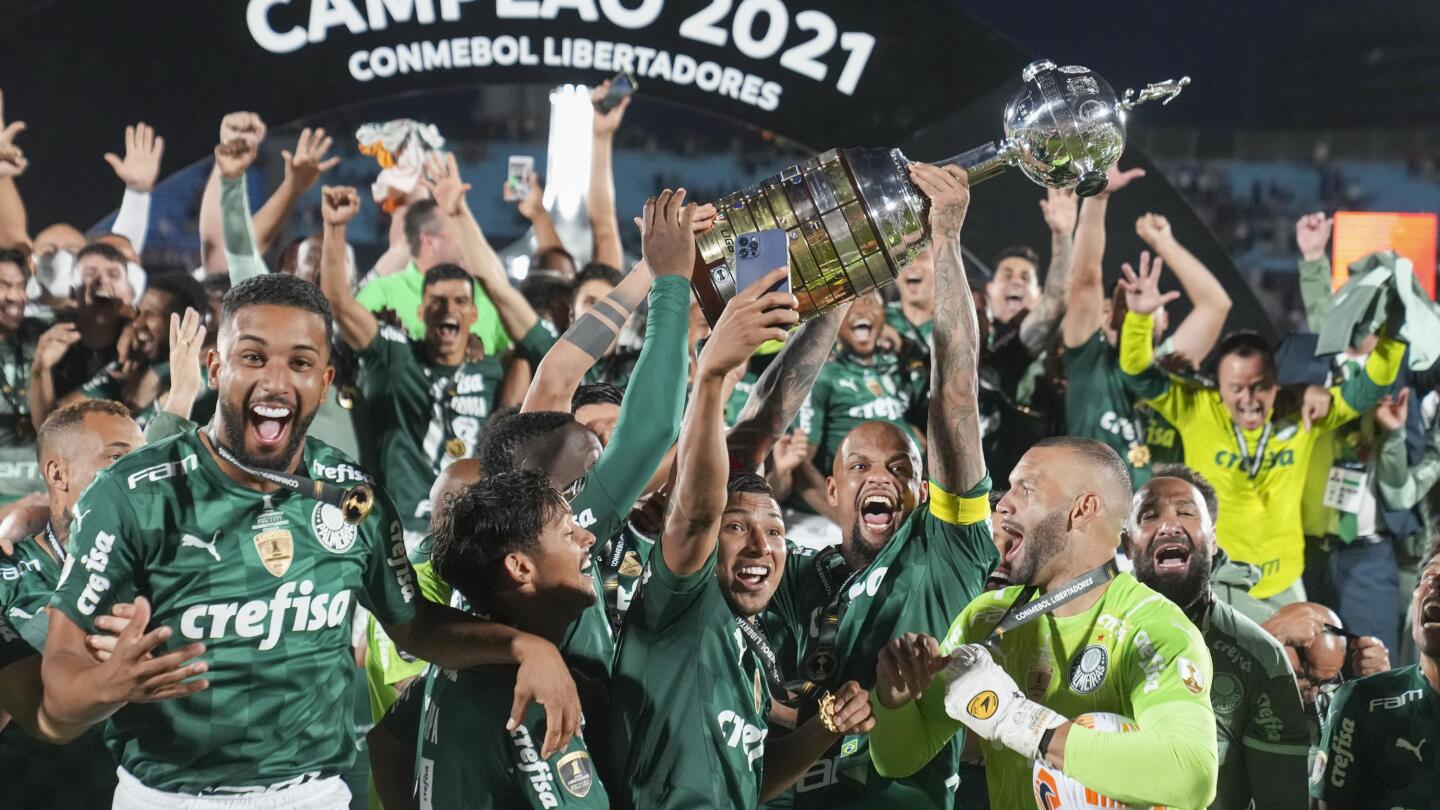
Club World Cup dates set for Feb. 3-12 in the UAE
Chelsea Football Club will need to adjust its Premier League schedule to participate in the rescheduled 2021 FIFA Club World Cup, set to take place from February 3 to 12 in the United Arab Emirates. The announcement was made by FIFA on Monday, following the completion of the seven-team lineup after Palmeiras secured the Copa Libertadores title on Saturday. Chelsea, the reigning Champions League winner, and Palmeiras will enter the tournament at the semifinal stage, competing for a spot in either the final or the third-place match. Currently, Chelsea is slated to face Brighton on February 8 and host Arsenal on February 12 in the Premier League, but these matches will now require rescheduling. In the semifinals, Chelsea will meet one of three potential opponents: Auckland City (Oceania champion), Al Jazira (UAE champion), or Al Hilal (Asian champion). Auckland City and Al Jazira will first clash in a preliminary round, with the winner advancing to face Al Hilal. Meanwhile, Palmeiras will take on either Al Ahly (African champion) or Monterrey (CONCACAF Champions League winner). The Club World Cup has faced significant disruptions due to the COVID-19 pandemic. Originally planned as an expanded edition in China during June and July, the tournament was postponed when the 2020 European Championship and Copa America were delayed by a year. Japan was later selected to host the traditional seven-team event in December but withdrew three months ago, citing pandemic-related travel restrictions.
-
FIFA changes playoff format for last 2 places at World Cup
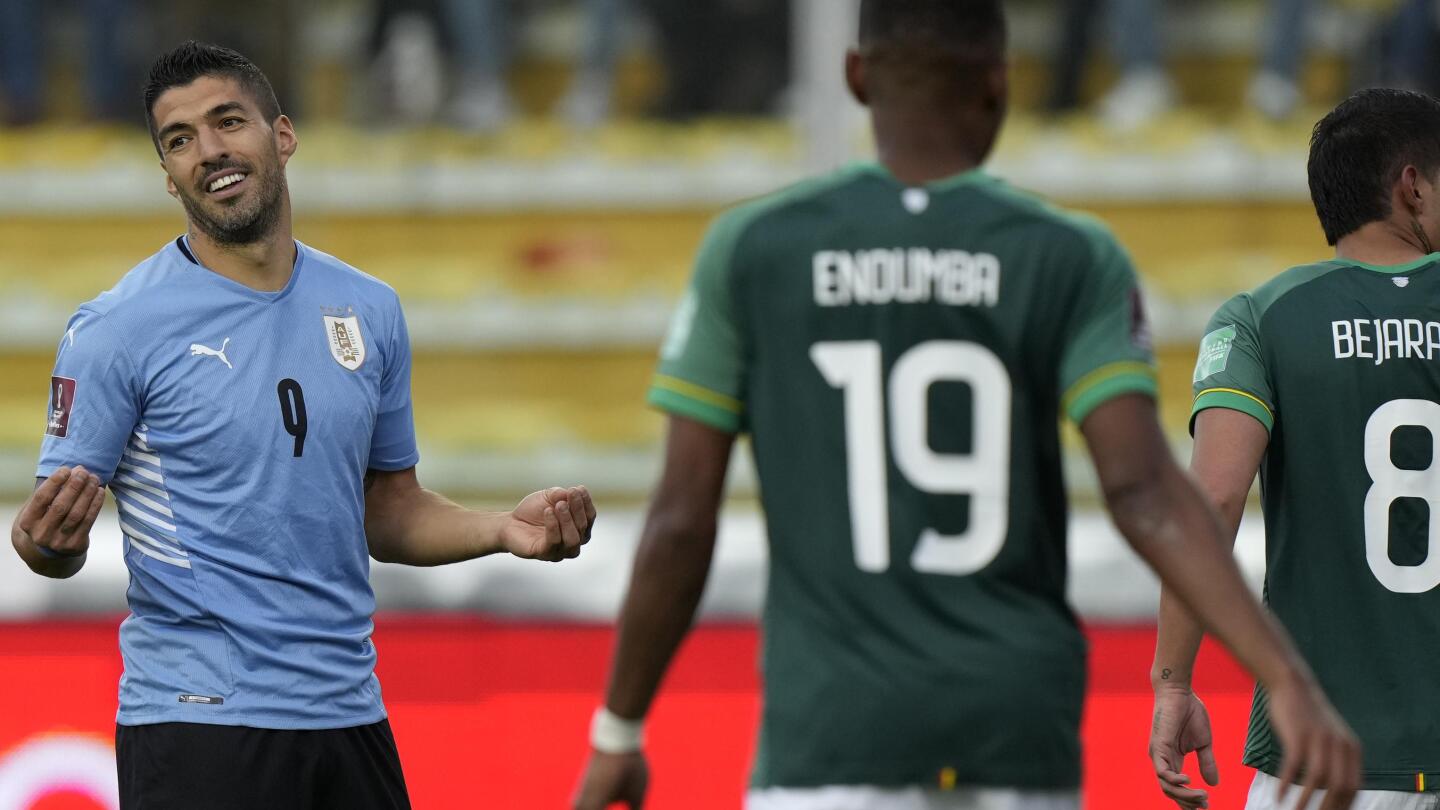
In a significant shift from tradition, FIFA announced on Friday that the intercontinental playoffs for the 2022 World Cup in Qatar will now feature single-leg matches at a neutral venue. This decision, driven by the ‘unprecedented disruption caused by the COVID-19 pandemic,’ aims to streamline the qualification process and minimize the logistical challenges faced by teams. The matches, scheduled for June 13 and 14, will determine the final two participants in the tournament. While the host venue remains undisclosed, the playoffs will involve teams from Asia, South America, Oceania, and the North American region. The majority of the playoff contenders are expected to be confirmed by the end of March, with Asia’s representative to be decided just days before the intercontinental matches. This marks a departure from the two-legged format introduced in 1986, which often required extensive travel across multiple time zones. The World Cup draw is set for April 1 in Doha, with 30 of the 32 qualifiers already determined. The intercontinental playoff draw will take place on November 26, ahead of the tournament’s kickoff on November 21 and its conclusion on December 18.