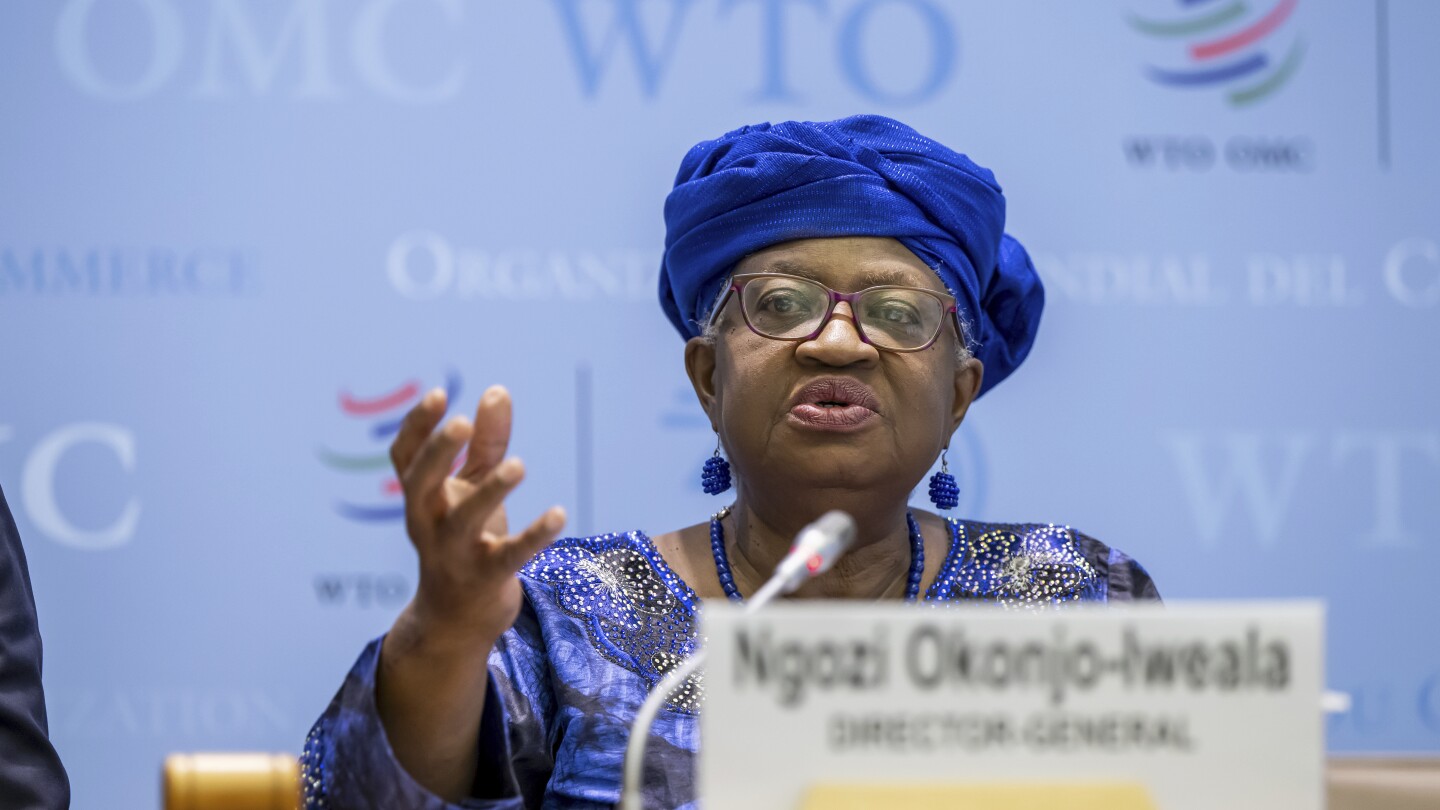
The World Trade Organization (WTO) has projected a 0.2% decline in global goods trade for this year, attributing the downturn to U.S. President Donald Trump’s fluctuating tariff policies and the ongoing trade tensions with China. The WTO cautioned that the situation could worsen significantly if Trump implements his most stringent reciprocal tariffs. The global trade forum highlighted that North America would experience the sharpest decline, with exports expected to plummet by 12.6% and imports by 9.6% this year, even without the harshest tariffs. The WTO’s report, based on the tariff landscape as of Monday, initially anticipated continued trade expansion in 2025 and 2026. However, Trump’s trade war has compelled WTO economists to drastically revise their forecasts. If Trump enacts the toughest tariffs on most nations, global trade in goods could slump by 1.5%, primarily due to the uncertainty unsettling businesses. Earlier this month, Trump temporarily suspended the most severe tariffs for 90 days, allowing over 70 countries to address U.S. trade concerns. Concurrently, he has escalated taxes on Chinese imports to 145% and is embroiled in protracted tariff negotiations with Canada and Mexico. WTO Director-General Ngozi Okonjo-Iweala emphasized that the persistent uncertainty threatens to hinder global growth, with particularly adverse effects on the most vulnerable economies. WTO Chief Economist Ralph Ossa noted that trade policy uncertainty significantly dampens trade flows, reducing exports and weakening economic activity. He stressed the importance of understanding the wide-ranging and often unintended consequences of tariffs in an increasingly tense global trade environment.
博客
-
PepsiCo agrees to meet with Al Sharpton over DEI cuts, potential boycott
PepsiCo, a leading North American food and beverage conglomerate, is under fire for its decision to scale back diversity, equity, and inclusion (DEI) initiatives. Reverend Al Sharpton, a prominent civil rights leader, announced on Monday that he will meet with PepsiCo CEO Ramon Laguarta this week to address the company’s controversial move. In a letter dated April 4, Sharpton warned of a potential boycott if PepsiCo fails to uphold its commitments to minority representation in managerial roles and supplier diversity. The company, which owns iconic brands like Gatorade, Lay’s, Doritos, and Mountain Dew, informed employees in February that it would no longer set specific goals for minority representation. Sharpton plans to press Laguarta on the rationale behind this decision and seek assurances regarding equal opportunities in employment and contracts. PepsiCo has yet to publicly comment on the matter. This development comes amid a broader trend of corporations, including Walmart and Target, rolling back DEI policies following President Donald Trump’s return to the White House earlier this year. Trump has also dismantled DEI programs within the federal government and threatened schools with funding cuts if they maintain such initiatives. In January, Sharpton led a “buy-cott” at Costco, encouraging consumers to support businesses committed to DEI policies. He emphasized the importance of economic pressure as a tool for social change, stating, ‘That is the only viable tool that I see at this time, which is why we’ve rewarded those that stood with us.’
-

Community, mentors and skill-building: Experts weigh the role of employee resource groups
Jenny Jang, who moved to the United States from South Korea at the age of six, faced significant challenges navigating her educational and professional environments as a minority. Unable to seek guidance from her parents, Jang turned to mentorship from external sources. Now based in Atlanta and employed at an international elevator company, Jang spearheaded the establishment of business resource groups in North America. These groups, designed to foster diversity and inclusion, provide employees with a platform to connect and share experiences around shared identities or themes. The first group, focused on women employees, attracted 500 members within three years, offering discussions on balancing family and career in a male-dominated industry. Subsequent groups catered to veterans and military families, creating safe spaces for employees to share their experiences. Employee resource groups (ERGs), which originated in corporate America in the 1970s to address racial, gender, and sexual orientation tensions, have since expanded to include other affiliations such as caregiving, mental health, neurodiversity, and generational divides. Critics argue that ERGs may create divisions and provide unfair advantages, prompting some companies to revise their purpose and scope. The future of ERGs faces additional uncertainty due to executive orders aimed at curtailing diversity, equity, and inclusion programs. Legal guidance from the Equal Employment Opportunities Commission emphasizes that ERGs must be open to all employees to avoid unlawful segregation. Proponents highlight the benefits of ERGs, including community building, leadership development, and enhanced employee engagement. Experts recommend starting ERGs by identifying a shared experience, securing senior leadership sponsorship, and demonstrating the group’s impact on employee retention and organizational goals. Despite challenges, ERGs remain vital for underrepresented communities, offering support, connectivity, and advocacy.
-

Trump’s reciprocal tariffs will overturn decades of trade policy
President Donald Trump is poised to upend decades of established global trade norms with his anticipated announcement of reciprocal tariffs on April 2, a date he has dubbed “Liberation Day.” This bold move, aimed at reducing America’s reliance on foreign goods, is expected to create significant disruptions for global businesses and strain relations with both allies and adversaries. Since the 1960s, tariffs have been the product of multilateral negotiations, but Trump’s unilateral approach seeks to redefine this process. Richard Mojica, a trade attorney, warns that this strategy will necessitate widespread adjustments across industries. Trump’s rationale centers on America’s persistent trade deficits, which he attributes to higher tariffs imposed by other countries on U.S. exports. His solution? Raise U.S. tariffs to match those of trading partners. Economists, however, caution that tariffs often burden consumers and may not achieve the desired outcomes. While some, like Christine McDaniel, suggest that reciprocal tariffs could incentivize other nations to lower their tariffs, the broader consensus is that Trump’s approach introduces significant uncertainty into global trade. The White House has yet to clarify key details, such as whether tariffs will be adjusted on a product-by-product basis or averaged across countries. Critics argue that Trump’s grievances overlook the fact that many high foreign tariffs were agreed upon during the Uruguay Round of trade negotiations and are not uniquely targeted at the U.S. Moreover, the U.S. economy has outperformed other advanced economies in recent years, raising questions about the urgency of Trump’s trade policies. Beyond tariffs, Trump is also targeting foreign practices like subsidies and value-added taxes (VATs), further complicating the trade landscape. While VATs are applied equally to domestic and imported goods, Trump views them as a trade barrier, a stance most economists dispute. Ultimately, Trump’s tariffs have not significantly narrowed the U.S. trade deficit, which economists attribute to broader macroeconomic factors like low savings rates and high consumer spending. As the global trade environment grows increasingly chaotic, businesses and governments alike are bracing for the ripple effects of Trump’s protectionist agenda.
-
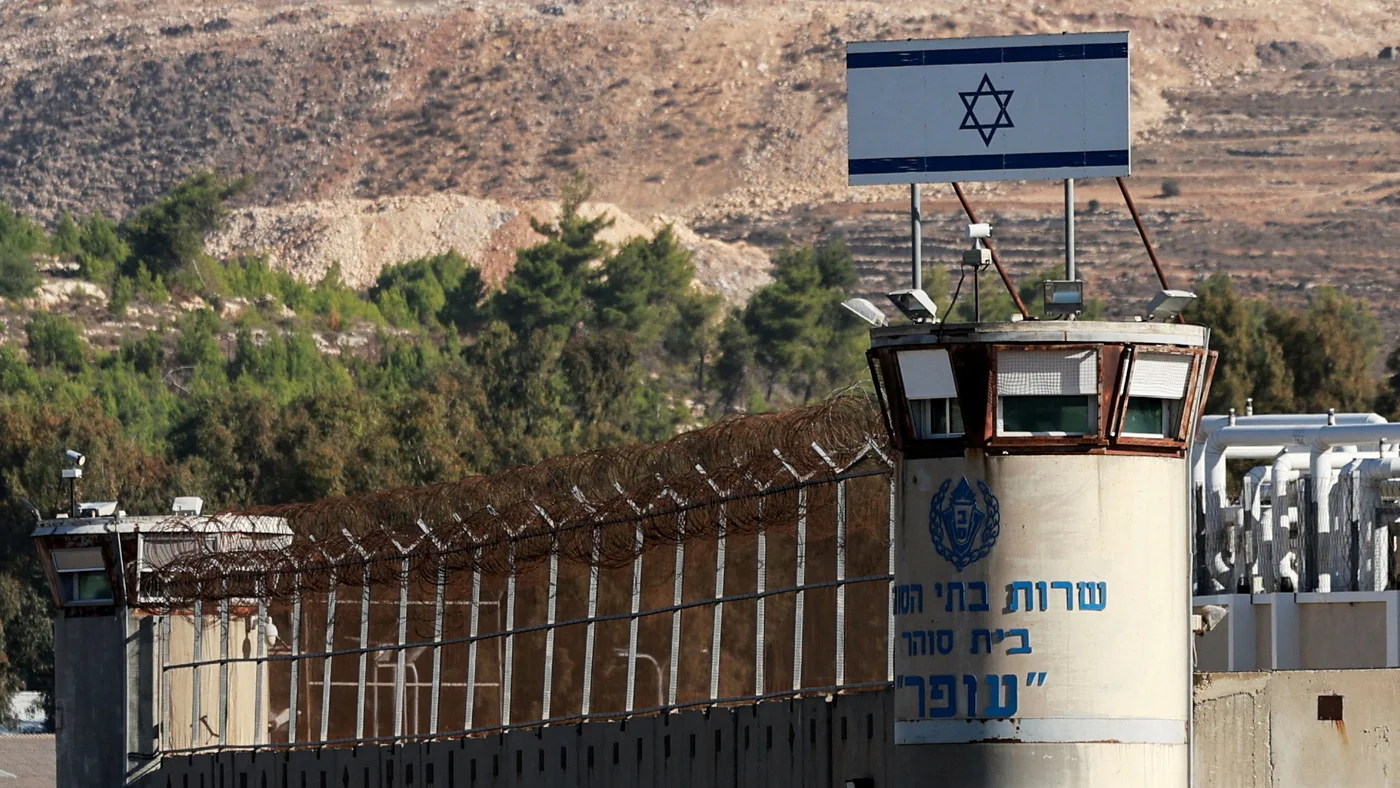
Palestinian captives in Israeli prison face ‘health disaster’, advocacy group warns
A severe health emergency is unfolding within Israel’s Megiddo Prison facility, according to alarming reports from the Palestinian Prisoners Society (PPS). The northern Israeli detention center, long criticized for its treatment of Palestinian detainees, is experiencing dangerous outbreaks of scabies and other communicable diseases that threaten to develop into a full-scale health catastrophe.
Medical assessments confirm that scabies infestations, caused by parasitic mites burrowing beneath the skin, have created widespread dermatological complications among the prison population. The PPS has documented numerous cases where inadequate medical intervention has exacerbated conditions, leading to severe rashes, persistent irritation, and additional health complications.
The advocacy organization attributes this deteriorating situation to systematic neglect by Israeli prison authorities. Detainees reportedly face critical shortages of nutritional food, appropriate clothing, basic hygiene products, and proper access to ventilation and natural lighting. These conditions create an environment where contagious diseases can spread rapidly through the confined population.
Particular concern has been raised regarding the vulnerability of younger detainees, with hundreds of children reportedly at risk. This warning follows the recent death of 17-year-old Walid Khaled Abdullah Ahmed within the facility, though circumstances surrounding his passing remain unconfirmed. His death marks the 63rd fatality among Palestinian detainees in Israeli custody since October 2023.
Israeli newspaper Haaretz previously reported in November that approximately 25% of Palestinian prisoners had contracted scabies infections in preceding months. Inmates have characterized their treatment as deliberately neglectful rather than accidentally inadequate, with one prisoner quoted as saying guards told sick detainees they ‘are terrorists and must die.’
Megiddo Prison has developed a notorious reputation for human rights violations beyond medical neglect. Documentation includes reports of electric shock torture, attacks by security dogs, severe physical beatings, and incidents where prisoners were stripped naked and restrained for extended periods without food or protection from cold temperatures.
A 2024 report by the Commission of Detainees’ and Ex-Detainees’ Affairs further detailed systematic torture practices, medical negligence, incidents of sexual violence, and routine physical abuse within the facility, painting a comprehensive picture of institutional maltreatment.
-

FIFA details Club World Cup prize money with $125M target for the winner in $1BN fund
The inaugural 32-team FIFA Club World Cup, set to take place in the United States from June 14 to July 13, has unveiled a staggering $1 billion prize pool, with the winning team potentially earning up to $125 million. FIFA announced that $525 million will be distributed as guaranteed fees to participating teams, ranging from $38.19 million for the top-ranked European team to $3.58 million for Oceania’s Auckland City. An additional $475 million will be awarded based on tournament performance, including $2 million for group-stage victories, $7.5 million for advancing to the round of 16, and $40 million for the champion crowned at New York’s MetLife Stadium. The top European team, likely Real Madrid, could amass the full $125 million by winning all group-stage matches and progressing through the knockout rounds. The tournament’s golden trophy, currently displayed in the White House’s Oval Office, was presented to former President Donald Trump by FIFA President Gianni Infantino, who invited Trump to award it to the winning captain. The prize fund’s announcement was delayed until December, when FIFA secured a global broadcast deal with streaming service DAZN, backed by a major investment from a Saudi Arabian state sports agency. Fans can stream matches for free on DAZN’s platform. The expanded tournament features 12 European teams, each guaranteed at least $12.81 million, with payments determined by sporting and commercial criteria. Notable qualifiers include Manchester City, Bayern Munich, Paris Saint-Germain, and Chelsea. South American teams will receive $15.21 million each, while African, Asian, and CONCACAF teams, including Lionel Messi’s Inter Miami, will earn $9.55 million. FIFA also plans to distribute $250 million to clubs worldwide that did not qualify. Despite the record-breaking prize pool, the $125 million maximum falls short of the English Premier League and UEFA Champions League payouts. The Club World Cup’s $1 billion fund more than doubles the $440 million shared among teams at the 2022 Qatar World Cup. Sponsors for the Club World Cup have also secured deals for the 2026 men’s World Cup, co-hosted by the U.S., Canada, and Mexico.
-

2026 World Cup spot at stake: New Zealand, New Caledonia to meet in the Oceania qualifying final
In a stunning display of dominance, New Zealand’s national football team triumphed over Fiji with a resounding 7-0 victory in the Oceania World Cup qualifying semifinal. The match, held on Friday, was highlighted by a remarkable hat trick from Nottingham Forest striker Chris Wood, who scored all three goals with his head. This victory propels New Zealand into the final against New Caledonia, who earlier secured their place by defeating Tahiti 3-0. The winner of Monday’s final in Auckland will earn direct entry to the 2026 World Cup, marking a historic first for the Oceania confederation. The victor will join hosts Canada, the United States, Mexico, and Japan, the first nation to qualify for the expanded 48-team tournament. Wood opened the scoring in the sixth minute, capitalizing on a cross from Sarpreet Singh, and added two more goals in the second half before being substituted. Singh, Tim Payne, and Kosta Barbarouses also contributed to the scoreline, while Fiji’s own goal compounded their woes. Despite missing a late penalty, New Zealand’s performance was a testament to their teamwork and preparation. Meanwhile, New Caledonia’s Georges Gope-Fenepej shone with two goals in their semifinal victory, showcasing his experience and skill. The loser of the final will still have a chance to qualify through an intercontinental playoff, offering hope to the region’s smaller footballing nations. This opportunity is particularly significant for New Zealand, the highest-ranked Oceania nation, and New Caledonia, which overcame political unrest to compete in the tournament.
-

Chris Wood backs automatic World Cup qualifying for Oceania minnows
In a historic move for Oceania’s football confederation, FIFA has granted direct qualification to the 2026 World Cup, marking the first time a team from the region will bypass the intercontinental playoff system. New Zealand, the highest-ranked team in Oceania at 89th in FIFA’s rankings, is favored to secure the spot as they face Fiji in the semifinals of the Oceania qualifying tournament in Wellington on Friday. Tahiti and New Caledonia will compete in the other semifinal, with the final set for Auckland next Monday. The winner will join hosts Canada, the United States, and Mexico in the expanded 48-team tournament. The runner-up will still have a chance to qualify through a playoff series involving teams from Asia, Africa, South America, and CONCACAF. Critics have questioned the fairness of low-ranked teams qualifying directly while higher-ranked teams from more competitive confederations are eliminated. However, New Zealand captain Chris Wood defended the decision, stating that a true global World Cup requires representation from every continent. New Zealand’s coach, Danny Bazeley, emphasized the team’s determination to avoid past playoff disappointments, while Fiji’s coach, Rob Sherman, acknowledged the challenge of facing a more experienced and professional New Zealand squad. Despite the odds, teams like New Caledonia and Tahiti have celebrated their semifinal achievements as significant milestones.
-
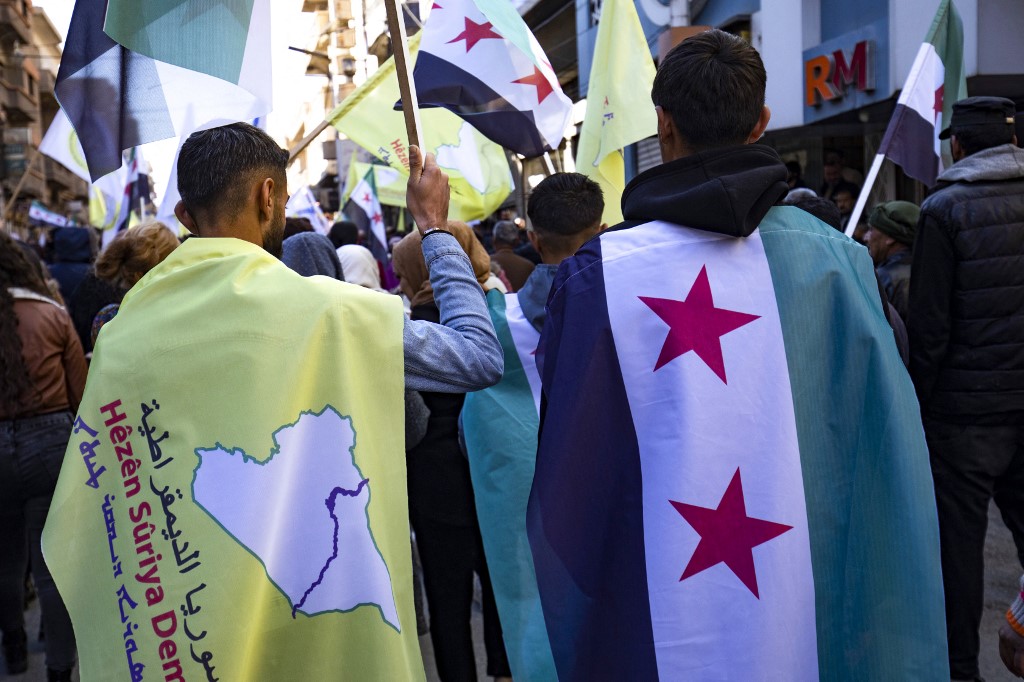
What is Turkey’s vision for the Kurds in Syria?
Regional observers are closely examining Turkey’s strategic objectives regarding the Kurdish-dominated Syrian Democratic Forces (SDF) that control substantial territories in northeastern Syria. Since the collapse of Bashar al-Assad’s regime in December, Ankara has emerged as a dominant power broker in Syria, cultivating strategic alliances with the interim government led by Hay’at Tahrir al-Sham (HTS).
Both Turkish authorities and HTS leadership have consistently demanded the expulsion of Kurdistan Workers’ Party (PKK)-affiliated elements from SDF ranks and advocated for the group’s disarmament, potentially through integration into Syria’s formal defense structures. This position creates a complex diplomatic landscape given that Western powers, while classifying PKK as a terrorist organization, have simultaneously supported PKK-linked factions in Syria since 2014 to combat Islamic State extremists.
Recent statements from de facto Syrian leader Ahmed al-Sharaa emphasize that the emerging administration will reject any form of federal division and insists on state monopoly over military capabilities. Despite President Erdogan’s vigorous rhetoric regarding eliminating security threats from Syrian territory, Ankara appears to favor diplomatic solutions over full-scale military intervention against Kurdish forces.
The SETA think tank, maintaining close government ties, recently proposed a collaborative framework where American and Turkish officials could pursue non-violent resolution mechanisms. The proposal suggests the United States would acknowledge Turkey’s security concerns by limiting military and political support for SDF, while Turkey would refrain from large-scale operations in northeastern Syria.
Turkish Foreign Minister Hakan Fidan has reiterated demands for SDF to expel PKK cadres and demobilize their forces. On Monday, Fidan claimed approximately 2,000 foreign fighters embedded within SDF ranks are under the command of senior PKK officials Sabri Ok and Fehman Huseyin, who allegedly influence SDF leadership.
A critical element in this diplomatic process involves ongoing negotiations between Turkish authorities and imprisoned PKK leader Abdullah Ocalan, initiated in October. Multiple Turkish sources indicate Ocalan may release a video statement in February urging PKK disarmament, which could significantly pressure SDF toward accepting a political compromise.
Senior PKK official Bese Hozat confirmed they await Ocalan’s guidance regarding future steps, noting his intensive efforts toward democratic solutions for the Kurdish question and regional democratization.
Turkish officials anticipate that with Ocalan’s potential intervention, non-PKK elements within SDF could be integrated into Damascus’ military administration. Additionally, they expect former President Donald Trump’s potential return to office might accelerate SDF’s positional reconsideration.
Beyond disarmament, Ankara seeks the repatriation of Kurdish refugees to northeastern Syria and the reintegration of rival Kurdish political parties into the region. Turkey recently facilitated discussions between Masoud Barzani, former president of Iraqi Kurdistan and PKK rival, and SDF leader Mazloum Abdi, urging political reintegration and cooperation with Damascus.
According to sources familiar with Ankara’s strategic thinking, Turkey essentially desires the Democratic Union Party (PYD) to transform into a national political entity participating in democratic elections and gaining representation in Damascus through constitutional processes.
Al Jazeera Arabic recently reported that Damascus presented SDF with a draft agreement aligning with Turkish interests, offering constitutional recognition of Kurdish cultural rights and establishing decentralized administrative systems with substantial local powers. However, Damascus insists SDF must integrate into national military institutions as individuals rather than as independent units, and cannot maintain current deployments in non-Kurdish majority areas like Raqqa. SDF reportedly rejected these terms, citing Turkish security threats and demanding equitable oil revenue sharing.
Despite ongoing diplomatic efforts, indications suggest Turkey continues military preparations. Yahya Bostan, a columnist with extensive military and intelligence connections, recently wrote that Ankara is intensifying efforts to eliminate PKK threats, anticipating increased diplomatic and intelligence operations at military levels in the near future.
-
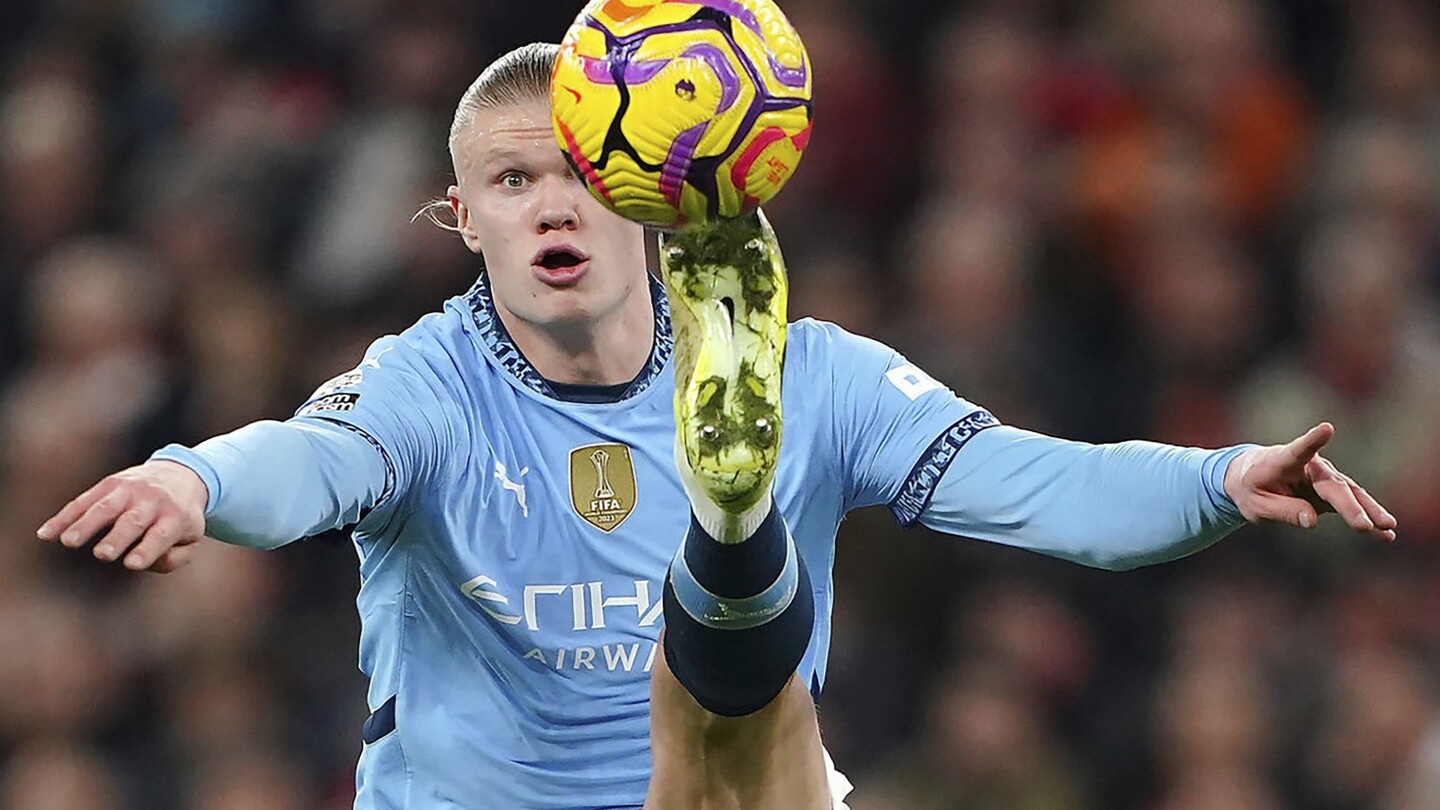
The draw for FIFA’s revamped Club World Cup is coming up. Here’s what to know
The United States is set to host the most expansive edition of FIFA’s Club World Cup in 2025, marking a significant evolution for the global club tournament. The event, scheduled from June 15 to July 13, will feature 32 teams competing across 11 U.S. cities, a dramatic increase from the previous seven-team format. This edition will also transition the tournament to a quadrennial schedule, aligning it with the FIFA World Cup for national teams. The draw for the group stage will take place in Miami on Thursday, December 7, at 1 p.m. (1800 GMT).
Among the participants are European giants like Real Madrid and Manchester City, Lionel Messi’s Inter Miami, South American champion Botafogo, and top clubs from Asia, Africa, and Oceania. The tournament’s new structure includes eight groups of four teams each, with the top two advancing to a knockout stage. FIFA has allocated 12 spots to Europe, six to South America, four each to Africa, Asia, and North America, and one each to Oceania and the host nation.
The 2025 Club World Cup represents FIFA’s most ambitious project to date, aiming to create a month-long spectacle that rivals the global appeal of the men’s World Cup. Teams qualified based on their continental championship victories or consistent performance from 2021 to 2024. Notable absences include Liverpool, Barcelona, and Napoli, while emerging stars like Kylian Mbappé, Erling Haaland, and Jude Bellingham are expected to shine.
Inter Miami’s inclusion, secured through FIFA’s decision to award the host nation’s spot based on regular-season standings, adds star power with Lionel Messi and co-owner David Beckham. The tournament promises significant financial rewards, with FIFA president Gianni Infantino guaranteeing hundreds of millions in prize money. A recent broadcasting deal with DAZN ensures all 63 matches will be streamed for free, with potential public broadcaster partnerships.
The Club World Cup’s history dates back to the Intercontinental Cup, which pitted European and South American champions. FIFA’s modern iteration began in 2000, evolving into an annual seven-team event. However, the tournament struggled to gain traction in Europe, where the UEFA Champions League remained the pinnacle of club competition. The 2025 edition aims to redefine the Club World Cup as a premier global event, combining tradition with innovation.