
In a significant move toward healthier food production, two leading food manufacturers, Kraft Heinz and General Mills, have announced plans to eliminate artificial dyes from their U.S. products by 2027. This decision follows a recent call by U.S. health officials for the food industry to phase out petroleum-based synthetic colors. Kraft Heinz revealed on Tuesday that it will begin removing artificial dyes from its U.S. portfolio in 2027 and will cease introducing new products containing these additives. Shortly after, General Mills disclosed its strategy to eliminate artificial dyes from all U.S. cereals and K-12 school meals by mid-2026, with a complete removal from its retail products by the end of 2027. Kraft Heinz emphasized that nearly 90% of its U.S. products already exclude FD&C colors—synthetic additives approved by the FDA for use in food, drugs, and cosmetics. The remaining products, primarily in the beverage and dessert categories, including brands like Crystal Light, Kool-Aid, Jell-O, and Jet-Puffed, will transition to natural alternatives. General Mills noted that 85% of its retail products and nearly all K-12 school items are already dye-free. Both companies are aligning with consumer demand for cleaner ingredients, driven by health advocates who have raised concerns about potential neurobehavioral issues linked to artificial dyes in children. The FDA, while maintaining that approved dyes are safe, has supported voluntary industry efforts to reduce their use. This shift mirrors global trends, as many countries, including Canada and European nations, have adopted stricter regulations or warning labels for synthetic colors. In the U.S., states like California and West Virginia have enacted laws restricting artificial dyes, prompting food manufacturers to explore natural alternatives derived from sources like beets, algae, and vegetables.
博客
-

Sudan in danger of self-destructing as conflict and famine reign
Sudan’s protracted conflict has plunged the nation into a humanitarian catastrophe, with over half of its 45 million population displaced and nearly a million facing famine. The war, now in its 27th month, remains in a strategic deadlock, with neither the Sudanese Armed Forces (SAF) nor the Rapid Support Forces (RSF) able to secure a decisive advantage. The SAF, led by General Abdel Fattah al-Burhan, recently recaptured central Khartoum, showcasing newly acquired weaponry from Egypt, Turkey, Qatar, and Iran. However, their offensive quickly stalled. Meanwhile, the RSF, under General Mohamed Hamdan Dagalo (Hemedti), launched a devastating drone attack on Port Sudan, the interim capital and primary hub for humanitarian aid. The RSF has expanded its operations southward, striking alliances with rebel groups and besieging North Darfur’s capital, el-Fasher. The conflict has exacerbated ethnic tensions, with the RSF accused of genocide against the Massalit people in West Darfur. Civilians, who once united to overthrow former leader Omar al-Bashir, are now fragmented, with some aligning with Burhan, others with Hemedti, and many attempting neutrality. Despite international efforts, including a UN peace plan and a London conference, no credible peace process exists. The UAE and Saudi Arabia’s disagreements further complicate diplomatic resolutions. As the world’s largest humanitarian emergency worsens, multilateral organizations like the UN and African Union are called upon to prioritize Sudan’s crisis and remind global powers of their commitments to human rights and peace.
-

How social media divided and broke America
The United States, once a symbol of unity and resilience, has been grappling with deep societal fractures since the early 2010s. While the economy has shown remarkable strength, with wealth surpassing pre-Great Recession levels and wages steadily rising, American society remains deeply unsettled. This paradox raises a critical question: Why is a nation with such economic prosperity so plagued by division and discontent? The answer, it seems, lies in the transformative impact of smartphones and social media. The 2010s marked the widespread adoption of these technologies, which fundamentally altered how Americans interact, perceive each other, and engage with societal issues. Social media platforms like Twitter, Facebook, and Instagram created a virtual space where geographic and ideological boundaries dissolved, forcing Americans into a constant, often contentious, dialogue. This digital revolution amplified existing fault lines—racial tensions, political polarization, and cultural divides—while introducing new challenges, such as declining mental health and institutional distrust. The rise of smartphone-enabled social media coincided with a sharp decline in perceptions of race relations, workplace sexism, and overall societal trust. Videos of police shootings, for instance, went viral, sparking nationwide protests and reigniting debates about systemic racism. Similarly, the MeToo movement gained momentum as social media provided a platform for marginalized voices. However, these platforms also fostered echo chambers, where extreme views were amplified, and constructive dialogue became increasingly rare. The result has been a society where anger and mistrust overshadow economic progress. Americans, once able to geographically sort themselves into like-minded communities, now find themselves in a digital town square, constantly exposed to opposing views and ideologies. This has led to a decline in happiness, particularly among educated liberals, who feel increasingly alienated in this new social landscape. The collapse of geographic sorting, once a release valve for societal tensions, has left Americans struggling to coexist in a hyperconnected world. As the nation navigates this digital age, the challenge remains: How can a society built on diversity and freedom adapt to a reality where everyone is constantly in each other’s virtual space?
-

Chinese diplomat highlights importance of media in bilateral relations
Chinese Ambassador to Japan Wu Jianghao emphasized the critical role of media in enhancing mutual understanding and advancing bilateral relations during a China-Japan media salon hosted by the Chinese embassy in Tokyo on June 12. The event brought together media professionals and diplomats who advocated for objective, balanced, and fair reporting to foster deeper connections between the two nations. Ambassador Wu highlighted the media’s function as a bridge, urging thoughtful voices in both countries to contribute positively to the healthy and stable development of China-Japan relations. He also called for the effective use of social media to amplify these efforts. The high-level consultation mechanism on people-to-people and cultural exchanges between China and Japan, relaunched at the end of last year, aims to strengthen media and think tank cooperation to improve public opinion environments. Takeshi Hisanaga, an editorial writer at The Nishinippon Shimbun, expressed concern over the diminishing sense of closeness among Japanese citizens toward China, underscoring the need for improved media engagement.
-
Japan’s close-range reconnaissance a security threat, China says
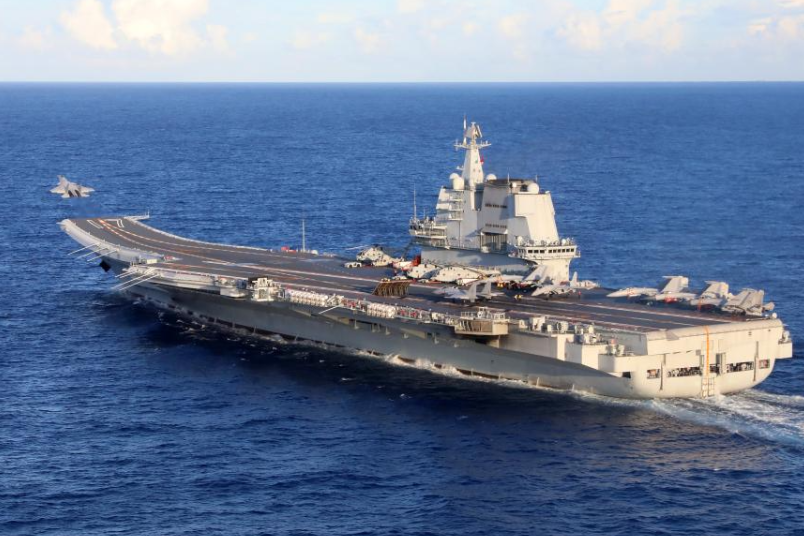
China has raised concerns over Japan’s close-range reconnaissance activities, labeling them as a significant threat to maritime and airspace security. Foreign Ministry spokesman Lin Jian addressed the issue during a regular press briefing on Thursday, responding to reports that Japanese military patrol planes encountered Chinese fighter jets flying unusually close over the weekend. Lin emphasized that China’s military operations in the region are fully compliant with international law and practices. He stated that Japan’s reconnaissance activities against China’s routine military exercises are the primary cause of security risks. Lin urged Japan to cease such provocative actions. Meanwhile, China has confirmed the deployment of carrier strike groups led by the CNS Liaoning and CNS Shandong for training exercises in the Western Pacific, underscoring its commitment to maintaining regional stability. The defense departments of both nations have maintained communication through established channels to address the issue.
-

Skier caught in an avalanche is the second person to die this season on Alaska’s Mount McKinley
A tragic incident unfolded on North America’s highest peak, Mount McKinley, as a skier lost his life in an avalanche, marking the second fatality of this year’s climbing season. Nicholas Vizzini, a 29-year-old from Washington state, and his snowboarding companion triggered the avalanche on Tuesday while descending the 20,310-foot (6,190-meter) mountain, according to a statement from Denali National Park and Preserve. The avalanche originated at approximately 16,600 feet (5,060 meters) and cascaded down to around 15,000 feet (4,572 meters).
Two mountaineering rangers swiftly responded after spotting Vizzini’s partner amidst the avalanche debris. Utilizing a beacon signal, they located Vizzini, who was largely buried under the wreckage. Despite immediate lifesaving efforts, he was pronounced dead later that evening. Vizzini’s body was subsequently recovered and transferred to the state medical examiner’s office, while his partner sustained minor injuries and was scheduled to leave the mountain on Wednesday.
This incident follows the death of Alex Chiu, a ski mountaineer from Seattle, who perished earlier this month after a 3,000-foot (about 900-meter) fall on the mountain’s West Buttress climbing route. The climbing season, which typically spans from early May to early July, currently hosts around 500 climbers on Mount McKinley. The park authorities continue to emphasize the inherent risks of high-altitude mountaineering.
-
Could David Cameron be prosecuted for threatening the ICC?
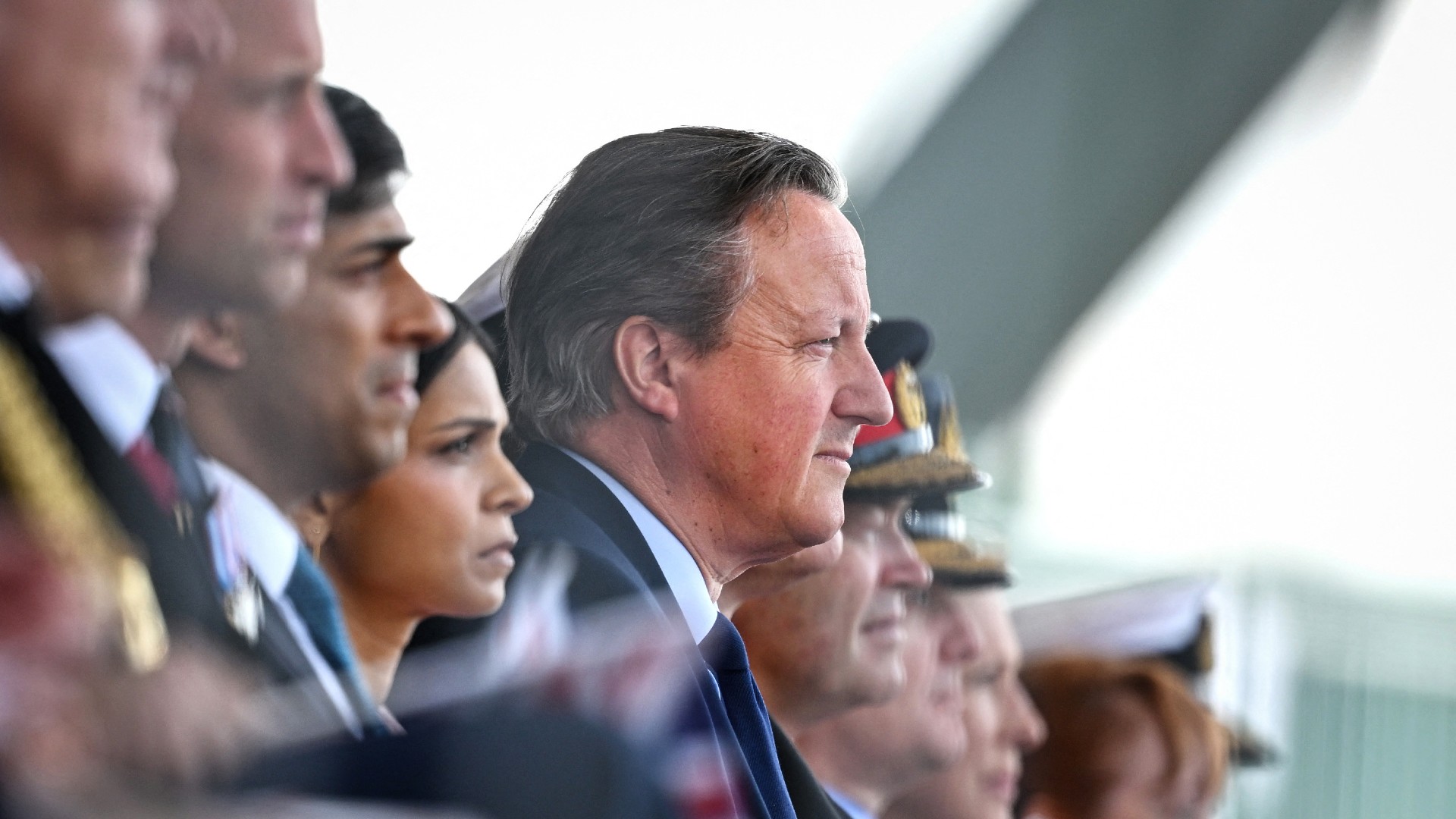
International legal authorities have raised serious concerns about potential criminal liability for David Cameron, the United Kingdom’s former Foreign Secretary, following revelations about his alleged attempts to influence the International Criminal Court’s judicial processes. According to exclusive reporting from Middle East Eye, Cameron reportedly threatened Chief Prosecutor Karim Khan during an April 2024 telephone conversation, warning that Britain would withdraw from the Rome Statute and cease financial support if the court pursued arrest warrants for Israeli leaders.
UN Special Rapporteur on Palestine Francesca Albanese characterized such threats as clear obstruction of justice, stating the situation demonstrates ‘incredible audacity’ from someone in a position of power. Professor Sergey Vasiliev of the Open University of the Netherlands noted that if confirmed, Cameron’s actions would represent a crossing of legal boundaries and demonstrate profound disrespect for the ICC’s judicial independence.
The controversial exchange occurred while Prosecutor Khan’s team was preparing arrest warrants for Israeli Prime Minister Benjamin Netanyahu, Defense Minister Yoav Gallant, and three Hamas leaders. Despite Cameron’s intervention, the court formally approved the warrants six months later on November 21, charging Netanyahu and Gallant with war crimes and crimes against humanity in Gaza.
Legal experts cite Article 70 of the Rome Statute, which prohibits offenses against the administration of justice, including intimidating court officials to influence their duties. Professor Tom Dannenbaum of the Fletcher School of Law and Diplomacy explained that while the UK maintains the right to withdraw from the ICC, conditioning such action on specific prosecutorial decisions constitutes improper political pressure that undermines judicial independence.
The potential consequences for Cameron could include ICC arrest warrants and, if convicted, up to five years imprisonment in The Hague. Domestically, British law permits investigation under the ICC Act 2001 for obstruction of justice or misconduct in public office, offenses carrying maximum life sentences. However, experts note practical challenges including political considerations and possible functional immunity claims for actions taken in official capacity.
The development occurs amidst heightened tensions between the ICC and Western governments, including recent US sanctions against court officials and Prosecutor Khan’s current leave of absence pending unrelated misconduct investigations.
-
From Kent State to LA, using soldiers on civilians is high-risk
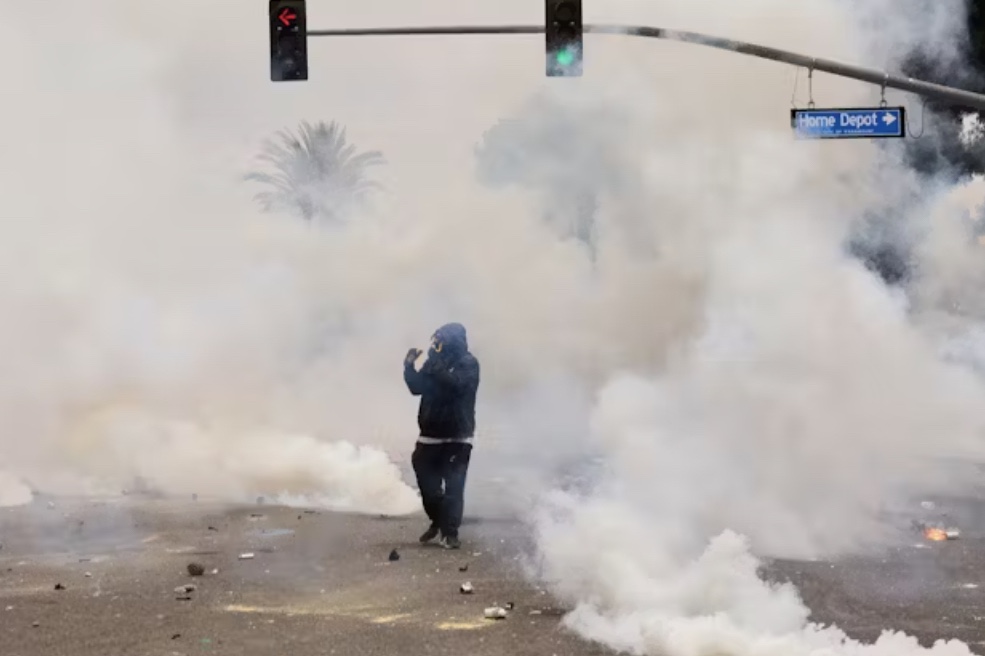
In response to escalating protests in Los Angeles against federal immigration enforcement raids, President Donald Trump ordered the deployment of 2,000 California National Guard troops on June 7, 2025. The move aimed to protect federal agents conducting the raids, with Trump also authorizing the Pentagon to dispatch regular U.S. troops if necessary. The president’s orders did not specify rules of engagement, raising concerns about the potential use of force. California Governor Gavin Newsom, who did not request the National Guard, criticized the decision as “inflammatory” and warned it could exacerbate tensions. The protests began on June 6, 2025, following immigration raids across the city. The deployment of the National Guard, a state militia typically under the command of governors, was federalized by Trump under Section 12406 of Title 10 of the U.S. Code, which allows mobilization in cases of rebellion or threats to federal authority. This decision has drawn comparisons to the Kent State tragedy of May 4, 1970, when National Guard troops opened fire on anti-war protesters at Kent State University, killing four students and wounding nine. Historians and experts warn that deploying military forces in civilian protests can lead to unpredictable and tragic outcomes, as seen in Kent State. The incident underscores the delicate balance between maintaining order and respecting civil liberties, with critics arguing that aggressive displays of force can escalate tensions rather than resolve them.
-
Exclusive: David Cameron threatened to withdraw UK from ICC over Israel war crimes probe
The British government secretly threatened to withdraw funding and membership from the International Criminal Court should it proceed with arrest warrants against Israeli leaders, according to exclusive revelations from Middle East Eye.
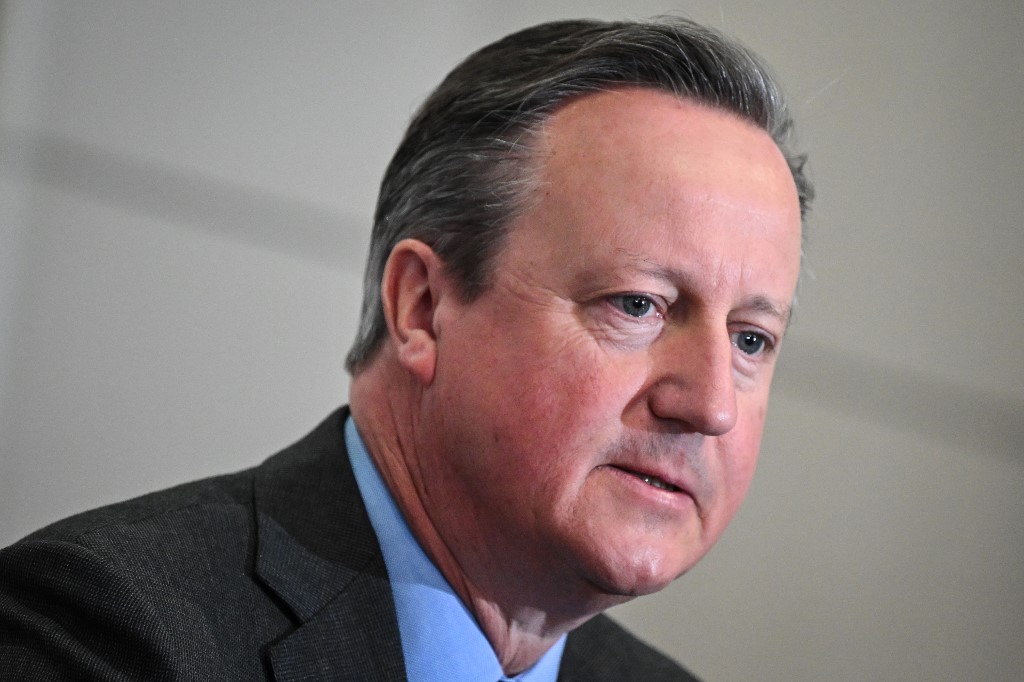
Former Prime Minister and then-Foreign Secretary David Cameron delivered this ultimatum during a heated April 2024 telephone exchange with ICC Chief Prosecutor Karim Khan. The confrontation occurred while Khan was on official duties in Venezuela, with Cameron warning that targeting Israeli leadership would be equivalent to “dropping a hydrogen bomb” on diplomatic relations.
Cameron explicitly stated that issuing warrants against Israeli Prime Minister Benjamin Netanyahu and Defense Minister Yoav Gallant would force the UK to “defund the court and withdraw from the Rome Statute” – the foundational treaty establishing the ICC. He argued that while prosecuting Russia for aggression against Ukraine was justified, targeting Israel during its self-defense operations following October 7 attacks was unacceptable.
The foreign secretary aggressively interrupted Khan throughout the conversation, claiming the warrants would create “profound implications” within British politics and his Conservative Party. He accused the prosecutor of singling out Israel while ignoring other nations like Iran.
Khan remained resolute despite the pressure, emphasizing that his office had engaged with Israel for three years without meaningful cooperation. He warned that UK withdrawal would signal the death of the rules-based international system, stating: “If this were to occur then we would have to accept that the rules-based system would be dead.”
The prosecutor later expressed surprise at the blunt nature of the threats, noting that similar pressure applied to a national prosecutor would potentially constitute a criminal offense. He described his disappointment that senior officials would “debase themselves and their nation” through such tactics.
The confrontation preceded Khan’s formal announcement of warrant applications on May 20, 2024, which also targeted Hamas leaders Yahya Sinwar, Ismail Haniyeh and Mohammed Deif. The Sunak government subsequently filed a formal objection challenging ICC jurisdiction over Israeli nationals, though the newly elected Labour government under Keir Starmer withdrew this objection in July.
The ongoing tension reflects broader international divisions regarding the ICC’s Palestine investigation, with the United States imposing sanctions on Khan and four ICC judges while freezing the prosecutor’s assets. The court continues to maintain its independence despite these pressures, recently ordering that any future warrants related to Palestine investigations remain confidential.
-

‘Lilo & Stitch’ cruises to No. 1 again; John Wick spinoff ‘Ballerina’ dances to 2nd place
In a weekend dominated by Disney’s ‘Lilo & Stitch,’ the highly anticipated John Wick spinoff ‘Ballerina’ fell short of expectations. The Disney juggernaut secured its third consecutive week at the top of the box office charts, adding $32.5 million domestically, bringing its North American total to $335.8 million and global earnings to $772.6 million. Meanwhile, ‘Ballerina,’ directed by Len Wiseman and starring Ana de Armas, debuted with $25 million from 3,409 theaters in the U.S. and Canada, significantly lower than initial projections of $35 to $40 million. Despite positive critic reviews and audience exit polls, the film’s performance was underwhelming. Internationally, ‘Ballerina’ earned $26 million from 82 countries, pushing its global opening to $51 million. With a reported production budget of $90 million, much of the cost was offset by foreign pre-sales. As the first spinoff in the John Wick franchise, ‘Ballerina’ recorded the second-lowest opening in the series, surpassing only the original 2014 film, which opened at $14 million. The franchise has collectively grossed over $1 billion worldwide. Paul Dergarabedian, senior media analyst for Comscore, noted that ‘Ballerina’ is playing like a true original rather than a typical franchise film, which could benefit its long-term performance. The film may see a stronger second weekend as it competes with family-focused ‘How to Train Your Dragon.’ Elsewhere, ‘Mission: Impossible – The Final Reckoning’ slid to third place with $15 million, while ‘Karate Kid: Legends’ and ‘Final Destination: Bloodlines’ rounded out the top five. Wes Anderson’s ‘The Phoenician Scheme’ expanded nationwide, earning $6.3 million, and the anime ‘Dan Da Dan: Evil Eye’ debuted in the top 10 with $3.1 million. Overall, the box office is up 26% compared to the same period in 2024.