
As the U.S. Open progresses, top tennis players like Aryna Sabalenka are revealing the importance of taking breaks during the season to recharge. Sabalenka, the reigning U.S. Open champion, skipped the Montreal event in late July to unwind on the Greek island of Mykonos. ‘The season had been really intense, and I felt low on energy,’ Sabalenka explained. ‘I needed a little break to come back stronger.’ Her decision highlights a growing trend among tennis professionals who face a relentless calendar. Alex de Minaur, seeded No. 8 at the U.S. Open, echoed this sentiment, stating that without such breaks, the grind of the season feels never-ending. De Minaur and his fiancée, Katie Boulter, often take short vacations after Wimbledon to reset mentally for the latter half of the year. However, not all players can afford or desire such breaks. Some, like Adrian Mannarino, prefer to maintain their rhythm by competing continuously. Mannarino, who recently became the oldest man to break into the ATP top 20, believes in focusing on work now and saving vacations for retirement. The concept of in-season vacations is unique to tennis, as team sports like the NFL or NBA offer ample off-seasons for rest. Boulter, who struggled after skipping breaks, emphasized the importance of prioritizing personal well-being. Meanwhile, Ajla Tomljanovic, who lost to Coco Gauff in the first round, advocates for players to make their own choices about when to take breaks. ‘If I need a vacation, I take it,’ she said. As the tennis season continues, the debate over balancing competition and rest remains a hot topic among players.
博客
-
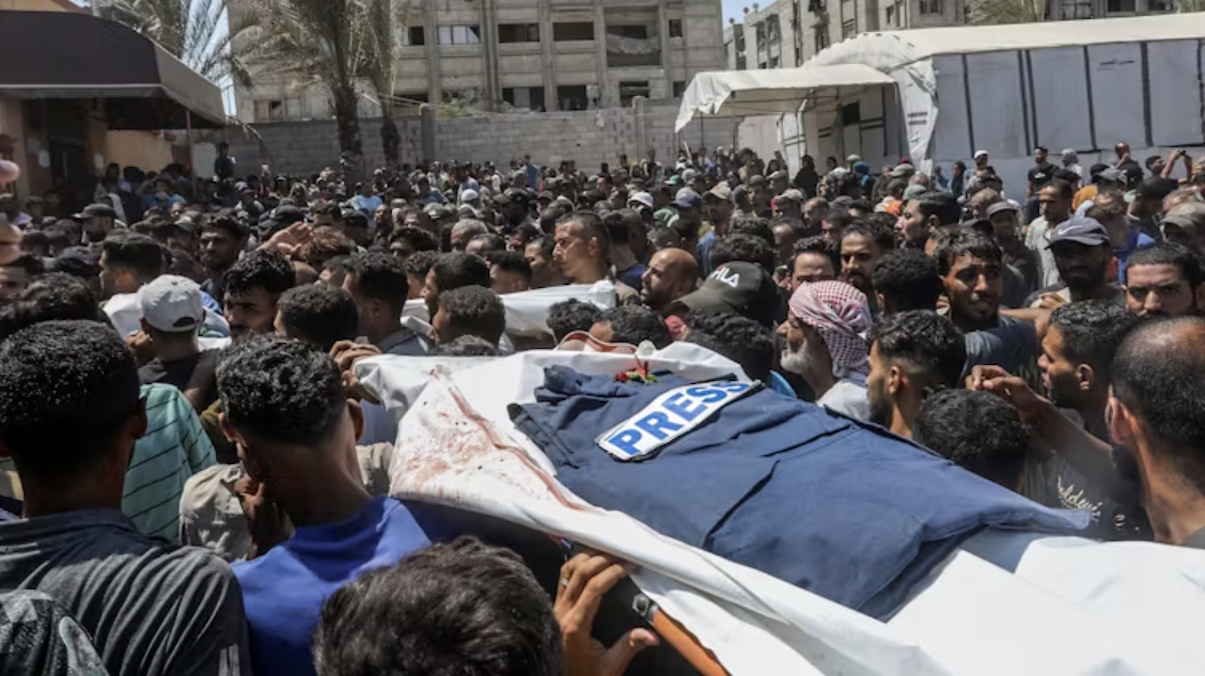
Nothing new in Israel’s killing of Palestinian journalists
In a devastating turn of events, five journalists were among the 22 individuals killed in Israeli strikes on Nasser Hospital in the Gaza Strip on August 25, 2025. This incident has drawn global condemnation, with Israeli Prime Minister Benjamin Netanyahu’s office issuing a statement claiming Israel “values the work of journalists.” However, the grim statistics paint a starkly different picture. The death toll of journalists in Gaza has now reached 192 over nearly two years of conflict, according to the Committee to Protect Journalists (CPJ). The CPJ has accused Israel of engaging in the “deadliest and most deliberate effort to kill and silence journalists” in its history. Palestinian journalists are reportedly being threatened, targeted, detained, and tortured by Israeli forces in retaliation for their work. This alarming trend is part of a broader historical context dating back to 1967, when Israel began its military occupation of Palestinian territories. Over the decades, Israel has systematically attempted to control and censor Palestinian journalism through legal and military measures, including the issuance of Military Order 101 in 1967, which criminalized political assembly and propagandistic publications. Despite these oppressive tactics, Palestinian journalism has persisted, with local publications flourishing in the 1980s, albeit under strict Israeli military censorship. Editors were forced to submit all content, including articles, photos, and even crossword puzzles, to Israeli censors for approval. Violations of these censorship rules often resulted in detention or deportation. The situation has escalated in recent years, with Israeli forces increasingly targeting journalists, often under the guise of combating terrorism. The international community has repeatedly called for Israel to allow independent media access to Gaza, but these requests have been consistently denied. As a result, Palestinian journalists remain the primary witnesses to the ongoing devastation in Gaza, often at great personal risk. The question now is whether the international community will hold Israel accountable for these egregious violations of press freedom and human rights.
-
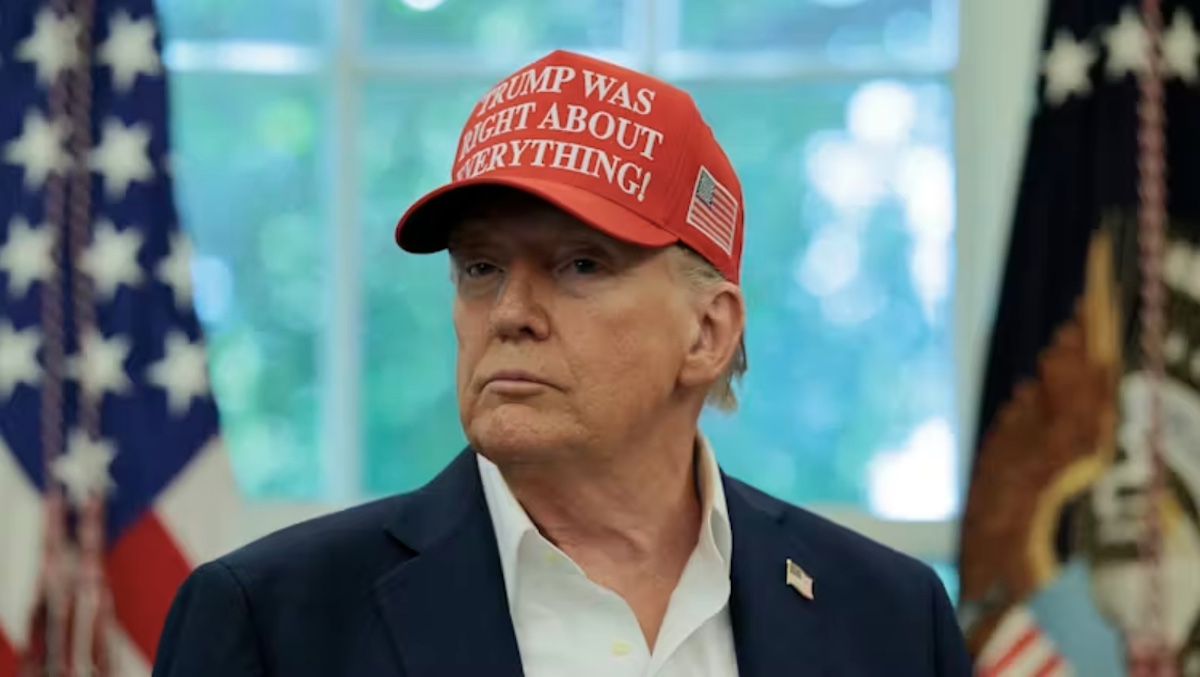
Post-truth stats: what if US economic data can no longer be trusted?
In an era increasingly defined by skepticism towards official narratives, the integrity of US economic data is now under unprecedented scrutiny. The recent actions of former President Donald Trump have cast a long shadow over the credibility of key economic indicators, raising concerns about the reliability of the nation’s statistical institutions.
-
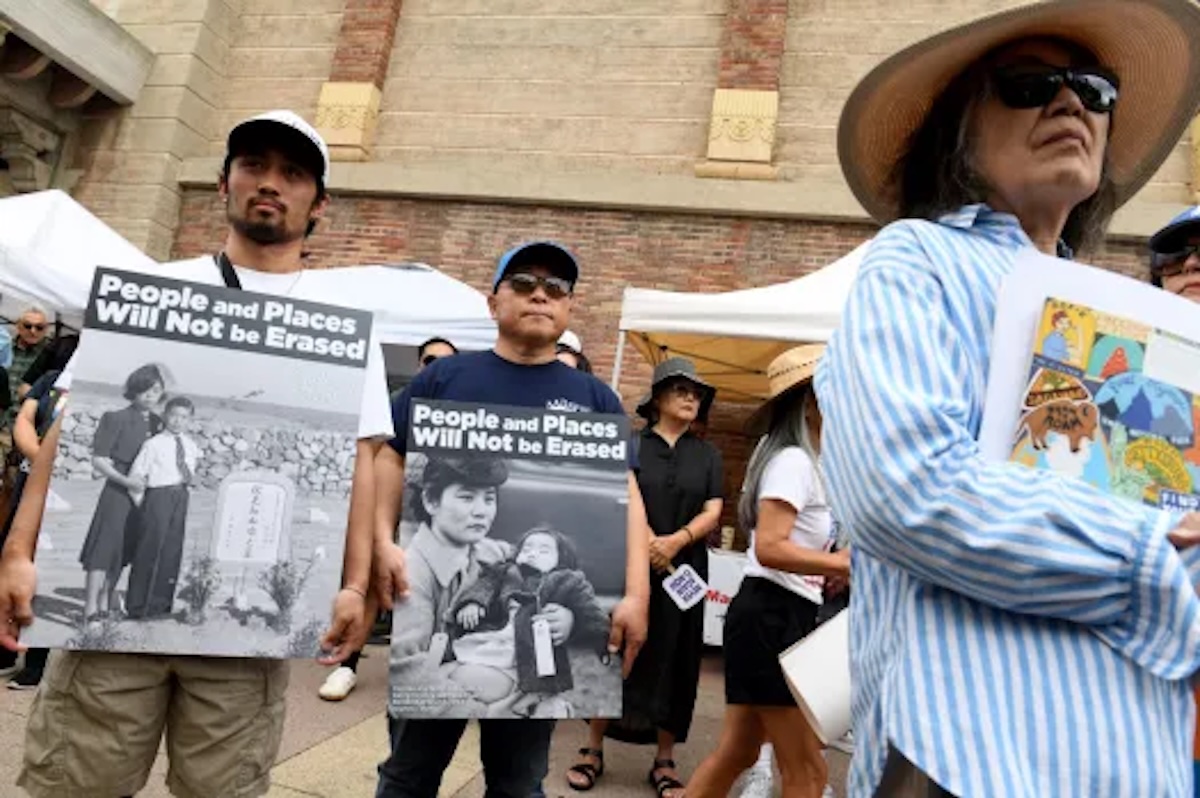
WWII Japanese American internment memories spur protests in 2025
The recent opening of an immigration detention center in El Paso, Texas, has sparked widespread protests from Japanese Americans, who see eerie parallels between the Trump administration’s immigration policies and the internment of their community during World War II. The facility, which began operations in August 2025, is located on the site of a former military base used to detain Japanese Americans during the war. This has reignited painful memories for a community that endured forced incarceration under Executive Order 9066, signed by President Franklin D. Roosevelt in 1942. Hundreds of Japanese Americans have been vocal in their opposition to the construction of new detention centers and the aggressive enforcement tactics of the U.S. Immigration and Customs Enforcement (ICE), which they fear mirror the injustices of the past. The government’s invocation of the 1798 Alien Enemies Act, last used during WWII, has further heightened concerns. This law grants ICE expanded powers to detain individuals, echoing the legal framework that justified the internment of Japanese Americans. Protests have been particularly intense in California, where activists have drawn comparisons between ICE’s targeting of Latino communities and the wartime treatment of Japanese Americans. The Japanese American National Museum in Los Angeles, a symbolic site where families were forced onto buses bound for internment camps, has become a focal point for demonstrations. The museum has shared images comparing the cramped conditions of WWII camps to modern ICE detention facilities, highlighting the trauma inflicted on families. Critics argue that ICE’s actions, including the reopening of closed detention centers like Dublin Prison near San Francisco, are part of a broader agenda to meet alleged quotas for migrant arrests. The Trump administration has denied targeting specific ethnic groups, but civil rights organizations have documented disproportionate enforcement in Latino neighborhoods. Protesters like Lynn Yamashita and Douglas Yoshida have voiced their fears that history is repeating itself, with immigrants being detained without due process. The Japanese American community’s activism underscores a broader struggle against policies they view as rooted in racial prejudice and xenophobia. As the debate over immigration enforcement continues, many are calling for a reckoning with the nation’s past and a commitment to ensuring that such injustices are never repeated.
-
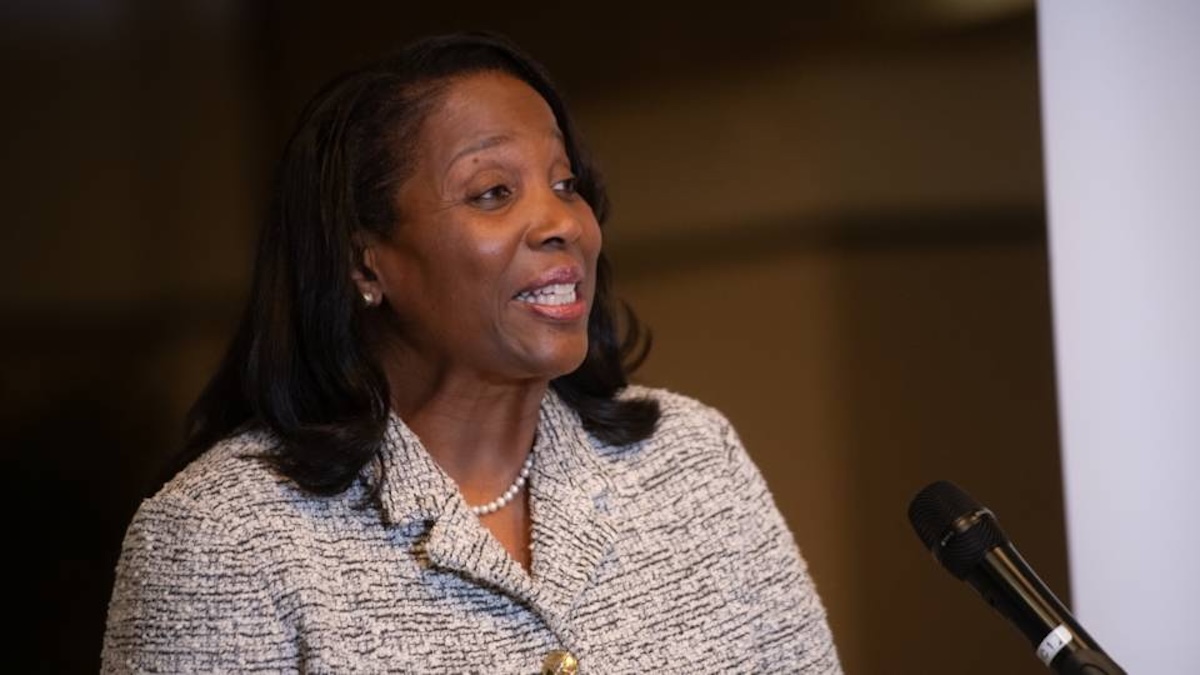
Trump move to oust Fed governor shakes US market credibility
The ongoing battle over Lisa Cook’s position on the Federal Reserve’s Board of Governors, amid President Donald Trump’s efforts to remove her, has ignited a critical discussion on the independence of central banks. This struggle underscores a broader power conflict between political leaders and public institutions tasked with managing monetary policy. Central banks, which regulate a nation’s currency and monetary flow, wield significant influence over economic growth, inflation, employment, and financial stability. Politicians often seek to control or manipulate these levers, especially during pivotal moments like elections or periods of declining popularity. However, such politically motivated interventions can jeopardize long-term economic health, leading to future economic challenges. Since the 1990s, data-driven and technocratic monetary policymaking has been regarded as the gold standard for national financial governance, effectively maintaining low and stable inflation. Despite this, central banks have faced mounting political pressure over the past decade. Trump’s administration exemplifies this trend, with the president openly criticizing Federal Reserve Chair Jerome Powell and demanding lower interest rates. Unable to remove Powell, Trump has shifted focus to Cook, alleging misconduct in a mortgage application—a claim Cook disputes, asserting the president lacks the authority to dismiss her. This confrontation highlights the fragile balance between political influence and central bank autonomy, a dynamic that has global implications for economic stability. While laws protect central banks from political interference, recent trends suggest a gradual erosion of this independence. As political economists note, the tug-of-war over monetary policy reflects the tension between short-term political gains and long-term economic well-being.
-
Push to end UN Lebanon peacekeeping mandate risks regional chaos
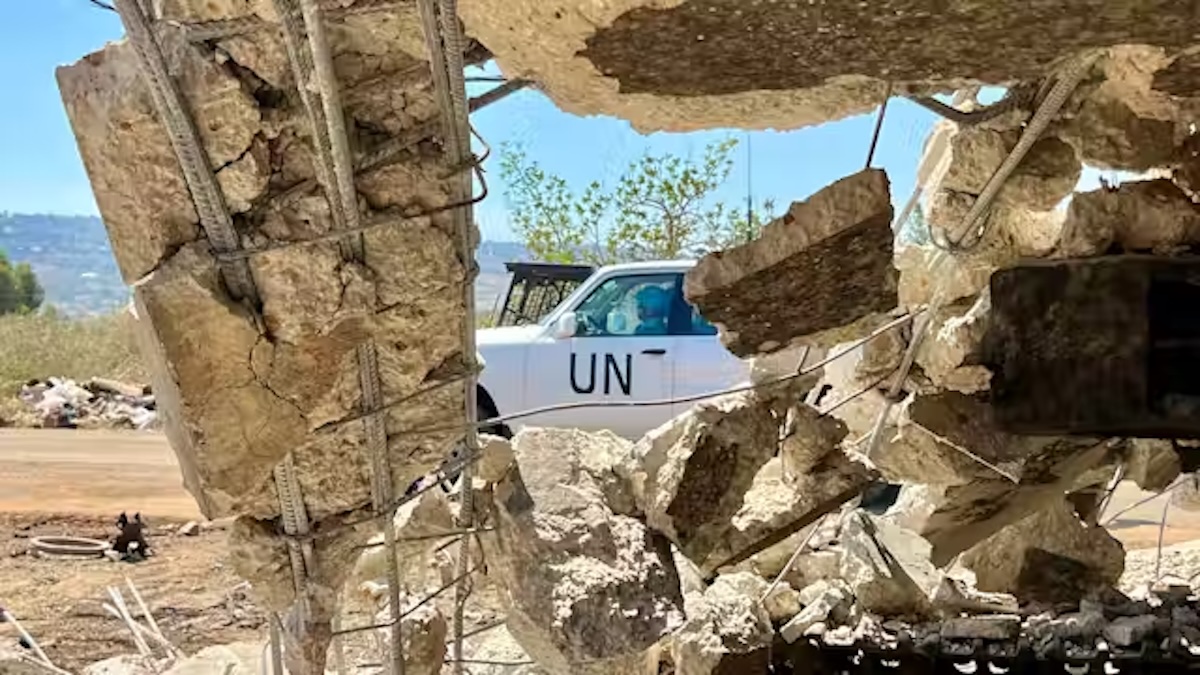
The United Nations Interim Force in Lebanon (UNIFIL), a critical peacekeeping entity between Israel, Lebanon, and Hezbollah, faces an uncertain future as its mandate renewal deadline of August 31 looms. Israeli pressure, US skepticism over its cost-effectiveness, and Lebanon’s fragile political landscape have raised concerns that the mission could be terminated rather than extended. Such a move would create a perilous security vacuum along the Israeli-Lebanese border, with far-reaching implications for Middle Eastern stability. The US, aiming to reduce its financial commitments to UN peacekeeping, has echoed Israeli claims that UNIFIL has been ineffective in countering Hezbollah’s threats. However, UNIFIL’s mandate has never been to disarm Hezbollah directly; instead, it focuses on supporting the Lebanese Armed Forces (LAF) to maintain a demilitarized zone in southern Lebanon. Israeli criticism of UNIFIL’s failure to uncover Hezbollah’s tunnel network overlooks the fact that Israeli intelligence also missed these tunnels for over a decade. Meanwhile, Lebanon has taken significant steps to curb Hezbollah’s military dominance, including expanding LAF deployments and consolidating weapons under state control. Yet, these efforts face fierce resistance from Hezbollah, as evidenced by deadly incidents like the August 9 explosion that killed six LAF troops. UNIFIL’s continued presence remains vital as a stabilizing buffer during this precarious process. Despite this, wrangling at the UN Security Council has delayed a vote on the mandate renewal, with the US being the sole holdout. France, as the penholder for the UNIFIL mandate, has proposed various options to appease the US, but divisions in Washington persist. A recent draft resolution suggested a strategic review by March 2026 to assess conditions for UNIFIL’s withdrawal, but the US insists on a firm endpoint. Israel’s strategy of delegitimizing UNIFIL, coupled with its military actions in Lebanon, further complicates the situation. Prime Minister Benjamin Netanyahu’s conciliatory gestures toward Lebanon’s disarmament efforts risk inflaming political tensions within the country. Amid these maneuvers, UNIFIL’s role as a stabilizing force remains indispensable, and its abrupt withdrawal could escalate tensions, potentially leading to another conflict between Hezbollah and Israel.
-
Iran’s IRGC listed terror group for antisemitic attacks in Australia
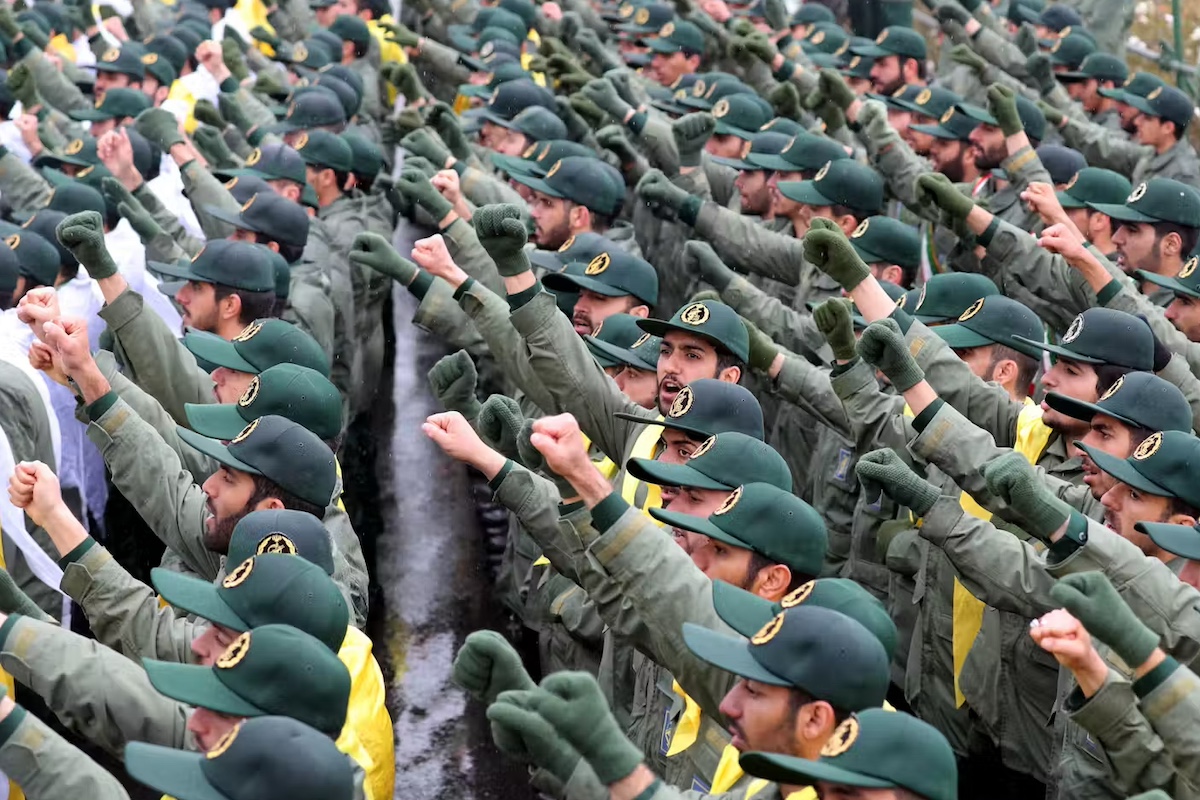
In a dramatic move, Australian Prime Minister Anthony Albanese has accused Iran of directing at least two antisemitic attacks on Australian soil, including the firebombing of a synagogue. These actions, Albanese claims, were intended to sow discord and undermine social cohesion in the country. In response, Australia has expelled Iran’s ambassador, suspended operations of its embassy in Tehran, and announced plans to designate Iran’s Islamic Revolutionary Guard Corps (IRGC) as a terrorist organization, aligning with similar actions by the United States and Canada. The IRGC, a branch of Iran’s armed forces, has been implicated in various destabilizing activities globally, including coordinating support for groups like Hezbollah and Hamas. Western intelligence agencies have long accused the IRGC of involvement in covert operations, with the UK recently revealing it had thwarted 20 Iranian-linked plots since 2022. Australia’s decision marks a significant escalation in its stance toward Iran, with officials noting this is the first time since World War II that Canberra has expelled an ambassador. Tehran is expected to reject the allegations, dismissing them as politically motivated. This development comes amid broader tensions over Iran’s nuclear program, with Western powers demanding a halt to uranium enrichment activities and preparing to reimpose sanctions. Australia’s actions may further isolate Iran internationally, adding momentum to Western efforts to counter its influence.
-
Trump Doctrine 2.0: a half-year economic autopsy
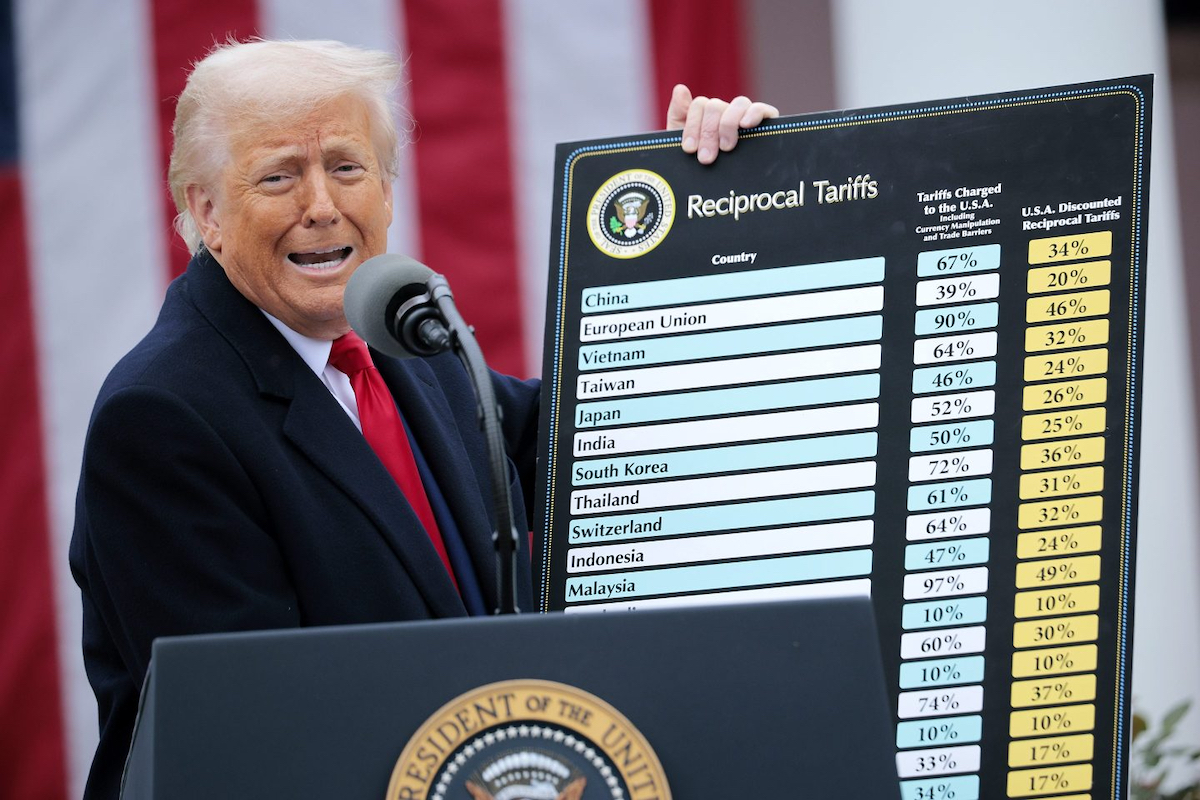
On January 20, 2025, Donald Trump reclaimed the presidency with a bold promise of an ‘economic revolution.’ Six months into his term, the global economy is grappling with the consequences of his radical policies, which have created a bifurcated economic landscape. Traditional markets are struggling under the weight of trade wars and uncertainty, while the digital economy is experiencing unprecedented growth. This report delves into the implementation and impact of Trump’s economic agenda, revealing a mixed record of successes, failures, and suspended projects. Key initiatives such as cryptocurrency deregulation and oil production expansion have seen significant victories, while efforts to curb inflation and end the Ukraine war have faltered. The US economy is now characterized by a dual-speed dynamic: the Main Street economy faces stagnation and rising costs, while the speculative digital economy booms. This dichotomy poses significant challenges for policymakers, with the Federal Reserve caught between combating inflation and preventing recession. The long-term implications of Trump’s policies include rising national debt, increased economic inequality, and a shift toward a multipolar global order. As the world adapts to an unpredictable America, the Trump doctrine’s legacy remains uncertain, with the potential for both transformative change and systemic crisis.
-
Chinese calligraphy can bring creative freedom in the age of AI
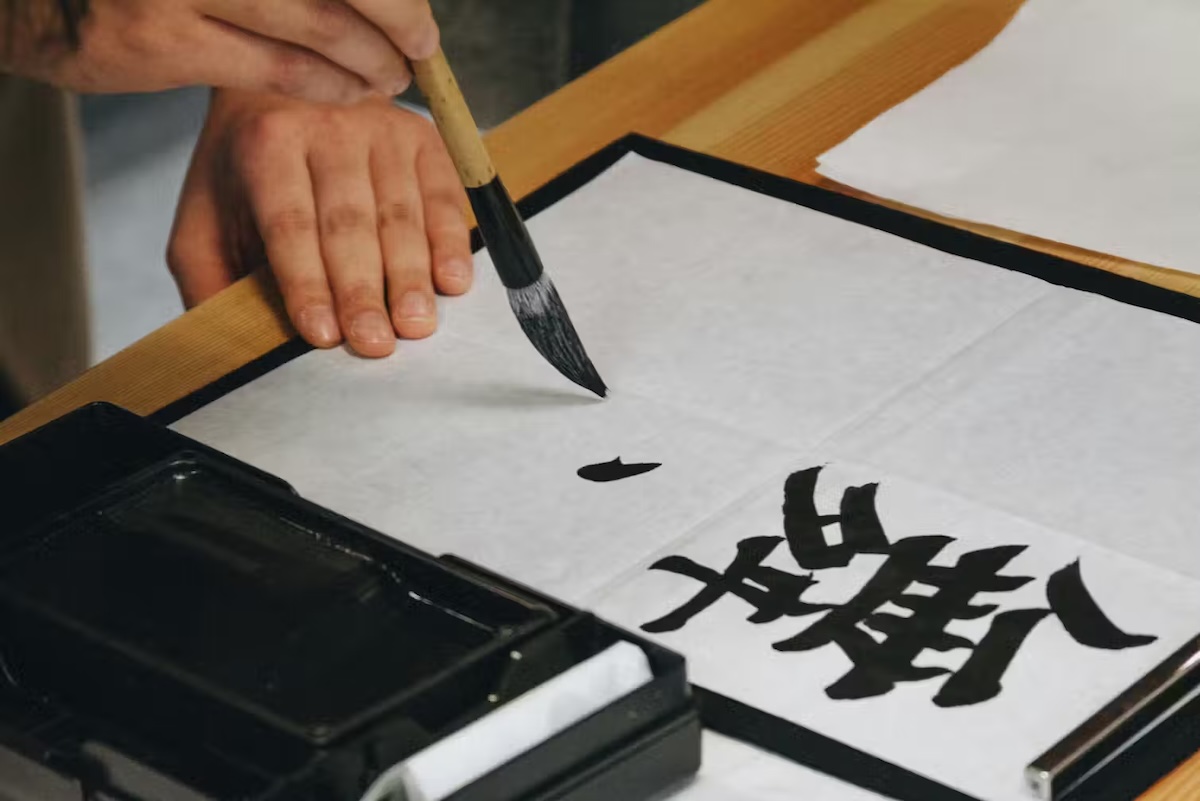
In an era dominated by digital devices, the act of handwriting has become increasingly rare. However, research reveals that handwriting engages the brain more extensively than typing, fostering intricate motor skills and enhanced visual processing. This practice not only influences our thinking and creativity but also offers a unique way to express ourselves and generate new ideas. One of the oldest and most profound forms of handwriting is Chinese calligraphy, a practice that has transcended centuries, blending cultural, philosophical, and artistic elements. Chinese calligraphy, with its emphasis on brushstrokes and composition, values both the inked and the empty spaces on the scroll, symbolizing balance and harmony. The tools of calligraphy—a soft brush, Xuan paper, and ink—are simple, yet the art demands a clear mind, sincerity, humility, and self-restraint. As generative AI takes over more writing tasks, there is a growing concern that humans are becoming disconnected from their creative ideas. The multi-sensory experience of handwritten calligraphy fosters a deeper connection with the writer’s emotions and surroundings, promoting patient introspection and grounding the practitioner in the physical world. This practice offers lasting benefits for our often overwhelmed and restless minds. Writers like Nicholas Carr and Aden Evens highlight the ongoing rewiring of our minds due to excessive online engagement, which can diminish attention spans and deep-reading abilities, leading to superficial information processing. Artist and author James Bridle warns of the dangers of tech-dependency and over-reliance on automated systems, which can blind us to bias and bad data. Ink artist Pan Jianfeng, based in Finland, has embraced handwriting with a brush as a modern pursuit of self-cultivation and creative freedom. Through his experimental use of paper and brush, Pan invites us to reconsider the meaning of ‘content generation,’ ‘human creativity,’ and ‘communication.’ His artworks, created with traditional organic materials, engage with concepts beyond our expectations and imagination, without adding to the environmental burden of generative AI. Pan’s ‘One Breath Workshops’ advocate for mindful handwriting that brings stillness and peace in an age saturated with information. His exhibitions, such as ‘Ink Roamings,’ encourage visitors to engage in imaginative discovery and contemplation, fostering a deeper understanding of the world and each other. As Pan aptly puts it, ‘We don’t need more content—we need a better understanding of the world with all its challenges, and of each other.’
-
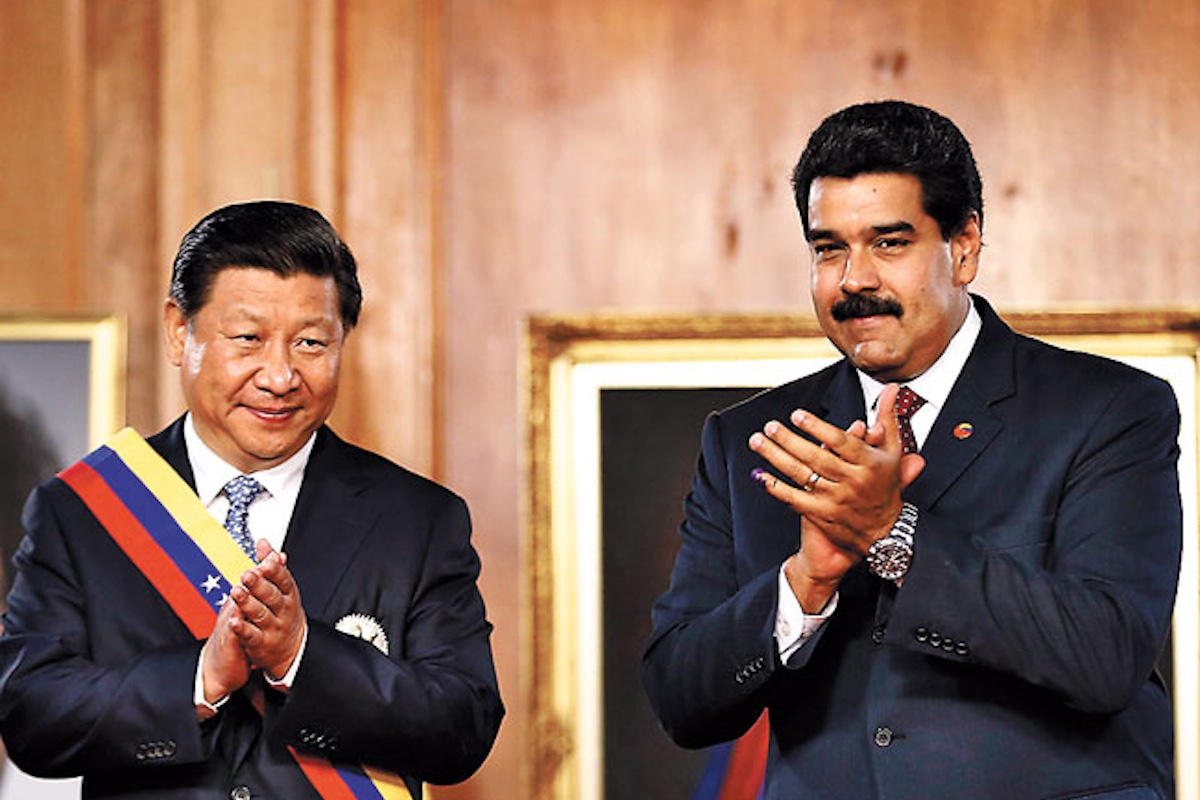
Trump, Venezuela and China’s Latin America advance
The Trump administration’s Venezuela policy, largely continued by the Biden administration, serves as a cautionary tale of how ideological rigidity can undermine strategic interests, particularly in the context of geopolitical competition with China. While Washington focused on maximum pressure tactics—sanctions, diplomatic isolation, and threats of military intervention—Beijing quietly positioned itself as Venezuela’s economic lifeline, deepening its influence in America’s backyard. This outcome was predictable: cutting off a regime’s traditional economic ties inevitably drives it toward alternative partners. China, with its non-interference policy and hunger for energy resources, emerged as the obvious choice, reaping significant strategic benefits at Washington’s expense. The US approach, rooted in the flawed assumption that economic pressure alone would trigger regime change, has proven counterproductive. Instead of weakening President Maduro’s grip, sanctions fostered a dependency on China, further entrenching Beijing’s foothold in the region. China’s strategy, characterized by ‘authoritarian pragmatism,’ has secured access to Venezuela’s oil reserves, expanded its economic presence in Latin America, and positioned itself as a counterbalance to US hegemony. This case highlights a broader issue in US foreign policy: prioritizing moral satisfaction over strategic calculation. By framing Venezuela policy around democracy promotion rather than managing great power competition, Washington inadvertently handed Beijing a strategic victory. A more effective approach would involve selective engagement with the Maduro government, economic competition with China, and multilateral coordination with regional partners. The lesson is clear: in an era of great power competition, ideological foreign policy is a luxury the US can no longer afford.