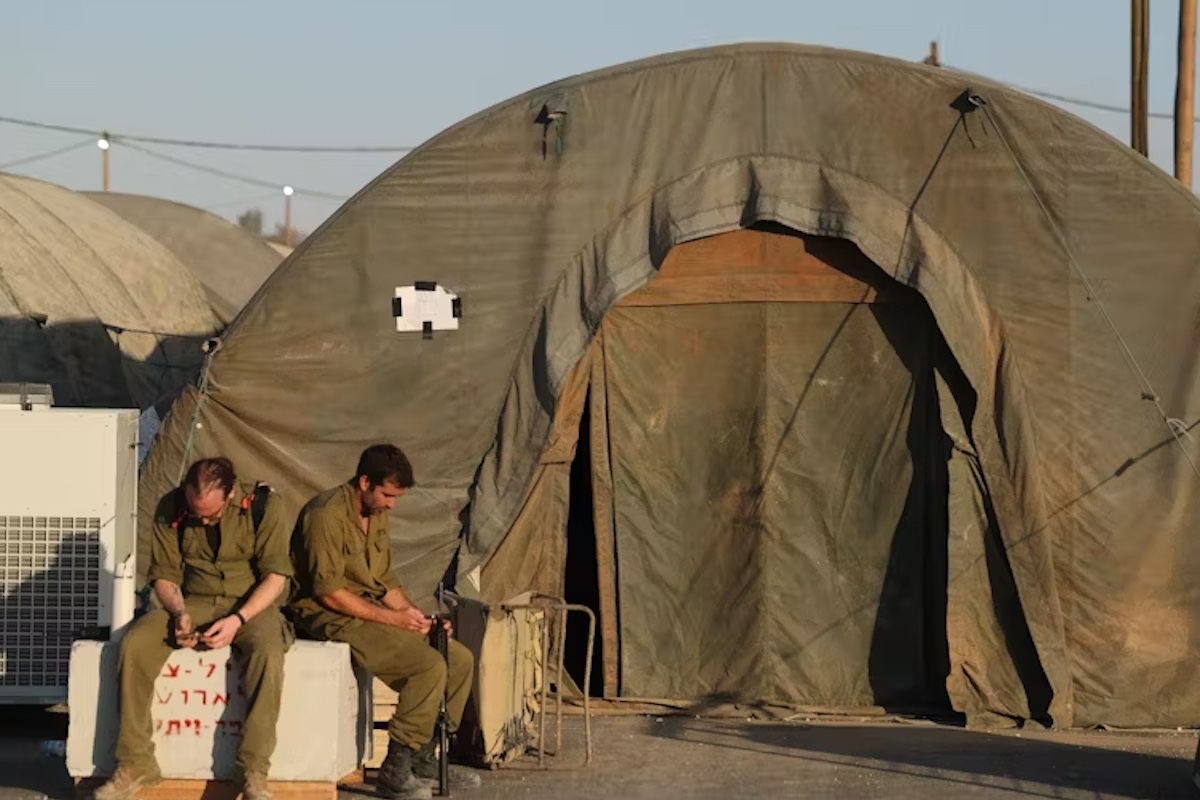
Israeli Prime Minister Benjamin Netanyahu has escalated military operations in Gaza City, despite mounting domestic and international criticism. This decision comes as the International Association of Genocide Scholars accuses Israel of committing genocide, further fueling global condemnation. On August 2, approximately 40,000 reservists were summoned, with an additional 90,000 expected to be mobilized by early 2026. However, reports indicate a significant decline in the number of reservists willing to serve, with some estimates suggesting a 30% to 50% drop in participation. Israel’s mandatory conscription policy requires high school graduates to serve 18 to 36 months, followed by reserve duty until age 40. Following the October 7, 2023, Hamas attacks, Israel mobilized 360,000 reservists alongside 100,000 active-duty soldiers, marking one of the largest call-ups in the nation’s history. Initially, the response rate exceeded 100%, but after nearly two years of conflict, fatigue and disillusionment have set in. Many reservists cite exhaustion and the failure to achieve key objectives, such as securing the release of Israeli hostages, as reasons for refusing to serve. This growing reluctance poses a strategic challenge for Netanyahu, as the Israel Defense Forces (IDF) rely heavily on reservists for sustained operations. Historically, refusal to serve has been a form of political protest in Israel, with movements like Yesh Gvul emerging during the Lebanon War in 1982 and gaining traction during the Palestinian uprisings. Recent protests against judicial reforms in 2023 also saw elite combat pilots refusing to serve, highlighting the intersection of military service and political dissent. Despite these challenges, Netanyahu shows no signs of altering his course, even as domestic and international pressure mounts.
博客
-
‘Skull Chart’ math behind Trump’s climbdown on all things China
The latest National Defense Strategy, delivered to Secretary of War Pete Hegseth, marks a significant shift in U.S. military priorities. The document, reportedly crafted by Under Secretary of War for Policy Elbridge Colby, advocates for a refocus on domestic and regional missions, moving away from global adversaries like China and Russia. This pivot overturns decades of interventionist policies and signals a more restrained approach to international engagements.
Colby, previously known for his advocacy of a robust ‘Strategy of Denial’ to counter China, has surprised many with this pragmatic stance. During his confirmation hearings, he emphasized that Taiwan, while important, is not an existential interest for the U.S. This shift raises questions about whether it stems from a realistic assessment of U.S. military capabilities or the influence of a mercurial administration.
Meanwhile, China continues to demonstrate its military prowess, showcasing advanced weaponry in a recent parade. The rapid development of China’s defense industry, paralleling its dominance in the electric vehicle sector, underscores its technological and industrial might. With Chinese universities producing 6.7 times more engineers than their U.S. counterparts annually, the pace of innovation in China’s military sector appears unstoppable.
In parallel, the Trump administration has extended tariff negotiations with China for another 90 days, following previous concessions in trade disputes. This ongoing economic tug-of-war highlights the complexities of U.S.-China relations and the challenges of addressing China’s growing economic and military influence.
The new National Defense Strategy reflects a broader reckoning with the limits of U.S. power. As America grapples with domestic issues and overstretched military commitments, the strategy suggests a need to prioritize internal stability over global dominance. This shift, while controversial, may be a necessary step in adapting to a rapidly changing geopolitical landscape.
-
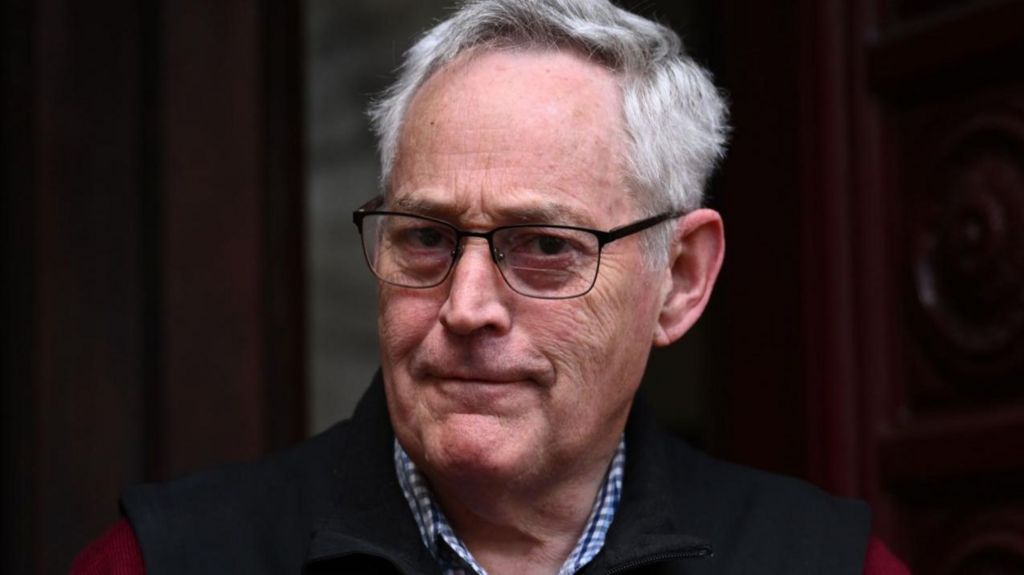
Lone survivor of mushroom murders pleads to grieve in private as killer jailed for life
In a landmark ruling that has captivated Australia, Erin Patterson was sentenced to life in prison for the infamous mushroom poisoning case that claimed three lives and left one survivor. The sentencing took place on Monday at Melbourne’s Supreme Court, where Patterson, 50, was led out of the courtroom to begin her term. The case, which has drawn comparisons to an Agatha Christie novel, involved a deadly lunch in 2023 where Patterson served a meal laced with death cap mushrooms. The victims included her ex-husband’s parents and a close friend, while Ian Wilkinson, the sole survivor, continues to suffer from the aftermath. Wilkinson, a pastor, addressed the media outside the courthouse, expressing gratitude to law enforcement and medical professionals while urging kindness and respect for his family’s privacy. The trial revealed the meticulous planning behind the crime, with Justice Christopher Beale condemning Patterson’s actions as a “profound betrayal” of trust. Patterson, who maintained her innocence throughout, will be eligible for parole in 2056 at the age of 82. The case has sparked widespread media attention, with documentaries, podcasts, and books in the works, further amplifying the tragedy for the victims’ families. The community of Korumburra, where the families are rooted, has rallied around the survivors, offering support amidst the relentless public scrutiny.
-

Australian triple murderer jailed for life over toxic mushroom lunch
In a landmark ruling, Erin Patterson, a 50-year-old Australian woman, has been sentenced to life imprisonment with no possibility of parole for at least 33 years for the murder of three relatives and the attempted murder of a fourth through a toxic mushroom meal. The sentence, one of the longest ever imposed on a female offender in Australia, ensures Patterson will be in her 80s before she can apply for release. The Supreme Court of Victoria described her crimes as belonging to the “worst category” of offenses, involving an “elaborate cover-up.”
Patterson was convicted of killing her in-laws, Don and Gail Patterson, both 70, and Gail’s sister, Heather Wilkinson, 66, after serving them a deadly beef Wellington dish at her home in Victoria in 2023. Heather’s husband, Ian Wilkinson, a local pastor, survived the poisoning but continues to suffer from severe health complications. Patterson’s estranged husband, Simon Patterson, narrowly avoided the fateful meal due to suspicions that his wife had been attempting to poison him for years.
Despite her claims of innocence, asserting that the toxic death cap mushrooms were accidentally included in the dish, Patterson was found guilty of three counts of murder and one count of attempted murder. Justice Christopher Beale emphasized the gravity of her crimes, imposing the maximum penalty while acknowledging the harsh conditions she faces in prison, including prolonged solitary confinement.
The case has drawn significant public and media attention, with the court permitting live television coverage of the sentencing—a first in its history. Outside the courtroom, Ian Wilkinson, the sole survivor, expressed gratitude to law enforcement and medical personnel while urging kindness among people. Patterson has 28 days to appeal both her sentence and the guilty verdicts.
-

‘King Charles is a secret Muslim!’: The bizarre things I heard at the Reform party conference
The Reform Party’s annual conference at the National Exhibition Centre in Birmingham showcased a vibrant and diverse crowd, challenging the stereotype that Nigel Farage’s supporters are predominantly older men. Attendees included young men in flamboyant suits, women in light blue dresses, and even a few ethnic minorities, though the majority were white. The atmosphere was electric, resembling a festival with attendees enjoying beer, hot dogs, and burgers, though vegetarian options were scarce. The party’s light blue color was prominently displayed in attire and decorations, with Union Jack and St George’s flags adding to the patriotic fervor. Reform, a right-wing anti-immigrant party, has been leading opinion polls and is a strong contender for the next general election. Nigel Farage, the party leader, received a hero’s welcome, with his speech outlining controversial policies such as deporting 600,000 illegal immigrants within five years and banning the Muslim Brotherhood. The event also featured Zia Yusuf, the new head of policy, who addressed the party’s stance on Israel and Gaza, avoiding direct condemnation of Israel’s actions. The conference highlighted the party’s broad appeal, with members ranging from veterans to young activists, all united by concerns over immigration and national identity. Despite the festive atmosphere, underlying tensions and controversial views on race and religion were evident, reflecting the party’s polarizing nature.
-
Trump shows S Korea who’s boss with Hyundai plant raid
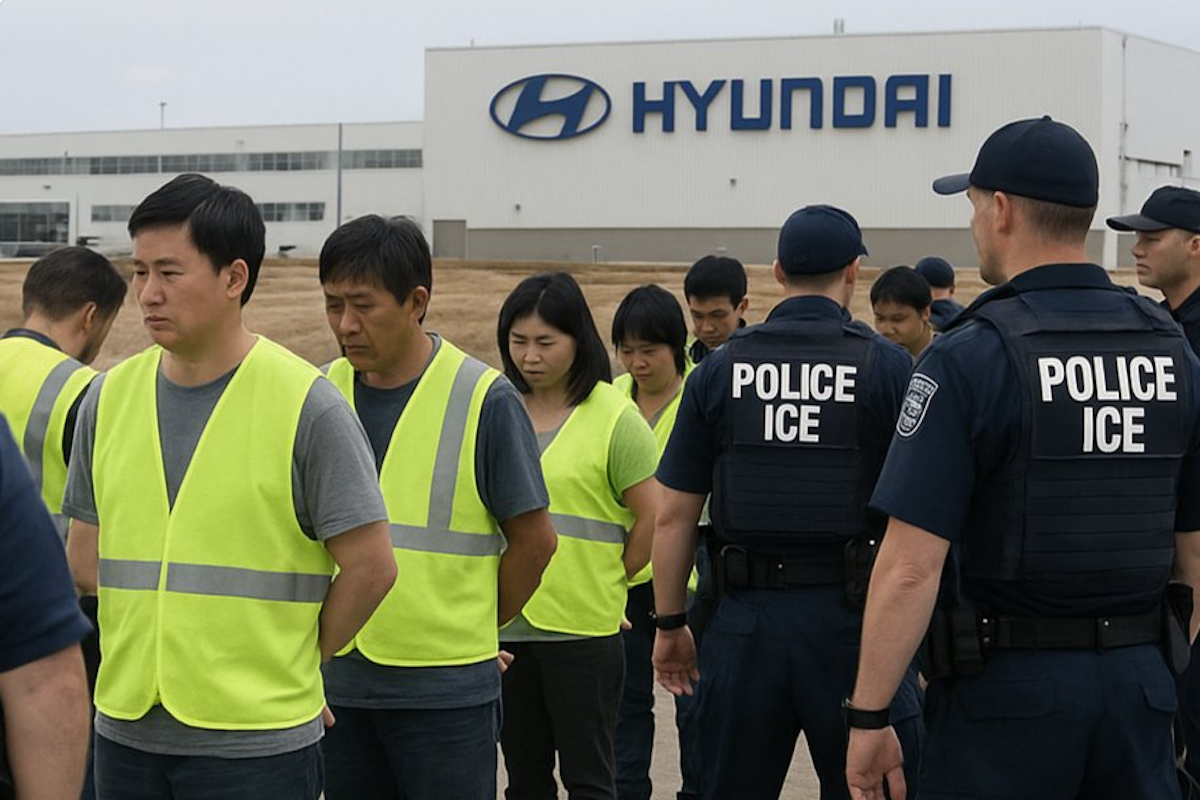
In a dramatic operation on September 4, U.S. Immigration and Customs Enforcement (ICE) agents, alongside Homeland Security Investigations (HSI), arrested 475 employees at the Hyundai Motor-LG Energy Solution joint venture’s electric vehicle (EV) battery manufacturing plant near Savannah, Georgia. The raid, described as the largest single-site enforcement operation to date, involved a heavily armed contingent, armored vehicles, and helicopters, with detained workers seen in ankle chains and handcuffs being transported on buses. Over 300 of those arrested were South Korean nationals, prompting immediate concern from the South Korean government. President Lee Jae-myung urged swift action to support affected citizens, while Foreign Affairs Minister Cho Hyun hinted at potential diplomatic discussions in Washington. The incident has raised questions about the treatment of foreign workers and the broader implications for international business relations. Steven Schrank, HSI’s chief special agent in Atlanta, emphasized the operation’s focus on protecting American jobs and ensuring legal compliance. However, South Korean media and officials have speculated about potential ulterior motives, linking the raid to political dynamics and the Biden administration’s prior endorsement of the facility. The raid has disrupted operations at the plant, which was slated to begin production in 2026, and could delay the production of Hyundai, Kia, and Genesis EVs. The incident has also drawn criticism for the perceived humiliation of South Korean workers, with global media coverage amplifying the fallout. Hyundai Motor has pledged to review its compliance processes, but the event underscores the challenges foreign companies face in navigating U.S. immigration and labor laws.
-
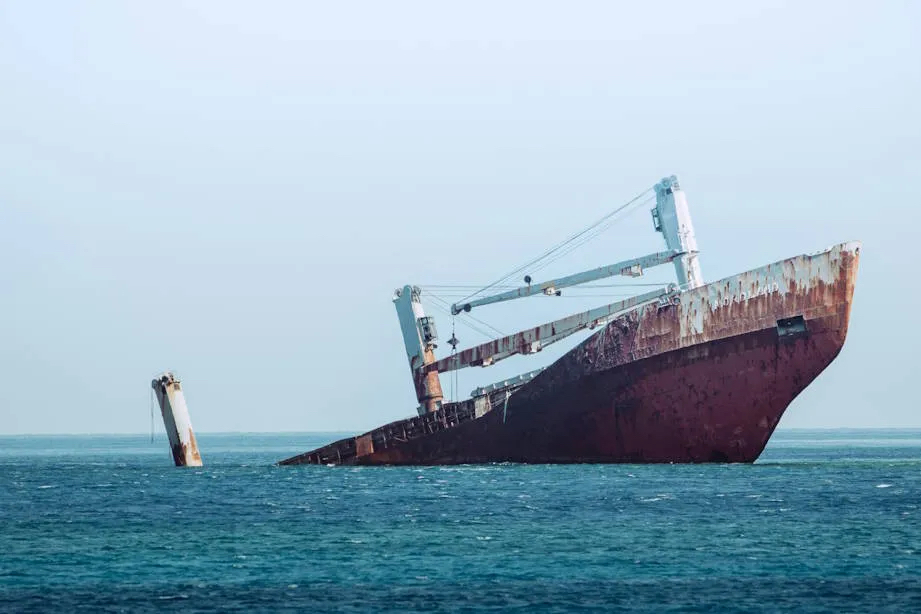
Americans are getting the economy they voted for
The US economy is navigating turbulent waters as macroeconomic indicators reveal a mix of concerning trends. While the economy is not yet in crisis, persistent inflation, sluggish job growth, and policy missteps are raising alarms. The labor market, a key pillar of economic health, is showing signs of strain. Unemployment rates are creeping up, albeit remaining historically low, and job creation has fallen short of expectations. August saw only 22,000 jobs added, far below the anticipated 75,000, marking a significant slowdown from earlier in the year.
-
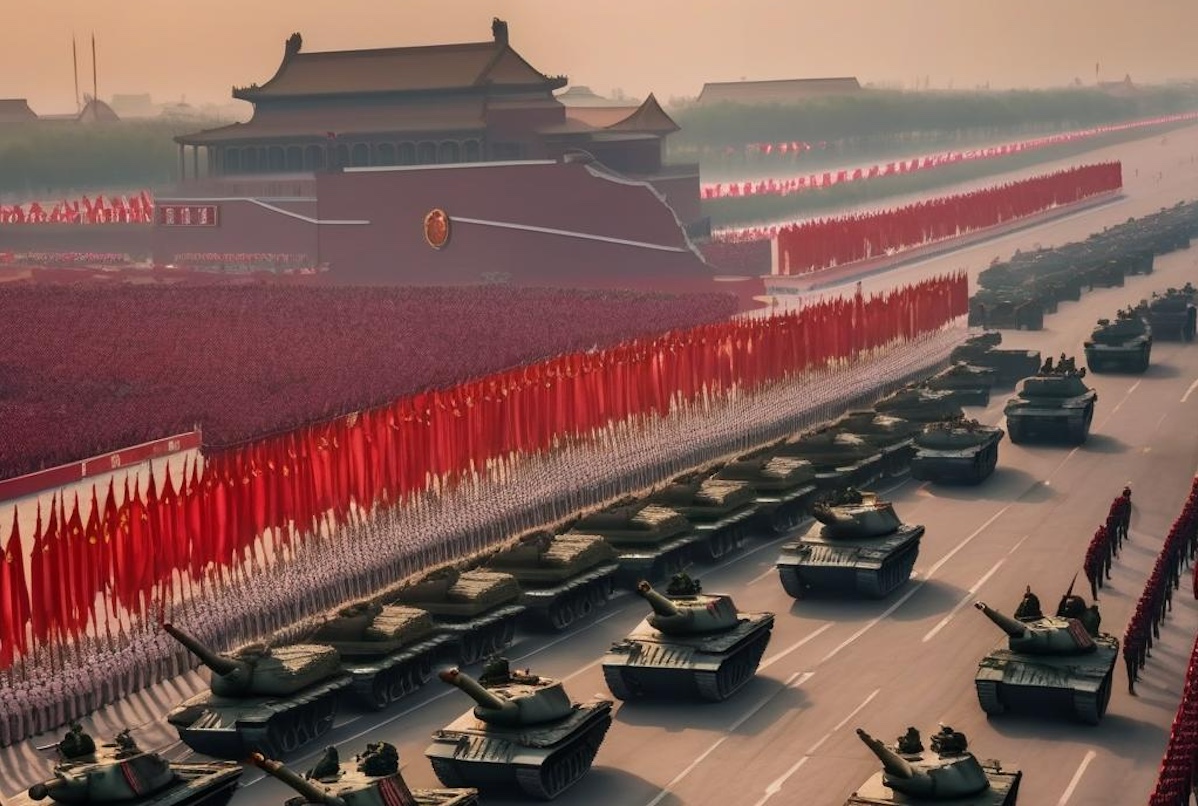
Parades and charades at Tiananmen
On September 3, Beijing witnessed a historic military parade where Chinese President Xi Jinping unveiled a defense system capable of countering the United States. This display marked a significant shift in global power dynamics, signaling that China is no longer a junior partner to the U.S. but a formidable global power ready to defend and expand its interests. This event, coupled with China’s growing alliances and its philosophy of non-interference in international politics, underscores its strategic rise on the world stage. The recent Shanghai Cooperation Organization (SCO) summit in Tianjin further highlighted China’s expanding influence, with India’s presence confirming Beijing’s ability to attract new allies while the U.S. struggles to maintain its traditional partnerships. China’s re-examination of history, particularly its role in World War II, and its emphasis on regional growth through initiatives like the $1.3 billion SCO development bank, further illustrate its comprehensive strategy to reshape global narratives and economic frameworks. Meanwhile, the U.S. faces challenges in maintaining its influence in Asia, with countries like Japan and Australia potentially hedging their security strategies and relying less on American support. This evolving landscape suggests a psychological and strategic decoupling between the U.S. and China, leading to a more tense bilateral atmosphere reminiscent of Cold War II. As China continues to capitalize on American missteps, it is crafting a new world order with its own rules, independent of Western standards. This shift has profound implications for global security, trade, and diplomacy, as nations reassess their alliances and strategies in response to China’s growing assertiveness.
-

The sunscreen scandal shocking Australia – the world’s skin cancer hotspot
Australia, a country with the world’s highest skin cancer rates, is embroiled in a national scandal over the efficacy of its sunscreens. Rach, a 34-year-old mother from Newcastle, grew up adhering to the iconic ‘Slip, Slop, Slap’ mantra—slip on a shirt, slop on sunscreen, and slap on a hat. Despite her rigorous sun protection habits, she was diagnosed with basal cell carcinoma, a low-grade skin cancer, in November 2023. Her shock turned to anger when she discovered that the sunscreen she had trusted for years, Ultra Violette’s Lean Screen SPF 50+, offered minimal protection, with independent tests revealing an SPF of just 4. This revelation has sparked widespread outrage, regulatory investigations, and product recalls across the industry.
-
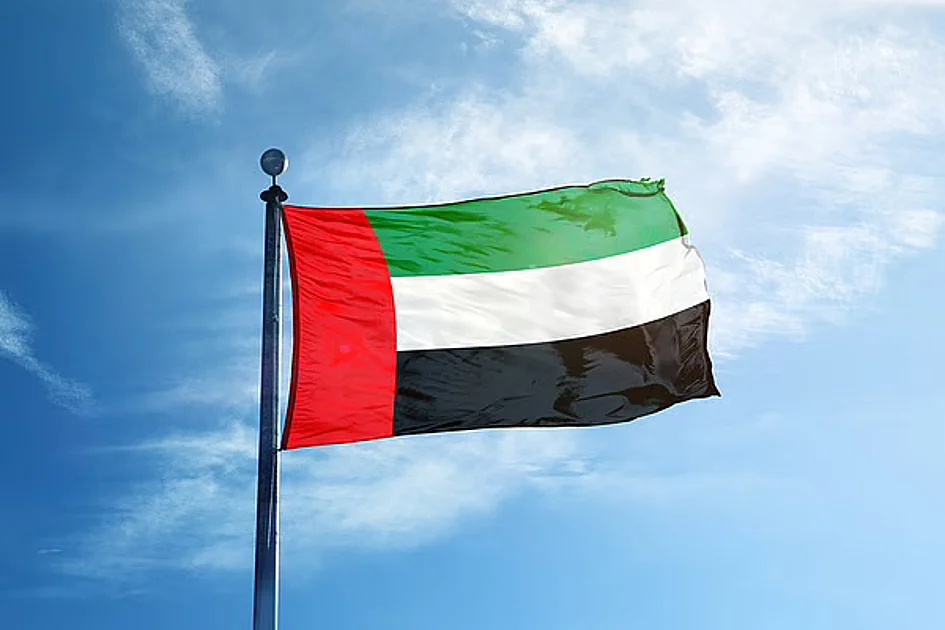
UAE offers condolences to Nigeria over boat accident that left 29 dead
The United Arab Emirates (UAE) has expressed its profound condolences to Nigeria following a devastating boat accident that claimed the lives of 29 individuals. The tragic incident occurred in the north-central Niger state, where an overloaded boat carrying 80 passengers capsized while crossing the Malale River. According to the State Emergency Management Agency (SEMA), the accident was caused by overloading and a collision with a tree stump. Rescuers managed to save 50 people, but 29 bodies were recovered, with two individuals still missing. The UAE Ministry of Foreign Affairs conveyed its heartfelt sympathies to the families of the victims and the Nigerian government, wishing a swift recovery for the injured. This incident underscores the urgent need for improved safety measures in river transportation across the region.