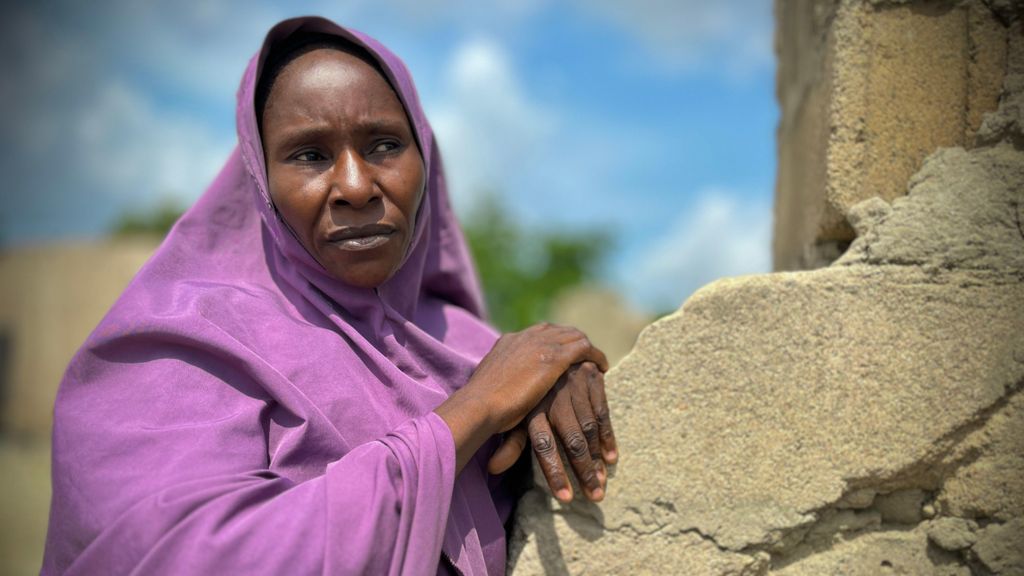
The city of Maiduguri in northeastern Nigeria remains haunted by the devastating floods that struck a year ago, leaving a trail of destruction, loss, and ongoing suffering. Torrential rains and the collapse of the Alau dam submerged entire neighborhoods, claiming at least 37 lives and displacing two million people. For many residents, the scars of the disaster are still fresh, and the looming threat of another flood season has heightened anxiety. Among the victims is Sa’adatu Dahiru, a 42-year-old mother who lost her two-year-old son to hunger and fever during the crisis. ‘We had no proper food, no medicine, and no safe place to stay,’ she recounted, describing how her family fled in the middle of the night with only a few belongings. Despite receiving 10,000 naira ($7) in state aid initially, Dahiru claims that further government promises remain unfulfilled, leaving her family in continued hardship. The Borno state government asserts that it has provided relief camps, food aid, and cash handouts to affected communities. Reconstruction of the dam and dyke system at Alau, which caused the flooding, is also underway. However, the region’s long-standing insurgency by the Boko Haram group has complicated maintenance efforts, according to Mohammed Shettima, head of the Chad Basin Development Authority’s engineering department. The dam’s proximity to the Sambisa forest, a known jihadist stronghold, has made it vulnerable to neglect and attacks. The floods have compounded the struggles of residents already displaced by Islamist violence. Maryam Jidda, a 72-year-old grandmother, fled her hometown of Damboa after a Boko Haram attack four years ago, only to face the floods in Maiduguri. ‘I stood in waist-deep water, crying,’ she recalled, describing the moment her home was overwhelmed. Now living in temporary shelter with scarce food and unclean water, Jidda mourns the loss of her family’s memories, including cherished photographs. Young people like Ali Kadau, 21, have also been severely impacted. Kadau, who once worked at a mechanic shop, lost his livelihood and possessions in the flood. ‘Now, I just sit around. No job. No school. No money to start anything,’ he lamented. The Borno state government, led by Governor Babagana Umara Zulum, has described the flood response as a daunting task, particularly given the region’s ongoing conflict with violent extremism. Efforts to address the crisis have included desilting rivers, constructing new drainage systems, and distributing 28.2 billion naira ($18 million) in aid to over 100,000 households. However, the need for additional funding to rebuild infrastructure remains critical. As the rainy season peaks, residents like Dahiru and Jidda face an uncertain future, grappling with the question of how to rebuild their lives from nothing.
博客
-
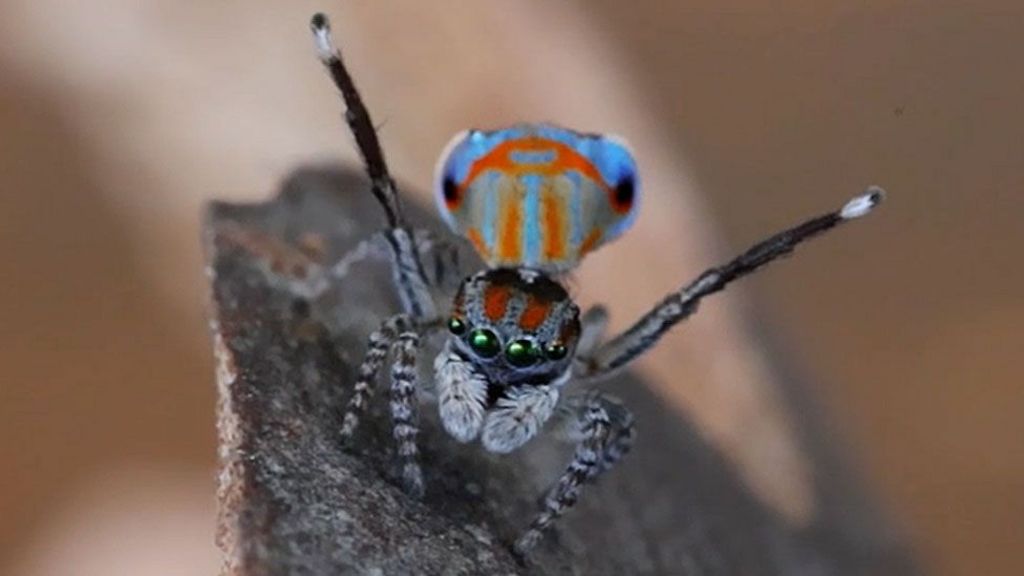
Mystery of dancing spiders’ DNA could explain how they develop into new species
Australia’s peacock spiders, known for their dazzling colors and intricate mating dances, are more than just a visual spectacle. With over 100 distinct species, these tiny arachnids, each no larger than a pinhead, exhibit an extraordinary level of diversity that has captivated scientists. Researchers are now delving into the genetic mysteries behind this phenomenon, focusing on a little-understood component of their DNA known as ‘dark DNA.’ This enigmatic part of the genetic code, which makes up a significant portion of the spiders’ genome, may hold the key to their rapid adaptation and speciation. Jonah Walker, a researcher at the Sanger Institute, explains that studying these spiders could shed light on the broader processes that drive variation in the natural world. ‘Peacock spiders are at the extreme end of diversity,’ he says. ‘By studying them, we can understand the mechanisms that produce such variation in general.’ The spiders’ unique mating rituals, which include rhythmic drumming sounds and vibrant abdominal displays, vary widely across species. Walker, who overcame his own arachnophobia to study these creatures, collaborated with Dr. Joana Meier and an international team to catalog each species’ behavior, movement, and songs. By cross-referencing this data with their DNA, the team aims to identify the genetic factors responsible for their traits. Early findings suggest that ‘dark DNA,’ which is three times more abundant in peacock spiders than in humans, may play a crucial role in their evolution. This research is part of the broader Earth BioGenome Project, which aims to decode the genetic sequences of all 1.8 million known species within the next decade. Dr. Meier emphasizes that understanding the DNA of diverse organisms, including spiders, butterflies, and moths, will provide unprecedented insights into the principles of genetics and evolution. ‘By studying the DNA of all living things, we not only learn about them but also about ourselves,’ she says. The project has already decoded 3,000 species, with plans to complete 10,000 more next year. The ultimate goal is to unravel the intricate web of life, offering a deeper understanding of how all organisms are interconnected.
-
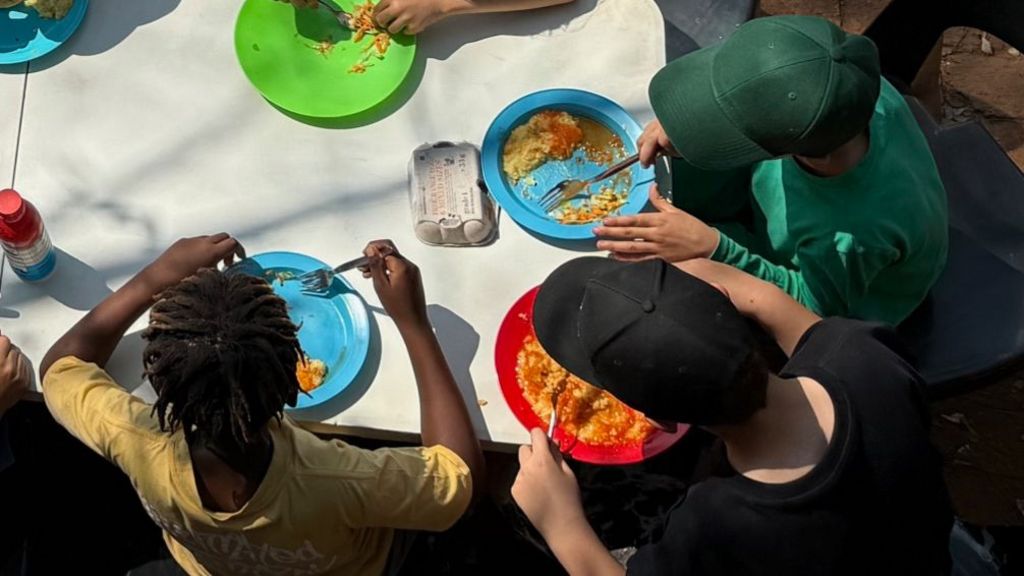
Childhood obesity: The South African campaigners fighting for healthy food
In the heart of Randburg, South Africa, the Kairos School of Inquiry is making waves with its innovative approach to combating childhood obesity. At lunchtime, students eagerly line up for a meal that’s not only nutritious but also predominantly vegetarian. The menu features dishes like kitchari—a blend of daal and rice—accompanied by tomato chutney, halloumi, and fresh salad. This initiative is part of the school’s broader strategy to address a global health crisis: the alarming rise in childhood obesity, which has now surpassed undernutrition in prevalence. Headteacher Marc Loon has implemented a strict healthy food policy, emphasizing the importance of mindful eating. ‘If all schools adopted our approach, children’s health would significantly improve,’ he asserts. The United Nations reports that the number of overweight and obese adolescents has nearly tripled in the past two decades, with South Africa being one of the hardest-hit countries. Unicef highlights the role of convenience foods in this surge, particularly in low- and middle-income nations. Mamkhabela Mthembu, a 23-year-old trainee lawyer, shared her personal struggle with weight gain during university, attributing it to her reliance on fast food. ‘I never saw junk food as unhealthy; it was a symbol of aspiration,’ she recalls. Now an advocate for Unicef, Mthembu is raising awareness about the long-term health impacts of poor dietary choices. The South African government has taken steps to curb obesity, such as taxing sugary drinks, but challenges remain. Unicef’s Gilbert Tshitaudzi stresses the need for systemic changes, including restricting the marketing of unhealthy foods to children. Meanwhile, parents like Memory Padi face daily battles to keep their children healthy. Her eight-year-old daughter, Sophia, struggles with weight issues linked to steroid treatments for a rare autoimmune disease. Despite efforts to maintain a low-carb diet, Sophia’s weight remains a concern. The Kairos School’s initiative serves as a beacon of hope, demonstrating how institutions can play a pivotal role in fostering healthier futures for the next generation.
-
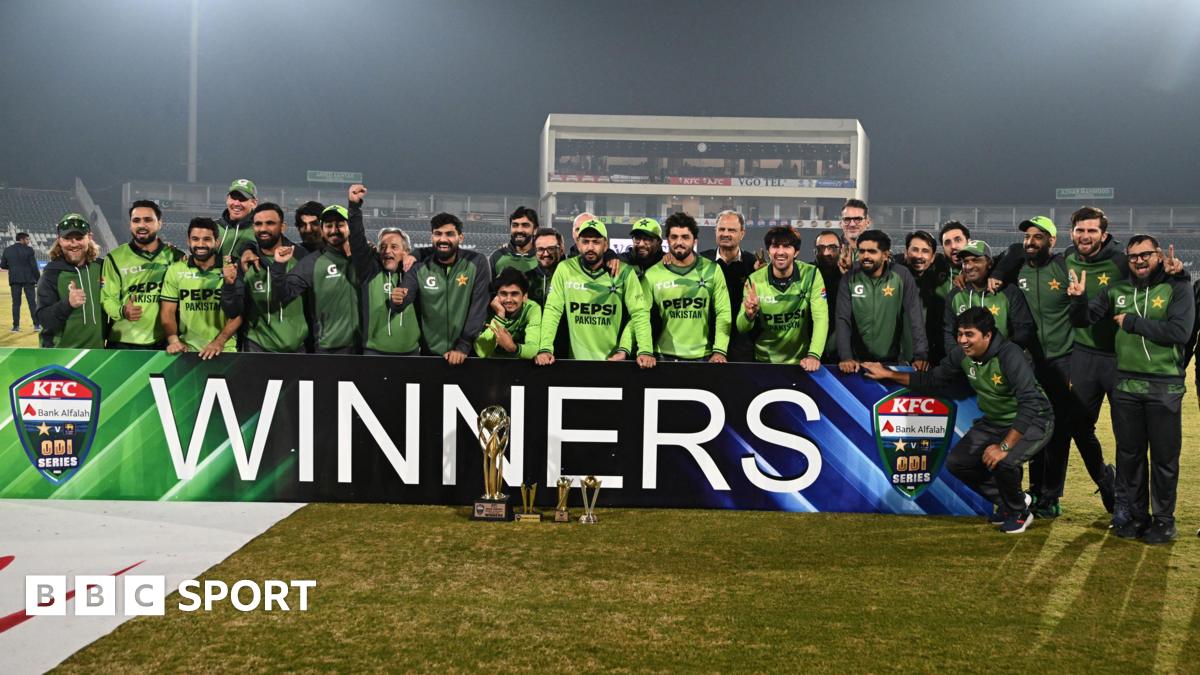
Sri Lanka & Zimbabwe in Pakistan 2025
In a thrilling display of cricketing prowess, Pakistan has emerged victorious in the ongoing One Day International (ODI) series against Zimbabwe and Sri Lanka. The series, which began on November 11, 2025, has seen Pakistan secure multiple wins, showcasing their dominance on the field. The matches, originally scheduled to be held in Lahore, were relocated to Rawalpindi due to unforeseen circumstances. Zimbabwe stepped in to replace Afghanistan, who withdrew from the series following an air strike incident in October that tragically claimed the lives of three players during a local tournament. Despite the challenges, the series has been a testament to Pakistan’s cricketing strength. Key highlights include Pakistan’s six-run victory in the 1st ODI, an eight-wicket win in the 2nd ODI, and a six-wicket triumph in the 3rd ODI. The series continues with more matches scheduled, including a final on November 29. Cricket enthusiasts can stay updated with live scorecards and match details as the action unfolds.
-
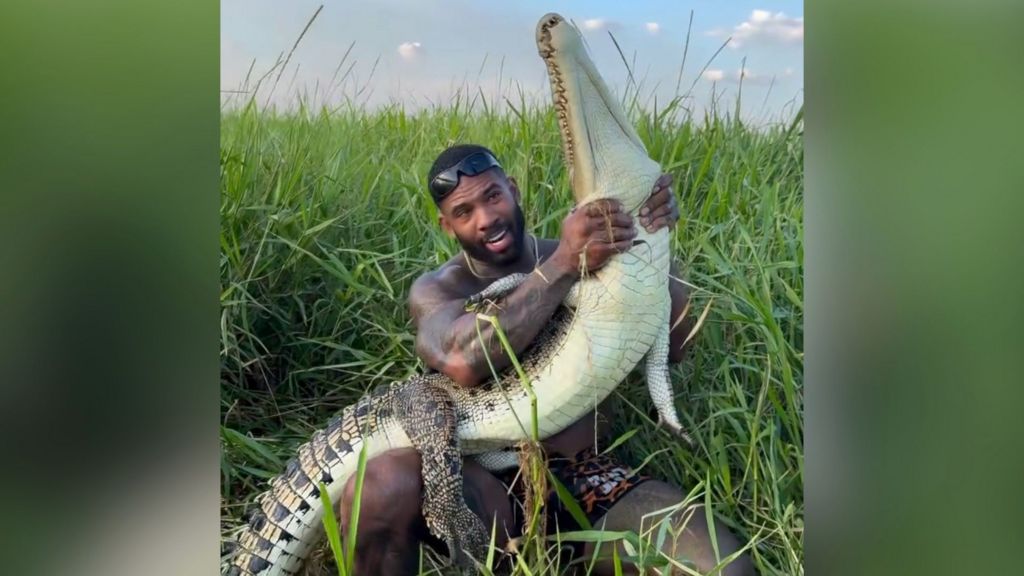
US influencer investigated over wild croc wrestling videos
Australian authorities are investigating US influencer Mike Holston, known as ‘The Real Tarzann,’ after he posted controversial videos of himself capturing wild crocodiles in Queensland. The footage, which has sparked widespread condemnation, shows Holston wrestling a freshwater crocodile and manhandling a juvenile saltwater crocodile, one of the world’s most aggressive reptiles. While Holston claims the videos were made for ‘educational purposes,’ wildlife experts and government officials have labeled his actions as ‘extremely dangerous and illegal.’
In one video, Holston is seen jumping into shallow water to chase a freshwater crocodile, which draws blood before he secures it. In another, he captures a seemingly limp saltwater crocodile in marshland. Both animals were later released, but experts have raised concerns about the stress and potential harm caused to the reptiles. Queensland officials have warned that such actions can result in fines of up to A$37,500, with on-the-spot penalties of A$8,345 for interfering with saltwater crocodiles.
The state government has also introduced new legislation to crack down on dangerous wildlife interactions, including penalties for unintentionally feeding crocodiles. Holston’s videos, while popular online, have drawn criticism from figures like Bob Irwin, father of the late naturalist Steve Irwin, who called for stricter penalties and condemned the influencer’s behavior. Irwin emphasized that handling crocodiles requires specialized skills to avoid causing stress or harm, and criticized social media for glorifying harmful wildlife interactions.
Holston has defended his actions, stating that the animals were released unharmed and that he does not encourage others to replicate his videos. This incident follows another controversy earlier this year involving a US influencer who was widely condemned for taking a baby wombat from the roadside. Prime Minister Anthony Albanese weighed in on that case, suggesting the influencer try the same with more dangerous animals. The ongoing backlash highlights growing concerns about the impact of social media on wildlife and the need for stricter enforcement of wildlife protection laws.
-
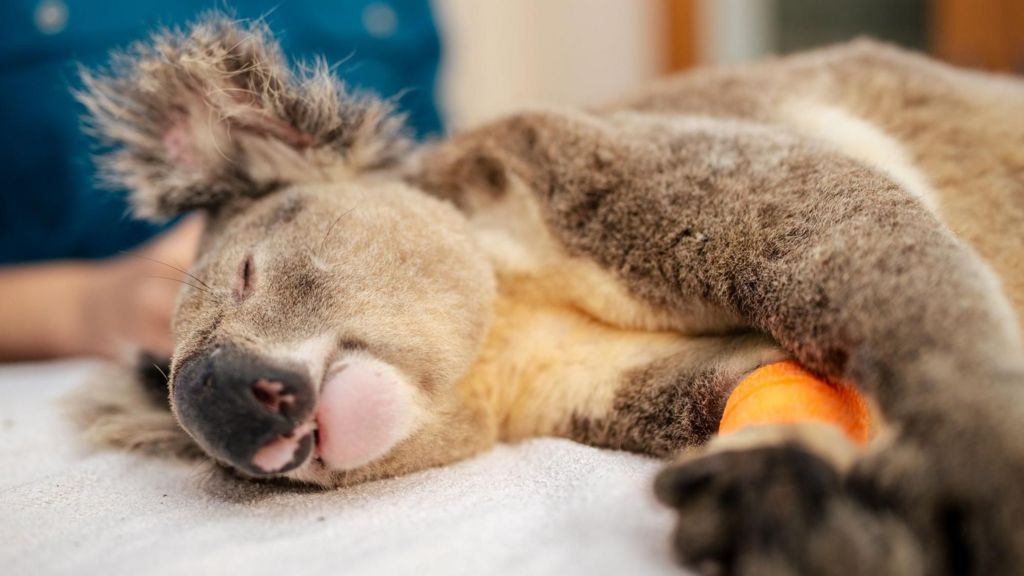
Vaccine to curb chlamydia epidemic devastating koalas approved
In a groundbreaking development, a vaccine designed to combat the devastating chlamydia epidemic threatening Australia’s koala population has received regulatory approval. Scientists at the University of the Sunshine Coast (UniSC) have spent over a decade developing this single-dose vaccine, which has shown promising results in reducing symptoms and mortality rates among wild koalas. Chlamydia, a disease transmitted through close contact or mating, has been a leading cause of koala deaths, accounting for up to 50% of fatalities in some regions. The disease causes severe health issues, including blindness, infertility, and often proves fatal. Traditional treatments, such as antibiotics, can be equally harmful, as they destroy the gut bacteria essential for digesting eucalyptus leaves, leading to starvation. The vaccine, tested on hundreds of wild koalas, has demonstrated a 65% reduction in mortality rates and a significant decrease in symptom development during breeding age. Despite the breakthrough, challenges remain. The rollout, slated to begin as early as January 2024, requires substantial funding to distribute the vaccine to wildlife hospitals, vet clinics, and at-risk populations. UniSC researchers hope to provide the vaccine for free but acknowledge the high costs associated with locating and inoculating wild koalas. Dr. Peter Timms, a microbiologist involved in the project, emphasized that while the vaccine is a critical step, it is not a standalone solution. Habitat loss, driven by land clearing, urbanization, and natural disasters, remains the most significant threat to koala survival. The Australian government has also taken steps to address habitat loss, with the New South Wales government recently announcing the creation of the Great Koala National Park, which will protect over 12,000 koalas and other threatened species. Environment Minister Murray Watt highlighted the vaccine’s role in ensuring future generations can still see koalas in the wild, while also focusing on species monitoring and habitat restoration. This milestone offers a glimmer of hope for the endangered koala population, but sustained efforts are needed to secure their long-term survival.
-
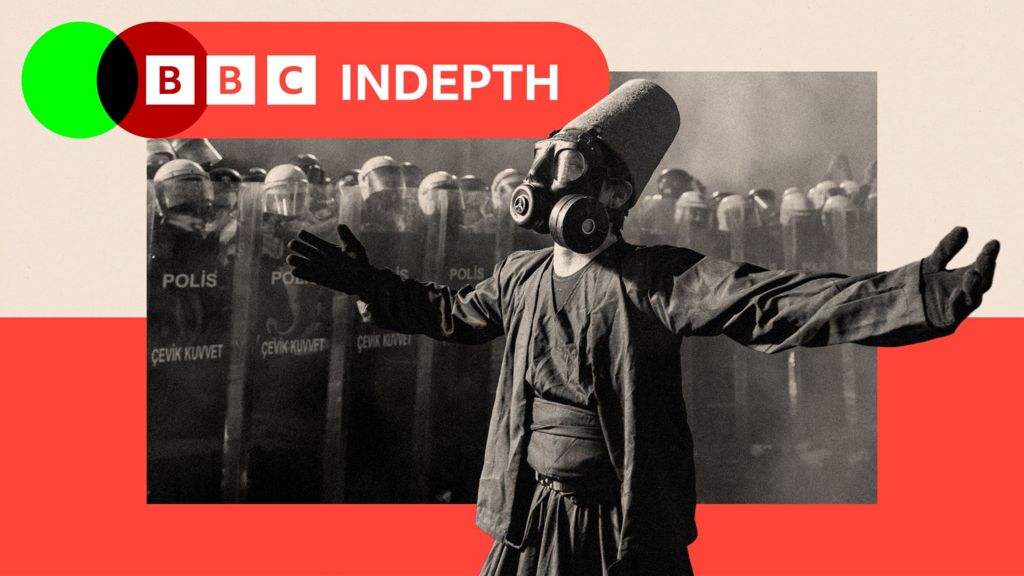
This ‘tough guy’ president says he’s tackling corruption. Rivals say he’s silencing opposition
On April 23, 2025, Istanbul was struck by a 6.2 magnitude earthquake, causing panic and injuries but no fatalities. Amid the chaos, Mayor Ekrem Imamoglu, a prominent opposition figure, was unable to assist his city. Instead, he was incarcerated in Silivri Prison, accused of corruption charges he vehemently denies. His supporters argue that his imprisonment is politically motivated, aimed at neutralizing his potential challenge to President Recep Tayyip Erdogan in the 2028 elections. Imamoglu’s arrest has sparked widespread protests, particularly among the youth, who view it as an assault on democracy. Erdogan’s government has responded with a heavy-handed crackdown, detaining over 2,000 protesters and journalists. Critics accuse Erdogan of transforming Turkey into an autocracy, leveraging his geopolitical influence to avoid international scrutiny. Despite the turmoil, Erdogan remains a dominant figure, with a loyal base that credits him for economic development and the promotion of Islam in a secular republic. However, the erosion of democratic principles under his leadership has raised concerns about the future of Turkish democracy.
-
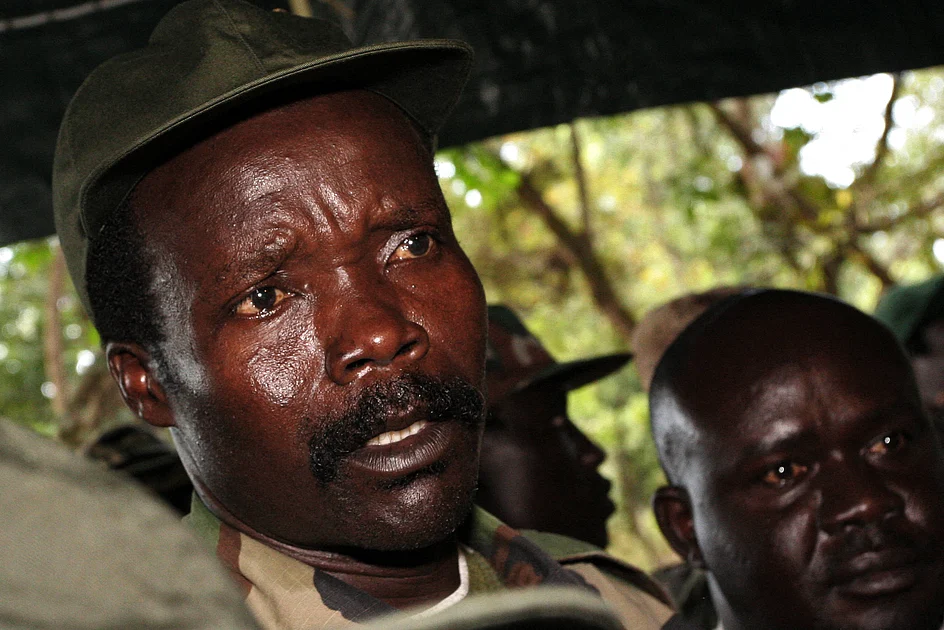
Kony crimes still felt in Uganda, 20 years on, ICC hears
The enduring scars of Joseph Kony’s alleged atrocities in Uganda were brought to the forefront during a landmark hearing at the International Criminal Court (ICC) on Tuesday. Kony, the elusive leader of the Lord’s Resistance Army (LRA), faces 39 charges of war crimes and crimes against humanity, including murder, rape, torture, and enslavement, reportedly committed between 2002 and 2005 in northern Uganda. Despite the passage of two decades, the repercussions of these brutal acts remain deeply felt, with survivors still grappling with physical and psychological trauma. Prosecutor Mame Mandiaye Niang emphasized the lasting devastation, stating, ‘The social and cultural fabric of Uganda has been torn apart, and they are struggling to recover.’ The LRA’s insurgency, which targeted the Ugandan government, resulted in over 100,000 deaths and the abduction of 60,000 children, according to UN estimates. The group’s notoriety for extreme violence, including forced cannibalism and drinking of blood, has left indelible marks on survivors like Everlyn Ayo, who recounted the horrors of her childhood. Now 39, Ayo plans to follow the proceedings from Gulu, far from the ICC courtroom in The Hague. The hearing, the first of its kind to be held in absentia, aims to confirm charges against Kony, who has been on the run since 2006. While a trial cannot proceed without his presence, prosecutors hope the process will expedite justice if he is ever apprehended. Stella Angel Lanam, a former child soldier and now a counselor for victims, expressed a shared sentiment: ‘Even though we have passed through a lot, we cannot lose hope. At least I will get justice.’
-
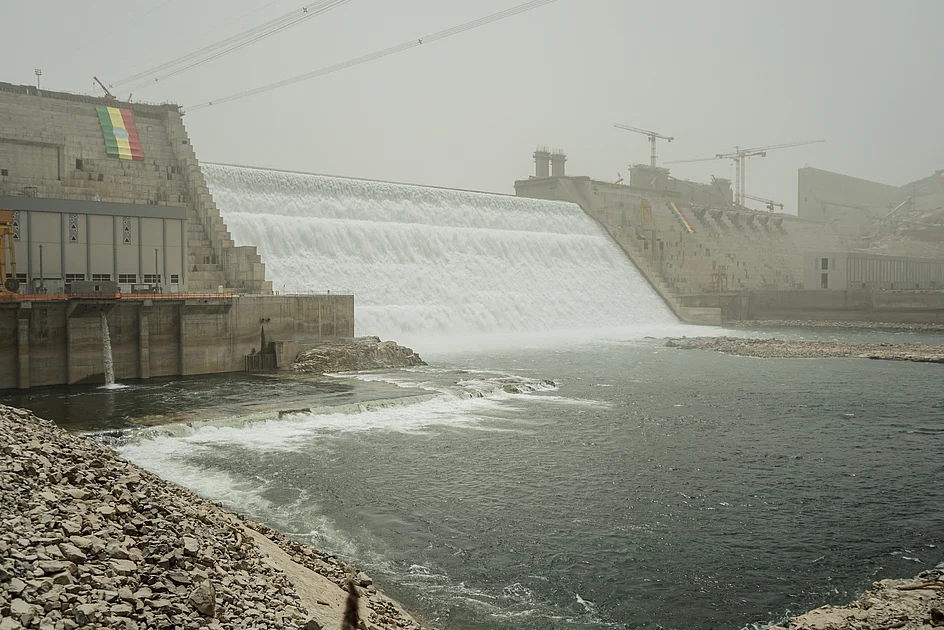
Ethiopia launches Africa’s largest hydroelectric dam amid deep rift with Egypt
Ethiopia has officially launched the Grand Ethiopian Renaissance Dam (GERD), Africa’s largest hydroelectric project, marking a significant milestone in the nation’s development ambitions. The $5 billion dam, situated on a tributary of the River Nile, is expected to generate up to 5,150 MW of electricity, providing power to millions of Ethiopians and enabling energy exports to neighboring countries. However, the project has exacerbated long-standing tensions with downstream Egypt, which relies on the Nile for 90% of its freshwater supply. Egypt fears the dam could disrupt its water access during droughts and has vehemently opposed the project, citing violations of colonial-era water treaties. Sudan, another downstream nation, has joined Egypt in calling for legally binding agreements on the dam’s operation but could benefit from improved flood management and affordable energy. The GERD has become a symbol of national unity in Ethiopia, which funded the project domestically without foreign assistance. Despite the geopolitical rift, Ethiopian Prime Minister Abiy Ahmed has emphasized the dam’s potential as a ‘shared opportunity’ for regional development. Independent studies indicate no significant disruptions to downstream water flow so far, attributed to cautious reservoir filling during wet seasons. However, rural Ethiopians may face delays in accessing the dam’s benefits, as only half of the population is connected to the national grid. The dam’s reservoir has flooded an area larger than Greater London, promising steady water supply for hydropower and irrigation while mitigating floods and droughts. Meanwhile, Ethiopia’s strategic plans to gain access to the Red Sea via Eritrea or Somalia have further strained relations with Egypt, which has backed Ethiopia’s regional adversaries. Analysts warn that tensions over the dam could escalate, potentially destabilizing the region.
-
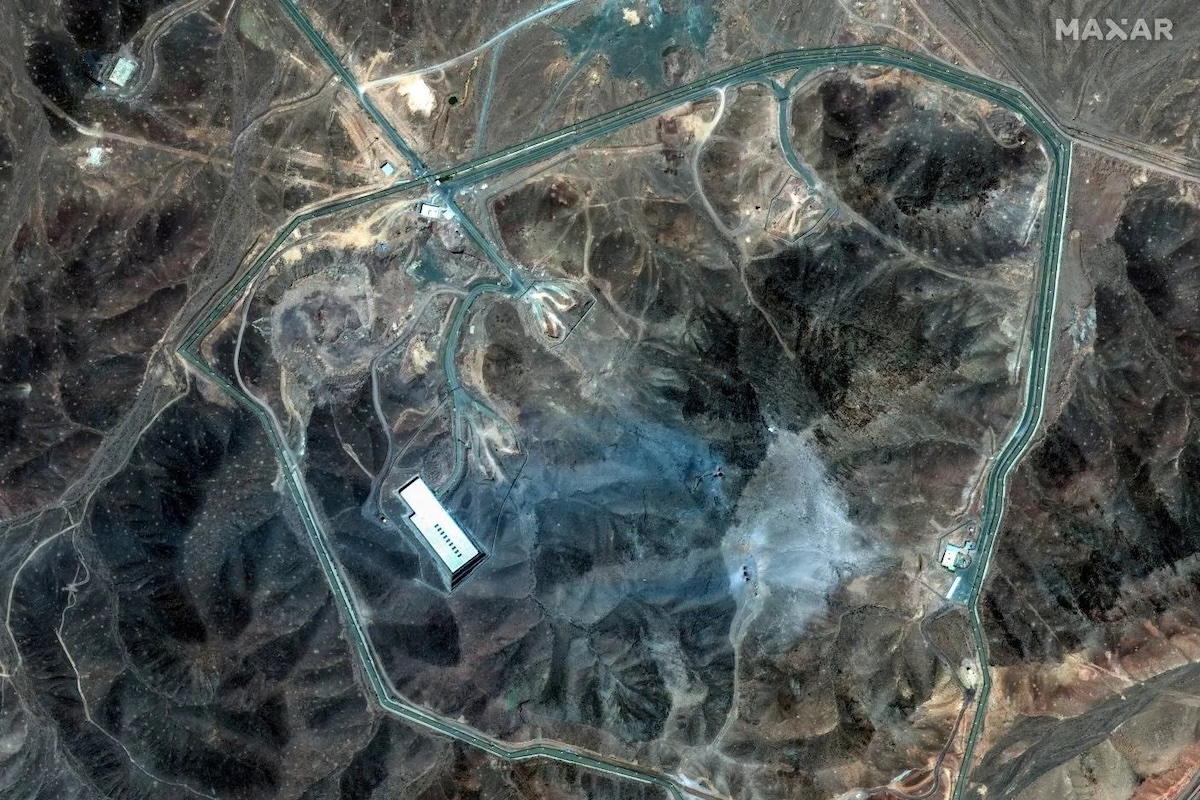
New technology may confirm destruction at Iran’s Fordow nuke site
A groundbreaking study utilizing cutting-edge hyperspectral imaging technology has provided new insights into the extent of damage inflicted on Iran’s Fordow nuclear facility. The analysis, conducted by Orbital Sidekick (OSK) Inc., employed its Global Hyperspectral Observation Satellite (GHOSt) constellation to assess the aftermath of a U.S. military strike codenamed ‘Operation Midnight Hammer’ on June 22, 2025. The findings suggest that the facility, officially known as the Shahid Ali Mohammadi Nuclear Facility, suffered ‘extremely severe damage and destruction,’ particularly to its underground enrichment halls. The GHOSt system, which leverages hyperspectral imaging (HSI) and advanced data analytics, identified significant subsidence and concrete debris pushed to the surface, indicating potential structural collapse. This marks a significant leap in satellite technology’s ability to monitor and analyze critical infrastructure and military targets. The study also highlights the evolution of satellite imaging from the Landsat era, which began in 1972, to today’s sophisticated systems capable of providing detailed environmental and situational awareness. The implications of such technology extend beyond military applications, offering potential uses in agriculture, infrastructure monitoring, and environmental management. However, the commercial nature of these systems raises concerns about their accessibility to potential adversaries, underscoring the dual-use dilemma of advanced satellite technology.