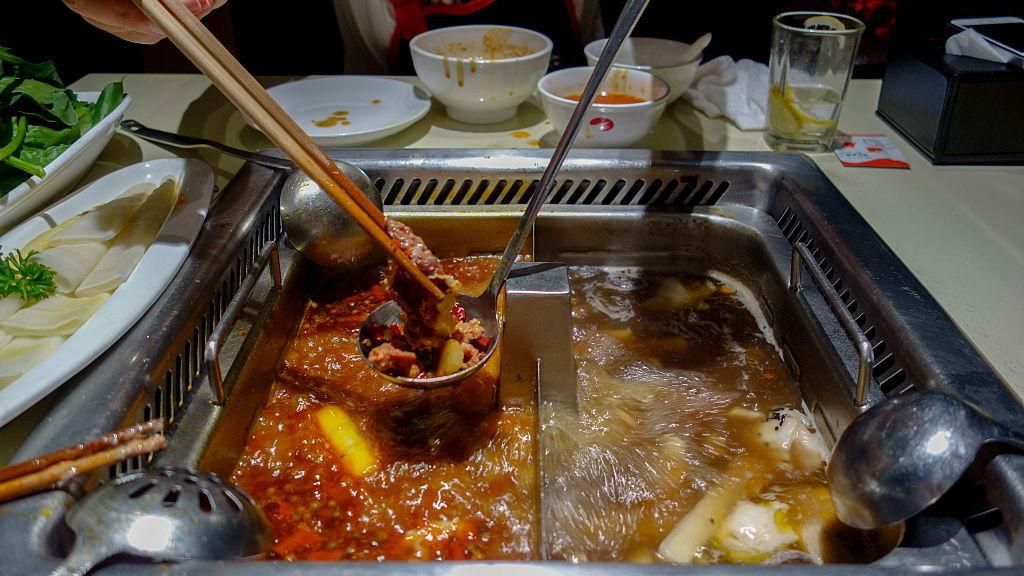
Two intoxicated teenagers who urinated into a pot of broth at a Haidilao hotpot restaurant in Shanghai have been ordered to pay 2.2 million yuan ($309,000) in damages to two catering companies. The incident, which occurred in February at a branch of China’s largest hotpot chain, Haidilao, drew widespread condemnation after the 17-year-olds posted a video of their act online. Although no one is believed to have consumed the contaminated broth, Haidilao compensated thousands of diners who visited the restaurant in the days following the incident. In March, the company sought over 23 million yuan in losses, citing compensation paid to customers and reputational damage. Last Friday, a Shanghai court ruled that the teenagers had violated the companies’ property rights and tarnished their reputation through “acts of insult,” which also caused public discomfort. The court noted that the parents had “failed to fulfil their duty of guardianship” and ordered them to bear the compensation. The damages include 2 million yuan for operational and reputational losses, 130,000 yuan for tableware replacement and cleaning, and 70,000 yuan in legal fees. However, the court clarified that additional compensation Haidilao voluntarily offered to customers, including full refunds and 10 times the billed amount, should not be borne by the teenagers. Haidilao, known for its exceptional customer service and family-friendly environment, has since replaced all hotpot equipment and conducted thorough cleaning and disinfection. The company, which started in Jianyang, Sichuan Province, now operates over 1,000 restaurants globally.
博客
-
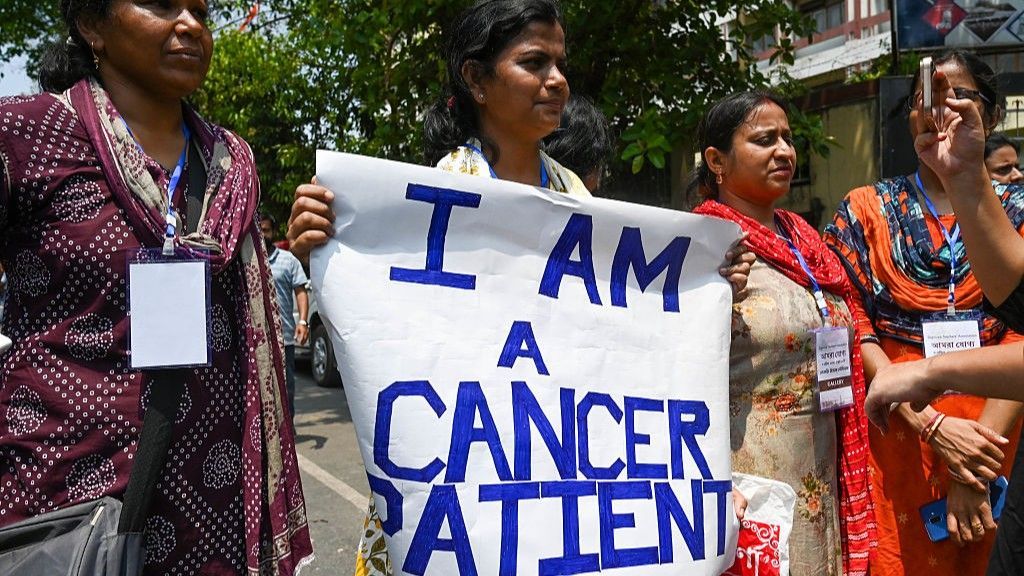
Why more women get cancer in India – but more men die
In India, a striking paradox has emerged in the realm of cancer: women are more likely to be diagnosed with the disease, yet men face a higher likelihood of dying from it. This phenomenon, revealed in a recent study of India’s cancer registry, highlights a complex interplay of biological, social, and healthcare factors. Women account for just over half of all new cancer cases, but men constitute the majority of cancer-related deaths. This trend stands in contrast to global patterns, where men generally have higher incidence and mortality rates. In 2022, the global average was 212 cancer cases per 100,000 men compared to 186 for women, according to the World Cancer Research Fund. In India, the most common cancers among women are breast, cervical, and ovarian, with breast and cervical cancers making up 40% of female cases. Hormonal factors and lifestyle changes, such as delayed pregnancies, reduced breastfeeding, obesity, and sedentary habits, are key contributors. For men, oral, lung, and prostate cancers dominate, with tobacco use driving 40% of preventable cancers. Awareness campaigns and improved healthcare facilities have led to earlier detection of cancers in women, resulting in better treatment outcomes and lower mortality rates. In contrast, men’s cancers are often linked to lifestyle factors like tobacco and alcohol, which are associated with more aggressive and less treatable cancers. Additionally, men are less likely to seek preventive care or early medical intervention, exacerbating their poorer outcomes. Regional disparities further complicate the picture. India’s northeast region, particularly Mizoram, has the highest cancer risk, largely due to rampant tobacco use and dietary habits. Meanwhile, cities like Srinagar and Hyderabad report high rates of lung and breast cancers, respectively. The cancer burden in India is not only growing but also becoming more complex, reflecting societal transitions in longevity, lifestyle, and environmental factors. Addressing these challenges requires targeted prevention, early detection, and lifestyle changes, underscoring the urgent need for comprehensive public health strategies.
-

The Dream Journey: Coming to terms with music in Pakistan’s Indo-Islamic culture
The intricate relationship between Islam and music has long shaped the cultural landscape of South Asia. While Islam’s influence on music has been a subject of debate, it has undeniably left an indelible mark on the region’s artistic traditions. In Pakistan, this relationship has been particularly complex, with music often caught in the crossfire of religious and national identity struggles. Amid these tensions, a group of Pakistani music enthusiasts embarked on a mission to preserve and celebrate their country’s neglected musical heritage. Their project, *The Dream Journey*, has since become a global phenomenon, bringing Pakistan’s rich musical traditions to the world stage. Launched in 2014, *The Dream Journey* saw its founders travel across Pakistan, documenting musicians and their families performing in intimate settings. The project’s YouTube channel, featuring videos with English subtitles, has garnered over 225,000 subscribers and millions of views. Its success has highlighted the enduring power of classical and Sufi music, even as these traditions face challenges in modern Pakistan. The channel showcases a diverse range of musical styles, from qawwali—a devotional form of Sufi music—to lesser-known family specialties. It has also amplified the work of legendary musicians like Ustad Munshi Raziuddin Khan and his descendants, who have kept the classical qawwali tradition alive. Despite the religious and political obstacles, *The Dream Journey* has provided a platform for musicians who might otherwise have remained in obscurity. The project’s meticulous translations and high-quality production have made it accessible to a global audience, ensuring that Pakistan’s musical heritage is preserved for future generations. As the group plans to resume their travels, their work stands as a testament to the resilience and beauty of Pakistan’s musical traditions.
-
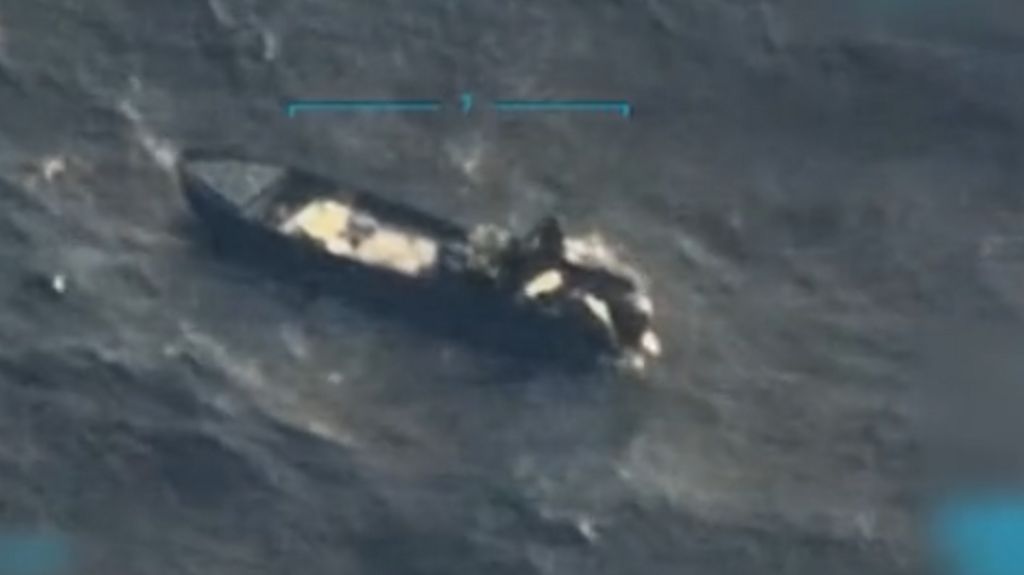
US destroys alleged Venezuelan drug boat, killing three
In a dramatic escalation of tensions between the United States and Venezuela, President Donald Trump announced on Monday that the US military had destroyed an alleged Venezuelan drug vessel in international waters. Trump, speaking via Truth Social, claimed the operation targeted ‘violent drug trafficking cartels’ and resulted in the deaths of three individuals. However, no concrete evidence was provided to substantiate the claim that the boat was carrying narcotics.
The incident follows a series of confrontations between the two nations, including the deployment of US warships to the southern Caribbean for counter-narcotics operations. A previous strike on September 2, which killed 11 people aboard another vessel, has been criticized by legal experts as potentially violating international human rights and maritime law.
Trump defended the actions, stating that the US had ‘recorded proof’ of the boats belonging to narco-terrorist groups. ‘All you have to do is look at the cargo—it was spattered all over the ocean—big bags of cocaine and fentanyl all over the place,’ he said during a press briefing from the Oval Office. He also claimed that maritime drug trafficking to the US had decreased due to recent efforts but acknowledged that narcotics continue to enter the country by land.
Venezuelan President Nicolás Maduro condemned the US actions, accusing Washington of ‘aggression’ and labeling America’s top diplomat Marco Rubio as the ‘lord of death and war.’ Maduro asserted that Venezuela would ‘fully exercise its legitimate right to defend itself’ and called on citizens to enlist in the militia. He also claimed that relations with the US had ‘been destroyed by their bomb threats.’
The Venezuelan Foreign Ministry further alleged that the US was seeking to escalate conflict in the Caribbean to justify regime change in Caracas. This accusation came after Venezuelan Foreign Minister Yván Gil reported that US forces had ‘illegally and hostilely’ seized a Venezuelan fishing boat for eight hours.
The US, along with other nations including the UK, has not recognized Maduro’s re-election in July 2024, citing evidence of electoral fraud. US officials have also accused Maduro of leading a drug cartel and have offered a $50 million reward for information leading to his capture. Maduro has denied these allegations, calling them an ‘imperialist move’ to depose him.
As tensions continue to rise, the international community watches closely, with concerns over the potential for further military escalation and its implications for regional stability.
-
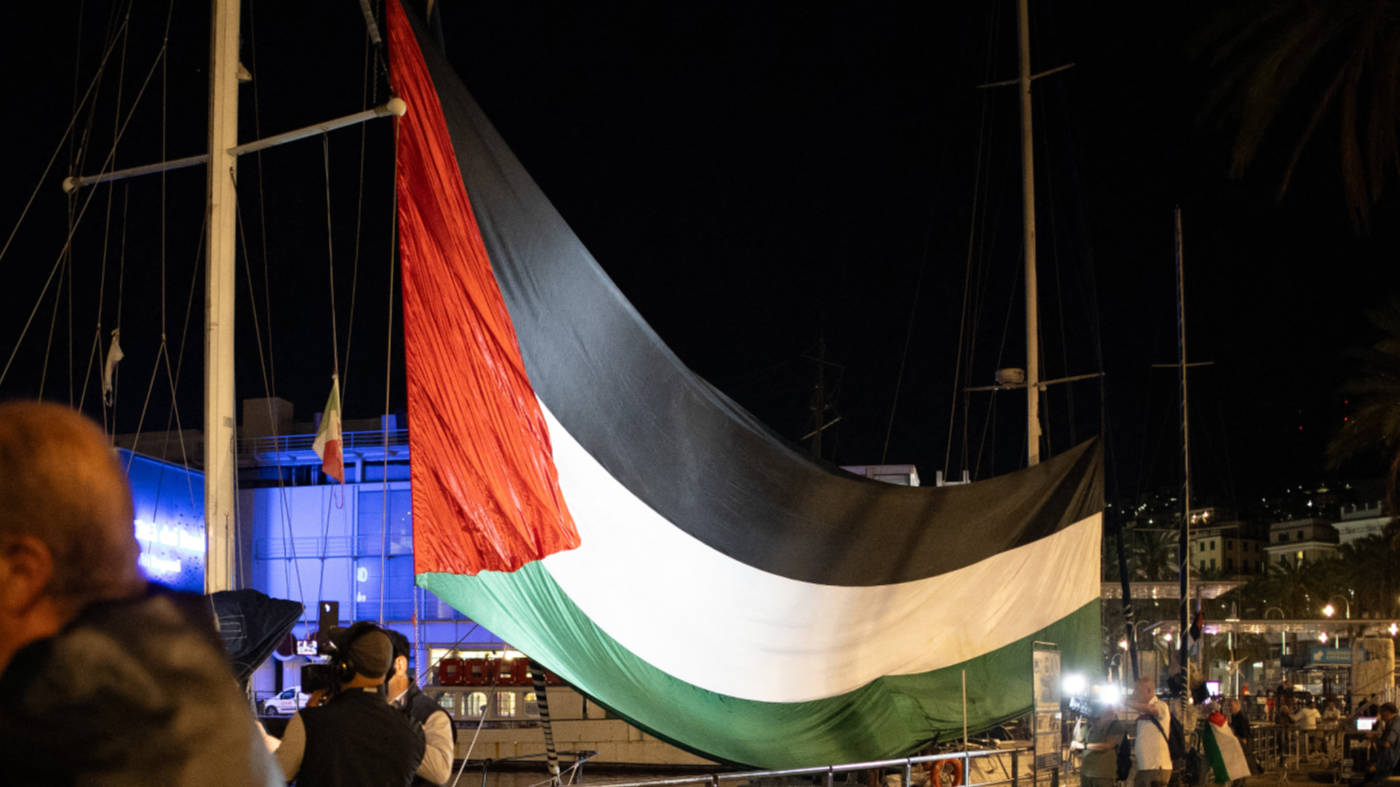
The Gaza flotilla: What you need to know about ‘sumud’
The Global Sumud Flotilla has captured international attention as it embarks on a mission to deliver humanitarian aid to Gaza, defying Israel’s longstanding naval blockade. Comprising over 300 activists from 44 countries, including prominent Swedish climate activist Greta Thunberg, this civilian-led initiative represents the largest maritime aid convoy to Gaza since Israel’s invasion in October 2023. However, the flotilla faced adversity even before reaching its destination, enduring drone-launched projectile attacks while anchored in Tunisia on September 8 and 9. The Tunisian government condemned these strikes as ‘premeditated,’ underscoring the risks faced by such missions. Israel has a history of intercepting Gaza-bound flotillas, most notably in 2010 when Israeli forces stormed the Mavi Marmara, resulting in the deaths of 10 Turkish activists. Earlier this year, two other aid vessels, the Madleen and the Handala, were similarly raided by Israeli forces in international waters. The flotilla’s name, ‘Sumud,’ derives from the Arabic word meaning ‘perseverance,’ ‘steadfastness,’ or ‘resilience.’ In the Palestinian context, Sumud embodies everyday acts of resistance against Israel’s occupation and policies of ethnic cleansing. For some, Sumud manifests in rebuilding homes destroyed by Israeli bombings in Gaza; for others, it means enduring the daily challenges of Israeli checkpoints in the West Bank. For the Palestinian diaspora, Sumud is reflected in their adherence to the Boycott, Divestment, and Sanctions (BDS) movement. The concept of Sumud traces its modern roots to the aftermath of the 1967 Arab-Israeli war, when Israel captured the West Bank, Gaza Strip, and other territories, displacing hundreds of thousands of Arab residents. Since then, Sumud has become a symbol of Palestinian resilience, often represented by the olive tree, a historic and cultural staple of Palestinian life. Despite decades of attacks on olive groves by Israeli forces and settlers, replanting these trees remains a powerful act of Sumud. Palestinian lawyer and writer Raja Shehadeh has described Sumud as the ‘Third Way’ of resistance—neither violent nor passive—but a steadfast commitment to remaining on Palestinian land. The Global Sumud Flotilla, inspired by this ethos, aims to highlight the ongoing plight of Palestinians and their unwavering resilience in the face of oppression.
-
Feeling forgotten, Ivory Coast rape survivors seek healing together
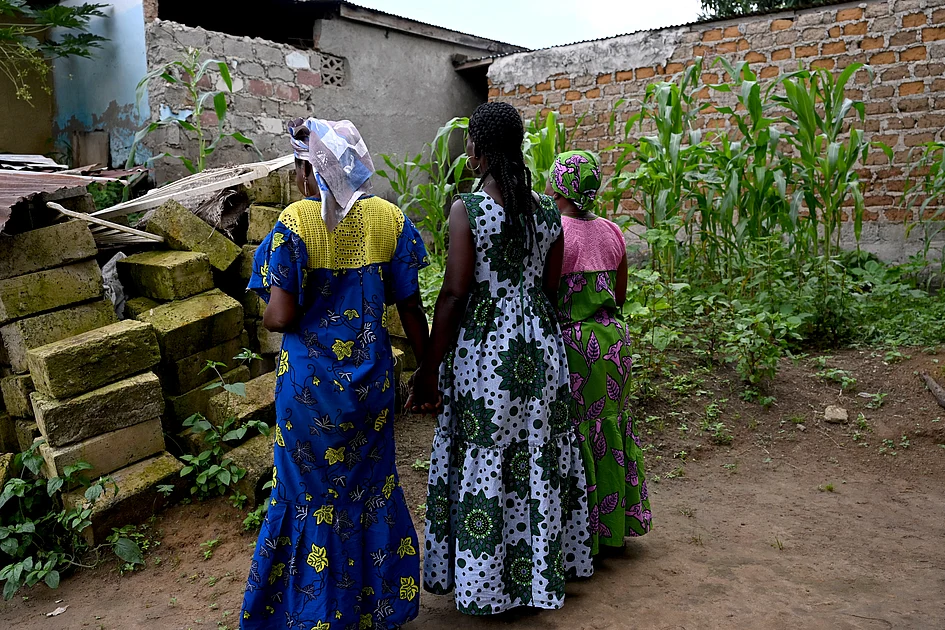
In the aftermath of the 2011 post-election crisis in Ivory Coast, which claimed approximately 3,000 lives, hundreds of women who survived sexual violence have found solace in collective healing. Fearful of societal stigma, many of these women have never pressed charges against their attackers. Instead, they have formed support groups to rebuild their shattered lives. Juliette Bie, a survivor whose mother witnessed her assault and later passed away, established a support group in the town of Man. ‘It’s a way of healing. Psychologically, we’re freeing ourselves,’ Bie shared. Similarly, Mariam Bakayoko, 35, founded a safe space in Duekoue where women can express themselves and share their experiences. These groups meet weekly, fostering trust and camaraderie among members. The western region of Ivory Coast endured nearly a decade of unrest from 2002 to 2011, during which countless women were sexually assaulted. The Platform of Organisations for the Reparation of Victims of Ivorian Crises (POREV-CI) has assisted over 950 survivors, though the actual number is likely higher. Despite the return of calm, many survivors feel neglected by the state. Anne-Marie, a 42-year-old survivor, recounted being raped multiple times during the conflict. Monique, now 50, lost her unborn child after being raped in 2002 and has been unable to conceive since. Agnes, 52, contracted HIV from her assault. ‘We cannot talk about peace, because we haven’t had the reparations we are owed,’ Agnes lamented. The women interviewed by AFP reported receiving no financial or psychological support from the government, despite reporting their situations. Belmonde Dogo, the minister for national cohesion, claimed that all registered rape victims received government aid. However, Justine Kpan, a mental health counsellor with POREV-CI, emphasized the need for income-generating activities to help these women rebuild their lives. Many have lost their husbands or face societal judgment, struggling to make ends meet. ‘They feel forgotten,’ Kpan said.
-
US Typhon missile system’s presence in Japan sharpens Asia arms race
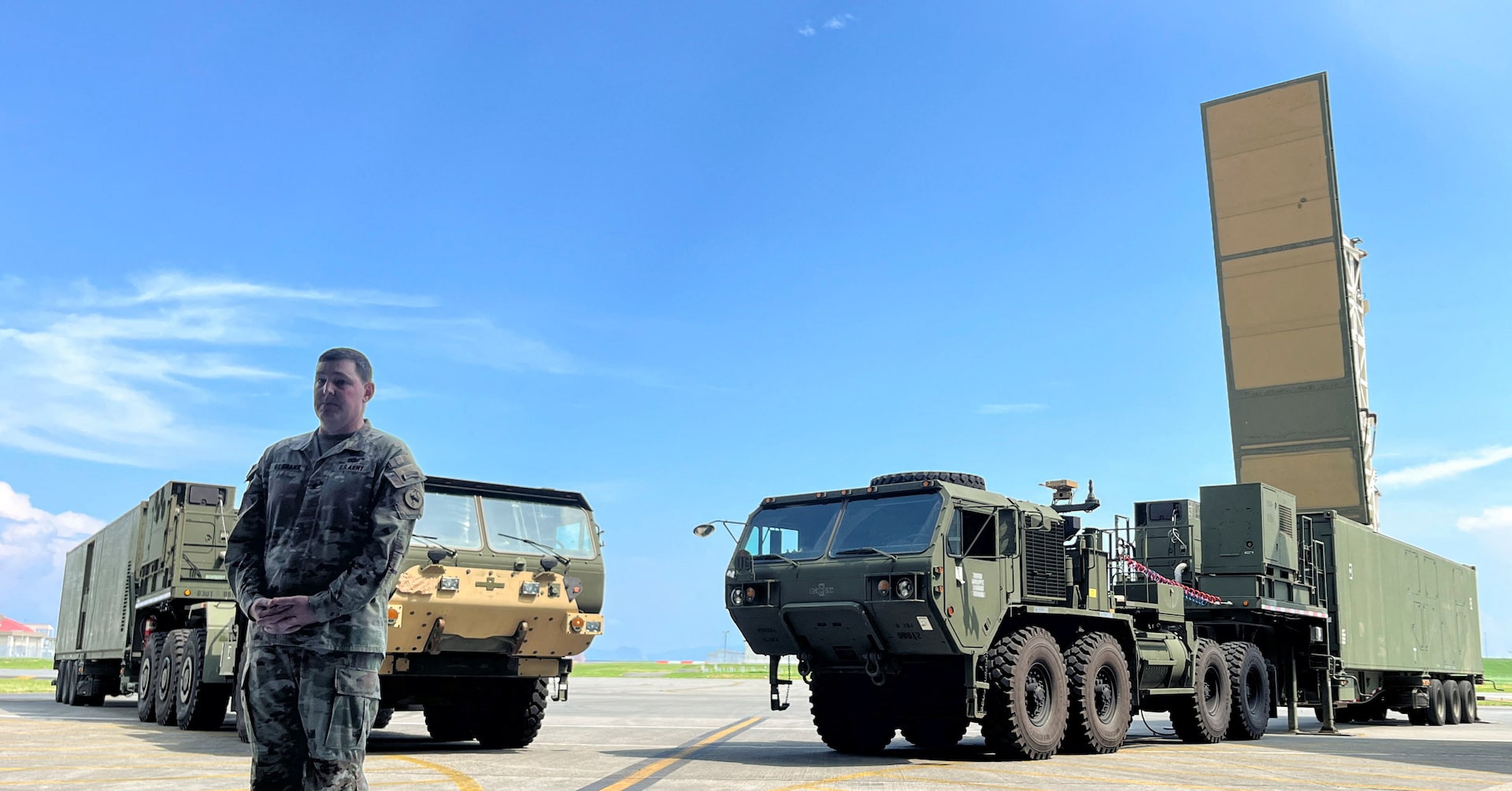
In a significant display of military cooperation, the United States unveiled its Typhon intermediate-range missile system in Japan during the annual Resolute Dragon exercise. The event, held at Marine Corps Air Station Iwakuni on September 15, 2025, marked the first time the Typhon system was showcased in Japan. The exercise, involving 20,000 U.S. and Japanese troops, underscores the growing strategic alignment between Washington and Tokyo in countering regional threats. The Typhon system, capable of launching Tomahawk cruise missiles with ranges sufficient to target China’s eastern seaboard or parts of Russia, has been criticized by Beijing and Moscow as destabilizing. Colonel Wade Germann, commander of the task force operating the system, emphasized its versatility and rapid deployment capabilities, though he declined to disclose its next destination after the exercise. The system’s presence in Japan, closer to China, is expected to provoke a stronger reaction from Beijing compared to its earlier deployment in the Philippines in April 2024. Analysts note that the U.S. and Japan’s willingness to field such weapons reflects a diminished concern over Chinese objections compared to previous years. The Typhon system, which also fires SM-6 missiles designed to strike ships and aircraft, is part of a broader U.S. strategy to counter China’s expanding missile arsenal. Japan, meanwhile, is accelerating its military spending, including the purchase of Tomahawk missiles and the development of its own intermediate-range capabilities, marking its largest military expansion since World War II. The regional arms buildup extends to Taiwan, which plans to increase defense spending to over 3% of GDP by 2026. The U.S. describes Iwakuni as part of the ‘First Island Chain,’ a strategic line of territories and bases aimed at constraining Chinese military power. The Typhon system’s deployment highlights the intensifying geopolitical tensions in the Indo-Pacific region.
-
Why China could well win its Cold War with US
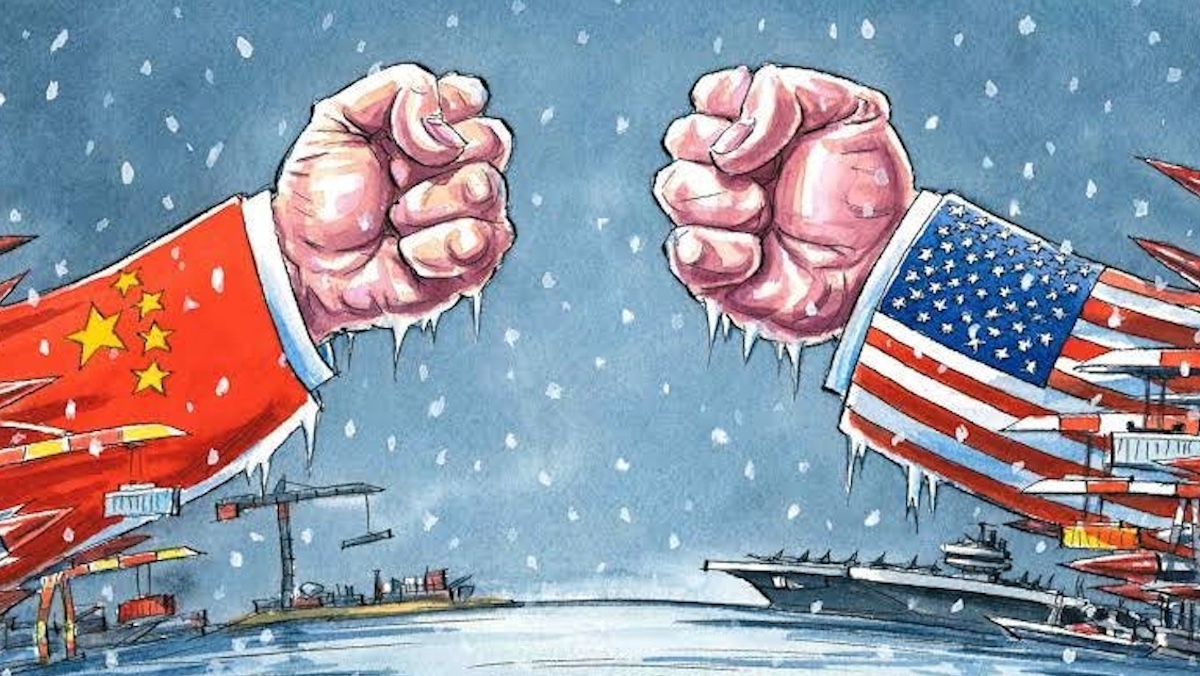
The global community, particularly the United States, is grappling with two pressing questions regarding China: the extent of its military industrial production capacity and the true cost of its weaponry. China’s industrial prowess is unparalleled, boasting an independent and self-sufficient production line that outpaces global competitors in both speed and volume. However, the cost of Chinese weapons remains a contentious issue. While some experts argue that China’s expenses are a fraction of those in the U.S., others remain skeptical, pointing to the complexities of cost calculations, including incentives and operational details. If China’s costs are significantly lower, it could pose a substantial challenge to the U.S.; if they are comparable or higher, China might face its own set of difficulties. The stakes are high, as these factors could influence the trajectory of an arms race reminiscent of the Cold War era. China’s strategy appears to leverage low production costs and technological advancements to gain market share and create trade surpluses. This approach, coupled with a potential reverse Reagan-like strategy, aims to deter U.S. confrontation. However, this could also incite backlash from Americans and other nations. The dynamics of this new Cold War differ from the Soviet era, as China’s ideology does not inherently threaten private wealth, instead promising to enrich capitalists. This subtle distinction has garnered support from global financiers, who operate under the protective wing of the Chinese leadership. The U.S., meanwhile, seems unprepared for a full-scale confrontation, as evidenced by its tepid responses and strategic retreats. The absence of American leadership could lead to increased regional tensions, particularly in Asia, where countries may need to manage their relations with China independently. The evolving geopolitical landscape underscores the potential for a significant shift in global power dynamics, with China poised to capitalize on America’s perceived vulnerabilities.
-
They were shot dead for protesting against corruption in Nepal
Nepal has been plunged into chaos following violent anti-corruption protests that erupted last week, resulting in the deaths of over 70 people and leaving more than 1,000 injured. The unrest, initially sparked by a government-imposed social media ban, quickly escalated into a broader movement against systemic corruption, culminating in the resignation of Prime Minister KP Sharma Oli and the toppling of his government.
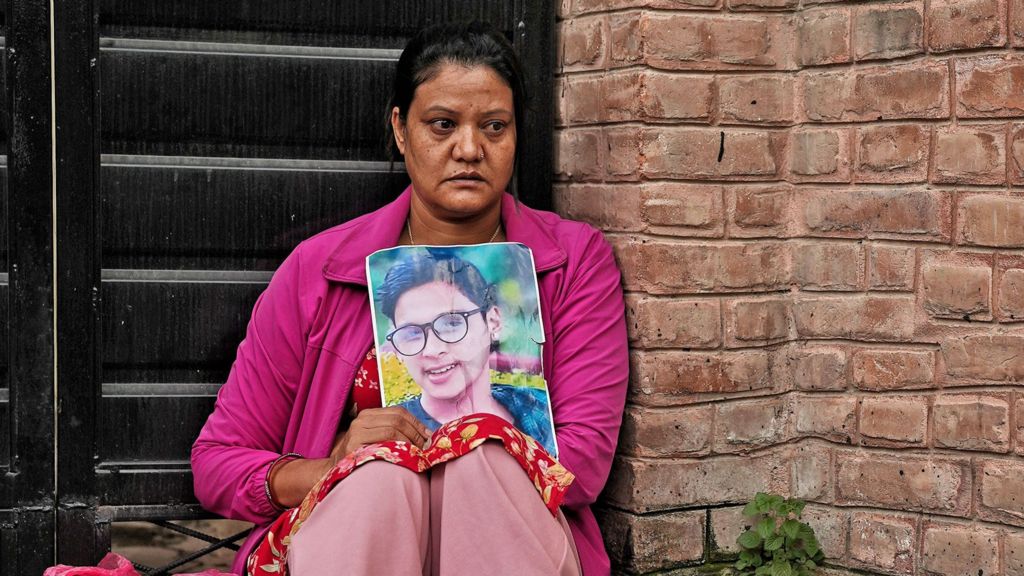
Among the victims was 21-year-old Sulov Shrestha, whose father, Narendra Shrestha, is demanding accountability for his son’s death. ‘If they can shoot my son, then I and his mother also want to die. Who will we live for now?’ he lamented outside the mortuary of Tribhuvan University Teaching Hospital in Kathmandu. Sulov was one of many young lives tragically cut short—others included aspiring judges, students, and language learners.
The protests, which began on September 8, saw thousands of demonstrators, many from Generation Z, gather near Nepal’s parliament. The government’s decision to ban platforms like Facebook, X, and YouTube, citing concerns over fake news and online fraud, was met with widespread outrage. Protesters accused the government of attempting to silence dissent, and the demonstrations quickly turned violent. Crowds set fire to government buildings, including parliament, even after the Prime Minister’s resignation.
Police have been accused of using excessive force, with reports of both rubber bullets and live ammunition being fired into crowds. Dr. Santosh Paudel of Bir Hospital noted that many patients suffered ‘sharp rifle injuries,’ contradicting official claims that only rubber bullets were used. The interim government, led by former Chief Justice Sushila Karki, now faces the daunting task of restoring public trust and investigating the violence. Karki has pledged fresh elections for March 2026, but her administration’s first test will be ensuring accountability for the deadly crackdown.
Families of the victims, like Rasik KC, whose nephew Rashik Khatiwada was shot twice in the chest, are demanding justice. ‘We want accountability,’ KC said, echoing the sentiments of many who have lost loved ones. As Nepal grapples with the aftermath of this tragedy, the international community watches closely, hoping for a peaceful resolution to the crisis.
-
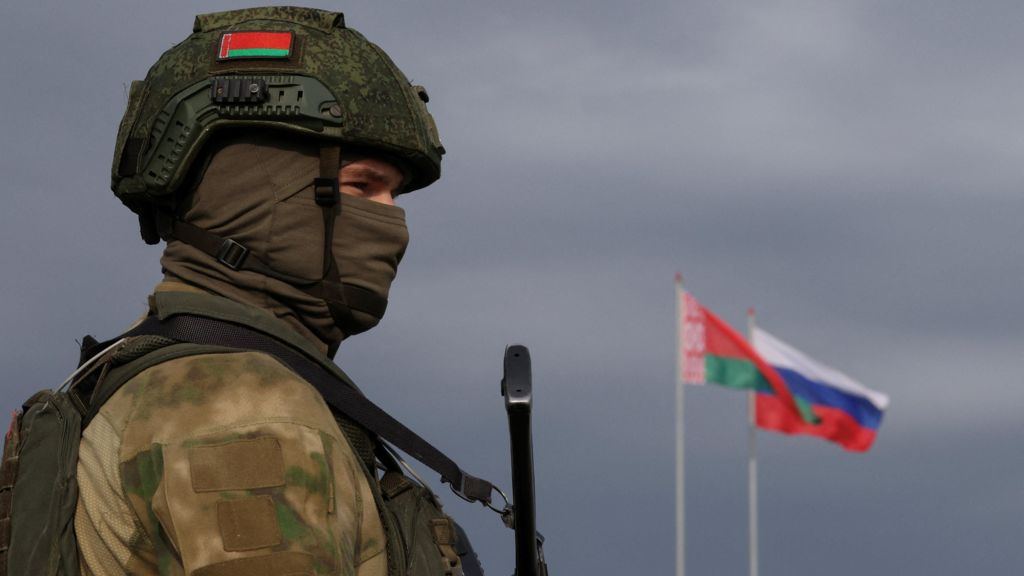
Belarus and Russia’s show of firepower appears to be a message to Europe
In a dramatic display of military might, Belarus and Russia have launched their joint military exercises, codenamed ‘Zapad-2025’ (West 2025), at the Borisovsky training ground, located 45 miles from Minsk. The drills, which occur every four years, feature a series of simulated combat scenarios, including guided bomb drops by Sukhoi-34 bombers, artillery shelling, and helicopter gunship attacks. Surveillance drones hover overhead, capturing the intensity of the maneuvers. Despite the spectacle, Belarusian and Russian officials insist the exercises are purely defensive, aimed at bolstering the security of both nations against potential external threats. However, the timing of the drills has raised eyebrows, coinciding with heightened tensions in Eastern Europe. Poland, in particular, has expressed concern, with Prime Minister Donald Tusk labeling the exercises as ‘very aggressive.’ The drills also come amid ongoing conflict in Ukraine, where Russia continues its military operations. In a bid for transparency, Belarus invited international media and military attachés from 23 countries, including the US, Turkey, and Hungary, to observe the exercises. Major General Valery Revenko, assistant to the Belarusian defense minister, emphasized the unprecedented openness of the event, stating, ‘We are not threatening anyone. We are for constructive and pragmatic dialogue.’ Yet, recent incidents, such as Russian drone incursions into Polish and Romanian airspace, have fueled fears that these exercises may be part of a broader strategy to test NATO’s resolve. While both Russia and Belarus have sought to improve relations with Washington, their ties with Europe remain strained. The ‘Zapad-2025’ drills serve as a stark reminder of the military capabilities on Europe’s doorstep, sending a clear message to the West: confrontation with Moscow may not be in their best interest.