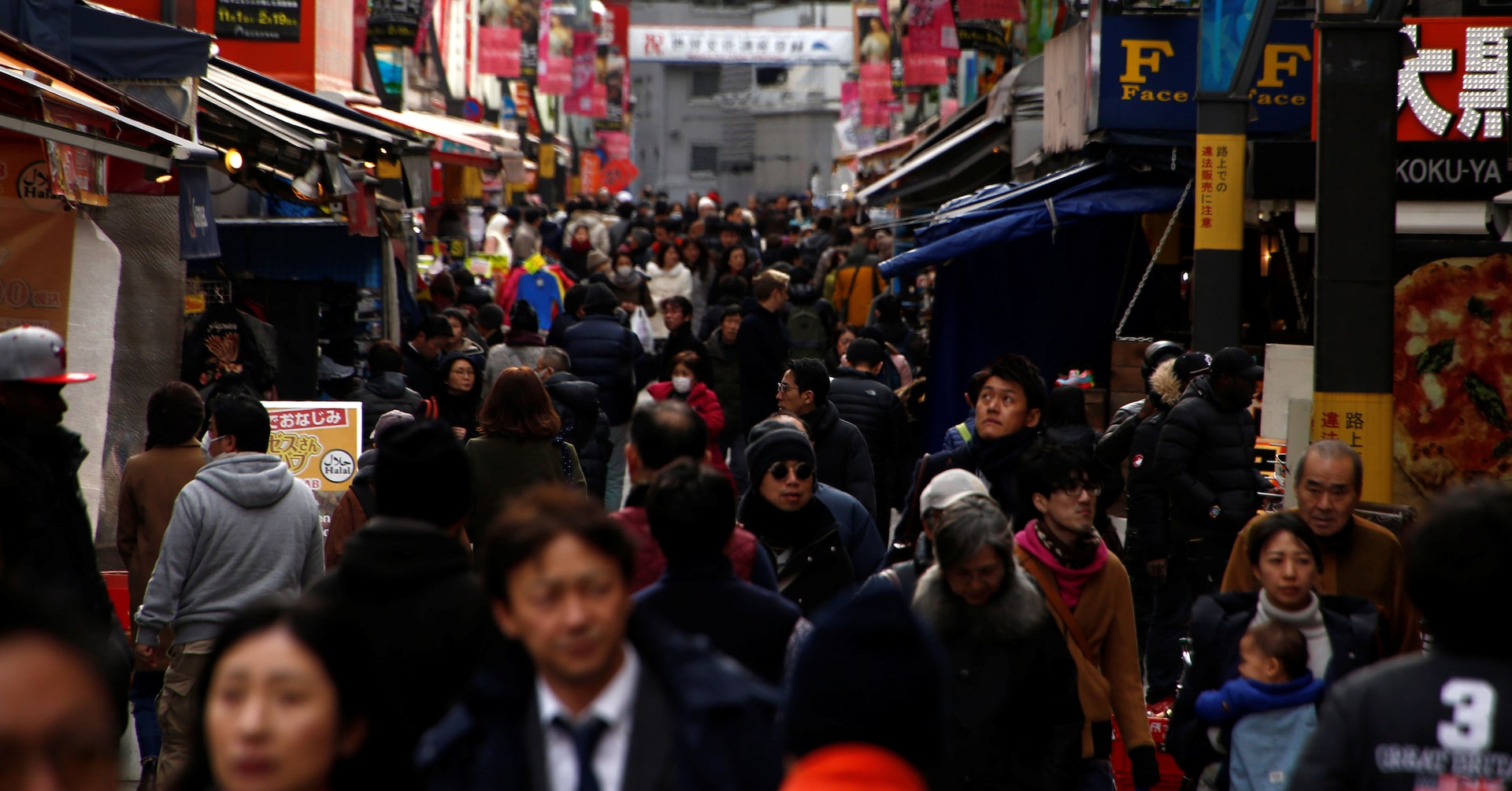
TOKYO, Sept 16 (Reuters) – Japan’s output gap for the April-June quarter of 2024 has been revised upward to 0.3%, the highest level since the July-September period of 2019, according to the Cabinet Office. This adjustment follows the release of updated gross domestic product (GDP) data, which provided a more accurate reflection of the nation’s economic performance. Previously, the output gap was estimated at 0.1% based on preliminary GDP figures released last month. This marks the first positive output gap reading since the April-June quarter of 2023, signaling a potential recovery in Japan’s economic activity. The output gap, which measures the difference between actual and potential economic output, is a key indicator of economic health and inflationary pressures. A positive gap suggests that demand is outpacing supply, which could lead to increased inflationary pressures. The revision underscores the resilience of Japan’s economy amid global uncertainties and highlights the importance of accurate data in shaping economic policy. Analysts are closely monitoring the trend to assess its implications for future monetary and fiscal decisions.
博客
-
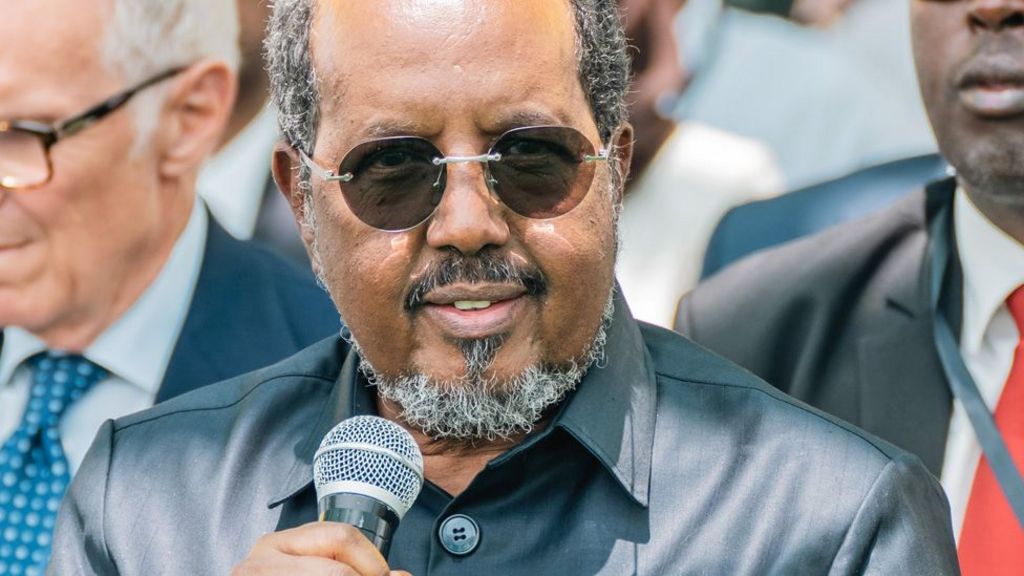
TikTokers arrested for insulting Somalia’s president in a dance video
In a significant development in Somalia, four TikTok influencers have been arrested for allegedly insulting President Hassan Sheikh Mohamud in a viral dance video. The video, which has since been deleted but continues to circulate widely on social media, features a group of young men dancing to a remix of a campaign song from the president’s 2022 election bid. However, the lyrics were altered to include derogatory language directed at the president. Somali police confirmed the arrests, stating that the suspects are in custody and will face formal charges. This marks the first instance where a high-ranking political figure has been targeted in such a case, though social media influencers have previously been jailed for spreading clan-based insults or ‘immoral’ content. In August 2023, seven TikTokers were sentenced to six months in prison for inciting civil unrest and spreading immorality. Police spokesman Gen Abdifatah Aden issued a stern warning, emphasizing that any acts disrespecting national institutions or leaders would be met with strict legal consequences. The arrests have sparked a heated public debate over the role of social media in Somalia, particularly TikTok, which has been a platform for political commentary, satire, and entertainment. While some support the young men, others argue that freedom of expression should not extend to such levels, especially in a country with fragile governance. In 2023, the Somali government considered banning TikTok due to concerns over national security, misinformation, and the erosion of moral values. Although the ban was not implemented due to public opposition, officials warned of the platform’s increasing use for spreading harmful content, including extremist propaganda and defamatory material.
-

Kipyegon wins historic fourth world 1500m gold
In a display of unparalleled athleticism, Faith Kipyegon of Kenya claimed her fourth world 1500m title at the 2025 World Championships, further solidifying her status as one of the greatest middle-distance runners in history. The 31-year-old phenom, already a three-time Olympic champion, extended her dominance by winning her fifth consecutive global gold in the event. Kipyegon’s latest triumph places her alongside retired men’s world record holder Hicham El Guerrouj as the only athletes to have secured four 1500m world titles.
Kipyegon’s victory was a masterclass in strategy and endurance. She controlled the race from the outset, surging ahead in the final lap to finish in an impressive 3 minutes 52.15 seconds. Her nearest competitor, fellow Kenyan Dorcus Ewoi, trailed by nearly three seconds, highlighting the chasm between Kipyegon and her rivals. Australia’s Jessica Hull, the Olympic silver medalist, faded to bronze after attempting to match Kipyegon’s relentless pace.
‘I just want to thank God,’ Kipyegon told BBC Sport after the race. ‘I knew I was capable of defending my world title after breaking the world record earlier this year. I thank God that I was strong today.’
Kipyegon’s victory marks her eighth global gold medal, equaling the achievements of Jamaican sprint legend Shelly-Ann Fraser-Pryce and Ethiopian distance running icon Tirunesh Dibaba. With her sights now set on the 5,000m event, Kipyegon aims to replicate her historic 1500m-5,000m double from two years ago.
Her journey to greatness has been nothing short of extraordinary. From running barefoot to and from school in her Kenyan village as a child, Kipyegon has risen to become the oldest woman to ever win a world 1500m title. Her relentless pursuit of excellence continues to inspire, particularly among young girls and women.
As Kipyegon’s reign of dominance shows no signs of waning, her legacy as a trailblazer in athletics is firmly cemented. ‘She makes the third lap quicker than the second, the second quicker than the first,’ commented BBC TV’s Andrew Cotter. ‘There is nothing anyone else can do but survive, hang on.’
-

Robert Redford: An enthralling star with an aura that lit up Hollywood
Robert Redford, the iconic Hollywood actor, director, and champion of independent cinema, has passed away at the age of 89. Known for his all-American charm and profound impact on the film industry, Redford leaves behind a legacy that spans over six decades. His career, marked by both critical acclaim and commercial success, included more than 50 films, an Academy Award for directing, and the founding of the Sundance Film Festival, which became a cornerstone for independent filmmakers.
Born on August 18, 1936, in Santa Monica, California, Redford’s journey to stardom was anything but conventional. After a tumultuous youth that included a brief stint in a street gang and expulsion from the University of Colorado, he found his calling in acting. His breakthrough came in the 1960s with roles in films like *Inside Daisy Clover* and *Barefoot in the Park*, the latter of which earned him a Golden Globe for Most Promising Newcomer.
Redford’s global fame skyrocketed with *Butch Cassidy and the Sundance Kid* (1969), where his on-screen chemistry with Paul Newman became legendary. The duo reunited in *The Sting* (1973), a film that won seven Oscars, including Best Picture. Despite being nominated only once for Best Actor, Redford’s versatility shone through in roles like Bob Woodward in *All the President’s Men* (1976) and his directorial debut in *Ordinary People* (1980), which earned him an Oscar.
Beyond acting, Redford was a passionate advocate for independent cinema. In 1981, he founded the Sundance Institute, which later evolved into the Sundance Film Festival, launching the careers of filmmakers like Quentin Tarantino and Steven Soderbergh. He also used his wealth to purchase a ski resort in Utah, renaming it Sundance in homage to his iconic role.
Redford’s later years saw him take on diverse projects, from the silent survival drama *All is Lost* (2013) to a cameo in *Avengers: Endgame* (2019). He was also a vocal environmentalist, often speaking out about the need for sustainable practices. Despite retiring from acting in 2019, he returned to the screen in the TV series *Dark Winds*.
Redford’s personal life was marked by both triumphs and tragedies. He married twice, first to Lola Van Wagenen, with whom he had four children, and later to German artist Sibylle Szaggars. The loss of his firstborn son, Scott, and his son James in 2020 deeply affected him. Redford often reflected on the idea of karma, believing that his physical good fortune came at a personal cost.
Hollywood has lost a true legend, but Robert Redford’s contributions to film and his unwavering commitment to storytelling will continue to inspire generations.
-

China is quietly saving the world from climate change
The People’s Republic of China remains the world’s largest contributor to environmental degradation, responsible for overfishing oceans, emitting harmful pollutants like mercury and nitrous oxide, and dumping plastic waste into marine ecosystems. Despite these challenges, China has made strides in addressing some of these issues. However, as the globe’s foremost manufacturing hub, it inevitably leads as the top polluter. China’s most significant environmental impact stems from its greenhouse gas emissions, primarily due to its heavy reliance on coal, which results in annual carbon emissions surpassing those of the United States and Europe combined. Even when accounting for offshored emissions, China’s carbon footprint remains alarmingly high, contributing to a rising share of global emissions. Decarbonization is imperative to combat climate change, with two primary pathways: economic degrowth and green energy adoption. While degrowth is not a viable option for China or other developing nations, the transition to green energy presents a feasible solution. The key to this transition lies in making renewable energy technologies, such as solar power and batteries, economically viable. Historically, cost reductions in these technologies were driven by research and development, but recent years have seen economies of scale play a dominant role. China has emerged as a global leader in scaling green technologies, heavily subsidizing solar panels, wind turbines, and electric vehicles. This strategic focus has not only helped plateau China’s emissions but also facilitated the export of green technologies to developing countries, enabling them to grow economically without exacerbating carbon emissions. While the United States has faltered in its climate commitments, China’s industrial policy and manufacturing prowess have positioned it as a pivotal player in the global fight against climate change. Despite criticisms of its governance, China’s efforts in making green energy affordable and accessible deserve recognition, offering a glimmer of hope in the battle against environmental degradation.
-

Delhi’s toxic air is turning iconic Red Fort black – study
A groundbreaking study has revealed that severe air pollution in New Delhi is causing the formation of ‘black crusts’ on the walls of the Red Fort, a 17th-century Mughal-era monument and one of the city’s most iconic landmarks. The research, conducted between 2021 and 2023 by a team of Indian and Italian scientists, found that these crusts—deposits resulting from chemical interactions between pollutants and the fort’s red sandstone walls—range from 0.05mm to 0.5mm in thickness. If left unchecked, they could damage the fort’s intricate carvings and architectural elements. Published in the peer-reviewed journal Heritage in June, the study is the first to comprehensively analyze the impact of air pollution on this historic structure. Delhi, one of the world’s most polluted cities, frequently grapples with hazardous air quality, particularly during winter. The researchers identified particulate matter (PM2.5 and PM10) as primary contributors to the blackening and deterioration of the fort’s surfaces. They also observed blistering and flaking on the walls, warning that the phenomenon could worsen without timely conservation efforts. The study recommends applying stone protectives or sealants to highly affected areas to mitigate further damage. The Red Fort, built by Mughal Emperor Shah Jahan, holds immense historical significance, having served as the site where India’s first Prime Minister, Jawaharlal Nehru, hoisted the national flag after independence in 1947. This alarming discovery echoes previous concerns about pollution’s impact on India’s heritage, such as the discoloration of the Taj Mahal.
-

Kenya issues arrest warrant for British national over young mother’s murder
A Kenyan High Court has issued an arrest warrant for a British national suspected of murdering 21-year-old Agnes Wanjiru over a decade ago. Wanjiru was killed in March 2012, and her body was discovered in a septic tank at a hotel in Nanyuki, a central garrison town, nearly three months after she was last seen partying with British soldiers. Justice Alexander Muteti stated that prosecutors had presented sufficient evidence to warrant the suspect’s appearance in a Kenyan court for trial. Kamau Mbiu, the lawyer representing Wanjiru’s family, expressed hope that the ruling would expedite the extradition process from the UK, while urging greater transparency in the case, which has sparked public outrage in Kenya. The court has also ordered the protection of the identities of the accused and witnesses to maintain the trial’s integrity. A UK government spokesperson reiterated their commitment to supporting Wanjiru’s family in their pursuit of justice but declined further comment due to ongoing legal proceedings. The UK Ministry of Defence has confirmed its cooperation with the Kenyan investigation. Wanjiru’s family, who reside in Nanyuki near the British Army Training Unit Kenya (Batuk), has long sought justice for her death, which left behind a five-month-old daughter. Esther Njoki, Wanjiru’s niece, described the arrest warrant as a ‘bitter-sweet moment,’ acknowledging the potential delays in the extradition process. Prosecutors assured the court that UK-based witnesses would be available for the trial, ensuring its progression. Tessa Gregory, the family’s UK-based legal representative, called on the British government to facilitate the suspect’s extradition to Kenya promptly.
-
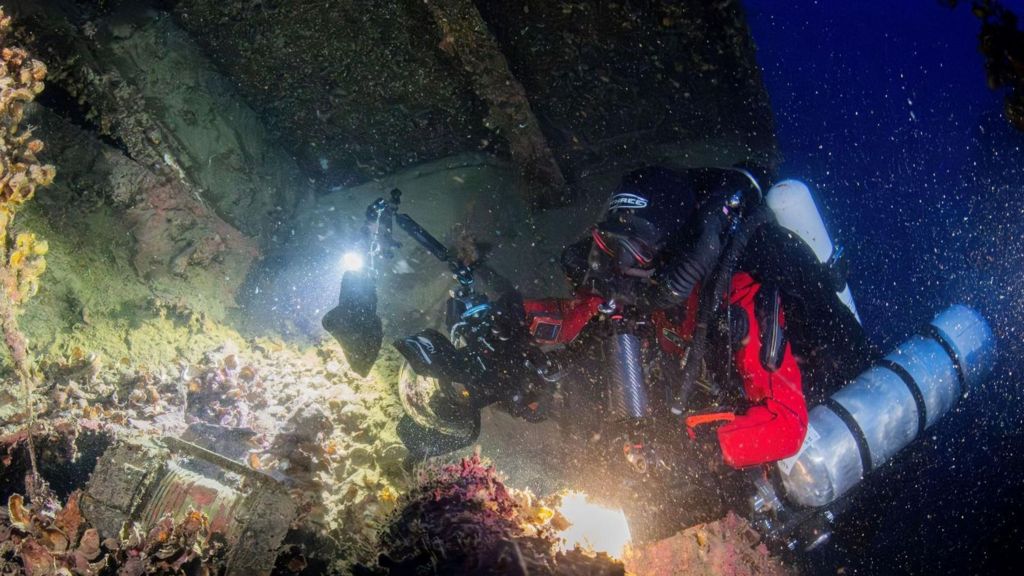
Artefacts recovered from Titanic’s sunk sister ship
In a remarkable underwater recovery operation, Greece has successfully retrieved artefacts from the wreck of the HMHS Britannic, over a century after the ship was sunk by a German mine during World War I. The operation, conducted in May but announced on Monday by the Greek Ministry of Culture, involved an 11-member team of professional deep-sea divers equipped with closed-circuit technology. The expedition was organized by British historian Simon Mills, founder of the Britannic Foundation. Among the recovered items were the ship’s lookout bell, a portside navigation lamp, binoculars, ceramic tiles from Turkish baths, and equipment from first- and second-class cabins. A porcelain washbasin, though covered in marine organisms, was found intact in one of the second-class cabins. The artefacts were carefully cleaned of marine growth and transported to the Ephorate of Underwater Antiquities in Athens for further conservation. Some planned items could not be recovered due to their condition and location. The artefacts will eventually be displayed at the new National Museum of Underwater Antiquities in Piraeus, in a section dedicated to World War I. The Britannic, the third of the White Star Line’s Olympic-class steamships, was requisitioned by the British Admiralty during the war to serve as a hospital ship. On November 16, 1916, it struck a German mine off the island of Kea and sank in less than an hour, resulting in the deaths of 30 of the 1,065 people on board.
-
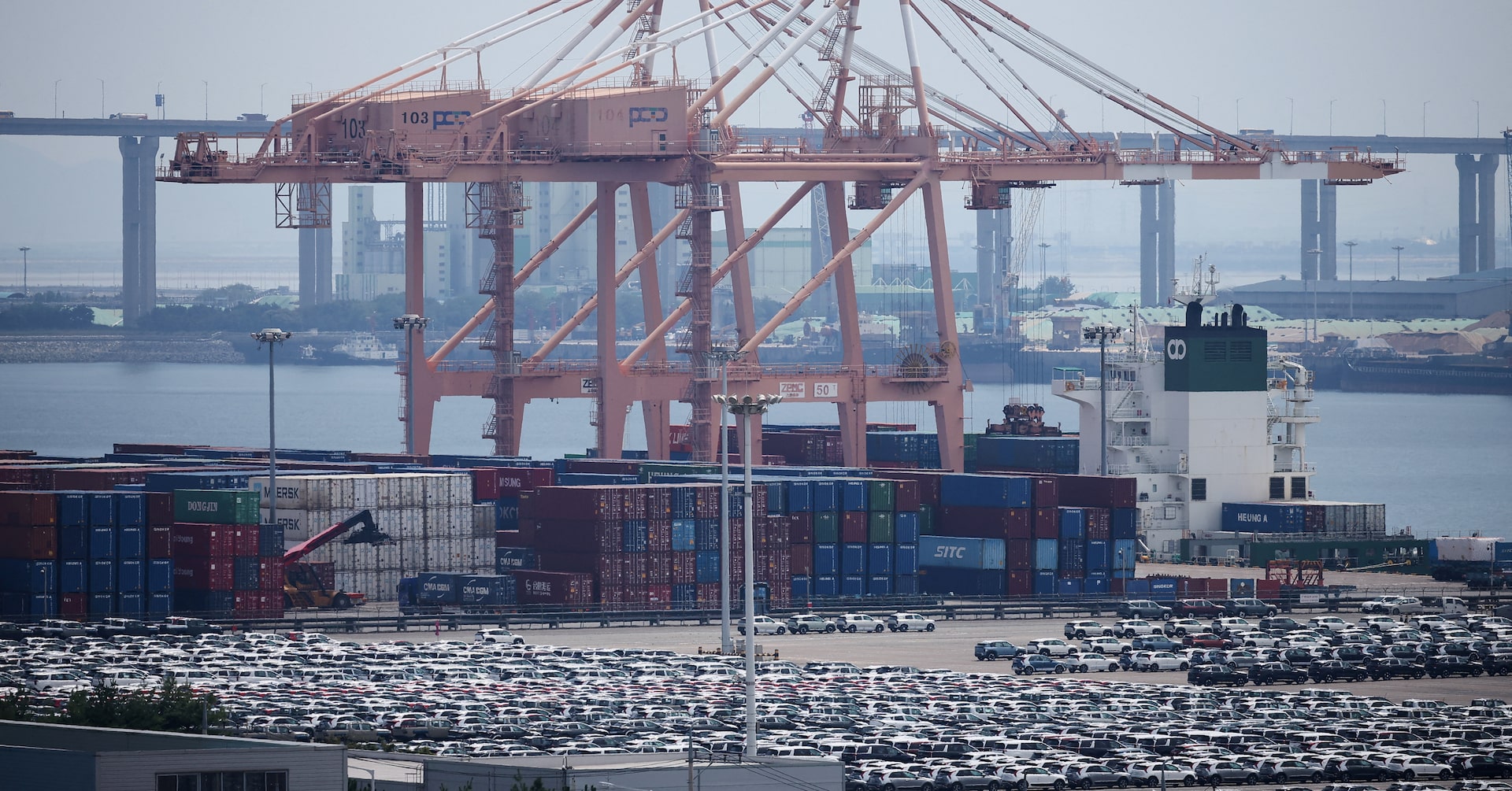
Explainer: Why South Korea cannot make the same US trade deal as Japan
Trade negotiations between South Korea and the United States have hit a roadblock due to concerns surrounding the foreign exchange implications of a $350 billion investment fund. The fund, part of an agreement reached with U.S. President Donald Trump in July, has sparked fears that the resulting dollar demand could overwhelm South Korea’s relatively small currency market, potentially destabilizing the won. South Korean officials have expressed reluctance to accept terms similar to those agreed upon by Japan, which finalized a $550 billion investment package earlier this month. Tokyo’s deal requires transferring funds within 45 days of project selection and evenly splitting free cash flows until an allocated amount is reached, after which 90% of proceeds go to the U.S. U.S. Commerce Secretary Howard Lutnick emphasized that Seoul must either accept the same terms or face tariffs, leaving no room for negotiation. South Korea’s currency market, which remains tightly controlled since the 1997 financial crisis, is significantly smaller than Japan’s, with the won accounting for just 2% of global currency trade compared to the yen’s 17%. Market participants warn that the $40 billion annual demand from the state pension fund for overseas investments already strains the won, and the new package could add $100 billion annually from 2026 to 2028. Amid these challenges, South Korea is exploring the possibility of a bilateral currency swap line with the U.S. to mitigate potential foreign exchange pressures. Finance Minister Koo Yoon-cheol hinted at an upcoming announcement on foreign currency measures, while Presidential Policy Secretary Kim Yong-beom highlighted the yen’s international status and Japan’s unlimited swap line as advantages Seoul lacks. The U.S. Federal Reserve has previously established temporary swap lines with South Korea, including a $60 billion arrangement during the COVID-19 pandemic, which expired in December 2021. A renewed swap line could provide South Korea with much-needed stability as it navigates these complex trade negotiations.
-

Beaten and held in Russia for three years – but never charged with a crime
In a rare prisoner exchange, Ukrainian journalist Dmytro Khyliuk has been released after enduring three and a half years in Russian captivity. Detained during the early days of Russia’s full-scale invasion of Ukraine, Khyliuk was among eight civilians freed in a surprising move that also saw the release of 146 Ukrainians, mostly soldiers. This exchange marks a significant development, as Russia seldom releases Ukrainian civilians. Since his return, Khyliuk has been reconnecting with the families of fellow detainees, offering them the first confirmation of their loved ones’ survival. The emotional reunion was marked by celebrations in Ukraine, with crowds waving national flags and cheering as the freed individuals arrived. Khyliuk’s release was part of a complex negotiation involving the return of individuals of interest to Russia, including residents from the Kursk region. Khyliuk’s harrowing experience in captivity included severe physical abuse, starvation, and psychological torment. Despite the brutality, he managed to send a single note to his family, assuring them of his survival. His return brings hope to thousands of Ukrainian families still awaiting news of their missing relatives, as officials estimate over 16,000 civilians remain unaccounted for. The ongoing conflict continues to pose significant challenges for prisoner exchanges, with Ukraine’s human rights ombudsman highlighting the lack of legal mechanisms to secure the release of civilians detained by Russia. Khyliuk’s story underscores the resilience of those affected by the war and the urgent need for international efforts to address the humanitarian crisis in Ukraine.