
Barcelona’s iconic Sagrada Familia, the masterpiece of renowned architect Antoni Gaudi, is inching closer to its long-awaited completion. Project leaders announced on September 18, 2025, that the modernist basilica could be finalized within the next decade, marking over a century since Gaudi’s death in 1926. Esteve Camps, the project’s chairman, expressed cautious optimism during a press conference, acknowledging delays caused by the COVID-19 pandemic, which severely impacted visitor revenues and pushed the completion timeline beyond the initial 2026 target. Camps emphasized that under normal circumstances, the project could be finished in approximately 10 years, though uncertainties remain. Next year, to commemorate the centenary of Gaudi’s death, the team aims to complete the external aspects of the basilica’s main 172.5-meter tower, dedicated to Jesus Christ, which will become Barcelona’s tallest structure. The completed Sagrada Familia will feature three facades and 18 towers. Pope Leo has been invited to lead a commemorative mass and opening ceremony for the tower in June 2026, with a response from the Vatican expected soon. Meanwhile, local authorities are yet to approve plans for a large staircase outside the basilica’s main gate, a proposal that has sparked protests due to potential residential demolitions. Despite challenges, Camps remains confident in the project’s progress, though he acknowledged that negotiations and legal disputes may arise. The basilica, a major tourist attraction, welcomed a record 4.9 million visitors last year, highlighting its enduring global appeal. However, officials note that even after completion, the site’s maximum capacity will remain unchanged.
博客
-
S.Korea c.bank to expand forward guidance on policy rate path
The Bank of Korea (BOK) is set to revolutionize its monetary policy communication strategy by introducing a dot plot system to illustrate the projected path of future interest rates. Governor Rhee Chang-yong announced this initiative during a speech at the International Monetary Fund’s Camdessus Central Banking Lecture on Thursday. The new system will expand on the current forward guidance framework, where Rhee verbally shares the conditional views of the six Monetary Policy Board members over a three-month horizon during post-policy review press conferences. The dot plot, currently in pilot testing, will graphically represent each board member’s rate projections for the upcoming year, offering a clearer and more transparent outlook for market participants. While the system is currently for internal use, Rhee emphasized plans to refine it into an effective communication tool to enhance public understanding of the BOK’s policy decisions. This move aligns with the bank’s broader efforts to improve transparency. Notably, the BOK maintained its benchmark interest rate at 2.50% during its August 28 meeting, a decision that was widely anticipated. The pilot system also allows board members to plot two to three dots per horizon to indicate probabilistic rate views, further enriching the data available for policy analysis.
-
Top brokerages eye consecutive Fed rate cuts after policy meeting
The U.S. Federal Reserve is expected to implement further rate cuts this year, according to major brokerages. Following the central bank’s widely anticipated 25-basis-point reduction, firms such as Nomura and KBW have forecasted an additional rate cut in October. Fed Chair Jerome Powell, speaking after the recent two-day monetary policy meeting, hinted at further easing, citing concerns over the softening job market as a key factor influencing the Fed’s decisions. While BofA Global Research and HSBC do not anticipate a rate cut at the next meeting, they noted that worsening jobs data could prompt an earlier reduction. Brokerages have also begun to outline their forecasts for 2025, with UBS Global Research and UBS Global Wealth Management providing distinct perspectives. The ongoing economic uncertainty continues to shape the Fed’s policy trajectory, with market participants closely monitoring upcoming data releases.
-
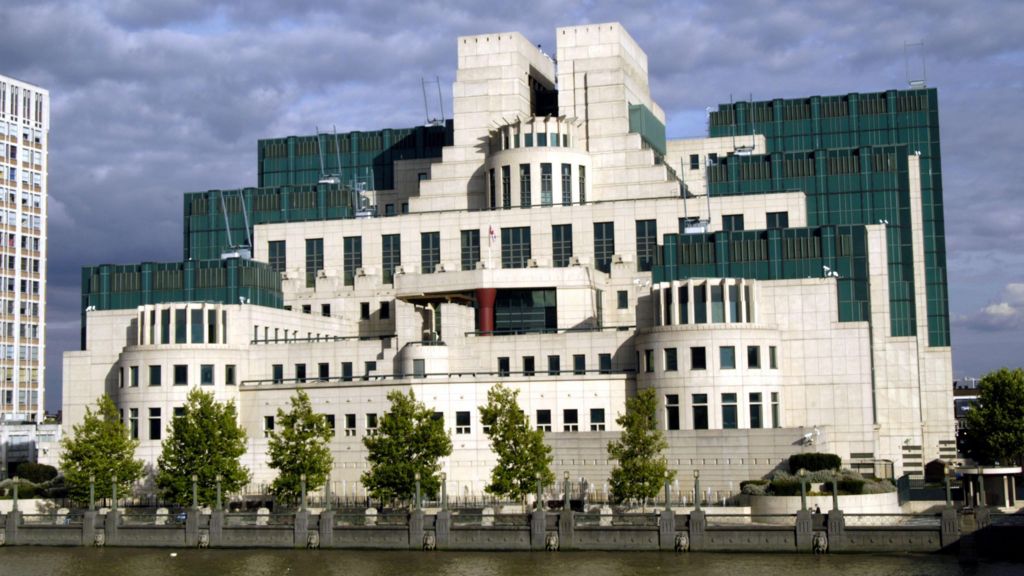
MI6 launches dark web portal to attract spies in Russia
In a bold move to enhance national security, the UK’s Secret Intelligence Service, MI6, is set to unveil a dedicated portal on the dark web aimed at recruiting new spies, particularly from Russia. The initiative, named ‘Silent Courier,’ is designed to streamline the process of identifying and engaging potential agents worldwide. The announcement is expected to be confirmed by outgoing MI6 chief Sir Richard Moore during a speech in Istanbul on Friday morning. Sir Richard is scheduled to hand over his role to Blaise Metreweli later this month. Foreign Secretary Yvette Cooper emphasized the importance of this initiative, stating, ‘National security is the first duty of any government. As threats evolve, we must ensure the UK remains ahead of its adversaries. Our intelligence agencies are at the forefront of this effort, and this new technology will bolster their capabilities.’ The portal, accessible from Friday, will allow individuals to securely share sensitive information related to terrorism or hostile intelligence activities. Instructions for using the portal will be available on MI6’s verified YouTube channel, with recommendations to access it via secure VPNs and untraceable devices. This strategy mirrors the CIA’s 2023 campaign to recruit Russian spies through social media videos. However, the CIA faced significant setbacks when its dark web connections were compromised by China’s Ministry of State Security, leading to one of the most severe security breaches in recent years.
-

Maldives journalists to seek repeal of new media law
Journalists in the Maldives are gearing up to challenge a controversial new media law in the country’s Supreme Court, claiming it threatens press freedom and imposes harsh penalties on violators. The Maldives Media and Broadcasting Regulation Bill, signed into law by President Mohamed Muizzu on Thursday, establishes a seven-member Maldives Media and Broadcasting Commission with extensive authority over media and social media platforms. The commission has the power to suspend media registrations, block websites, halt broadcasts, and impose fines ranging from MVR 5,000 ($325) to MVR 100,000 ($6,500) on journalists and outlets. Critics argue that the commission, with three members and its chair appointed by the president, is effectively government-controlled, undermining its independence. The Maldives Journalists Association (MJA) has condemned the law, asserting that media should be self-regulated and free from state interference. MJA President Naaif Ahmed vowed to challenge the legislation in court, stating, ‘We will not obey this law. We will go to the Supreme Court and ask it to dismantle this law.’ Meanwhile, Foreign Minister Abdulla Khaleel defended the law on social media, claiming it unifies oversight, ensures transparency, and modernizes media standards. The Maldives, a nation of 530,000 people, has faced political tensions and geopolitical competition between India and China in recent years. Despite having 200-300 registered media outlets, fewer than 100 are active, and the country ranks 104th on the 2025 World Press Freedom Index by Reporters Without Borders, reflecting ongoing challenges to press freedom.
-
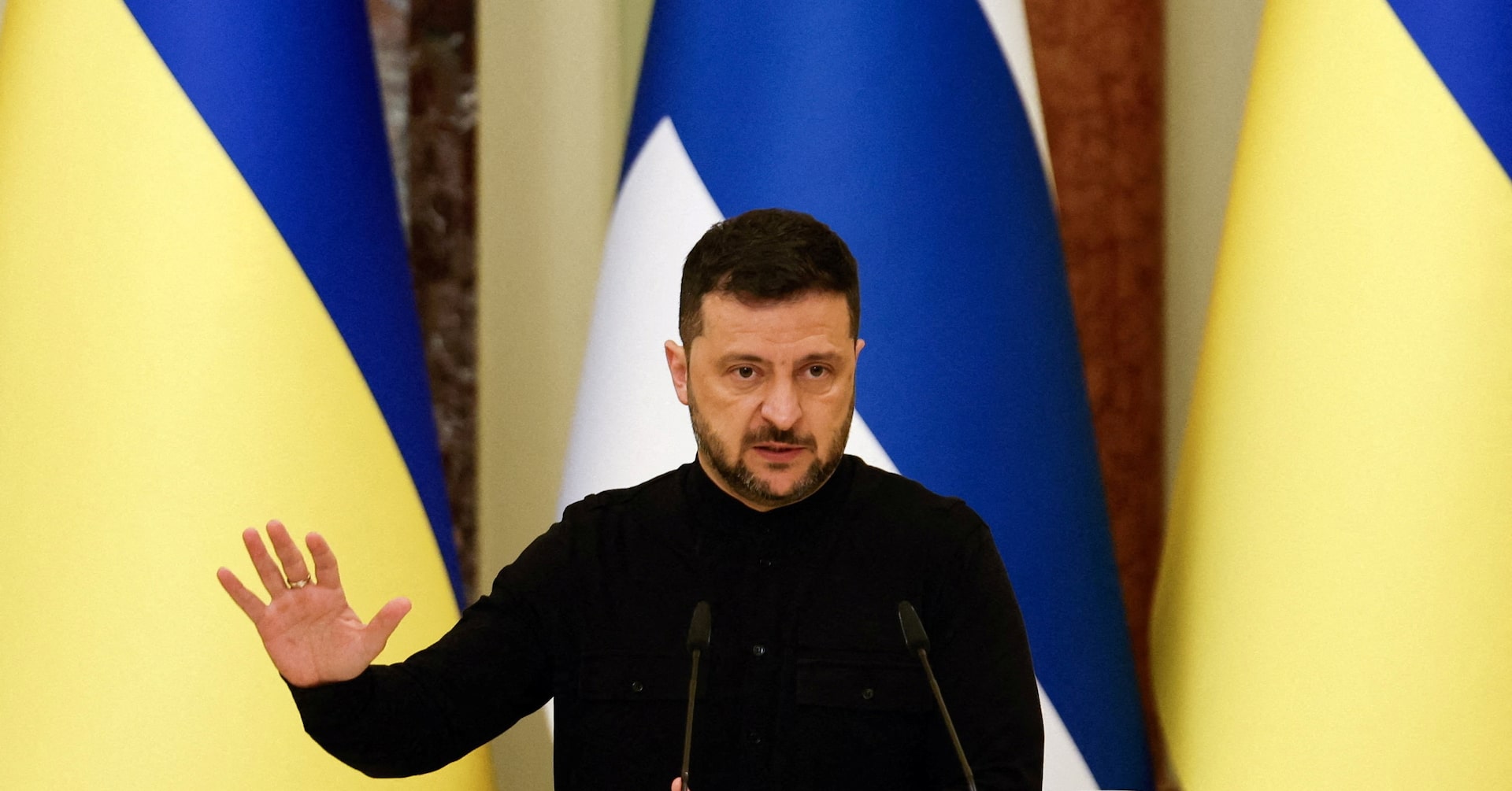
Ukrainian military in counteroffensive on eastern front, Zelenskiy says
In a significant development in the ongoing conflict between Ukraine and Russia, Ukrainian President Volodymyr Zelenskiy announced on Thursday that Ukrainian forces have successfully reclaimed seven settlements in the eastern Donetsk region. Speaking during a visit to the front lines, Zelenskiy emphasized that the counteroffensive has disrupted Russia’s plans for a full-scale offensive operation. ‘Our forces are depriving the occupier of the opportunity to carry out their long-planned offensive,’ he stated in a video address. Since the operation began, Ukrainian troops have regained control of 160 square kilometers (62 square miles) and cleared over 170 square kilometers of Russian presence, including nine additional settlements. The President did not specify the exact start date of the operation but highlighted the intense fighting in areas such as Dobropillia and Pokrovsk, where Russian forces had made rapid advances in mid-August. The Donetsk region, partially occupied by Russia, remains a focal point of the conflict, with Moscow demanding Kyiv’s withdrawal as a precondition for any peace settlement. Tragically, a Russian guided bomb strike on Thursday killed five civilians in Kostiantynivka, located approximately 40 kilometers (25 miles) from Dobropillia. Russian forces have reportedly advanced to within 8 kilometers of the city, a critical logistics hub for Ukrainian defenses. The battlefield situation remains fluid, with Reuters unable to independently verify the latest developments in the war that began with Russia’s full-scale invasion in February 2022.
-

Waymo and Via to offer robotaxis for public transit, starting with Arizona
In a groundbreaking move, Alphabet’s autonomous vehicle subsidiary, Waymo, has announced a strategic partnership with Via Transportation, a leading public transit software provider. The collaboration will integrate Waymo’s self-driving vehicles into Via’s platform, starting with Chandler, Arizona’s on-demand public transit service, Chandler Flex, this fall. This initiative marks a significant step in making autonomous vehicles (AVs) accessible to millions of public transit users globally. Via’s technology powers public transportation systems in over 30 countries, and this partnership aims to enhance mobility, reduce operational costs, and improve safety outcomes. Daniel Ramot, Via’s co-founder and CEO, expressed enthusiasm about the collaboration, highlighting its potential to revolutionize public transit. Waymo has been expanding its footprint in the U.S., recently announcing plans to launch autonomous cab services in Nashville, Tennessee, in partnership with Lyft. Since its debut in Phoenix in 2020, Waymo has extended its paid driverless services to major cities, including San Francisco, Los Angeles, Austin, and Atlanta. Meanwhile, Tesla has also entered the robotaxi arena, launching a limited service in Austin in June, with plans to expand to the San Francisco Bay Area. This partnership underscores the accelerating race in the autonomous vehicle sector, with companies vying to integrate AVs into mainstream transportation systems.
-
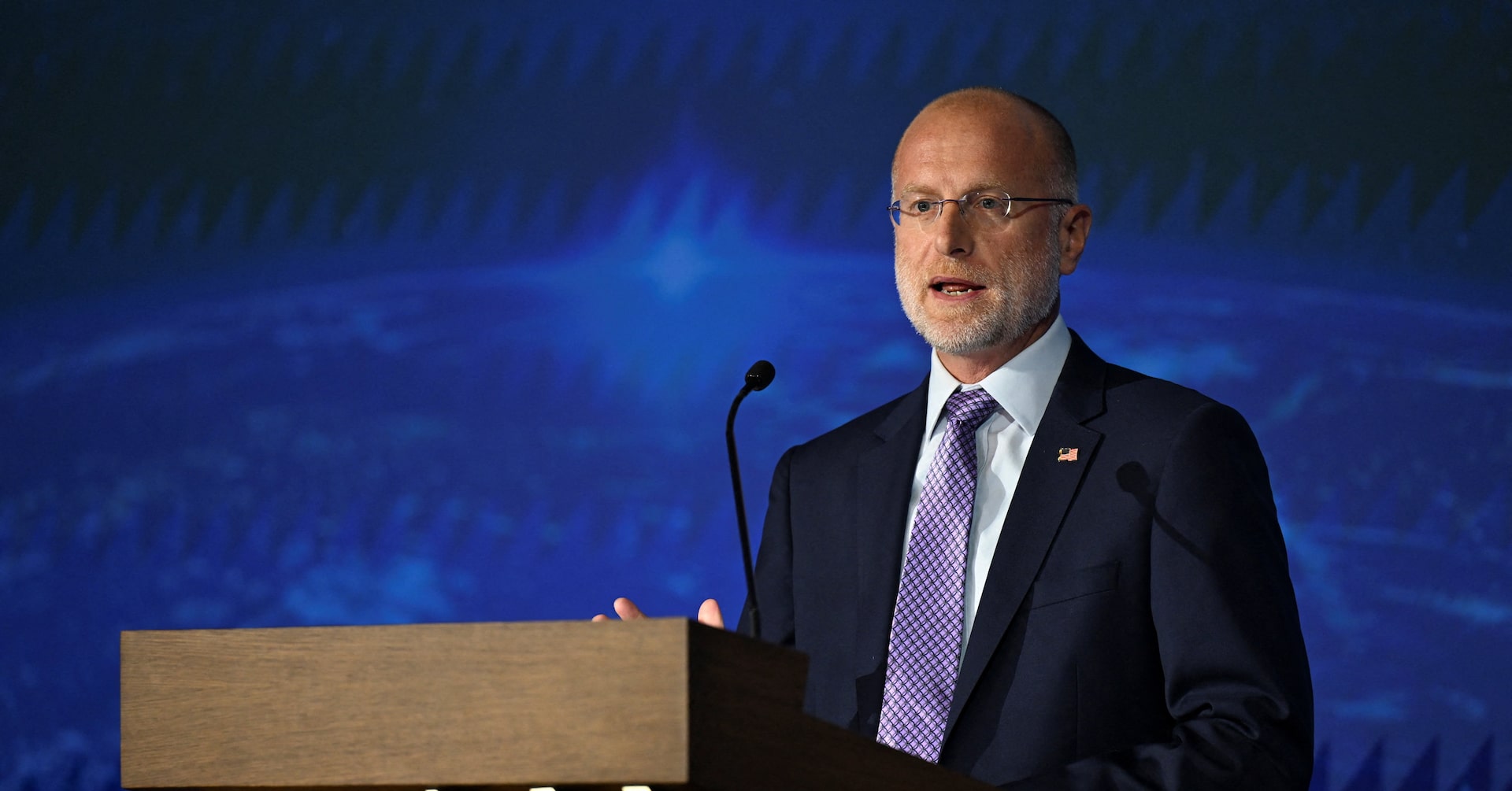
US House Democrats call on FCC chair to resign after pressuring Disney
In a dramatic escalation of tensions between Democratic leaders and the Federal Communications Commission (FCC), House Democratic Leader Hakeem Jeffries and other prominent figures have called for the resignation of FCC Chair Brendan Carr. The demand follows allegations that Carr pressured Walt Disney Co. and ABC affiliates to cease airing “Jimmy Kimmel Live” after the late-night host made controversial remarks about Charlie Kirk’s assassination. Jeffries accused Carr of “disgracing the office he holds by bullying ABC, the employer of Jimmy Kimmel, and forcing the company to bend the knee to the Trump administration.” This incident is the latest in a series of controversies surrounding Carr’s tenure. Earlier this year, congressional Democrats launched an investigation into what they termed “sham” probes targeting major media outlets, including CBS, NBC, and ABC, alleging these actions were designed to intimidate the press. The call for Carr’s resignation underscores the deepening rift between the FCC and Democratic lawmakers, who view his actions as a threat to media freedom and democratic principles.
-
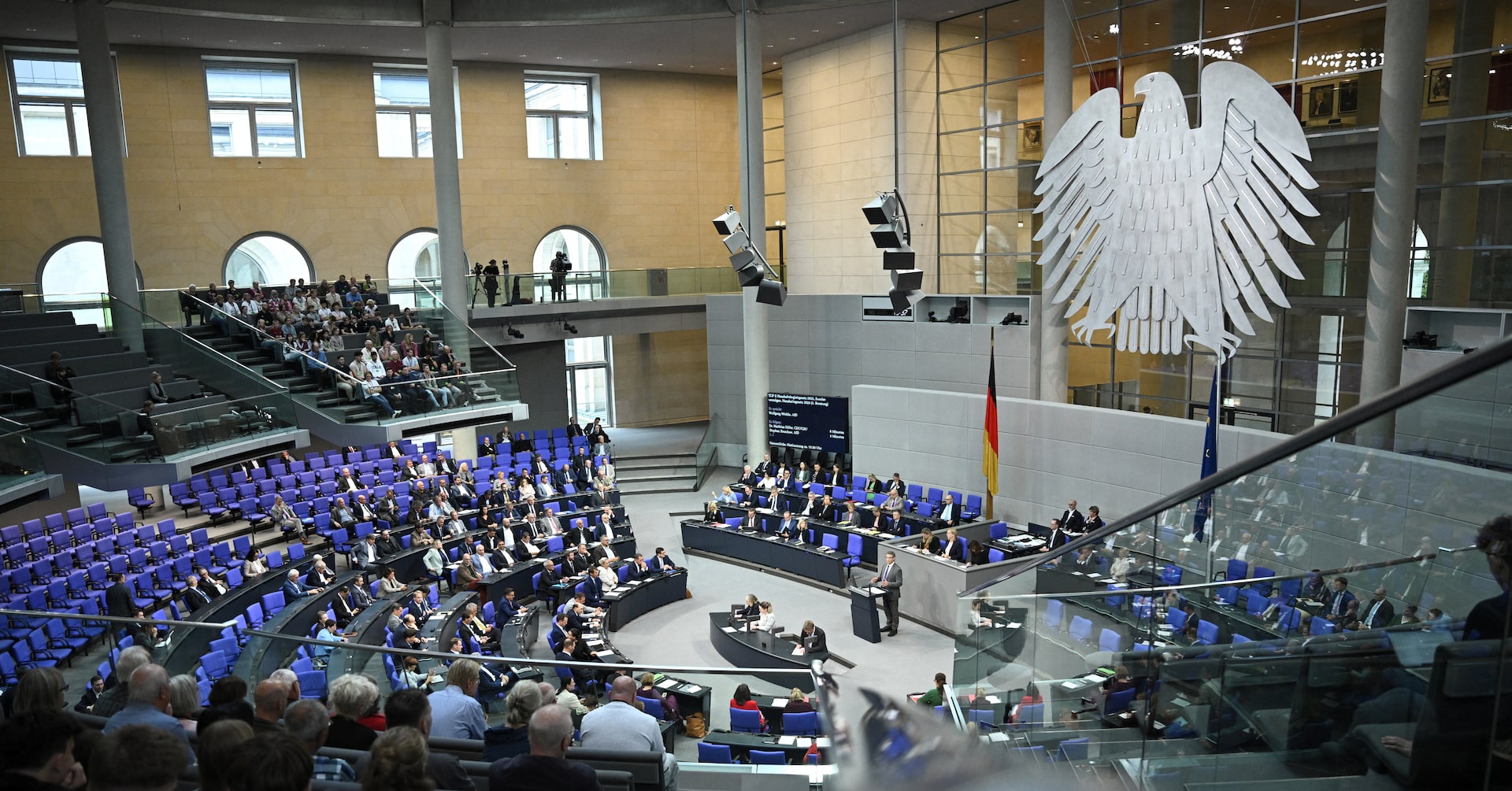
Germany approves 2025 budget, ushering in new era of spending
In a landmark decision, Germany’s Bundestag, the lower house of parliament, has approved the nation’s 2025 federal budget, marking a significant departure from decades of fiscal conservatism. The budget, passed on September 18, 2025, in Berlin, allocates a record €116 billion ($136.94 billion) in investments, enabled by a €500 billion infrastructure fund and exemptions from debt rules for defense spending, which were approved earlier in March. Finance Minister Lars Klingbeil hailed the budget as a ‘huge paradigm shift in German fiscal policy,’ emphasizing its role in revitalizing the economy and bolstering national defense. The budget reflects Germany’s commitment to increased military spending, particularly in support of Ukraine and NATO allies, while addressing the economic stagnation that has plagued Europe’s largest economy. The 2025 budget also includes a core borrowing plan of €81.8 billion, with total borrowing rising to €143.2 billion when accounting for special funds for infrastructure and defense. This fiscal shift comes after Germany operated on a provisional budget in 2024 due to the collapse of the former ruling coalition. Looking ahead, Chancellor Friedrich Merz’s coalition government faces challenges in balancing future budgets, particularly with a projected €30 billion shortfall in 2027. Difficult debates on welfare cuts and spending priorities are expected, as the coalition seeks to reconcile differing views between conservative and Social Democrat partners. Parliament is set to begin discussions on the 2026 budget next week, with final approval anticipated in November.
-
South African central bank maintains key rate in split decision
In a closely watched decision, the South African Reserve Bank (SARB) maintained its benchmark interest rate at 7% during its latest Monetary Policy Committee (MPC) meeting on Thursday. The outcome followed a split vote, with four members advocating for unchanged rates and two pushing for a 25 basis point reduction. This decision comes as headline inflation in South Africa unexpectedly decelerated to 3.3% year-on-year in August, down from 3.5% in July, hovering near the lower end of the central bank’s 3%-6% target range. Economists had anticipated a tight call between a rate hold and a modest cut, reflecting the delicate balance between supporting economic growth and managing inflationary pressures. In July, the SARB had reduced its policy rate by 25 basis points, signaling a shift in its inflation targeting strategy from aiming for the midpoint (4.5%) to the lower bound (3%) of its target range. The central bank’s cautious approach underscores its commitment to stabilizing inflation while navigating economic uncertainties. The decision is expected to influence borrowing costs, consumer spending, and investor confidence in Africa’s largest economy.