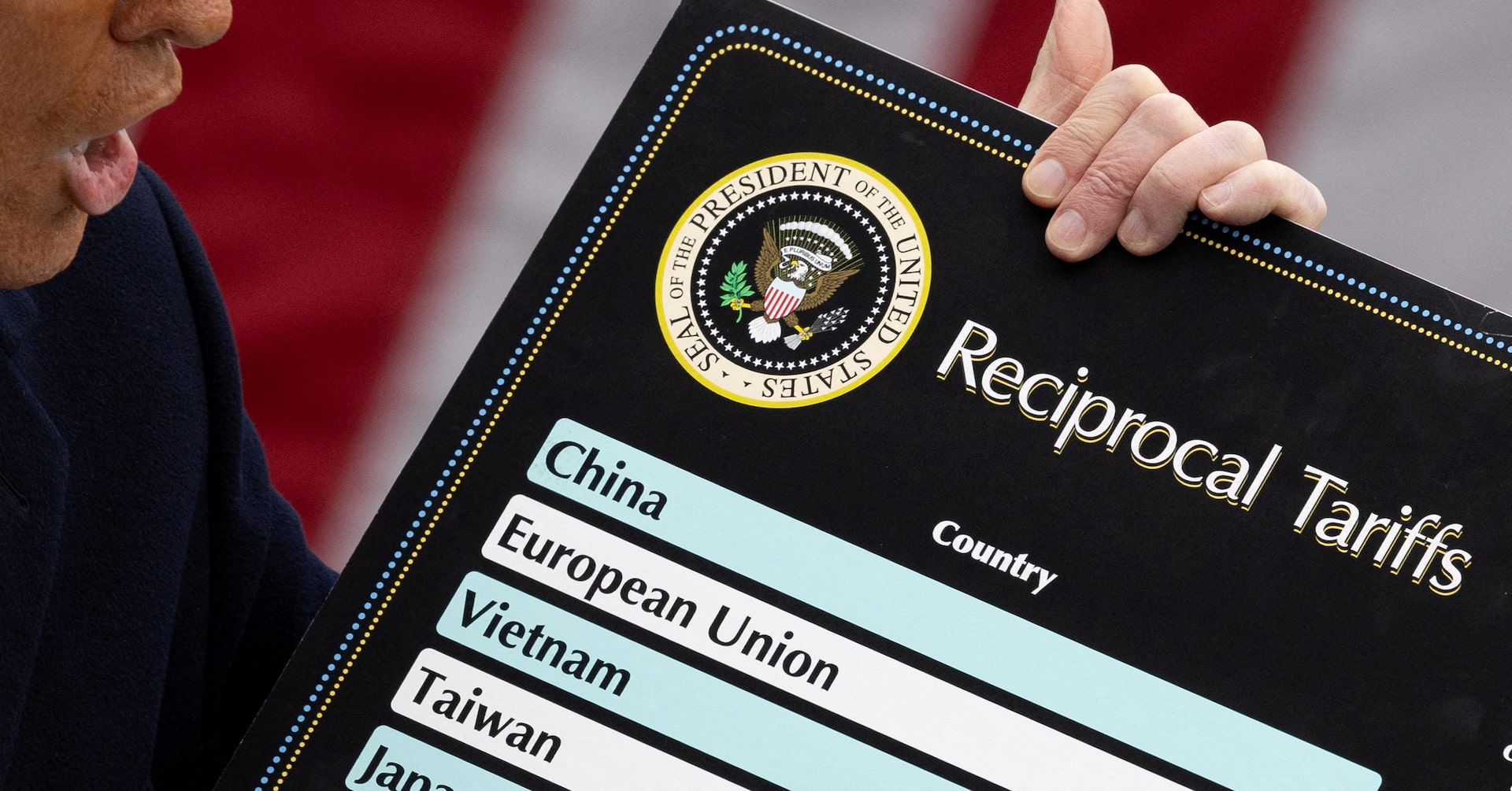
The U.S. Supreme Court has scheduled oral arguments for November 5, 2025, to examine the legality of former President Donald Trump’s expansive global tariffs. This case represents a pivotal moment in assessing the extent of executive power, a cornerstone of Trump’s economic and trade policies. The decision to hear the case follows a ruling by a lower court that Trump exceeded his authority in implementing most of these tariffs under a federal law designed for emergency situations. The Supreme Court, which commences its next term on October 6, will also concurrently address a separate challenge to Trump’s tariffs brought by Learning Resources, a family-owned toy company. This dual examination underscores the significant legal and economic implications of Trump’s tariff policies, which have been a subject of intense debate and litigation.
博客
-
S.Africa’s Transnet agrees port equipment deal with Liebherr
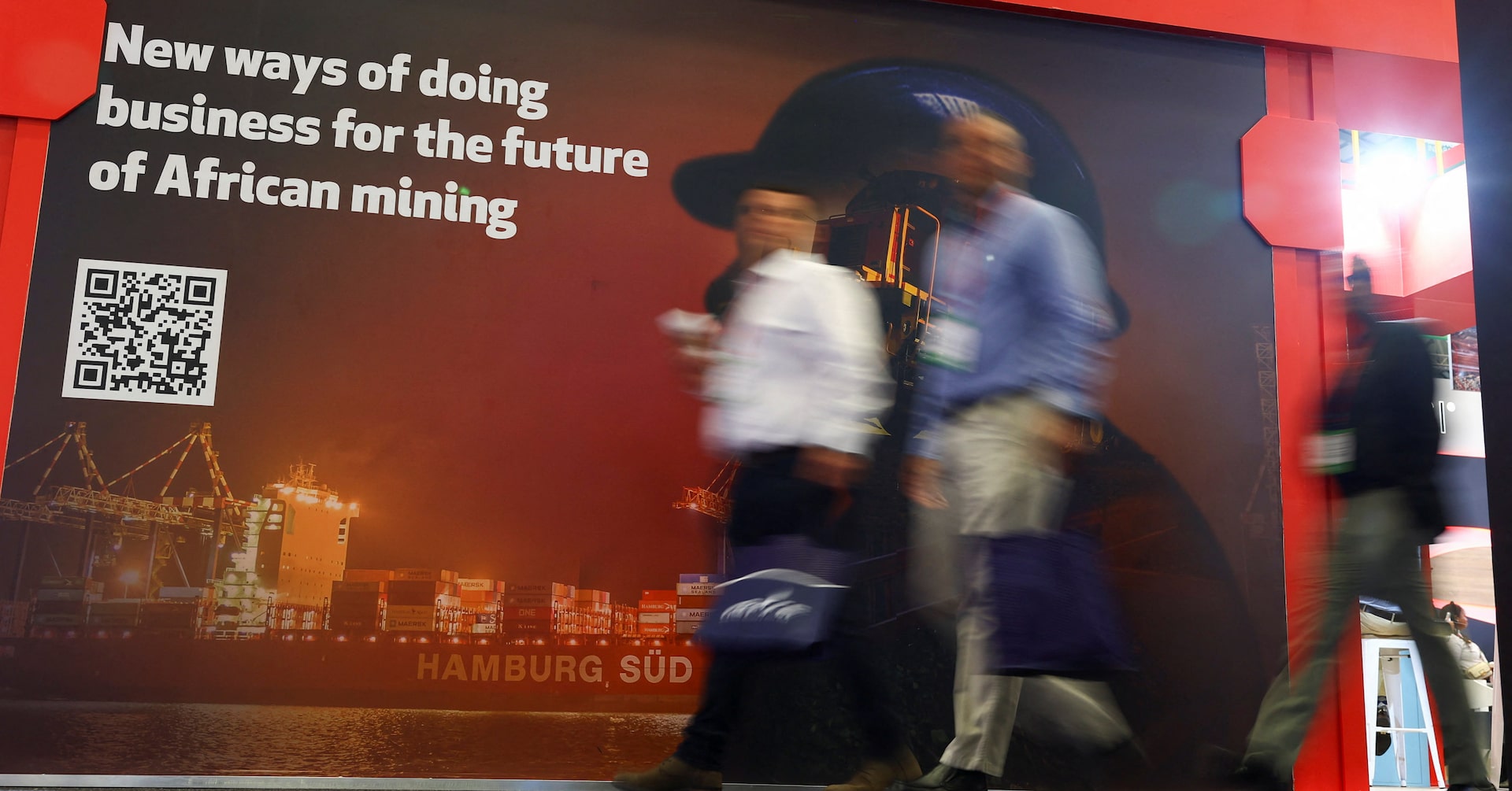
In a landmark move to revitalize its port infrastructure, South Africa’s state-owned logistics giant Transnet has inked a 10-year partnership with German industrial equipment manufacturer Liebherr. The agreement, announced on Thursday, focuses on the supply of advanced cranes and includes a comprehensive 20-year asset management program to ensure maintenance, repairs, and spare parts availability. This collaboration aims to address chronic equipment shortages and operational inefficiencies that have plagued Transnet’s port operations, often causing significant delays for retailers and exporters. Transnet Port Terminals CEO Jabu Mdaki emphasized that the partnership will enhance operational efficiency, streamline logistics, and reduce long-term costs. The company has already placed substantial orders, including four ship-to-shore cranes for Durban port and 48 rubber-tyred gantry cranes for terminals in Durban and Cape Town. This initiative marks a critical step in modernizing South Africa’s port infrastructure, which has suffered from years of under-investment.
-

US judge keeps block on Trump effort to deport Guatemalan unaccompanied children
A federal judge has issued a significant ruling against the Trump administration’s efforts to deport unaccompanied Guatemalan migrant children with active immigration cases. Judge Timothy Kelly, appointed by President Trump and based in Washington, D.C., upheld a previous judicial block on the policy, strongly criticizing the administration’s unsubstantiated claim that the children’s parents desired their deportation. The ruling came in response to a legal challenge sparked by the administration’s surprise attempt to deport 76 Guatemalan minors in U.S. custody on August 31. Initially, Justice Department lawyer Drew Ensign asserted that the children’s parents had requested their return, but this claim was later retracted. The reversal followed a Reuters report citing an internal Guatemalan attorney general document, which revealed that most parents of the approximately 600 Guatemalan children in U.S. custody could not be reached, and many of those contacted opposed their children’s return. In a 43-page opinion, Judge Kelly described the administration’s justification as ‘crumbling like a house of cards’ and emphasized the lack of evidence supporting the parents’ alleged wishes. The judge’s decision prevents the rapid deportation of these children while their cases remain active. The U.S. Department of Homeland Security and Department of Justice have yet to comment on the ruling. Under federal law, unaccompanied migrant children are placed in government-run shelters until they can be reunited with family or placed in foster care. A Guatemalan mother, who spoke anonymously, expressed her son’s desire to remain in California despite her longing for his return. She works long hours at a restaurant, earning just enough to cover basic necessities.
-
Kimmel said ‘horrible thing’ about Charlie Kirk, Trump says
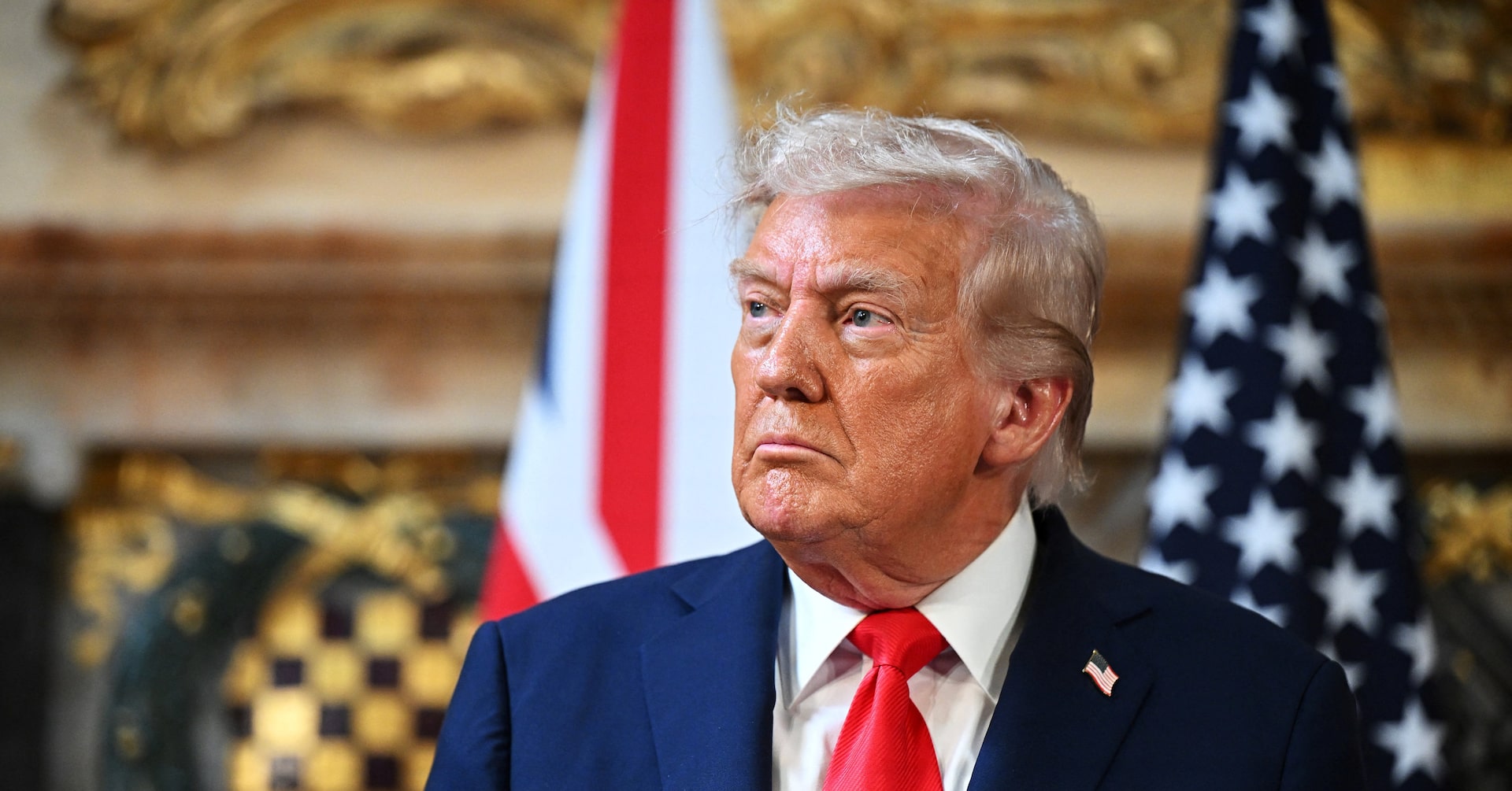
U.S. President Donald Trump, during a press conference with UK Prime Minister Keir Starmer at Chequers on September 18, 2025, commended ABC’s decision to remove ‘Jimmy Kimmel Live’ from its programming. Trump criticized the late-night host for making ‘a horrible thing’ about the late conservative activist Charlie Kirk, who was assassinated on September 10 at a Utah university campus. ABC, owned by Walt Disney Co, announced the show’s cancellation following Kimmel’s controversial remarks, which suggested that conservatives were exploiting Kirk’s death for political gain. Trump emphasized that Kimmel’s dismissal was primarily due to poor ratings and a lack of talent, rather than solely his comments. The incident has sparked discussions about free speech and media responsibility, as state prosecutors in Utah have vowed to pursue the death penalty for Kirk’s accused killer.
-

Trump says US may extend deadline on TikTok sale
In a significant development regarding the future of TikTok, U.S. President Donald Trump announced on Thursday that the United States is nearing an agreement with China to transfer ownership of the popular social media platform to U.S. companies. Speaking at a joint press conference with British Prime Minister Keir Starmer in London, Trump hinted at a possible extension of the deadline for the divestiture of Chinese ownership, emphasizing that the terms of the deal remain favorable. ‘We’re pretty close to a deal. We may do an extension with China, but it’s an extension based on the same terms that we have right now, which are pretty good terms,’ Trump stated. The President also revealed plans to discuss the matter further with Chinese President Xi Jinping on Friday. This announcement follows Trump’s executive order issued on Tuesday, which delayed the enforcement of a 2024 law mandating the divestiture of Chinese ownership of TikTok until December 16. The ongoing negotiations underscore the complex geopolitical and economic dynamics surrounding TikTok, which has been at the center of debates over data privacy and national security. The potential deal could reshape the global social media landscape and set a precedent for future cross-border tech acquisitions.
-
EU defence chief to convene talks on ‘drone wall’ to protect against Russia
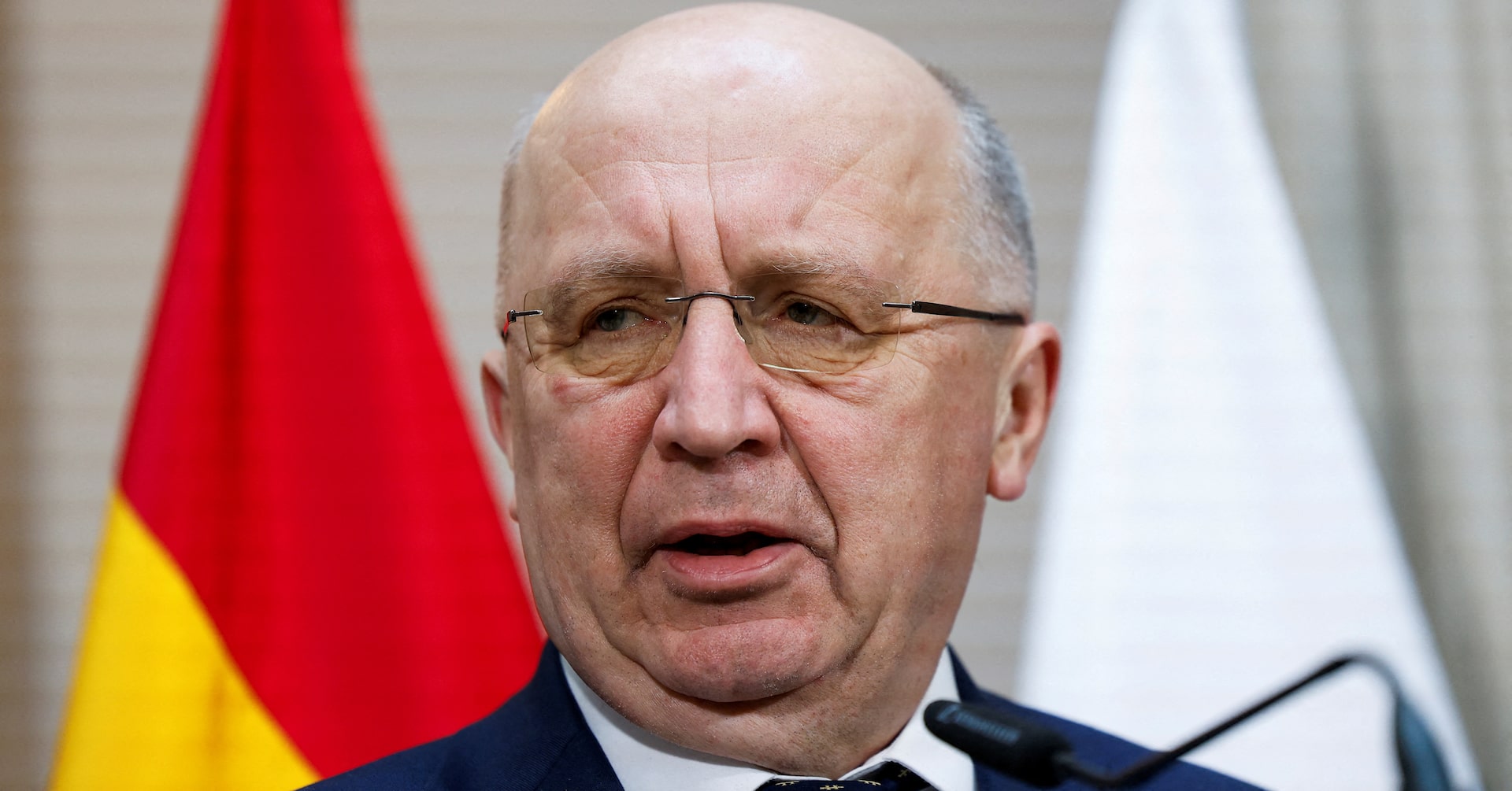
In response to a recent Russian drone incursion into Poland, European Defence Commissioner Andrius Kubilius announced plans to expedite the creation of a ‘drone wall’ along the EU’s eastern border. Kubilius revealed that discussions with defence ministers from Eastern Europe and Ukraine will take place next week to advance the project, which aims to address critical gaps in Europe’s drone defense capabilities. The initiative, already under consideration by some EU nations, has gained urgency following the incident, which exposed vulnerabilities in NATO’s and Europe’s ability to counter drone threats. Kubilius emphasized the need for rapid implementation, describing the situation as ‘very dangerous.’ The proposed system would integrate sensors, weapons, and jamming technologies to detect and neutralize incoming drones. While cost and timeline estimates remain uncertain, analysts suggest the project could be operational within a year. Additionally, Ukraine has offered to share its expertise in drone countermeasures, with Ukrainian troops set to train Polish forces. Russia has denied intentionally targeting Poland, but Warsaw has dismissed this claim, labeling the incursion a deliberate act. The EU’s swift response underscores the growing importance of drone defense in regional security strategies.
-
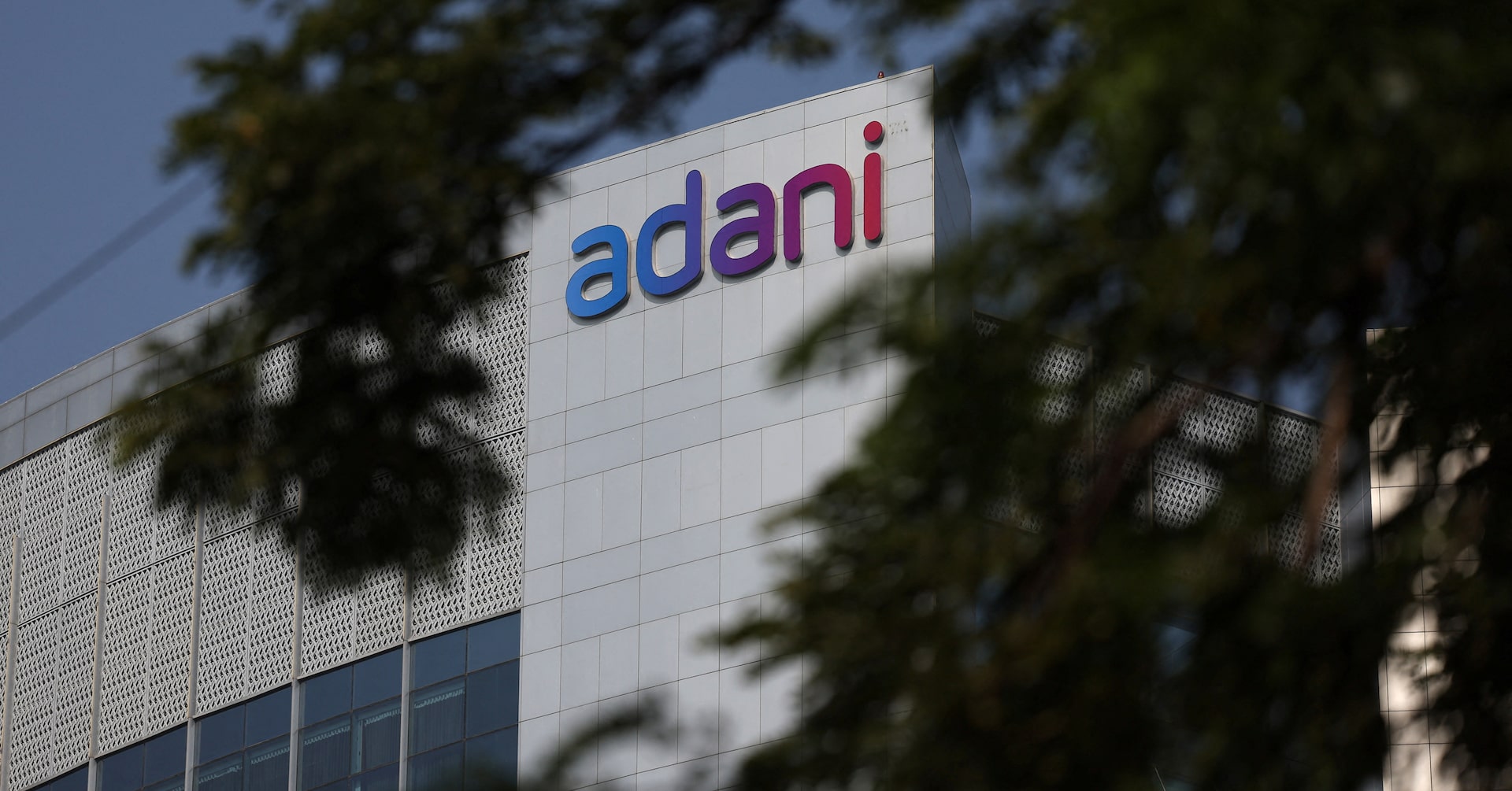
India’s SEBI dismisses Hindenburg allegations against Adani group
The Securities and Exchange Board of India (SEBI) has officially dismissed allegations of stock manipulation against billionaire Gautam Adani and his conglomerate, the Adani Group. The claims were initially made by U.S.-based short-seller Hindenburg Research in January 2023, accusing the group of using tax havens and failing to disclose related-party transactions. These allegations triggered a massive $150 billion sell-off of Adani Group stocks, though the shares have since rebounded. SEBI conducted an extensive investigation into the group, including Adani Ports, Adani Power, and Adani Enterprises, examining 24 separate sets of violations such as insider trading and stock price manipulation. The regulator concluded that the transactions flagged by Hindenburg did not qualify as related-party transactions under SEBI rules and thus did not violate disclosure norms or constitute market manipulation. Gautam Adani, Chairman of the Adani Group, welcomed the decision, stating on X that it reaffirms the group’s commitment to transparency and integrity. Hindenburg Research founder Nathan Anderson announced earlier this year that he would disband the firm, citing the immense toll of his work. SEBI also noted that its expanded disclosure rules, introduced in 2022, cannot be applied retroactively to transactions occurring between 2012 and 2021.
-

Security rules eased for Dublin Airport passengers
Dublin Airport has ushered in a new era of air travel convenience by implementing state-of-the-art C3 scanning technology, effective as of Friday. This groundbreaking upgrade eliminates the need for passengers to remove liquids, gels, or electronics from their hand luggage during security checks. Additionally, the previously restrictive 100ml limit on liquids and gels has been abolished, allowing travelers to carry containers of up to two liters without the requirement of clear plastic bags. This significant shift is attributed to a multi-million euro investment in advanced scanning systems, which utilize CT scanner-like technology to generate detailed 3D images of baggage, enhancing both security and efficiency. The airport has successfully completed its transition to full C3 operations ahead of its October 2025 target, marking a milestone in its commitment to improving the passenger experience. Gary McLean, Managing Director of Dublin Airport, hailed the development as a ‘positive and welcome change’ for both travelers and staff. While Dublin leads the way, other airports in the UK and Europe are still in the process of adopting similar technology, prompting officials to advise passengers to verify liquid rules at their departure airports. The move comes as part of a broader trend in the aviation industry to modernize security protocols, with Belfast International Airport also undergoing significant upgrades. The 100ml liquid rule, introduced in 2006 in response to heightened security concerns following the 9/11 attacks, is gradually being phased out as airports worldwide embrace advanced scanning solutions. However, challenges such as equipment weight and limited manufacturing capacity have slowed the rollout in some regions. Dublin Airport’s successful implementation positions it as a pioneer in European airport security innovation.
-
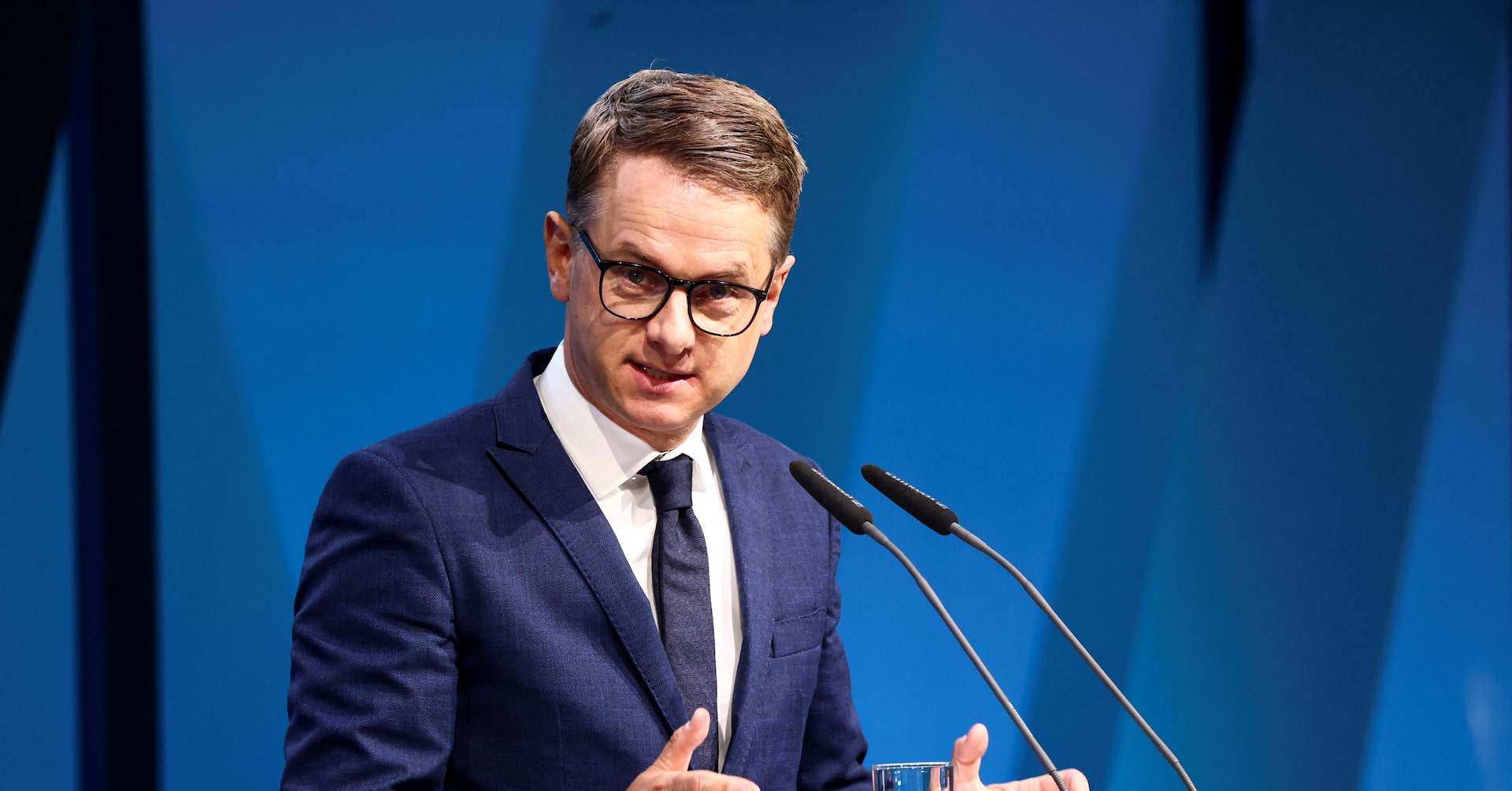
Top German conservative floats broadcaster fee freeze over snub to journalist
In a significant development within Germany’s political landscape, Carsten Linnemann, General Secretary of the Christian Democratic Union (CDU), has proposed freezing funding for the country’s public broadcasters. This move comes in response to the reduced airtime of Julia Ruhs, a right-leaning journalist and moderator of the show ‘Klar,’ which addresses contentious topics such as immigration and COVID-19 policies. The decision to limit Ruhs’ presence on air has sparked outrage among conservative politicians, who view it as a blow to Germany’s debate culture. Linnemann emphasized that public broadcasters must adhere to their mandate of providing cultural, educational, and informational content, suggesting that funding should remain at current levels until further notice. This controversy unfolds against a backdrop of global debates on media freedom, with parallels drawn to similar issues in the United States. Critics of Germany’s public broadcasting system, which generated over €8 billion in license fees last year, argue for greater accountability, while defenders highlight its role in safeguarding democracy. Ruhs, who gained prominence for her commentary on immigration, expressed disappointment over the decision by northern Germany’s NDR to seek another presenter for her show, stating that it reinforces public prejudices against the media.
-
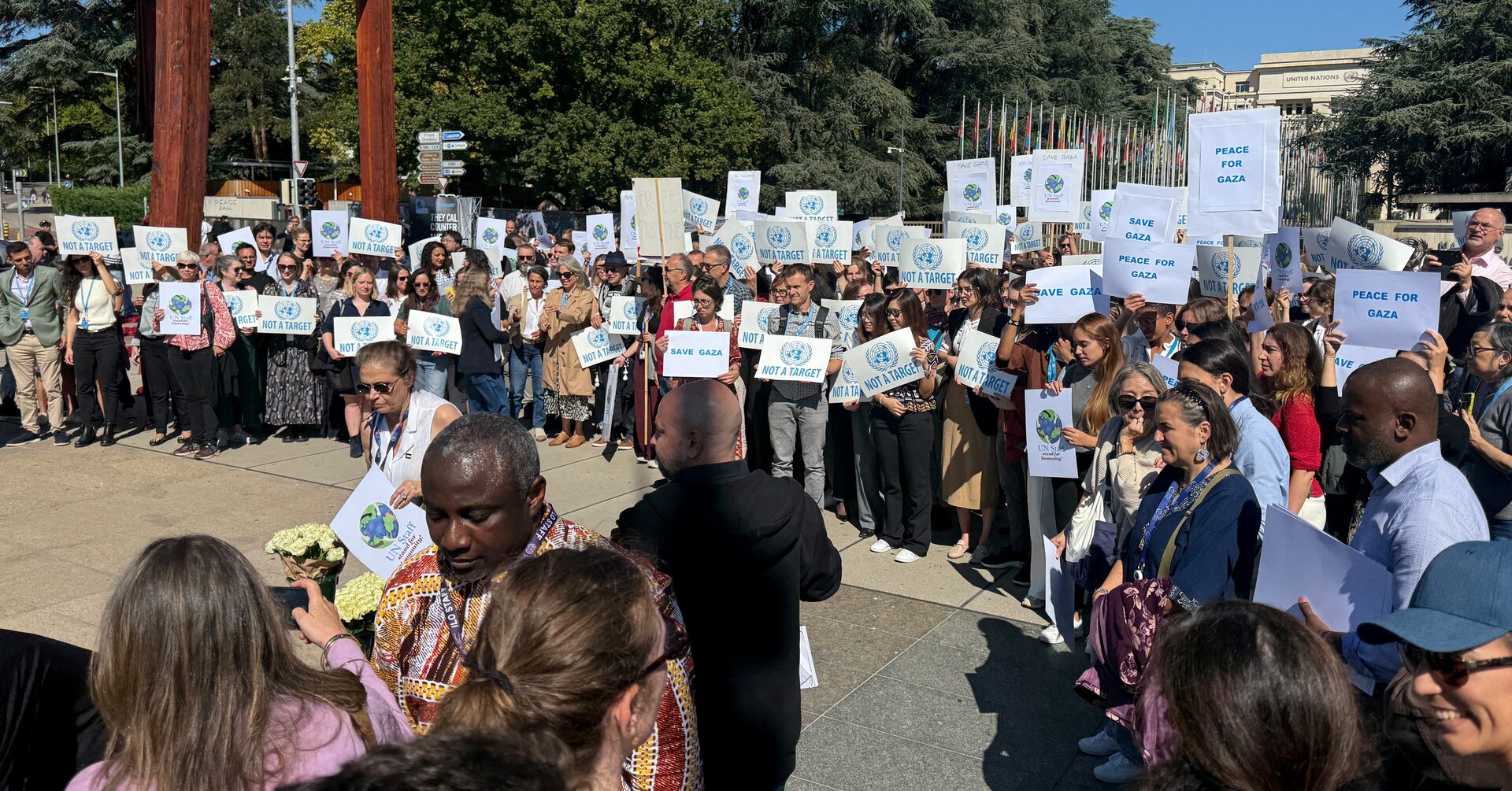
US, Israel criticise UN staff over Gaza war stance amid protests, documents show
In a poignant demonstration of solidarity, hundreds of United Nations staff gathered outside the European headquarters in Geneva on September 18, 2025, to denounce the killings of their colleagues in Gaza since the onset of the Israel-Hamas conflict in October 2023. The protest, marked by placards reading ‘Peace for Gaza’ and ‘Not a Target,’ also featured the laying of 370 white roses—a somber tribute to each UN aid worker lost in the nearly two-year war. Nathalie Meynet, president of the UN refugee agency staff council, emphasized the urgency of the protest, stating, ‘Enough is enough. We cannot kill our colleagues in Gaza with such impunity.’
The event, however, has sparked significant controversy. Both the United States and Israel have lodged formal complaints with UN leadership, accusing the organization of breaching its principle of impartiality. In a letter dated September 10, Israel’s ambassador to the UN in Geneva, Daniel Meron, criticized the protest as politically charged and called for disciplinary action against participants. Similarly, US Charge d’Affaires Tressa Finerty condemned the event, labeling it a ‘grave violation of the UN’s principle of neutrality’ and alleging systemic anti-Israel bias within the organization.
Amid these tensions, UN management has reiterated the importance of neutrality. A confidential memo issued on September 17 reminded staff to avoid activities perceived as political, warning of potential risks to the organization’s integrity. Despite these directives, many UN employees remain outraged by the scale of the losses and the perceived failure to uphold humanitarian law. Yousra Ahmed, a UN staff worker at the protest, asserted, ‘It’s not a question of neutrality. I’m just outraged that the rules of the United Nations and humanitarian law are not being applied.’
The protest and subsequent backlash underscore the deepening rift between the UN and its largest funder, the US, which has previously disengaged from the UN Human Rights Council over allegations of anti-Israel bias. With over 543 aid workers killed in Gaza, including 373 UN staff members, the conflict has exacted an unprecedented toll on the organization’s humanitarian efforts. As the UN grapples with these challenges, the balance between neutrality and advocacy remains a contentious issue.