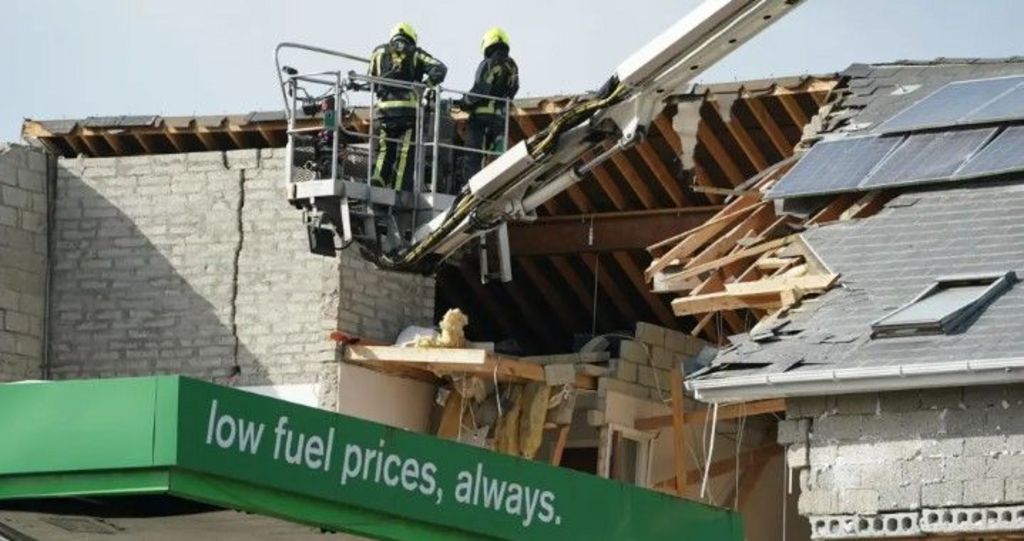
A significant development has emerged in the investigation of the tragic Creeslough explosion that claimed ten lives on October 7, 2022. Irish police, known as Gardaí, have forwarded a primary investigation file to the Director of Public Prosecutions (DPP) in the Republic of Ireland. The explosion occurred at the Applegreen service station in the small village of Creeslough, County Donegal, and remains one of the most devastating incidents in recent Irish history. The victims included five-year-old Shauna Flanagan-Garwe, her father Robert Garwe, 50, 14-year-old Leona Harper, and seven others from the local community. To date, seven arrests have been made, but no charges have been filed. The investigation, led by officers in County Donegal, continues to seek answers, with authorities urging anyone who was at the service station prior to the explosion to come forward. As the third anniversary of the tragedy approaches, Gardaí expressed their ongoing support for the victims’ families and the Creeslough community. The lack of an official explanation for the blast has left many families frustrated, with some relatives opposing plans to rebuild a petrol station at the site. The case remains a poignant reminder of the need for justice and closure for those affected.
博客
-
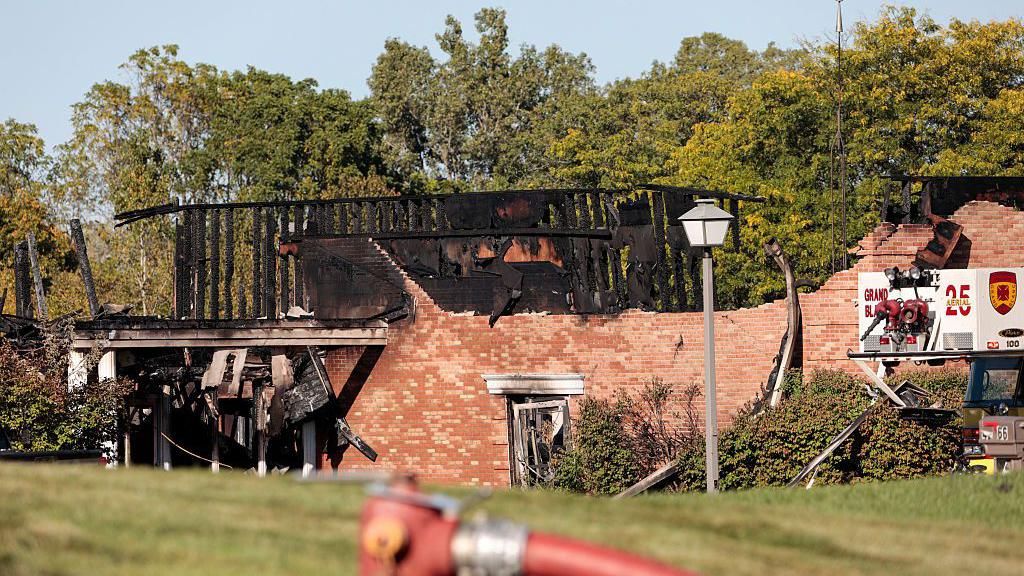
What we know about Michigan church shooting and arson attack
A tragic and violent incident unfolded at a Mormon church in Grand Blanc, Michigan, during a Sunday service, leaving four people dead and eight others injured, one critically. The suspect, identified as 40-year-old Thomas Jacob Sanford from Burton, Michigan, reportedly used gasoline or an accelerant to set the church on fire after opening fire on congregants. Sanford, a former Marine who had been deployed to Iraq, was killed in a shootout with police less than 10 minutes after the attack began. Officials described the incident as a ‘targeted act of violence’ but have yet to determine a motive. Michigan Governor Gretchen Whitmer urged the public to avoid speculation, emphasizing the importance of allowing investigators to conduct their work. The attack occurred around 10:30 AM EST when Sanford crashed his vehicle into the church building before shooting at attendees and setting the structure ablaze. Investigators found makeshift explosive devices at the scene, adding to the complexity of the case. Over 100 victims and witnesses have been interviewed as part of the ongoing investigation. While Sanford’s motives remain unclear, his social media activity and previous arrests for burglary and drunk driving have drawn attention. The incident has reignited discussions about gun violence in the United States, particularly in Michigan, where such tragedies have become increasingly frequent.
-
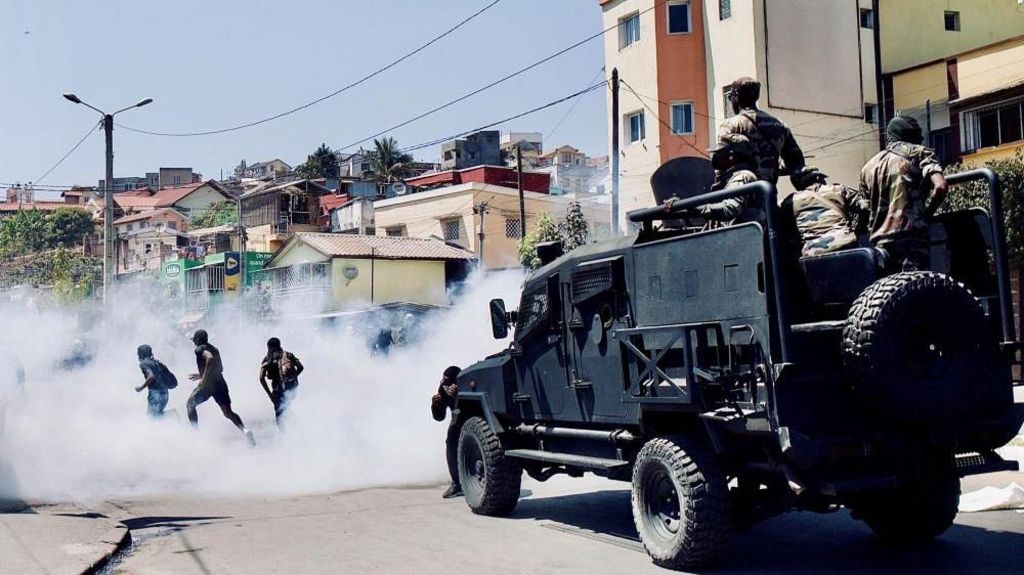
Madagascar’s president dissolves government after ‘Gen Z’ protests
Madagascar’s President Andry Rajoelina announced the dissolution of his government on Monday, following days of intense youth-led protests over persistent water and power shortages. The demonstrations, which began on Thursday in the capital Antananarivo, quickly spread to eight cities across the country, with thousands of predominantly Gen Z protesters rallying under the slogan, ‘We want to live, not survive.’
In a televised national address, Rajoelina acknowledged the government’s shortcomings, stating, ‘We apologize if members of the government have not carried out the tasks assigned to them.’ He revealed that the prime minister and the entire cabinet had been dismissed, and applications for a new premier would be accepted within three days. Rajoelina also expressed his willingness to engage in dialogue with young people to address their grievances.
The protests, initially peaceful, turned violent, prompting the imposition of a dusk-to-dawn curfew in Antananarivo. Security forces were accused of using excessive force, resulting in at least 22 deaths and over 100 injuries. UN Human Rights Chief Volker Türk condemned the ‘unnecessary and disproportionate force’ and called for the immediate release of arbitrarily detained protesters. However, Madagascar’s foreign ministry disputed the UN’s casualty figures, claiming they were based on ‘rumours or misinformation.’
The unrest marks the most significant challenge to Rajoelina’s leadership since his re-election in 2023. Madagascar has a history of political upheaval, including the 2009 protests that ousted former President Marc Ravalomanana and brought Rajoelina to power. The current crisis underscores deep-seated frustrations over the government’s inability to address basic infrastructure issues, fueling widespread discontent among the nation’s youth.
-
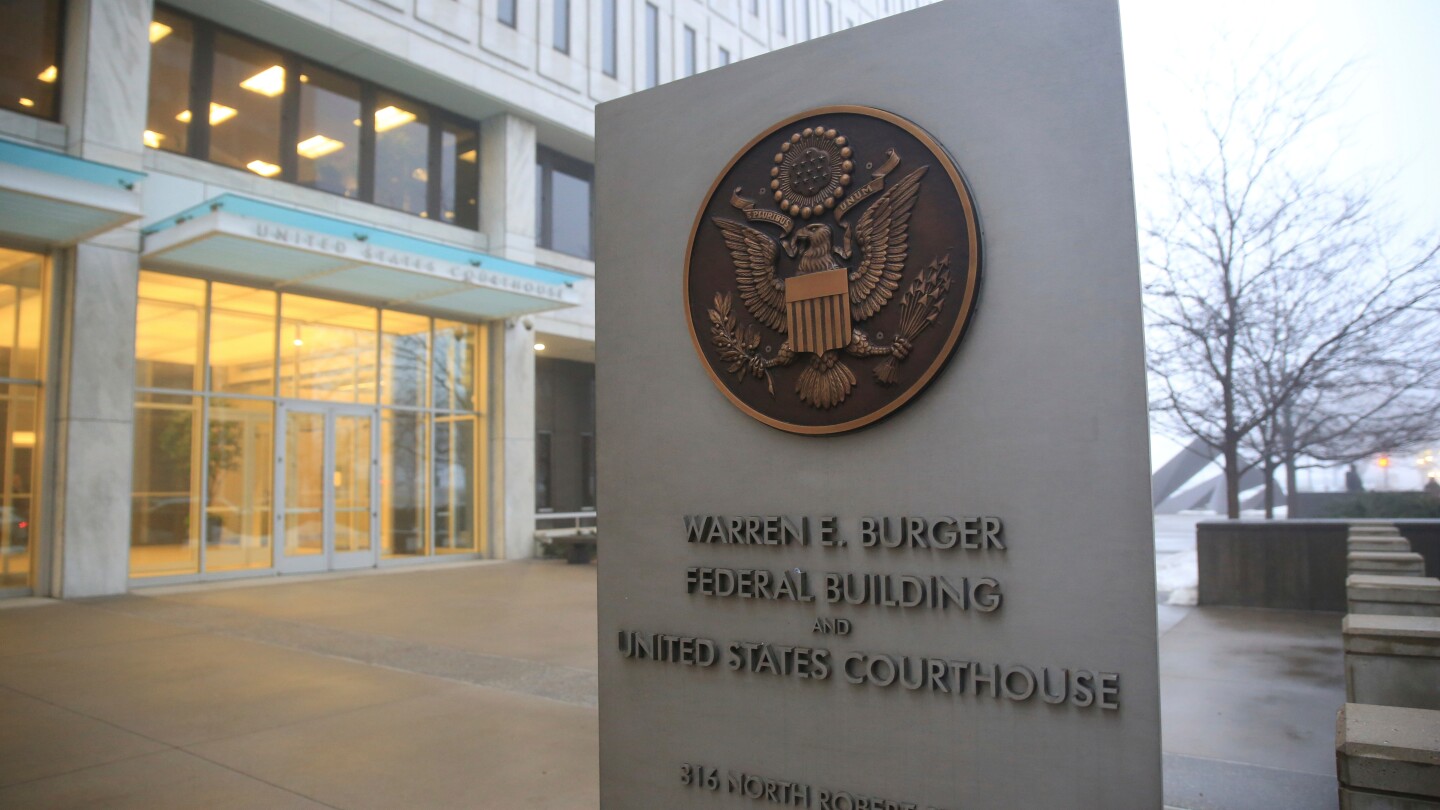
Minnesota man pleads guilty to attempting to join Islamic State group
A 23-year-old Minnesota man, Abdisatar Ahmed Hassan, pleaded guilty on Monday to charges of attempting to provide material support to a designated foreign terrorist organization, the Islamic State group. The plea was entered before U.S. District Judge Donovan Frank in St. Paul. Hassan, a naturalized U.S. citizen, had previously expressed admiration on social media for the perpetrator of a deadly truck attack on Bourken Street in New Orleans, which resulted in 14 fatalities. The attacker, who was subsequently killed by police, had displayed the Islamic State group’s flag on his vehicle. Prosecutors revealed that Hassan made two unsuccessful attempts in December to travel from Minnesota to Somalia to join the Islamic State group and fight on its behalf. The FBI, having been alerted to a social media user expressing support for both the Islamic State group and the Somali militant group al-Shabab, conducted surveillance on Hassan during these attempts. The first attempt was thwarted when the airline denied him boarding due to insufficient travel documents, and he missed the second flight while being questioned by federal officers. Hassan was not detained until his arrest in February. The FBI also observed Hassan driving with the Islamic State group’s flag the day before his arrest. Acting U.S. Attorney Joe Thompson emphasized the zero-tolerance approach to terrorism, stating, ‘There is no margin for error when it comes to terrorism. Hassan flew the ISIS flag, venerated attacks on the homeland, and wanted to kill Americans. We are not taking chances. We will not let Minnesota become a safe haven for terrorists.’ Hassan remains in custody, and a sentencing date has yet to be set. Under a plea agreement, the government has agreed not to seek a sentence longer than 17 years, while the defense is free to recommend any sentence. The final decision rests with the judge. This case is part of a broader pattern, with several Minnesotans having been suspected of attempting to join the Islamic State group in recent years. In 2016, nine Minnesotans were sentenced for conspiring to join the group, and one individual who fought for the group in Iraq was sentenced last year to 10 years in prison.
-
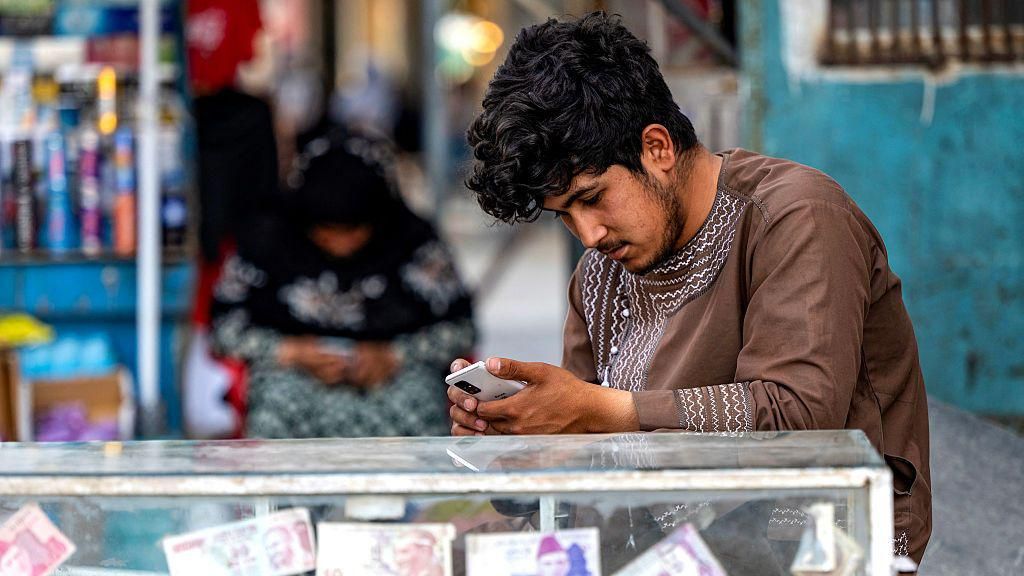
Afghanistan telecom blackout as Taliban shuts off internet
The Taliban regime in Afghanistan has implemented a sweeping nationwide shutdown of telecommunications, plunging the country into a total internet blackout. This drastic measure follows weeks of the group severing fiber-optic internet connections, citing concerns over ‘immorality.’ According to internet watchdog Netblocks, the blackout has disrupted mobile phone services, satellite TV, and mobile internet across the country. The international news agency AFP reported losing contact with its Kabul office, while residents in the capital confirmed the abrupt halt of fiber-optic internet services around 17:00 local time (12:30 GMT). The impact is expected to be felt more acutely on Tuesday morning, when banking and business operations resume. Fiber-optic cables, which enable high-speed data transfer, are a critical component of global internet infrastructure. Netblocks, in a post on Mastodon.social, described the blackout as a stepwise disconnection of multiple networks, with telephone services also affected. The Taliban had previously hinted at creating an alternative internet route but provided no specifics. Business leaders have warned of severe economic repercussions if the ban persists. Hamid Haidari, former editor-in-chief of Afghan news channel 1TV, lamented the isolation, stating that Afghanistan has now surpassed North Korea in internet disconnection. This blackout is the latest in a series of restrictive measures imposed by the Taliban since their return to power in 2021, including banning books by women from university curricula, outlawing human rights education, and restricting women’s access to education beyond the age of 12. The Taliban’s hardline interpretation of Islamic Sharia law continues to reshape Afghan society, with women and girls bearing the brunt of these policies.
-
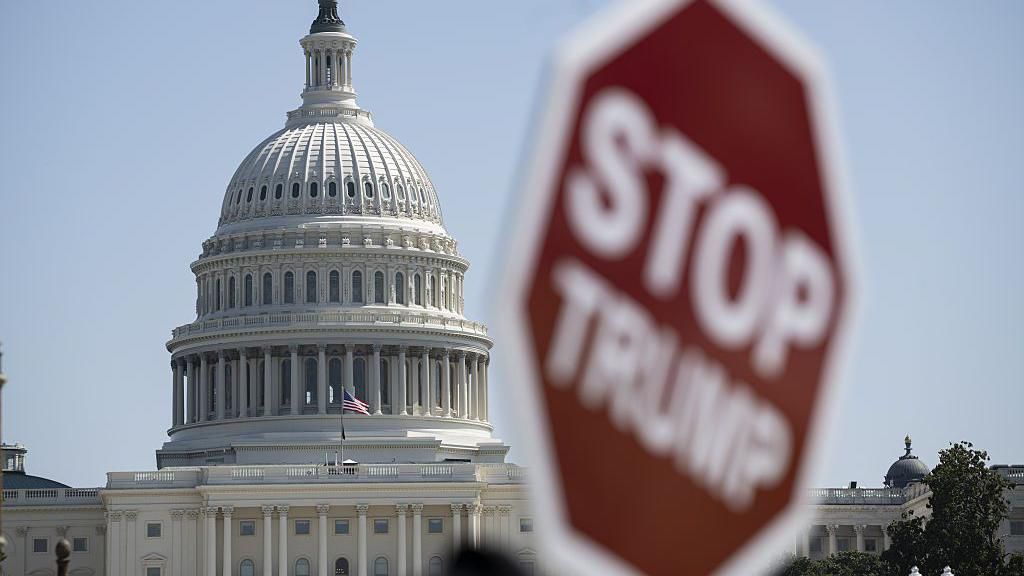
Why the US government might shut down and what to know
The United States is on the brink of a government shutdown as President Donald Trump’s Republican Party and opposition Democrats remain deadlocked over a critical spending bill. If an agreement is not reached by the end of Tuesday, federal funding will expire, leading to a partial halt in government services. This impending crisis underscores the deepening political divide in Washington, exacerbated by Trump’s aggressive efforts to reduce the size of the federal government over the past nine months. The Republicans, who control both chambers of Congress, lack the necessary 60 votes in the Senate to pass the bill unilaterally, giving Democrats significant leverage. Democrats are refusing to support the Republican-proposed bill, which they argue would undermine healthcare affordability for millions of Americans. Instead, they are pushing for an extension of health insurance tax credits and a reversal of Medicaid cuts enacted by the Trump administration. A stopgap bill has already passed the House but remains stalled in the Senate. If no resolution is found by 00:01 EDT on Wednesday, the US will experience its first government shutdown in nearly seven years. The last shutdown occurred in late 2018 during Trump’s first term, lasting 36 days and costing the economy an estimated $11 billion. This time, the Trump administration appears less concerned about the political fallout, with officials even suggesting that a shutdown could help identify and eliminate ‘non-essential’ federal workers. While essential services like border protection, law enforcement, and air-traffic control would continue, programs such as food assistance, federally-funded pre-schools, and national park operations would be severely impacted. The standoff highlights the unique nature of US budget politics, where divided government branches often lead to such impasses. As both sides make last-ditch efforts to avoid a shutdown, the stakes for the nation’s economy and public services remain high.
-
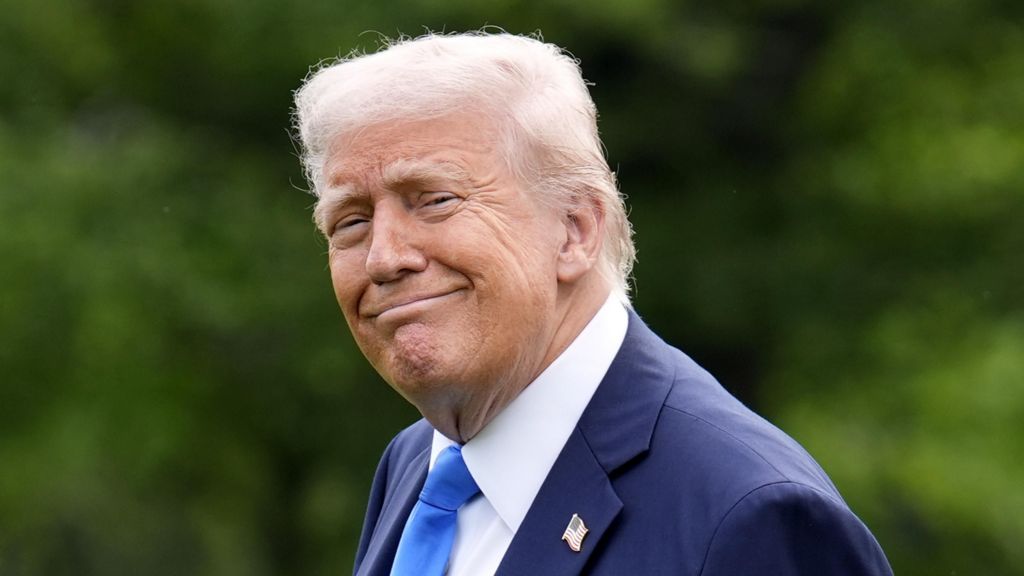
Trump renews threat to impose 100% tariffs on non-US made movies
Former U.S. President Donald Trump has reiterated his controversial proposal to impose a 100% tariff on all films not produced within the United States, asserting that the American film industry has been ‘stolen’ by other nations. Speaking on his Truth Social platform, Trump emphasized that California, in particular, has suffered significantly due to the decline in domestic film production. He framed the tariff as a solution to what he described as a ‘long-time, never-ending problem.’
This announcement follows Trump’s broader tariff strategy, which recently included a 100% levy on branded or patented drug imports and 50% tariffs on kitchen and bathroom cabinets. Trump’s rhetoric has drawn criticism and skepticism, with many questioning the feasibility and economic impact of such a policy. Investment analyst Dan Coatsworth of AJ Bell highlighted the complexities of defining what constitutes an ‘American-made’ film, especially when productions involve foreign actors, directors, or funding.
Coatsworth also noted that filmmakers have increasingly relocated to countries offering more favorable tax incentives, leading to a decline in the prominence of the Los Angeles film industry. He warned that forcing productions back to the U.S. could drive up costs, which might ultimately be passed on to consumers, potentially harming demand for streaming services and cinema operators. Despite these concerns, investors have yet to treat the proposal as a serious threat, with stocks for companies like Netflix and Disney showing only brief dips before recovering.
The proposal’s implications for streaming platforms and international co-productions remain unclear. For instance, films like ‘Wicked,’ which was shot in the UK but produced by an American studio, could face ambiguous treatment under the proposed tariffs. Recent data from movie industry research firm ProdPro reveals that while the U.S. remains a major global production hub, spending has declined by 26% since 2022, with countries like Australia, New Zealand, Canada, and the UK attracting increased investment.
-
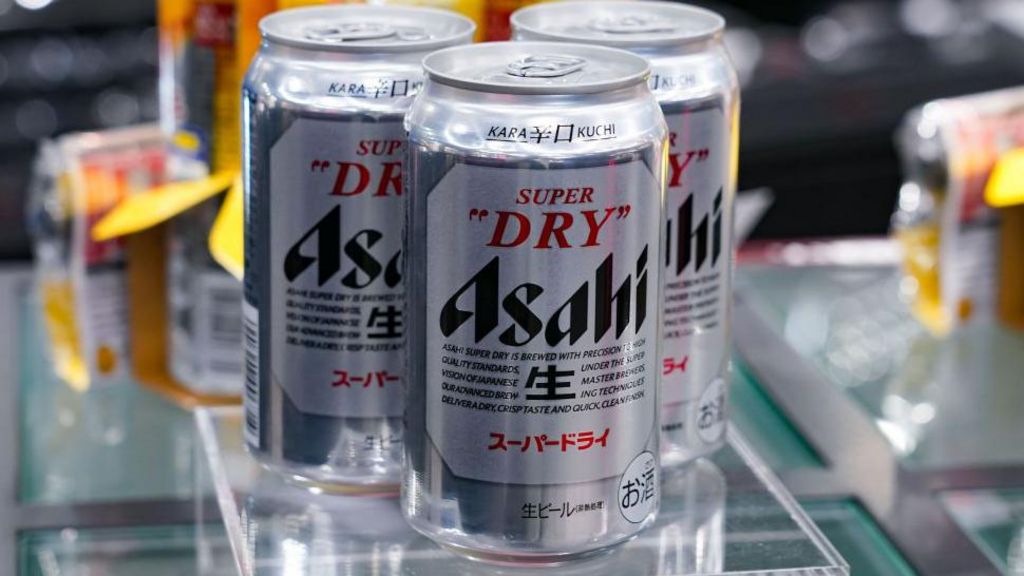
Japanese brewing giant Asahi hit by cyber-attack
Japanese brewing powerhouse Asahi Group Holdings has fallen victim to a significant cyber-attack, resulting in a widespread ‘systems failure’ that has disrupted its shipping and customer service operations in Japan. The company, renowned for its global beer brands such as Peroni, Pilsner Urquell, and Grolsch, confirmed that its European operations, including the UK, remain unaffected. However, the incident has forced the suspension of order and shipment activities domestically, as well as customer service functions. Asahi, which also owns Fullers in the UK—producer of London Pride and other beverages—has issued an apology to its customers and business partners, emphasizing that no personal data breaches have been detected. The company is actively investigating the cause and working to restore operations, though no timeline for recovery has been provided. This cyber-attack underscores the growing threat of digital crime to major corporations, with Asahi previously identifying such risks in its 2024 report. The incident comes amid a challenging domestic market in Japan, where declining alcohol consumption among younger generations has prompted Asahi to pivot toward zero or low-alcohol beverages, aiming to double their share of overall sales to 20%.
-
Trump considering supplying Ukraine with long-range missiles, Vance says
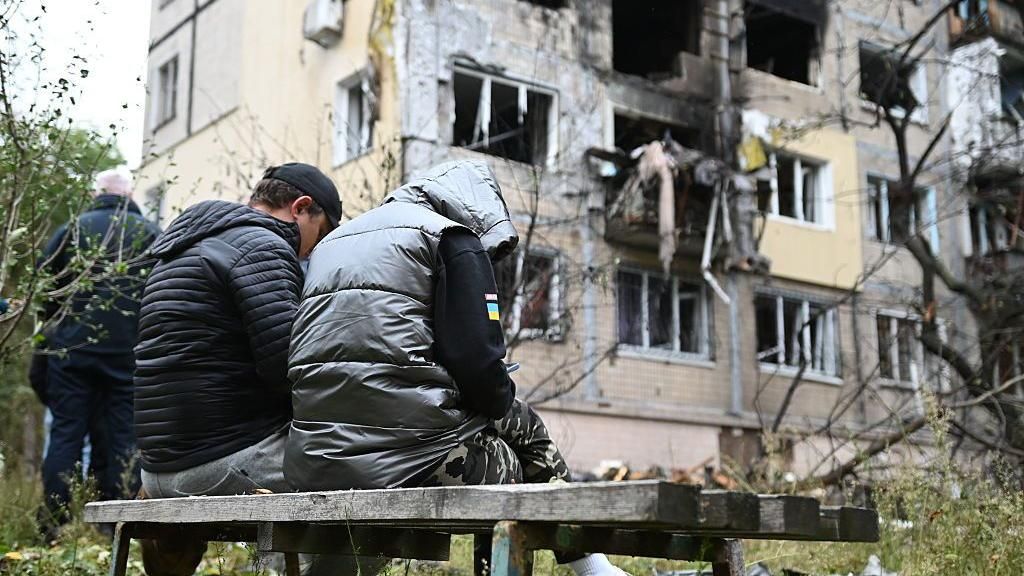
Kyiv faced a harrowing 12-hour bombardment on Sunday, resulting in multiple fatalities and over 70 injuries across Ukraine. The attack, involving hundreds of drones and nearly 50 missiles, targeted civilian infrastructure, including a cardiology center in the capital. This escalation comes as the US deliberates Ukraine’s request for long-range Tomahawk missiles, which could potentially strike deep into Russian territory. US Vice-President JD Vance indicated that President Donald Trump would have the final say on the matter, while US Special Envoy Keith Kellogg hinted that Trump had already authorized such strikes. Kremlin spokesman Dmitry Peskov dismissed the potential impact of these weapons, asserting that no missile could alter the dynamics of the conflict. Ukraine’s Deputy Defence Minister Ivan Havryliuk emphasized that increasing the cost of war for Russia could compel Moscow to engage in peace talks. Meanwhile, Ukraine is seeking advanced air defense systems, including Patriot units, to counter Russia’s intensified aerial assaults. The country is also ramping up its domestic production of drones and artillery, aiming to reduce reliance on Western allies. However, the urgency for immediate support remains critical as Russia continues to deploy more sophisticated drones and missiles, posing a growing threat to Ukraine’s cities and Europe’s security.
-
South Africa’s 2026 World Cup hopes hit by forfeit
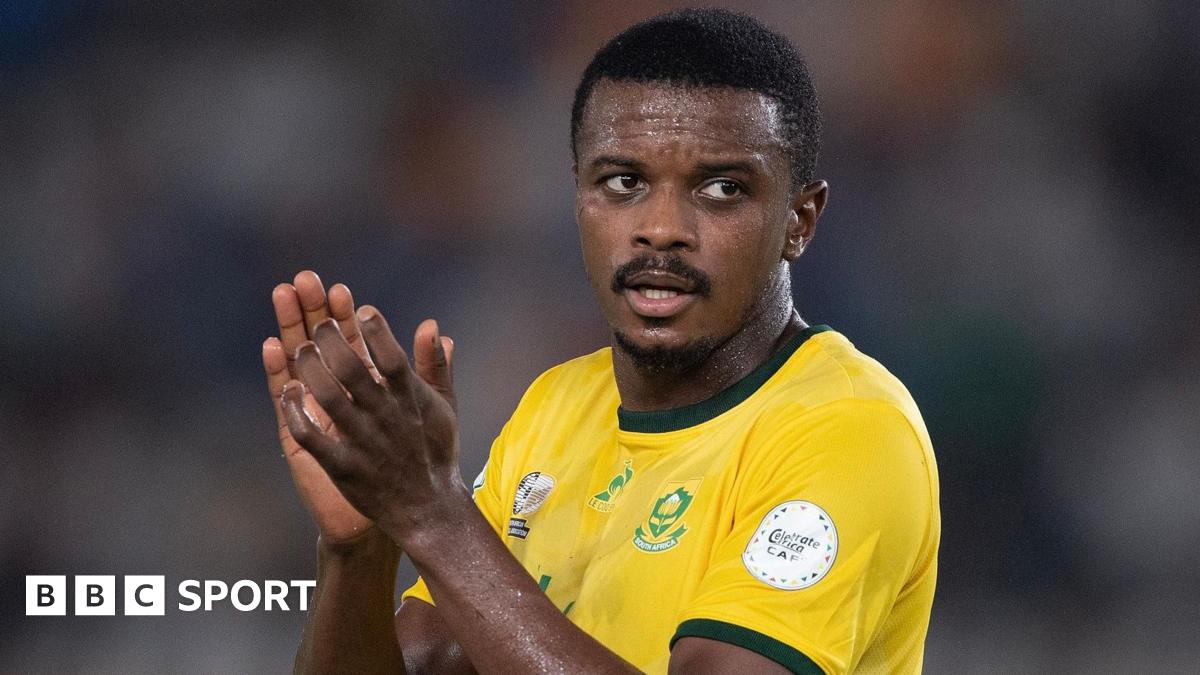
South Africa’s aspirations to secure a spot in the 2026 FIFA World Cup have been severely compromised following a ruling by FIFA’s disciplinary committee. The committee found that the South African national team violated competition regulations by fielding an ineligible player, Teboho Mokoena, during their 2-0 victory over Lesotho in March. Mokoena, a 28-year-old midfielder, was supposed to serve a suspension after accumulating two yellow cards in previous matches. As a consequence, FIFA has imposed a 3-0 forfeit on South Africa, fined the South African Football Association (Safa) 10,000 Swiss Francs ($12,500), and issued a warning to Mokoena. This decision has dramatically reshaped the standings in Group C of the African World Cup qualifiers. South Africa, previously leading the group, has now dropped to second place, trailing Benin on goal difference. The outcome has also reignited the hopes of Nigeria and Rwanda, who are now just three points behind the top two teams. With the final rounds of qualifiers scheduled for October 10-14, Benin will face Rwanda and Nigeria, while South Africa will play Zimbabwe and host Rwanda. Safa has a 10-day window to appeal FIFA’s decision, but the road to the World Cup has undoubtedly become more challenging for Bafana Bafana.