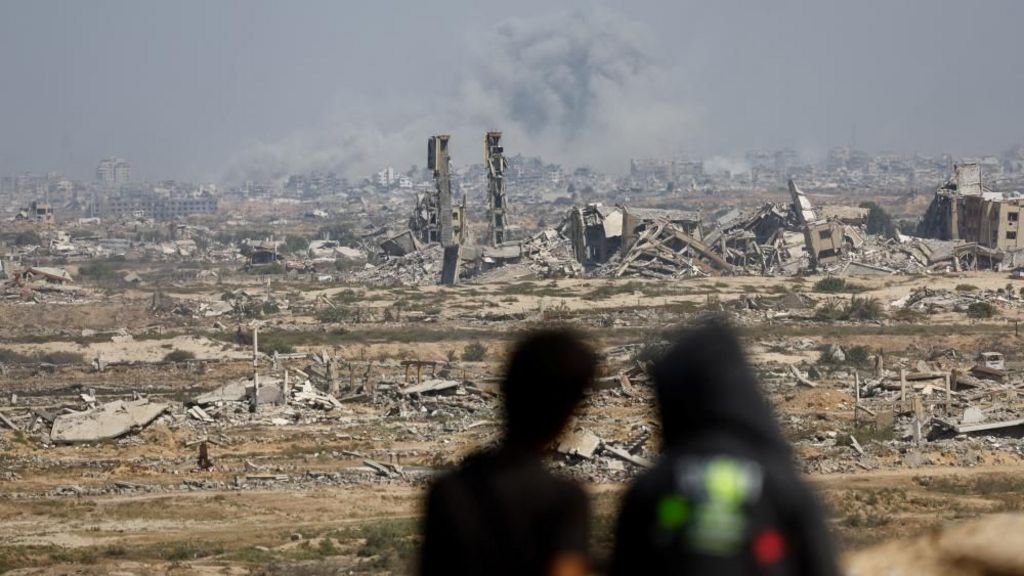
In a high-profile announcement at the White House, U.S. President Donald Trump and Israeli Prime Minister Benjamin Netanyahu unveiled a 20-point peace plan aimed at ending the protracted war in Gaza. Trump hailed the proposal as a historic milestone, potentially ushering in “eternal peace in the Middle East.” However, the plan, while ambitious, remains a framework for further negotiations rather than a detailed roadmap to resolution. The proposal marks a significant shift in the Trump administration’s stance on Gaza’s post-war future and increases pressure on Netanyahu to accept a deal. Key elements include a ceasefire, limited Israeli withdrawal, the release of hostages and Palestinian prisoners, and the establishment of a technocratic administration in Gaza overseen by a U.S.-led “Board of Peace.” The plan also vaguely references Palestinian statehood, contingent on reforms within the Palestinian Authority. While Arab nations view the proposal as a breakthrough, Hamas remains skeptical, with one figure criticizing its failure to safeguard Palestinian interests. Netanyahu’s domestic opponents also question his commitment, citing his history of derailing deals for political gain. The plan’s success hinges on overcoming longstanding obstacles, including Hamas’s demands for Israeli withdrawal and Netanyahu’s coalition’s resistance to concessions. The proposal, crafted by Trump’s envoy Steve Witkoff and Jared Kushner, draws on previous diplomatic efforts, including the Saudi-French plan and Tony Blair’s involvement. Despite its lofty goals, the plan’s ambiguity leaves room for both sides to exploit negotiations, potentially stalling progress. As the world watches, the path to peace remains fraught with challenges, with the response from Hamas and Netanyahu’s government likely to determine the plan’s fate.
博客
-
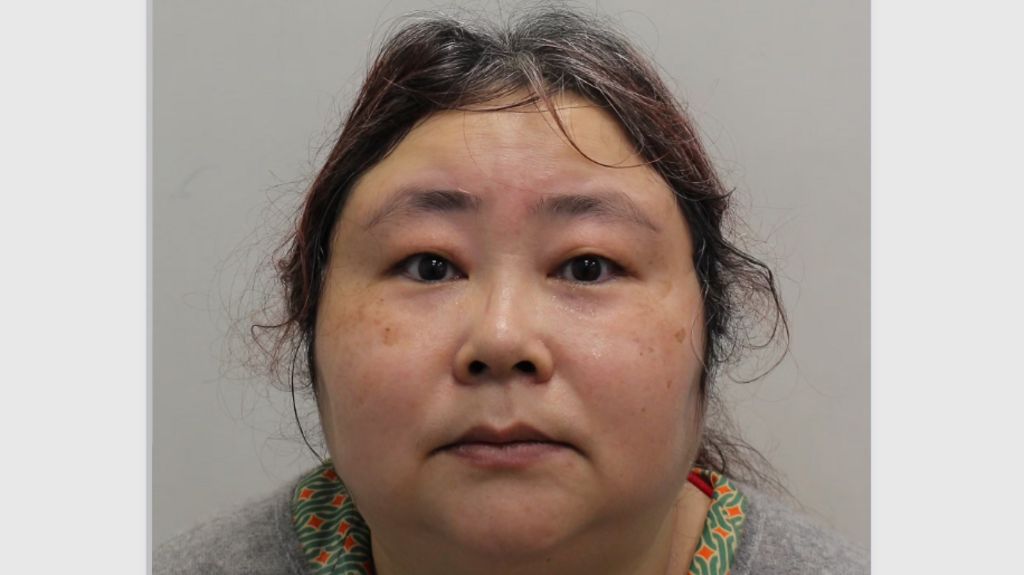
Chinese woman convicted after ‘world’s biggest’ bitcoin seizure
In a landmark case, Zhimin Qian, also known as Yadi Zhang, has been convicted for her pivotal role in what is now recognized as the largest cryptocurrency seizure globally, valued at over £5.5 billion ($7.4 billion). Qian, a 47-year-old Chinese national, pleaded guilty on Monday at Southwark Crown Court in London to charges of illegally acquiring and possessing cryptocurrency. The Metropolitan Police revealed that between 2014 and 2017, Qian orchestrated a massive scam in China, defrauding more than 128,000 victims and converting the stolen funds into Bitcoin assets. Her arrest followed a seven-year international investigation into a complex money laundering network. Detective Sergeant Isabella Grotto, who led the investigation, noted that Qian had been evading justice for five years before her capture, which required coordinated efforts across multiple jurisdictions. Qian fled China using falsified documents and entered the UK, where she attempted to launder the stolen money through property purchases. She was aided by Jian Wen, another Chinese national, who was sentenced to six years and eight months in prison last year for her involvement. Robin Weyell, deputy chief Crown prosecutor, emphasized the growing use of cryptocurrencies by organized criminals to conceal and transfer illicit assets. The Crown Prosecution Service (CPS) is actively working to prevent the fraudsters from accessing the stolen funds. Many victims have already received partial compensation through a scheme established in China. Qian remains in custody awaiting sentencing, with the date yet to be determined. This case underscores the increasing challenges posed by cybercrime and the critical need for international cooperation in combating such sophisticated financial frauds.
-
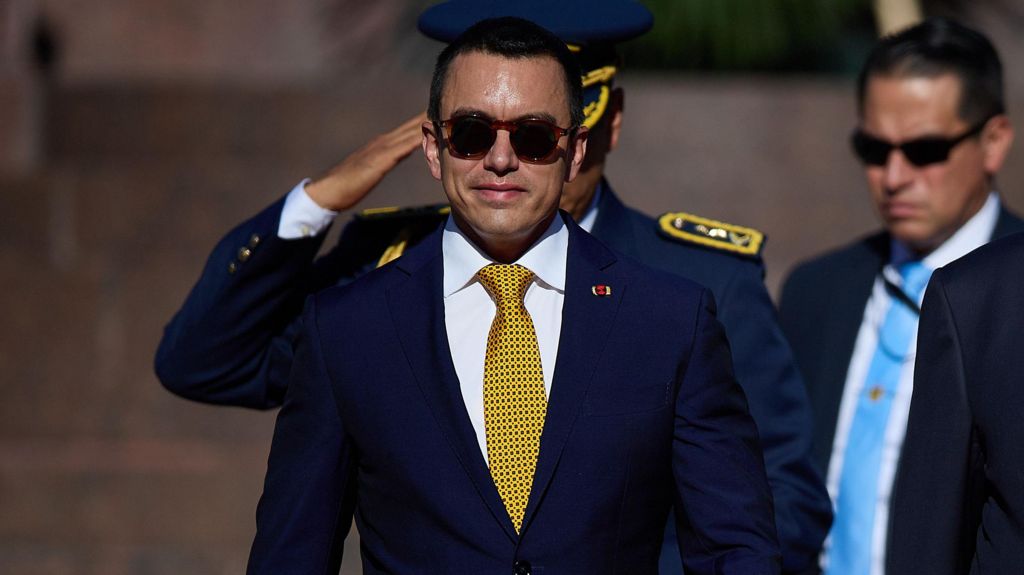
Ecuador president’s aid convoy attacked, officials say
A humanitarian convoy led by Ecuadorian President Daniel Noboa was violently ambushed on Sunday night, resulting in 17 soldiers being taken hostage, according to government spokeswoman Carolina Jaramillo. The convoy, which included UN and European diplomats, was attacked by approximately 350 individuals armed with Molotov cocktails in Cotacachi, Imbabura province. The incident occurred during a national strike organized by Conaie, Ecuador’s largest Indigenous rights organization, in protest against the government’s decision to cut fuel subsidies. President Noboa, who was accompanied by the Italian ambassador and Vatican diplomats, condemned the attack, stating, ‘They resist Ecuador’s progress and chose violence. Ecuador cannot go backward.’ He shared images of the damaged vehicles on social media, emphasizing the severity of the assault. The Ecuadorian armed forces accused the attackers of being ‘terrorist groups’ and reported that 12 soldiers were injured in the clash. Meanwhile, Conaie claimed that one of its members, Efrain Fuerez, was shot three times and died in hospital, describing his death as a ‘state crime’ ordered by President Noboa. The organization denied any involvement in terrorism, asserting that ‘the true terror is imposed by the government with its repression.’ The UN Human Rights Council’s regional representative, Jan Jarab, called for an ‘urgent dialogue’ and a thorough investigation into the violence. Ecuador’s prosecutors’ office has announced it will probe the alleged death of Fuerez. In response to the escalating unrest, a state of emergency has been declared in eight provinces, with a nighttime curfew imposed in five. President Noboa has accused the Venezuelan cartel Tren de Aragua of orchestrating the demonstrations and warned that protesters breaking the law could face 30-year prison sentences for terrorism. This incident marks a significant escalation in the ongoing protests, which have already led to violent clashes across the country.
-
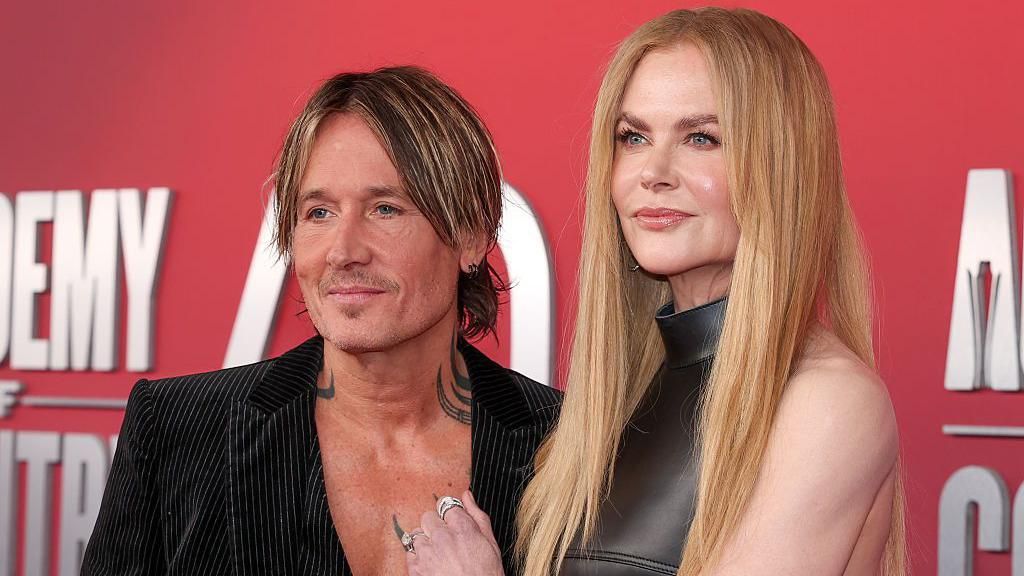
Nicole Kidman and Keith Urban separate after almost 20 years
Hollywood power couple Nicole Kidman and Keith Urban have reportedly parted ways after nearly 20 years together, according to a source close to the BBC. The duo, who tied the knot in June 2006, share two daughters: Sunday Rose, 17, and Faith Margaret, 14. TMZ initially broke the news, revealing that the pair had been living separately since the summer, with Kidman reportedly reluctant about the separation. The BBC’s source corroborated this information, though the exact reasons for their split remain undisclosed. Both Kidman, an Oscar-winning actress, and Urban, a four-time Grammy-winning country singer, have faced challenges and triumphs throughout their relationship. Urban’s battle with drug and alcohol addiction shortly after their wedding tested their bond, but the couple emerged stronger, with Kidman playing a pivotal role in his recovery. Over the years, they have been a constant support system for each other, frequently appearing together at high-profile events. Despite recent public appearances that suggested a harmonious relationship, including attending a FIFA Club World Cup match in June and Urban’s ACM Triple Crown Award ceremony in May, the couple has now decided to go their separate ways. Kidman was previously married to actor Tom Cruise, with whom she shares two children, before their divorce in 2001.
-

Mumbai’s new airport faces traffic woes as it takes on Singapore and Dubai
The Navi Mumbai International Airport (NMIA), a sprawling 1,100-hectare facility, is poised to transform India’s aviation landscape. Located 40 kilometers from Mumbai’s commercial center, the airport will feature four terminals and handle up to 90 million passengers annually upon full expansion. This development comes as a much-needed relief for Mumbai’s overburdened Chhatrapati Shivaji Maharaj International Airport, which has reached its capacity of 55 million passengers per year. Arun Bansal, CEO of Adani Airport Holdings Limited, emphasized that NMIA will significantly ease congestion and meet the growing demand for air travel in India’s financial capital. The airport, connected to Mumbai by India’s longest sea bridge, will operate two parallel runways and is designed to be India’s first fully digital hub, leveraging advanced technology to streamline check-in, security, and boarding processes. However, challenges remain, including connectivity issues and regulatory hurdles that could impede its ambition to become a global aviation hub on par with Singapore or Dubai. Despite these obstacles, NMIA represents a critical step in India’s aviation ambitions, joining cities like New York and London in operating multiple airports.
-

Missing Cheryl Grimmer: Family’s anger over police decision not to contact witnesses
The family of Cheryl Grimmer, a three-year-old girl who vanished from Fairy Meadow beach in New South Wales, Australia, in January 1970, has expressed frustration over the police’s handling of the case. Despite a four-year review, no new evidence has emerged, and three potential eyewitnesses who came forward after a BBC podcast were not formally interviewed. Cheryl’s brother, Ricki Nash, described the situation as ‘total frustration,’ emphasizing that the family cannot move forward without police assistance. The podcast, which has been downloaded five million times, prompted witnesses to share their accounts, including one man who claimed to have seen a teenage boy carrying a child from the beach changing rooms on the day of Cheryl’s disappearance. Retired detective Damian Loone criticized the police for not pursuing these leads, calling it ‘sloppy police work.’ In 2016, a man was charged with Cheryl’s abduction and murder based on a 1971 confession, but the charges were dropped in 2019 after the confession was deemed inadmissible. The family has launched a petition for an inquiry into missing persons investigations, which garnered over 10,000 signatures but has yet to result in action. NSW Police stated that all information received was assessed, but not all leads warranted formal interviews. The case remains unresolved, leaving Cheryl’s family desperate for answers.
-
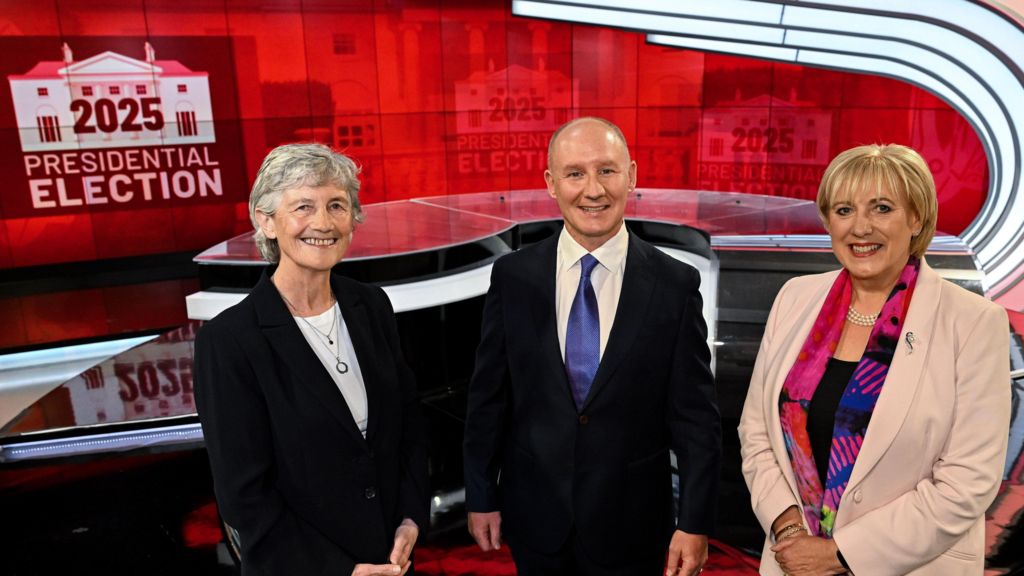
Irish presidential hopefuls go head to head in first TV debate
The first televised debate of the Irish presidential election campaign saw candidates Catherine Connolly, Jim Gavin, and Heather Humphreys engage in heated discussions on pressing national and international issues. Held on Virgin Media One’s ‘The Tonight Show,’ the debate covered topics ranging from the use of the Irish tricolour by anti-immigration groups to the conflict in Gaza and the vision for a united Ireland.
Independent TD Catherine Connolly, supported by left-wing parties including Sinn Féin, emphasized her commitment to fostering unity across communities. She expressed hope for a united Ireland during her potential presidency and condemned the rhetoric of anti-immigration campaigners as ‘abhorrent.’ Former Fine Gael Minister Heather Humphreys, a ‘proud Ulsterwoman,’ advocated for cross-border cooperation to achieve unity, while Jim Gavin, the Fianna Fáil candidate and former Dublin GAA manager, highlighted his republican values and praised the Good Friday Agreement.
On immigration, all candidates defended the Irish flag as a symbol of unity, with Gavin expressing pride in the tricolour and Humphreys stressing the president’s role in dispelling myths. Connolly pledged to use her voice to bridge divides, particularly in Northern Ireland.
The candidates also addressed the Gaza conflict, with Connolly calling for peace and expressing concerns about humanitarian consequences. Gavin accused the Israeli government of daily war crimes, while Humphreys supported legislation to ban goods from occupied territories, despite potential risks to international investment.
Regarding their presidential salaries, Connolly promised to donate a ‘substantial’ portion to projects, and Humphreys committed to returning her ministerial pension. The debate concluded with each candidate vowing to represent all sections of society and work toward a united republic.
The Irish presidential election, using the Single Transferable Vote system, will take place on October 25, with the winner serving a seven-year term until 2032.
-

Nigeria banned shea butter exports to help women profit. But it backfired
In the heart of Nigeria’s shea butter industry, women like Hajaratu Isah are grappling with the harsh realities of a sudden government policy shift. The Nigerian government’s six-month ban on the export of raw shea nuts, announced in late August, has sent shockwaves through the industry, leaving thousands of women struggling to make ends meet.
-

YouTube to pay $24.5m to settle Trump lawsuit over Capitol riot
YouTube, the video-sharing giant owned by Alphabet, has agreed to pay $24.5 million to settle a lawsuit filed by former U.S. President Donald Trump. The lawsuit stemmed from the platform’s decision to suspend Trump’s account in the aftermath of the January 6, 2021, attack on the U.S. Capitol. This settlement marks the latest in a series of payouts by major tech companies, including Meta (Facebook) and X (formerly Twitter), which also faced legal action from Trump over account suspensions. Trump had accused these platforms of political bias, alleging unfair censorship of conservative voices. As part of the agreement, YouTube will allocate $22 million to the Trust for the National Mall, a non-profit organization raising funds for a new White House ballroom, while $2.5 million will be distributed to other plaintiffs, including the American Conservative Union. The settlements reflect a broader shift in Silicon Valley’s approach to Trump, with tech leaders adopting a more conciliatory stance. YouTube also announced plans to reinstate accounts previously banned for spreading misinformation about COVID-19 and the 2020 election, emphasizing its commitment to conservative voices and civic discourse.
-
Trump and Democrats end meeting without a deal as US shutdown looms
The United States is on the brink of a government shutdown as bipartisan negotiations have reached a stalemate, with neither Republicans nor Democrats showing willingness to compromise. A recent meeting between President Donald Trump and Democratic congressional leaders yielded no progress, further entrenching both sides in their positions. Republican Senate Majority Leader John Thune accused Democrats of ‘hostage-taking,’ while Democratic Senate Leader Chuck Schumer emphasized the ‘very large differences’ between the parties. Republicans advocate for a short-term extension of current spending levels, while Democrats demand an end to unilateral spending cuts by the Trump administration and a renewal of health-insurance subsidies for low-income individuals. The impasse reflects deeper political strategies, with Republicans positioning themselves as the reasonable party and Democrats leveraging healthcare as a key issue. Complicating matters, some Republicans appear unfazed by the prospect of a prolonged shutdown, viewing it as an opportunity to implement long-term spending reductions. Democratic leaders, however, see this as a bluff and remain steadfast under pressure from their base. The looming shutdown is a test of political will, with both sides weighing the potential fallout. The last major shutdown during Trump’s first term lasted 35 days, setting a record and causing widespread disruption. As tensions escalate, the outcome remains uncertain, with both parties seemingly prepared for a protracted battle.