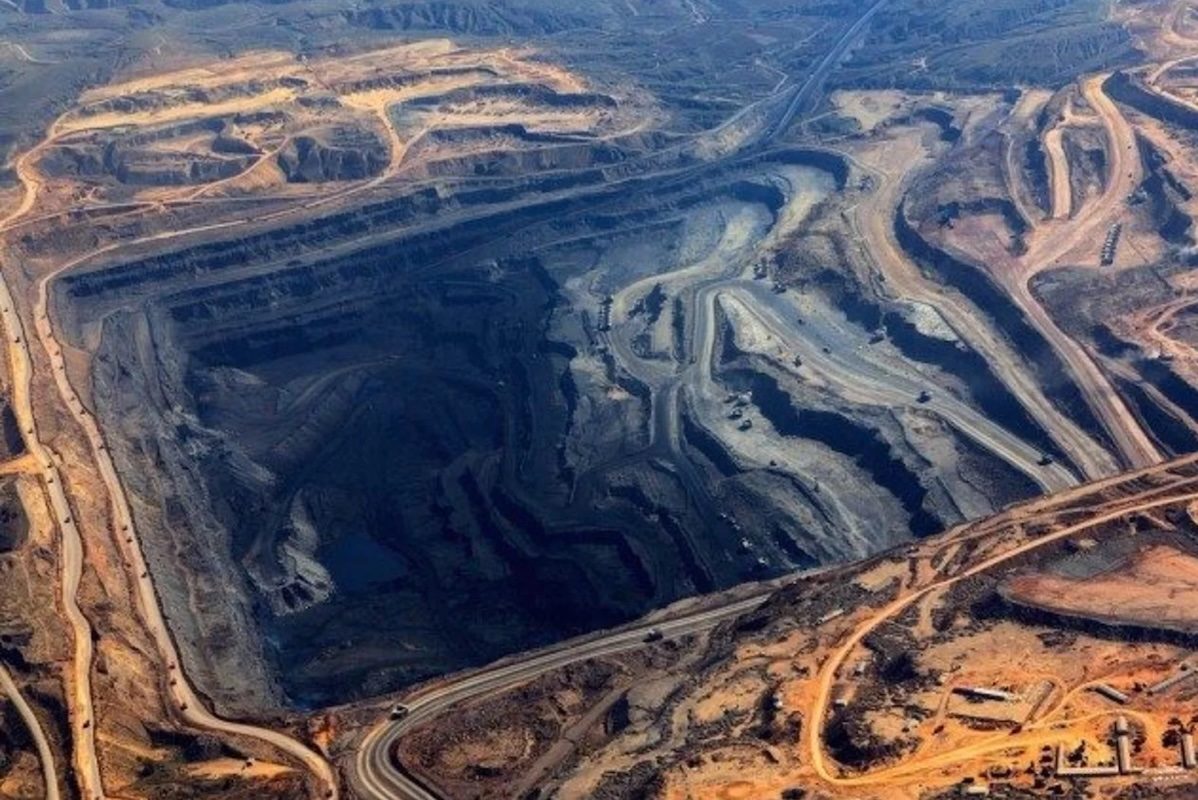
In a revealing exchange at a climate conference, a Chinese delegate once explained why Beijing chose ‘carbon neutrality’ over more fashionable terms like ‘climate neutrality’ or ‘net zero’: ‘Because we know what it means.’ This response underscores China’s pragmatic approach to climate commitments—unlike many nations that set lofty goals without clear plans. China’s latest pledge, to cut greenhouse gas emissions by 7-to-10% by 2035 as part of its Paris Agreement commitments, is more significant than it might appear. While other countries often rely on aspirational targets to drive climate discussions, China’s track record suggests it only promises what it can deliver. Having pledged to peak emissions this decade, barely 50 years after industrialization, China is on track to achieve this and emerge as a global leader in renewable energy and electric vehicles. A recent study published in *Nature Communications* by climate scientists Junting Zhong and colleagues provides context for China’s announcement. Their ‘reality-aligned scenario’ outlines a plausible pathway for global emissions, with China’s carbon dioxide emissions peaking soon and nearing zero by 2060. The study highlights the importance of understanding China’s contributions to global temperature goals, particularly through methane reductions and land-use changes. Despite its relevance, the study received little attention, overshadowed by a controversial U.S. Department of Energy review. This oversight is a missed opportunity, as China’s targets are grounded in practicality and intent, setting a precedent for others to follow. President Xi’s call to ‘do better’ applies not just to nations but to scientists and policymakers worldwide, urging them to focus on actionable solutions rather than distractions.
博客
-

Can India team clinch their maiden Women’s World Cup?
The Indian women’s cricket team has embarked on their ICC ODI World Cup journey with a commanding 99-run victory over Sri Lanka. While the scoreline suggests a comfortable win, the match was far from straightforward. India found themselves in a precarious position at 124-6, with their top order faltering unexpectedly. However, a resilient 103-run partnership between Deepti Sharma and Amanjot Kaur propelled India to a competitive total of 269, which Sri Lanka couldn’t chase down. Despite the win, concerns linger over the performance of India’s vaunted top order, a critical component of their quest for a maiden world title. India has twice been runners-up in the last decade, falling short in the 2017 ODI World Cup final against England and the 2020 T20 World Cup final against Australia. These near-misses have cemented India’s status as a powerhouse in women’s cricket, but the elusive title remains the ultimate goal. The roots of women’s cricket in India trace back to 1973, but it wasn’t until the BCCI integrated women’s cricket into its fold in 2006-2007 that the sport began to flourish. This integration brought financial stability, infrastructure, and international exposure, paving the way for stars like Mithali Raj and Jhulan Goswami to shine. In recent years, players like Harmanpreet Kaur, Smriti Mandhana, and Deepti Sharma have further elevated the team’s stature. The introduction of pay parity and the Women’s Premier League has also spurred interest and participation in the sport. Former captain Diana Eduljee believes a World Cup victory could have a transformative impact, akin to the 1983 Prudential Cup win by the men’s team. As India prepares for their next match against Pakistan, experts caution that the real challenges lie ahead, with formidable opponents like Australia, England, and South Africa in the fray. India’s recent form, including a historic T20 series win over England, bodes well, but the team will need unwavering focus, fitness, and mental toughness to break the jinx and claim the title.
-

Mushroom killer to appeal guilty verdict, lawyer says
Erin Patterson, the Australian woman convicted of murdering three relatives by serving them a deadly mushroom-laced beef Wellington, is preparing to appeal her life sentence, her lawyer revealed in a Melbourne court. Patterson, 51, was found guilty last month after an 11-week trial that captivated international attention. The jury concluded that she intentionally poisoned her in-laws, Don and Gail Patterson, both 70, and Gail’s sister, Heather Wilkinson, 66, during a meal at her Victoria home in 2023. Heather’s husband, Ian Wilkinson, a local pastor, survived but continues to suffer from health complications. Patterson, who maintained her innocence throughout the trial, claiming the incident was accidental, was sentenced to life imprisonment with no possibility of parole for at least 33 years—one of the harshest sentences ever imposed on a female offender in Australia. The case has left the small town of Korumburra in shock. During the trial, Supreme Court Justice Christopher Beale described Patterson’s actions as belonging to the “worst category” of offenses, involving an “elaborate cover-up” and a lack of remorse for her victims. No specific grounds for appeal were disclosed during the recent hearing, and the appeal has yet to be formally filed. Her legal team must now convince the Victoria appeal court that legal errors warrant a review of her case.
-

Musk becomes world’s first half-trillion-dollar man
Elon Musk, the visionary entrepreneur behind Tesla, SpaceX, and artificial intelligence startup xAI, has achieved an unprecedented milestone by becoming the first person in history to amass a net worth exceeding $500 billion. This remarkable feat was reported by Forbes’ billionaires index, which noted that Musk’s wealth briefly touched $500.1 billion on Wednesday afternoon, New York time, before settling slightly below the threshold later in the day. Musk’s financial ascent is largely attributed to the soaring valuations of his ventures, particularly Tesla, where he holds a significant 12% stake. Tesla’s shares have surged by over 14% this year, buoyed by investor optimism as Musk shifts his focus back to his companies rather than political engagements. His recent purchase of $1 billion worth of Tesla shares further underscored his confidence in the company’s future. Despite facing stiff competition from rivals like China’s BYD and navigating challenges in the electric vehicle market, Tesla is also pivoting towards artificial intelligence and robotics, signaling a transformative phase for the company. Musk’s wealth eclipses that of Oracle founder Larry Ellison, the world’s second-richest person, whose fortune stands at approximately $350.7 billion. This achievement solidifies Musk’s dominance in the global tech sector and underscores his unparalleled influence in shaping the future of technology and innovation.
-
US shutdown will leave a world of hurt even if it ends quickly
The ongoing US government shutdown has placed federal workers in a precarious position, with hundreds of thousands furloughed without pay. This disruption comes at a time when the federal workforce has already seen significant reductions, with over 300,000 jobs lost this year due to the Trump administration’s efforts to streamline government operations. While back pay is guaranteed, the immediate financial strain on employees is undeniable, and the long-term effects on morale and workforce stability are profound.
Research based on the 2013 shutdown reveals that such events have lasting negative impacts. Employees exposed to furloughs were 31% more likely to leave their jobs within a year, leading to a sustained decline in workforce numbers. This exodus forces agencies to rely on costly temporary workers, resulting in measurable declines in critical functions such as payment accuracy, legal enforcement, and patenting activity.
The loss of human capital is particularly pronounced among young, female, and highly educated professionals, who often have more external opportunities. Survey data from the 2018-2019 shutdown confirms that morale, rather than financial loss, drives these departures. Employees report diminished agency, control, and recognition, which significantly increases their likelihood of leaving.
Policy implications are significant. While some argue that shutdowns serve as a necessary reduction in government size, the evidence suggests otherwise. Agencies spend billions more on contractors to fill gaps, and government performance suffers, with inaccurate payments and reduced productivity costing taxpayers hundreds of millions of dollars.
Shutdowns are blunt instruments that demoralize the workforce and erode public trust in government efficiency. As the federal workforce faces another period of uncertainty, the broader implications for government accountability and service delivery remain a pressing concern.
-

Surge in Ukrainian attacks on oil refineries sparks Russian fuel shortages
Ukraine has significantly intensified its drone attacks on Russian oil refineries in recent months, leading to widespread fuel shortages and price hikes across parts of Russia, according to investigations by BBC Verify and BBC Russian. Since January, 21 of Russia’s 38 major refineries—facilities crucial for converting crude oil into petrol and diesel—have been targeted, marking a 48% increase in successful strikes compared to the entirety of 2024. The surge in attacks, particularly in August and September, has disrupted operations at key refineries, including those deep within Russian territory, such as the Gazprom Neftekhim Salavat refinery in Bashkortostan, over 1,100 kilometers from Ukraine’s border. Satellite imagery confirmed significant damage, with smoke billowing from the facility post-attack. The strikes have not only impacted civilian fuel supplies but also targeted refineries near the border that support military logistics. Verified footage shows long queues at petrol stations, with some independent stations in Siberia suspending operations to avoid losses. Ukrainian President Volodymyr Zelensky has emphasized the strategic importance of these strikes, stating that damaging Russia’s oil industry is a key tactic to force Moscow to negotiate. While the Kremlin insists the situation is under control, Deputy Prime Minister Alexander Novak extended a partial ban on petrol exports until the end of 2025, a move critics argue is insufficient to stabilize the domestic market. Analysts suggest that while the strikes alone may not cripple Russia’s war efforts, they are increasing the economic strain of the prolonged conflict.
-
Hurricane season brings financial fears in the Caribbean
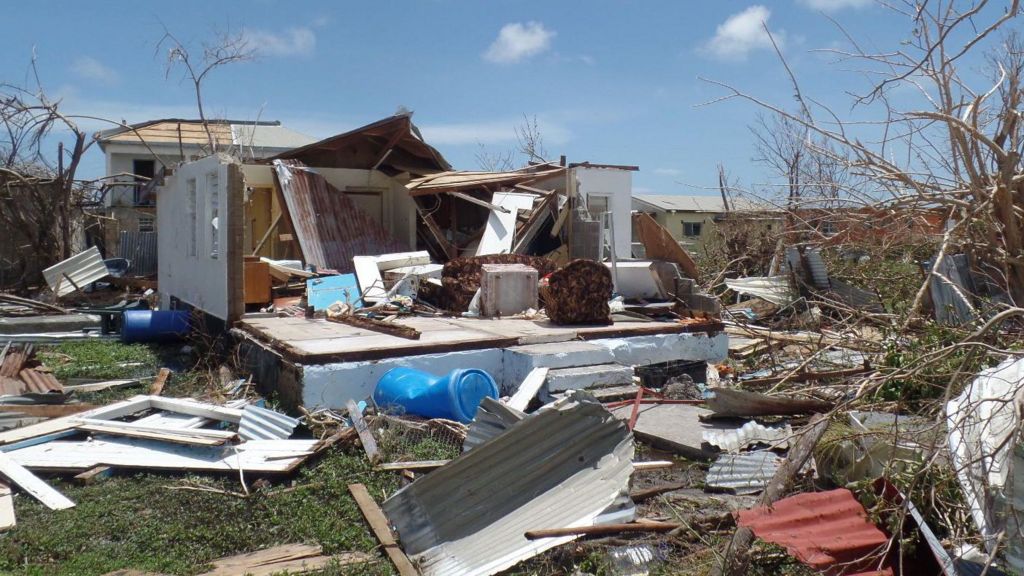
For many residents of Barbuda, the scars of Hurricane Irma’s devastation in September 2017 remain fresh. Eight years later, thunderstorms still evoke harrowing memories of the night when the Category 5 storm obliterated homes and livelihoods. While the emotional toll persists, the financial burden of recovery has become increasingly insurmountable, as home insurance premiums across the Caribbean have surged by up to 40% in the past two years. Experts attribute this spike to a combination of escalating cyclone risks and the region’s small population, which limits the profitability of insurance policies. Dwight Benjamin, a Barbudan whose home survived Irma, has fortified his property with a concrete-roofed extension to serve as a shelter. Yet, like many in the region, he has never purchased insurance, citing its prohibitive cost and a belief in the resilience of his self-built home. Across the Caribbean, the majority of homes remain uninsured, with only 20% coverage in Jamaica and 50% in Barbados. The region’s vulnerability extends beyond hurricanes to earthquakes and volcanic activity, further complicating the insurance landscape. Peter Levy, CEO of Jamaican insurance firm BCIC, describes the Caribbean as a ‘unique market’ where natural disaster risks perpetually drive high premiums. For instance, Antiguan insurer Anjo charges between 1.3% and 1.7% of a home’s value, compared to less than 0.2% in the UK. As the Atlantic hurricane season peaks, residents like Mohammid Walbrook, who lost his home to Irma, brace for the psychological and physical toll of potential storms. International aid, such as the $25 million provided by the United Nations Development Programme (UNDP) in 2017, has been crucial in rebuilding efforts. The UNDP’s cash-for-work program not only restored over 800 buildings but also provided employment to hundreds of suddenly jobless residents. Training in resilient construction techniques has further equipped locals to withstand future disasters. Regional initiatives like the Caribbean Catastrophe Risk Insurance Facility, which disbursed a record $85 million after Hurricane Beryl, offer some relief. However, for deeply indebted nations like Antigua and Barbuda, preparedness remains a year-round challenge. Sherrod James, director of the country’s disaster services, emphasizes proactive measures, from shelter assessments to flood mitigation. Despite the ongoing risks, the resilience of Caribbean communities endures, as they navigate the dual challenges of climate change and economic constraints.
-
White House says layoffs ‘imminent’ with no end to shutdown in sight
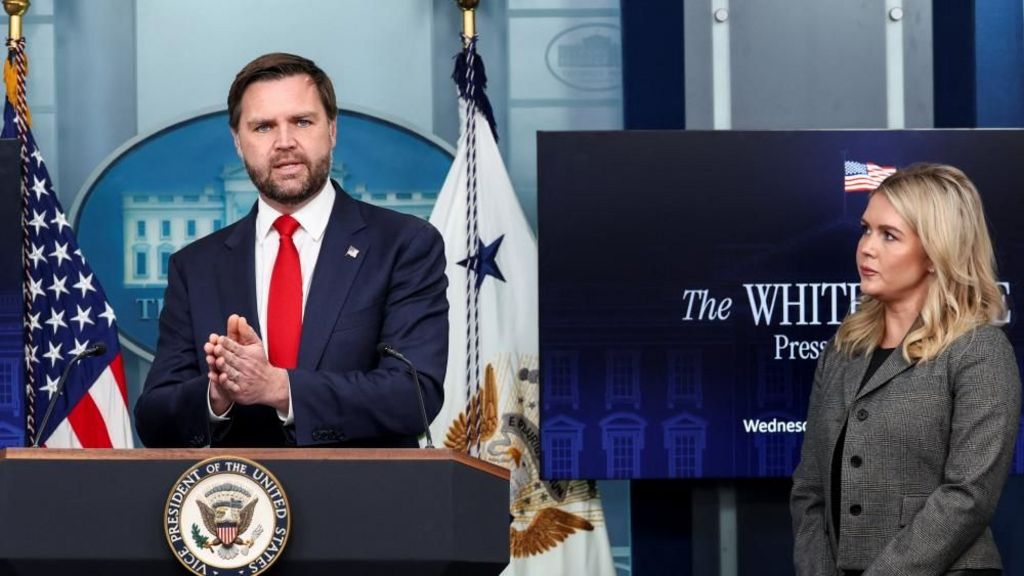
The United States is bracing for its first government shutdown in nearly seven years, as Republicans and Democrats in Congress remain deadlocked over a new spending plan. The shutdown, which began on Wednesday, has triggered a bitter blame game between the two parties, with mass layoffs of federal workers expected within two days. Vice-President JD Vance, in a rare appearance at a White House briefing, accused Democrats of playing political games, while Press Secretary Karoline Leavitt warned of impending job cuts. Democrats, led by Senate Majority Leader Chuck Schumer, have countered by accusing Republicans of attempting to ‘bully’ them into accepting their funding plan. The impasse centers on healthcare funding, with Democrats seeking guarantees for lower-income Americans, while Republicans advocate for a temporary stop-gap measure to keep the government open until mid-November. Essential workers, such as border agents and the military, may be forced to work without pay, while non-essential employees face temporary unpaid leave. Analysts predict this shutdown could be more severe than the 2018 episode, potentially affecting 750,000 federal workers. As both sides dig in, the economic and social repercussions of the shutdown loom large, with no immediate resolution in sight.
-
China launches a new visa to attract tech talent, but locals aren’t happy
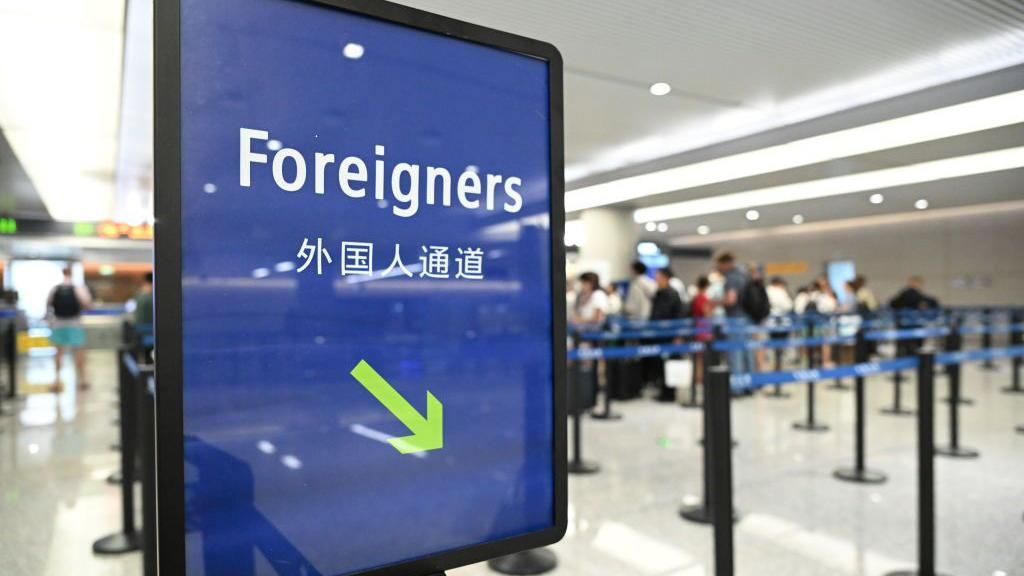
China’s recently introduced K visa, aimed at attracting foreign professionals in science, technology, engineering, and mathematics (STEM), has ignited a heated public debate. Initially announced in August, the visa gained significant attention last week when an Indian media outlet likened it to the U.S. H-1B visa, a program heavily utilized by Indian nationals. This comparison has fueled concerns among Chinese citizens about increased competition in an already sluggish job market and the potential influx of foreign talent into a country historically not known as a major immigration destination. Despite the lack of clarity on whether the K visa permits foreign professionals to work in China or merely facilitates easier entry, tens of thousands of Chinese social media users have criticized the initiative, questioning its necessity given the abundance of domestic talent. Some comments also raised xenophobic and racist sentiments, particularly targeting Indian nationals. In response, Chinese state media, including the Global Times and the People’s Daily, have sought to assuage public fears by emphasizing the visa’s role in showcasing China’s openness and confidence on the global stage. The K visa, which does not require employer sponsorship, offers flexibility in terms of entry frequency, validity, and duration of stay. However, its exact scope remains undefined, leaving many to wonder if it will allow qualified foreigners to work in China. The timing of the K visa’s launch coincides with the Trump administration’s decision to increase H-1B application fees, a move that has drawn criticism from countries like India and China. This development is part of China’s broader strategy to attract international talent, including visa exemption agreements with 75 countries and efforts to recruit top academics from U.S. institutions. However, experts caution that challenges such as language barriers and China’s tightly controlled political environment may hinder the visa’s effectiveness. The public backlash underscores the need for clear communication and consensus-building to ensure the initiative’s success.
-

Irish citizens on intercepted Gaza flotilla boats
The Israeli navy has intercepted the Global Sumud Flotilla (GSF), a humanitarian mission comprising 44 vessels carrying aid to Gaza, detaining at least six Irish citizens among the participants. The flotilla, which included prominent Irish figures such as Senator Chris Andrews and activists Tara O’Grady and Louise Heaney, was reportedly 70 nautical miles from Gaza’s shoreline when the intervention occurred. Israel’s Foreign Ministry stated that the vessels were “safely stopped” and redirected to an Israeli port, citing their proximity to an “active combat zone.” The GSF condemned the interception as “illegal” and “a brazen act of desperation,” emphasizing the mission’s peaceful intent to address the humanitarian crisis in Gaza. Livestream footage from the Alma vessel, carrying Belfast man Fra Hughes, showed crew members awaiting the inevitable boarding by Israeli forces. The Irish government, including Tánaiste Simon Harris and President Michael D Higgins, expressed deep concern, urging Israel to uphold international law and ensure the safety of all participants. Sinn Féin president Mary Lou McDonald called for immediate action, describing the situation as a “moment of huge danger.” While Irish Prime Minister Micheál Martin acknowledged the mission’s humanitarian purpose, he cautioned against further progress toward Gaza, citing safety risks. The incident has reignited debates over international law and the blockade of Gaza, with Higgins questioning the global commitment to recognizing a Palestinian state amid such actions.