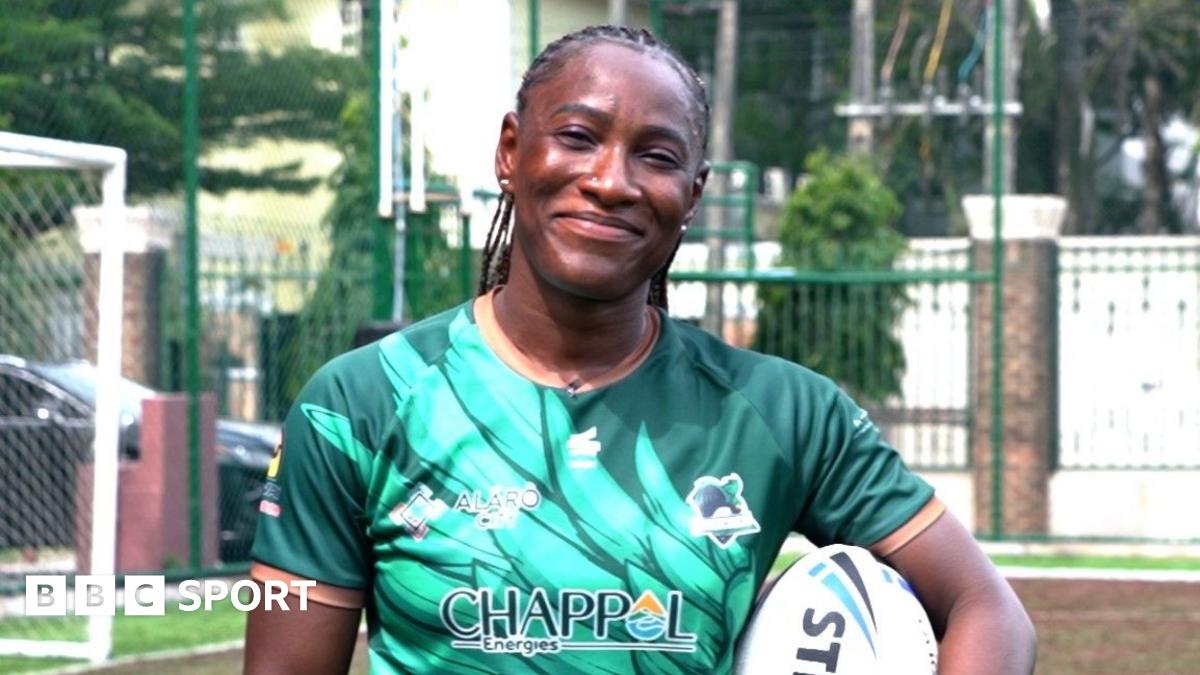
Rachel Iliya, a 23-year-old Nigerian rugby league player, has become a beacon of hope for her nation as the Green Falcons aim to make history by qualifying for the 2026 Women’s Rugby World Cup. Iliya, who only took up the sport last year, scored two tries on her international debut against Kenya in a World Cup play-off, showcasing her immense potential. Her journey from working as a part-time cleaner to becoming a national team star is a testament to her resilience and determination.
博客
-

‘Area of interest’ found in search for girl who vanished 55 years ago
In a significant development in one of Australia’s most haunting cold cases, a volunteer search team using cadaver detection dogs has identified an ‘area of interest’ in the search for Cheryl Grimmer, a British child who vanished over five decades ago. The discovery, reported to New South Wales Police, could potentially provide closure to a family that has endured decades of unanswered questions and heartache. Cheryl, just three years old at the time, disappeared from Fairy Meadow beach in Wollongong in January 1970, shortly after her family emigrated from Bristol. Authorities have long suspected she was abducted. The search team, led by Chris D’Arcy of Search Dogs Sydney, believes the dogs’ behavioral changes indicate a possible breakthrough. ‘We believe we have located an area of interest and will pass the information on to the authorities,’ D’Arcy stated. The case has been marred by legal complexities, including a disallowed confession from a teenage boy in 1971 and a collapsed trial in 2019 involving a suspect known only as ‘Mercury.’ Cheryl’s brother, Ricki Nash, who was seven when she vanished, expressed mixed emotions about the search. ‘This should have been done 55 years ago,’ he lamented, questioning why the area had never been thoroughly investigated despite the detailed confession. Nash, along with his daughter Melanie Grimmer, has spent a lifetime hoping for answers, though the prospect of finding Cheryl’s remains is bittersweet. ‘We always lived with the hope that someone took her and raised her well,’ Nash said. ‘To be here looking for a body or part thereof is not a good thing.’ The search continues, with the family and investigators clinging to the slim hope of uncovering the truth after more than half a century.
-

Kenyan activists abducted in Uganda, opposition leader says
Two Kenyan human rights activists, Bob Njagi and Nicholas Oyoo, have mysteriously disappeared in Uganda after allegedly being abducted by armed men during an opposition campaign event led by Bobi Wine. The incident occurred at a petrol station, where the activists were reportedly seized in what Bobi Wine described as a ‘mafia-style’ operation. The Ugandan opposition leader, whose real name is Robert Kyagulanyi, is a prominent presidential candidate challenging the long-standing rule of President Yoweri Museveni, who has been in power since 1986. Bobi Wine condemned the abduction, accusing the Ugandan government of targeting the activists for their association with him and their support for his political cause. Kenyan police spokesperson Michael Muchiri stated he was unaware of the incident, while Ugandan authorities have yet to comment. Witnesses reported that four armed men forced the activists into a vehicle and drove away, leaving their whereabouts unknown. Njagi, who had previously been abducted in Kenya last year, and Oyoo, the secretary general of the Free Kenya Movement, were actively participating in Bobi Wine’s campaign before their disappearance. This incident echoes a pattern of abductions and detentions targeting political dissidents across East Africa, raising concerns about regional governments collaborating to suppress opposition voices. Earlier this year, Kenyan activist Boniface Mwangi and Ugandan activist Agather Atuhaire were detained in Tanzania under similar circumstances. The recurring pattern of such incidents has sparked widespread condemnation and fears of a coordinated effort to silence dissent in the region.
-
‘No signs of life’ for dozens missing in Indonesia school collapse
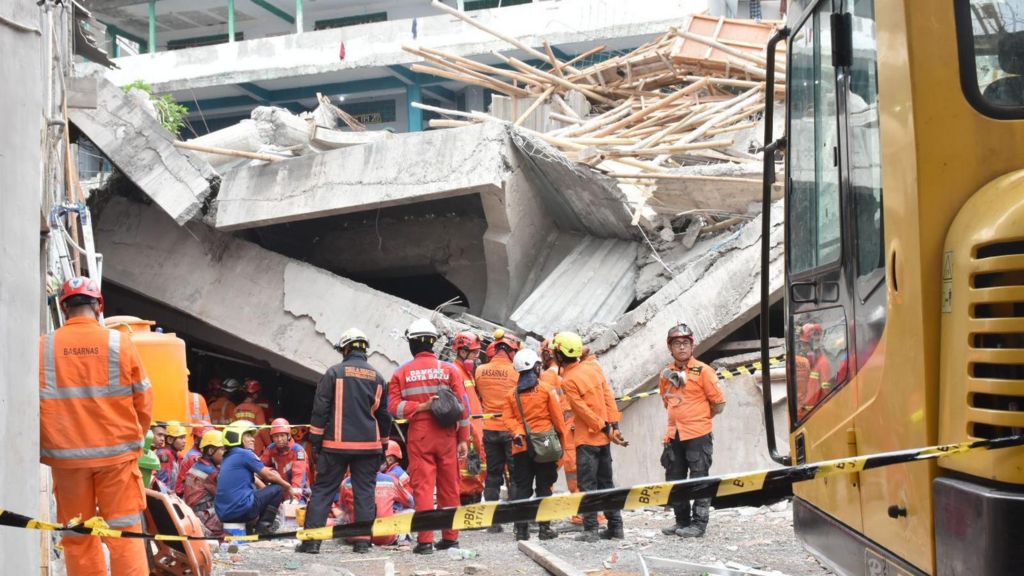
In a grim turn of events, Indonesia’s National Search and Rescue Agency (BNBP) has announced the transition to heavy machinery in the ongoing rescue mission at the site of a collapsed Islamic boarding school in Sidoarjo. The two-storey building, which was under construction with additional floors being added, crumbled on Monday, trapping hundreds of students, predominantly teenage boys, beneath its wreckage. So far, the tragedy has claimed the lives of at least five students, left approximately 100 injured, and left 59 individuals unaccounted for. Despite initial hopes, thermal drone scans conducted on Thursday revealed no signs of life beneath the rubble. Rescue efforts have been severely hampered by the unstable structure of the building, which collapsed due to an overburdened foundation. BNBP head Lt Gen Suharyanto stated that the team had cleared the area for silence in a desperate attempt to detect any signs of life but found none. The next phase of operations will involve using cranes and cutting equipment to remove concrete slabs, a risky move previously avoided due to fears of further collapse. The school’s management had reportedly failed to secure the necessary permits for the additional floors, raising questions about regulatory oversight. As anxious relatives continue to camp outside the site, authorities grapple with fluctuating casualty figures, a common challenge in the chaotic aftermath of such disasters.
-
Bollywood superstar Shah Rukh Khan enters the billionaire club
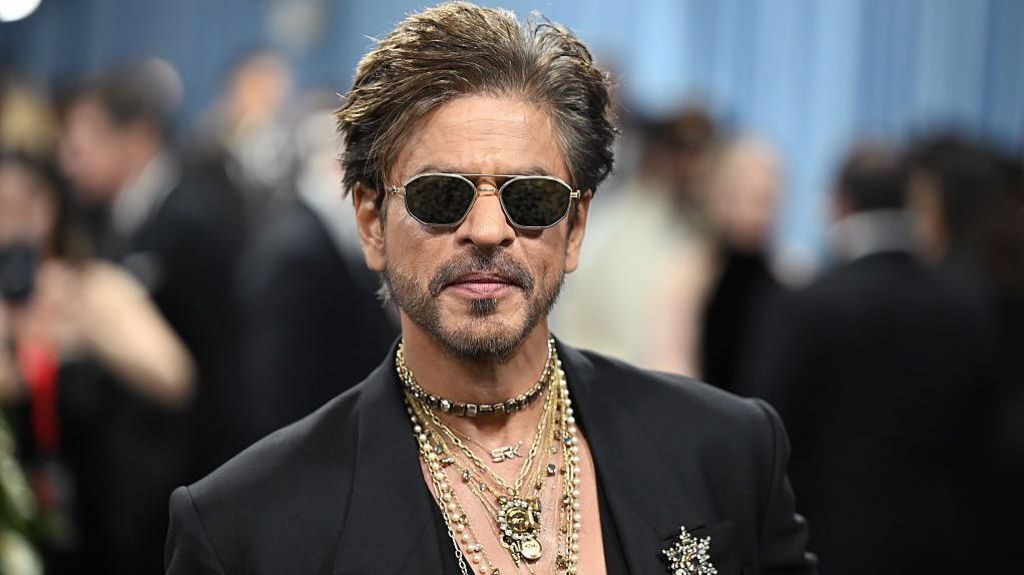
Bollywood icon Shah Rukh Khan has achieved a monumental milestone by entering the billionaire club, marking his debut as one of the world’s wealthiest actors. According to the Hurun India Rich List 2025, the 59-year-old superstar boasts a net worth of $1.4 billion (£1.03 billion), placing him among global luminaries like Arnold Schwarzenegger, Rihanna, Tiger Woods, and Taylor Swift. Known as Bollywood’s ‘King of Romance,’ Khan has spent over three decades in the Hindi film industry, evolving from a celebrated actor to a powerhouse entrepreneur. His wealth is primarily driven by his stakes in Red Chillies Entertainment, his production company, and Knight Rider Sports, his IPL cricket team. Additional income streams include film earnings, endorsements, and global real estate investments. Khan’s billionaire status underscores a broader shift in India’s economic landscape, where sports, entertainment, and intellectual property-driven businesses are emerging as significant wealth generators. This mirrors trends seen in the U.S., where celebrity-led brands and sports-team owners now dominate rich lists. While other Bollywood figures like Juhi Chawla, Hrithik Roshan, and Karan Johar also feature on the list, Khan’s wealth far surpasses theirs. India’s billionaire count has surged past 350 this year, with Mukesh Ambani and Gautam Adani retaining the top spots. Khan’s ascent reflects not only his enduring appeal but also the evolving dynamics of wealth creation in modern India.
-

In pictures: Celebrations across India as devotees mark Dussehra festival
Millions across India are immersed in the vibrant celebrations of Dussehra, one of Hinduism’s most significant festivals, symbolizing the eternal victory of good over evil. This festival, observed on the tenth day of the seventh month in the lunar calendar, commemorates Lord Ram’s triumph over the ten-headed demon king Ravan. The festivities are preceded by Navratri, a nine-night period dedicated to worshipping the Hindu goddess Durga in her various forms.
-

Relief and new baby for asylum family of child suffocated in Channel crossing
The Alhashemi family’s story is one of resilience, loss, and eventual hope. For 15 years, this Iraqi family has navigated the harsh realities of life as asylum seekers in Europe, enduring legal limbo, deportation threats, and unimaginable grief. Their journey took a tragic turn in April 2024 when their seven-year-old daughter, Sara, died during a perilous attempt to cross the English Channel in a small boat. This devastating event marked a low point in their struggle for safety and stability. However, a year later, a life-changing email from a French refugee agency brought a glimmer of hope, granting them provisional asylum and a chance to rebuild their lives in France. Ahmed and Nour Alhashemi, who fled Iraq due to threats linked to Saddam Hussein’s regime, met in Belgium and raised three children while battling bureaucratic hurdles and constant uncertainty. After Sara’s death, the family applied for asylum in France, where they faced further challenges but eventually secured housing and support. In July 2025, they received official permission to stay in France for four years, with the possibility of permanent residency. The family’s newfound stability was further brightened by the birth of their baby girl, Sally, named in memory of Sara. Ahmed, a tiler, now dreams of starting his own business, while Nour envisions opening a bakery. Their eldest daughter, Rahaf, reflects on the security she feels for the first time in her life. Despite past criticism for their choices, the Alhashemis have finally found a safe place to call home, offering a poignant reminder of the resilience of refugees and the importance of compassion in immigration systems.
-
‘We only have the sea to live on’ – Senegal’s fishermen blame gas plant for dwindling catch
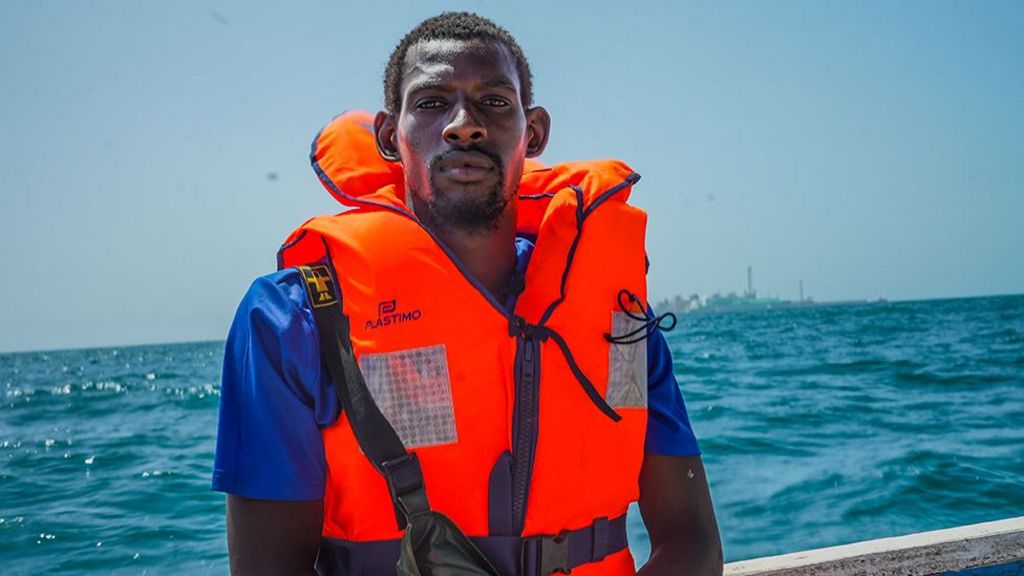
In Senegal’s northern city of Saint-Louis, traditional fishermen like Gora Fall face a daily battle between hope and despair. Once a thriving fishing hub, Saint-Louis now grapples with the economic and environmental repercussions of the Greater Tortue Ahmeyim (GTA) gas project, a joint venture led by British multinational BP, alongside Kosmos Energy and national oil companies of Senegal and Mauritania. The project, which began operations in 2017, has imposed a 500-meter exclusion zone around its offshore platform, severely limiting access to rich fishing grounds. For Fall and many others, this has meant dwindling catches and a struggle to make ends meet. ‘Before, we worked to live, but now we just work to survive,’ laments the 25-year-old fisherman. The restrictions have compounded existing challenges, including competition from international trawlers and rising costs. Women in the fish processing industry, traditionally a female-dominated sector, are also feeling the pinch. Diamol Sène, a mother of 10, notes that many women have lost their jobs as fish become scarcer and more expensive. BP defends its practices, citing safety zones as standard procedure and emphasizing its commitment to responsible operations. However, promises to build artificial reefs as compensation have yet to materialize, leaving fishermen disillusioned. The project has also raised environmental concerns, particularly after a gas leak in February 2025, which BP downplayed as ‘negligible.’ Despite government assurances of economic benefits, the local fishing community remains skeptical, accusing authorities of prioritizing corporate interests over their livelihoods. As fishermen like Fall consider abandoning their centuries-old trade, the future of Saint-Louis’ fishing industry hangs in the balance.
-
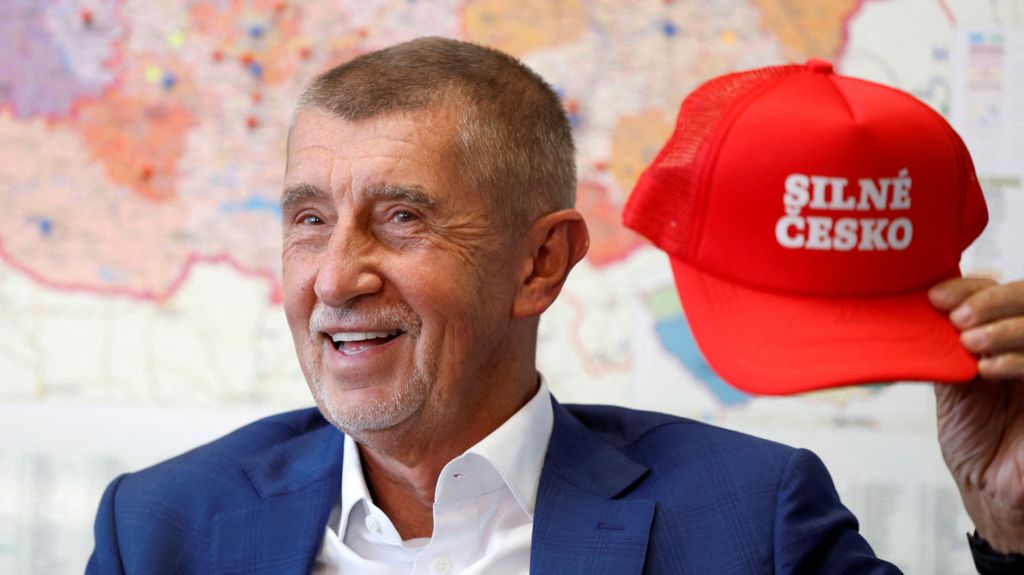
Billionaire populist eyes power in Czech vote but may need help from extremes
As Czech voters prepare to cast their ballots this weekend, the nation stands at a political crossroads. Populist billionaire Andrej Babis, leader of the ANO party, is poised to lead the next government, potentially replacing the current pro-Western coalition. However, his path to power may require alliances with fringe parties, raising concerns about the country’s future direction. Babis, a former prime minister, has sought to distance himself from accusations of pro-Russian sentiment, vowing to maintain Czechia’s alignment with the West. Yet, his potential coalition partners—ultra-nationalist and anti-EU factions—pose significant challenges to the nation’s longstanding commitments to NATO and European integration. The election comes amid heightened fears of Russian interference and a deteriorating security situation in Europe. Babis, inspired by the US MAGA movement, has adopted red caps emblazoned with ‘Strong Czechia,’ symbolizing his populist appeal. While he has ruled out forming a coalition with Communists, his potential allies advocate for radical policies, including referendums on EU and NATO membership. Critics warn that an ANO-led government could mirror the illiberal trajectories of Slovakia and Hungary, undermining Czechia’s democratic values and Western alliances. As the nation grapples with these uncertainties, the election’s outcome will have far-reaching implications for its role in Europe and beyond.
-

Could US government ban apps which track ICE agents?
The US government and law enforcement agencies have intensified their criticism of apps designed to track Immigration and Customs Enforcement (ICE) agents, claiming these tools endanger the lives of officers. The FBI has linked a recent attack on an ICE facility in Dallas, which resulted in the deaths of two detainees, to the use of such apps. Special Agent Joseph Rothrock likened the apps to providing a hitman with the location of their target, a statement contested by developers of these applications. ICEBlock, the most popular of these apps, has been downloaded over one million times since its release in April. Despite backlash from the Trump administration, it remains available on the Apple Store. Joshua Aaron, the developer of ICEBlock, defended his creation, stating it was designed to protect vulnerable communities in response to the administration’s aggressive immigration policies. US Attorney General Pam Bondi accused Aaron of threatening law enforcement, but he remains resolute, arguing that the app serves a necessary purpose. Critics argue that the apps could be misused, while supporters claim they are a tool for safety and transparency. The debate highlights the tension between national security concerns and constitutional freedoms, with legal experts noting that banning such apps would be challenging under US law.