
The Trump administration has accused Democrats of causing the US government shutdown by pushing for ‘radical demands,’ including free healthcare for illegal immigrants. Vice President JD Vance claimed that Democrats are seeking billions in healthcare funding for undocumented individuals, a statement echoed by President Trump on Truth Social. However, Democratic Senate leader Chuck Schumer dismissed these claims as ‘a total, absolute lie.’
博客
-

Senior member of Venezuela’s Tren de Aragua gang arrested
In a significant international operation, the alleged leader of the armed wing of the Venezuelan criminal gang Tren de Aragua has been apprehended. The arrest of José Antonio Márquez Morales, also known as Caracas, was announced by Colombia’s National Police. The operation, which involved collaboration between Colombia, the United States, and the United Kingdom, took place in the city of Valledupar. Morales is accused of playing a pivotal role in managing the logistics and finances for the gang, which is involved in extortion, drug trafficking, and smuggling. Tren de Aragua has been designated as a terrorist organization by former US President Donald Trump, who also deported over 250 alleged members of the gang to a prison in El Salvador. Carlos Fernando Triana Beltrán, Director of Colombia’s National Police, revealed that Morales was the subject of an Interpol Red Notice, a global alert requesting law enforcement agencies to detain an individual pending extradition. The arrest comes amid escalating tensions between the US and Venezuela, particularly concerning the Trump administration’s anti-drug-trafficking initiatives in Latin America. The US has recently deployed warships to the Caribbean and conducted bombings of vessels allegedly transporting drugs from Venezuela to the US. The Trump administration has accused Venezuelan President Nicolás Maduro of colluding with drug cartels and has offered a $50 million reward for information leading to his capture. Maduro has vehemently denied these allegations and has defended his government’s efforts to combat drug trafficking.
-
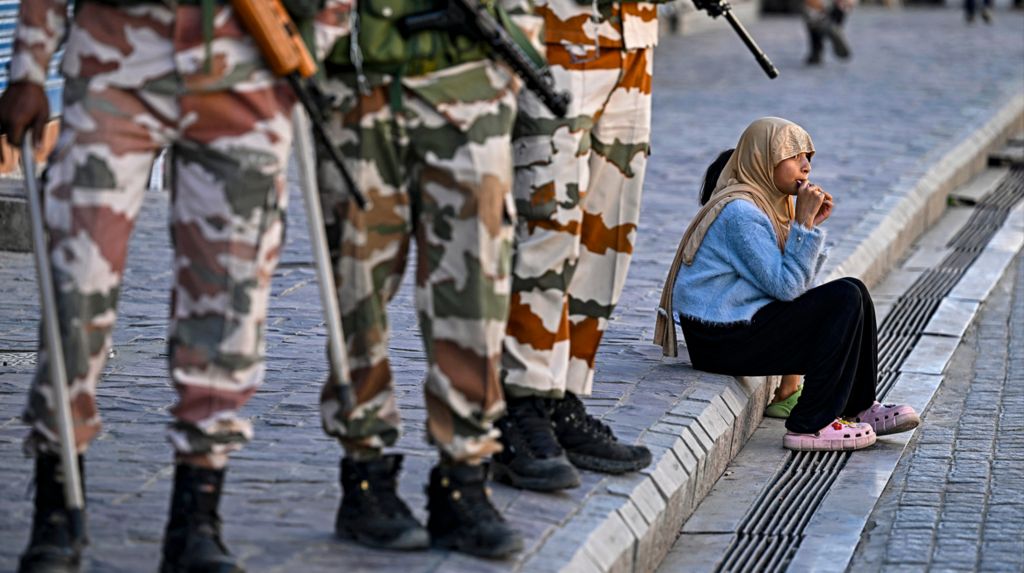
‘Broken promises’ and deadly violence push Himalayan beauty spot to the edge
Ladakh, a serene Himalayan region renowned for its spiritual allure and breathtaking landscapes, has been thrust into turmoil following violent protests demanding greater autonomy from India. Last week, peaceful demonstrations escalated into deadly clashes between protesters and police, resulting in four civilian deaths and over 80 injuries. The unrest marks the deadliest violence in the region in decades. Authorities responded by arresting Sonam Wangchuk, a prominent scientist and activist accused of inciting the crowd, and imposing a curfew in Leh, Ladakh’s capital. Internet services were cut, and paramilitary troops were deployed to restore order. The protests stem from long-standing grievances over the region’s political status and cultural preservation. In 2019, Ladakh was separated from Indian-administered Kashmir and placed under direct federal rule, a move initially welcomed by residents who hoped for greater autonomy. However, disillusionment grew as promises of economic development and cultural protection remained unfulfilled. The region’s Buddhist and Muslim communities, historically divided, have united in their demand for statehood, job quotas, and inclusion in the Sixth Schedule, which grants protections to tribal areas. The recent violence has deepened mistrust and fear among locals, with many accusing the government of prioritizing industrial interests over their rights. Political and defense experts warn that further escalation could destabilize this strategically sensitive region, which borders both China and Pakistan. Despite the crackdown, protesters vow to continue their struggle peacefully, emphasizing their demands are rooted in legitimate concerns for their identity and future. The road to reconciliation remains uncertain, with hundreds of soldiers stationed in Leh and many protesters fearing reprisals.
-
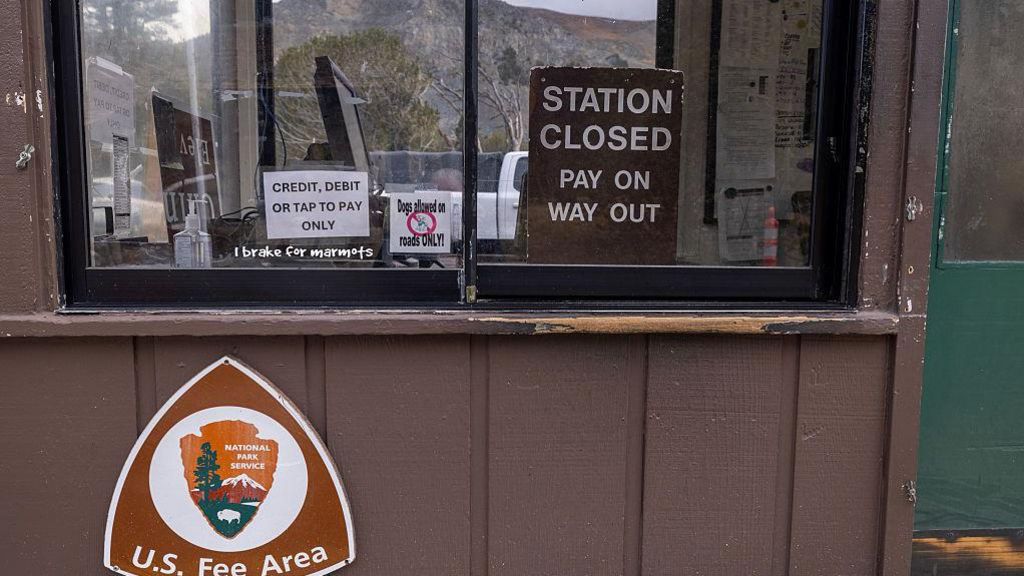
Stay out of national parks during US shutdown, conservationists warn
As the US government shutdown continues, conservationists are urging visitors to steer clear of national parks, advocating for their temporary closure due to safety and resource concerns. The National Parks Conservation Association (NPCA) has highlighted the risks posed by skeleton staffing, warning that visitors may find themselves without essential services or support. The National Park Service (NPS), responsible for overseeing 433 sites, has opted to keep parks partially open while furloughing over half of its workforce. This decision has drawn criticism from conservation groups and former park rangers, who argue that reduced staffing jeopardizes both visitor safety and the preservation of park resources. Kristen Brengel, NPCA’s senior vice-president of government affairs, emphasized the lack of communication staff to inform visitors about available facilities, describing the situation as unpredictable. She advised against visiting parks during the shutdown, citing the potential for vandalism, environmental damage, and limited emergency response capabilities. The Trump administration’s approach during the 2018 shutdown, which kept parks open with minimal staffing, led to widespread issues, including off-roading, looting, and littering. Many parks are already under strain due to earlier mass layoffs, raising concerns about their ability to recover from any additional damage. In a letter to Interior Secretary Doug Burgum, former park superintendents warned of the risks posed by keeping parks open, citing past instances of vandalism and habitat destruction. Bill Wade, executive director of the association of national park rangers, echoed these concerns, describing the decision as ‘dangerous’ and highlighting the potential for increased resource damage. The shutdown, which began after Congress failed to agree on a new spending plan, has sparked bipartisan efforts to keep parks open, with Senator John Hickenlooper emphasizing their economic and emotional significance during stressful times.
-
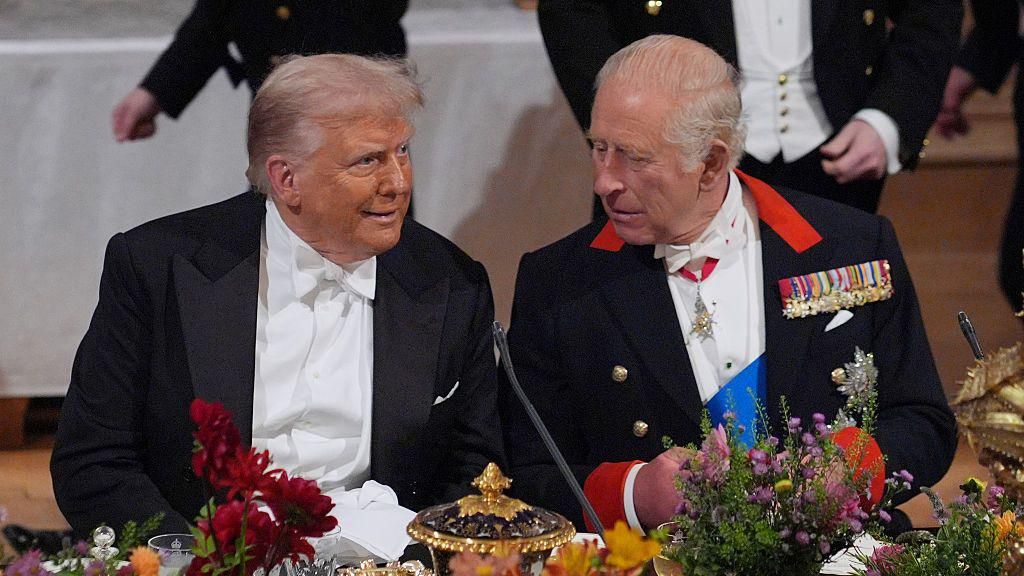
Official quits after dispute over Trump’s Eisenhower sword gift to King Charles
The director of the Dwight D. Eisenhower Presidential Library, Todd Arrington, has resigned following a contentious disagreement with the Trump administration over the gifting of a historical sword to King Charles III during President Donald Trump’s recent state visit to the United Kingdom. According to CBS News, Arrington refused to remove an original sword from the library’s collection, which the State Department had sought to present as a symbol of the enduring US-UK alliance post-World War II. Instead, King Charles received a replica of the sword during Trump’s visit to Windsor Castle in September. Arrington, who had been in his role since August 2024, was reportedly told to resign or face termination, with officials citing a loss of trust over confidential matters related to the sword dispute and other issues. In an interview, Arrington denied making any disparaging remarks about Trump or his administration, emphasizing his commitment to preserving historical artifacts. The Eisenhower library, one of 16 presidential libraries managed by the National Archives, houses several swords from Eisenhower’s collection, including a saber and a sword of honor. Arrington expressed his desire to return to his position, stating his deep passion for the role and its historical significance. The White House and the National Archives have yet to comment on the matter.
-
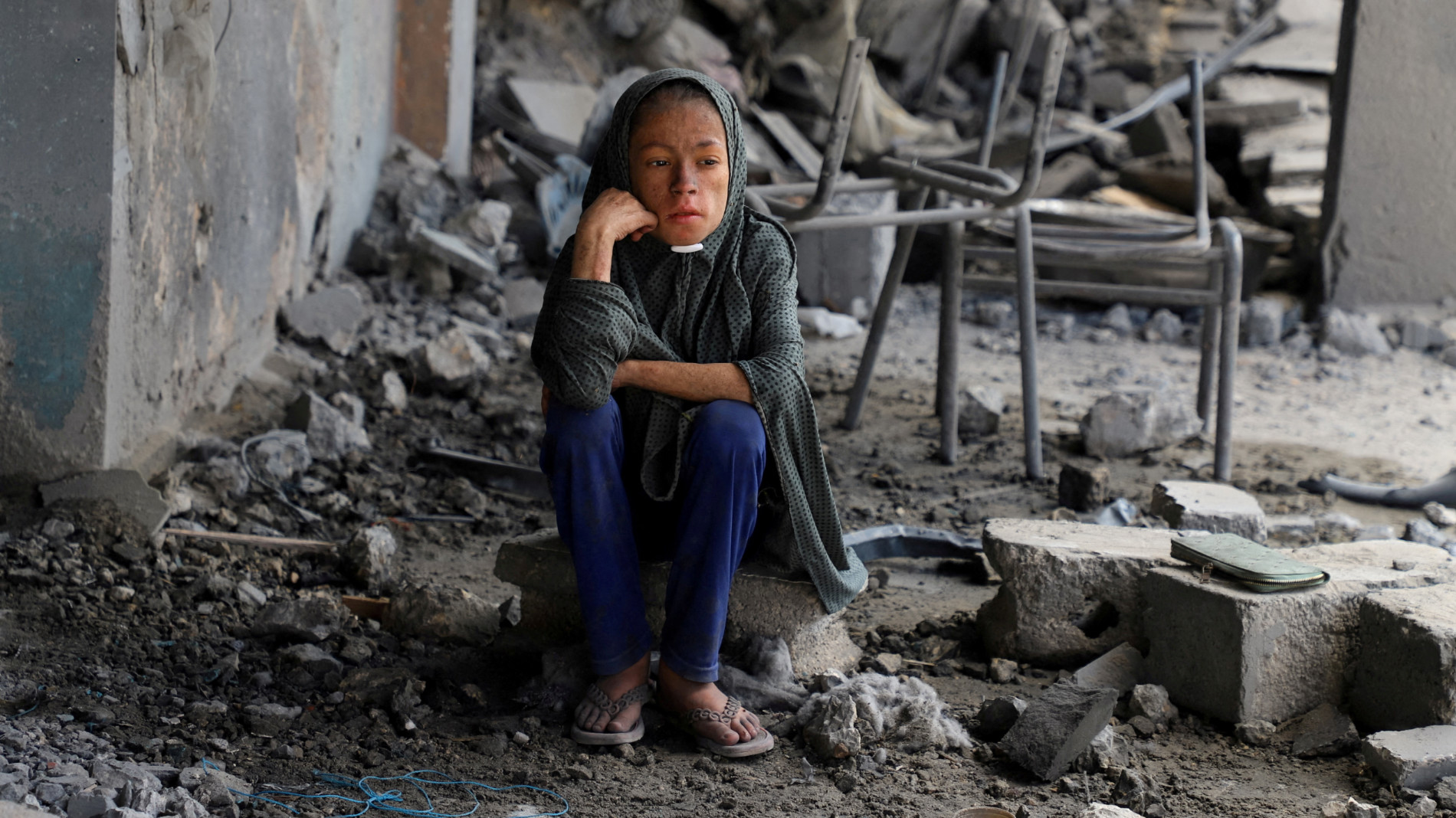
Growing up amid genocide: Gaza’s girls navigate puberty under siege and scarcity
In the midst of relentless Israeli air strikes, young girls in Gaza are enduring not only the horrors of war but also the profound challenges of puberty. This pivotal stage of life, marked by significant physical and emotional changes, is exacerbated by the dire conditions of the besieged enclave. With families struggling to survive, essential resources like menstrual products, clean water, and private spaces are scarce, leaving girls to navigate this transition in isolation and distress. Dima Mohammed, a 12-year-old displaced in Gaza City, shared her shock and unpreparedness for the onset of puberty, highlighting the scarcity of hygiene supplies and the overwhelming focus on survival. Her mother lamented the lack of medical care and the compounded physical and psychological suffering caused by the war. Similarly, Maryam Ahmed, another 12-year-old, expressed her unpreparedness for puberty, both mentally and physically, as her mother recounted the impossibility of providing the usual support and celebration due to the war’s devastation. The United Nations Population Fund (UNFPA) estimates that around 691,300 women and girls of menstruating age are living in Gaza, with a monthly need for approximately 10,369,500 menstrual pads. However, the Israeli blockade has severely restricted the entry of hygiene supplies, making these products either unavailable or unaffordable. Many women and girls have resorted to makeshift alternatives, such as torn pieces of cloth, further stripping them of dignity. Palestinian psychologist Anhar Farajallah emphasized the heightened physical and emotional risks faced by girls entering puberty under such conditions, noting the lack of privacy, clean water, and essential hygiene products. Umm Ibrahim, a displaced mother in Gaza City, spoke of her daughter’s severe abdominal pain during menstruation and the unaffordable cost of sanitary pads. Eleven-year-old Maria Sharif, despite being prepared by her mother, expressed her feelings of adding a burden to her family due to the high cost of sanitary pads, resorting to improvised alternatives. The war has not only disrupted the lives of these young girls but has also robbed them of the support and resources needed to navigate this crucial stage of life.
-

China’s $3 trillion stock rally is outrunning its economy
China’s equity markets have experienced one of their most significant rallies in recent years, with a combined market capitalization increase exceeding US$3 trillion across mainland China and Hong Kong. The CSI 300 index has soared by approximately 16% in 2025, while technology indices have reached their highest levels in a decade. This surge is primarily driven by retail investors, who, bolstered by substantial savings and state-backed liquidity support, are leading the charge. Despite slowing industrial output growth and underwhelming retail sales figures, investors are focusing on China’s long-term economic transformation, shifting away from property dependence toward innovation, advanced manufacturing, and green technology. This rally is distinct from previous speculative cycles, reflecting a deeper confidence in structural reforms and the government’s strategic direction. Individual investors dominate trading volumes, accounting for nearly 90% of daily flows, while Beijing’s efforts to deepen capital markets through policy support and foreign participation are further fueling the momentum. Although certain sectors, such as biotech and AI-linked firms, appear overvalued, the overall rally is seen as a sign of capital aggressively seeking exposure to China’s future economic drivers. The state’s active role in guiding this transition underscores the rally’s sustainability, with measures like widening access to stock options and strengthening market infrastructure laying the groundwork for long-term institutional participation. While caution is advised due to macroeconomic uncertainties and external pressures, the rally signals investors’ belief in China’s ability to reinvent its growth model. If reforms translate into tangible results, this surge could mark the early stages of a transformative economic evolution.
-
Robert Mugabe’s son appears in court on drug charge
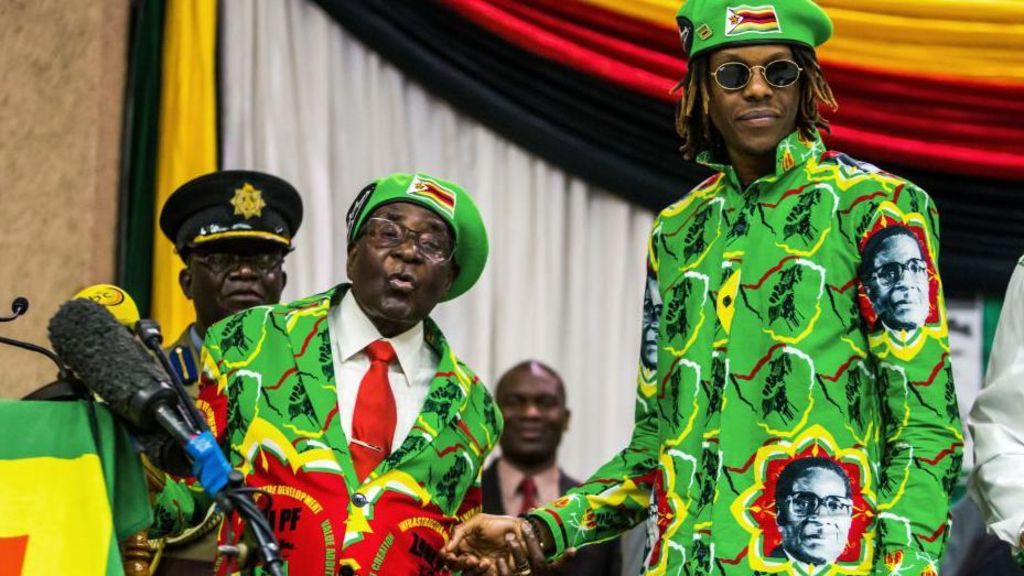
Robert Mugabe Jr, the 33-year-old son of Zimbabwe’s late former President Robert Mugabe, appeared in a Harare court on Thursday, charged with drug possession. The arrest occurred on Wednesday morning when Mugabe Jr was reportedly driving the wrong way down a one-way street. According to court documents, police searched a black sling bag he was carrying and allegedly discovered two small sachets of cannabis. Following the incident, authorities arrested five individuals allegedly linked to a drug syndicate connected to him. Mugabe Jr’s lawyer, Ashiel Mugiya, has contested the charges, claiming the drugs were found in a car with three other occupants and amounted to only 0.02 grams of cannabis, contrary to the police report stating 2 grams with a street value of $30. Mugabe Jr, dressed in joggers and a red cap, appeared relaxed as he entered the magistrates court, surrounded by people and without handcuffs. The court remanded him in custody pending a bail ruling on Friday. Police also reported recovering 25 sachets of marijuana and six ecstasy pills from the alleged syndicate members. This is not Mugabe Jr’s first legal issue; in 2023, he was arrested for property damage and assaulting a police officer at a Harare party, though he was later released after an out-of-court settlement. His father, Robert Mugabe, who led Zimbabwe for 37 years before resigning in 2017, passed away in 2019. Despite past tensions between the Mugabe family and current President Emmerson Mnangagwa, Mugabe Jr has since reconciled with the ruling party, attending a Zanu-PF rally in 2022.
-
Donations pour in for family of gunman in Michigan church attack
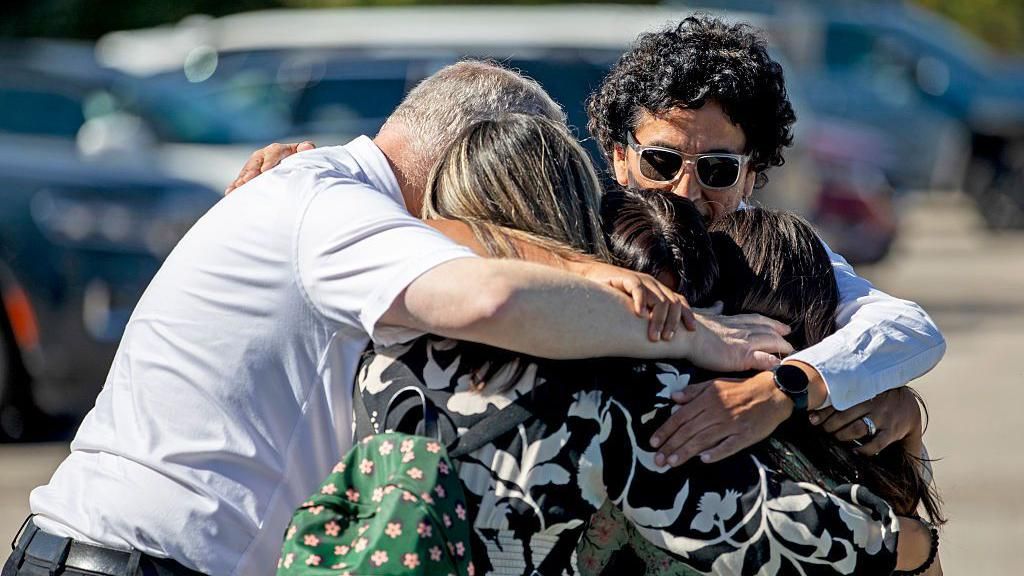
In a remarkable display of compassion, members of The Church of Jesus Christ of Latter-day Saints have donated over $250,000 to support the family of Thomas Sanford, the man responsible for a devastating attack on a Michigan church that left four dead and eight injured. The incident occurred on Sunday when Sanford drove his truck into the Grand Blanc church during a worship service, opened fire, and set the building ablaze before being fatally shot by police. David Butler, a Utah-based member of the church and a fantasy writer, initiated the fundraiser on GiveSendGo to assist Sanford’s widow and children, who face financial hardship and ongoing medical challenges. Despite the tragedy, many donors identified themselves as Latter-day Saints, expressing empathy and solidarity. The attack has deeply shaken the local community and the church nationwide, prompting vigils and financial support for victims and their families. Investigators are still searching for a motive behind the targeted act of violence, which occurred during a service attended by hundreds. Sanford, a former Marine deployed to Iraq, had a history of arrests but no clear connection to the church. Amid the grief, one survivor shared a poignant letter of forgiveness, highlighting the profound emotional impact of the tragedy.
-
Study shows the world is far more ablaze now with damaging fires than in the 1980s
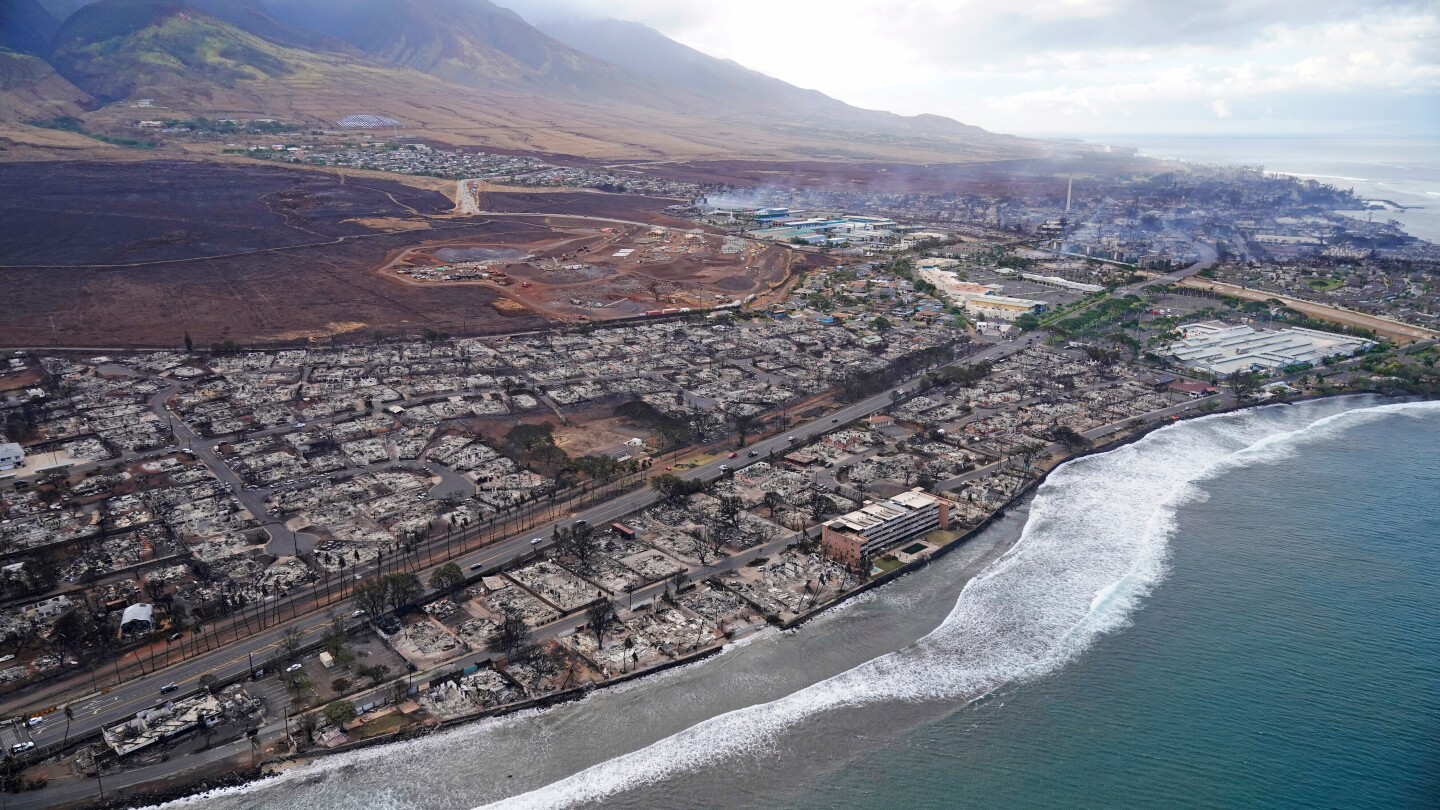
A groundbreaking study published in the journal *Science* has revealed that the frequency of the world’s most destructive wildfires has quadrupled since the 1980s, driven by human-induced climate change and the encroachment of urban areas into wildlands. The research, conducted by a team of international fire scientists from Australia, the United States, and Germany, shifts the focus from the traditional metric of acres burned to the economic and human toll of these disasters. By analyzing the 200 most damaging wildfires since 1980, the study found that these catastrophic events have increased by 4.4 times over the past four decades, with 43% occurring in the last ten years alone. The findings underscore a “climate-linked escalation of societally disastrous wildfires,” according to lead author Calum Cunningham, a pyrogeographer at the University of Tasmania. The study highlights that extreme fire weather conditions—hot, dry, and windy—are becoming more frequent due to the burning of fossil fuels, exacerbating the risk of devastating fires. Additionally, the expansion of urban areas into fire-prone regions, known as the wildland-urban interface, has further amplified the crisis. Cunningham emphasized that while wildfires are a natural phenomenon, human activities have significantly intensified their frequency and severity. The research also noted that economic data on wildfires is often inaccessible, complicating global assessments. However, by combining insurance data from Munich Re with the International Disaster Database, the team was able to provide a comprehensive analysis. Experts not involved in the study, such as Jacob Bendix of Syracuse University and Mike Flannigan of Thompson Rivers University, praised the research for its innovative approach and warned that the trend of increasing extreme fire weather poses a dire challenge for the future. The study calls for urgent action to mitigate climate change and improve wildfire preparedness to prevent further loss of life and economic devastation.