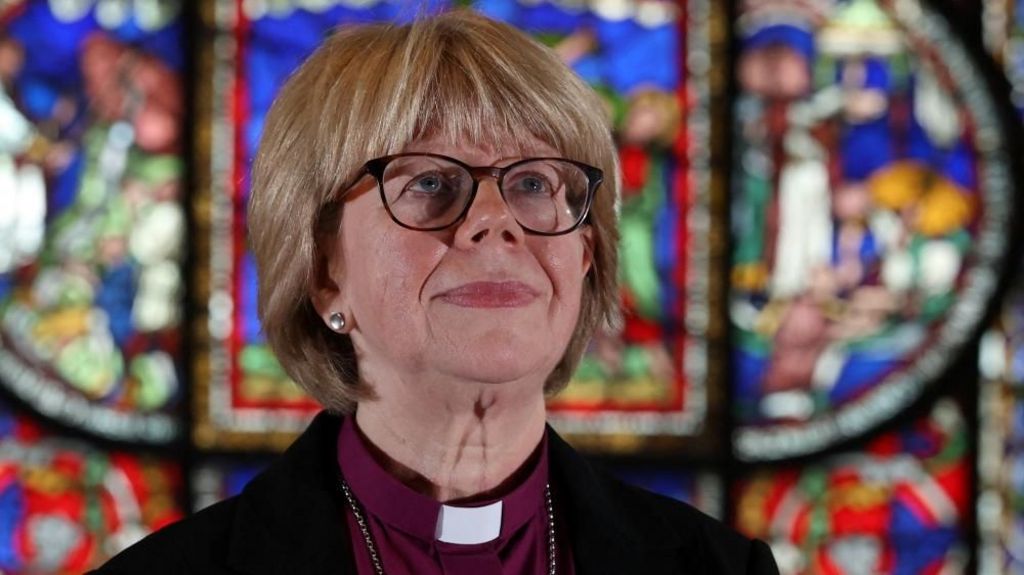
In a historic move, Dame Sarah Mullally has been appointed as the first female Archbishop of Canterbury, marking a significant milestone for the Church of England and the global Anglican Communion. Her appointment, announced on Friday, has sparked both celebration and controversy within the religious community. In her inaugural address, Dame Sarah emphasized unity, quoting, ‘If you want to go fast, go alone – if you want to go far, go together.’ However, her selection has deepened existing divisions, particularly among conservative factions. The Global Fellowship of Confessing Anglicans (Gafcon), a network of conservative churches primarily in Africa and Asia, expressed ‘sorrow’ over the decision, citing theological objections to female leadership and same-sex blessings. Conversely, the Church of Southern Africa hailed the appointment as ‘historic,’ reflecting a broader liberal shift within the Church of England. The Anglican Communion has long been divided over issues such as the ordination of women bishops and the acceptance of same-sex relationships, with conservative leaders like Archbishop Laurent Mbanda of Rwanda arguing that ‘the majority of the Anglican Communion still believes in a male-only episcopacy.’ Despite these tensions, progressive voices, including Bishop Emily Onyango of Kenya, have welcomed Dame Sarah’s leadership, describing it as ‘a new dawn’ for the Church. As the first woman to hold this prestigious role, Dame Sarah faces the dual challenge of fostering unity and addressing pressing social issues, particularly in Africa, where women and children continue to suffer. Her leadership will undoubtedly shape the future of the Anglican Communion, as it navigates its complex and evolving identity.
博客
-
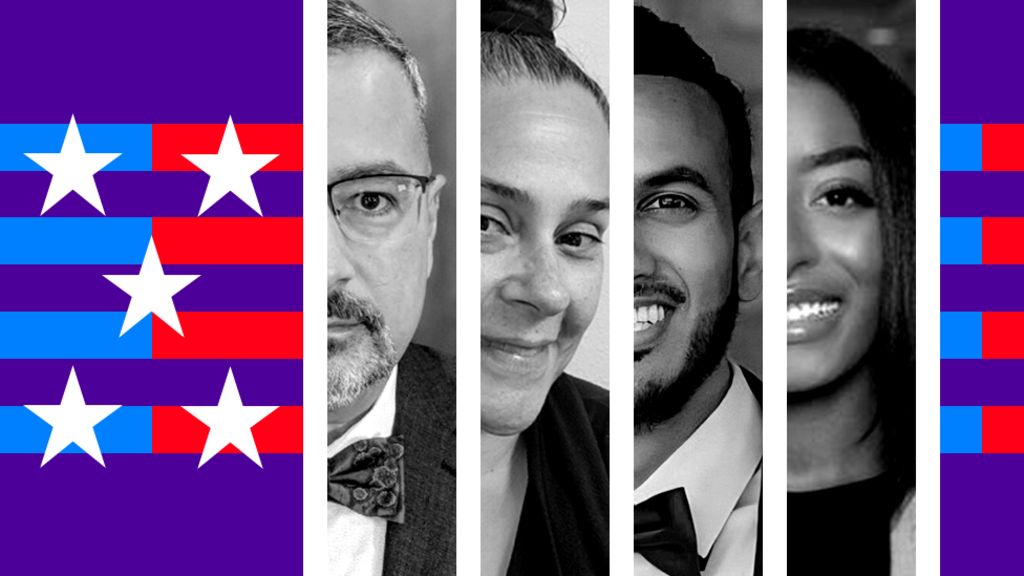
‘No good outcome’ – voters across US share concerns about shutdown
The ongoing US government shutdown has ignited a fierce blame game between Democrats and Republicans, leaving thousands of federal workers on unpaid leave and critical services in limbo. With no resolution in sight, both parties are locked in a stalemate over key issues, including healthcare subsidies and government spending. Democrats are refusing to support the Republican-backed spending plan unless expiring healthcare subsidies, which they argue are vital for working families, are renewed. Conversely, Republicans are pushing for a short-term funding bill before addressing the subsidies, further deepening the impasse.
-

Yuan lies in wait as Trump pushes buck to the brink
TOKYO — The past year has painted a paradoxical picture for the US dollar, leaving analysts divided on its trajectory. On one hand, the dollar remains a dominant force in global currency markets, with the latest data from the Bank for International Settlements (BIS) revealing its involvement in 89% of all foreign exchange transactions. This statistic underscores the dollar’s entrenched position as the world’s primary reserve currency, seemingly immune to challenges. On the other hand, the Chinese yuan’s growing influence, now accounting for 8.5% of global transactions, has sparked concerns about the dollar’s long-term supremacy. This rise in the yuan’s share is seen by some as a potential threat to Washington’s financial dominance. The situation is further complicated by the global foreign exchange market’s apparent indifference to the United States’ deteriorating economic fundamentals. Despite mounting debt, inflationary pressures, and political instability, traders continue to favor the dollar, highlighting its unique role in the global financial system. As the yuan gains traction, the question remains: Is the dollar’s hegemony unassailable, or is it on the brink of a gradual decline?
-
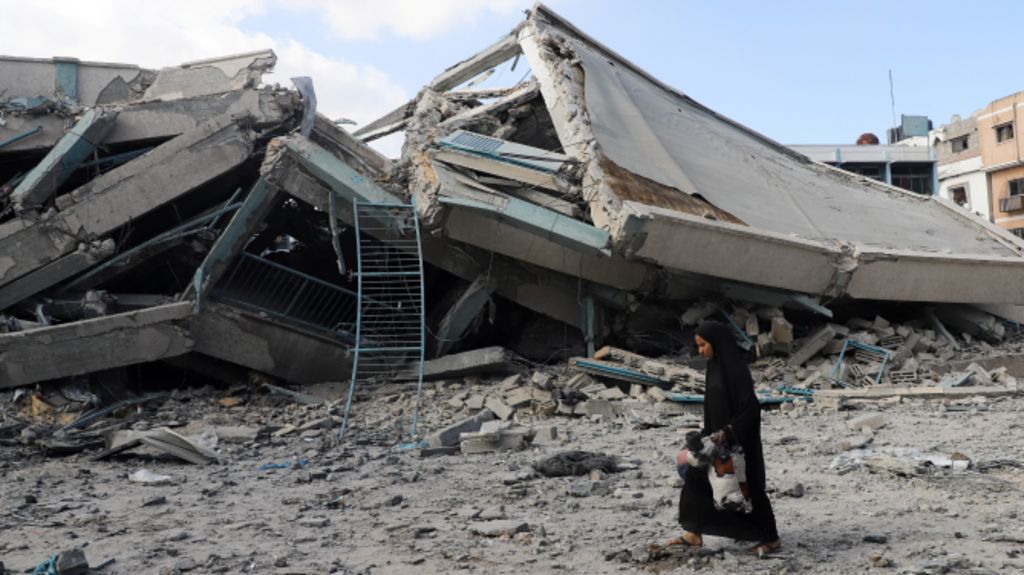
Trump gives Hamas Sunday deadline to accept Gaza peace plan
In a bold move to end the ongoing conflict in Gaza, former US President Donald Trump has presented a 20-point peace plan, setting a strict deadline for Hamas to accept the proposal. Trump, via his Truth Social platform, declared that an agreement must be finalized by 18:00 Washington time (22:00 GMT) on Sunday, warning of severe consequences if Hamas fails to comply. The plan outlines an immediate cessation of hostilities and the release of 20 living Israeli hostages, along with the remains of those believed deceased, within 72 hours. In return, hundreds of detained Gazans would be freed. Arab and Turkish mediators are reportedly urging Hamas to consider the proposal positively. However, a senior Hamas official has indicated that the group is likely to reject the plan. Trump emphasized the gravity of the situation, stating, ‘If this LAST CHANCE agreement is not reached, all HELL, like no one has ever seen before, will break out against Hamas. THERE WILL BE PEACE IN THE MIDDLE EAST ONE WAY OR THE OTHER.’ Mediators have engaged with Hamas’s military wing leader in Gaza, who has expressed disagreement with the US ceasefire proposal. While some political leaders of Hamas in Qatar are open to accepting the plan with modifications, their influence is limited as they do not control the hostages. A significant obstacle for Hamas is the requirement to release all hostages within the first 72 hours of the ceasefire, effectively relinquishing their primary bargaining leverage. It is estimated that 48 hostages are still held by Hamas in Gaza, with only 20 believed to be alive. The 20-point plan, jointly announced by Trump and Israeli Prime Minister Benjamin Netanyahu at the White House, also stipulates that Hamas will have no role in governing Gaza and leaves the possibility open for a future Palestinian state. However, Netanyahu has reiterated his opposition to a Palestinian state, stating, ‘It’s not written in the agreement. We said we would strongly oppose a Palestinian state.’ Trump has assured that Israel would have US support to ‘finish the job of destroying the threat of Hamas’ if the group rejects the plan. Netanyahu has echoed this sentiment, vowing that Israel ‘will finish the job’ if Hamas does not comply. The conflict escalated following a Hamas-led attack on southern Israel on October 7, 2023, resulting in approximately 1,200 deaths and 251 hostages taken. Since then, Israeli attacks in Gaza have reportedly killed at least 66,288 people, according to the Hamas-run health ministry.
-
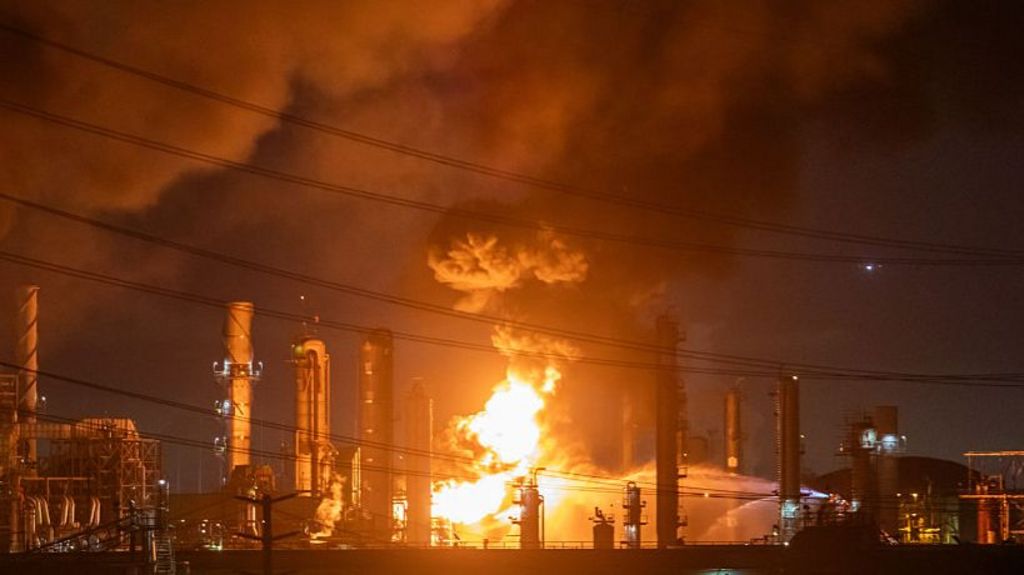
Massive fire at Chevron refinery in California contained, officials say
A significant fire erupted at Chevron’s El Segundo refinery near Los Angeles, California, on Thursday night, turning the skies orange and prompting concerns among local residents. The blaze, which occurred at a jet fuel production unit, was reported around 21:30 local time (04:30 GMT). Despite the dramatic visuals, city officials confirmed there is no immediate public threat, and no evacuation orders have been issued. Chevron described the incident as an “isolated fire” and assured that all personnel and contractors were accounted for, with no injuries reported. The cause of the explosion remains under investigation. The refinery, located near Los Angeles International Airport (LAX), supplies jet fuel for airport operations, but Mayor Karen Bass confirmed no disruptions to flights. Built in 1911, the El Segundo refinery is Chevron’s second-largest in the U.S., producing 285,000 barrels of crude oil daily and supplying a significant portion of motor vehicle and jet fuel in Southern California. El Segundo Mayor Chris Pimentel praised the swift response of firefighters, who were stationed just a quarter-mile from the refinery. Residents reported feeling a powerful blast, with some mistaking it for a nuclear explosion or plane crash. Officials are monitoring air quality for potential pollution, while the extent of damage to the refinery remains unclear.
-
Kenyans prove paternity case against UK soldiers
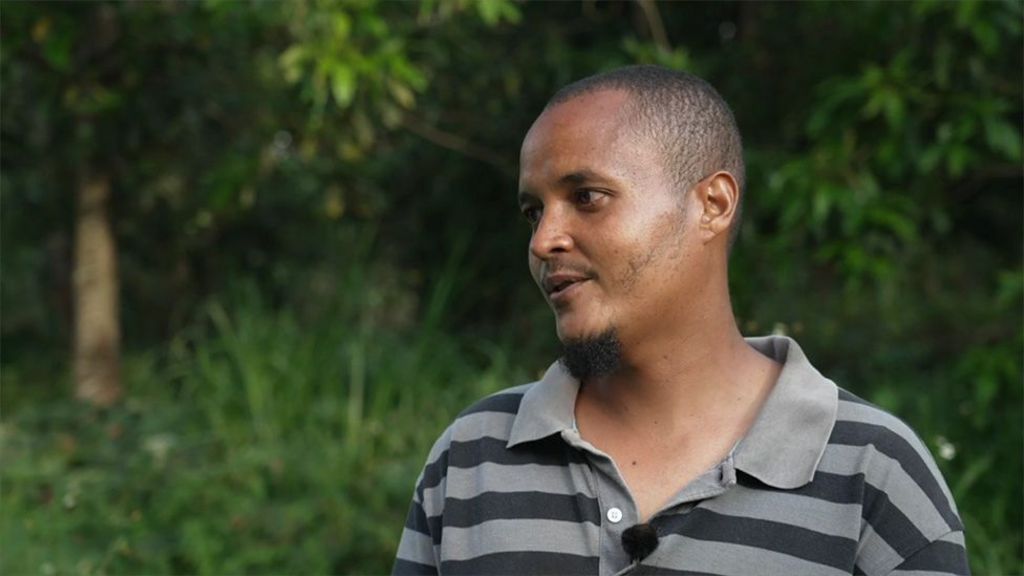
In a groundbreaking legal decision, seven individuals from Kenya have successfully proven their paternity in a UK Family Court, establishing that their fathers were British men stationed at an army base in Kenya. This marks the first instance in UK legal history where paternity was confirmed through commercially available DNA databases. Six of the fathers had served at the British Army Training Unit in Kenya (Batuk), while one was a contractor. The ruling paves the way for the claimants to pursue British citizenship, offering them a long-awaited resolution to their identity struggles. The case was spearheaded by British lawyer James Netto and geneticist Denise Syndercombe Court, who collaborated on a project to collect DNA samples and testimonies from residents in Kenya’s Nanyuki region, near Batuk. Many individuals in the area had long suspected their fathers were British servicemen, but lacked concrete evidence. The project utilized public DNA databases to connect claimants with their UK-based relatives. Among the claimants is Peter Wambugu, a 33-year-old chef, who shared his emotional journey with the BBC. Peter grew up knowing his father was a British soldier but never met him. He endured childhood bullying due to his mixed-race heritage and carried the pain of abandonment for decades. After reuniting with his father, Peter expressed profound relief, stating that the pain of discrimination had transformed into joy. Another claimant, who remains anonymous for legal reasons, recounted meeting her father only once at age four and growing up feeling deeply abandoned. James Netto hailed the ruling as the culmination of an arduous journey for many families, emphasizing that it provides answers to long-standing questions. He noted that numerous others near Batuk face similar challenges, particularly those with limited information about their fathers. Andrew Macleod, a lawyer involved in the DNA project, hopes the case will prompt the UK Ministry of Defence to address paternity claims more proactively. The Ministry stated that while such claims are considered private matters, it cooperates with local child support authorities when necessary. This case is part of a broader investigation by the BBC, featured in an upcoming five-part podcast series, ‘World of Secrets,’ which explores the complexities of identity and paternity in Kenya.
-
Fathers entitled to equal parental leave, South Africa’s top court rules
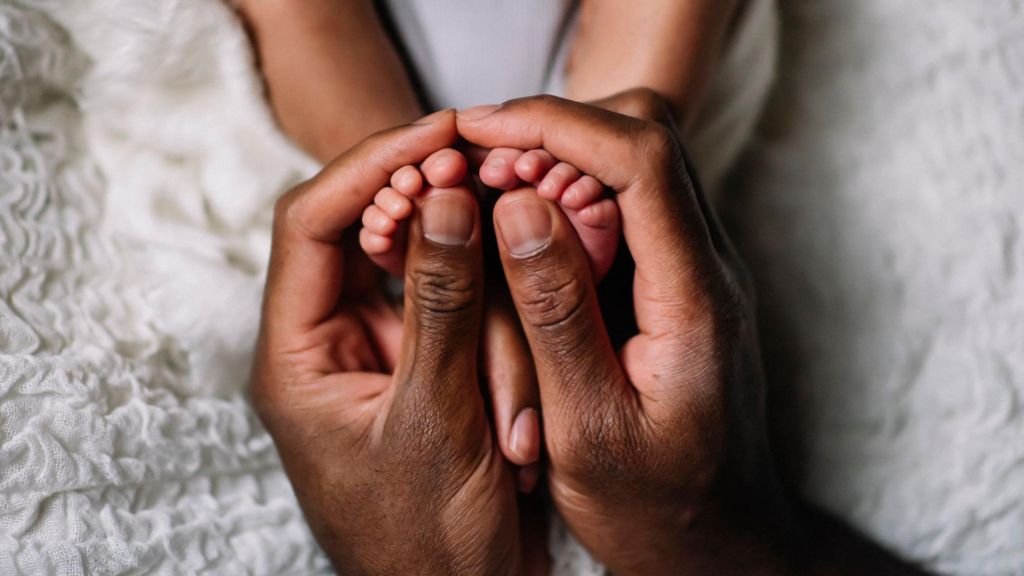
In a historic decision, South Africa’s Constitutional Court has unanimously ruled that both parents of newborns are entitled to equal parental leave, marking a significant milestone in the fight for gender equality and family rights. The court declared parts of the existing legislation unconstitutional, stating that it discriminated against fathers. Under the current law, mothers are granted four months of leave, while fathers receive only 10 days. The ruling allows parents to share the total leave period as they see fit, promoting shared parenting responsibilities. Justice Zukisa Tshiqi, delivering the judgment, emphasized that the law unfairly burdened mothers and marginalized fathers, perpetuating outdated gender roles. The case was initiated by a married couple, the Commission for Gender Equality, and others, who argued that the legislation unfairly excluded fathers, adoptive parents, and parents of children born to surrogates. The court’s decision underscores the importance of protecting family dignity and ensuring children’s wellbeing by allowing both parents to be actively involved in their early development. Legal experts noted that the ruling will have profound implications for employers, who must now revise their leave policies. The court has suspended its declaration of invalidity for three years, giving parliament time to amend the laws accordingly. In the interim, parents can decide how to allocate the combined four months and 10 days of leave. If only one parent is employed, they may take the full leave entitlement. The judgment has been widely celebrated as a progressive step toward modernizing South Africa’s approach to parenting and gender equality.
-

Apple pulls US immigration official tracking apps
Apple has removed several apps, including ICEBlock, from its App Store following concerns raised by U.S. law enforcement about potential safety risks. The tech giant confirmed the decision to the BBC, stating that the apps were taken down after authorities highlighted their association with threats to U.S. Immigration and Customs Enforcement (ICE) officers. U.S. Attorney General Pam Bondi reportedly demanded the removal, claiming the apps endangered ICE personnel. However, ICEBlock’s creator, Joshua Aaron, dismissed these allegations as ‘patently false’ and accused Apple of yielding to authoritarian pressures. ICEBlock, which allows users to track ICE officers’ movements, was developed in response to increased immigration enforcement under the Trump administration. The app, downloaded over a million times, has faced criticism from the White House and FBI, with officials linking it to a September attack on an ICE facility in Dallas that resulted in two deaths. Apple defended its decision, emphasizing its commitment to maintaining a safe App Store. Aaron argued that ICEBlock is akin to crowd-sourced speed trap apps and is protected under the First Amendment. The controversy underscores the tension between tech innovation, free speech, and national security in the U.S.
-

Climbing star dies after falling from Yosemite’s El Capitan
A tragic accident has claimed the life of Balin Miller, a 23-year-old Alaskan climbing influencer, after he fell from El Capitan, the iconic vertical rock formation in California’s Yosemite National Park. The incident occurred on Wednesday while Miller was live-streaming his ascent on TikTok. His mother, Jeanine Girard-Moorman, shared her heartbreak in a poignant social media post, stating, ‘My heart is shattered in a million pieces. I don’t know how I will get through this. I love him so much. I want to wake up from this horrible nightmare.’
Miller was reportedly lead rope soloing—a technique that allows climbers to ascend alone while still being protected by a rope—on the 2,400-foot (730m) route known as Sea of Dreams. According to his brother Dylan, Miller had completed the climb and was hauling up equipment when he likely rappelled off the end of his rope. Witness Tom Evans, a Yosemite-based photographer, recounted that Miller had tried to free his stuck bag before the fall and immediately called 911.
Originally from Anchorage, Miller was a seasoned alpinist who gained international recognition for his solo ascent of Mount McKinley’s Slovak Direct, a feat that took him 56 hours to complete. Veteran climber Clint Helander praised Miller’s recent achievements, calling them ‘one of the most impressive last six months of climbing of anyone I can think of.’ Fellow climber Mark Westman even compared him to Alex Honnold, the first person to free solo a full route on El Capitan.
Miller’s death occurred on the first day of the federal government shutdown, which left national parks ‘generally’ open but with limited operations and closed visitor centers. The National Park Service has launched an investigation into the incident, confirming that ‘park rangers and emergency personnel responded immediately.’
Known affectionately as the ‘Orange Tent Guy’ for his distinctive campsite at the base of El Capitan, Miller had recently completed a notoriously difficult ice climb called Reality Bath in Patagonia, which had remained unrepeated for 37 years. His passing marks the third fatality at Yosemite National Park this year, following the deaths of an 18-year-old climber in June and a 29-year-old hiker in August.
El Capitan, a towering granite monolith standing at approximately 3,000 feet (915 meters), continues to draw climbers from around the globe, despite the inherent risks. Miller’s death serves as a somber reminder of the dangers associated with extreme sports and the fragility of life.
-

Australia’s top-order batters begin Ashes shootout
As England prepares to face Australia in the upcoming Ashes series, the hosts find themselves grappling with an unsettled top-order batting lineup. Unlike England, which boasts a cohesive top six under head coach Brendon McCullum, Australia has struggled to fill key positions, particularly the opener and number three spots. The retirement of David Warner has left a void at the top, while the number three position has been a persistent issue for over two years, with Marnus Labuschagne being the last Australian to score a Test century in that role during the 2023 Ashes series. Former England spinner Phil Tufnell highlighted the vulnerability of Australia’s batting order, emphasizing the importance of a solid opening partnership and a dependable number three. With the Sheffield Shield season underway, several candidates are vying for these crucial positions. Usman Khawaja, despite nearing 39, remains a key figure at the top of the order, known for his prowess against spin. Travis Head and Steve Smith have reverted to their middle-order roles, while young Sam Konstas, despite a promising start, has yet to cement his place. Other contenders include Cameron Bancroft, Matthew Renshaw, and uncapped Jake Weatherald. Former wicketkeeper Ryan Campbell has suggested an unconventional choice in Josh Inglis, who has experience opening in T20 cricket. All-rounder Cameron Green is also a strong candidate, offering both batting and bowling depth. As Australia’s domestic season unfolds, the competition for top-order spots adds intrigue to the build-up of the Ashes series, set to begin on November 21 in Perth.