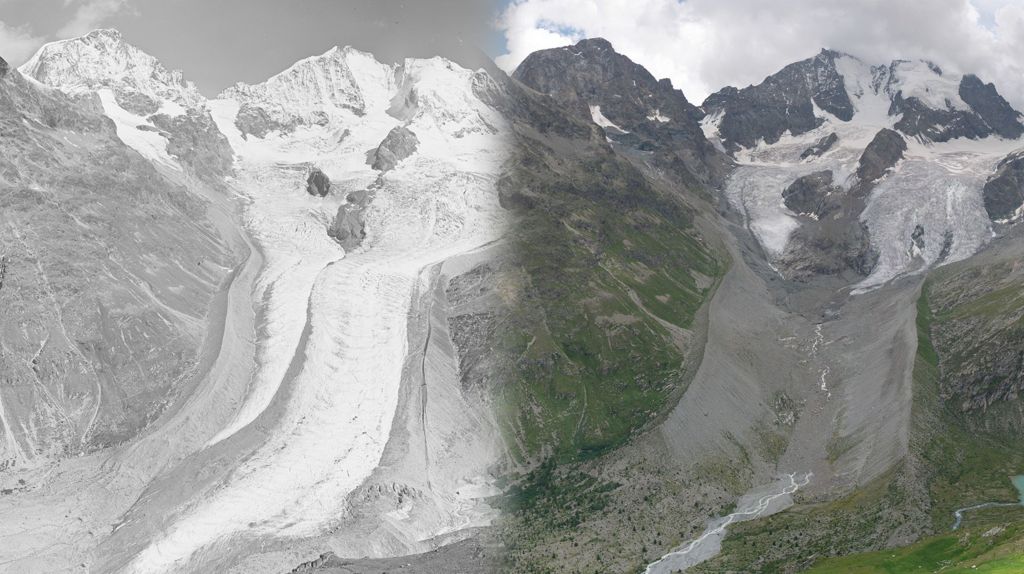
When Matthias Huss first set foot on the Rhône Glacier in Switzerland 35 years ago, the ice was a mere stroll from his family’s parking spot. Today, the journey takes half an hour, and the glacier’s retreat is a poignant reminder of the rapid changes unfolding across the planet. Huss, now the director of Glacier Monitoring in Switzerland (GLAMOS), recalls the glacier’s former grandeur with a sense of loss. ‘Every time I go back, I remember how it used to be,’ he says. His story is not unique. Glaciers worldwide are shrinking at an alarming rate, with 2024 alone seeing a staggering loss of 450 billion tonnes of ice outside Greenland and Antarctica, according to the World Meteorological Organization. This equates to a colossal ice block measuring 7km in height, width, and depth—enough to fill 180 million Olympic swimming pools. Switzerland’s glaciers have been particularly hard-hit, losing a quarter of their ice in the past decade. Satellite images and ground photographs starkly illustrate the transformation. The Rhône Glacier, for instance, now features a lake where ice once stood. Similarly, the Clariden Glacier, once in equilibrium, has melted rapidly this century. Smaller glaciers, like the Pizol Glacier, have vanished entirely. ‘It definitely makes me sad,’ Huss admits. The Great Aletsch Glacier, the largest in the Alps, has receded by 2.3km over 75 years, replaced by trees. While glaciers have naturally fluctuated over millennia, the accelerated retreat of the past 40 years is unequivocally linked to human-induced climate change. Burning fossil fuels has released vast amounts of CO2, warming the planet and destabilizing these icy giants. Even if global temperatures stabilize, glaciers will continue to retreat due to their delayed response to climate change. However, there is hope. Research published in *Science* suggests that limiting global warming to 1.5°C above pre-industrial levels could preserve half the world’s mountain glaciers. Yet, current projections indicate a 2.7°C rise by the century’s end, risking the loss of three-quarters of glacial ice. The consequences are profound. Rising sea levels threaten coastal populations, while mountain communities dependent on glacial meltwater for agriculture, drinking water, and hydropower face dire challenges. In Asia’s high mountains, often called the Third Pole, 800 million people rely on glacial meltwater, particularly in the Indus River basin. ‘That’s where we see the biggest vulnerability,’ says Prof. Regine Hock of the University of Oslo. Despite the grim outlook, scientists emphasize the power of human action. ‘It’s sad,’ Hock reflects, ‘but it’s also empowering. If we decarbonize, we can preserve glaciers. We have it in our hands.’
博客
-
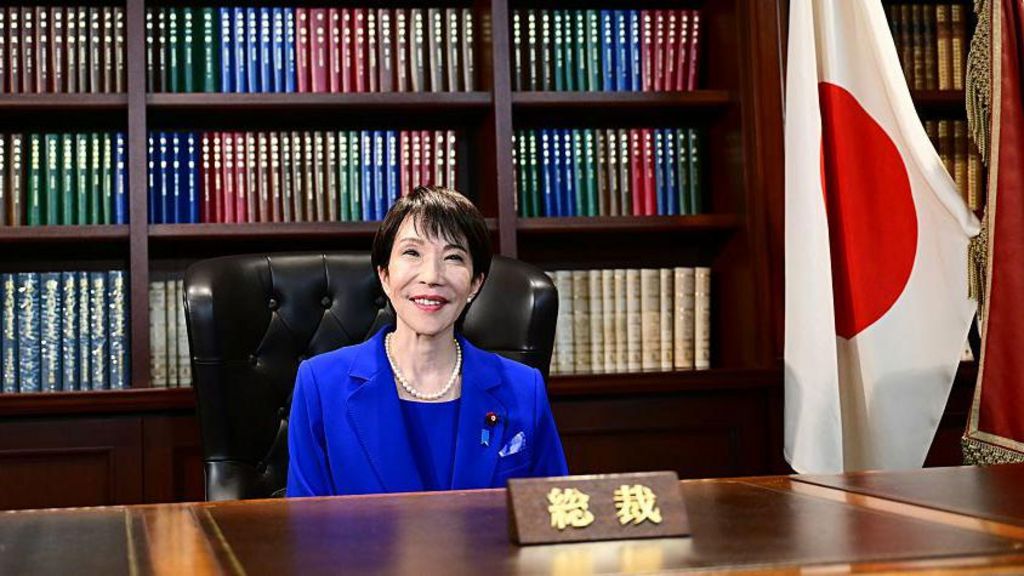
Who is Japan’s ‘Iron Lady’ Sanae Takaichi?
In a historic turn of events, Sanae Takaichi, a 64-year-old veteran politician, has been elected as the leader of Japan’s ruling Liberal Democratic Party (LDP), paving the way for her to become the nation’s first female prime minister. This milestone comes on the 70th anniversary of the LDP, a party that has long dominated Japanese politics but now faces significant challenges, including declining voter trust and a rising far-right movement. Takaichi, a former government minister and TV host, who once drummed in a heavy metal band, has overcome two previous failed attempts to secure the LDP leadership. Her victory marks a pivotal moment for Japan, as she aims to restore the party’s credibility and address pressing national issues. Born in Nara Prefecture in 1961, Takaichi’s journey into politics was unconventional. Her early career included stints as a television host and a heavy metal drummer, where she gained fame for her intense performances. Her political awakening came during the 1980s, amid US-Japan trade tensions, which shaped her determination to defend Japan’s autonomy. After losing her first parliamentary election in 1992, she persisted, eventually winning a seat in 1993 and joining the LDP in 1996. Over the years, she has held multiple senior government roles, including minister for economic security and internal affairs and communications. Takaichi’s conservative stance has been a defining feature of her political career. She has opposed legislation allowing married women to keep their maiden names and same-sex marriage, though she has recently softened her tone on some social issues. Her policy proposals focus on expanding women’s health services, improving childcare support, and addressing Japan’s aging population. A protégé of the late Shinzo Abe, she has pledged to revive his ‘Abenomics’ economic strategy. However, her leadership will be tested as she navigates the LDP’s declining majority and seeks to counter the rise of the far-right Sanseito party. Parliament is expected to confirm her as prime minister on October 15, ushering in a new chapter for Japan.
-
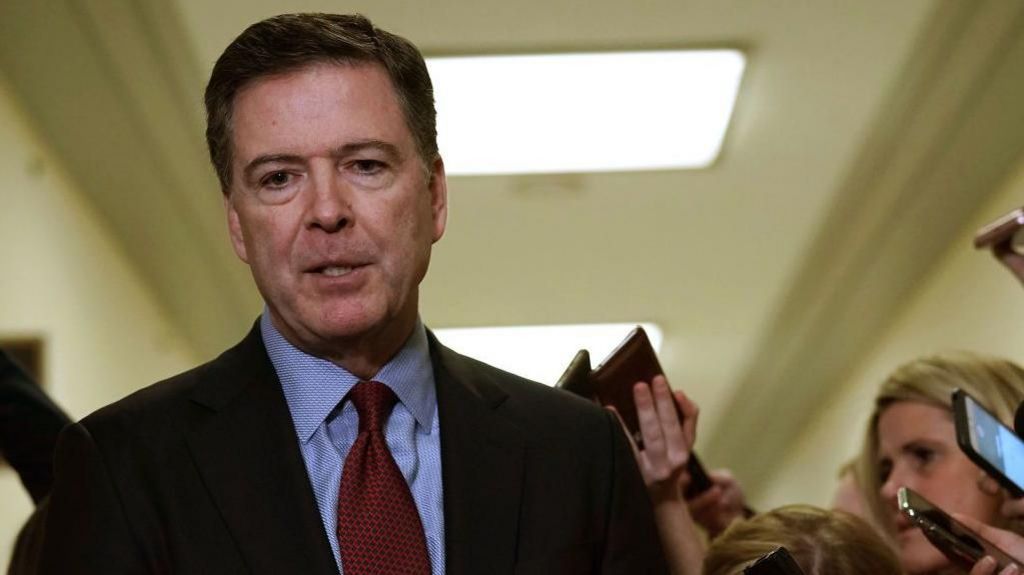
FBI agent suspended over refusal to ‘perp walk’ former director
Former FBI Director James Comey has been indicted on two federal charges in Virginia, just days after former President Donald Trump urged law enforcement to intensify investigations into his political opponents. The charges, which include lying to Congress and obstructing a congressional proceeding, stem from allegations that Comey authorized a leak of classified information to the media in 2020. Comey, who led the FBI during a period marked by investigations into Russian interference in the 2016 election and Hillary Clinton’s use of a private email server, has denied the allegations, expressing confidence in the federal judicial system. The indictment comes shortly before the five-year statute of limitations would have expired and follows Trump’s appointment of Lindsey Halligan, his former personal attorney, as a top prosecutor in the region. Trump has publicly called for investigations into Comey and other political adversaries, emphasizing the urgency of such actions. Meanwhile, an FBI agent was reportedly suspended for refusing to participate in a ‘perp walk’ for Comey, a practice where law enforcement publicly escorts an accused individual, often in view of media cameras. Comey is scheduled to appear in court on October 9 for his arraignment, where the charges will be formally read. If convicted, he could face up to five years in prison. The situation underscores the ongoing political tensions in the U.S., with Comey remaining a focal point of Trump’s ire since his firing in 2017.
-
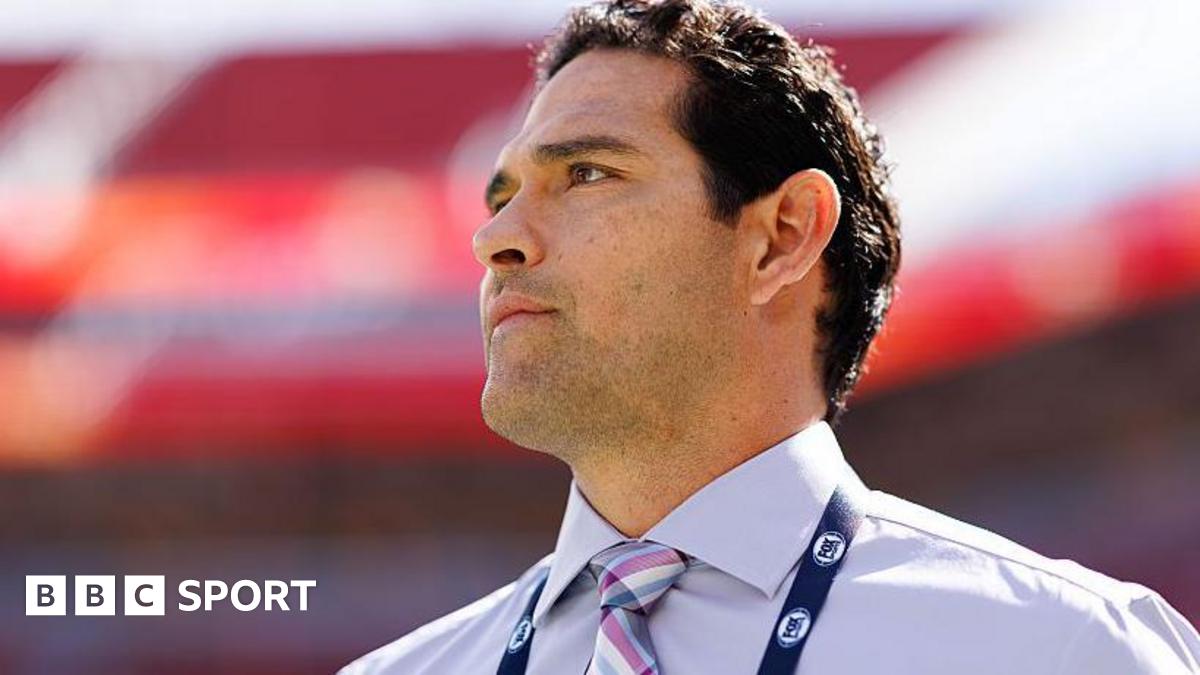
Ex-Jets quarterback Sanchez in hospital after stabbing
Former NFL quarterback Mark Sanchez is currently hospitalized in stable condition following a stabbing incident in Indianapolis, where he was also arrested for his involvement. The 38-year-old, who was the fifth overall pick in the 2009 NFL Draft for the New York Jets, was in the city to commentate on the Colts vs. Las Vegas Raiders game for Fox Sports. According to the Indianapolis Metropolitan Police Department, the incident involved a physical altercation between two men, resulting in one sustaining lacerations and the other, Sanchez, suffering stab wounds. Police later confirmed that Sanchez had been arrested on charges of battery with injury, unlawful entry of a motor vehicle, and public intoxication. Fox Sports released a statement expressing gratitude to the medical team for their care and requesting privacy for Sanchez and his family. The New York Jets also shared a message of support on social media, wishing Sanchez a speedy recovery. Sanchez, who wore number six during his five seasons with the Jets, led the team to two consecutive AFC Championship Game appearances. Over his 10-year career, which included stints with the Philadelphia Eagles, Dallas Cowboys, Chicago Bears, and Washington Commanders, he threw for 15,357 yards, 86 touchdowns, and 89 interceptions. After retiring in 2019, Sanchez transitioned to broadcasting, first with ESPN and later with Fox Sports in 2021.
-
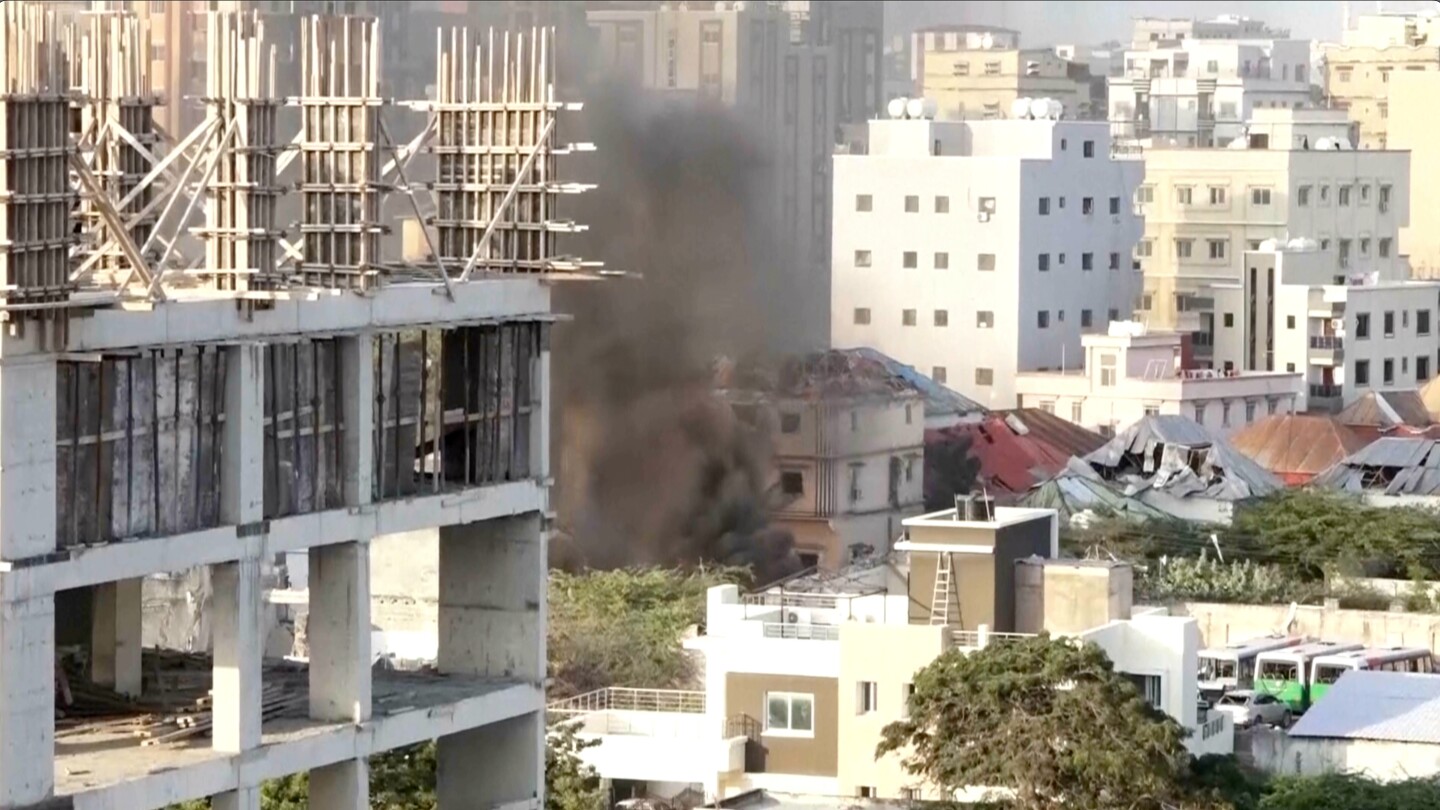
Militants attack major prison in Mogadishu hours after roadblocks lifted
Mogadishu, Somalia — A brazen assault by the al-Qaida-affiliated militant group al-Shabab targeted a high-security prison near Somalia’s presidential palace on Saturday, unleashing chaos in the capital. The attack, marked by explosions and heavy gunfire, occurred just hours after the federal government removed long-standing roadblocks in Mogadishu, a move intended to ease traffic and commerce but which may have inadvertently compromised security. Residents in the Bondhere district reported hearing blasts and witnessing thick smoke rising from the Godka Jilacow prison, which also houses the regional intelligence unit. Hibo Mohamed, a local resident, expressed widespread fear, stating, ‘The city had been calm for months, but now everyone feels anxious once more.’ Al-Shabab claimed responsibility for the attack, asserting that they had freed prisoners. Somali state media reported that the militants used a vehicle disguised as one belonging to the intelligence unit’s security forces. Government soldiers reportedly repelled the assault, killing several militants. The attack on Godka Jilacow prison is not unprecedented; in 2014, al-Shabab launched a similar assault involving a suicide car bomb and an attempted prison break, which resulted in at least a dozen fatalities. Saturday’s incident underscores the persistent threat posed by the militant group, despite recent gains by Somali forces, supported by local militias and African Union troops, in pushing al-Shabab out of central and southern regions. Security forces swiftly cordoned off the area, and ambulances rushed to the scene, though the exact number of casualties remains unclear. The timing of the attack, following the removal of roadblocks, has reignited debates about the balance between security measures and urban mobility in Mogadishu.
-
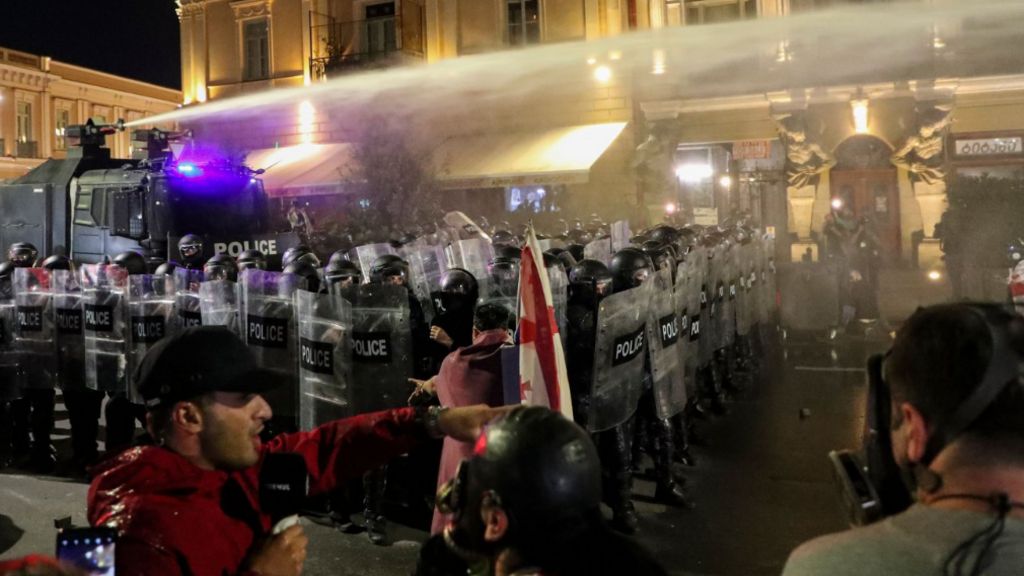
Georgia protesters try to storm Tbilisi presidential palace
Tensions escalated in Tbilisi, Georgia, as anti-government demonstrators clashed with police forces while attempting to storm the presidential palace. Security personnel deployed water cannons and pepper spray to disperse the crowd, marking a dramatic turn in the ongoing political crisis gripping the Caucasus nation. The protest, organized under the banner of ‘saving democracy,’ drew tens of thousands of participants who marched through the capital waving Georgian and European Union flags. The demonstration coincided with local elections, which the opposition largely boycotted in protest against alleged electoral fraud and government repression. Opera singer Paata Burchuladze, a key organizer, read a declaration urging law enforcement to arrest six senior figures from the ruling Georgian Dream party, accusing them of undermining democratic processes. The unrest follows months of government crackdowns on activists, independent media, and opposition leaders, many of whom are now imprisoned. The crisis began after the Georgian Dream party’s contested victory in last year’s parliamentary elections, which the pro-EU opposition claims was rigged. Since then, EU accession talks have been paused, further fueling public discontent.
-
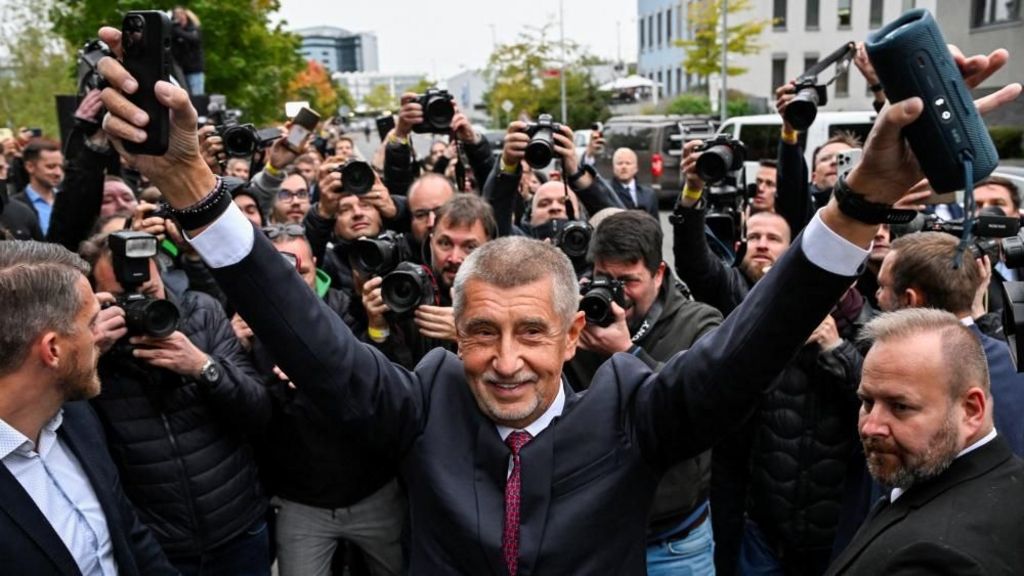
Billionaire populist Andrej Babis’ party wins Czech parliamentary election
Billionaire entrepreneur Andrej Babis has emerged victorious in the Czech Republic’s parliamentary elections, although his populist ANO party failed to secure an outright majority. Preliminary results indicate that ANO garnered just under 35% of the vote, translating to 81 seats in the 200-member lower house. Babis, who previously served as prime minister from 2017 to 2021, is now poised to initiate negotiations to form a new coalition government. While the election outcome aligns with long-standing predictions, it raises significant questions about the future political landscape. Babis is expected to engage in talks with two smaller right-wing, eurosceptic parties that crossed the 5% electoral threshold: the anti-Green Deal Motorists for Themselves and the anti-immigrant Freedom and Direct Democracy (SPD) party, led by Czech-Japanese entrepreneur Tomio Okamura. ANO shares common ground with the Motorists, particularly in their opposition to EU emissions targets and the financial burden of transitioning to cleaner energy. However, forming an alliance with the SPD may prove more challenging due to ideological differences and internal party dynamics. Babis has firmly rejected SPD’s key demands, such as referendums on EU or NATO membership. Despite these hurdles, Babis may opt to lead a minority government supported by the Motorists and SPD, navigating the complexities of coalition politics.
-
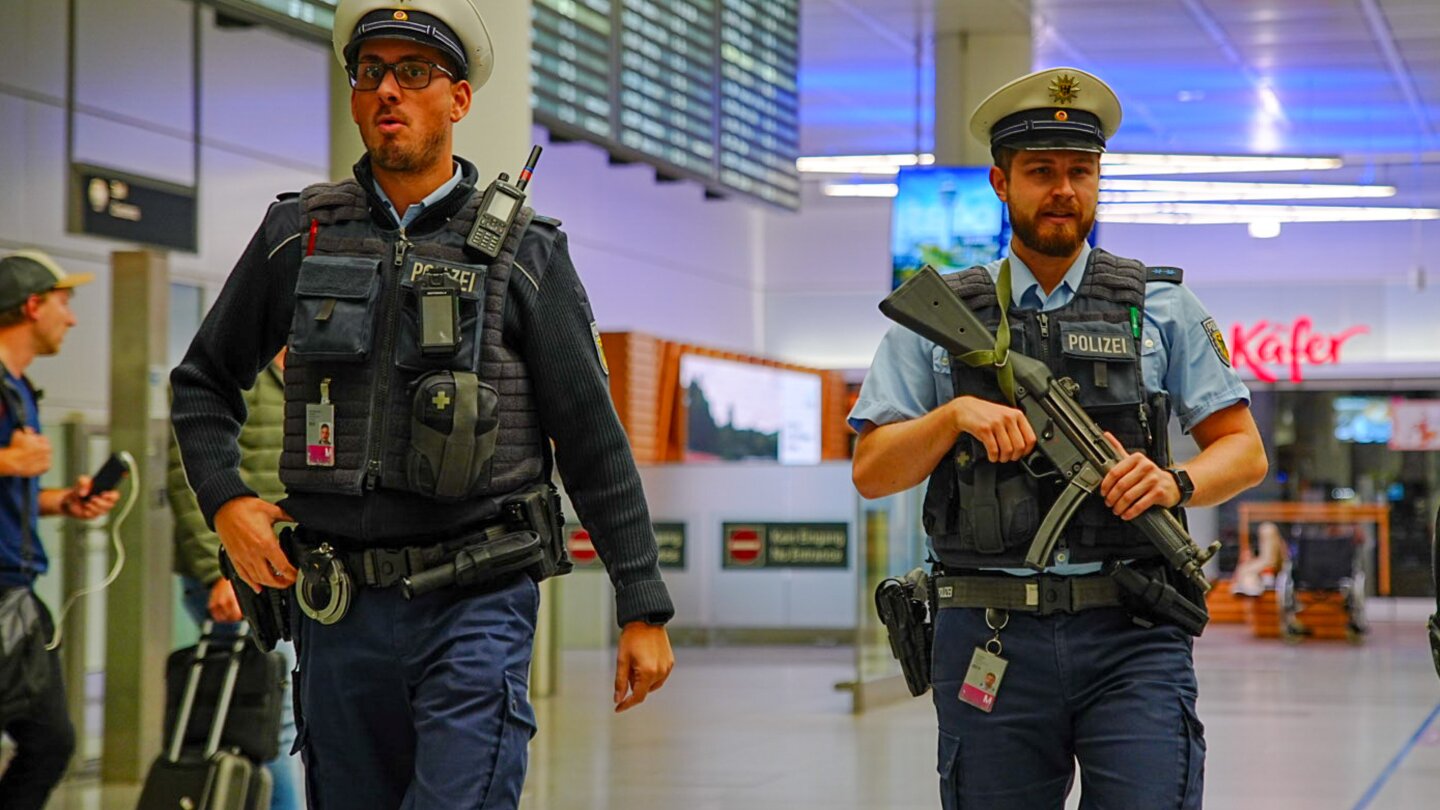
Mysterious drone flights in NATO airspace have caused alarm across Europe. Here’s what we know
Recent weeks have seen a surge in mysterious drone flights over European Union airspace, sparking widespread alarm among the public and government officials. These incursions, some attributed to Russia, have reached an unprecedented scale, raising concerns about NATO’s preparedness and response capabilities. On September 10, a swarm of Russian drones breached Poland’s airspace, prompting NATO aircraft to intercept and shoot down several devices. This marked the first direct confrontation between NATO and Russia since the latter’s full-scale invasion of Ukraine in February 2022. Days later, NATO jets escorted three Russian warplanes out of Estonia’s airspace. These incidents have led European defense ministers to agree on developing a ‘drone wall’ along their borders to enhance detection, tracking, and interception of unauthorized drones. While Russia denies any deliberate involvement, European authorities remain tight-lipped, often delaying public acknowledgment of these overflights. In Germany, Munich Airport experienced two closures within 24 hours due to drone sightings, disrupting travel for over 6,500 passengers. Similarly, Copenhagen Airport faced significant disruptions, with Danish Prime Minister Mette Frederiksen labeling it as the most serious attack on Danish critical infrastructure to date. Norway’s Oslo Airport also reported a drone sighting, prompting investigations into potential links between these incidents. Danish military sites, including the Karup Air Base, have also been targeted, with Defense Minister Troels Lund Poulsen suggesting a ‘professional’ actor was behind these systematic flights. In Germany, drones were spotted over critical infrastructure in Schleswig-Holstein, including a power plant, a university hospital, and a shipyard. Authorities are investigating these sightings, with Chief Public Prosecutor Stephanie Gropp confirming ongoing inquiries. The situation has left European countries scrambling to formulate effective responses, including whether to authorize the shooting down of drones.
-

South Africa win back-to-back Rugby Championships
In a gripping showdown at Allianz Stadium, South Africa emerged victorious over Argentina with a narrow 29-27 win, securing back-to-back Rugby Championships for the first time in their history. The Springboks’ triumph was fueled by standout performances from Cobus Reinach and Malcolm Marx, each scoring two tries, while fly-half Sacha Feinberg-Mngomezulu contributed crucial points with his boot. Despite a spirited start from Argentina, who led 13-10 at halftime thanks to Bautista Delguy’s early try, South Africa’s relentless power game and tactical prowess turned the tide in the second half. The match, played in front of a record-breaking crowd of 70,360, saw Argentina opt for the London venue to maximize financial returns and fan engagement. South Africa’s head coach, Rassie Erasmus, praised his team’s resilience and adaptability, highlighting their ability to bounce back from early championship setbacks. The victory not only cements South Africa’s dominance in world rugby but also sets the stage for their ambitious preparations for the 2027 Rugby World Cup. Erasmus’ strategic squad rotation and development of young talents like Ethan Hooker and Canan Moodie underscore the Springboks’ commitment to sustained excellence. Argentina, despite finishing at the bottom of the championship table, showcased moments of brilliance, with Rodrigo Isgro’s late try earning them a losing bonus point. The Springboks’ ability to perform under pressure, coupled with their depth and tactical ingenuity, reaffirms their status as rugby’s reigning powerhouse.
-
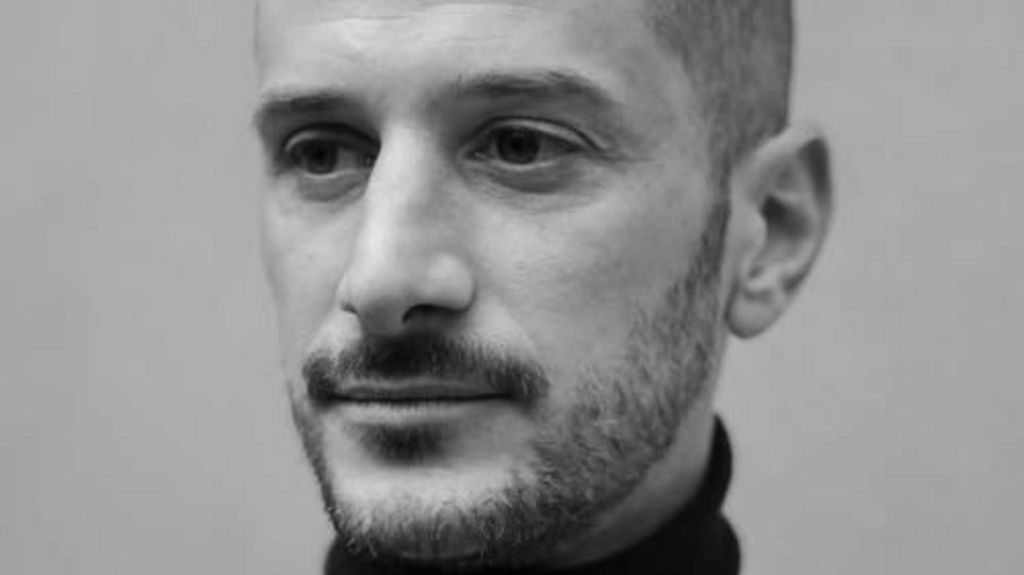
French photojournalist killed in drone strike in Ukraine
In a tragic incident that underscores the perils faced by journalists in conflict zones, French photojournalist Antoni Lallican was killed in a Russian drone strike in eastern Ukraine. The attack, which occurred on the outskirts of Komyshuvakha in the Donetsk region, also left Ukrainian photojournalist Grigoriy Ivanchenko severely injured. This marks the first instance of a journalist being killed by a drone in Ukraine, according to the European and International Federations of Journalists (EFJ and IFJ).
Mr. Lallican, a Paris-based journalist, had been documenting the war since March 2022, just a month after Russia’s full-scale invasion began. His dedication to capturing the human cost of the conflict earned him the prestigious Victor Hugo Prize for photography in 2024. At the time of the attack, both journalists were embedded with the 4th Mechanised Brigade, approximately 15 kilometers from the frontline.
Despite wearing personal protective equipment, including bulletproof vests marked with ‘PRESS,’ the journalists were unable to hear the drone overhead due to the noise of chainsaws being used to build defensive positions. Anastasia Haletska, the brigade’s press officer who was also wounded, managed to apply tourniquets to Mr. Ivanchenko before both were transported to a hospital in Kramatorsk. Mr. Lallican was killed instantly, while Mr. Ivanchenko is in stable condition but had to undergo a leg amputation.
French President Emmanuel Macron paid tribute to Mr. Lallican, describing him as a victim of a Russian drone attack. ‘I express my sincere condolences to his family, loved ones, and all his colleagues who, risking their lives, inform us and bear witness to the reality of war,’ Macron wrote on X.
Mr. Lallican’s work, published in outlets such as Le Monde and Le Figaro, documented the war’s impact across Ukraine, from Odesa in the southwest to Kharkiv in the northeast. His photographs captured the plight of families fleeing the invasion, elderly residents refusing to abandon their homes, and soldiers on the frontline.
The EFJ and IFJ reported that 17 journalists have been killed since the invasion began. In a joint statement, they honored Mr. Lallican’s courage and demanded justice for his death. Sergiy Tomilenko, president of the National Union of Journalists of Ukraine (NUJU), accused Russia of deliberately targeting those documenting war crimes. ‘Antoni Lallican built a visual bridge between the world and Ukrainian reality. Now he himself has become part of this tragic story,’ Tomilenko said.
The Kremlin has yet to comment on the attack.