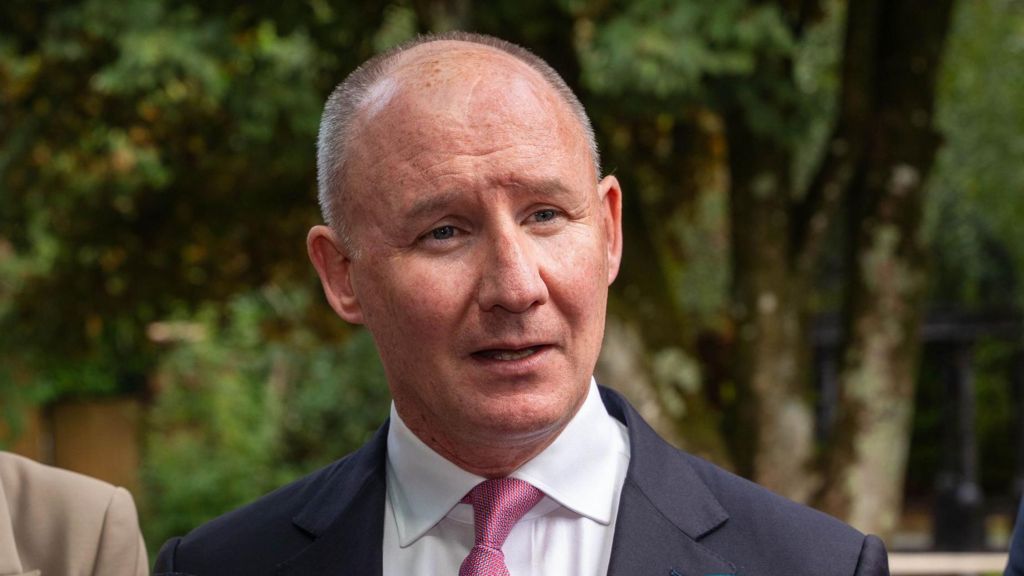
In a surprising turn of events, Jim Gavin, the Fianna Fáil candidate for the Irish presidential election, announced his withdrawal from the race just weeks before the scheduled polling day on October 24. Despite his decision, Gavin’s name will remain on the ballot due to electoral regulations that prevent changes after the nomination deadline. The former Dublin Gaelic football manager cited a personal mistake that contradicted his character and standards, though he did not specify the nature of the issue. Reports from the Irish Independent suggest the withdrawal followed allegations of a €3,300 debt owed to a former tenant. Taoiseach Micheál Martin expressed regret over the situation, describing it as ‘very unfortunate.’ The Department of Housing and Local Government confirmed that Gavin’s name must remain on the ballot, as the withdrawal occurred after the nomination process closed. If Gavin were to win, he could either accept the presidency or decline, triggering a new election. Fianna Fáil stated that it was unaware of the tenant dispute before selecting Gavin as their candidate, emphasizing that initial queries were addressed without revealing the specifics of the issue.
博客
-
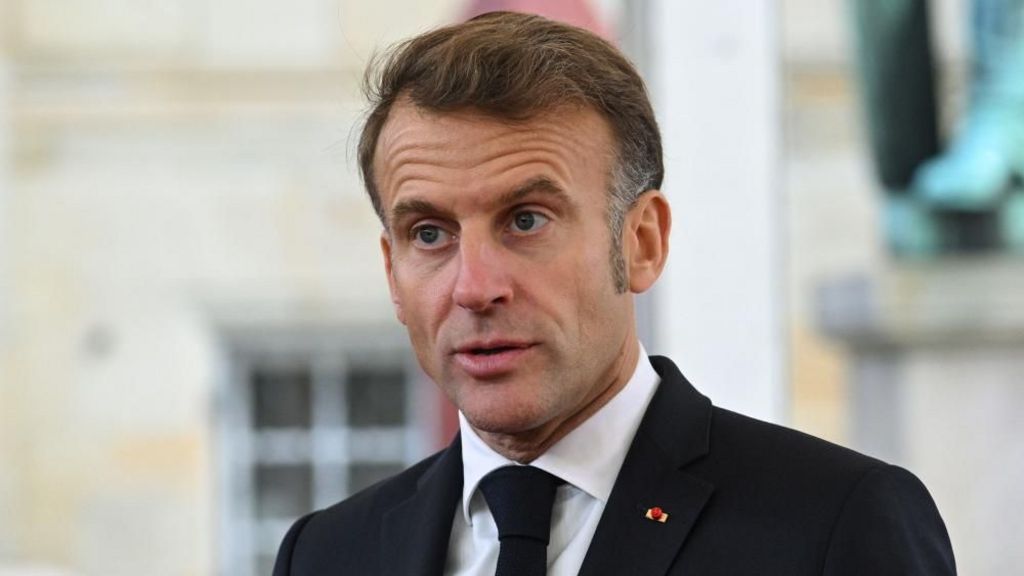
Macron should call early presidential vote, his first PM says
French President Emmanuel Macron is under increasing pressure to address the nation’s escalating political turmoil, with calls for him to appoint a new prime minister and potentially call early presidential elections. The crisis deepened after Sébastien Lecornu, France’s third prime minister in a year, resigned on Monday following the collapse of his efforts to form a stable government. Macron has tasked Lecornu with devising a last-ditch plan for stability by Wednesday, but support for the president appears to be eroding even among his allies. Édouard Philippe, Macron’s first prime minister and current leader of the centrist Horizons party, emphasized that while he opposes Macron’s immediate resignation, the president must fulfill his mandate and find a solution to the crisis. Meanwhile, Gabriel Attal, head of Macron’s Renaissance party and former prime minister, publicly criticized Macron’s leadership, stating that it was time to share power with other political factions. The political instability has been exacerbated by Macron’s loss of a parliamentary majority after snap elections last year, leaving him struggling to pass a budget to address France’s soaring public debt, which is projected to reach 5.4% of GDP this year. Philippe warned that the ongoing crisis is undermining the state’s authority and continuity, urging Macron to act decisively. Despite calls from political opponents for his resignation, Philippe argued that an abrupt departure would worsen the situation. Instead, he suggested that Macron appoint a prime minister capable of passing a budget and ensuring the state’s functionality before leaving office in an orderly manner. Macron’s approval ratings have plummeted, with a recent poll indicating that 53% of French citizens believe he should step down. The crisis took a symbolic turn on Tuesday when a van burst into flames near the prime minister’s residence, further highlighting the nation’s political unrest.
-
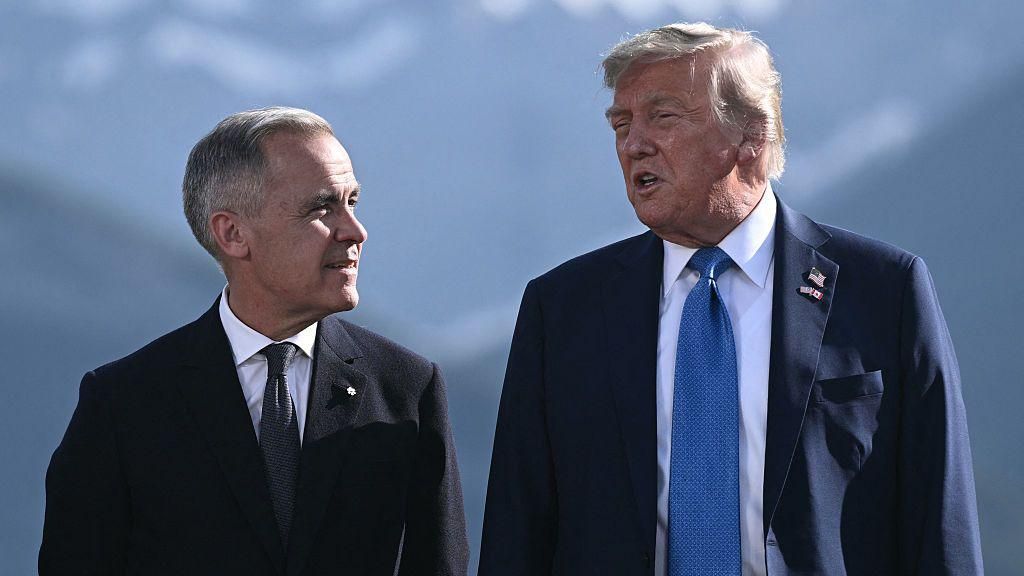
Carney to meet Trump in search of ‘best deal for Canada’
Canadian Prime Minister Mark Carney is set to meet with U.S. President Donald Trump in Washington on Tuesday, marking his second visit to the U.S. capital this year. The primary focus of the meeting is to revive stalled trade negotiations between the two nations, which have dragged on past an August deadline. Despite the prolonged discussions, few details have emerged about the sticking points preventing a deal. Canada remains the only G7 country without a trade agreement with the Trump administration this year, though Ottawa is not in a rush due to exemptions under the US-Canada-Mexico Free Trade Agreement (USMCA).
Trump has recently reignited controversial rhetoric, suggesting Canada should become the 51st U.S. state, while Carney faces domestic pressure to secure a deal that would lower tariffs, particularly for sectors like steel and lumber. Canadian Trade Minister Dominic LeBlanc has indicated progress toward an agreement, with media reports suggesting potential relief from U.S. steel tariffs. However, insiders express frustration over the lack of clarity from the White House regarding the terms of a potential trade and security deal.
Carney’s visit is framed as a ‘working visit’ aimed at finding common ground on economic and security issues, though no major breakthroughs are anticipated. Experts note that face-to-face discussions with Trump, who values personal relationships, could help ease the trade stalemate. Meanwhile, Carney has faced criticism for softening his initially aggressive stance toward the Trump administration, making concessions such as dropping retaliatory tariffs and withdrawing long-standing legal disputes.
The meeting coincides with the upcoming review of the USMCA, with U.S. Trade Representative Jameison Greer signaling that the review may be conducted separately with Canada and Mexico. U.S. Ambassador to Canada Pete Hoekstra has expressed frustration with Canadians’ discontent toward the U.S., highlighting the challenges in fostering a passionate bilateral relationship. Public sentiment in Canada has soured, with tourism data showing a decline in Canadian visits to the U.S. and polls indicating a loss of trust in the U.S.-Canada relationship.
As Carney navigates these complexities, he has spent the summer strengthening ties with allies like the UK and Mexico to diversify Canada’s trade options. Domestically, he has focused on long-term economic projects to bolster Canada’s output. However, there is broad consensus across Canada’s political spectrum that a deal with the U.S. is essential to protect the economy, given that 75% of Canadian exports are destined for the U.S. market. The outcome of Tuesday’s meeting could have significant implications for Canada’s economic future.
-
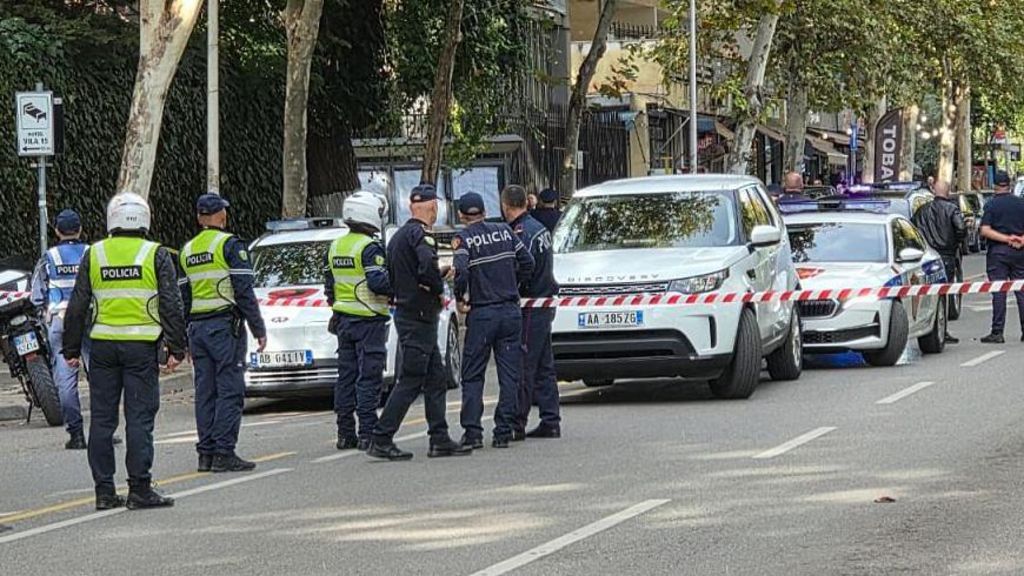
Albanian judge shot dead in court by man on trial
A shocking act of violence unfolded at the Court of Appeal in Tirana, Albania, on Monday, resulting in the tragic death of Judge Astrit Kalaja. The incident occurred during a hearing related to a property dispute, where a 30-year-old suspect, identified as Elvis Shkëmbi, opened fire. Judge Kalaja succumbed to his injuries while being transported to the hospital, while two other individuals involved in the hearing—a father and son—were injured but are expected to recover. Authorities swiftly arrested the suspect, along with his uncle and a court security guard, as investigations continue. Prime Minister Edi Rama expressed his condolences to the judge’s family, emphasizing the need for stringent legal action against the perpetrator and advocating for enhanced court security and stricter penalties for illegal firearm possession. Opposition leader Sali Berisha highlighted the gravity of the situation, noting that this marks the first time in 35 years that a judge has been killed while performing their duties. Local media reports suggest that the suspect acted out of fear of losing the case. This incident echoes a similar tragedy a decade ago in Milan, where a judge was fatally shot during a bankruptcy trial. Judge Kalaja, a seasoned legal professional with over three decades of experience, had served in the district court before his appointment to the Court of Appeal in 2019. The event has reignited concerns about gun violence and judicial safety in Albania.
-
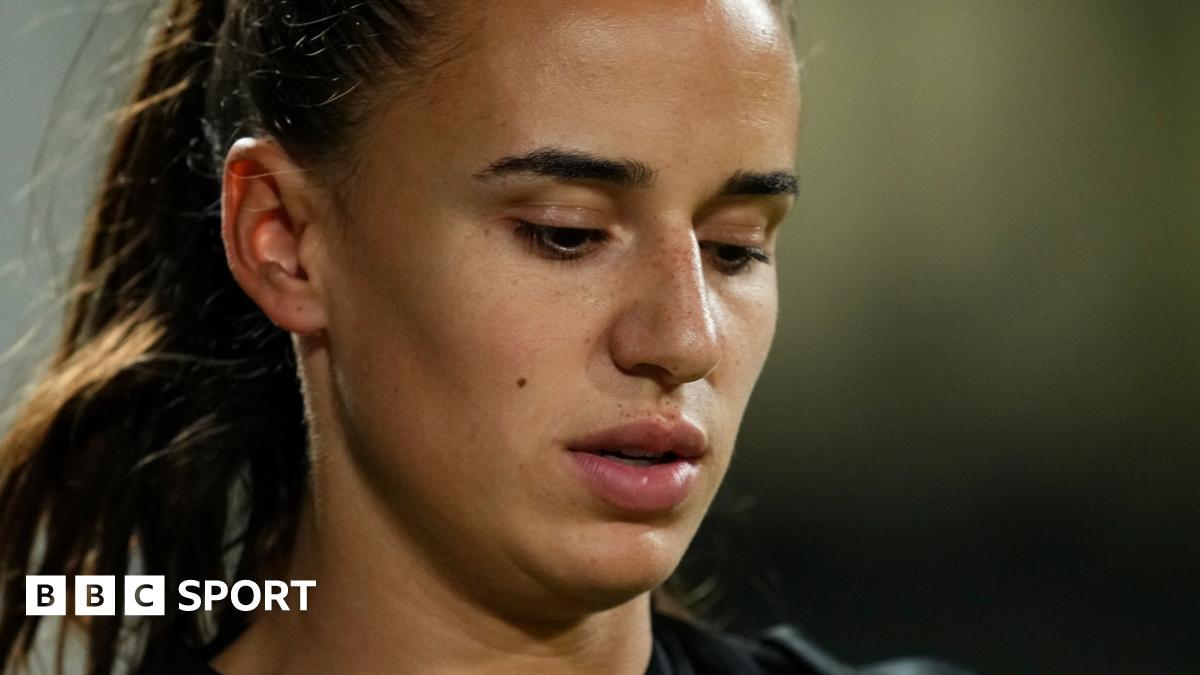
‘I deeply hurt people by moving to Saudi Arabia’
When Ashleigh Plumptre received an offer from Saudi Arabia in 2023, her initial reaction was to decline. The Nigerian international defender, whose contract with Leicester City was nearing its end, sought a new challenge that would inspire her both personally and professionally. After negotiations and a visit to the Middle East, Plumptre decided to make history by becoming the first player to transition from the Women’s Super League (WSL) to the Saudi Women’s Premier League (SWPL). Two years later, she has extended her contract with Jeddah-based Al-Ittihad and is determined to challenge Western stereotypes about life for female athletes in Saudi Arabia. However, she acknowledges the loss of trust from some LGBT fans and admits that Saudi women’s football has significant room for improvement both on and off the pitch. Born in England, Plumptre switched her international allegiance to Nigeria, the homeland of her paternal grandfather. Her decision to join Al-Ittihad, facilitated by her father and agent, Tim, was driven by a sense of opportunity rather than financial gain. The SWPL, launched in 2022, features 24 teams divided into three leagues, with clubs permitted to sign up to six foreign players. While the men’s Saudi Pro League has attracted global stars like Cristiano Ronaldo and Neymar, the women’s league is still in its infancy. Plumptre’s move sparked controversy, particularly among LGBT supporters, given Saudi Arabia’s strict laws against same-sex relations. Despite this, she emphasizes her commitment to the project and her belief in the potential for growth in Saudi women’s football. Plumptre’s experience in Saudi Arabia has been largely positive, with her feeling safer and more at ease in Jeddah than in the UK. She highlights the supportive environment within her gated community and the respectful treatment she receives. However, she acknowledges the challenges faced by Saudi women, including the lingering influence of the guardianship system. On the pitch, Plumptre notes the disparity in skill levels between international and local players and the lack of fan attendance at games. She remains optimistic about the league’s future, advocating for gradual progress and realistic goals rather than rushing to host major tournaments like the Women’s World Cup. Plumptre’s journey represents a bold step in the evolution of women’s football in Saudi Arabia, blending personal ambition with a commitment to fostering change in a traditionally conservative society.
-

‘A kick in the teeth that Boyzone aren’t coming to Dublin’
Irish fans of the iconic boy band Boyzone have voiced their disappointment as the group’s farewell concert, titled ‘One For The Road,’ will not include a performance in their homeland. The Dublin-born band, which recently announced their final show at London’s Emirates Stadium on June 6, 2026, has left many long-time supporters frustrated by the omission of an Irish date. Among them is Audrey FitzHagan, a lifelong fan from Dublin, who expressed that her teenage self would have been ‘heartbroken’ by the news. Audrey’s connection to the band dates back to 1993, when she first saw them perform on Ireland’s Late Late Show, a moment that cemented her fandom. She feels the decision overlooks the band’s Irish roots and is a ‘massive kick in the teeth’ to fans who have supported them from the beginning. Audrey, who is not planning to attend the London concert, said she would have been willing to ’empty her bank account’ if more dates had been announced. Another fan, Janine Blake, shared similar sentiments, emphasizing the added financial burden of traveling to London for the concert. Boyzone, known for hits like ‘No Matter What’ and ‘Love Me for a Reason,’ has faced criticism for their decision, with fans urging them to reconsider. The band, which includes Ronan Keating, Shane Lynch, Keith Duffy, and Mikey Graham, has also paid tribute to their late bandmate Stephen Gately, who passed away in 2009. Their recent documentary, which explored their career and the impact of Gately’s death, inspired the decision to hold a farewell concert. Speaking to BBC Breakfast, Keating described the event as a ‘final farewell’ and a powerful way to honor their journey together. Despite the emotional significance of the concert, the exclusion of an Irish date has left many fans feeling forgotten.
-

China halts US soybean imports to hit Trump’s MAGA supporters
In a strategic move amid escalating trade tensions, China has ceased its purchases of US soybeans in recent months, significantly impacting the agricultural trade relationship between the two nations. This decision has sent shockwaves through America’s farming community, particularly as both countries prepare for a potential meeting between US President Donald Trump and Chinese President Xi Jinping later this month, though plans remain unconfirmed.
President Trump expressed his concerns in a social media post on October 1, stating, ‘The soybean farmers of our country are being hurt because China is, for ‘negotiating’ reasons only, not buying.’ He added that the US would allocate a portion of tariff revenues to support affected farmers.
Historically, the soybean trade has been a cornerstone of Sino-US agricultural cooperation. Following China’s 2001 accession to the World Trade Organization, the country removed import quotas and imposed a uniform 3% tariff, leading to a surge in US soybean imports. However, the trade war initiated by the Trump administration in 2018 caused a significant decline, with imports dropping from 32.58 million tons in 2017 to 16.64 million tons in 2018. Despite a brief stabilization, the 2022 pandemic further disrupted supplies, prompting China to diversify its sourcing to Brazil and Argentina.
In 2025, US soybean exports to China plummeted to 218 million bushels from January to August, with no deliveries recorded in June, July, and August. This stark decline contrasts with the 985 million bushels shipped in the previous year, which accounted for 51% of the US’s total soybean exports.
Brazil, the world’s largest soybean producer, is expected to harvest 169 million metric tons in the 2024/25 crop year, representing approximately 40% of global output. The US, with a crop of 119 million tonnes, accounts for 28%, meaning the two countries together supply 68% of the world’s soybeans.
A columnist under the pseudonym ‘Old Farmer’ on Guancha.cn criticized the trade standoff, stating, ‘American soybean farmers have become the sacrificial victims of their own domestic political struggle.’ He argued that the tariff war carries limited economic meaning but significant political implications, reflecting the deep ideological rift in the US.
Wang Chong, director of the Center for American Studies at Zhejiang International Studies University, noted that China’s halt in soybean imports has deeply affected farmers in states like Illinois, Iowa, and Minnesota, which are strongholds of Trump’s MAGA movement. He suggested that China could use soybean imports as a bargaining chip in trade talks, seeking concessions such as easing restrictions on chip export controls or opening the US market to Chinese electric vehicles.
The US-China trade standoff intensified on April 2 when Trump announced a plan to impose reciprocal tariffs on all countries, warning of heavier duties for any nation retaliating against the US. Although both sides agreed on May 12 to ease the confrontation, Chinese goods continue to face tariffs ranging from 30% to 50% in the US, while US exporters pay a 10% tariff in China.
The current trade truce is set to expire on November 10 if negotiations fail to progress. Meanwhile, Beijing has ordered its importers not to purchase any US soybeans since May. Chinese Foreign Ministry spokesperson Guo Jiakun emphasized the need for consultation based on equality, respect, and mutual benefit.
In response to the mounting pressure on farmers, the Trump administration is reportedly preparing a $10 billion bailout package to offset losses in export markets. US Treasury Secretary Scott Bessent criticized China’s decision to use American soybean farmers as pawns in trade negotiations.
The halt in China’s soybean purchases has significantly impacted US exports to China, which fell 16.8% in the three months between June and August 2025 compared to the same period last year. This decline underscores the broader implications of the ongoing trade tensions between the two economic giants.
-
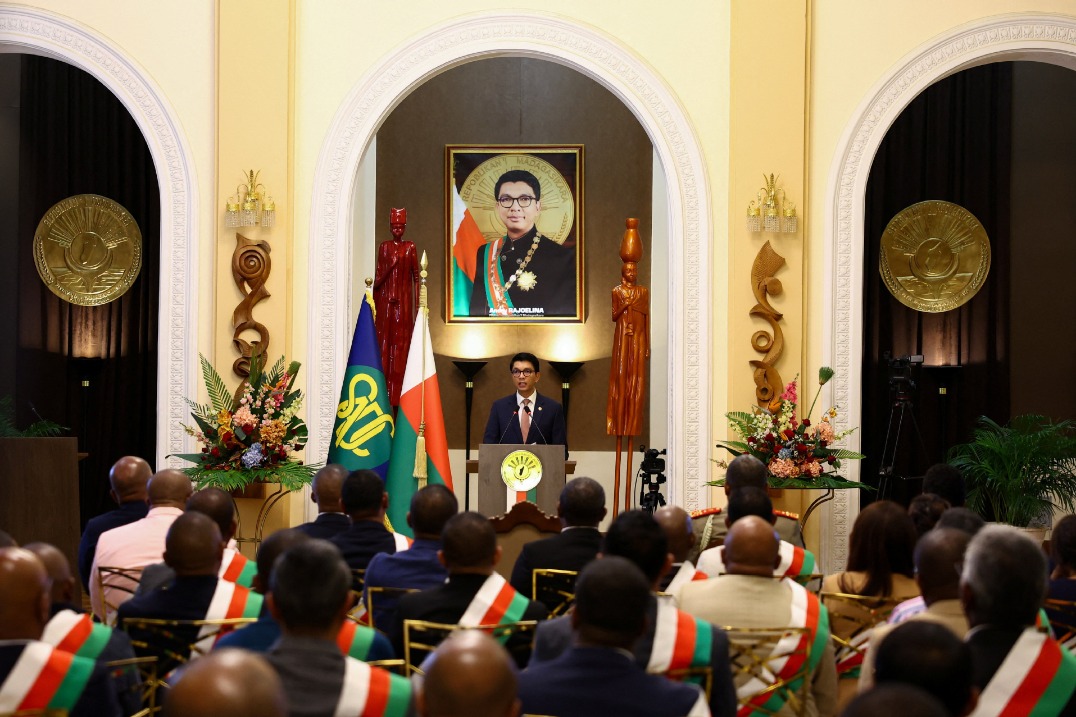
Madagascar’s president appoints new prime minister
Madagascar’s President Andry Rajoelina has appointed military general Ruphin Fortunat Zafisambo as the nation’s new prime minister, following the dissolution of the government amid widespread protests over power and water shortages. The announcement was made on October 6, 2025, at the Lavoloha Presidential Palace in Antananarivo. Rajoelina emphasized that Zafisambo’s primary mission is to restore public trust, improve living conditions, and address the country’s critical priorities. Zafisambo, who previously served as director of the military office at the Prime Minister’s Office since 2021, steps into his new role during a period of heightened instability. The government’s dissolution on September 29 came after days of violent protests in major cities, including Antananarivo, where demonstrators expressed frustration over frequent power outages and water shortages. Rajoelina acknowledged the public’s anger, stating that the new government’s absolute priority is to swiftly restore electricity and water supplies. The appointment signals a strategic move to stabilize the nation and address the urgent needs of its citizens.
-

Chinese EV giant BYD sees UK sales soar by 880%
Chinese automotive giant BYD has achieved a remarkable milestone in the UK, with its sales skyrocketing by 880% in September compared to the same period last year. The company sold 11,271 vehicles in the UK last month, with the plug-in hybrid version of its Seal U sports utility vehicle (SUV) leading the charge. This surge has positioned the UK as BYD’s largest market outside China, underscoring the growing demand for electric vehicles (EVs) in the region.
-
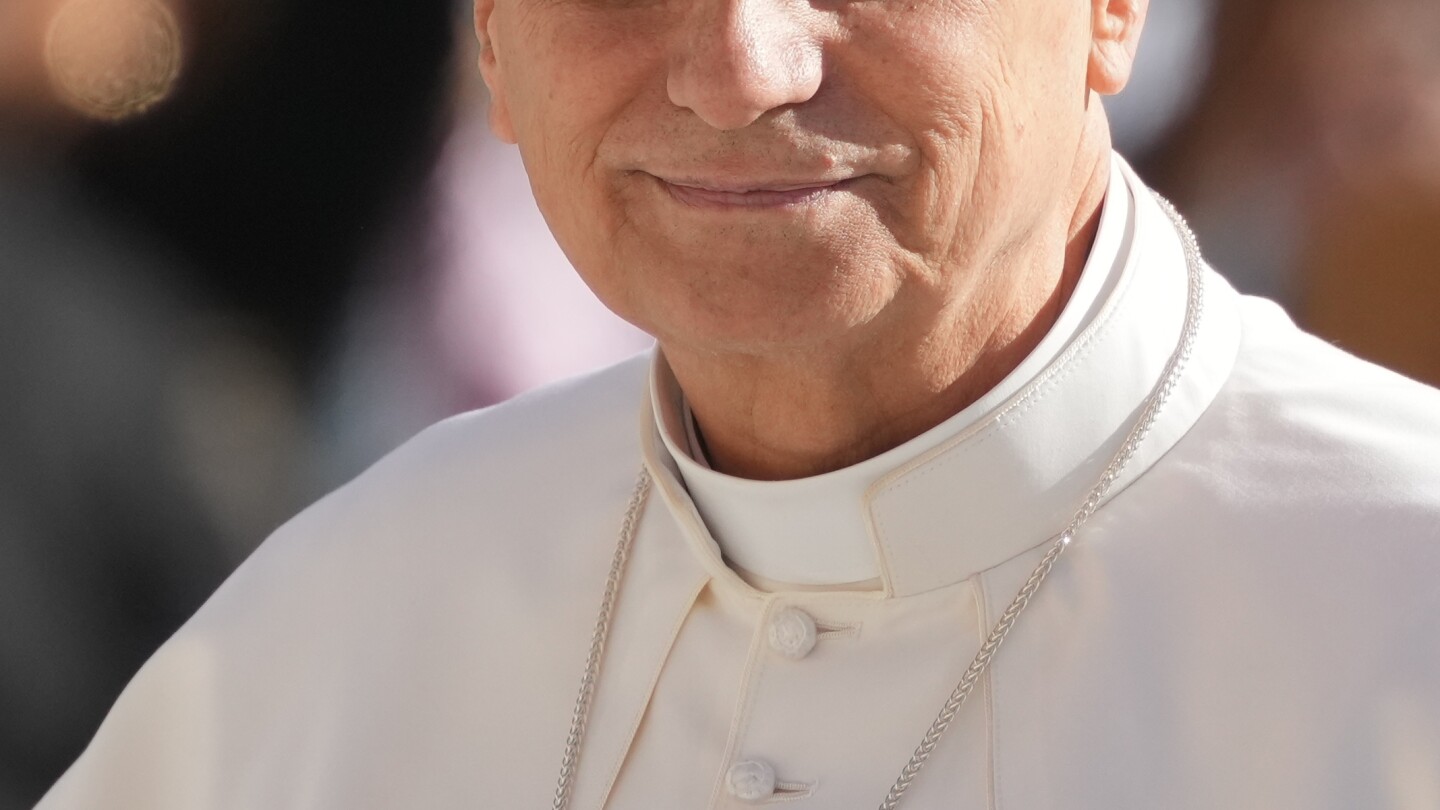
President Maduro asks Pope Leo XIV to help maintain peace in Venezuela
In a bid to address escalating tensions in Venezuela, President Nicolás Maduro has reached out to Pope Leo XIV for assistance in maintaining peace and stability within the South American nation. Maduro made this announcement during his weekly televised address, revealing that he had sent a letter to the pontiff expressing his hopes for Vatican mediation. However, details of the correspondence remain undisclosed, and the government’s press office has yet to release the document. This appeal comes amid heightened military actions by the United States in the Caribbean, where four deadly strikes have been conducted since last month, targeting alleged drug-trafficking operations. The most recent strike, occurring on Friday, resulted in four fatalities. President Donald Trump has characterized these operations as part of an ‘armed conflict’ with cartels, asserting that drug traffickers are unlawful combatants requiring military intervention. This stance has sparked debates over the extent of presidential war powers and the need for congressional approval. Maduro has consistently accused the U.S. of orchestrating these actions to destabilize his government and force his removal from power.