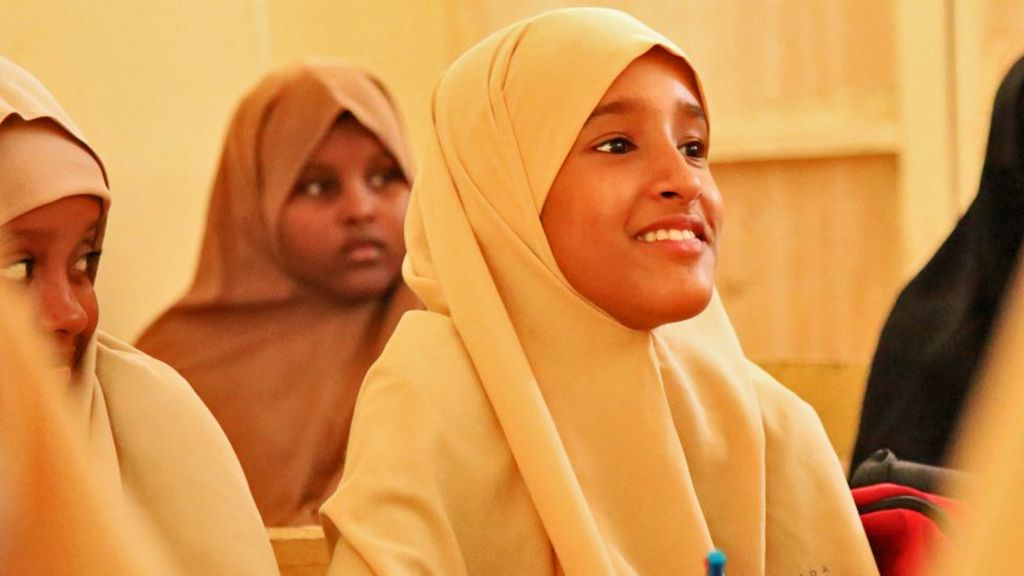
Somalia is set to integrate Swahili, the widely spoken language of East Africa, into its national education system, as announced by President Hassan Sheikh Mohamud. Currently, English serves as the primary medium of instruction in secondary schools across the country, with Arabic being the only other mandatory second language. However, the President emphasized the importance of Swahili for regional integration during the East African Community (EAC) summit held in Mogadishu. Somalia officially joined the EAC last year, aiming to foster economic growth after decades of conflict. Swahili, spoken by over 200 million people globally, is one of the world’s most prevalent languages. President Mohamud highlighted the need for universities, particularly the Somali National University, to prioritize the development of Swahili as a key language for East Africa. Education Minister Farah Sheikh Abdulkadir echoed this sentiment, expressing the government’s vision for Swahili to become a language of communication, trade, and education, potentially replacing English in future conferences. Swahili dialects are already prevalent along Somalia’s southern coast, and its usage has expanded nationwide in recent years, partly due to the civil war that began in 1991. Many Somalis who sought refuge in Kenya have learned Swahili, and with the return of some of these individuals and the presence of African Union troops, the language has gained further traction. Historically, Arabic was the language of instruction in junior schools, while English was used in secondary and tertiary education. Today, the primary school curriculum is taught in Somali, with English remaining the medium for higher education and Arabic used in madrassas. This shift reflects Somalia’s broader efforts to stabilize and integrate into the East African region.
博客
-
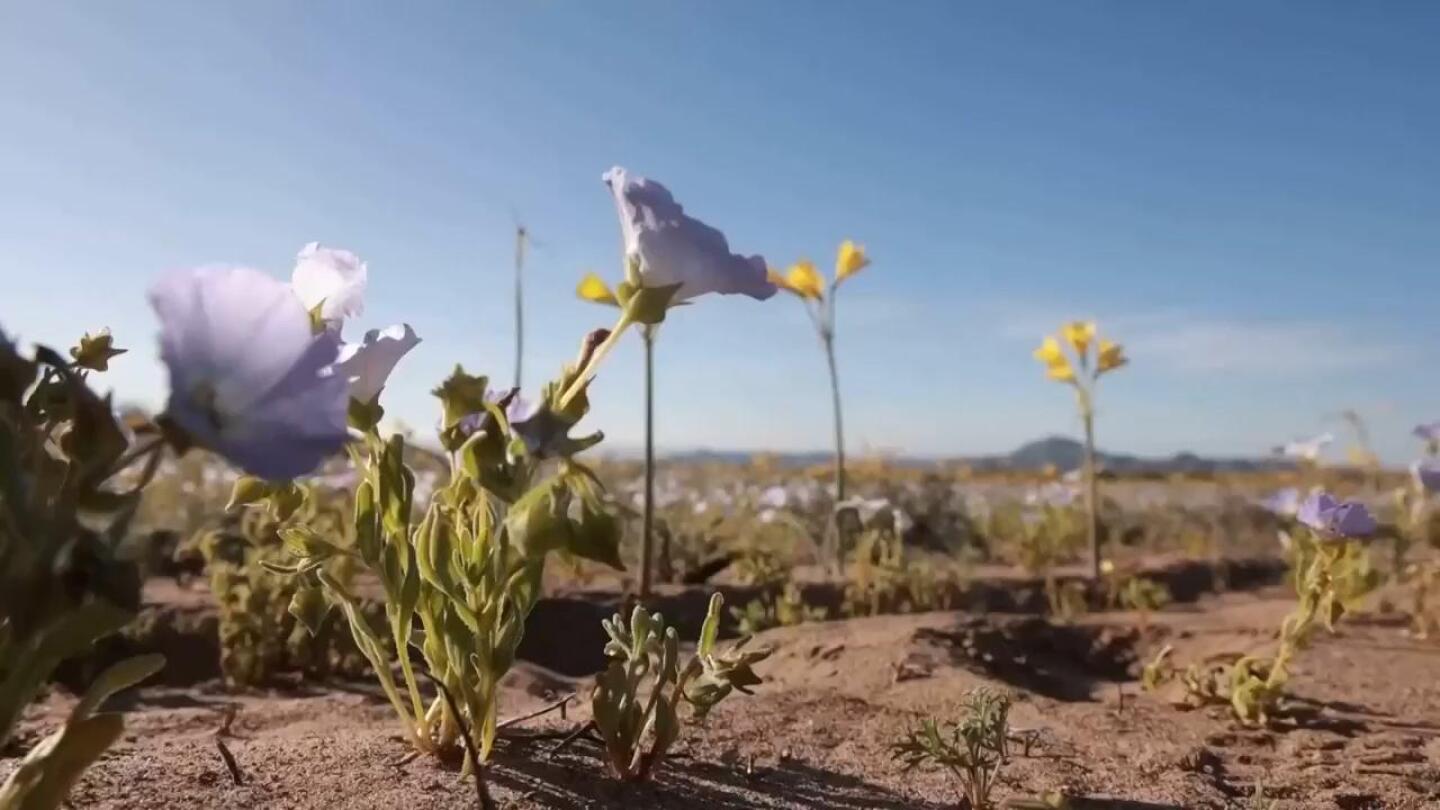
The world’s driest desert blooms into a rare, fleeting flower show
The Atacama Desert, renowned as the driest nonpolar desert on Earth, has recently undergone a breathtaking transformation. Unusual winter rains have triggered a rare phenomenon, turning the arid landscape into a vibrant tapestry of wildflowers. This extraordinary bloom, characterized by hues of fuchsia, purple, yellow, red, blue, and white, has captivated both locals and tourists alike.
Experts attribute this floral spectacle to one of the wettest years in recent memory for the Atacama. Some high-altitude regions received up to 60 millimeters (2.3 inches) of rain during July and August, providing the necessary moisture for dormant seeds to germinate. Víctor Ardiles, chief curator of botany at Chile’s National Museum of Natural History, explained that over 200 flower species lie dormant in the desert’s rocky soil, awaiting the right conditions to bloom. ‘When certain moisture thresholds are met, the seeds activate, grow, and then bloom,’ Ardiles noted.
However, the process is delicate. Factors such as water, temperature, daylight, and humidity must align perfectly for the seeds to flourish. ‘Not all the seeds will germinate,’ Ardiles added. ‘Some will remain waiting, while others will contribute to the next generation.’
The bloom has drawn visitors from across Chile, including Maritza Barrera, who traveled nearly six hours with her children to witness the spectacle in Llanos de Challe National Park. ‘It’s more stunning than I could have imagined,’ she said. Recognizing the ecological significance of this phenomenon, Chilean President Gabriel Boric established the Desert Bloom National Park in 2023, protecting 220 square miles (570 square kilometers) of flower fields along the Pan-American Highway.
This fleeting natural wonder, which typically lasts until November, serves as a reminder of the desert’s resilience and beauty. ‘Nowhere on Earth does this phenomenon occur like it does here in Chile,’ Ardiles remarked.
Isabel DeBre contributed to this report from Buenos Aires, Argentina.
-
Trump calls for jailing of Illinois governor and Chicago mayor in immigration standoff
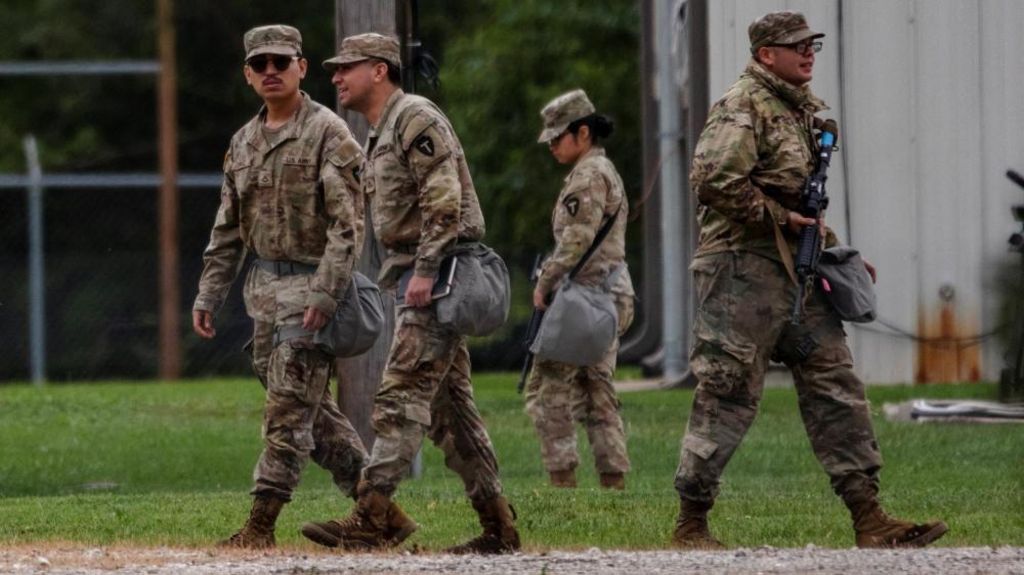
President Donald Trump has escalated tensions with Illinois officials, calling for the imprisonment of Chicago Mayor Brandon Johnson and Illinois Governor JB Pritzker. In a fiery social media post, Trump accused the Democratic leaders of failing to protect federal immigration officers conducting raids in Chicago, labeling the city a ‘war zone’ due to ongoing protests against immigration enforcement. This rhetoric comes as hundreds of National Guard troops have been deployed to Chicago as part of Trump’s immigration crackdown, mirroring similar actions in Los Angeles, Washington DC, Memphis, and Portland. A judge has temporarily blocked the deployment to Portland but allowed it in Chicago, prompting Illinois and Chicago to file a lawsuit to halt the move. Trump has threatened to invoke the Insurrection Act, potentially using the military if courts intervene. Meanwhile, protests in Chicago turned violent last weekend, with immigration authorities reporting an armed woman allegedly ramming her car into law enforcement vehicles, leading to an exchange of gunfire. The woman’s condition remains unclear. Pritzker and Johnson have vehemently opposed Trump’s actions, with Pritzker calling them ‘authoritarian’ and Johnson accusing Trump of targeting him unjustly. The standoff highlights the deepening divide between Trump and Democratic-led cities and states.
-
EU lawmakers vote to ban labels like steak or meat on vegetarian products
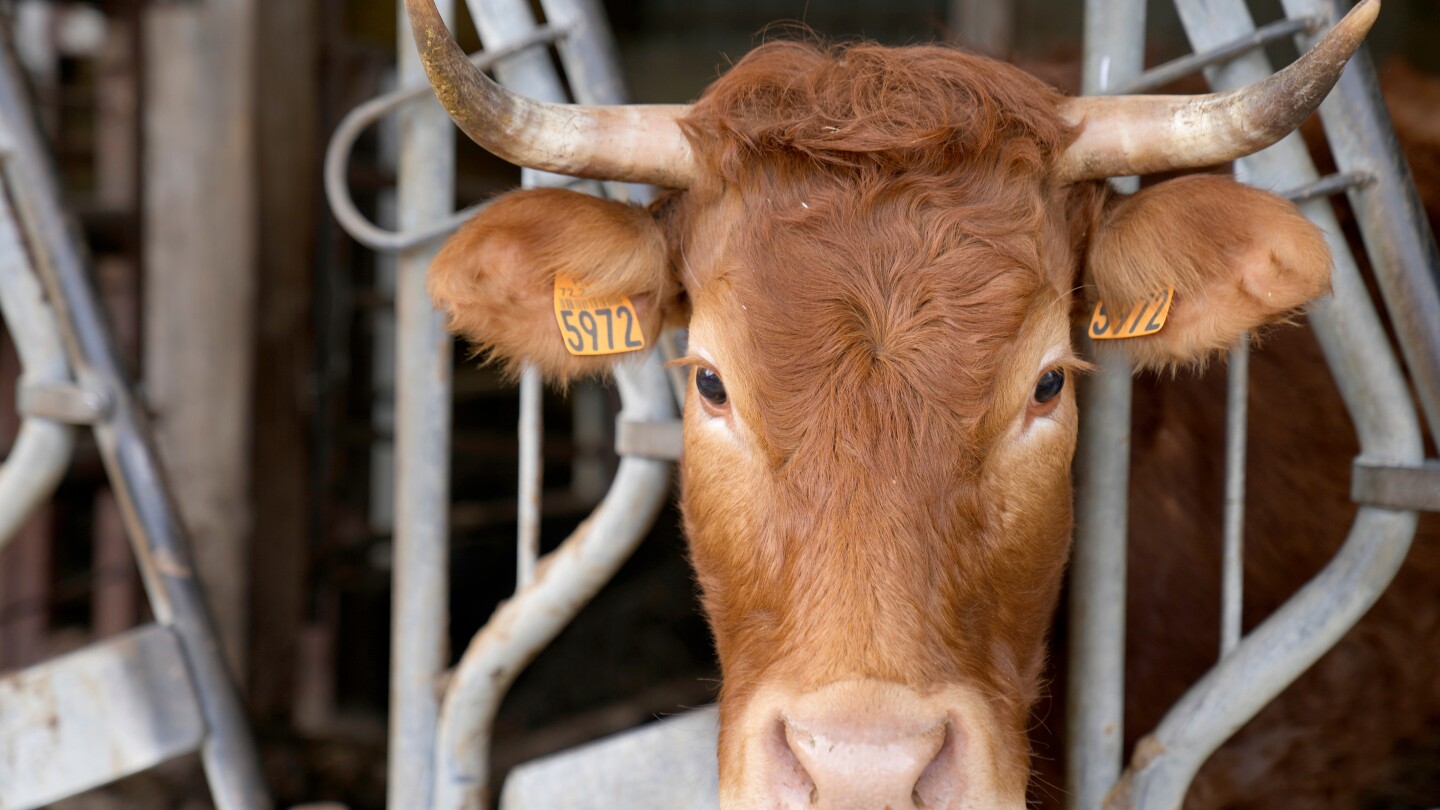
In a decisive move, the European Parliament has voted to prohibit the use of meat-related terminology such as ‘steak,’ ‘sausage,’ or ‘burger’ on vegetarian and plant-based products. The resolution, passed with an overwhelming majority of 532 to 78, aims to redefine meat strictly as ‘edible parts of animals’ and ensure clarity in food labelling. The proposal will now proceed to a parliamentary committee for further refinement before being reviewed by the EU executive and negotiated among the bloc’s 27 member states. Céline Imart, a conservative German lawmaker and former farmer, emphasized that using meat-related terms for plant-based alternatives is misleading. ‘We’re not banning plant-based products, but terms should accurately reflect what they represent,’ she stated during a parliamentary debate. Austrian MEP Anna Stürgkh, however, argued that consumers are not easily confused by such labels, citing examples like ‘beef tomatoes’ and ‘ladies’ fingers’ as evidence of common understanding. She urged trust in consumer discernment and criticized the move as ‘hot dog populism.’
-
The EU offers new protections for farmers as it seeks to build support for Mercosur trade deal
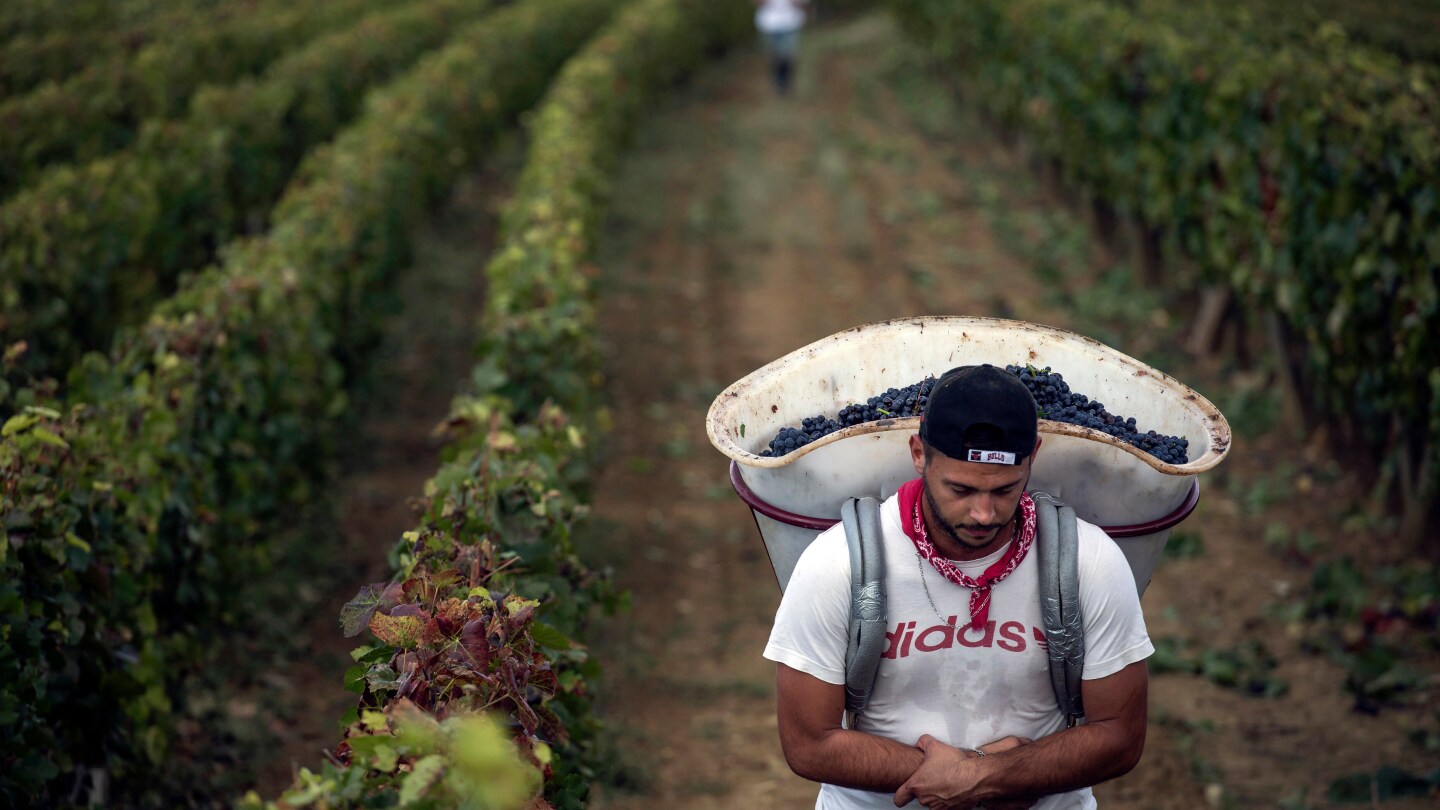
The European Union’s executive arm has introduced comprehensive measures to shield its agricultural sector from potential adverse effects of the landmark trade agreement with the Mercosur bloc. The deal, involving Brazil, Argentina, Uruguay, Paraguay, and Bolivia, aims to eliminate tariffs on nearly all goods traded between the two regions over the next 15 years. If ratified, it would establish one of the world’s largest free trade zones, encompassing 780 million people and nearly a quarter of global GDP. However, European farmers have expressed strong opposition, fearing unfair competition from South American imports. The newly proposed mechanisms would empower farmers to lodge complaints and trigger investigations into trade imbalances caused by the agreement. The European Commission has pledged swift action in cases of unforeseen import surges or price drops, with special protections for sensitive sectors like beef, eggs, and ethanol. The deal, finalized in December after 25 years of negotiations, awaits approval from EU member states and the European Parliament. Agriculture remains a cornerstone of the EU’s economy and culture, with exports totaling €235.4 billion in 2024. Yet, the sector faces mounting tensions, exacerbated by recent protests and political pressures. While proponents argue the deal will save businesses €4.26 billion annually by reducing tariffs and bureaucracy, critics warn of environmental harm and unfair competition for local producers.
-
South African activists on Gaza flotilla claim harsh treatment by Israel over genocide case
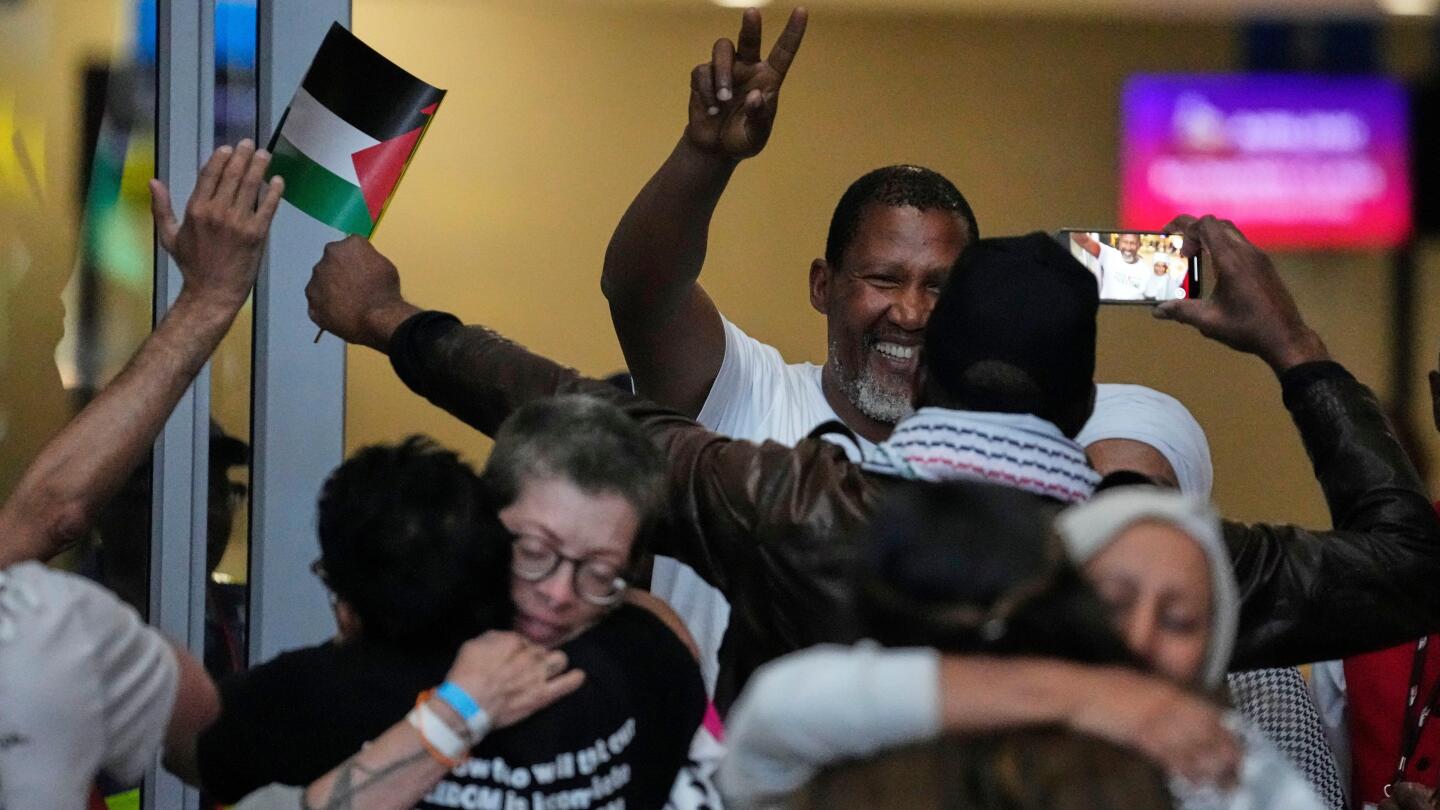
Six South African activists, including a grandson of Nelson Mandela, have accused Israeli authorities of subjecting them to harsher treatment than other detainees during their arrest while attempting to reach Gaza as part of an aid flotilla. The activists, who were detained last week, claimed they were singled out due to South Africa’s role in a genocide case against Israel at the International Court of Justice (ICJ). Speaking at Johannesburg’s OR Tambo Airport upon their return, the activists detailed their ordeal, with two Muslim women alleging their hijabs were forcibly removed and they were forced to strip naked in front of Israeli soldiers. Mandla Mandela, the grandson of South Africa’s anti-apartheid icon, asserted that the activists were targeted because South Africa has challenged Israel’s actions in Gaza through the ICJ. Israel’s Foreign Ministry denied the allegations, stating that all detainees were given the option of voluntary deportation and that their legal rights were fully upheld. The activists were part of the Global Sumud Flotilla, a fleet of 42 boats aiming to break Israel’s naval blockade of Gaza and deliver symbolic aid to the famine-stricken territory. Among the 450 activists arrested were Swedish environmental activist Greta Thunberg and others who also claimed mistreatment. South Africa has long supported the Palestinian cause, drawing parallels between Israel’s treatment of Palestinians and South Africa’s apartheid era. The country’s genocide case against Israel, filed in late 2023, has garnered support from several nations, including Nicaragua, Turkey, and Colombia. Israel has vehemently denied the genocide allegations, accusing South Africa of acting as Hamas’ “legal arm.”
-
Ethiopia accuses Eritrea of preparing for war as Red Sea tensions rise
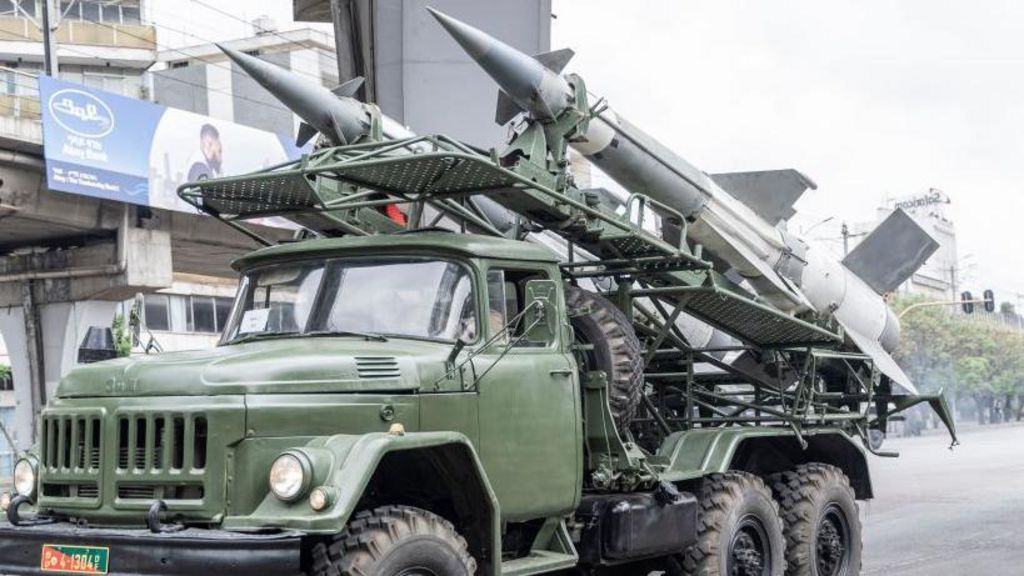
In a dramatic escalation of tensions between Ethiopia and Eritrea, Ethiopia has accused its northern neighbor of conspiring with opposition groups to wage war, according to a letter sent by Ethiopian Foreign Minister Gedion Timothewos to UN Secretary-General Antonio Guterres. The letter alleges that Eritrea, in collaboration with a hardline faction of the Tigray People’s Liberation Front (TPLF), is actively funding and mobilizing armed groups in Ethiopia’s Amhara region. This accusation comes amid growing friction over Ethiopia’s bid to regain access to the Red Sea, a move that has alarmed Eritrea, which controls the coastline since its independence in 1993. The two nations previously fought a brutal border war from 1998 to 2000, which claimed tens of thousands of lives. Although relations improved after Ethiopian Prime Minister Abiy Ahmed took office in 2018, recent developments have reignited hostilities. Ethiopia’s push for Red Sea access has been met with sharp criticism from Eritrea, with its Information Minister Yemane Gebremeskel dismissing Ethiopia’s claims as ‘bizarre and mind-boggling.’ Meanwhile, Ethiopia faces internal unrest, particularly in the Amhara region, where the Fano militia, previously allied with Abiy’s government, is now opposing federal forces. The situation remains volatile, with fears of a broader conflict looming.
-
Biking to Brazil, activists urge greener transport at UN climate talks
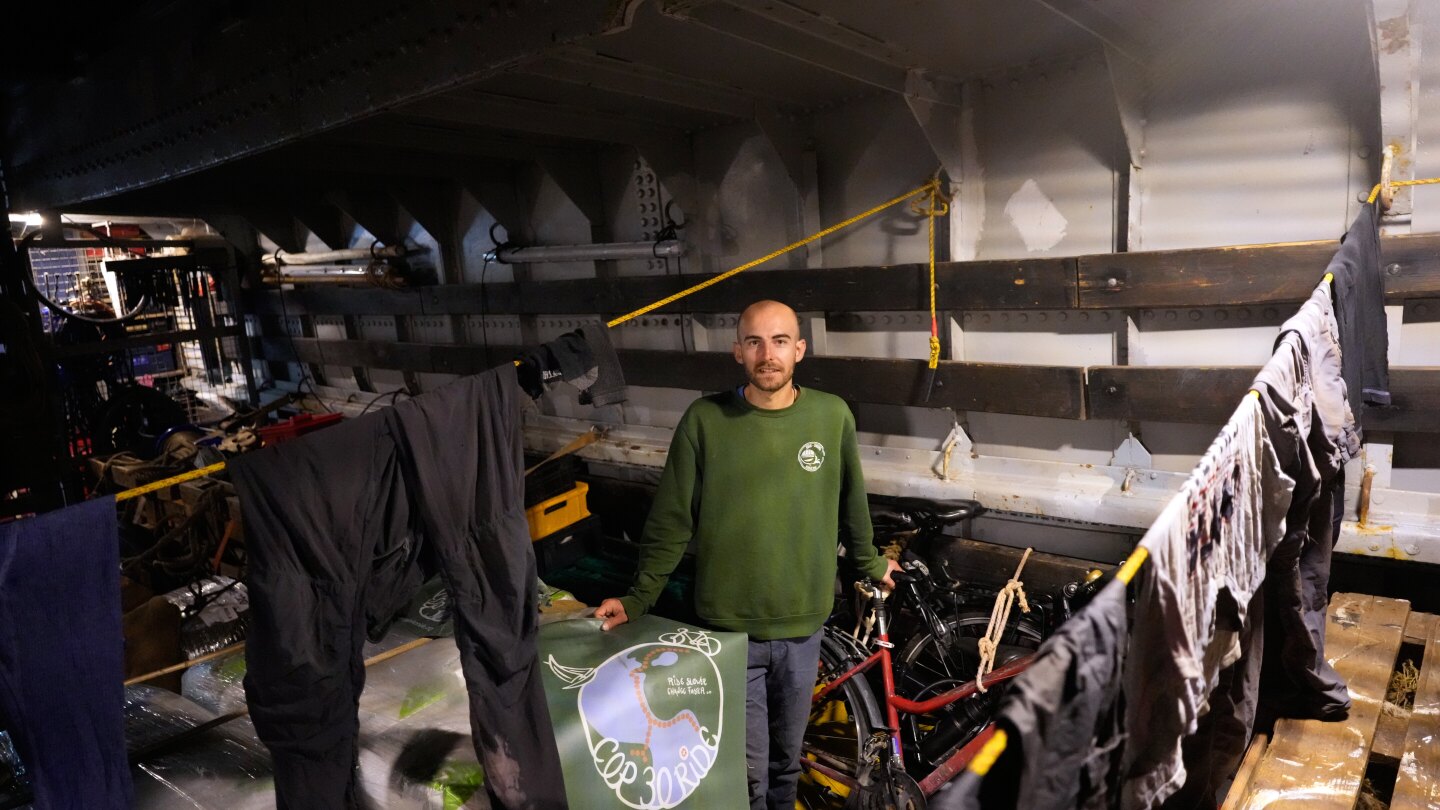
In a bold demonstration of environmental commitment, hundreds of climate activists are cycling thousands of kilometers to attend the United Nations COP30 climate summit in Belém, Brazil, this November. The journey, which began in Azerbaijan—the host of last year’s COP29 summit—has already spanned nearly 8,000 kilometers across Eurasia over 20 weeks. A second group of 200 cyclists covered an additional 1,800 kilometers across northern Europe, while others traversed parts of eastern and southern Africa. The riders, united under the banner of the COP30 Bike Ride, are now sailing from Portugal to Brazil aboard the schooner Avontuur, avoiding air travel to minimize their carbon footprint. The initiative, organized by Dutch activist Jolein Schorel, aims to highlight cycling as a sustainable, healthy, and cost-effective alternative to fossil-fuel-dependent transportation. Schorel emphasized that the journey is not just symbolic but also a practical call for cities to invest in cycling infrastructure. Along the way, the cyclists have engaged with local communities, sharing their mission and inspiring grassroots support. In Zambia, for instance, a young boy offered his only coin to support the riders, a gesture that deeply moved Schorel. The activists plan to present their demands for stronger climate action, particularly in protecting the Amazon rainforest and phasing out fossil fuels, when they arrive in Belém. Their journey underscores the power of collective action and the feasibility of sustainable alternatives in addressing the climate crisis.
-
Germany revises 2025 growth forecast to 0.2%, rising to 1.3% next year
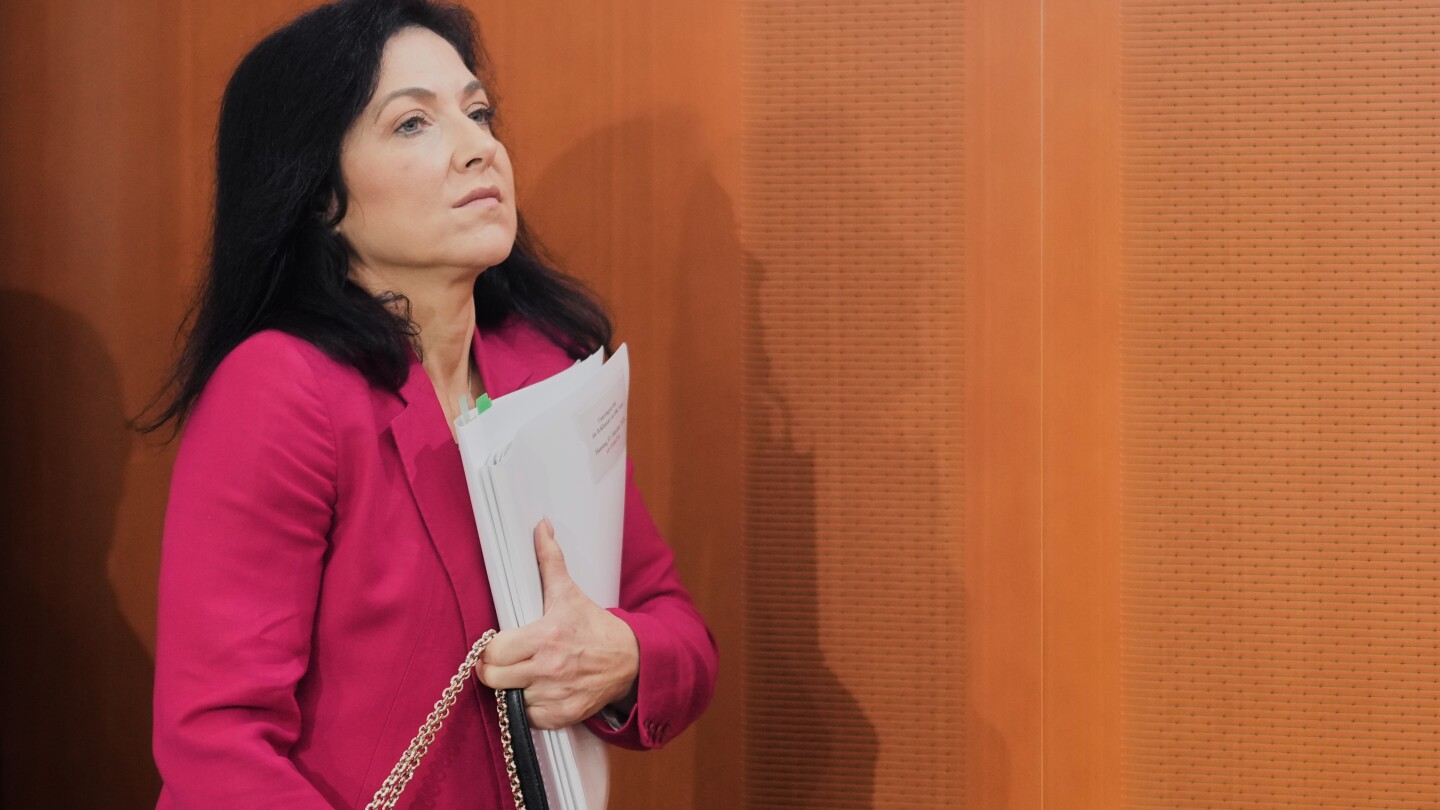
Germany’s newly formed government has unveiled its economic projections, anticipating a modest growth rate of 0.2% for the current year, with forecasts of 1.3% in 2026 and 1.4% in 2027. This outlook marks a slight improvement over the previous administration’s April forecast, which predicted zero growth for 2025 and 1% expansion in 2026. The German economy, which has contracted over the past two years and stagnated for an extended period, is now a focal point for Chancellor Friedrich Merz’s administration, which assumed office in early May. Economy Minister Katherina Reiche emphasized the urgency of addressing competitiveness and innovation, stating, ‘We need to act, now.’ She highlighted that a significant portion of the projected growth hinges on swift government spending, which requires accelerated planning and approval processes—areas where Germany has historically lagged. Reiche also stressed the need for comprehensive reforms, including reducing energy costs, fostering private investment, lowering the tax burden, dismantling bureaucratic hurdles, opening markets, and enabling innovation. To bolster economic revitalization, Merz’s government has initiated a program to encourage investment and established a 500 billion-euro ($584 billion) fund aimed at modernizing Germany’s aging infrastructure over the next 12 years. Additionally, the administration has pledged to streamline regulatory processes and expedite the country’s digital transformation. In a show of confidence, a consortium of companies committed in July to invest at least 631 billion euros in Germany over the next three years, including some previously planned investments. Despite Germany’s historical dominance in global trade, particularly in engineered products like industrial machinery and luxury cars, the nation faces mounting challenges, including competition from Chinese manufacturers and external risks such as tariffs and trade threats from the U.S. under former President Donald Trump.
-
Crunch moment in French crisis as outgoing PM tries to avert new election
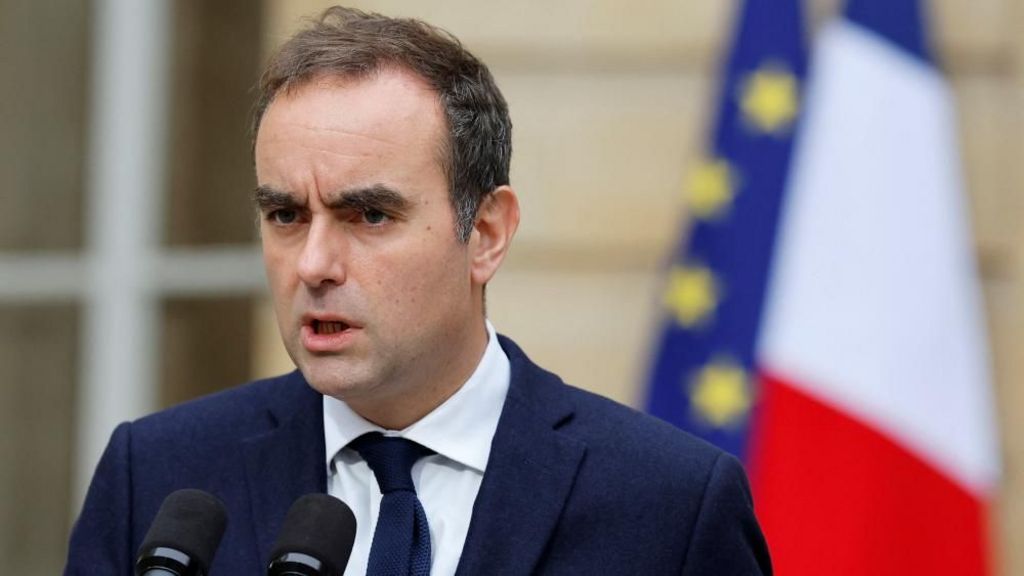
In the midst of France’s deepening political crisis, outgoing Prime Minister Sébastien Lecornu expressed cautious optimism about the possibility of passing a budget before the year’s end. Lecornu, who became the third French prime minister to resign in less than a year, has been tasked with finding a solution to stabilize the country by Wednesday evening. His resignation on Monday plunged France into renewed political uncertainty, just 18 months before President Emmanuel Macron’s second term concludes. Macron’s decision to call snap elections in mid-2024 resulted in a hung parliament and a series of minority governments, further complicating the political landscape. Lecornu, who served only 26 days before his government collapsed, has been engaging with various political parties to forge a path forward. He noted a ‘willingness’ among parties to pass a budget by December 31, which could reduce the likelihood of dissolving parliament. However, challenges remain, as Socialist leader Olivier Faure ruled out his party’s participation in any government led by Macron’s allies, citing irreconcilable differences over the budget plan. Meanwhile, the hard-right National Rally, led by Marine Le Pen, has called for new parliamentary elections. Lecornu’s best hope appears to be forming a centrist coalition with the conservative Republicans, though their participation is uncertain. National Assembly President Yaël Braun-Pivet warned of ‘very serious consequences’ if a budget deal is not reached soon. Lecornu emphasized the importance of reducing France’s budget deficit, which currently stands at 5.4% of GDP, to maintain the country’s credibility and borrowing capacity. Additionally, he highlighted the need to address the future of New Caledonia, France’s South Pacific territory, which has been seeking greater autonomy. The planned 2026 budget included financial aid for New Caledonia following last year’s riots, but Lecornu’s resignation has delayed the referendum and provincial elections scheduled for next year.