
OpenAI is set to broaden the scope of content available on its widely-used chatbot, ChatGPT, to include erotica, as part of its initiative to ‘treat adult users like adults,’ according to CEO Sam Altman. In a recent post on X, Altman announced that forthcoming updates will enable the chatbot to exhibit more human-like behavior, but only if users opt for it, emphasizing that the changes are not driven by ‘usage maxxing.’ This move echoes Elon Musk’s xAI, which recently introduced sexually explicit chatbots to its Grok platform, potentially helping OpenAI attract more premium subscribers. However, it also raises concerns about the need for stricter regulations on AI companions. OpenAI has faced legal challenges, including a lawsuit from the parents of a teenager who tragically took his own life, alleging that the company’s parental controls were insufficient. Altman acknowledged that previous restrictions were implemented to address mental health concerns but stated that new tools now allow for safer relaxation of these constraints. Starting in December, OpenAI plans to introduce age-gating measures to ensure that adult content, such as erotica, is accessible only to verified adults. Critics argue that this decision underscores the necessity for enhanced federal and state-level oversight. Jenny Kim, a partner at Boies Schiller Flexner, questioned the effectiveness of OpenAI’s age-gating mechanisms, likening the company’s approach to using users as ‘guinea pigs.’ Meanwhile, a survey by the Centre for Democracy and Technology revealed that one in five students has engaged in romantic relationships with AI. California Governor Gavin Newsom recently vetoed a bill aimed at restricting AI chatbot access for children, emphasizing the importance of teaching adolescents to interact safely with AI. At the federal level, the FTC has initiated an inquiry into AI chatbots’ interactions with minors, and bipartisan legislation has been introduced in the Senate to classify AI chatbots as products, allowing for liability claims against developers. Altman’s announcement comes amid growing skepticism about the valuation of AI tech companies, as OpenAI continues to expand its revenue despite remaining unprofitable.
博客
-

Starmer says ‘intifada’ chant is ‘call to attack’ Jewish people
In a significant parliamentary exchange, UK Prime Minister Keir Starmer unequivocally stated that the slogan ‘internationalise the intifada’ is a direct incitement to violence against Jewish communities worldwide. This declaration came in response to Conservative MP Julian Lewis’s inquiry, which sought clarity on the interpretation of the phrase often chanted at pro-Palestine demonstrations. Starmer’s firm stance marks a pivotal moment in the ongoing debate over the boundaries of protest rhetoric and its implications for community safety. The Prime Minister’s comments follow the government’s introduction of stricter protest regulations, aimed at mitigating the impact of frequent demonstrations on local communities. These measures, however, have sparked widespread criticism, with detractors arguing that they infringe upon the fundamental right to free expression. The controversy is further compounded by the recent classification of Palestine Action as a terrorist organization, a move that has drawn scrutiny from Europe’s top human rights official. Home Secretary Shabana Mahmood has emphasized the need for robust legal frameworks to address hate speech and crimes, ensuring that perpetrators face stringent legal consequences. This unfolding scenario underscores the delicate balance between safeguarding civil liberties and protecting communities from hate-fueled violence.
-
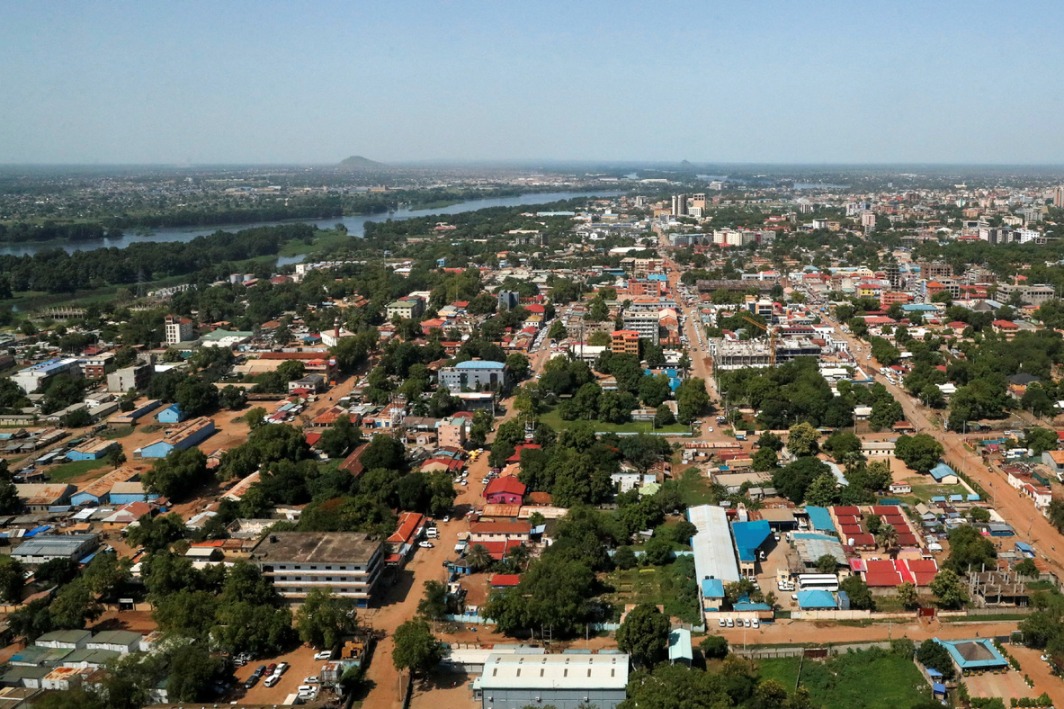
UN urges decisive action as South Sudan crisis deepens
The United Nations Commission on Human Rights has issued a stark warning about the deepening crisis in South Sudan, emphasizing the urgent need for decisive action to restore peace, ensure accountability, and facilitate a credible political transition. Despite nearly a decade of regional efforts, the country remains mired in a worsening political and humanitarian crisis, with the breakdown of dialogue and escalating instability reigniting armed conflict on a scale not seen since the 2017 cessation of hostilities agreement. Civilians continue to suffer the most, enduring widespread human rights violations, mass displacements, and deteriorating humanitarian conditions. The commission has cautioned that without immediate intervention, the situation could further destabilize the wider region. Commissioner Barney Afako highlighted the failure of leadership and consensus in implementing the peace agreement and political transition, citing ongoing political crises, increasing fighting, and systemic corruption as key issues. He stressed the need for immediate, sustained, and coordinated political engagement by the region to prevent South Sudan from sliding back into full-scale conflict, which would have devastating human rights consequences for its people and the broader region. Over a decade since the conflict began in December 2013, victims still await justice and reparations, with no tangible progress made on establishing a Hybrid court despite repeated calls from the AU Peace and Security Council. In 2025 alone, an estimated 300,000 South Sudanese fled the country due to rising conflict, with significant numbers seeking refuge in Sudan, Ethiopia, and Uganda. The country also hosts 2 million internally displaced people and shelters 560,000 refugees fleeing the war in Sudan. UN Commissioner for Human Rights in South Sudan, Carlos Castresana Fernández, emphasized that stability and justice are essential for the country’s rebuilding process. He called for credible and independent mechanisms for justice and accountability to deter repeated cycles of atrocities, break cycles of impunity, and heal the wounds of war. He urged the AU and regional partners to act now to prevent another war and build the foundations of a just peace based on the rule of law.
-

Madagascar crowds cheer as military unit seizes power
In a dramatic turn of events, an elite military unit in Madagascar has declared the seizure of power from the country’s president, sparking widespread jubilation among the populace. The streets of Antananarivo, the nation’s capital, were filled with cheering crowds as news of the military’s intervention spread. The unit, known for its strategic prowess, announced its takeover in a public statement, though details regarding the president’s current status remain unclear. This development marks a significant shift in Madagascar’s political landscape, raising questions about the future governance and stability of the island nation. Analysts are closely monitoring the situation, as the military’s actions could have far-reaching implications for both domestic and international relations.
-
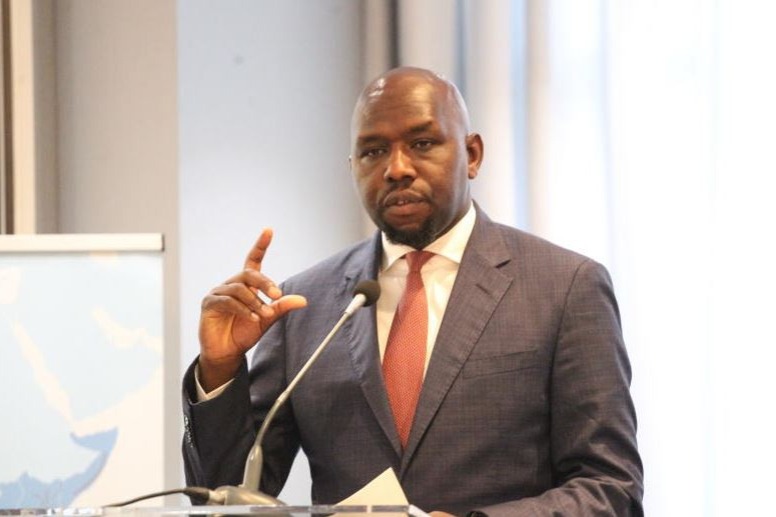
China, Kenya deepen security and law enforcement cooperation to tackle regional threats
China and Kenya have pledged to deepen their collaboration in security, law enforcement, and border management, expanding their partnership beyond traditional economic and trade ties. This renewed commitment was highlighted during a recent bilateral meeting between Kenya’s Interior and National Administration Cabinet Secretary Kipchumba Murkomen and Chinese Ambassador to Kenya Guo Haiyan. Murkomen emphasized that the partnership between the two nations has evolved to include critical areas of governance and security, alongside their ongoing socio-cultural and economic cooperation. He acknowledged China’s significant contributions to Kenya’s infrastructure development under the Belt and Road Initiative, which has played a pivotal role in advancing Kenya’s modernization agenda. Both countries are now exploring ways to enhance their collaboration in security infrastructure, border management, and combating transnational crimes that threaten regional stability. Ambassador Guo reaffirmed China’s commitment to supporting Kenya in building institutional capacity and strengthening law enforcement mechanisms. She also highlighted ongoing efforts to bolster cooperation in security, information exchange, and the use of technology to enhance public safety.
-

Prosecutors in New York seek time to consider third trial in Etan Patz murder
The decades-long legal saga surrounding Pedro Hernandez, the man convicted of the 1979 murder of six-year-old Etan Patz, has reached a critical juncture. Following a July ruling by the Second Circuit Court of Appeals that overturned Hernandez’s 2017 conviction, Manhattan prosecutors and defense attorneys are now locked in a heated debate over the next steps. The appeals court cited concerns about Hernandez’s police interrogation, his mental health history, and jury instructions as grounds for reconsideration. On Thursday, prosecutors requested 90 days to decide whether to retry Hernandez, while his defense team pushed for a 30-day deadline. U.S. District Judge Colleen McMahon is expected to rule on the matter within days. Etan Patz’s disappearance in 1979, while he was walking to school in Manhattan’s SoHo neighborhood, became a national symbol of missing children cases. Despite extensive investigations, Patz was never found. Hernandez, who worked as a shop clerk near the bus stop where Patz vanished, confessed in 2012 to luring the boy into a basement and strangling him. His first trial in 2015 ended in a mistrial, but he was convicted in 2017 of felony murder and kidnapping, though acquitted of intentional murder. Hernandez’s lawyers have argued that the jury instructions during his second trial were prejudicial and inconsistent with legal precedent. Prosecutors, however, maintain that the conviction was just and plan to appeal to the U.S. Supreme Court. Meanwhile, Hernandez’s legal team is pushing for his immediate release, claiming an innocent man is being wrongfully imprisoned.
-
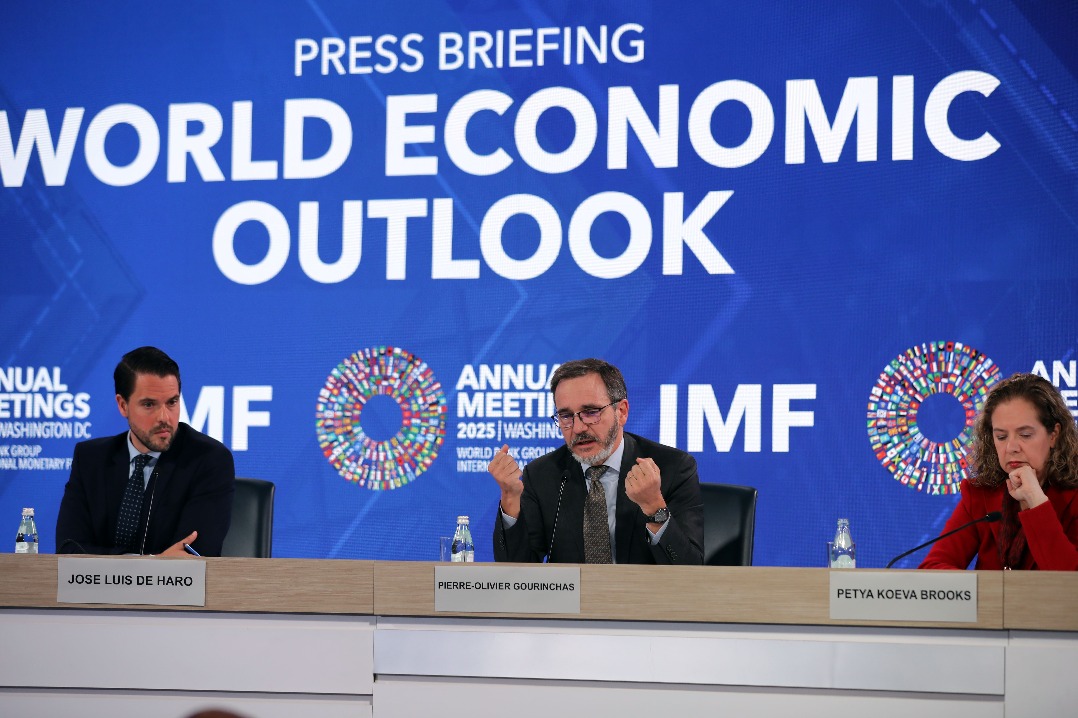
China economy to stay growing, IMF forecasts
The International Monetary Fund (IMF) has revised its growth forecast for China’s economy, projecting a 4.8% expansion in 2025, up 0.3 percentage points from its earlier estimate. This optimistic outlook comes despite global economic headwinds, including escalating trade tariffs and potential downturns in the technology sector. The IMF’s World Economic Outlook, released during the annual IMF/World Bank autumn meetings, also highlighted a slowdown in global growth, with projections of 3.2% for 2025 and 3.1% for 2026, marking a cumulative downgrade of 0.2 percentage points from previous forecasts. China’s resilience is attributed to robust domestic consumption, fiscal expansion, and strategic trade redirection to Asia and Europe. Premier Li Qiang emphasized the importance of counter-cyclical adjustments, policy support, and reforms to sustain economic momentum. Meanwhile, the U.S. economy is expected to grow at a slower pace of 2% in 2025, down from 2.2% in 2024, due to policy uncertainty and higher trade barriers. IMF Economic Counselor Pierre-Olivier Gourinchas warned that while the immediate impact of tariffs has been limited, their long-term effects could lead to efficiency losses and supply chain disruptions. He also cautioned against the risks of a technology sector downturn, reminiscent of the dot.com bubble, which could trigger a global slowdown. Despite these challenges, resolving policy uncertainty and fostering stable trade agreements could provide a significant boost to global output.
-
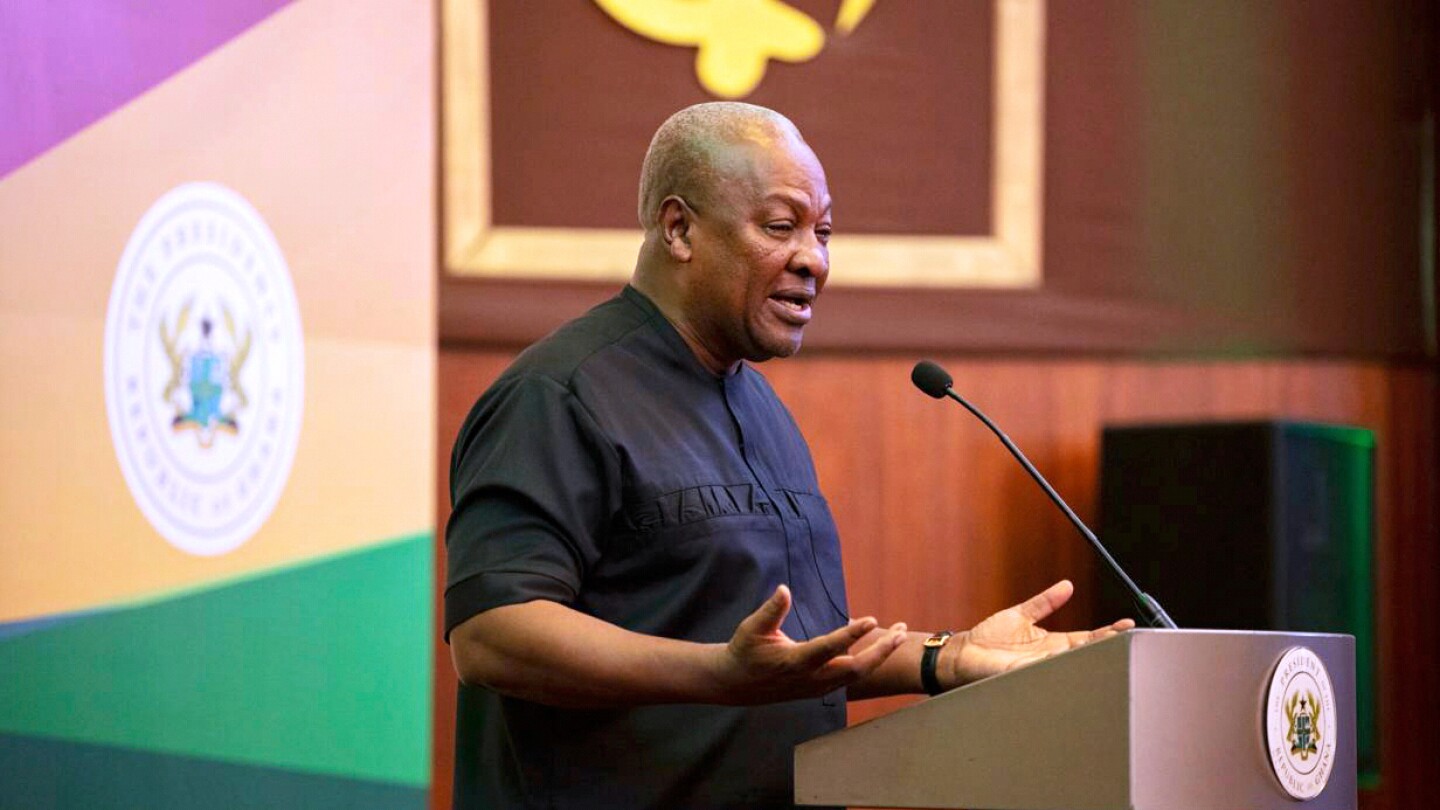
Ghana rights group files lawsuit against government’s acceptance of US deportees
In a recent development, 14 West African nationals were deported from the United States to Ghana, bringing the total number of deportees under a bilateral agreement to 42. The deportation, which occurred on Monday, has sparked significant controversy and legal action. Oliver Barker-Vormawor, a lawyer representing migrants, revealed that his organization, Democracy Hub, filed a lawsuit on Tuesday against the Ghanaian government. The lawsuit alleges that the deportation agreement with the U.S. is unconstitutional, as it was not approved by Ghana’s parliament, and may violate international conventions protecting individuals from being sent to countries where they could face persecution. Government spokesman Felix Kwakye Ofosu stated that the attorney general would defend the arrangement in court but offered no further comments. This deportation program is part of the Trump administration’s broader crackdown on illegal immigration, particularly targeting individuals with criminal records who are difficult to deport to their home countries. Since July, dozens of deportees have been sent to various African nations, including Ghana, South Sudan, Rwanda, and Eswatini, under largely secretive agreements. Critics argue that the program lacks transparency and often sends individuals to countries where they have no ties, potentially denying them due process. Earlier deportations to Ghana saw migrants held in poor conditions at a military camp near Accra, with many later sent to other West African countries. The situation has drawn widespread condemnation from human rights groups, who argue that the program undermines international protections for migrants.
-

Ivory Coast and Senegal claim places at World Cup
In a thrilling conclusion to the African qualifiers for the 2026 FIFA World Cup, Senegal and Ivory Coast clinched the continent’s last two automatic berths with decisive victories on Tuesday. Senegal dominated Group B with a commanding 4-0 win over Mauritania in Dakar. Sadio Mane, the former Liverpool star, opened the scoring with a sublime free-kick just before halftime, followed by a clinical second goal. Iliman Ndiaye and Habib Diallo added to the tally, sealing Senegal’s top spot in the group, two points clear of DR Congo, who edged Sudan 1-0. Meanwhile, Ivory Coast showcased their defensive prowess, completing the entire 10-match qualifying campaign without conceding a single goal. Their 3-0 triumph over Kenya in Abidjan, courtesy of goals from Franck Kessie, Yan Diomande, and Amad Diallo, ensured they finished a point ahead of Gabon in Group F. Both teams now join Morocco, Tunisia, Egypt, Algeria, Ghana, Cape Verde, and South Africa as Africa’s representatives at the expanded 48-team tournament in Canada, Mexico, and the United States. The final African spot will be determined through next month’s continental play-offs, featuring Cameroon, DR Congo, Gabon, and Nigeria.
-

US strikes another vessel off Venezuela coast, killing six
The United States has carried out its fifth maritime strike targeting a vessel accused of drug trafficking off the coast of Venezuela, resulting in six fatalities. President Donald Trump announced the operation on Truth Social, labeling the vessel as belonging to ‘narcoterrorists’ and involved in illicit narcotics trade. This marks the latest in a series of similar strikes since September, which have collectively claimed 27 lives. However, the US has yet to provide concrete evidence or details regarding the identities of the vessels or individuals involved. The strikes have drawn criticism from legal experts and neighboring countries, including Colombia and Venezuela, who argue that the actions may violate international law. Trump defended the operation, stating that intelligence confirmed the vessel’s association with narcoterrorist networks and its use of a known smuggling route. He also shared an aerial surveillance video depicting the strike. The US has framed these actions as self-defense, despite ongoing debates over their legality. The strikes coincide with a leaked memo to Congress, which suggests the US considers itself in a ‘non-international armed conflict’ with drug cartels. The deployment of warships to the Caribbean further underscores the administration’s aggressive stance. Critics argue that the strikes are part of a broader political strategy to pressure Venezuelan President Nicolás Maduro, who faces a $50 million US bounty for alleged drug trafficking. Maduro has vehemently denied the accusations, while Venezuelan officials have questioned the authenticity of the footage shared by Trump.