
Waymo, the trailblazer in autonomous vehicle technology, has announced its ambitious plans to extend its robotaxi services to London by next year. This move signifies a pivotal step in the company’s global strategy to revolutionize urban mobility. Starting in the coming weeks, Waymo will initiate testing of its self-driving vehicles on London’s streets, albeit with a human safety driver present to ensure compliance with regulatory standards. The company aims to secure the necessary governmental approvals to launch its commercial ride-hailing service in the city. In a recent blog post, Waymo emphasized its commitment to laying the groundwork for its London operations over the next few months, while actively engaging with local and national authorities to navigate the regulatory landscape. Waymo’s autonomous taxis have already established a strong presence in several U.S. cities, including Phoenix, San Francisco, Los Angeles, Atlanta, and Austin. Earlier this year, the company ventured into international markets by collaborating with partners in Japan for testing, though a commercial launch date remains undetermined. Originating as a clandestine project within Google, Waymo has evolved into a leading force in the autonomous vehicle industry. In the U.K., the company will adhere to stringent new regulations governing self-driving cars, which mandate that autonomous vehicles must demonstrate a safety level equivalent to or surpassing that of competent human drivers. Additionally, Waymo will participate in a government-led pilot program for small-scale self-driving taxi and bus services, slated for spring 2026. The company must also comply with regulations set by Transport for London, the city’s transport authority, which oversees licensing for traditional black cabs and other taxi operators like Uber.
博客
-

NATO’s newest members offer to buy more US arms for Ukraine as Western backing declines
In a significant move to bolster Ukraine’s defense capabilities, Finland and Sweden, NATO’s newest members, announced on Wednesday their decision to purchase additional U.S. weapons for Ukraine. This comes as recent data reveals a sharp decline in foreign military aid to the war-torn nation over the past few months. The initiative aligns with NATO’s efforts to coordinate regular deliveries of substantial weapons packages, each valued at approximately $500 million, to help Ukraine counter Russia’s ongoing aggression. However, European arsenals have nearly exhausted their spare weapons stocks, prompting NATO diplomats to highlight the United States’ $10-$12 billion worth of arms, air defense systems, and ammunition available for Ukraine’s use. Under the Prioritized Ukraine Requirements List (PURL), European allies and Canada are procuring American weapons to assist Kyiv in repelling Russian forces, with $2 billion already allocated. Finland’s Defense Minister, Antti Häkkänen, emphasized the urgency of providing critical U.S. weapons to Ukraine, while Sweden’s Defense Minister, Pål Jonson, expressed readiness to increase support. Both nations, alongside Estonia, Latvia, and Lithuania, are exploring additional contributions. Despite these efforts, Western military aid to Ukraine has plummeted by 43% in July and August compared to the first half of the year, according to Germany’s Kiel Institute. NATO Secretary-General Mark Rutte downplayed concerns, stating that support levels remain consistent with the previous year. However, criticism has grown over France, Italy, and Spain’s insufficient contributions, with Häkkänen urging all 32 NATO allies to shoulder their fair share of the burden. France, grappling with debt, has opted out of PURL, advocating for European defense industry investments instead.
-

Afghanistan says more than a dozen civilians killed in renewed border fighting with Pakistan
Tensions between Pakistan and Afghanistan have escalated into deadly border clashes, resulting in significant civilian casualties and widespread destruction. Early Wednesday, renewed fighting erupted along the shared border near the village of Chaman, leaving more than a dozen Afghan civilians dead and over 100 wounded, according to officials from both nations. The violence follows days of cross-border shelling that began on Saturday, with both sides reporting military casualties. Afghanistan claims to have killed 58 Pakistani soldiers in retaliation for alleged violations of its territory and airspace, while Pakistan’s military reported 23 troop fatalities. The clashes, concentrated in the Kurram district of Pakistan’s Khyber Pakhtunkhwa province and Afghanistan’s Spin Boldak district, involved heavy artillery and mortar fire. Pakistan’s state media accused Afghan troops of initiating “unprovoked fire,” while Afghanistan’s Taliban government countered that Pakistan used light and heavy weapons in its assaults. Zabihullah Mujahid, the Taliban’s chief spokesman, claimed Afghan forces retaliated by killing several Pakistani soldiers, seizing military posts, and capturing weapons, including tanks. Pakistan’s military denied these claims, stating that the attacks were orchestrated by the Afghan Taliban and resulted in the deaths of 15 to 20 Taliban fighters. The fighting has displaced civilians near the border, with reports of families evacuating their homes to escape the violence. Despite temporary ceasefires brokered by Saudi Arabia and Qatar over the weekend, border crossings remain closed, and the situation remains volatile. The clashes highlight the deep-seated mistrust between the two nations, with Pakistan accusing the Taliban government of harboring the Tehreek-e-Taliban Pakistan (TTP), a militant group responsible for numerous attacks within Pakistan. Kabul denies these allegations, insisting it does not allow its territory to be used against other countries. The ongoing conflict underscores the fragile security dynamics in the region and the urgent need for diplomatic intervention to prevent further escalation.
-
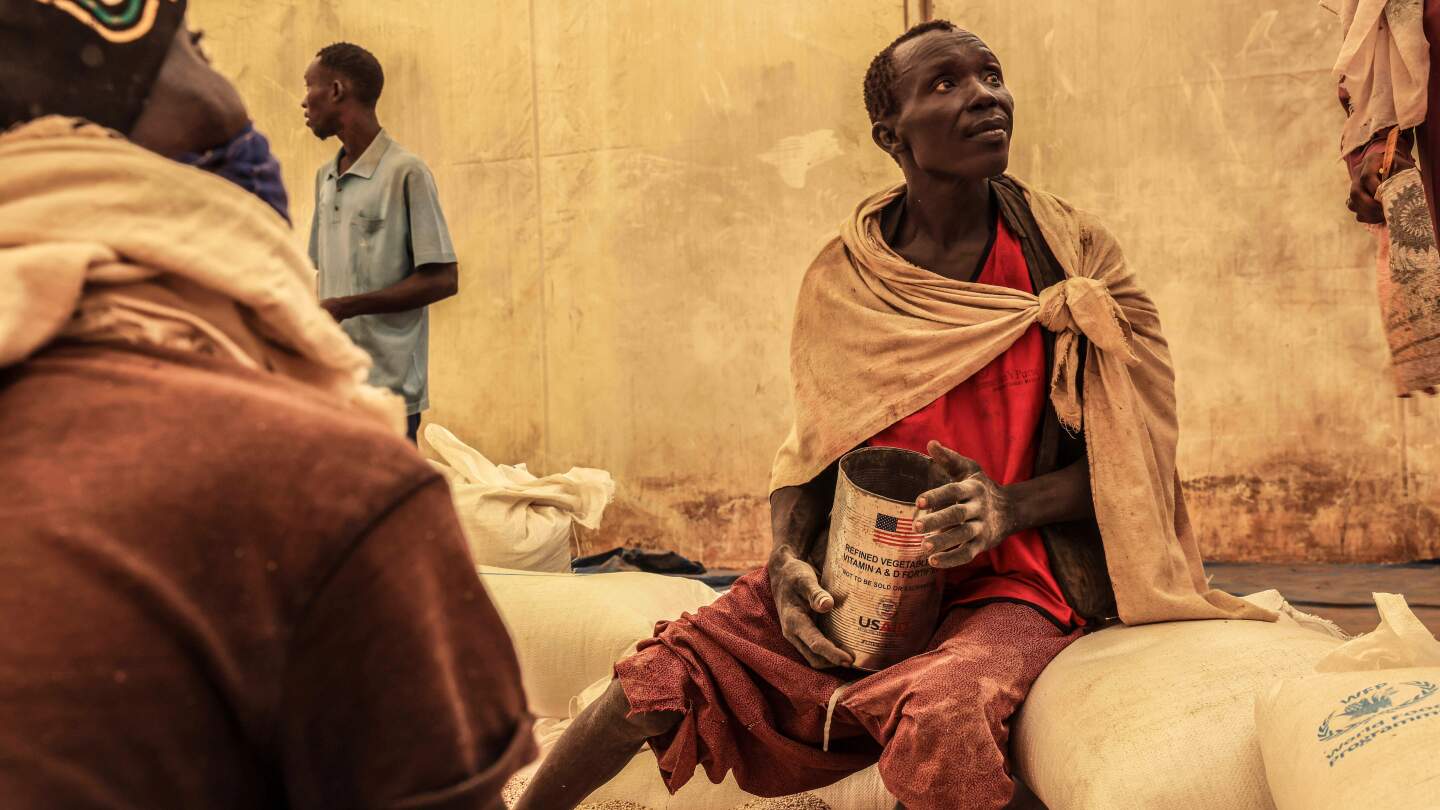
UN’s World Food Program warns donor cuts are pushing millions more into hunger
The World Food Program (WFP), the United Nations’ primary food aid agency, issued a stark warning on Wednesday, highlighting the dire consequences of severe funding reductions from its major donors. The agency revealed that nearly 14 million people across six countries—Afghanistan, Congo, Haiti, Somalia, South Sudan, and Sudan—are at risk of facing emergency levels of hunger due to these cuts. WFP Executive Director Cindy McCain described the situation as a ‘lifeline disintegrating before our eyes,’ emphasizing the gravity of the crisis. The agency anticipates a 40% drop in funding this year, reducing its budget to $6.4 billion from $10 billion in 2023. This shortfall is largely attributed to significant reductions in contributions from the United States under the Trump administration and other leading Western donors. The WFP stressed that global hunger is already at record levels, with 319 million people experiencing acute food insecurity, including 44 million at emergency levels. Famine has been declared in Gaza and Sudan, while in Afghanistan, food assistance reaches less than 10% of those in need. The funding crisis has also impacted other UN agencies, including those focused on migration, health, and refugees, leading to widespread aid and staffing cuts. The humanitarian aid community is grappling with the ripple effects of reduced support from traditional donors, including the U.S. Agency for International Development (USAID).
-
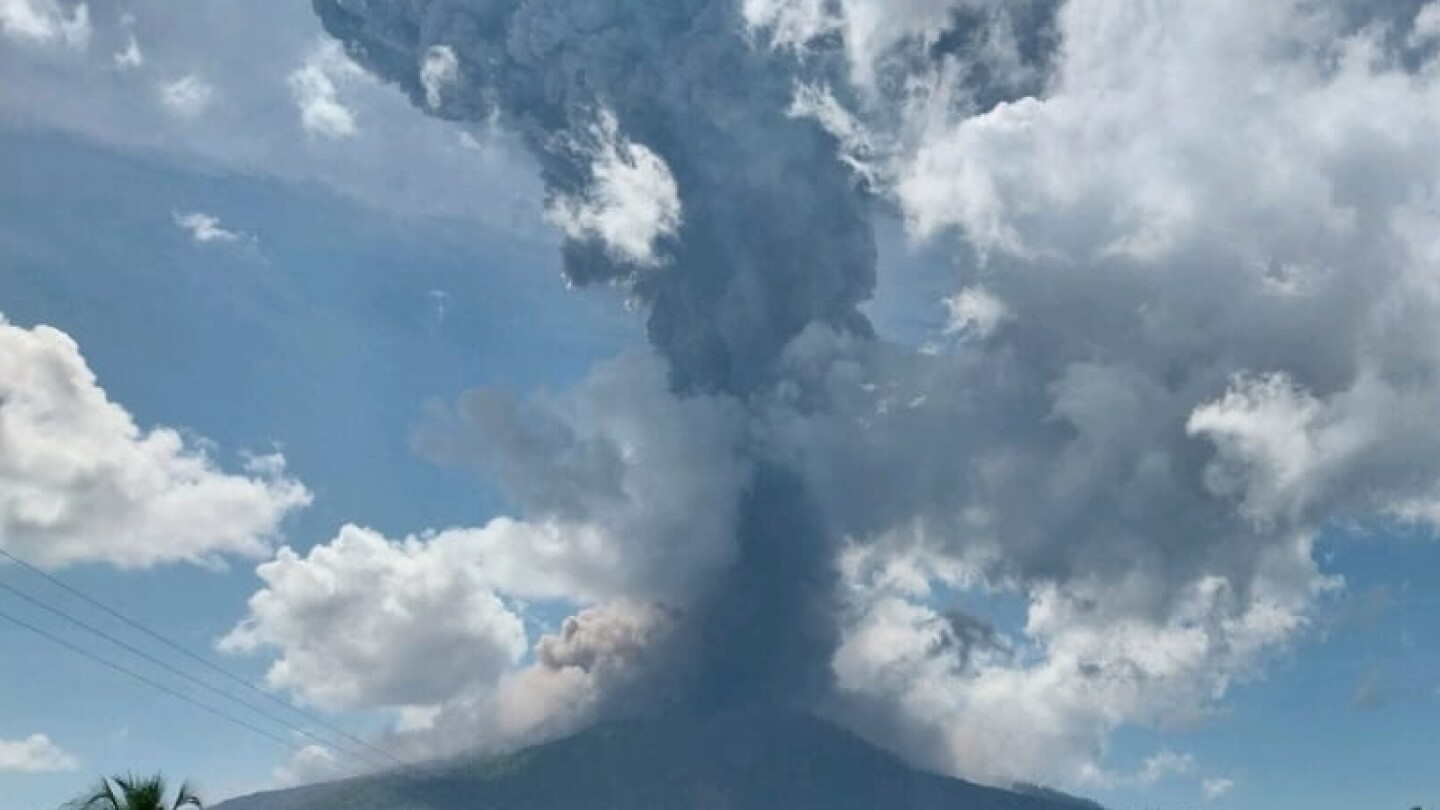
Indonesia’s Lewotobi Laki Laki volcano unleashes new burst of hot ash
JAKARTA, Indonesia — Mount Lewotobi Laki Laki, one of Indonesia’s most active volcanoes, erupted for the second consecutive day on Wednesday, releasing massive plumes of hot ash that covered nearby villages. Authorities have not reported any casualties so far. According to Indonesia’s Geology Agency, the first eruption occurred in the early morning, propelling lava and ash clouds up to 10 kilometers (6 miles) into the sky. A subsequent eruption less than nine hours later produced a mushroom-shaped ash column reaching 8 kilometers (nearly 5 miles) high. The volcano, located on Flores Island, had already erupted three times on Tuesday, with avalanches of scorching gas, rocks, and lava cascading down its slopes. The third eruption illuminated the night sky with glowing lava and lightning. Hadi Wijaya, head of the Center for Volcanology and Geological Disaster Mitigation, reported that several villages were blanketed in ash and debris. He also cautioned residents to remain alert for heavy rainfall, which could trigger dangerous lava flows in rivers originating from the volcano. Standing at 1,584 meters (5,197 feet), Mount Lewotobi Laki Laki has been under the highest alert level since its eruption on June 18. An exclusion zone of 7 kilometers (4.3 miles) from the crater has been established due to increasing volcanic activity. The volcano’s major eruption in November 2024 resulted in nine fatalities and dozens of injuries, with another eruption occurring in March of this year. Indonesia, home to over 280 million people, is part of the seismically active ‘Ring of Fire,’ a horseshoe-shaped zone encircling the Pacific Basin, and boasts 120 active volcanoes.
-
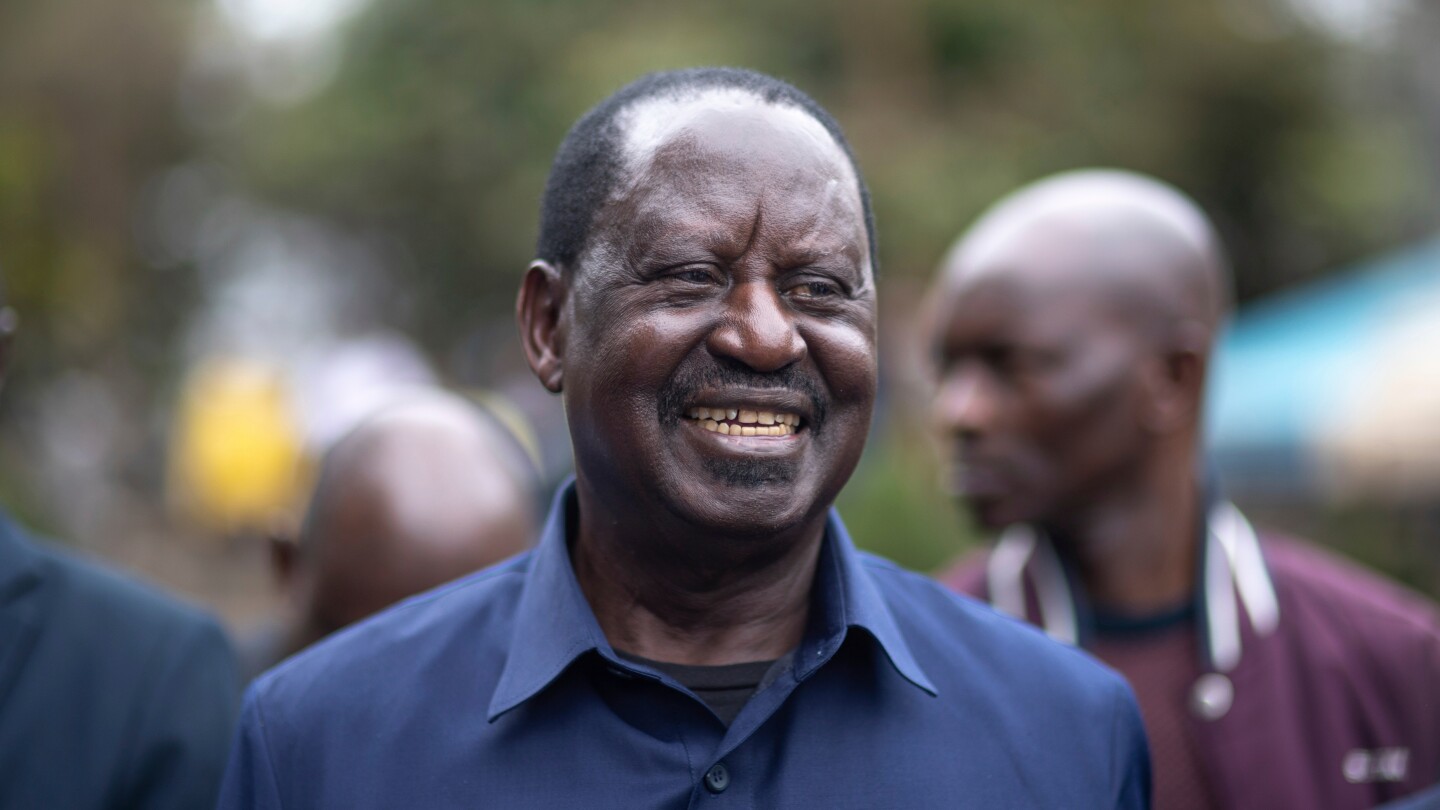
Former Kenyan premier Raila Odinga, a key figure in African politics, dies at 80
NAIROBI, Kenya — Raila Odinga, a towering figure in Kenyan politics and a former prime minister, passed away on Wednesday at the age of 80 due to a heart attack while in India. His death was confirmed by Devamatha Hospital in Kerala, where he was rushed after collapsing during a morning walk. Despite immediate medical intervention, Odinga succumbed to cardiac arrest, leaving behind a legacy of political activism and influence. Odinga, a perennial presidential candidate, ran for Kenya’s highest office five times over three decades, coming closest in 2007 when he narrowly lost to incumbent Mwai Kibaki in a contested election that sparked widespread ethnic violence. A member of the Luo ethnic group, Odinga spent his career navigating Kenya’s tribal political landscape, striving to unite diverse factions. Although he never achieved the presidency, his efforts were instrumental in transitioning Kenya from single-party rule to a multiparty democracy. Recently, he had forged a political alliance with President William Ruto, integrating his opposition party into key government roles. Odinga’s populist campaigns and ability to rally massive support made him a revered figure, symbolizing hope and resilience for many Kenyans. His death marks the end of an era in Kenyan politics, leaving a void that will be deeply felt across the nation.
-
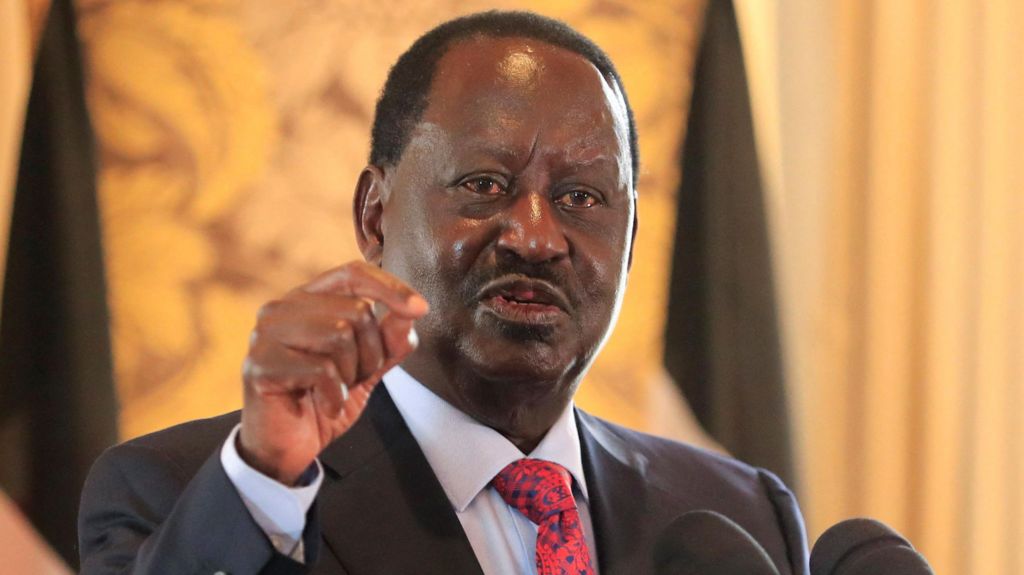
Former Kenyan Prime Minister Raila Odinga dies aged 80
Kenya has lost one of its most prominent political figures, former Prime Minister Raila Odinga, who passed away at the age of 80. According to family sources, Odinga died on Wednesday while undergoing medical treatment in India. His health had been the subject of recent speculation, though his family and political allies had refuted claims of critical illness. Odinga, a formidable political mobilizer, contested the Kenyan presidency five times without success, consistently alleging electoral fraud. His claims were partially validated in 2017 when Kenya’s Supreme Court nullified Uhuru Kenyatta’s victory and ordered a rerun, which Odinga boycotted, citing the need for electoral reforms. Despite his electoral defeats, Odinga often reconciled with incumbent presidents post-elections. Following his 2022 loss, he joined President William Ruto’s administration, bringing several of his allies into key government positions. Odinga’s death marks the end of an era in Kenyan politics, leaving a legacy of resilience and advocacy for democratic reforms. This is a developing story; updates will follow.
-

New Zealand official says Pacific nations threatened by great power contest over deep sea minerals
New Zealand’s Defense Minister Judith Collins has raised concerns over the increasing pressure faced by small South Pacific nations due to great power competition for their rare minerals and fisheries wealth. In an interview with The Associated Press, Collins emphasized the need for regional neighbors to take more action to protect the sovereignty of these island nations. Collins, who also oversees New Zealand’s intelligence and space sectors, made these remarks ahead of her visit to Washington D.C., where she is set to meet with Trump administration officials, including Secretary of War Pete Hegseth and Secretary of Homeland Security Kristi Noem.
-

India top court allows less-polluting crackers even as Delhi air turns toxic
As Delhi’s air quality plunges into the ‘very poor’ category, India’s Supreme Court has permitted the sale and use of ‘green firecrackers’ during the upcoming Diwali festival. These firecrackers, designed to emit 20-30% fewer pollutants and produce minimal ash, are seen as a compromise between tradition and environmental concerns. However, critics argue that even these less harmful alternatives release toxic substances, exacerbating the city’s already dire pollution levels. On Wednesday, Delhi’s air quality was 25-30 times worse than the World Health Organization’s safe limits, with PM2.5 levels in some areas exceeding 400, a threshold that poses severe health risks. The court’s decision, which includes strict guidelines on the sale and use of firecrackers, has sparked mixed reactions. While some welcome the opportunity to celebrate Diwali fully, others fear weak enforcement will worsen the pollution crisis. Meanwhile, the Delhi government has activated the Graded Response Action Plan (GRAP) to combat rising pollution, banning coal, firewood, and non-essential diesel generators. As winter approaches, Delhi faces its annual pollution battle, with Diwali’s firecrackers adding to the challenge.
-

Australia’s highest court rejects Candace Owens’ visa challenge
In a landmark decision, Australia’s High Court has upheld the government’s refusal to grant a visa to U.S. conservative commentator Candace Owens, citing concerns over her potential to incite discord within the country. The unanimous ruling by three judges on Wednesday dismissed Owens’ legal challenge against Home Affairs Minister Tony Burke’s decision last year to deny her entry on character grounds. Owens, known for her controversial and conspiratorial views, had planned a speaking tour in Australia and New Zealand in November 2023. Burke invoked the Migration Act in October 2023, determining that Owens failed the ‘character test’ due to her history of making extremist and inflammatory remarks targeting Muslim, Black, Jewish, and LGBTQIA+ communities. The court documents revealed Burke’s assessment that her presence could pose a risk to national interests by fostering division. Owens’ legal team argued that the Migration Act infringed upon Australia’s implied freedom of political communication, a claim the judges rejected. The court also ordered Owens to cover the government’s legal costs. While Owens’ spokesperson indicated she would address the decision on social media, her plans to visit New Zealand remain unclear. Notably, New Zealand initially denied her visa in November 2023, citing Australia’s rejection, but later reversed the decision in December, emphasizing the value of free speech. This case underscores Australia’s stringent visa policies, which have also been applied to other high-profile figures, such as rapper Ye (formerly Kanye West), whose visa was revoked earlier this year.