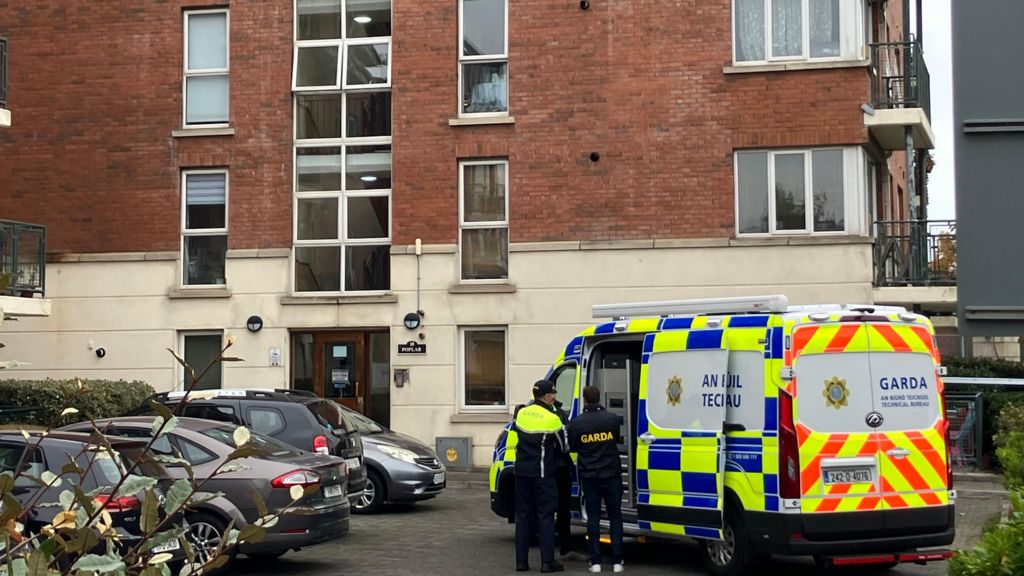
A tragic event unfolded at the Grattan Wood apartment complex in Donaghmede, north Dublin, resulting in the death of a teenage boy and injuries to another. The incident occurred at an emergency residential unit managed by Tusla, Ireland’s child welfare and protection agency. A woman also received medical attention for non-life-threatening injuries at the scene. Irish police, Gardaí, confirmed that the situation is no longer active and poses no ongoing threat to the community. They are following a definite line of inquiry and are not seeking any other individuals in relation to the incident. Tusla expressed deep sorrow over the event, stating that it involved two young people, one of whom sustained fatal injuries. The agency is cooperating fully with the Gardaí’s investigation and is prioritizing the safety and well-being of the other young people and staff at the unit. Additional supports are being provided to those directly affected, and efforts are being made to contact the families of the young people residing there. Emergency services responded to a call for assistance shortly after 11:00 BST, discovering a seriously injured teenage boy who was later pronounced dead at the scene. The scene remains preserved for examination by the Garda Technical Bureau and Forensic Science Ireland. The body has been taken to Dublin City Mortuary for a post-mortem examination, the results of which will aid the investigation. Irish Prime Minister Micheál Martin and Deputy Prime Minister Simon Harris expressed their shock and sadness over the loss of life, emphasizing the importance of the well-being of the young people and staff at the facility. Sinn Féin TD Denise Mitchell commended the Gardaí and emergency services for their swift response.
博客
-
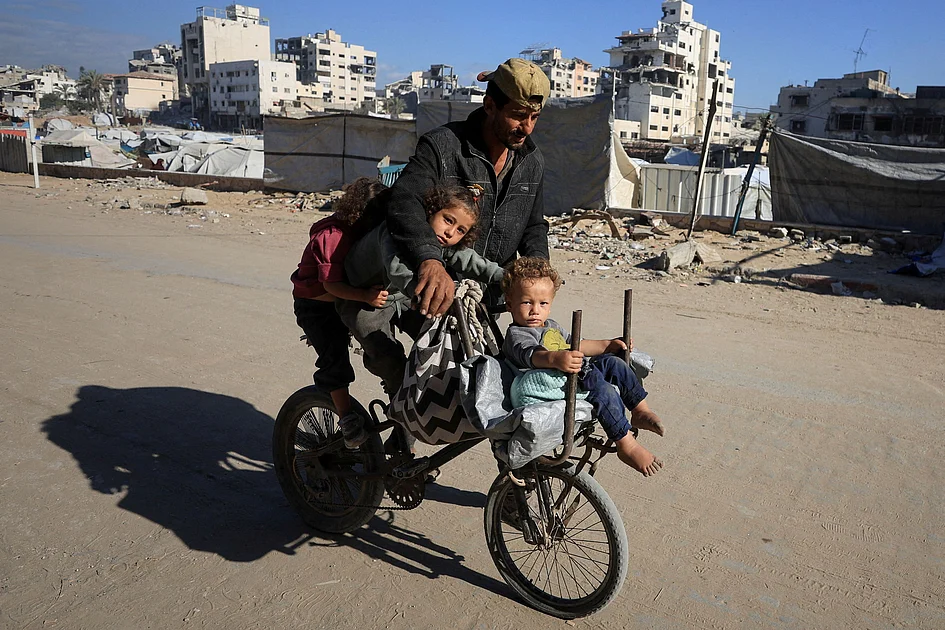
Aid trucks roll into Gaza as dispute over hostage bodies is paused
In a significant development amid the fragile ceasefire in Gaza, aid trucks began rolling into the war-torn enclave on Wednesday, while Israel resumed preparations to open the Rafah border crossing. The move followed a temporary resolution to the dispute over the return of bodies of dead hostages, which had threatened to derail the truce agreement with Hamas. Israel had previously threatened to keep the Rafah crossing closed and reduce aid supplies, citing Hamas’ slow return of hostage bodies. However, the militant group returned additional bodies overnight, easing tensions temporarily. The ceasefire, which ended two years of devastating conflict, has already secured the release of all living hostages held by Hamas. Despite this progress, the dispute over the return of bodies and other unresolved issues, such as Hamas’ refusal to disarm and cede power, continue to pose risks to the truce. The militant group has also intensified its security crackdown in Gaza, conducting public executions and clashing with local clans. Meanwhile, humanitarian aid, including food, medical supplies, fuel, and infrastructure repair equipment, is being delivered to Gaza through multiple crossings. The Rafah crossing is expected to open soon for Gazan citizens, though medical evacuees have yet to receive travel notifications. The ceasefire also envisions longer-term solutions, including governance in Gaza, the deployment of an international force, and steps toward Palestinian statehood. However, the path forward remains fraught with challenges, as evidenced by the ongoing violence and political opposition within Israel.
-
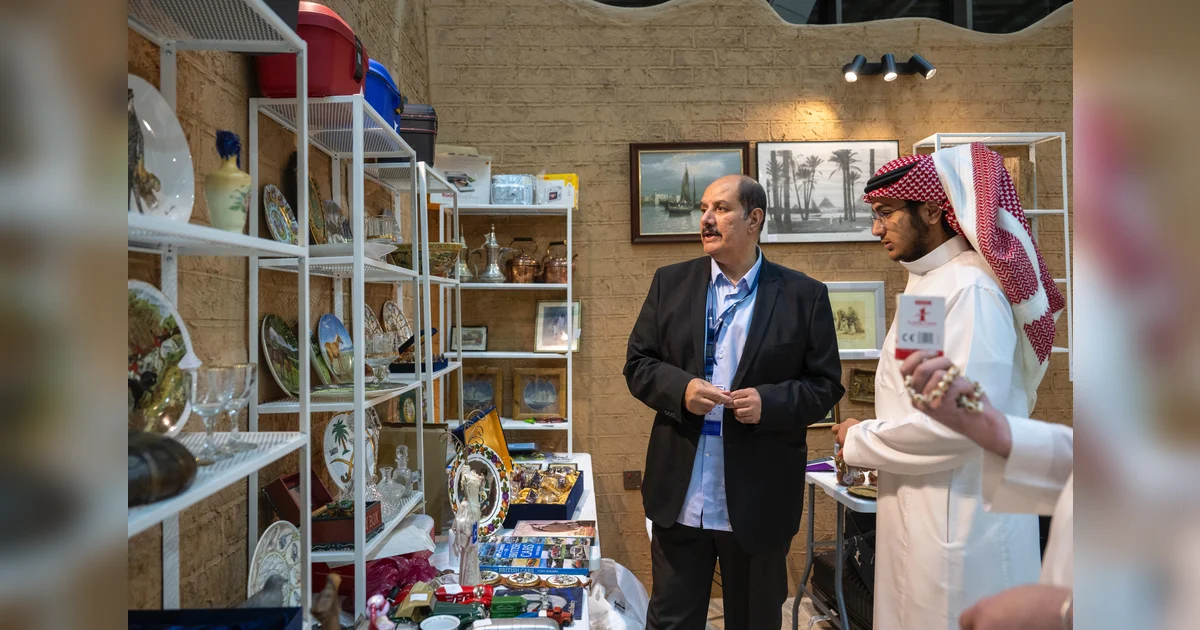
British antiques over a century old draw attention at Saudi International Falcons and Hunting Exhibition 2025
The Saudi International Falcons and Hunting Exhibition 2025, held at the Riyadh Exhibition and Convention Center in Malham, became a global stage for cultural exchange as British exhibitor Jameel Mansour showcased a remarkable collection of antique treasures. Mansour’s participation marked his debut in the Kingdom, offering visitors a glimpse into the rich tapestry of European history and artistry. His booth featured rare items, including a century-old English gramophone, a 70-year-old wooden eagle sculpture, and a curated selection of antique utensils and art pieces, each narrating a story of classical elegance and historical significance. Mansour described the event as an extraordinary opportunity to connect with an international audience, emphasizing the exhibition’s prestigious reputation. Beyond the exhibition, he expressed plans to explore Saudi Arabia’s cultural landmarks, particularly in Diriyah, praising the Kingdom’s architectural advancements and the hospitality of its people. The event, which concluded on October 11, hosted over 1,300 exhibitors from 45 countries, solidifying its position as the world’s largest gathering of its kind, blending tradition with innovation.
-
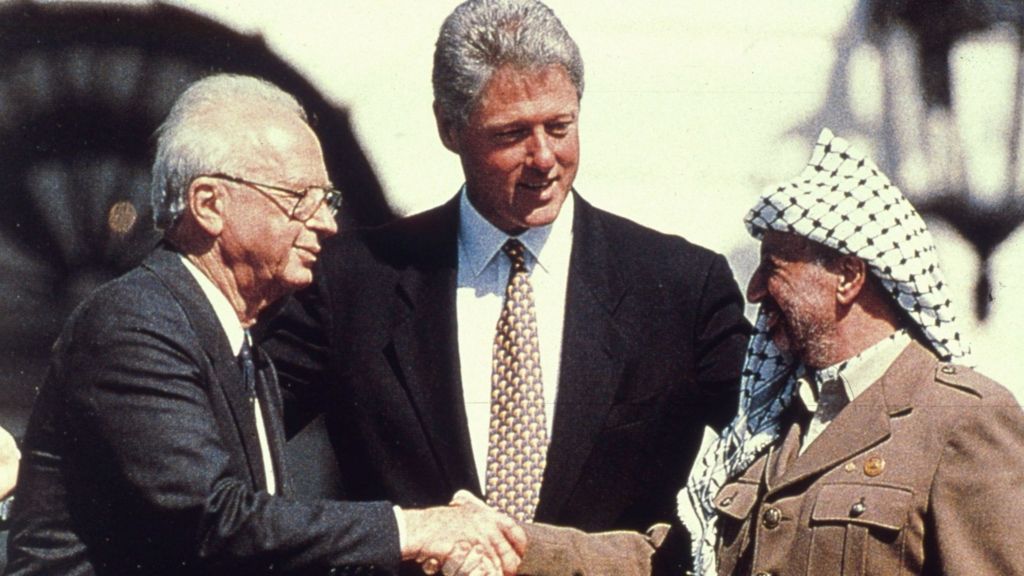
The US presidents who claimed Middle East breakthroughs before Trump
The quest for Middle East peace has been a recurring theme in U.S. presidential history, with several leaders attempting to broker breakthroughs before Donald Trump’s era. Bill Clinton’s ambitious peace plan, which aimed to resolve the Israeli-Palestinian conflict, was tragically derailed by the assassination of Israeli Prime Minister Yitzhak Rabin in 1995. This pivotal moment not only halted progress but also underscored the fragility of peace negotiations in the region. Other U.S. presidents, including Jimmy Carter and George H.W. Bush, also sought to mediate peace agreements, each facing unique challenges and setbacks. Carter’s Camp David Accords in 1978 marked a significant achievement, establishing a framework for peace between Israel and Egypt. However, subsequent efforts often faltered due to deep-seated animosities and shifting political landscapes. These historical attempts highlight the complexities of Middle East diplomacy and the enduring challenges faced by U.S. leaders in their pursuit of lasting peace.
-
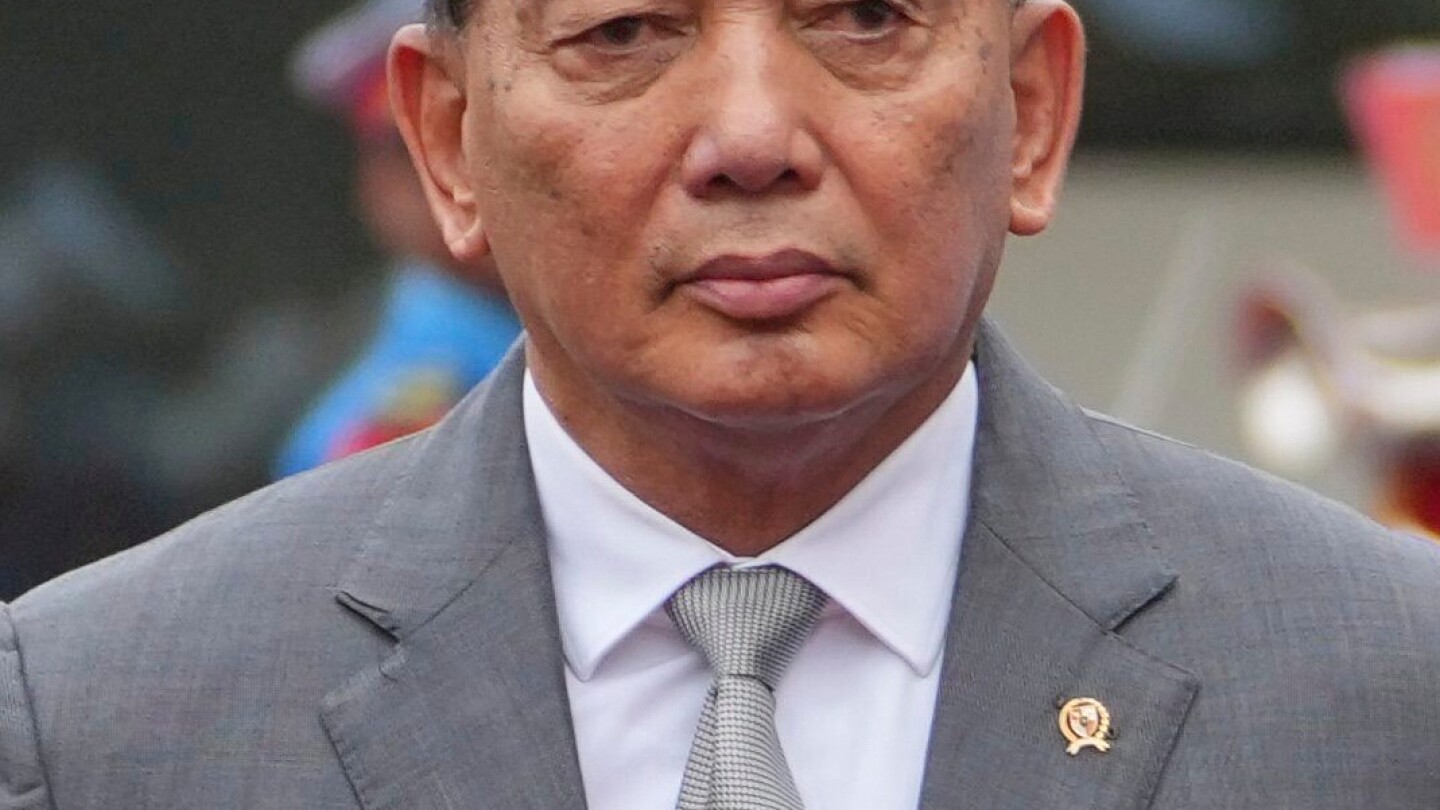
Indonesia to buy 42 fighter jets from China marking its first non-Western aircraft purchase deal
Indonesia has announced a significant move in its defense strategy by finalizing a deal to purchase at least 42 Chengdu J-10C fighter jets from China. This marks the country’s first major acquisition of non-Western military aircraft, signaling a potential shift in its security orientation. Defense Minister Sjafrie Sjamsoeddin revealed the plan during a press briefing in Jakarta, emphasizing the jets’ role in modernizing Indonesia’s military capabilities. While specific details of the deal remain undisclosed, the announcement has sparked discussions about its geopolitical implications, particularly in the context of China’s growing influence in Southeast Asia. Finance Minister Purbaya Yudhi Sadewa confirmed that the purchase, valued at over $9 billion, has been budgeted and approved. The Indonesian Air Force, which currently operates jets from the U.S., Russia, and Britain, is reportedly evaluating the J-10Cs to ensure they enhance the nation’s air defense. This acquisition comes amid broader efforts by President Prabowo Subianto’s administration to upgrade Indonesia’s military arsenal and strengthen its defense industry. The move has raised concerns among analysts, who warn that it could heighten regional sensitivities, especially in the contested South China Sea. Indonesia’s recent defense deals, including the purchase of French Rafale jets and Turkish KAAN fighter jets, reflect its diversified approach to military modernization. However, the decision to procure Chinese-made aircraft underscores a potential realignment in its defense partnerships, which could reshape the geopolitical landscape in Southeast Asia.
-
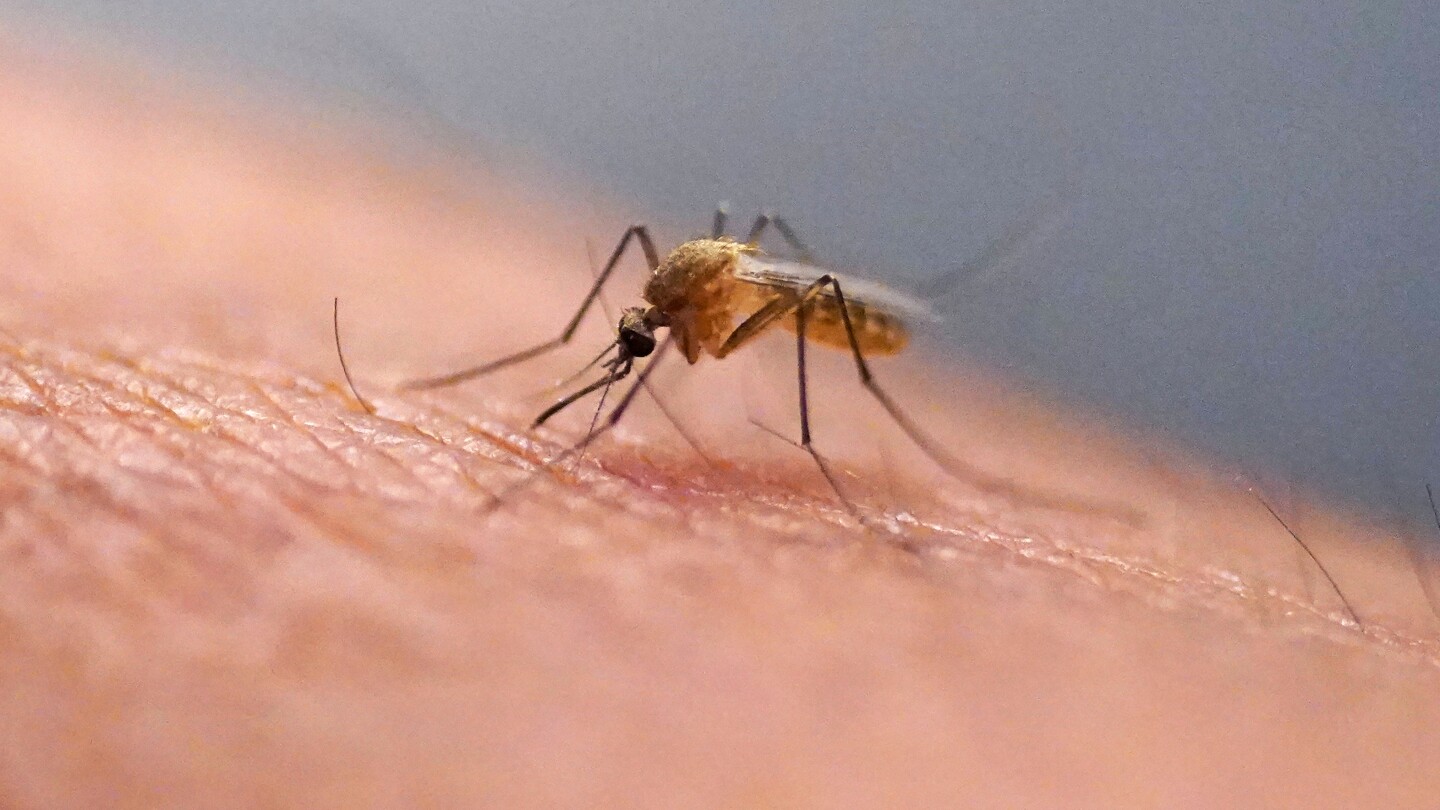
What is the chikungunya virus now transmitted in the US for the first time in years?
A resident of New York’s Long Island suburbs has tested positive for chikungunya, a mosquito-borne virus typically prevalent in South America. This marks the first locally acquired case in the U.S. mainland since 2015, raising concerns among health officials. The patient, who began experiencing symptoms in August, had recently traveled within the country but not internationally. While the exact location of the mosquito bite remains unclear, the virus has not been detected in local mosquito populations, and it is not transmitted directly between humans. Chikungunya, first identified in Tanzania in 1952, derives its name from the Makonde language, meaning “that which bends up,” due to the severe joint pain it can cause. Symptoms include fever, muscle pain, nausea, fatigue, and rash, with rare cases leading to prolonged joint pain or organ damage. Although severe cases and fatalities are uncommon, they primarily affect infants and the elderly with underlying health conditions. There is no specific treatment for chikungunya, but symptom management includes fever reducers and pain relievers. Two vaccines are approved in regions like Europe and Brazil but are not widely available in highly affected areas. Globally, chikungunya outbreaks have surged since 2000, with over 317,000 cases and 135 deaths reported in 2024 alone, primarily in Brazil, Bolivia, Argentina, and Peru. Health officials attribute the rise in mosquito-borne diseases like chikungunya, dengue, and Zika to climate change and urban expansion. In New York, the Aedes albopictus mosquito, known to transmit the virus, is present in downstate areas, though current cooler temperatures reduce transmission risks. The CDC has recorded 199 travel-related cases in 2024, highlighting the need for vigilance in mosquito prevention measures.
-
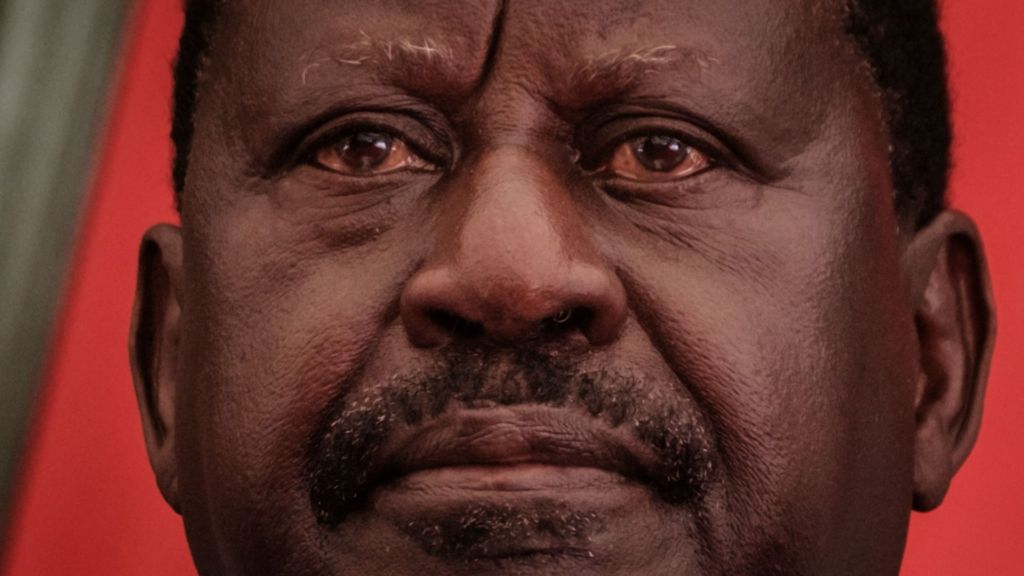
Who was the man who shaped Kenyan politics?
Raila Odinga, a towering figure in Kenyan politics, has left an indelible mark on the nation’s political landscape despite never clinching the presidency. Over the course of his storied career, Odinga contested the presidency five times, each bid ending in defeat. Yet, his influence remained undiminished, cementing his status as one of Kenya’s most pivotal political leaders. Odinga’s journey is a testament to resilience and unwavering commitment to democratic ideals. His advocacy for constitutional reforms and social justice has reshaped Kenya’s governance framework, earning him both fervent supporters and staunch critics. While his presidential aspirations remained unfulfilled, his legacy as a transformative force in Kenyan politics endures, inspiring future generations to strive for a more equitable society.
-
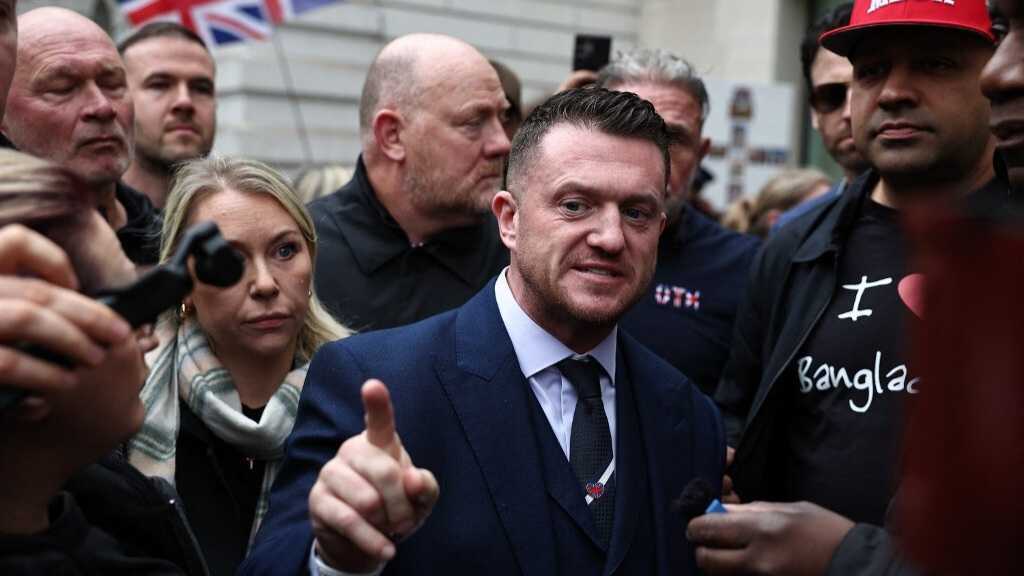
Tommy Robinson’s official invite to Israel delays UK terror verdict
Far-right activist Tommy Robinson, whose real name is Stephen Yaxley-Lennon, has seen the verdict on his terrorism-related charge postponed due to his upcoming trip to Israel. The 42-year-old was invited by the Netanyahu government, with Israel’s diaspora minister, Amichai Chikli, describing him as a “courageous leader on the front line against radical Islam.” Robinson’s legal fees are being covered by billionaire Elon Musk, and his defense team has argued that his treatment by British authorities was discriminatory due to his political views. The Westminster Magistrates Court has delayed the verdict until November 4 to accommodate his travel plans. Robinson faces up to three months in prison or a £2,500 fine if convicted of refusing to provide his phone passcode to police at the Channel Tunnel in July 2023, an offense under UK counter-terrorism laws. Robinson, known for his anti-Islam rhetoric and a history of criminal convictions, has sparked controversy with his visit to Israel. He plans to meet Israeli government leaders and visit the Knesset, Israel’s parliament. However, the invitation has drawn criticism from British Jewish organizations, including the Board of Deputies of British Jews and the Jewish Leadership Council, who argue that it undermines efforts to combat Islamist extremism. British Prime Minister Keir Starmer has also condemned the invite, stating that Robinson does not represent the majority of the UK. The case highlights the complex intersection of far-right politics, international relations, and counter-terrorism efforts.
-
Israel returns Palestinian bodies showing signs of torture and execution
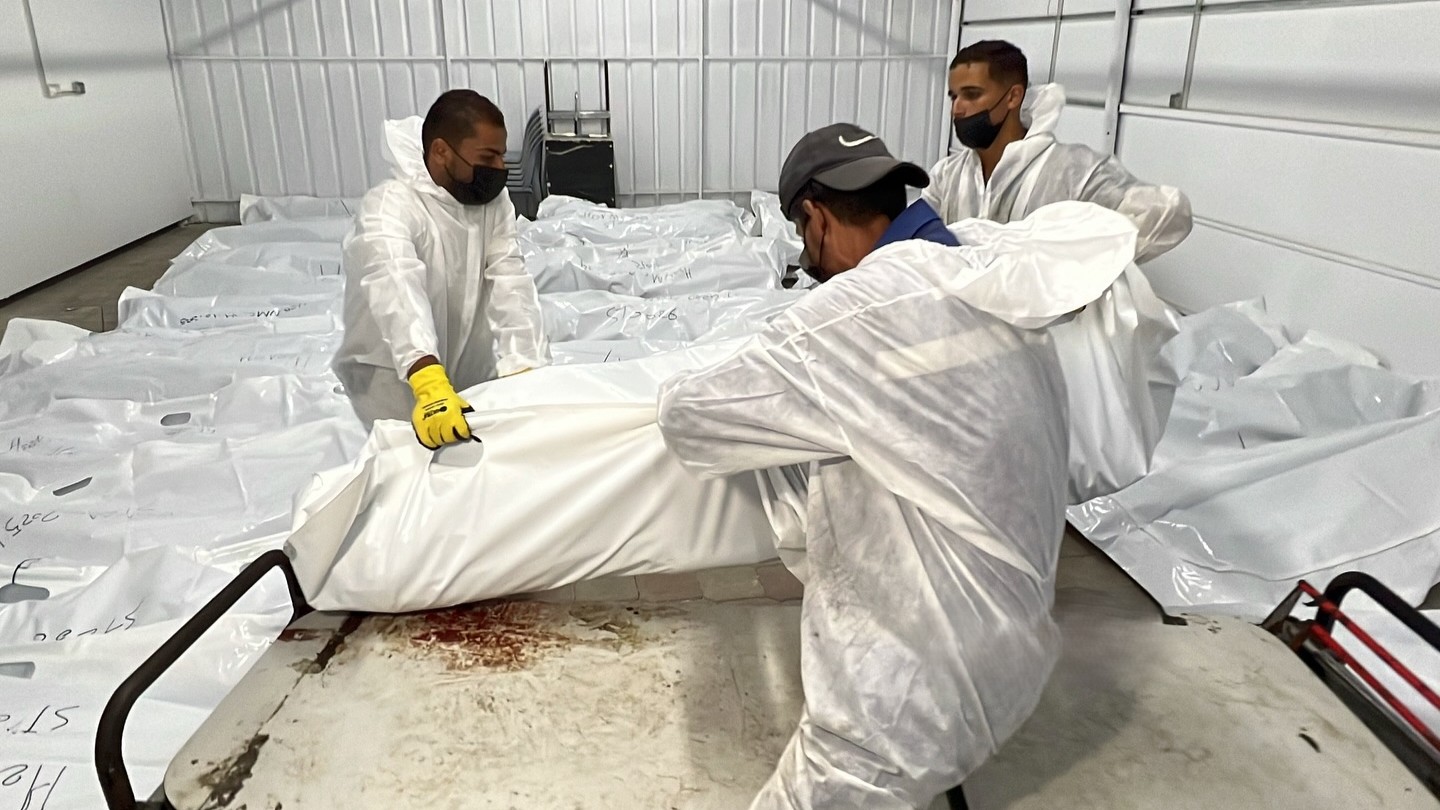
A disturbing pattern of abuse has emerged following the return of Palestinian bodies by Israeli authorities as part of the recent prisoner exchange agreement with Hamas. Medical personnel at Nasser Hospital in Khan Younis have documented extensive evidence of torture, execution-style killings, and mutilation among the approximately 45 remains received Tuesday via the International Committee of the Red Cross.
The hospital source revealed that the condition of the deceased varied significantly, with some showing recent signs of death while others arrived in advanced states of decomposition or as partial remains. Particularly alarming findings included bodies bearing clear indications of severe physical abuse, including ligature marks consistent with strangulation, multiple bone fractures, and various forms of mutilation. Several victims were discovered with their extremities bound and eyes covered with blindfolds, while others presented with missing limbs.
Medical authorities believe some of the remains belong to individuals killed during the October 7, 2023 attacks, apparently after being crushed by Israeli military tanks. An additional 45 bodies delivered Wednesday await comprehensive forensic examination according to the Palestinian Ministry of Health.
This exchange forms part of the ceasefire arrangement established Friday that has already facilitated Hamas’ release of 20 living Israeli captives in return for approximately 2,000 Palestinian prisoners. The Palestinian movement has additionally released seven deceased Israeli captives from a total of 28, with remaining transfers pending location and recovery operations.
Israel’s practice of retaining Palestinian bodies represents a longstanding policy dating to 1948, with dozens interred in anonymously marked ‘cemeteries of numbers.’ The National Campaign for the Retrieval of Palestinian and Arab War Victims’ Corpses estimates Israel currently holds at least 735 identified individuals, including 67 children and 10 women—among them a 13-year-old Palestinian killed by Israeli forces in 1968.
Recent developments have exacerbated concerns, with Palestinian health officials reporting Israeli forces have exhumed and removed at least 2,450 Palestinian bodies from graves during the Gaza conflict. Media investigations further indicate approximately 1,500 remains remain held at the Sde Teiman military detention camp since October 2023, identified solely by numerical codes.
Human rights organizations have consistently condemned Israel’s retention practices, demanding immediate release and repatriation of all remains to families. Although a 2018 amendment to Israel’s Counterterrorism Law—later validated by the Supreme Court—authorized withholding bodies of Palestinians alleged to have committed violent acts, this practice directly contravenes international humanitarian law. The Fourth Geneva Convention explicitly mandates dignified treatment of the deceased, requiring honorable burial according to religious customs and proper grave maintenance for future recognition.
-
US blasts China as ‘unreliable’ as trade tensions mount
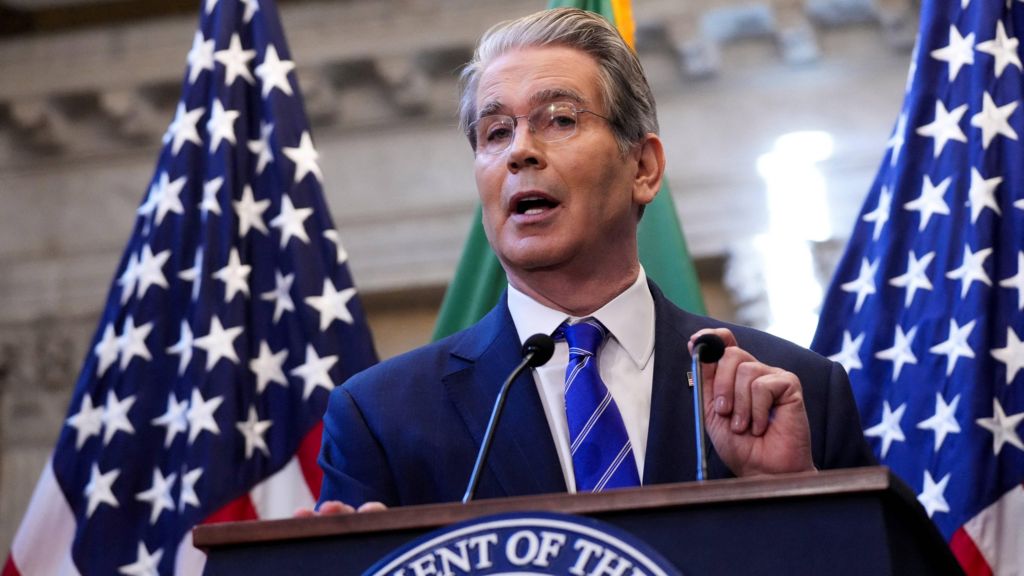
The fragile trade truce between the United States and China appears to be unraveling as top US officials accuse Beijing of undermining agreements reached earlier this year. In a highly orchestrated press conference, US Trade Representative Jamieson Greer and Treasury Secretary Scott Bessent condemned China’s recent moves to tighten export controls on rare earths, lithium batteries, and graphite, labeling them as “economic coercion” and a “global supply chain power grab.” Bessent warned, “If China wants to be an unreliable partner to the world, then the world will have to decouple.” However, he left room for negotiation, expressing optimism that the situation could be de-escalated through dialogue. China, which processes approximately 90% of the world’s rare earths and magnets, announced last week that foreign companies would need government approval to export products containing even minimal amounts of these critical materials. The US responded with threats of imposing a 100% tariff on Chinese imports starting next month, alongside potential export controls on critical software. The escalating tensions have raised fears of a return to an all-out trade war, jeopardizing the fragile truce established in May. Both nations have also introduced new port fees on each other’s ships, further straining relations. Bessent emphasized the need for the US and its allies to collaborate, calling China’s actions “unacceptable” and “highly provocative.” He asserted, “This is China versus the world. We and our allies will neither be commanded nor controlled.” Despite the rhetoric, both sides seem open to discussions, offering a glimmer of hope for resolution.