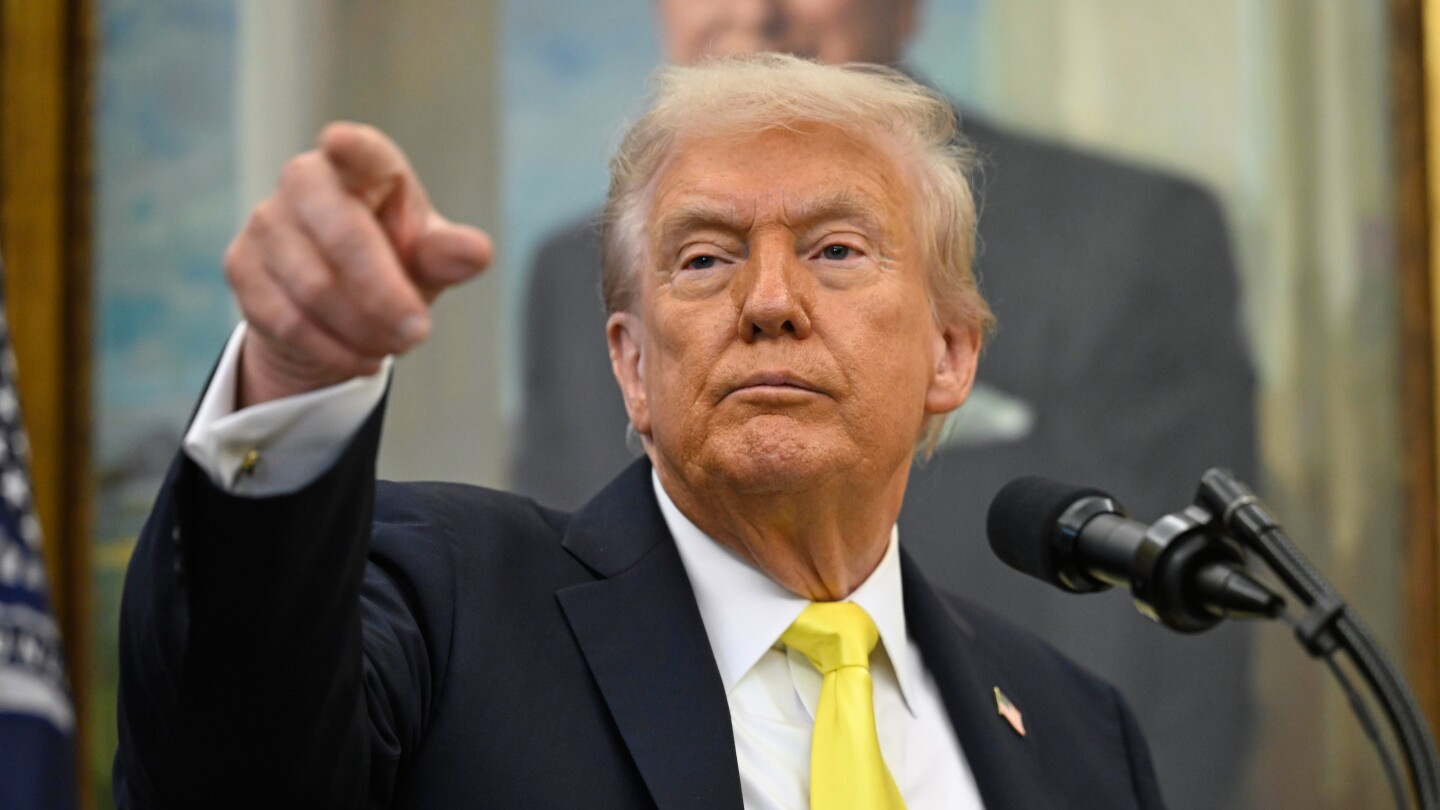
In a significant development, former U.S. President Donald Trump announced on Wednesday that Indian Prime Minister Narendra Modi had personally guaranteed India would cease purchasing Russian oil. This claim, yet to be verified by the Indian government, aligns with Trump’s broader strategy to exert pressure on Moscow to negotiate an end to the ongoing conflict in Ukraine. ‘There will be no oil. He’s not buying oil,’ Trump stated, adding that the transition would not be immediate but would occur ‘within a short period of time.’ The Indian embassy in Washington has not yet commented on the matter. Trump has been vocal about his frustrations over the prolonged war in Ukraine, which began with Russia’s invasion nearly four years ago. He has increasingly criticized Russian President Vladimir Putin, labeling him as the main impediment to peace. Trump is scheduled to meet with Ukrainian President Volodymyr Zelenskyy on Friday. India, the second-largest buyer of Russian oil after China, faced U.S. tariffs in August as part of Trump’s efforts to curb its economic ties with Russia.
博客
-
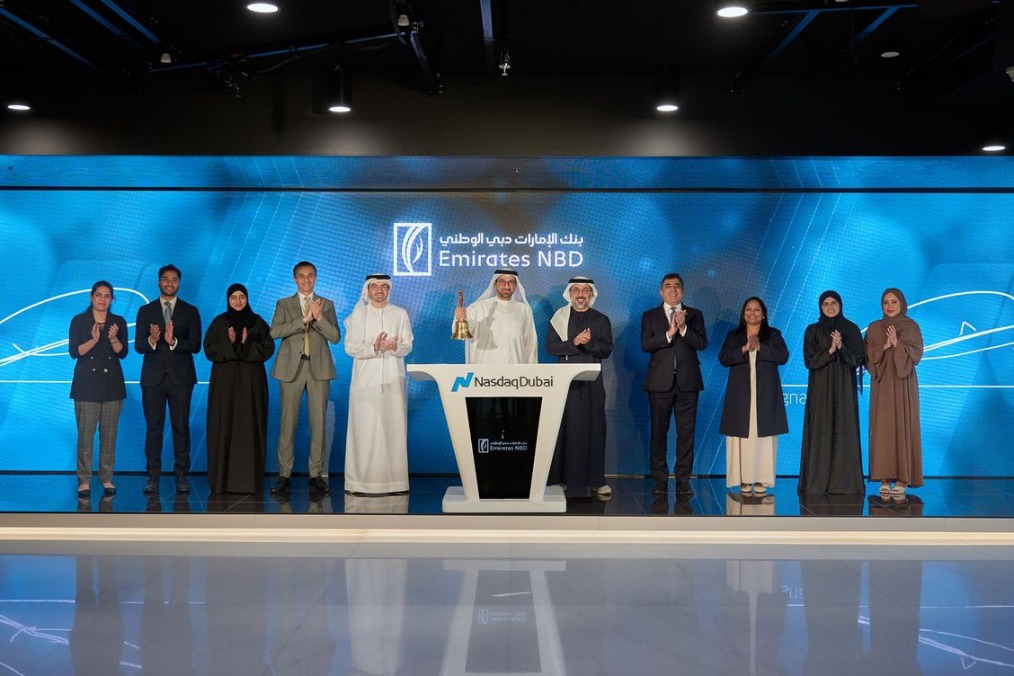
Nasdaq Dubai welcomes CNY1 billion bond listing by Emirates NBD
Nasdaq Dubai has marked a significant milestone with the listing of a CNY1 billion (approximately US$140 million) bond by Emirates NBD Bank. This issuance, part of the bank’s US$20 billion Euro Medium Term Note (EMTN) Programme, features 2.40 percent Notes maturing in 2028. The move signifies Emirates NBD’s re-entry into the Dim Sum market, a platform that facilitates global investors’ access to renminbi-denominated bonds outside mainland China. This strategic issuance not only diversifies the bank’s funding sources but also underscores the robust investor demand for high-quality financial instruments from UAE institutions. With this listing, Emirates NBD’s total debt instruments on Nasdaq Dubai now stand at $5.4 billion across nine issuances, cementing its status as one of the UAE’s most active financial entities on the exchange. The transaction also highlights Dubai’s deepening ties with Asian markets, as renminbi-denominated bonds gain prominence in international capital markets. To commemorate the occasion, Hesham Abdulla Al Qassim, Vice Chairman and Managing Director of Emirates NBD, rang the market-opening bell at Nasdaq Dubai, joined by Hamed Ali, CEO of Nasdaq Dubai and Dubai Financial Market (DFM). Al Qassim emphasized the bank’s commitment to wealth creation for clients, supported by significant capital inflows and a diverse product portfolio. He praised Nasdaq Dubai’s international reputation and regulatory excellence as key factors in choosing the platform for listings. Ali, in turn, highlighted Dubai’s role as a trusted gateway for UAE issuers to connect with global investors, noting the growing appeal of the market and its ability to facilitate diversified funding across currencies and geographies. The total outstanding value of debt securities listed on Nasdaq Dubai has now reached $140 billion, further solidifying the exchange’s position as a leading hub for fixed income in the region.
-
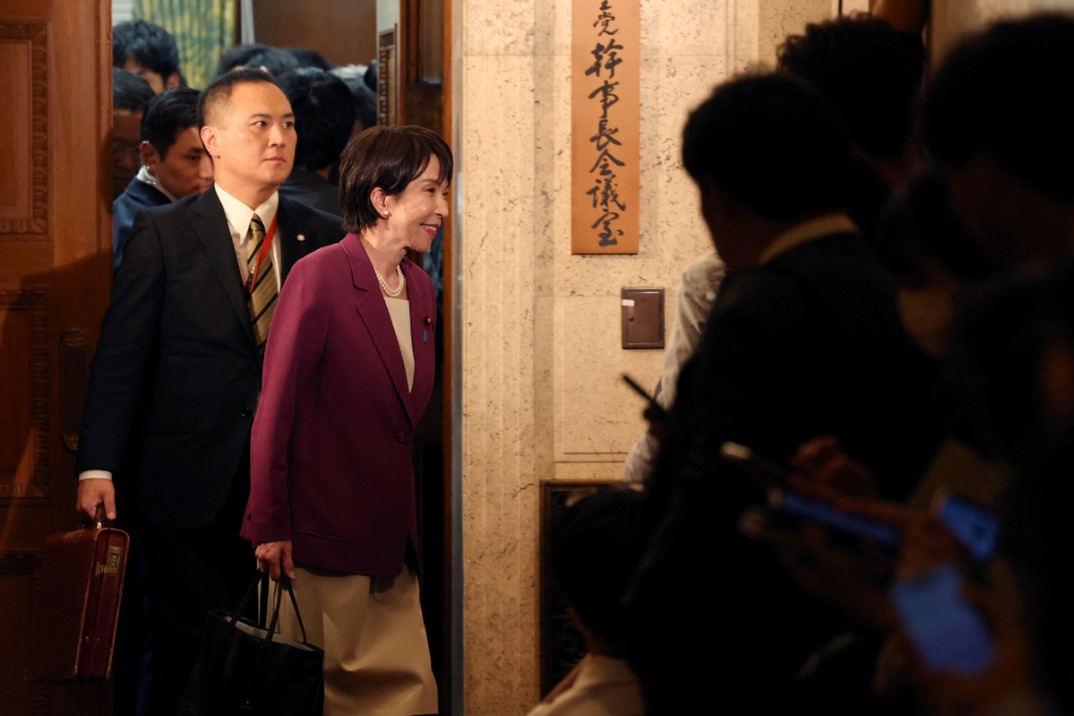
Japan postpones extraordinary Diet session to elect new PM
The Japanese government has announced the postponement of an extraordinary parliamentary session initially slated for this week to elect a new prime minister. The session is now rescheduled for October 21, though the precise timing of the vote remains undecided. This delay comes amidst a backdrop of political maneuvering and uncertainty within Japan’s ruling and opposition parties. Sanae Takaichi, the newly elected leader of the ruling Liberal Democratic Party (LDP), expressed determination to secure the premiership despite skepticism from some quarters. Takaichi’s path to the top job has been complicated by the withdrawal of the LDP’s junior coalition partner, Komeito, which cited dissatisfaction with the party’s handling of a political funding scandal. Komeito has declared it will not support Takaichi in the upcoming Diet vote. Meanwhile, opposition parties are actively strategizing to unite behind Democratic Party for the People (DPFP) leader Yuichiro Tamaki as their preferred candidate for prime minister. The LDP, which holds 196 seats in the House of Representatives and 100 in the House of Councillors, is navigating a fragmented political landscape. The election process will involve both chambers of parliament, with the lower house’s decision taking precedence in case of a tie. If no candidate secures a majority in the first round, a runoff will be held between the top two contenders.
-
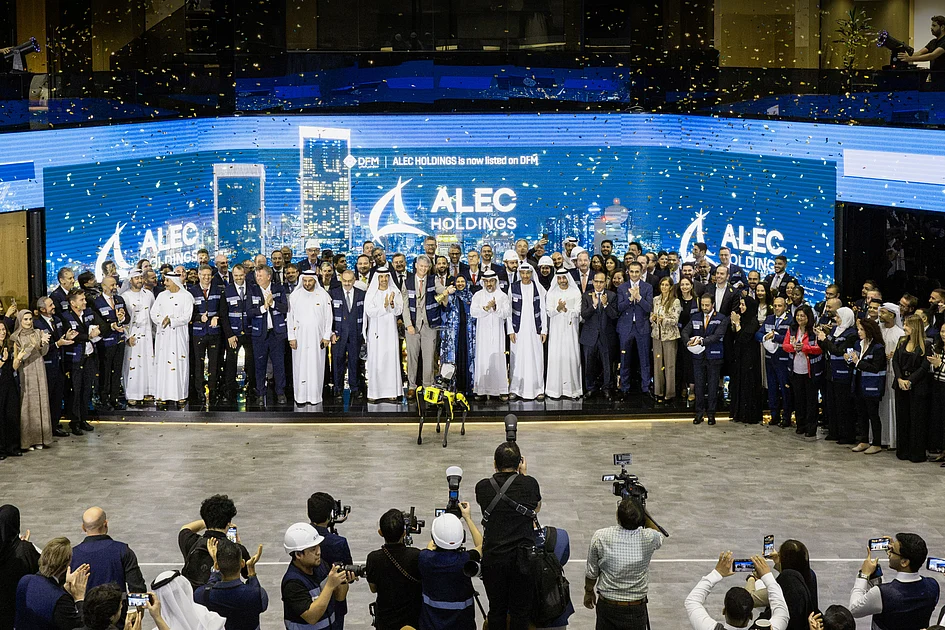
Alec Holdings gains 0.71% on DFM debut in UAE’s largest-ever construction sector IPO
Alec Holdings, a prominent engineering and construction group based in Dubai, marked its debut on the Dubai Financial Market (DFM) with a modest 0.71% gain over its listing price. Opening at Dh1.47, the company’s shares climbed to Dh1.50 before settling, with over 128 million shares traded, amounting to a total value of Dh186.4 million. This listing represents the UAE’s largest-ever initial public offering (IPO) in the construction sector, both in terms of valuation and size, and the first in the sector in over 15 years. The IPO, fully subscribed, raised Dh1.4 billion through the sale of 1 billion existing ordinary shares, representing 20% of the company’s issued share capital. The Investment Corporation of Dubai (ICD), Alec’s sole selling shareholder, retains an 80% stake post-listing. Barry Lewis, CEO of Alec Holdings, highlighted the significance of the listing as a milestone in the company’s journey, emphasizing enhanced governance and transparency. Helal Al Marri, Chairman of the DFM Board of Directors, and Hamed Ali, CEO of DFM and Nasdaq Dubai, also underscored the listing’s role in diversifying Dubai’s capital markets and reinforcing its position as a global financial hub. Alec’s IPO, while modest compared to recent IPOs like Parkin (+31%) and Dubai Taxi (+19%), reflects disciplined pricing and cautious investor sentiment toward private-sector companies. The company plans to distribute dividends, starting with Dh200 million in April 2026, followed by Dh500 million for the 2026 financial year, representing a 7.1% dividend yield at listing. Analysts view Alec’s steady trading range as a sign of healthy consolidation, driven by solid fundamentals rather than speculative gains. The IPO is expected to pave the way for other engineering and infrastructure firms to go public, signaling the UAE’s maturing equity capital markets and positive outlook for future construction-sector floatations.
-
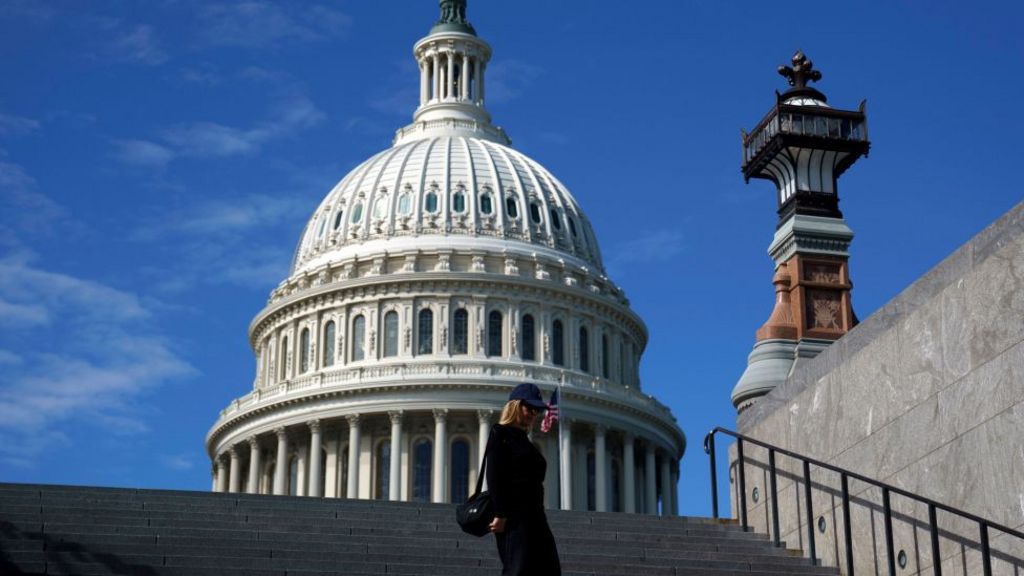
Judge orders Trump administration to pause shutdown layoffs
In a significant legal development, a federal judge has temporarily halted the Trump administration’s plans to lay off thousands of federal workers during the ongoing government shutdown. The decision, issued by US District Judge Susan Illston, came in response to a request from two major unions—the American Federation of Government Employees and AFL-CIO—seeking to prevent mass firings across more than 30 federal agencies. Judge Illston ruled that the administration’s actions appeared to be politically motivated and unlawfully exploited the funding lapse that began on October 1 to downsize the federal workforce. She cited public statements by President Donald Trump and White House Budget Chief Russell Vought, including Trump’s remarks about targeting ‘Democrat agencies,’ as evidence of these motivations. The Trump administration is expected to appeal the restraining order. Meanwhile, several key departments, including Treasury, Health and Human Services (HHS), and Homeland Security, had already begun issuing layoff notices. The Treasury Department alone planned to cut approximately 1,446 positions, while HHS initially notified 1,100 to 1,200 employees before scaling back to about half that number. Other agencies, such as Education, Housing and Urban Development, Commerce, and Energy, also announced significant workforce reductions. The unions argued that the shutdown does not justify mass firings, as most federal workers are already furloughed without pay. With the shutdown now in its third week, the Senate has repeatedly failed to pass a resolution to reopen the government, as Democrats push for measures to address rising healthcare costs for lower-income Americans.
-
China asks US to resolve economic, trade issues through talks
China has called on the United States to address economic and trade issues through constructive dialogue and mutual respect, urging Washington to rectify its recent unilateral actions. The appeal was made by Foreign Ministry spokesman Lin Jian during a press briefing on Wednesday, following accusations by US President Donald Trump that China had intentionally halted soybean imports from the US. Trump also threatened to impose restrictions on Chinese cooking oil exports. Lin emphasized that China’s approach to resolving trade disputes has always been consistent, advocating for discussions based on equality, respect, and mutual benefit. He warned that trade wars and tariff escalations are detrimental to both nations, stating, ‘There are no winners in a trade war or a tariff war, and such moves serve no one’s interests.’ Lin also addressed recent comments by US Trade Representative Jamieson Greer, who suggested that additional 100% tariffs on Chinese exports could be implemented as early as November 1. Greer accused Chinese officials of making ‘contradictory statements’ regarding rare earth export controls. In response, Lin clarified that China’s export control measures are lawful and aimed at promoting global peace and stability, aligning with international norms. He criticized the US for its inconsistent approach, noting that while Washington claims to seek dialogue, it simultaneously threatens tariffs and introduces restrictive measures. ‘This is not the right way to engage with China,’ Lin concluded.
-
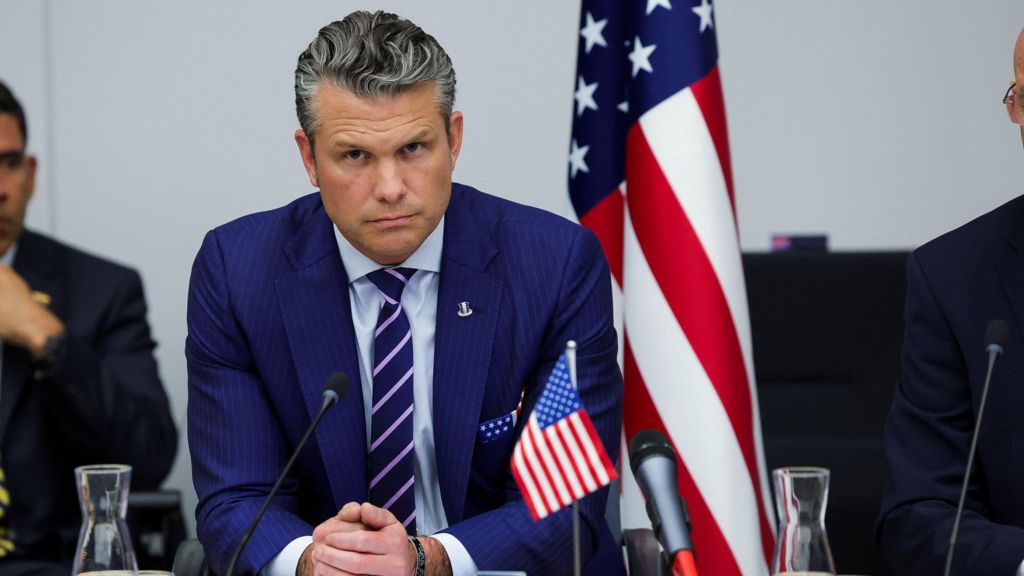
Cracked windscreen forces US defence secretary’s plane to land in UK
US Secretary of Defense Pete Hegseth’s aircraft was forced to make an unscheduled landing in the United Kingdom following the discovery of a crack in the windshield. The incident occurred during a return flight to the US after Hegseth attended a NATO Defense Minister meeting in Belgium. The Pentagon confirmed the event on X, stating that the landing was executed under standard safety protocols and that all passengers, including Secretary Hegseth, were unharmed. Hegseth later posted on social media, ‘All good. Thank God. Continue mission!’
BBC Verify, in collaboration with FlightRadar24, tracked the aircraft’s trajectory, revealing that it began descending off the southwest coast of Ireland before altering its course eastward. At an altitude of 10,000 feet, the plane transmitted a ‘7700 squawk code,’ an international signal indicating an onboard emergency. Such emergencies can range from mechanical failures to medical crises.
This incident follows a similar occurrence in February when a government plane carrying Secretary of State Marco Rubio had to abort its flight due to a cockpit window crack. The NATO meeting in Belgium, which Hegseth attended, focused on addressing security concerns in Ukraine. The emergency landing underscores the importance of stringent safety measures in aviation, particularly for high-profile government officials.
-
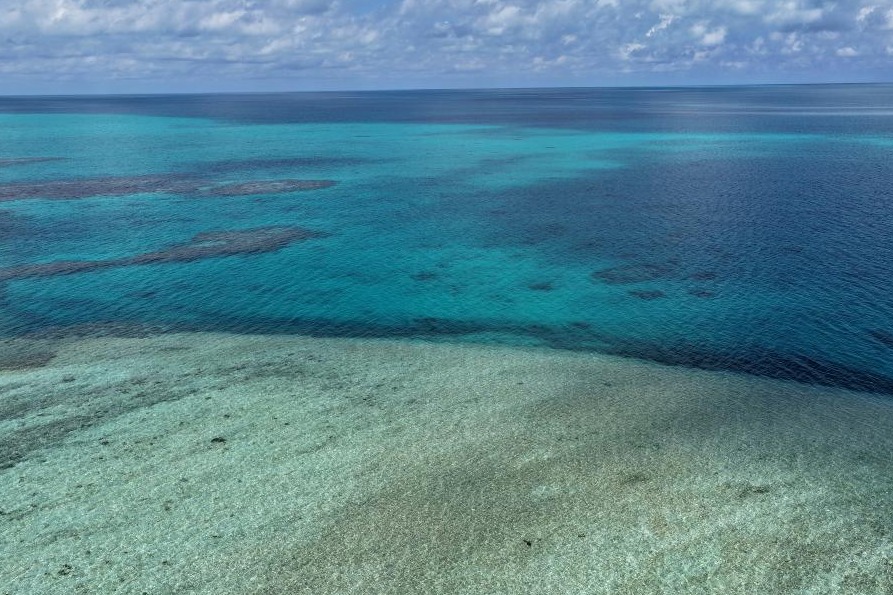
Beijing calls Washington biggest source of risk in South China Sea
China has accused the United States of being the primary source of instability in the South China Sea, following Washington’s condemnation of Beijing’s alleged use of water cannons against Philippine vessels. The statement was made by Foreign Ministry spokesman Lin Jian during a regular press briefing on Wednesday. Lin emphasized that any threats or provocations in the region would fail, asserting China’s commitment to safeguarding its territorial sovereignty and maritime rights. The US Department of State had earlier criticized China’s actions as ‘coercive and unlawful,’ claiming they undermine regional peace and violate commitments to peaceful dispute resolution. The US also reaffirmed that the US-Philippines Mutual Defense Treaty applies to any attacks on Philippine forces in the South China Sea. Lin countered by stating that the Philippines was the initial provocateur, violating China’s sovereignty and creating risks at sea. He criticized the US for ignoring these facts and attempting to threaten China by invoking the Mutual Defense Treaty. Lin concluded that the US actions reveal its intention to provoke confrontation and create chaos in the region, making it the biggest source of risk to regional stability.
-
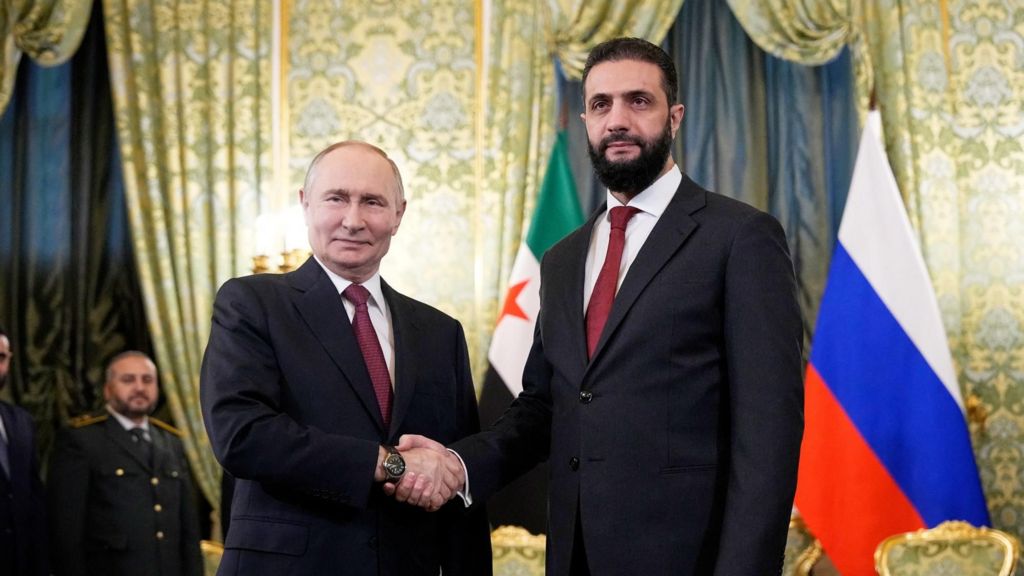
Syria’s Sharaa meets Putin in Moscow for first time since fall of Assad
In a significant diplomatic development, Syria’s interim President, Ahmed al-Sharaa, met with Russian President Vladimir Putin in Moscow for their first talks since Sharaa’s forces ousted Russia’s long-time ally, Bashar al-Assad, ten months ago. The meeting marked a pragmatic shift in relations between the two nations, which had previously been on opposing sides of Syria’s protracted civil war.
During the discussions, Putin emphasized the ‘special relationship’ between Russia and Syria, expressing readiness to collaborate on ‘interesting and useful undertakings.’ Sharaa, in turn, signaled his willingness to maintain Russia’s access to key military installations in Syria, including the Tartous naval port and Hmeimim airbase, while seeking to redefine bilateral ties to ensure Syria’s sovereignty and territorial integrity.
Sharaa also indicated his intent to request the extradition of Assad, who fled to Moscow and was granted asylum after being forced from power. However, Russian officials have previously stated that Assad and his family faced ‘the risk of physical elimination,’ making extradition unlikely.
The talks underscored a mutual desire for cooperation, with Russia pledging to provide humanitarian aid, including food and medical supplies, and assist in rebuilding Syria’s damaged infrastructure. Sharaa, meanwhile, seeks Russian support to consolidate his authority, secure Syria’s borders, and revive its struggling economy through energy and investment partnerships.
Despite the cordial atmosphere, underlying tensions persist, particularly regarding Assad’s fate. The meeting highlights the complex dynamics of post-conflict diplomacy, as both leaders prioritize pragmatism over past hostilities.
-
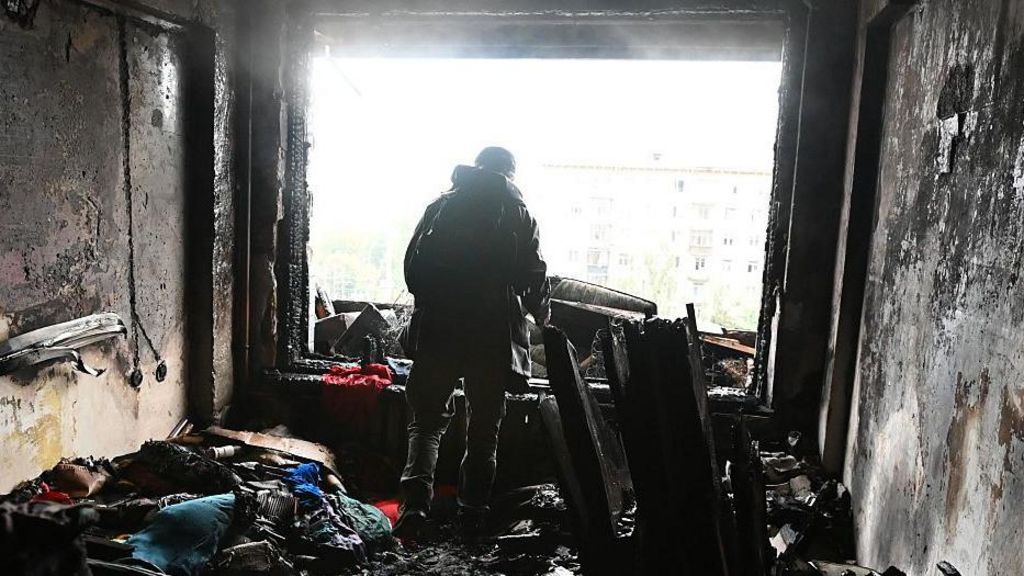
Ukraine imposes blackouts in most regions after Russian power grid attacks
Ukraine is grappling with widespread power outages following a relentless barrage of Russian missile and drone attacks targeting its energy infrastructure. This marks the fourth consecutive winter of blackouts since Russia’s full-scale invasion began in February 2022. The Ukrainian Energy Ministry reported that nearly all regions, except for the war-torn Donetsk and the already struggling Chernihiv, are affected. Emergency measures have been implemented to manage the crisis, with grid operator Ukrenergo urging citizens to conserve electricity. Temperatures are expected to drop to 3°C, exacerbating the humanitarian impact.
In addition to energy infrastructure, Russia has intensified strikes on Ukraine’s railways, while Ukraine has retaliated with drone attacks on Russian oil refineries and depots. A significant fire at the Marine Oil Terminal in Feodosia, Crimea, has been burning for three days after a Ukrainian drone strike, disrupting fuel supplies crucial for Russian military operations. These attacks have reduced Russian fuel exports to their lowest levels since the war began, according to the International Energy Agency.
Ukrainian President Volodymyr Zelensky accused Moscow of aiming to ‘create chaos and apply psychological pressure’ through these strikes. Kyiv has sought long-range weapons from Western allies to target military installations deeper within Russia, though concerns over escalation have tempered support. Meanwhile, NATO countries have pledged additional military aid, with Germany committing $500 million and other nations collectively promising $1 billion.
Despite these efforts, military aid to Ukraine has declined by 43% compared to the first half of the year, according to the Kiel Institute. As the war drags on, the humanitarian and economic toll continues to mount, with civilians bearing the brunt of the crisis.