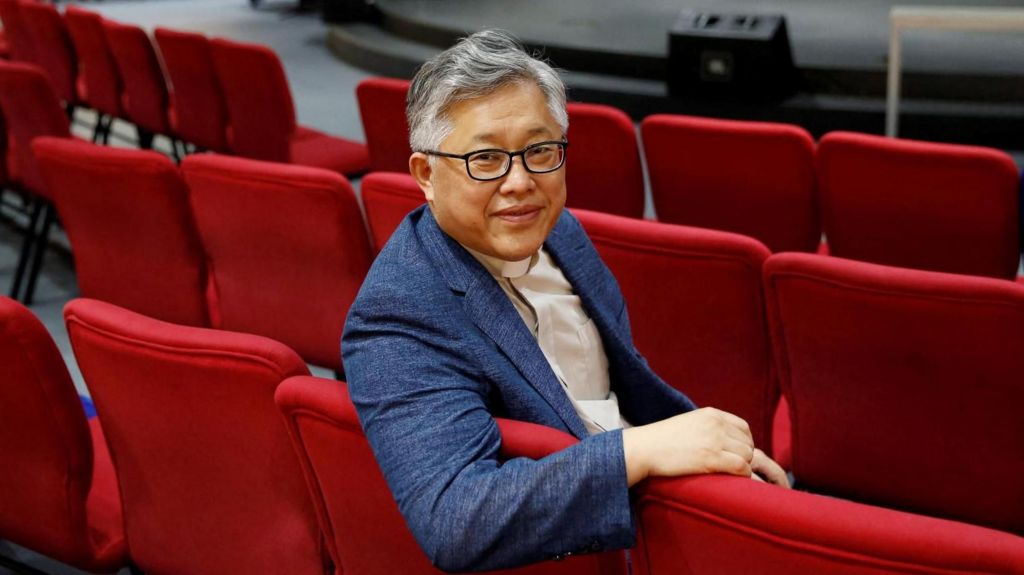
In what activists are calling China’s largest arrest of Christians in decades, 30 members of the Zion Church network, including its founder Pastor Jin Mingri, were detained last weekend. The arrests, spanning at least 10 cities, have raised concerns of a broader crackdown on underground churches. Jin Mingri, a prominent figure in China’s Christian community, was taken from his base in Beihai city, Guangxi province, and is currently held in Beihai Number Two prison on suspicion of “illegal use of information networks.” His daughter, Grace Jin Drexel, who resides in the US, recounted the moment she learned of her father’s detention, describing it as a sudden and shocking event. The arrests come amid increasing pressure from Chinese authorities on unregistered religious groups, with new laws and regulations aimed at curbing their activities. Despite official figures stating there are 38 million Protestants and six million Catholics in China, rights activists estimate that tens of millions more attend underground churches, which do not align with state-sanctioned ideologies. The Chinese government has long sought to control religious practices, with recent measures including the banning of Christian apps, demolition of church buildings, and the imposition of strict online codes of conduct for religious personnel. The Zion Church, which began as a small house church in Beijing, has grown to over 10,000 followers across 40 cities, making it a significant target for authorities. While some arrested members have been released, the majority remain in detention, with fears that this crackdown may be just the beginning. Christian advocacy groups warn that the Chinese government’s policy of acting against house churches will continue, with accusations of fraud and economic crimes likely to be used as intimidation tactics. Despite the challenges, church leaders remain hopeful, citing historical examples where repression led to revival.
博客
-
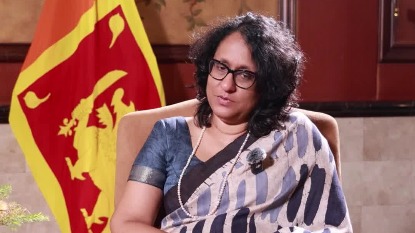
Sri Lankan PM highly praises China’s initiatives at Global Leaders’ Meeting on Women
During her visit to China for the Global Leaders’ Meeting on Women, Sri Lankan Prime Minister Harini Amarasuriya highlighted the concerning global decline in women’s rights, gender equality, and reproductive rights. In an exclusive interview with China Daily on Tuesday, she praised China’s steadfast support for gender equality and its proactive initiatives, which she described as a testament to the nation’s strong sense of international responsibility. Amarasuriya emphasized that China’s efforts stand out in a world where many countries are experiencing setbacks in these critical areas. Her remarks underscored the importance of global cooperation and leadership in advancing gender equality, particularly in the face of growing challenges. The Prime Minister’s comments also reflected the broader significance of the meeting, which brought together leaders from around the world to address pressing issues related to women’s rights and empowerment.
-

Halsey to headline 2025–2026 Dubai Shopping Festival with first UAE concert
Global music sensation Halsey is set to make her highly anticipated debut in the United Arab Emirates with a headline performance at the Coca-Cola Arena in Dubai on December 6, 2025. This exclusive concert will mark the grand opening of the 2025–2026 Dubai Shopping Festival (DSF), the world’s longest-running retail festival. Presented as part of Dubai Calendar’s winter lineup, the event promises an electrifying night of chart-topping hits, powerful vocals, and the raw storytelling that has defined Halsey’s illustrious career. Tickets, starting at Dh295, are now available at www.coca-cola-arena.com, with the first 500 Fan Pit ticket buyers receiving a Dh50 merchandise voucher to commemorate this historic occasion. Halsey, a three-time GRAMMY-nominated artist, has cemented her status as a cultural icon with over 50 billion streams, 75 RIAA-certified singles, and four RIAA-certified albums. Her latest release, *The Great Impersonator* (2024), debuted at No. 1 on *Billboard’s* Top Rock & Alternative and Top Alternative Albums charts, continuing her streak of chart-topping successes. Beyond music, Halsey has expanded her influence through her beauty line, bestselling poetry collection, and inclusion in *TIME’s* 100 Most Influential People list. This concert follows her critically acclaimed For My Last Trick Tour and coincides with the release of *BADLANDS: Decade Edition Anthology*, celebrating 10 years of her groundbreaking debut album.
-
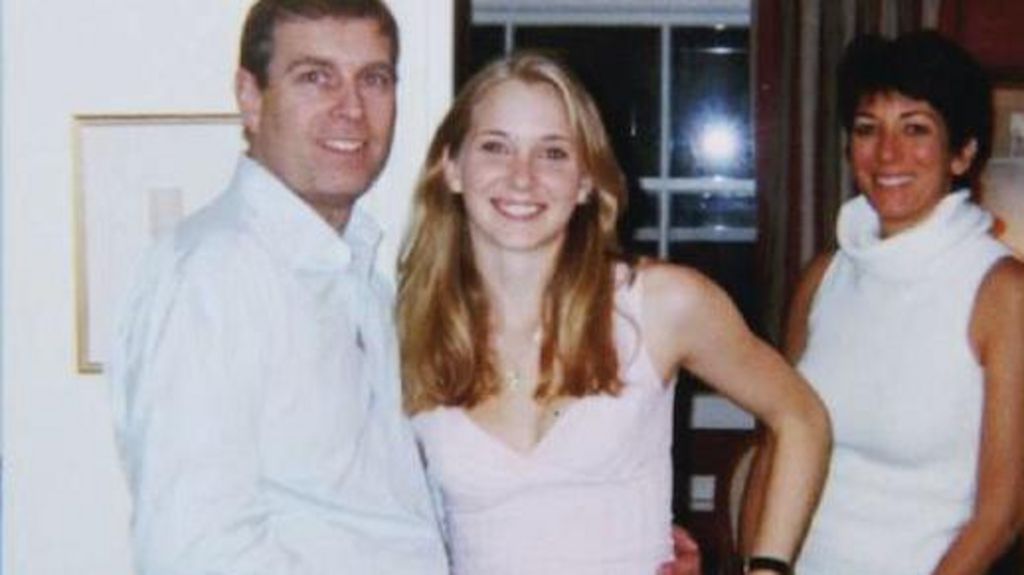
Giuffre accuses ‘entitled’ Andrew in posthumous book
In a posthumous memoir titled *Nobody’s Girl: A Memoir of Surviving Abuse and Fighting for Justice*, Virginia Giuffre, a prominent accuser of convicted sex offender Jeffrey Epstein, details harrowing allegations against Prince Andrew, Duke of York. The book, co-written with author Amy Wallace, is set for release next week, nearly six months after Giuffre’s tragic suicide in April. The memoir recounts three instances where Giuffre claims she was forced into sexual encounters with Prince Andrew, including at Ghislaine Maxwell’s London residence, Epstein’s New York townhouse, and his private island in the US Virgin Islands. Giuffre describes Prince Andrew as ‘entitled,’ alleging he acted as if sexual relations with her were his ‘birthright.’ She also recalls a notorious photograph taken in London in 2001, where Prince Andrew, then 41, placed his arm around her waist while Epstein snapped the picture. The memoir further reveals Giuffre’s struggles with trauma, including her reliance on tranquilisers to cope with the abuse. Despite reaching a financial settlement with Giuffre in 2022, Prince Andrew has consistently denied all allegations, stating in a BBC Newsnight interview that he ‘categorically’ never met her or engaged in any sexual contact. The book sheds light on Epstein’s manipulative tactics, his circle of powerful associates, and the systemic exploitation of vulnerable young women. Epstein died by suicide in jail in 2019, while Maxwell is serving a prison sentence for sex trafficking. Giuffre’s memoir serves as a poignant testament to her fight for justice and the enduring impact of her experiences.
-
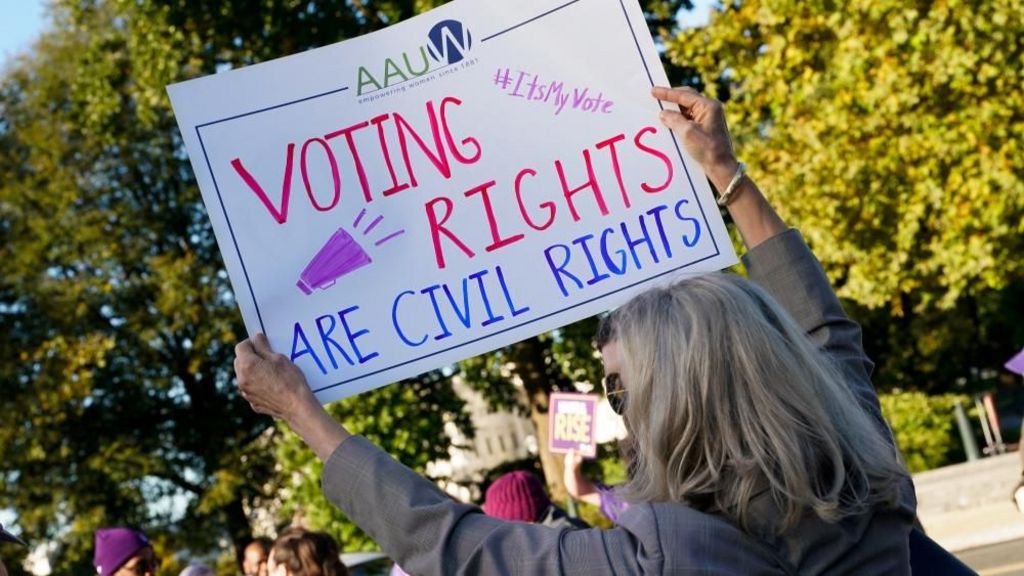
Supreme Court weighs ‘earthquake’ ruling that could reshape political map
The U.S. Supreme Court heard oral arguments on Wednesday in a landmark case that could significantly alter the electoral landscape of the American South. The case challenges a key provision of the 1965 Voting Rights Act, which was enacted to safeguard the voting rights of Black Americans against state-level discrimination. The session, initially slated for an hour, extended well beyond as the justices rigorously questioned the attorneys involved. The outcome could lead to a substantial reinterpretation of the law, potentially redrawing congressional districts across the South and shifting more than a dozen seats from Democratic to Republican control. This could provide President Donald Trump’s Republican Party with a decisive advantage in the upcoming midterm elections, given the current narrow partisan divide in the U.S. House of Representatives. The case originated from a lawsuit by Black voters in Louisiana, who sought to compel the state to create a second majority-Black congressional district to better reflect the state’s demographic composition. Section 2 of the Voting Rights Act prohibits states from denying or limiting voting rights based on race, color, or language. Over the years, the Supreme Court has interpreted this provision to require states to create ‘opportunity districts’ that allow minority populations to elect legislators in proportion to their share of the state’s population. Louisiana’s population is approximately 31% Black, yet only one of its six congressional districts has a Black majority. The conservative majority on the court has indicated a willingness to reconsider whether Section 2 violates the U.S. Constitution by mandating that states consider race when drawing congressional districts. Louisiana’s Republican officials, initially defending their state’s legislative map as compliant with the Voting Rights Act, have now asked the court to eliminate the law’s Black-district requirements entirely. The Trump administration has joined the case to make a similar request. Janai Nelson, representing the original group of Black Louisiana voters, warned that abandoning Voting Rights Act protections would be ‘pretty catastrophic,’ emphasizing the law’s role in diversifying leadership and ensuring minority voters have an equal opportunity to participate in the electoral process. Louisiana’s Solicitor General, J Benjamin Aguiñaga, countered that explicitly considering race when drawing legislative lines constitutes unacceptable discrimination, arguing that the Constitution does not tolerate government-mandated racial balancing. The Supreme Court is not expected to issue its decision for several months, but the oral arguments suggest a majority may favor discarding or significantly paring back the current Voting Rights Act requirements. Justice Brett Kavanaugh, a potential swing vote, expressed concerns about the duration of the law’s minority-district requirements. Chief Justice John Roberts, who authored a 2013 ruling striking down a separate provision of the Voting Rights Act, is also seen as a decisive vote in this case. The court’s decision could mark a significant shift in American political dynamics, potentially leading to a rush to redraw congressional lines and cement a House of Representatives majority.
-
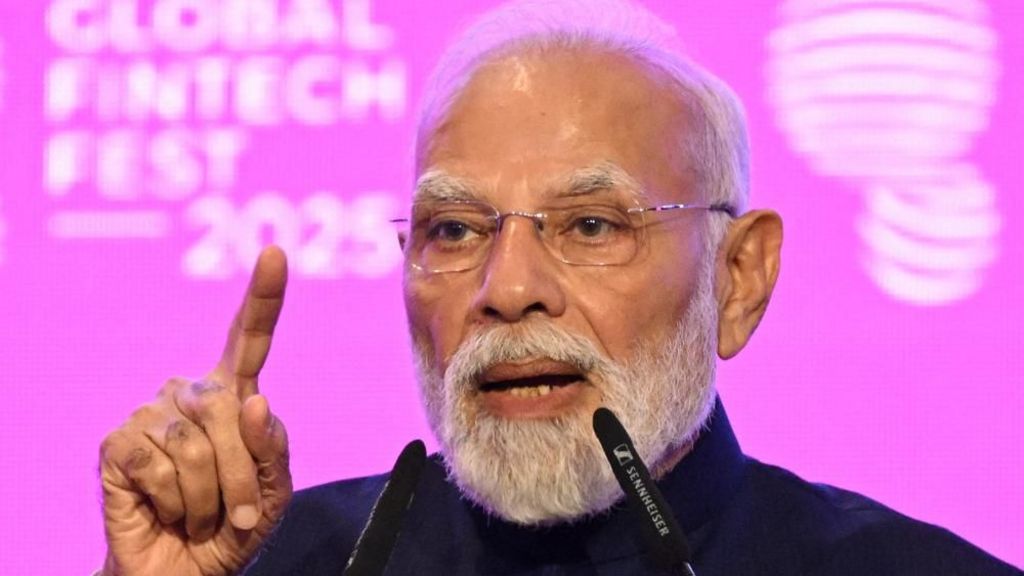
Trump says Modi has agreed to stop buying Russian oil
In a significant diplomatic development, former US President Donald Trump has asserted that Indian Prime Minister Narendra Modi has pledged to halt India’s purchases of Russian oil. This announcement comes as the US intensifies efforts to economically isolate Russia and curtail its funding for the ongoing conflict in Ukraine. Trump revealed that Modi assured him India would cease its oil imports from Russia “within a short period of time,” describing the move as “a big stop.” However, the Indian embassy in Washington DC has refrained from commenting on the matter. The US has been leveraging India’s reliance on Russian oil in its broader trade strategy, but New Delhi has consistently resisted, leading to diplomatic tensions. Russia’s oil and gas exports, primarily to China, India, and Turkey, are crucial to its economy. Trump also expressed his intention to persuade China to follow suit, emphasizing a global effort to disrupt Moscow’s energy revenue streams. He acknowledged that India’s transition away from Russian oil would be gradual but assured that the process would conclude swiftly. The Trump administration has imposed steep tariffs on Indian goods, including a 25% penalty for transactions with Russia, as part of its strategy to pressure New Delhi. Despite these measures, Modi has maintained India’s neutrality in the Russia-Ukraine conflict, citing the nation’s economic reliance on discounted Russian crude. The ongoing dispute has strained US-India relations, though Trump recently praised Modi as a “great man,” and both leaders have noted progress in trade negotiations.
-
IEA warns of looming oil glut as supply outpaces demand
The International Energy Agency (IEA) has issued a stark warning about a potential global oil surplus, projecting a significant imbalance between supply and demand by 2026. In its October Oil Market Report, the agency revised its supply growth estimates upward, forecasting an increase of 3.0 million barrels per day (bpd) in 2025, up from the previous 2.7 million bpd. This is expected to be followed by a further 2.4 million bpd rise in 2026. Meanwhile, demand growth is anticipated to remain sluggish, with the IEA trimming its 2025 estimate to 710,000 bpd and predicting a modest 700,000 bpd increase in 2026. This marks a sharp deceleration in oil consumption, attributed to macroeconomic challenges and the accelerating shift toward electrification in transportation. The IEA predicts that global supply could exceed demand by as much as 4 million bpd in 2026, a significant jump from its earlier forecast of a 3.3 million bpd surplus. This potential glut is driven by aggressive production increases from OPEC+ and non-OPEC+ producers, including the US, Canada, Brazil, and Guyana. In contrast, OPEC maintains a more optimistic outlook, expecting supply and demand to balance in 2026 due to stronger global consumption. Price forecasts reflect the uncertainty, with analysts predicting Brent crude to average $67.61 per barrel in 2025, while Barclays and Goldman Sachs have revised their projections downward, citing supply pressures. Despite the near-term challenges, some industry leaders anticipate a medium-term rebalancing as higher-cost producers reduce output. The IEA’s warning underscores the growing tension between production ambitions and the realities of the global energy transition.
-
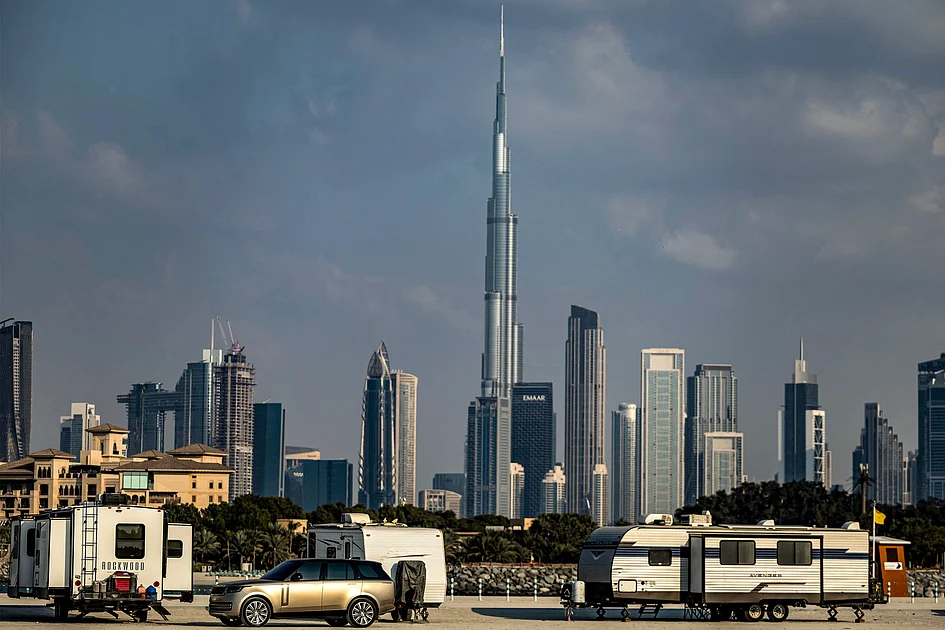
UAE growth forecast leapfrogs global trend, IMF report says
The International Monetary Fund (IMF) has significantly revised its growth projections for the United Arab Emirates (UAE), highlighting the nation’s economic resilience amidst global uncertainties. In its latest World Economic Outlook, the IMF now anticipates the UAE’s real GDP to grow by 4.8% in 2025, up from its April estimate, with a further acceleration to 5.0% in 2026. This optimistic outlook contrasts with a global economic slowdown, where growth is expected to decline from 3.3% in 2024 to 3.1% in 2026. Advanced economies are projected to grow at a modest 1.5%, while emerging markets hover just above 4%. The Middle East and Central Asia are set to see growth rise from 2.6% in 2024 to 3.8% in 2026, with the UAE leading the charge. The IMF attributes the UAE’s robust performance to its diversified economy, strong financial buffers, and strategic reforms. Key drivers include a widening current account surplus, bolstered by non-hydrocarbon exports, and deepening trade agreements with nations like India, Indonesia, Türkiye, and South Korea. The UAE’s financial sector remains stable, with well-capitalized banks, declining non-performing loans, and innovative measures such as the Digital Dirham and stablecoin regulation. The real estate market continues to thrive, supported by population growth and foreign investment, though the IMF cautions against potential shifts in capital flows. Structural reforms in infrastructure, sustainability, and AI further cement the UAE’s position as a forward-looking economic hub. Looking ahead, the UAE’s growth trajectory remains promising, underpinned by sound fiscal policies, regulatory advancements, and a commitment to long-term reforms.
-
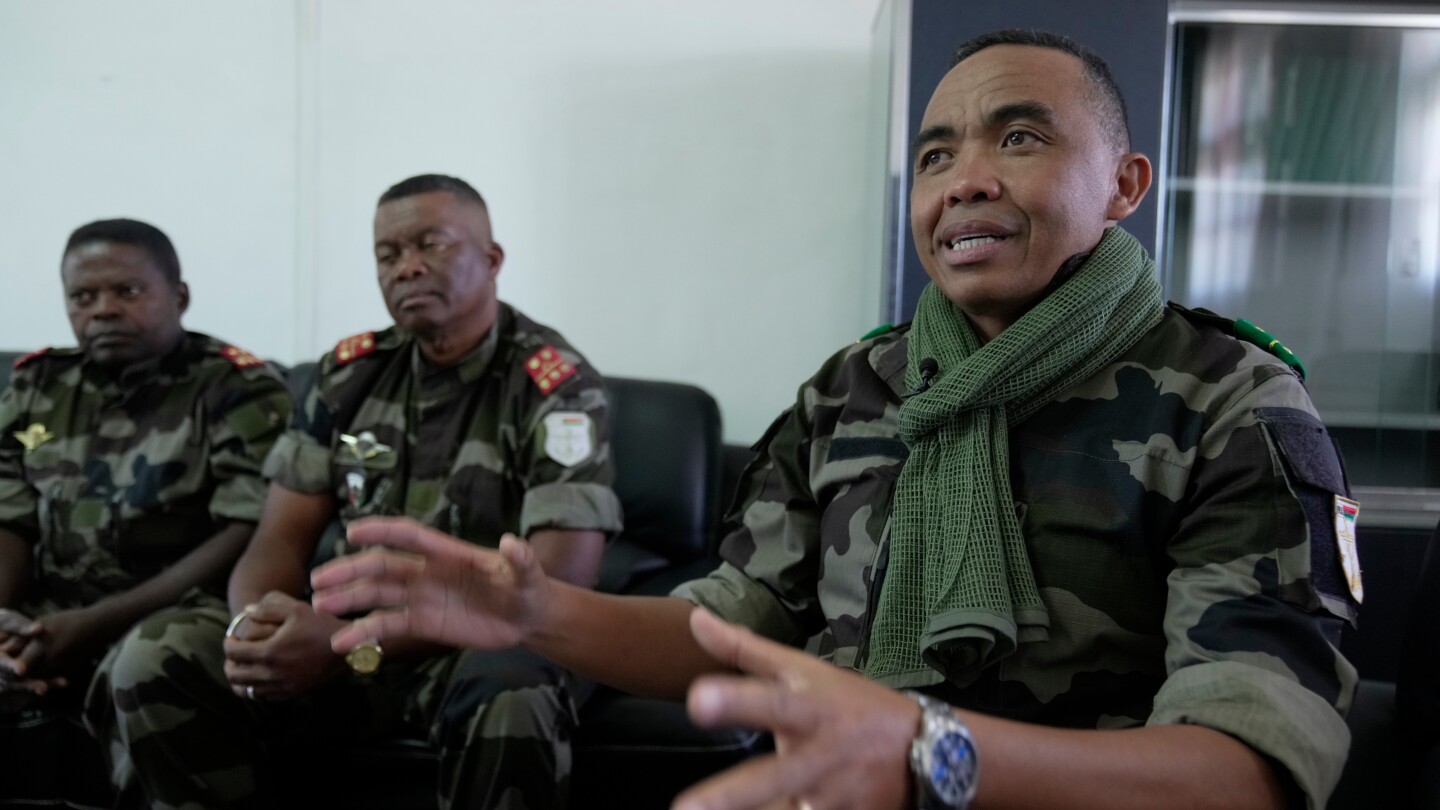
‘You’ve been calling a lot!’: How 2 AP reporters landed an interview with Madagascar’s coup leader
In a dramatic turn of events, Madagascar witnessed a military coup led by Col. Michael Randrianirina, who toppled President Andry Rajoelina following weeks of widespread protests. The unrest, driven by issues such as water and power shortages, soaring living costs, and pervasive poverty, culminated in the ousting of the president. Randrianirina, head of the elite CAPSAT military unit, confirmed his intention to assume the presidency in an exclusive interview with The Associated Press (AP). The interview, conducted shortly after the coup, revealed his plans to be sworn in as the nation’s new leader within days. The AP’s coverage of the coup began with a chance encounter between Randrianirina and AP photographer Brian Inganga during an anti-government protest in the capital, Antananarivo. Inganga’s persistence in securing the interview provided a rare glimpse into the inner workings of the coup. The interview took place at the CAPSAT barracks, where Randrianirina, surrounded by his officers, outlined his vision for Madagascar’s future. Despite the tense atmosphere, the colonel maintained a calm demeanor, assuring the journalists of his intentions to stabilize the country. This coup marks a significant shift in Madagascar’s political landscape, raising questions about the nation’s future stability and governance.
-
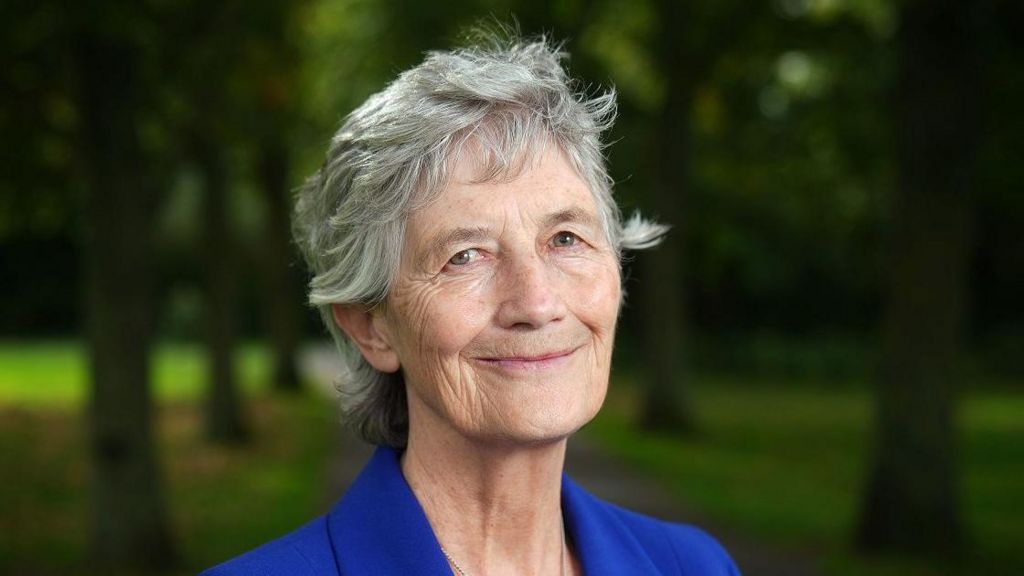
Irish presidential candidate concerned by EU ‘militarisation’
Independent Irish presidential candidate Catherine Connolly has voiced her concerns over the European Union’s increasing militarization, describing it as a persistent worry. Speaking on RTE’s Katie Hannon Interview Live, Connolly emphasized her unease as a woman and mother, criticizing the trend of nations allocating more resources to arms while reducing welfare spending. She also clarified that her campaign’s focus on an Irish border poll was not a concession to secure Sinn Féin’s political support. Connolly highlighted her longstanding advocacy for allowing Northern Ireland residents to vote in Irish presidential elections, noting growing public support for this initiative. Addressing controversy over her hiring of a former Éirígí member with a criminal record, Connolly defended her decision, citing the individual’s strong recommendations and her belief in rehabilitation. She also justified her 2018 trip to Syria, funded by the Parliamentary Activities Allowance, as a fact-finding mission, denying any association with pro-Assad militias. Connolly reiterated her commitment to serving only one term if elected, pledging to dedicate her energy fully to the presidency. She also expressed support for greater transparency in the office of the presidency, subjecting all expenses to Public Accounts Committee scrutiny. When asked about her husband’s potential public role, Connolly left the decision to him.