Taiwan Semiconductor Manufacturing Company (TSMC), the world’s largest semiconductor manufacturer, announced on Thursday a staggering 40% surge in net profit for the July-September quarter, fueled by the growing demand for artificial intelligence (AI) technologies. The company reported a record-breaking net profit of 452.3 billion new Taiwan dollars ($15 billion), surpassing analysts’ expectations. This remarkable performance follows a 30% year-on-year increase in revenue for the same period.
博客
-
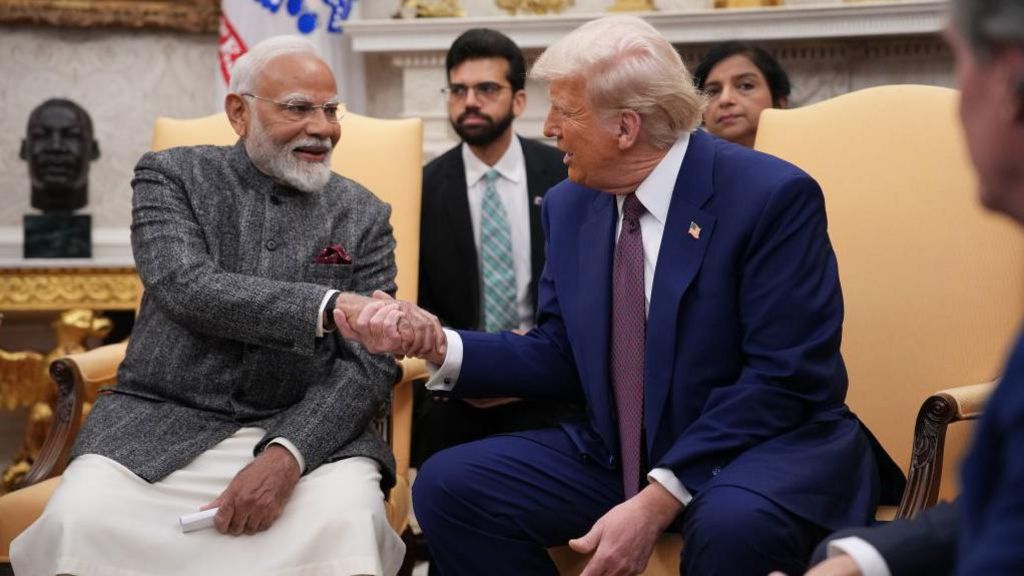
India’s exports to US plunge as Trump’s 50% tariffs kick in
India, a key exporter of garments, shrimp, and gems and jewellery to the United States, has witnessed a dramatic decline in its goods exports to its largest foreign market. Data reveals a sharp 20% drop in September alone, with a staggering 37.5% decline over the past four months, as the impact of steep US tariffs intensifies. The tariffs, which include a 50% levy on Indian goods and an additional 25% penalty for India’s continued oil purchases from Russia, took full effect in August. Ajay Srivastava of the Global Trade Research Initiative (GTRI) noted, ‘The US has become India’s most severely affected market since the tariff escalation began.’ Labour-intensive sectors such as textiles, gems and jewellery, engineering goods, and chemicals have borne the brunt of these measures, suffering significant losses. The decline in exports has also exacerbated India’s trade deficit, which surged to a 13-month high of $32.15 billion in September. While improved trade with countries like the UAE and China has partially offset the US export slump, negotiations between India and the US remain fraught with challenges. Talks resumed last month after a prolonged stalemate, with an Indian delegation currently in the US. Despite claims by former US President Donald Trump that Indian Prime Minister Narendra Modi agreed to halt Russian oil imports, the Indian foreign ministry described discussions as ‘ongoing,’ emphasizing US interest in deepening energy cooperation. Key trade disputes, particularly over access to India’s agriculture and dairy sectors, persist. Washington views India’s farm sector as a lucrative untapped market, but New Delhi has staunchly defended its protectionist stance, citing food security and the livelihoods of millions of small farmers. Bilateral trade between the two nations reached $190 billion in 2024, with ambitious targets to more than double this figure to $500 billion.
-
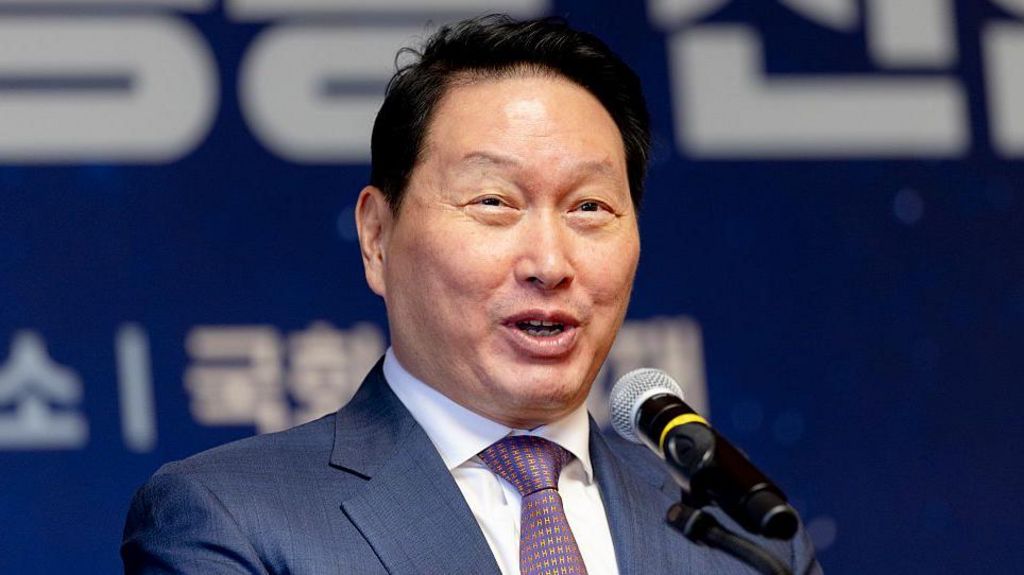
S Korea tycoon escapes paying $1bn in ‘divorce of the century’
In a landmark ruling, South Korea’s Supreme Court has overturned a lower court’s decision that ordered billionaire Chey Tae-won to pay his ex-wife Roh So-young a staggering 1.38 trillion won ($1 billion) in what has been widely referred to as the ‘divorce of the century.’ The court cited a miscalculation in the valuation of the couple’s joint assets and has ordered a review of the case. The original settlement, decided by a Seoul court in 2024, was the largest in South Korea’s history. The Supreme Court ruled that a 30 billion won slush fund linked to Ms. Roh’s father, former President Roh Tae-woo, could not be considered part of the couple’s assets, as it allegedly originated from illegal bribes. However, the court upheld a 2 billion won alimony payment to Ms. Roh. The ruling has significant implications for Mr. Chey, who heads the SK Group conglomerate, and has prolonged his legal battle with his ex-wife. Shares of SK Group fell 5.4% following the decision, but analysts believe the conglomerate’s stability remains intact, as Mr. Chey is not immediately required to raise funds for the settlement. SK Group, with subsidiaries in telecommunications, energy, pharmaceuticals, and semiconductors, continues to be a major player in South Korea’s economy.
-

Israel’s crack spy agencies rely on help from their friends
Israel’s precision strikes on Iran in June 2024 highlighted the prowess of its intelligence agencies, yet a critical factor remained underexplored: the indispensable role of international intelligence partnerships. These collaborations, while vital, come with inherent risks, including dependency on foreign allies whose withdrawal could leave Israel exposed to geopolitical vulnerabilities.
-
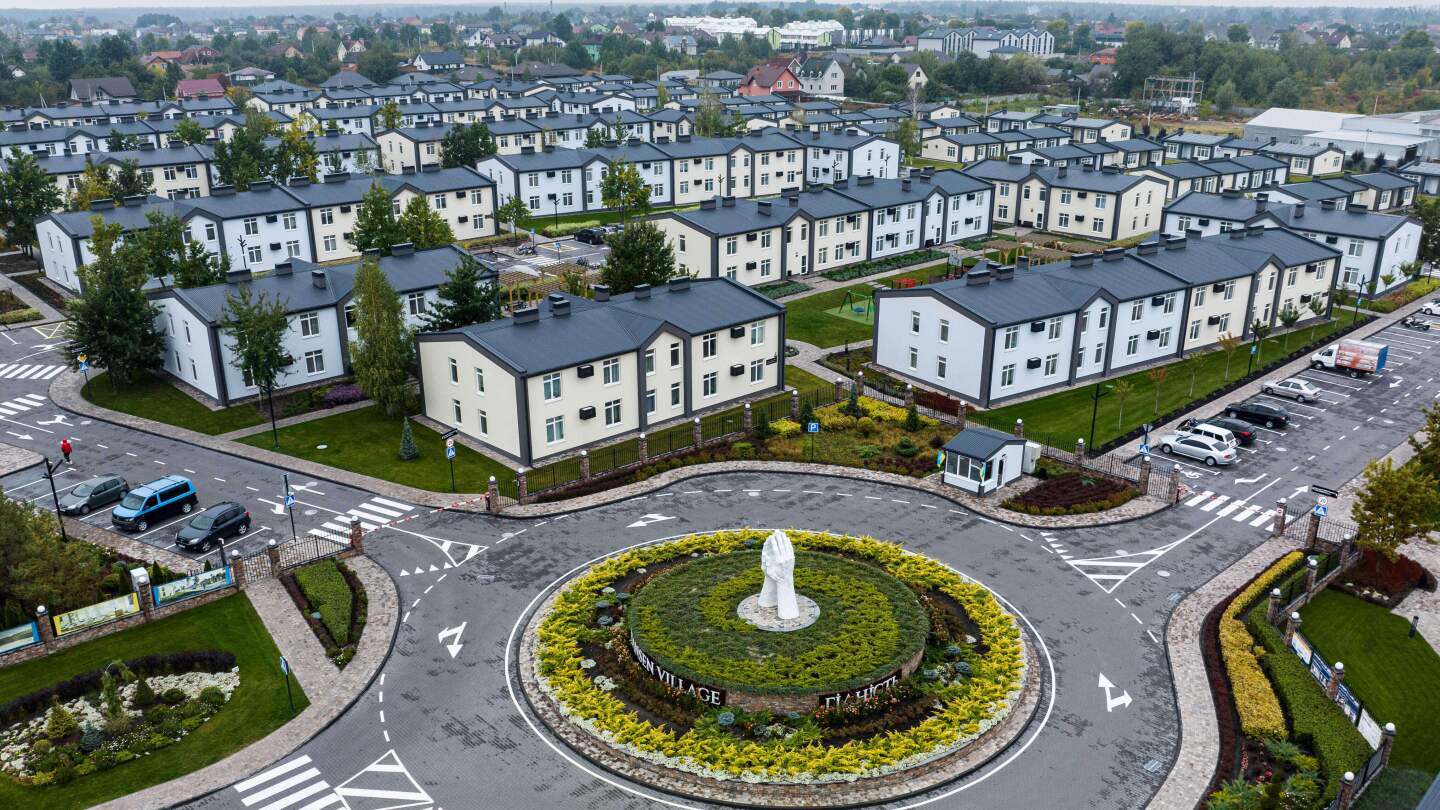
US developer builds homes for displaced Ukrainians, offering hope despite war and crisis
In the midst of the ongoing Russian invasion of Ukraine, which has displaced millions and scattered families across the nation and beyond, a privately-built settlement near Kyiv stands as a beacon of hope. Hansen Village, located approximately 400 miles west of the front lines, provides stable housing, personal space, and a sense of dignity to 2,000 displaced individuals, many of whom have fled occupied territories. The village, equipped with amenities such as a swimming pool, basketball court, health clinic, and school, was established by Dell Loy Hansen, a Utah-based real estate developer who has invested over $140 million in building and repairing homes across Ukraine since 2022. At 72, Hansen remains committed to expanding his efforts, driven by a sense of responsibility rather than charity. His projects include expanding Hansen Village, supporting elderly individuals and families, funding a prosthetics clinic, and planning a cemetery to honor displaced people. Hansen’s journey to Ukraine followed a public reckoning in 2020, when he sold his Major League Soccer team, Real Salt Lake, amid allegations of racist comments. Although he denied the claims, the experience instilled in him a sense of humility and a new mission. Ukraine’s housing crisis is dire, with nearly one-third of its population displaced, including 4.5 million internally displaced persons. The government struggles to fund shelters and repairs, as the cost of national reconstruction is estimated at $524 billion. Private initiatives like Hansen’s, though vital, remain a fraction of what is needed. Hansen’s work has earned him recognition, including an upcoming civilian honor from Ukraine, which he views as a means to bring visibility to the plight of the displaced and elderly. His efforts, while not a miracle, provide essential stability and hope to those who have lost everything.
-
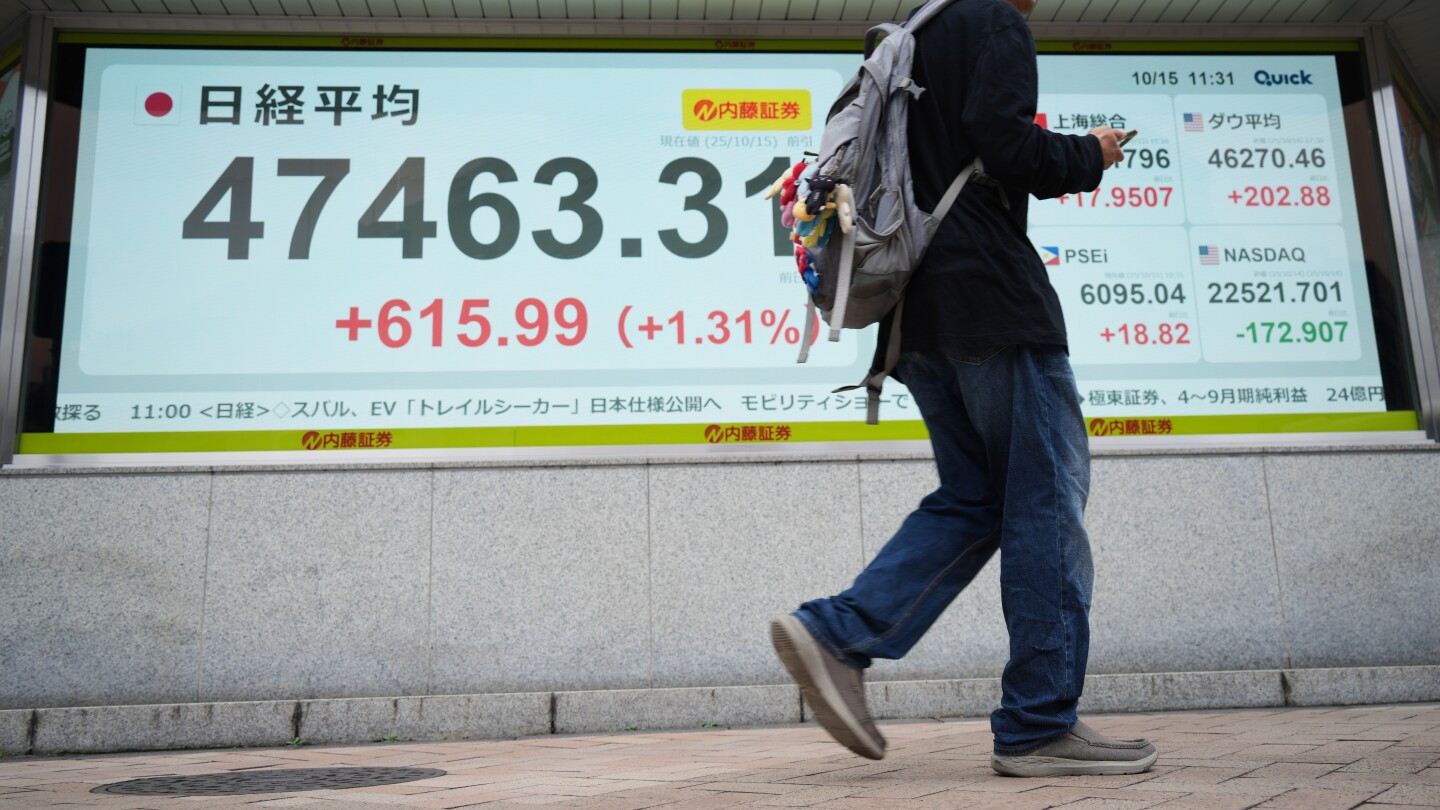
Asian shares are mostly higher after Wall St ends an erratic day with gains
Most Asian stock markets experienced an upward trajectory on Thursday, mirroring the gains observed on Wall Street after a volatile trading session. U.S. futures remained largely unchanged, while oil prices saw an increase. Japan’s Nikkei 225 index climbed 0.8% to 48,069.71, buoyed by a robust start to the earnings season and growing expectations of U.S. interest rate cuts. Despite a 0.9% month-on-month decline in Japan’s core machinery orders for August, the figures showed significant improvement from July’s 4.6% drop. South Korea’s Kospi index surged to a record high, rising 1.8% to 3,722.67, driven by optimism over potential tariff agreements between the U.S. and South Korea. Tech and auto stocks, including Samsung Electronics, Hyundai Motor, and Kia Corp., were among the top performers. In China, Hong Kong’s Hang Seng index dipped 0.4%, while the Shanghai Composite index edged up 0.1%. Australia’s S&P/ASX 200 soared 8% to 9,063.70, surpassing the 9,000 mark for the first time, fueled by gains in gold stocks amid rising gold prices. India’s BSE Sensex and Taiwan’s Taiex also posted gains of 0.5% and 1.5%, respectively. On Wall Street, the S&P 500 and Nasdaq Composite advanced, with technology stocks leading the charge following a strong earnings report from ASML, a key semiconductor equipment supplier. However, concerns over inflated stock prices and delayed economic updates due to the U.S. government shutdown have heightened scrutiny on corporate earnings. In commodity markets, U.S. crude oil and Brent crude prices both rose, while the dollar and euro saw modest gains against the yen.
-
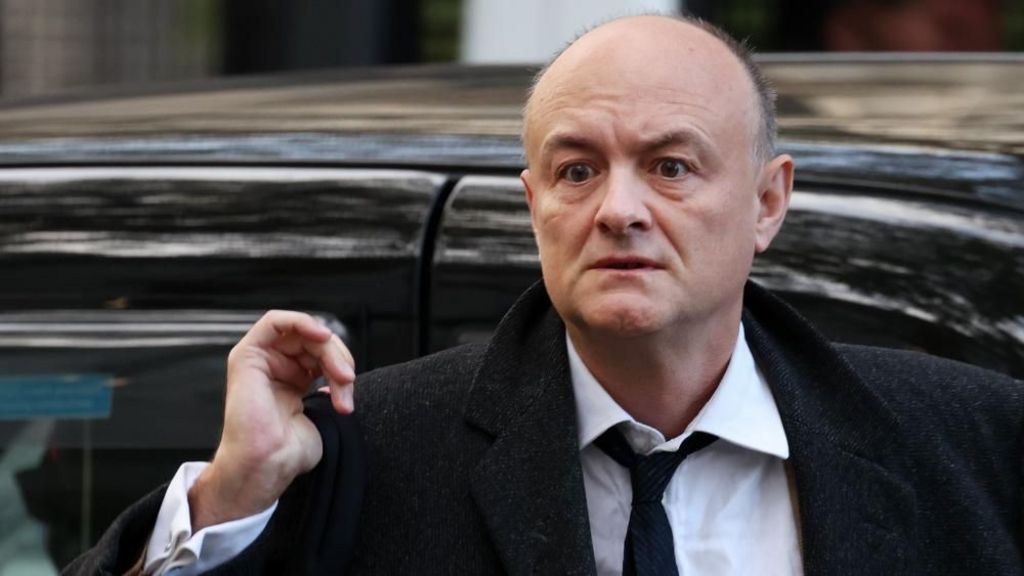
Cabinet Office rejects Cummings’ China breach claim
The UK Cabinet Office has firmly refuted allegations made by Dominic Cummings, former senior aide to ex-Prime Minister Boris Johnson, regarding a purported cyber breach by China into high-level government systems. In an interview with The Times, Cummings asserted that China had accessed ‘vast amounts’ of ‘extremely secret’ information from UK intelligence services and Whitehall departments. He claimed the breach occurred in 2020 and was subsequently concealed. Cummings specifically mentioned the compromise of ‘Strap’ material, a classification for highly sensitive intelligence data, which he said included information from the National Security Secretariat and other critical government sources.
In response, a Cabinet Office spokesperson dismissed the claims as ‘untrue,’ stating that the systems used for transferring sensitive government information remain secure. Cummings further alleged that the breach was discussed in a high-level meeting, where officials expressed disbelief at the severity of the situation. He called for a parliamentary inquiry into the matter, offering to provide detailed testimony.
However, Professor Ciaran Martin, former chief executive of the UK’s National Cyber Security Centre (NCSC), challenged Cummings’ assertions. Speaking on BBC Radio 4’s The World Tonight, Martin stated that, to his knowledge, no such breach occurred. He emphasized that the systems in question are uniquely secure and operate differently from standard internet-based platforms. Martin acknowledged China as a persistent cyber threat but maintained there was no evidence of a breach in 2020.
The controversy has sparked debate over the credibility of Cummings’ claims and the UK’s cybersecurity resilience. While the Cabinet Office and cybersecurity experts have dismissed the allegations, the incident underscores ongoing concerns about foreign cyber espionage and the protection of sensitive government data.
-
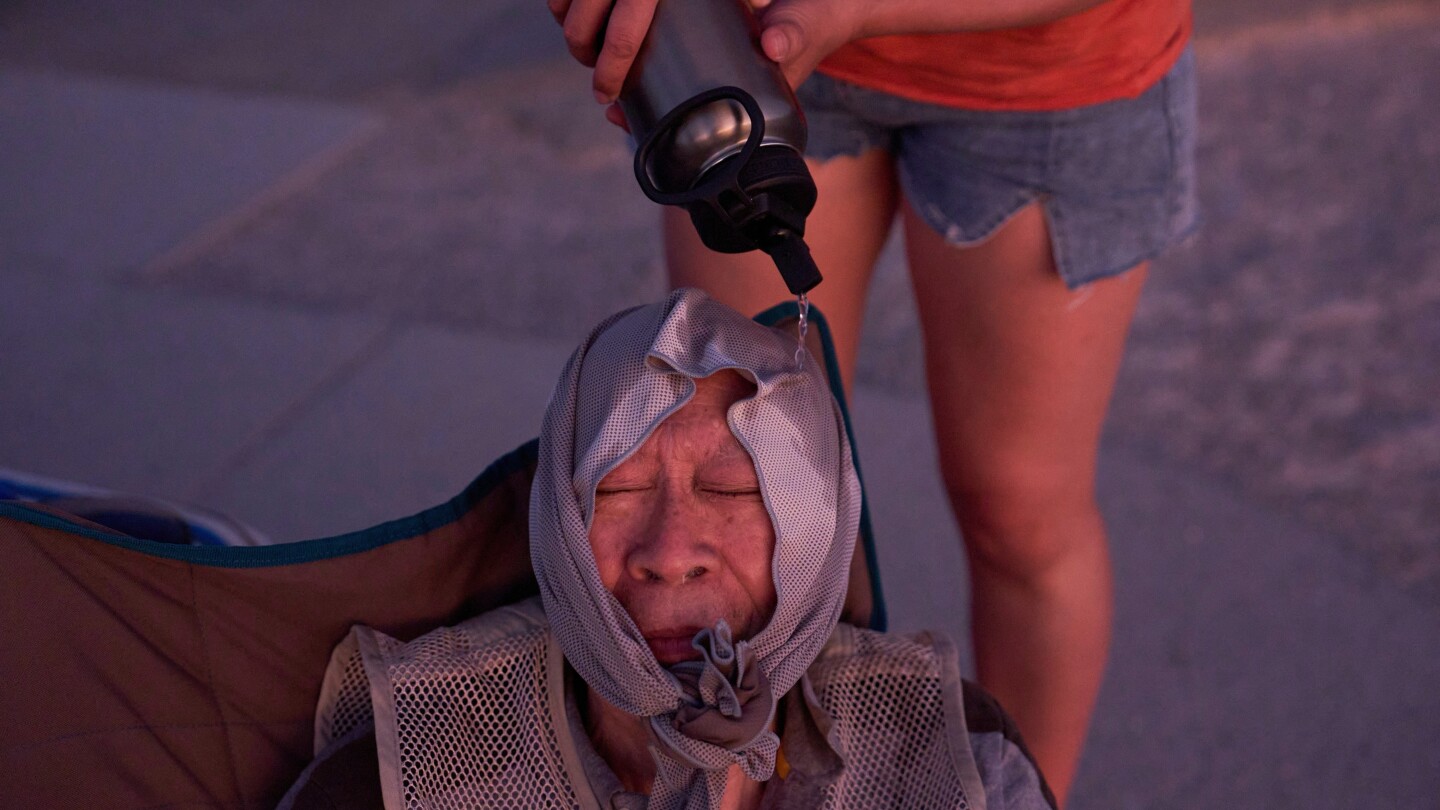
The world is heading to add 57 superhot days a year, but study indicates it could have been worse
A groundbreaking study released on Thursday reveals that the world is on track to experience nearly two additional months of dangerously superhot days annually by the end of the century. The research, conducted by the international climate science group World Weather Attribution and U.S.-based Climate Central, highlights the disproportionate impact on smaller, poorer nations compared to major carbon-emitting countries. Using advanced computer simulations, the study underscores the critical role of the Paris climate agreement in mitigating the crisis. Without the emissions reductions initiated a decade ago, Earth would face an additional 114 days of extreme heat annually. The report, though not yet peer-reviewed, employs established climate attribution techniques to project future scenarios. If current emissions pledges are met, global temperatures will rise by 2.6°C (4.7°F) by 2100, adding 57 superhot days. However, the pre-Paris trajectory of 4°C (7.2°F) warming would double this figure. The study defines superhot days as those exceeding 90% of temperatures recorded between 1991 and 2020. Since 2015, the world has already gained an average of 11 such days annually. The report warns of severe health impacts, with heat waves already causing thousands of deaths yearly. Small, ocean-dependent nations like the Solomon Islands, Samoa, and Panama are projected to bear the brunt, experiencing up to 149 additional superhot days despite contributing only 1% of global emissions. In contrast, major polluters like the U.S., China, and India will see far fewer additional days. The findings underscore the inequities of climate change, with developing nations facing disproportionate suffering. Experts emphasize the urgent need for increased climate action to avert a catastrophic future.
-
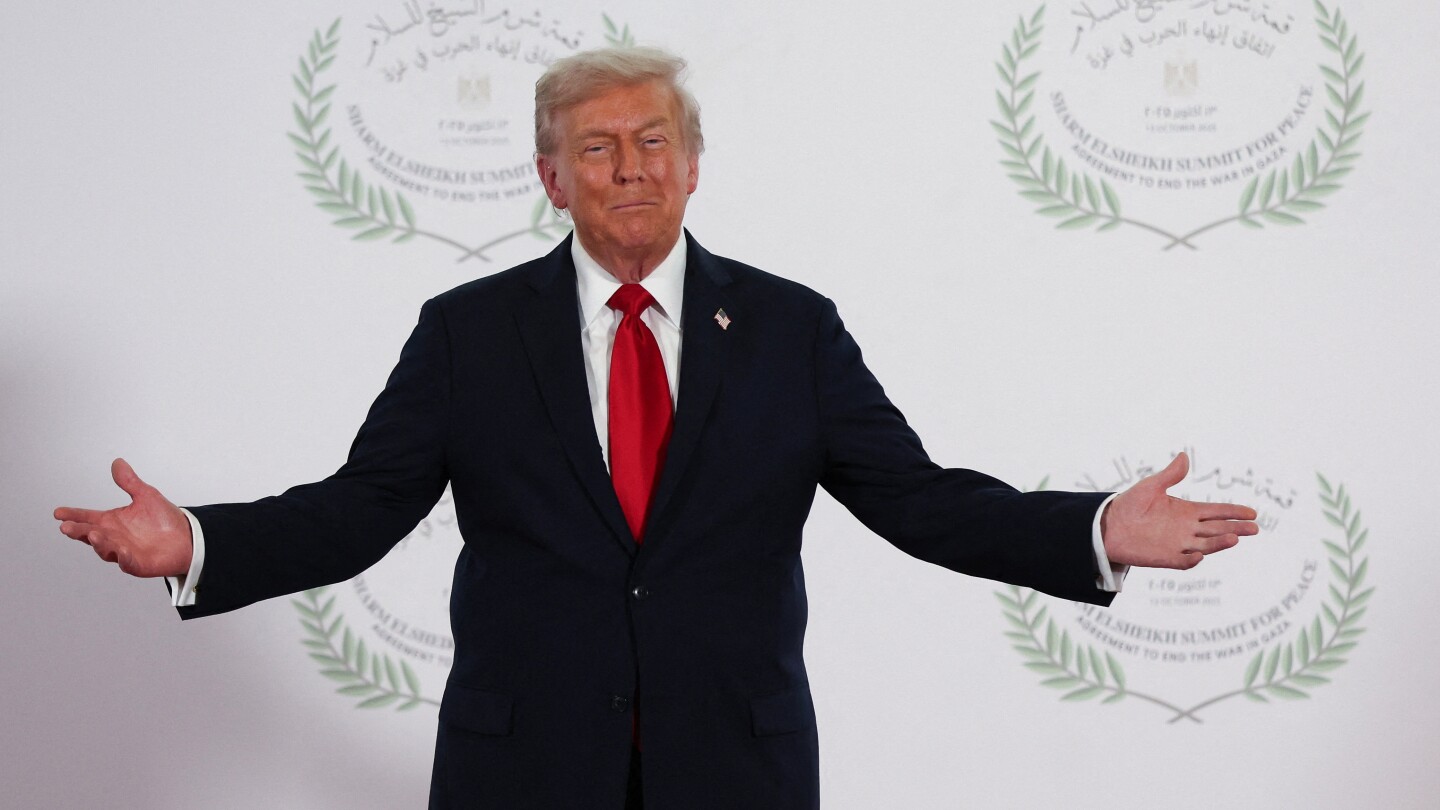
With fragile Gaza ceasefire taking hold, Trump says he’s now looking to ‘get Russia done’
Following the fragile ceasefire between Israel and Hamas, former President Donald Trump has redirected his attention to resolving the ongoing conflict between Russia and Ukraine. Trump, who has consistently criticized President Joe Biden’s handling of international crises, is now exploring the possibility of supplying Ukraine with long-range Tomahawk cruise missiles. This move aims to pressure Russian President Vladimir Putin to engage in peace negotiations. Despite previous unsuccessful attempts to broker talks between Putin and Ukrainian President Volodymyr Zelenskyy, Trump expressed renewed confidence in his ability to mediate, citing recent progress in the Middle East as a catalyst. Speaking at a dinner event, Trump emphasized the urgency of addressing the Ukraine conflict, which is nearing its fourth year. He also hinted at escalating pressure on Russia if diplomatic efforts fail. Trump is scheduled to meet with Zelenskyy on Friday, marking their fourth face-to-face meeting this year. The potential provision of Tomahawk missiles, capable of striking deep into Russian territory, has been a long-standing request from Ukraine. However, analysts caution that deploying such advanced weaponry could take years and may strain U.S.-Russia relations further. In the interim, experts suggest that supplying Ukraine with shorter-range missiles like the Extended Range Attack Munition (ERAM) and the Army Tactical Missile System (ATACMS) could be more immediately effective. Meanwhile, Trump has also signaled a willingness to impose stricter sanctions on Russia, particularly targeting its oil exports, though he has yet to formally endorse pending legislation in the Senate.
-

Angry with their governments, the world’s young are filling the streets as ‘Gen Z’ protesters
From the Andes to the Himalayas, a new wave of youth-led protests is sweeping across the globe, driven by generational discontent and frustration with political systems. These movements, often leaderless and primarily composed of individuals born between 1996 and 2010, are united by shared grievances such as economic inequality, corruption, and government neglect.