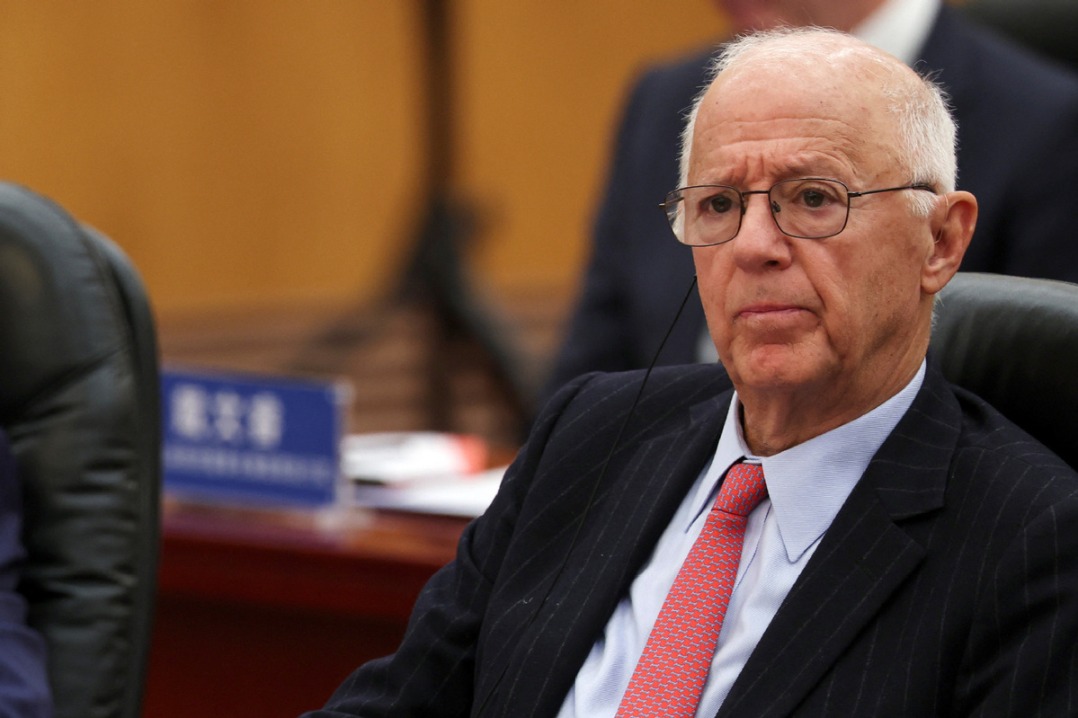
In a significant gathering in New York, US and Chinese leaders underscored the importance of fostering a stable and collaborative relationship between the two nations, particularly in the face of global challenges. The event, hosted by the National Committee on US-China Relations, brought together key figures from politics, business, and healthcare to discuss the potential for enhanced cooperation. Stephen Orlins, president of the committee, expressed optimism that the clear skies following recent storms symbolized a hopeful future for US-China relations. He emphasized the critical need for unity in addressing global issues such as war, economic instability, and unprecedented weather events. Orlins highlighted the healthcare sector as a prime area for collaboration, noting that joint efforts between the US and China have already saved lives. Albert Bourla, CEO of Pfizer, was honored for his leadership in advancing global health and promoting Sino-US partnerships. Bourla praised China’s remarkable progress in biopharmaceutical innovation, which is reshaping the global competitive landscape. He pointed out that Chinese biotech firms accounted for nearly one-third of all major pharmaceutical licensing deals last year, signaling a significant shift in the global innovation landscape. Bourla also reflected on the long history of scientific collaboration between the two countries, citing their joint efforts in combating diseases like tuberculosis, yellow fever, and Ebola. He stressed that such collaboration remains vital today, particularly in addressing global health challenges like cancer and Alzheimer’s. Charlene Barshefsky, chairwoman of the committee and former US trade representative, acknowledged the complexities in the US-China relationship but expressed hope that leaders would prioritize communication over conflict. She emphasized that the world depends on stable US-China relations for addressing global challenges. The gala served as a reminder of the potential for constructive dialogue and collaboration between the two nations, even amidst ongoing tensions.
博客
-
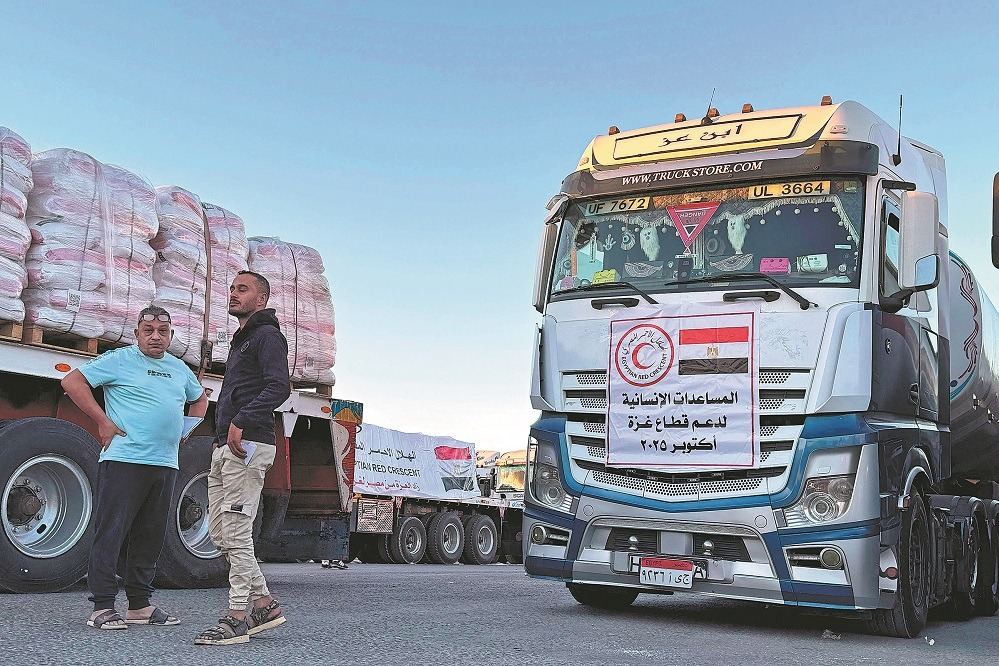
Israel asked to smoothen aid flow amid fraught ceasefire
Amid a fragile ceasefire, Israel has been called upon to ensure the uninterrupted flow of humanitarian aid into Gaza, as Hamas faces significant challenges in retrieving the bodies of deceased hostages due to widespread destruction and the presence of Israeli forces across half of the territory. Reports indicate that Israel has delayed the reopening of the Rafah border crossing and drastically reduced aid deliveries, citing the slow return of approximately 20 additional hostage bodies held by Hamas. On Tuesday, Hamas transferred four more bodies, believed to be Israeli hostages, to the International Committee of the Red Cross, bringing the total to eight. However, Israel suspects one of the bodies may belong to a Palestinian. Ismail al-Thawabta, Director General of Gaza’s Government Media Office, has urged Israel to open the crossings and allow immediate aid into the enclave, emphasizing the dire need for water and other essentials. The United Nations has reiterated the necessity of opening more crossings, ensuring the sustained entry of fuel and cooking gas, and providing security guarantees for convoys. UN Deputy Spokesman Farhan Haq highlighted the ongoing efforts to scale up operations under a 60-day response plan. Meanwhile, Israeli officials have stated preparations are underway to open Rafah to Gazan citizens, with plans to send in 600 aid trucks. The ceasefire remains precarious, with both Hamas and Israel accusing each other of violations. The Red Cross has warned that recovery teams may struggle to locate some bodies due to the extensive destruction. The World Health Organization has deployed emergency medical teams and delivered essential medical supplies, while the World Food Programme has facilitated the entry of 137 trucks carrying food aid. However, tensions persist, with reports of Israeli forces allegedly killing a man in the West Bank and abducting four citizens.
-
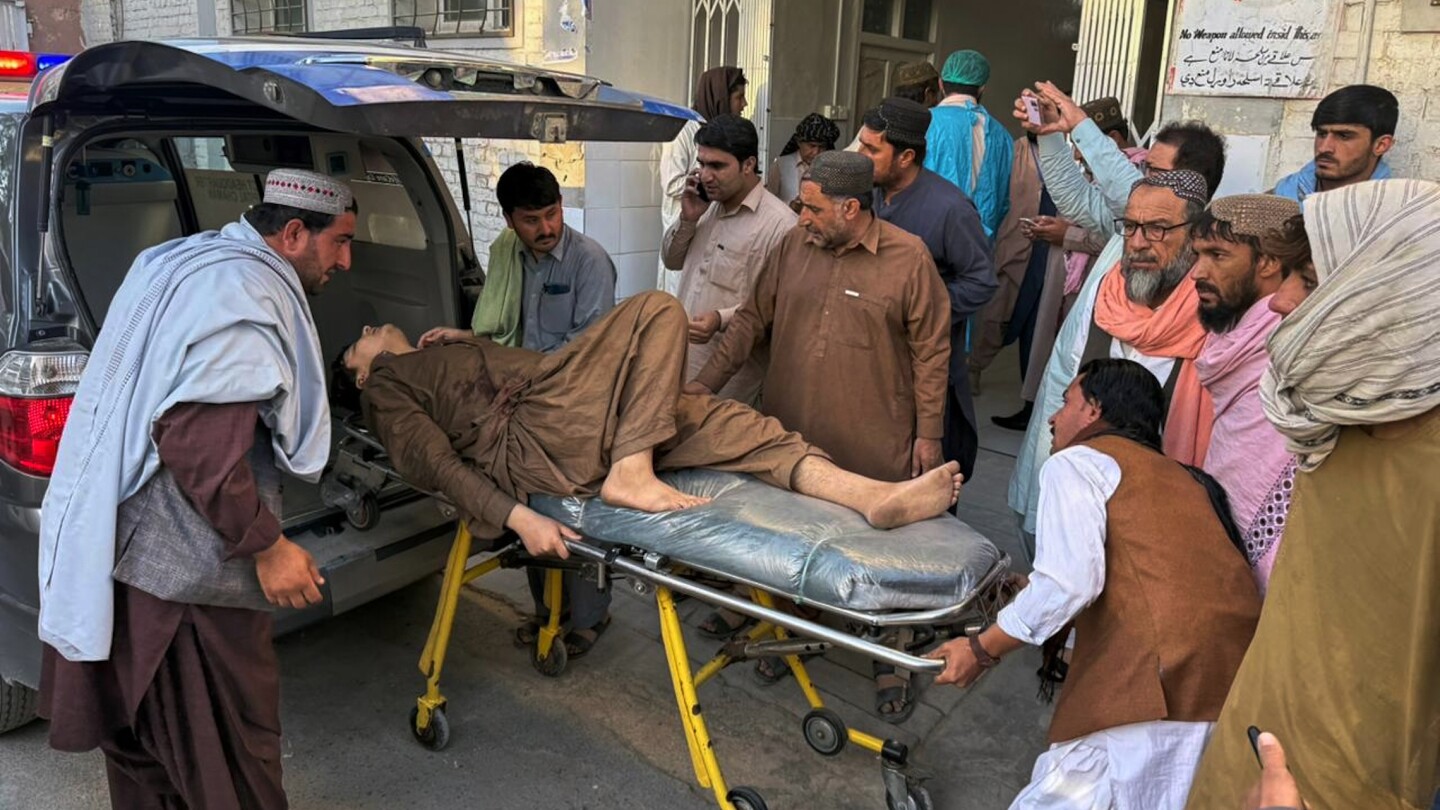
UN urges Pakistan and Afghanistan to end hostilities to protect civilians
The United Nations has called on Pakistan and Afghanistan to halt ongoing hostilities to safeguard civilian lives, following days of intense cross-border clashes that have resulted in dozens of fatalities and hundreds of injuries. This marks the most severe crisis between the two nations since the Taliban’s rise to power in Afghanistan in 2021. The violence, which escalated on October 10, saw both countries accusing each other of armed provocations. On Wednesday, a ceasefire was agreed upon after appeals from regional powers, aiming to stabilize a region threatened by the resurgence of groups like the Islamic State and al-Qaida. As of Thursday, key border crossings remained closed, and no overnight fighting was reported. The U.N. Assistance Mission in Afghanistan (UNAMA) welcomed the truce and is currently assessing the casualty count, with preliminary reports indicating at least 17 civilian deaths and 346 injuries in Spin Boldak, Afghanistan. UNAMA also documented 16 civilian casualties in earlier clashes across several Afghan provinces. Pakistan has yet to release figures on civilian casualties on its side of the border but has repeatedly accused Afghanistan of harboring militants, a claim denied by the Taliban. The two nations share a contentious 2,611-kilometer border, known as the Durand Line, which Afghanistan has never formally recognized.
-

Patrick Kluivert exits as Indonesia’s head coach after missing out on a World Cup spot
Patrick Kluivert has resigned from his position as head coach of the Indonesian national football team, just days after the country’s aspirations to qualify for the 2026 FIFA World Cup were dashed. The former Barcelona striker, who was appointed in January on a two-year contract, aimed to lead Indonesia to its first World Cup appearance since gaining independence in 1945. However, recent defeats to Saudi Arabia and Iraq in the qualifying rounds sealed Indonesia’s fate, prompting an early termination of Kluivert’s tenure. The Football Association of Indonesia announced the mutual decision, citing a comprehensive evaluation of the national team’s coaching and development program as the reason for the change. In a heartfelt message to fans on social media, Kluivert expressed his disappointment and took full responsibility for the team’s performance. He described the losses as ‘bitter lessons’ but also as reminders of the shared dreams for Indonesian football. Kluivert’s appointment was part of the federation’s strategy to naturalize players of Indonesian heritage from Europe, a policy that helped the team reach the final stages of World Cup qualification for the first time since 1938, when it competed as the Dutch East Indies. Despite the majority of his 23-player squad being born overseas, primarily in the Netherlands, the team’s performance under Kluivert’s leadership remained inconsistent, with only three wins in eight matches.
-

Galeries Lafayette to enter India amid luxury boom
Galeries Lafayette, the iconic French luxury department store, is making its grand entry into India with the opening of its first flagship store in Mumbai’s historic Fort area. This strategic move marks a significant milestone in the brand’s international expansion, as it seeks to capitalize on India’s rapidly growing luxury market. The store, spanning five levels and 90,000 square feet, is set to open in early November, with plans for another location in Delhi. Partnering with the Aditya Birla Group, Galeries Lafayette aims to offer an unparalleled shopping experience, featuring over 250 global luxury brands, private lounges, and concierge services. Nicolas Houzé, Executive Chairman of Galeries Lafayette Group, described the launch as a ‘defining moment’ and ‘a new chapter’ in the brand’s 130-year history. India’s luxury market, currently valued at $17 billion, is projected to soar to $85 billion by 2030, driven by increasing wealth creation and a shift in consumer preferences. Kumar Mangalam Birla, Chairman of the Aditya Birla Group, highlighted the growing appetite for high-end experiences among India’s affluent population. However, despite the booming luxury sector, income inequality remains a significant challenge, with a vast majority of the population unable to afford discretionary spending. This has led brands to focus on premium offerings catering to the wealthy, while mass-market demand remains subdued. Galeries Lafayette’s entry into India reflects a broader trend of global luxury brands targeting the country’s burgeoning high-end market.
-
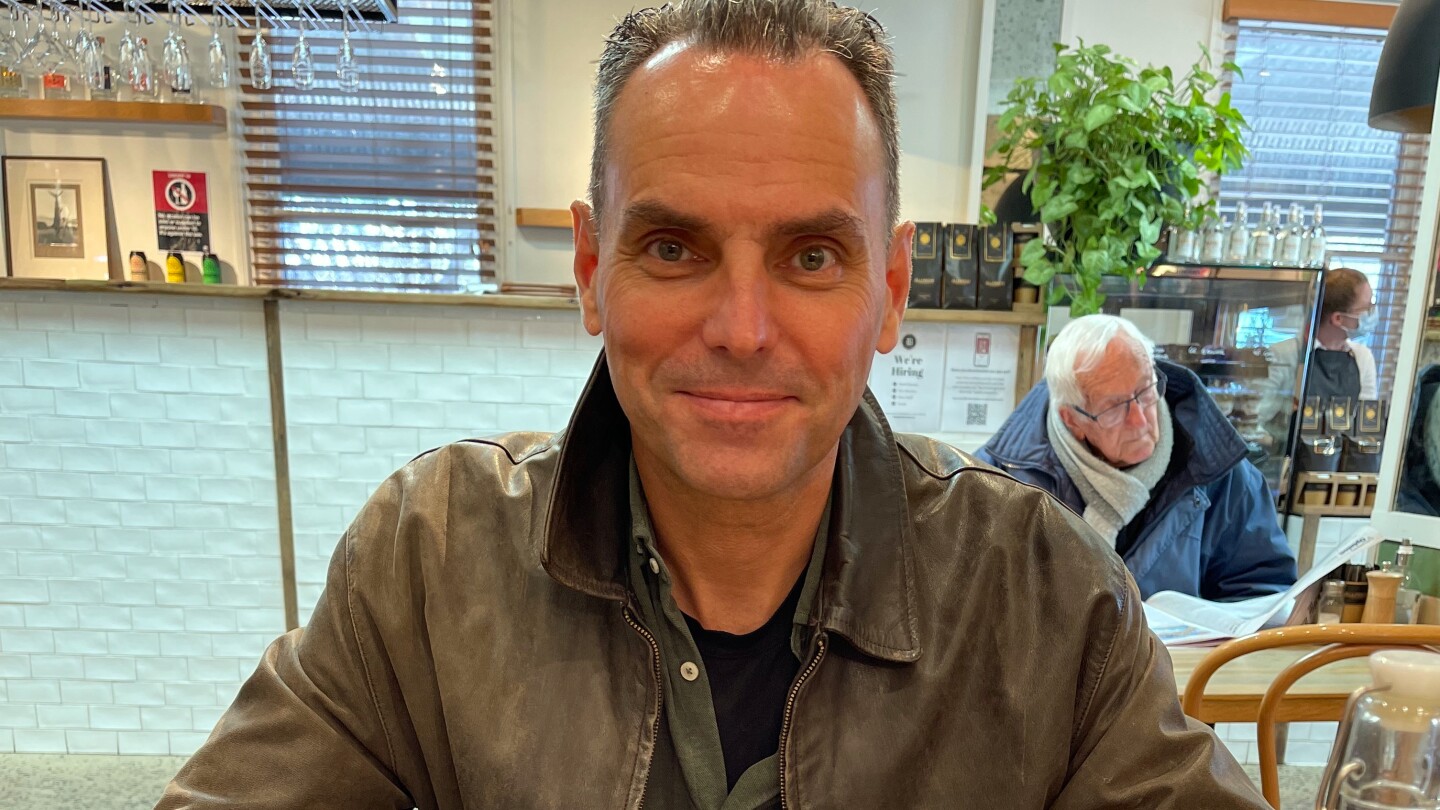
Ex-marine Daniel Duggan appeals extradition to US over claims of training Chinese pilots
In a high-profile legal battle, former U.S. Marine Corps pilot Daniel Duggan has appealed his extradition from Australia to the United States, where he faces allegations of illegally training Chinese military aviators over a decade ago. Duggan, who worked as an instructor at the Test Flying Academy of South Africa in 2012, is accused of providing training to Chinese pilots without obtaining the necessary licenses. The charges stem from a 2016 indictment unsealed in late 2022, which claims Duggan conspired with others and received approximately 88,000 Australian dollars ($61,000) for his services. Duggan appeared in the Australian Federal Court in Canberra to file his appeal, traveling 350 kilometers from a maximum-security prison in Wellington, New South Wales. Justice James Stellios will announce the verdict at a later date. Duggan has vehemently denied the allegations, calling them politically motivated and asserting that he broke no Australian laws. His wife, Saffrine Duggan, has accused the Australian government of complicity in what she describes as an ‘ideological war’ between the U.S. and China. Duggan’s lawyer, Christopher Parkin, argued that it is ‘extraordinary’ for someone to face extradition from Australia for actions allegedly committed in South Africa. Duggan, who became an Australian citizen in 2012 after renouncing his U.S. citizenship, has been in custody since his arrest in 2022. The case continues to draw significant attention amid escalating tensions between the U.S. and China.
-
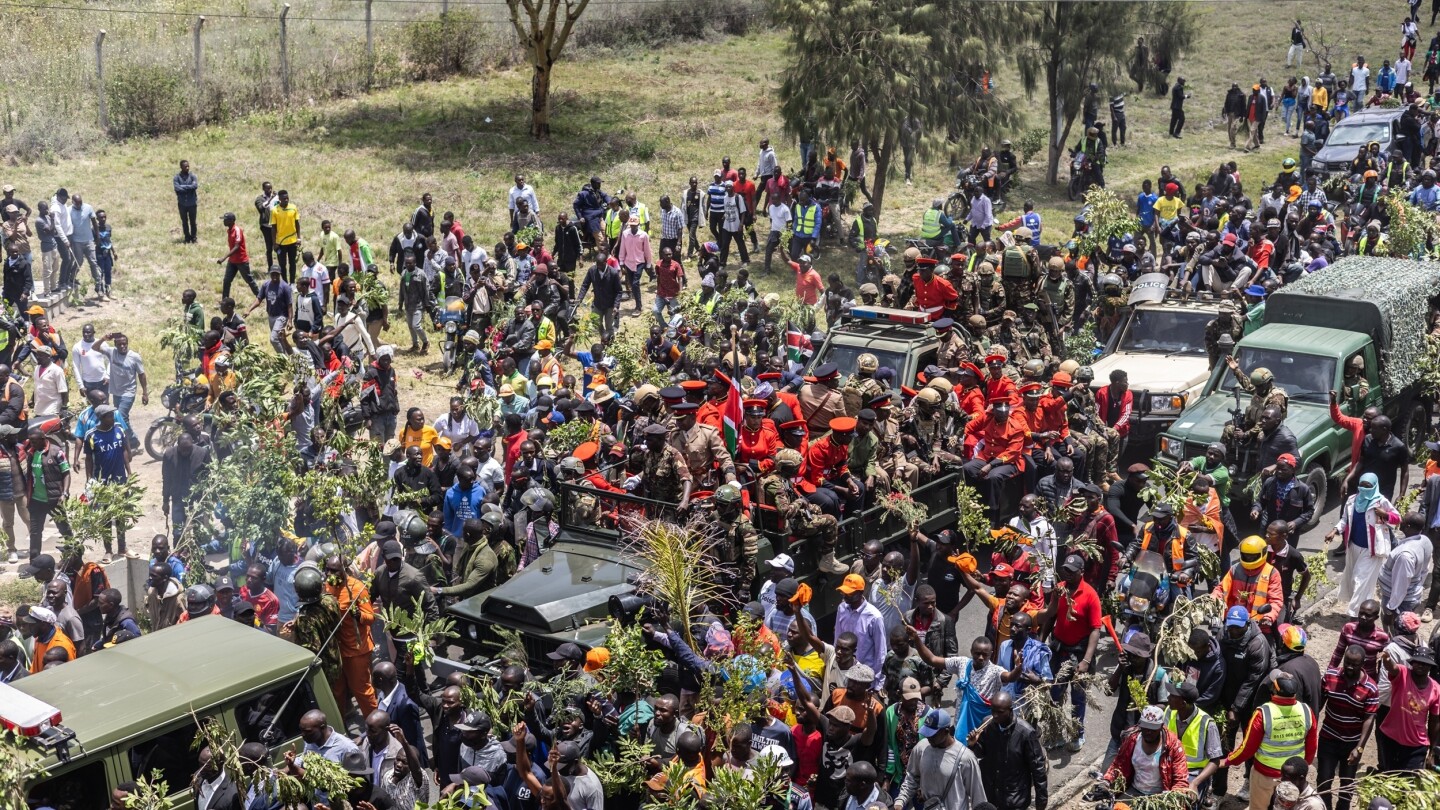
Thousands turn out to receive body of former Kenyan PM Raila Odinga
NAIROBI, Kenya — The nation of Kenya is in deep mourning following the death of Raila Odinga, a towering figure in African politics and former Prime Minister of Kenya. Odinga passed away on Wednesday at the age of 80 in India after collapsing during a morning walk. His body was repatriated to Kenya on Thursday, where thousands of grieving citizens gathered at Jomo Kenyatta International Airport to pay their respects. The airport operations were temporarily halted as mourners lined the runway to witness the arrival of the chartered plane carrying his remains, which was honored with a water cannon salute. Odinga, affectionately known as “Baba” (father) by many, was celebrated for his relentless advocacy for democracy and his role in shaping Kenya’s multiparty system. His death has prompted an outpouring of grief across the nation, with President William Ruto declaring seven days of national mourning. Odinga’s state funeral will be held on Sunday in his rural hometown of Bondo, following public viewings in Nairobi and Kisumu. Despite never securing the presidency, Odinga’s legacy as a unifier and champion of democratic ideals remains indelible. His family has requested a swift burial, adhering to his wishes to be laid to rest within 72 hours.
-
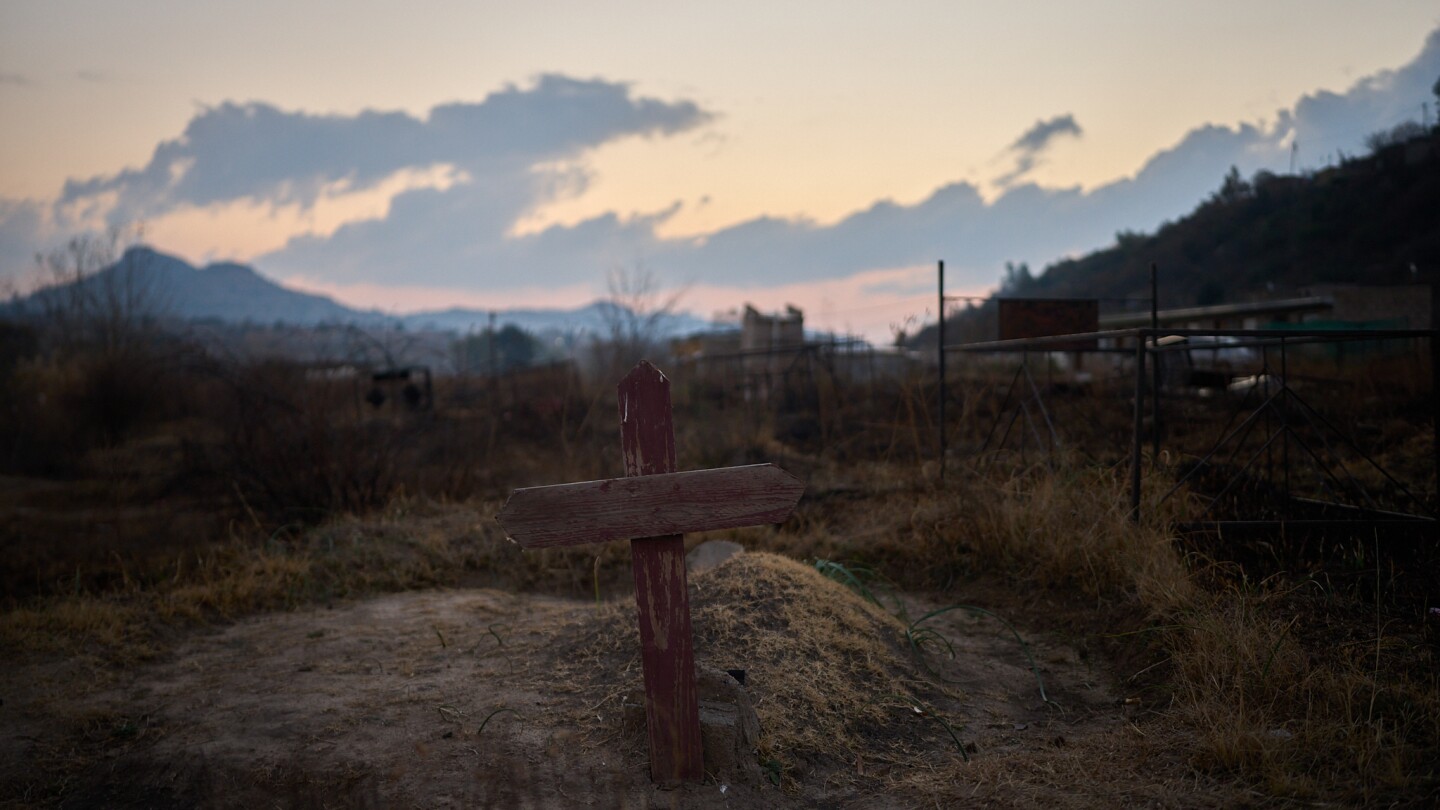
US aid cuts deal a massive blow for the small African nation of Lesotho: Takeaways from AP’s report
The small southern African nation of Lesotho, long plagued by one of the world’s highest HIV infection rates, is grappling with a deepening crisis following significant cuts to U.S. foreign aid. For years, nearly $1 billion in American assistance helped Lesotho build a robust health network that effectively slowed the spread of HIV. However, the decision by former U.S. President Donald Trump to freeze foreign aid and dismantle the U.S. Agency for International Development (USAID) has left the country in chaos. Clinics have shut down, healthcare workers have been laid off, and patients have abandoned treatment, leading to a crumbling healthcare system. Despite the temporary reinstatement of some U.S.-funded programs, the damage has been severe, with experts warning of a potential resurgence of the epidemic. The impact of these cuts is felt most acutely by Lesotho’s 260,000 HIV-positive residents, who now face uncertainty and fear for their futures. Key prevention programs, such as those targeting mother-to-child transmission and high-risk groups, have been halted, and healthcare workers are struggling to provide care through informal networks. The situation has been described as a ‘crime against humanity’ by some advocates, who stress that the progress made over the past two decades is at risk of being undone. While Lesotho’s government has been urged to move toward self-reliance, the immediate need for international support remains critical to prevent further loss of life and to sustain the fight against HIV.
-
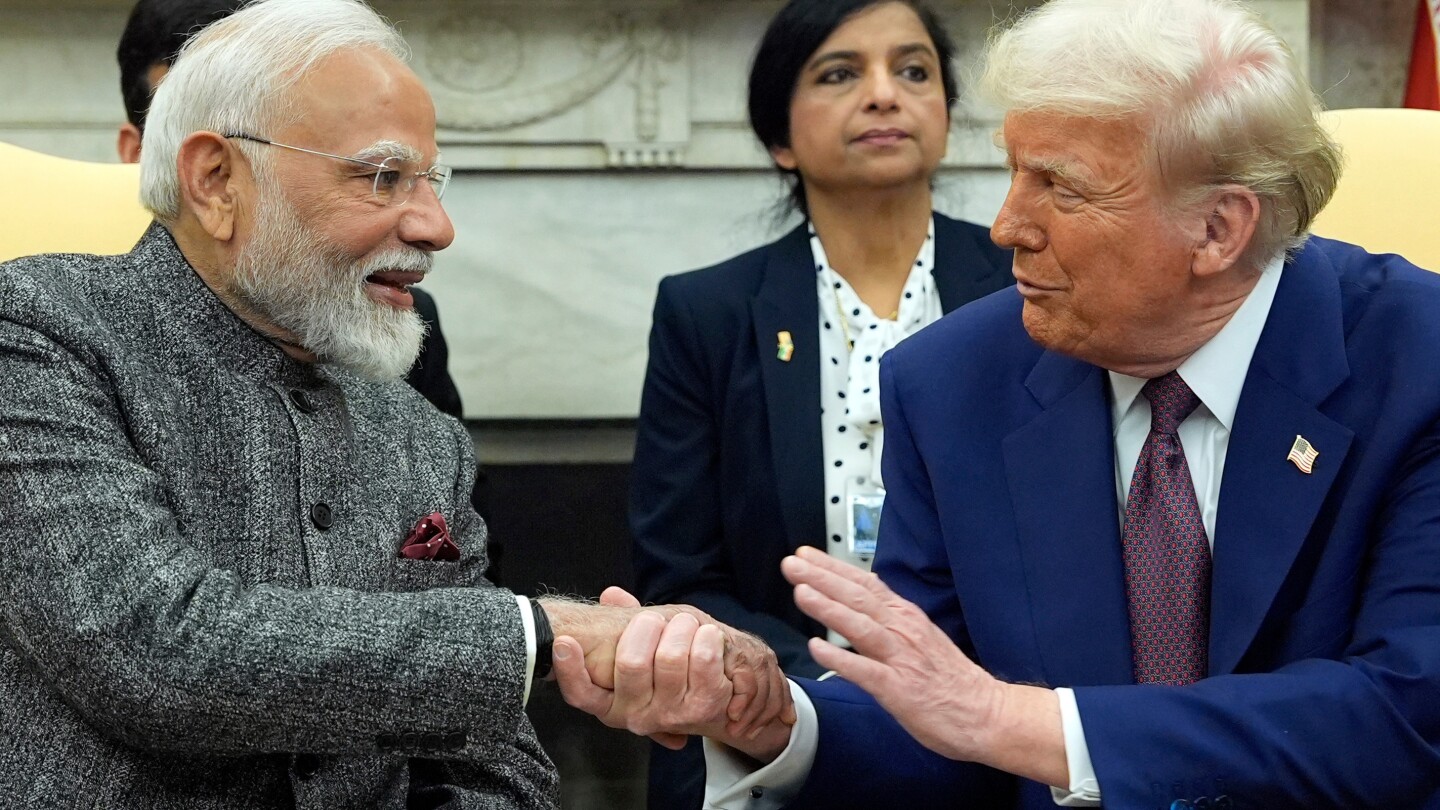
India seeks to import more US oil and gas under pressure from Trump to stop Russian oil purchases
India is actively pursuing increased imports of crude oil and natural gas from the United States as part of its strategy to diversify energy sources and address criticism from U.S. President Donald Trump regarding its purchases of discounted Russian oil. Trump claimed on Wednesday that Indian Prime Minister Narendra Modi had personally assured him India would cease buying Russian oil, a move that could intensify pressure on Moscow to negotiate an end to the Ukraine conflict. However, India’s foreign ministry did not directly address Trump’s remarks, instead emphasizing its commitment to safeguarding Indian consumers’ interests in a volatile energy market.
-

Titan imploded due to poor engineering, say US officials
A comprehensive investigation by the US National Transportation Safety Board (NTSB) has unveiled critical engineering flaws and inadequate testing as the primary causes of the catastrophic implosion of OceanGate’s Titan submersible during its ill-fated journey to the Titanic wreck in June 2023. The incident claimed the lives of all five passengers on board, including OceanGate’s CEO, Stockton Rush. The NTSB report highlights that the submersible’s engineering process was ‘inadequate,’ failing to meet essential strength and durability standards. Furthermore, the company did not conduct sufficient testing to determine the vessel’s actual capabilities, nor was it aware of pre-existing damage that should have grounded the Titan before its final voyage. The submersible disappeared in the North Atlantic, approximately 372 miles from St. John’s in Newfoundland and Labrador, Canada, while attempting to reach the Titanic wreck. Earlier in August, the US Coast Guard had released a scathing report, labeling the incident as ‘preventable’ and condemning OceanGate’s ‘critically flawed’ safety practices. Among the passengers were deep-sea explorer Paul-Henri Nargeolet, Shahzada Dawood, his 19-year-old son Suleman Dawood, and Hamish Harding, each having paid $25,000 for the expedition. The tragedy has raised significant concerns about the safety protocols and engineering standards in deep-sea exploration ventures.