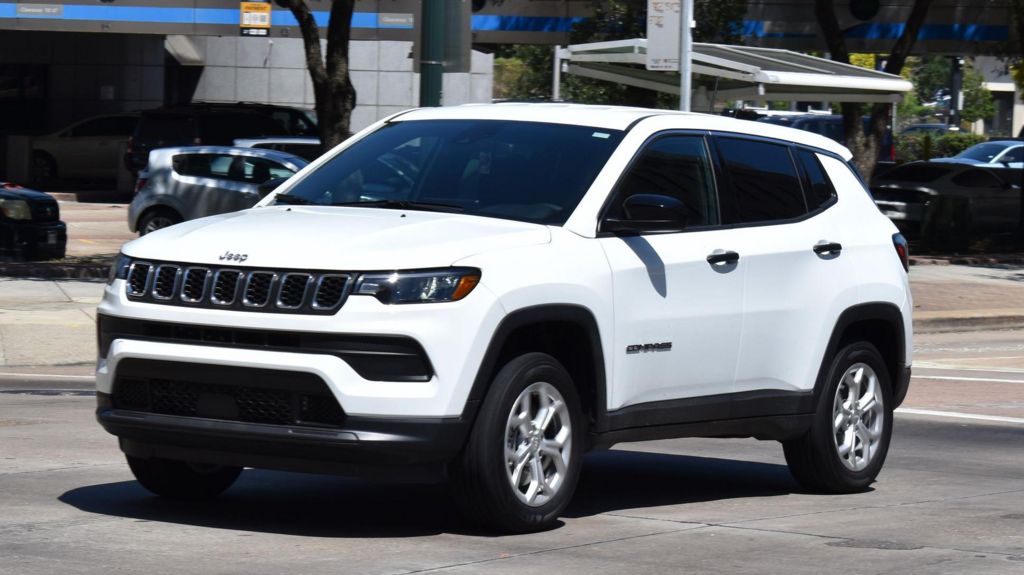
The Canadian government has issued a stern warning to global automotive giant Stellantis, threatening legal action over its decision to relocate the production of the Jeep Compass from Ontario, Canada, to its Illinois plant in the United States. This move comes as part of Stellantis’ $13 billion investment in the US, aimed at bolstering its manufacturing capabilities and creating more American jobs. However, Canada’s Industry Minister, Mélanie Joly, has accused the company of reneging on a ‘legally binding’ commitment to maintain operations in Brampton, Ontario, in exchange for substantial financial support from the Canadian government. Joly emphasized that the government would ‘exercise all options, including legal’ to ensure the agreement is honored. In a letter to Stellantis CEO Antonio Filosa, Joly highlighted the billions of dollars Canada had invested in the company, warning that the relocation could jeopardize the future of the Brampton factory. Filosa, in a statement, described the investment as the largest in the company’s history, focusing on growth and strengthening the US manufacturing footprint, but notably omitted any mention of its Canadian operations. Joly countered by reminding Stellantis of the strong partnership between the company and the Canadian government, recalling how Canada had supported the company during its near-bankruptcy in 2009. Prime Minister Mark Carney also expressed concern, stating that the government is working to protect Stellantis employees in Brampton and explore new local opportunities for them. Stellantis, which owns 14 car brands including Jeep, Alfa Romeo, and Chrysler, operates manufacturing plants across the US, UK, Europe, Canada, Mexico, and South America. The company has previously cited the impact of tariffs imposed by the Trump administration, which cost it $349.2 million in 2018. While President Trump initially introduced car tariffs to boost US manufacturing, he later eased tariffs on foreign car parts. However, a new 10% tariff on Canadian softwood lumber, effective this week, has further strained US-Canada trade relations, with Canadian producers now facing combined tariffs of over 45% due to an ongoing trade dispute.
博客
-
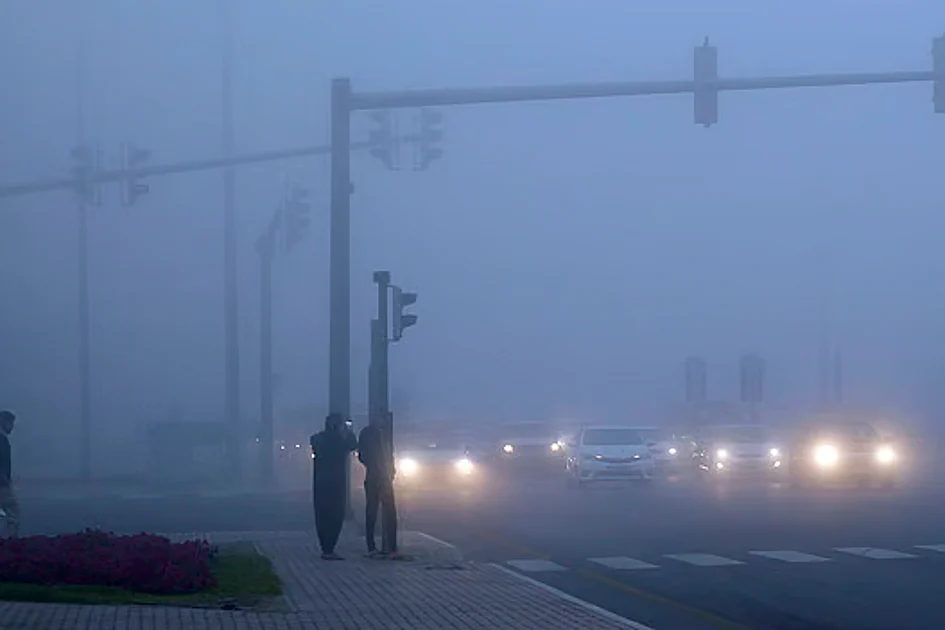
UAE weather: Red alert issued for thick fog; temperatures to dip to 18ºC in some areas
The National Centre of Meteorology (NCM) has issued red and yellow alerts across various regions in the UAE due to thick fog, significantly reducing visibility. Motorists are advised to exercise extreme caution, particularly in areas where fog is prevalent. The Abu Dhabi Police has temporarily lowered speed limits on certain roads and urged drivers to adhere to the updated limits displayed on electronic boards. The weather forecast predicts fair to partly cloudy conditions, with convective clouds expected in the east and south by the afternoon. Humidity is likely to increase by night and early Friday morning, particularly in coastal and internal areas, potentially leading to fog or mist formation. Temperatures are set to vary widely, with mountainous regions experiencing lows of 18ºC, while internal areas could see highs of 39ºC. In Dubai, temperatures will range between 28ºC and 35ºC, Sharjah between 25ºC and 37ºC, and Abu Dhabi between 27ºC and 36ºC. Light to moderate winds are expected, occasionally freshening throughout the day.
-
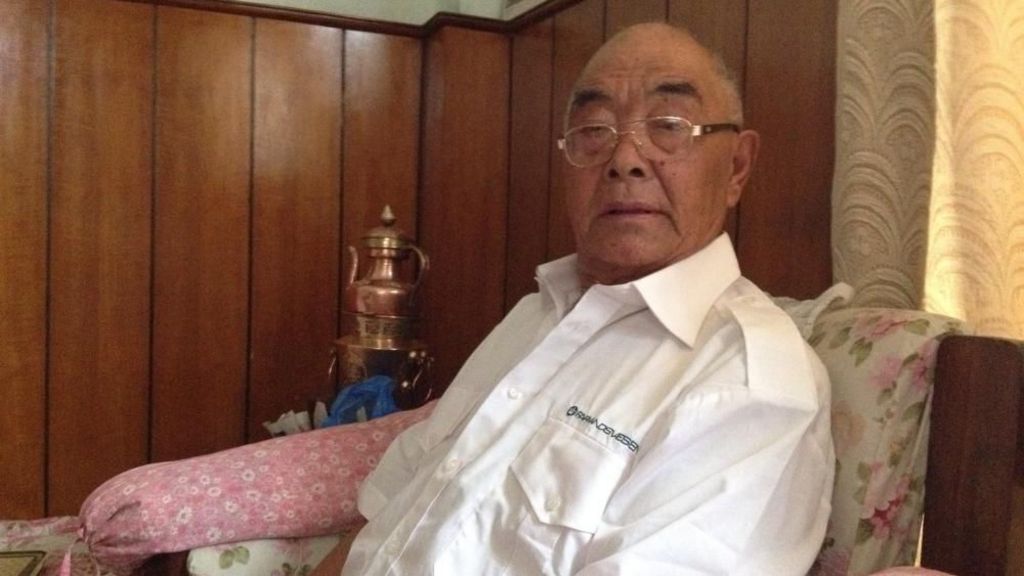
Last surviving member of first team to scale Everest dies aged 92
Kanchha Sherpa, the final surviving member of the pioneering 1953 Mount Everest expedition, has passed away at the age of 92 in Kathmandu, Nepal. His family confirmed that he had been unwell in recent times. Sherpa was just 19 years old when he joined the legendary team led by Sir Edmund Hillary and Tenzing Norgay, which achieved the first successful ascent of the world’s highest peak. Despite having no prior mountaineering experience, Sherpa served as a porter on the 35-member expedition, carrying essential supplies such as food, tents, and equipment to the base camp during the grueling two-week journey. Remarkably, he was one of only three Sherpas to surpass the 8,000-meter mark (26,247 feet) during the climb. Sherpa’s contributions to mountaineering earned him widespread admiration, with fellow Nepali guides hailing him as a legend and a source of inspiration. After the historic expedition, he continued working as a high-altitude porter in the Himalayas for two more decades before retiring at the request of his wife, who urged him to cease the perilous climbs. His legacy remains an enduring testament to the courage and resilience of the Sherpa community in the world of mountaineering.
-
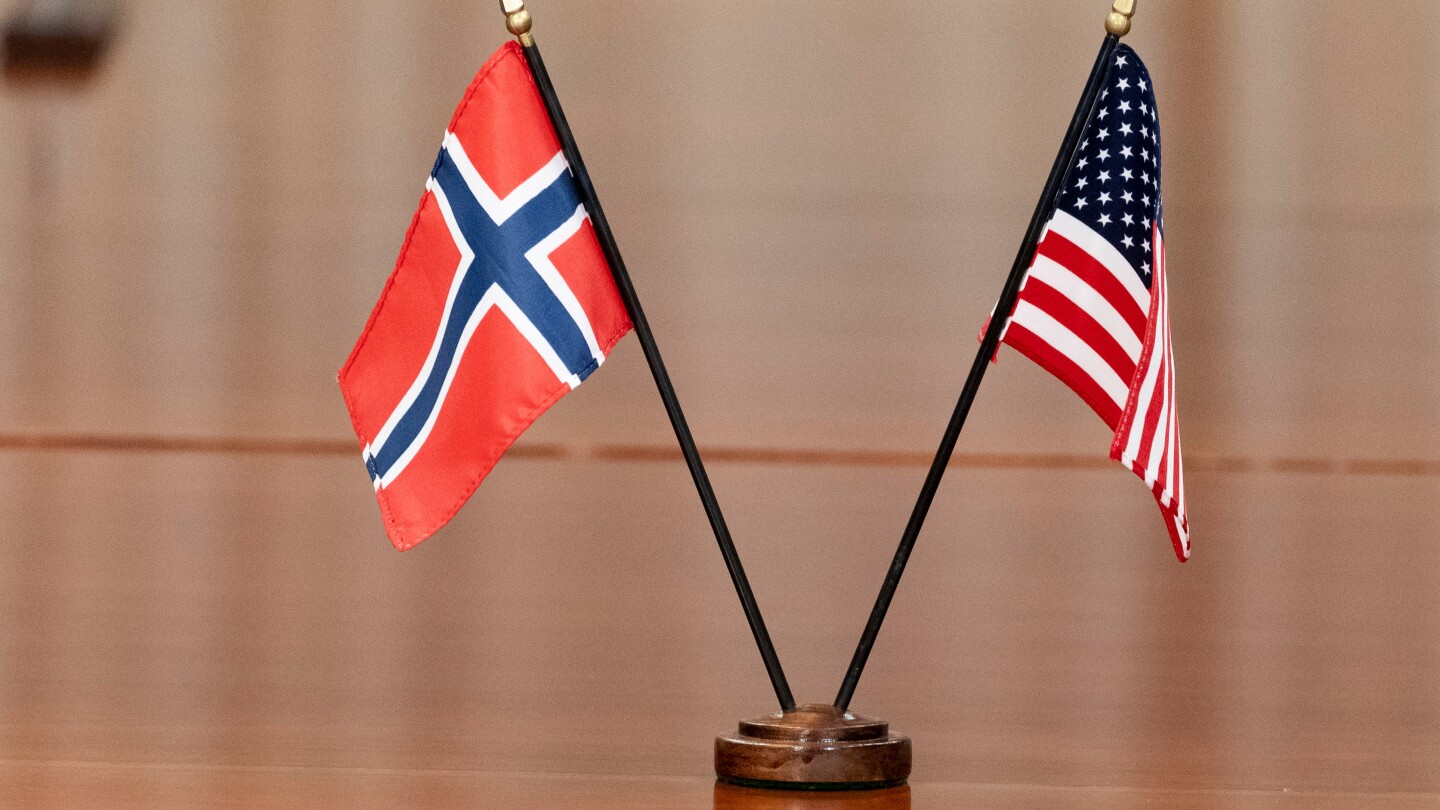
A former security guard at the US Embassy in Norway is convicted of spying for Russia and Iran
A former security guard at the U.S. Embassy in Norway has been convicted of espionage after a court in Oslo found him guilty of spying for Russia and Iran. The 28-year-old Norwegian national, whose identity remains undisclosed, was sentenced to three years and seven months in prison. While he admitted to the facts of the indictment, he denied any criminal wrongdoing. Prosecutors revealed that he had shared sensitive information, including details about embassy diplomats, floor plans, and security protocols, with foreign agents. According to Norwegian state broadcaster NRK, the man’s actions were reportedly influenced by American ties to Israel and the Gaza conflict. His defense attorneys argued that the information he provided was of minimal value, likening his access to that of a janitor. They also questioned the legal definition of espionage under Norwegian law. The defendant was convicted on five espionage charges but acquitted of gross corruption. Both the defense and prosecution are considering appeals, with the latter seeking a harsher sentence than the three-and-a-half-year term imposed. The case marks the second espionage incident involving Norway’s Arctic University, UiT, in recent years. Norway, which shares a 198-kilometer Arctic border with Russia, has tightened restrictions on Russian nationals since the 2022 invasion of Ukraine and is contemplating building a fence along the border.
-
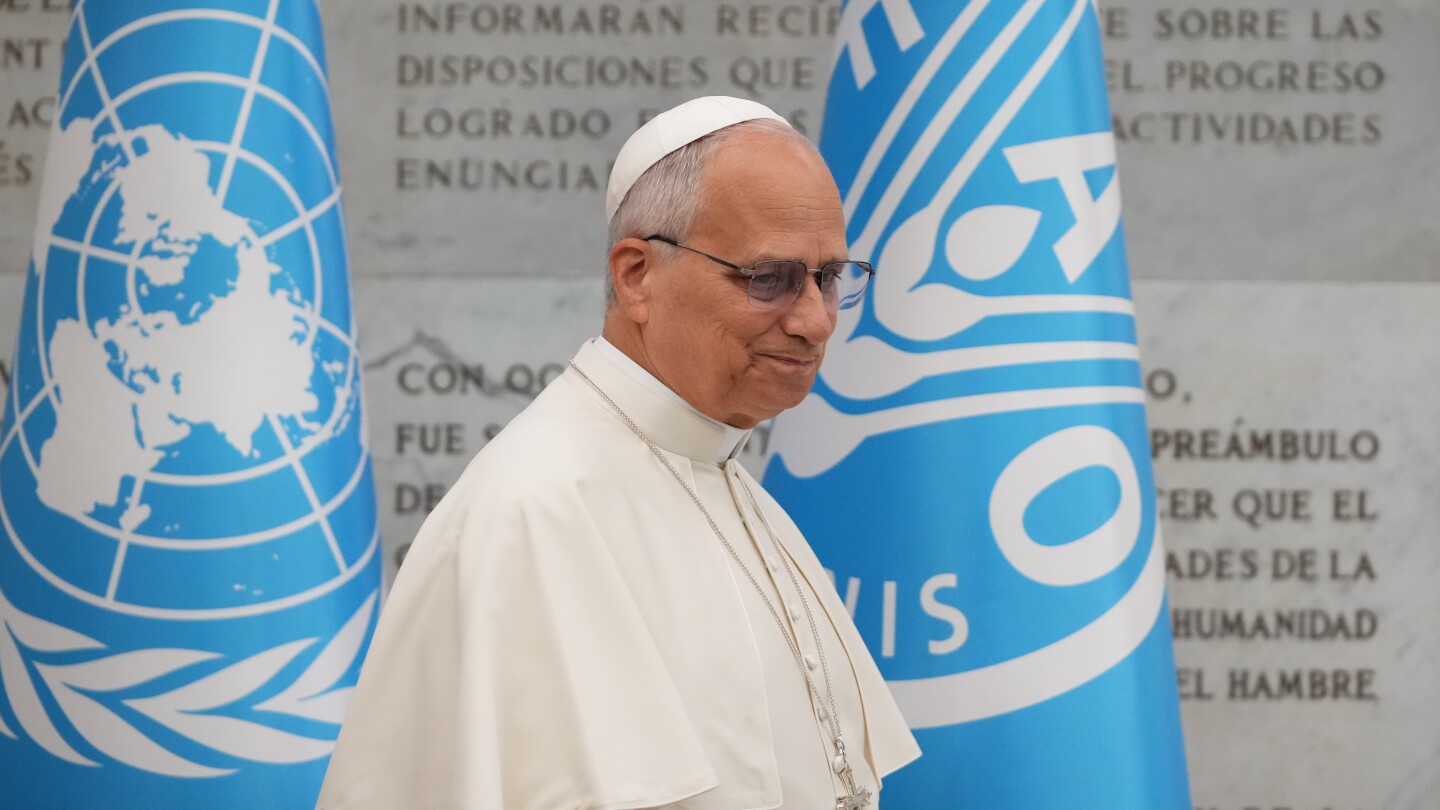
Pope Leo urges world leaders ‘not to look the other way’ in fighting global hunger
In a powerful address during the World Food Day global ceremony at the U.N. Food and Agriculture Organization’s headquarters in Rome, Pope Leo XIV urged world leaders to take responsibility for addressing the escalating crises of hunger, war, and suffering worldwide. The event also commemorated the 80th anniversary of the FAO. The pontiff emphasized the need for the international community to confront global food emergencies head-on, rather than turning a blind eye. He specifically highlighted the ongoing conflicts in Ukraine, Gaza, Haiti, Afghanistan, Mali, the Central African Republic, Yemen, and South Sudan, underscoring the dire consequences of inaction. Citing U.N. statistics, Pope Leo revealed that approximately 673 million people globally suffer from insufficient daily food intake. He challenged the global community to reevaluate their lifestyles and priorities, stating, ‘The hungry faces of so many who still suffer challenge us and invite us to reexamine our lifestyles, our priorities, and our overall way of living in today’s world.’ The pope concluded his speech by urging collective empathy, declaring, ‘We must make their suffering our own.’ Pope Leo also condemned the use of hunger as a weapon of war, labeling it a ‘collective failure, an ethical derailment, and a historic offence.’ His warning comes as U.N. food aid agencies face significant funding cuts, particularly from the U.S. and other Western donors, threatening operations in critical regions and potentially pushing millions into emergency hunger levels. The World Food Program reported that 13.7 million recipients of its aid could face severe food insecurity due to these cuts, with Afghanistan, Congo, Haiti, Somalia, South Sudan, and Sudan at the greatest risk.
-
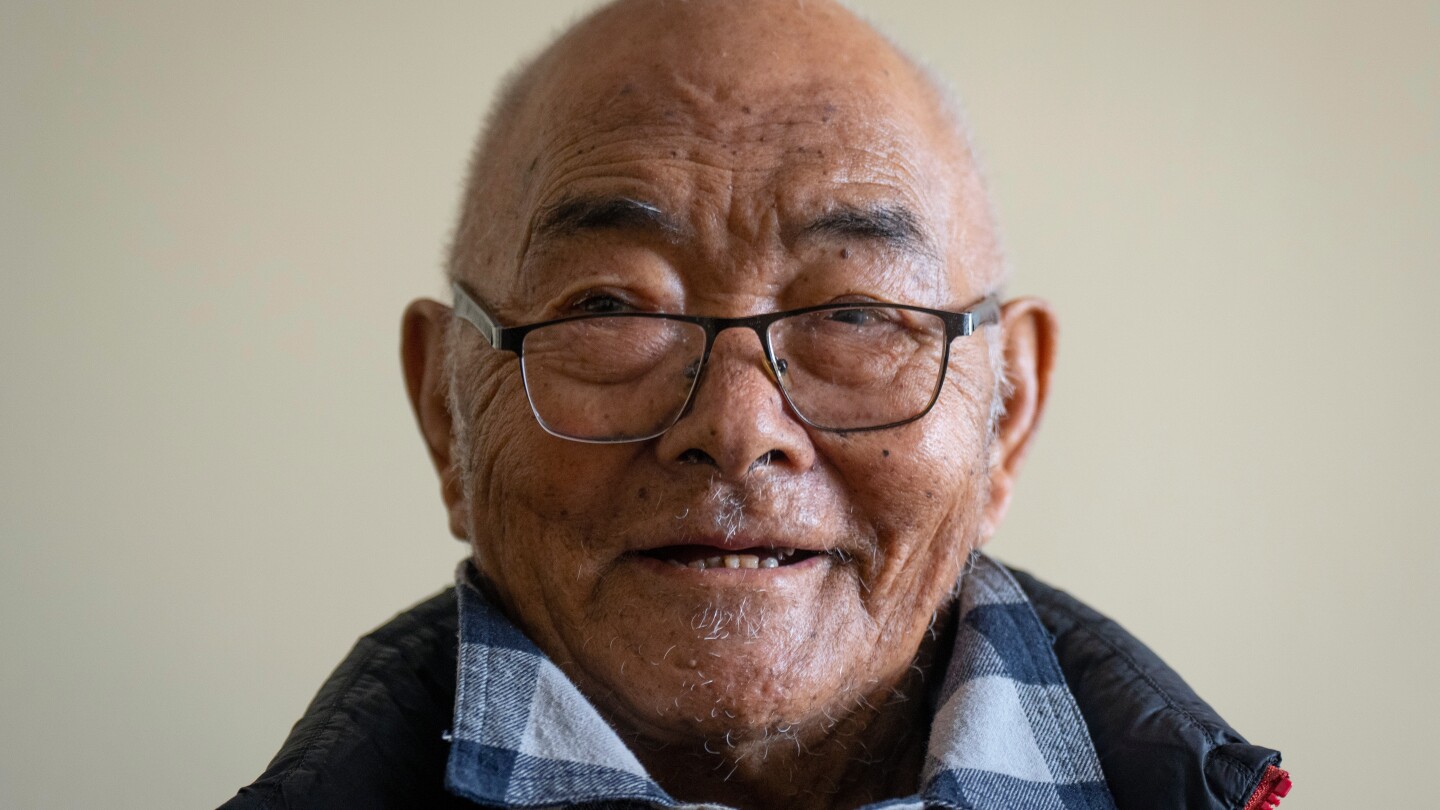
Kanchha Sherpa, last surviving member of 1953 Mount Everest expedition, dies at 92
Kanchha Sherpa, the sole surviving member of the historic 1953 expedition that first summited Mount Everest, passed away peacefully at his home in Kapan, Kathmandu, on Thursday. He was 92 years old. The Nepal Mountaineering Association confirmed his death, with President Phur Gelje Sherpa describing it as the end of a significant chapter in mountaineering history. Kanchha had been unwell for some time before his passing. His last rites are scheduled for Monday. Born in 1933 in Namche Bazar, the gateway to Everest, Kanchha began his mountaineering career at 19 and remained active in the field until he was 50. He was one of three Sherpas who reached the final camp before Edmund Hillary and Tenzing Norgay made their historic ascent to the 8,849-meter peak on May 29, 1953. In a March 2024 interview with The Associated Press, Kanchha expressed concerns about overcrowding and environmental degradation on Everest, urging climbers to respect the mountain, which Sherpas revere as Qomolangma, or the goddess mother of the world. He is survived by his wife, four sons, two daughters, and grandchildren.
-
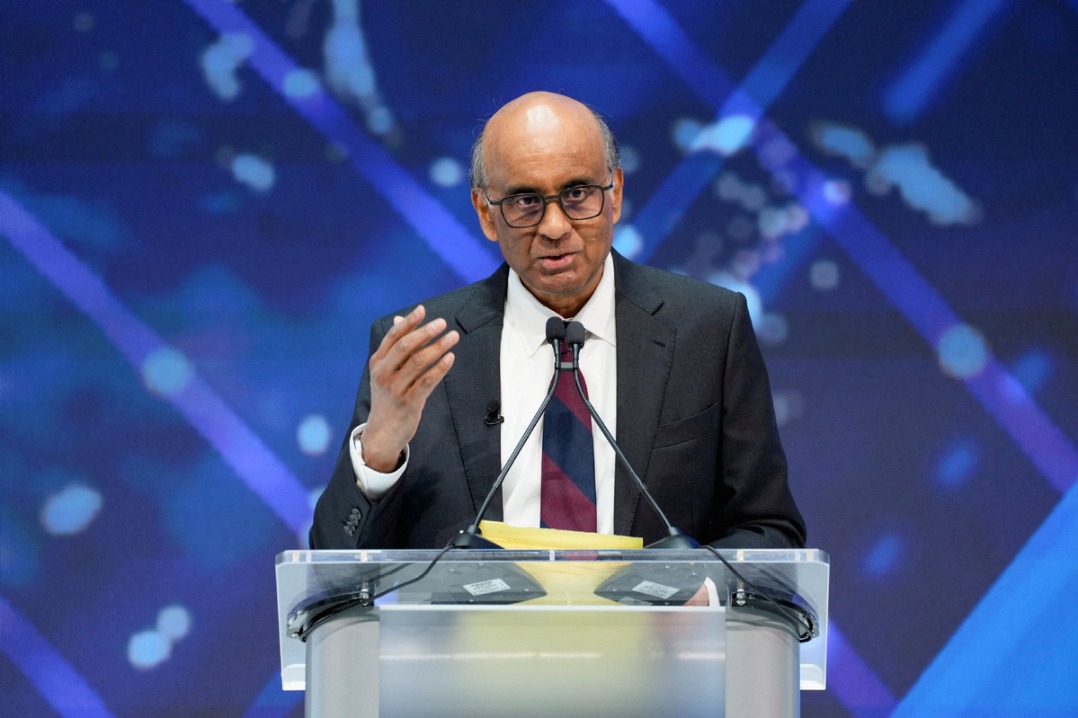
Pragmatic vision urged for US–China ties
Singaporean President Tharman Shanmugaratnam has called for a pragmatic approach to managing US-China relations, emphasizing the potential for global progress through effective interaction between the world’s two largest economies. Speaking at the IMF/World Bank Annual Meetings in Washington on October 15, 2025, Tharman highlighted the need to transform competition into a shared space of innovation and mutual benefit. Drawing an analogy from ecology, he described the US-China relationship as an ‘ecotone’—a dynamic interface where different systems interact, adapt, and create new opportunities. Tharman warned against the dangers of decoupling, which could lead to bifurcation in technology, supply chains, and AI ecosystems, resulting in a ‘more profoundly dangerous’ world. Instead, he urged both nations to manage interdependence through trade, investment, and technological collaboration, particularly in areas like health, AI, and climate technologies. He also called on smaller nations to play intermediary roles in stabilizing relations and fostering innovation. Tharman stressed the importance of long-term thinking, urging policymakers to look beyond short-term tensions. He concluded with a call for renewed multilateralism and moral leadership, emphasizing that history shows breakthroughs are possible even in times of crisis. His remarks resonated with IMF Managing Director Kristalina Georgieva’s emphasis on ‘enlightened self-interest’ as a driver of international cooperation. US Treasury Secretary Scott Bessent also reiterated the US’s commitment to ‘de-risk’ rather than decouple from China.
-
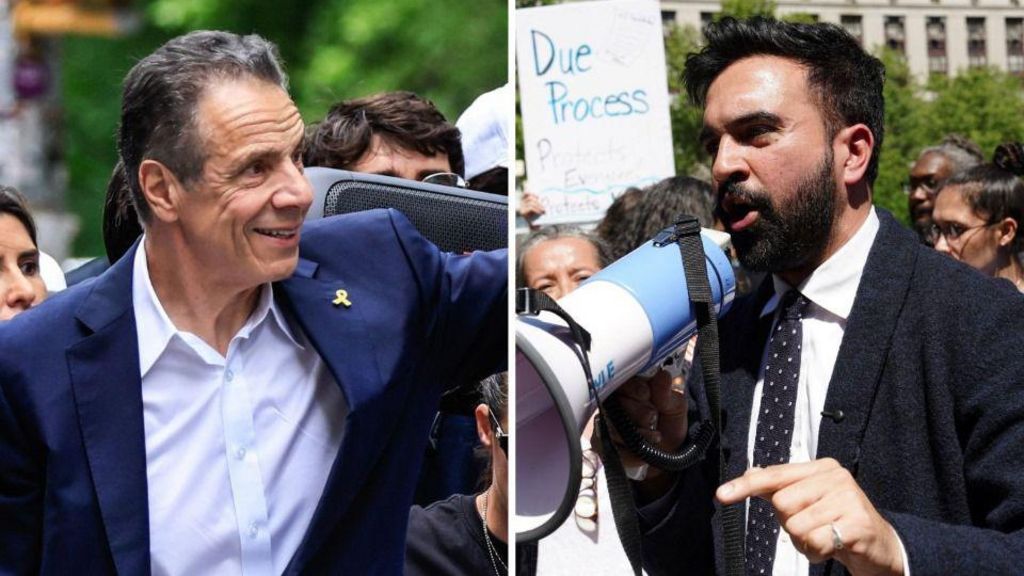
Zohran Mamdani and Andrew Cuomo to meet for first New York mayoral debate
The race for New York City’s next mayor has captured national attention, with three distinct candidates set to face off in a live televised debate at Rockefeller Plaza on Thursday. The contenders represent a wide spectrum of political ideologies, making this election one of the most unpredictable in recent history. Zohran Mamdani, a 33-year-old Democratic socialist and state assemblyman, has emerged as the frontrunner, shocking his party by winning the Democratic primary by a significant margin in June. His progressive platform, which includes free bus service and city-owned grocery stores, has resonated with young voters and garnered endorsements from prominent figures like Senator Bernie Sanders and Representative Alexandria Ocasio-Cortez. However, his candidacy has also sparked controversy, with former President Donald Trump labeling him a ‘communist’ and threatening to withhold federal funding if he is elected. Andrew Cuomo, the former New York governor who resigned in 2021 amid a sexual harassment scandal, is running as an independent. Despite his years of experience and legislative achievements, including marriage equality and gun control, Cuomo faces skepticism from voters disillusioned with the political establishment. Curtis Sliwa, the Republican candidate and founder of the Guardian Angels, remains a wildcard in the race. Known for his crime-fighting efforts and signature red beret, Sliwa could influence the outcome by drawing voters who are wary of Mamdani’s progressive policies. The debate is expected to focus on critical issues such as affordable housing and the city’s $4 billion budget deficit. As New Yorkers prepare to cast their votes in early November, the election represents a pivotal moment for the city’s future, with each candidate offering a vastly different vision for its direction.
-

Labuschagne hits another ton to push for Ashes recall
Marnus Labuschagne has reignited his cricketing career with a remarkable fourth century in just five innings, strengthening his case for a return to Australia’s Ashes squad. The 31-year-old batsman delivered a commanding 159 on the second day of Queensland’s Sheffield Shield match against South Australia. This performance follows his impressive scores of 130 and 105 in Australia’s domestic 50-over competition and a 160 in the previous round of red-ball matches. Labuschagne, who boasts 11 centuries in 58 Tests, was notably omitted from Australia’s three-Test series against the West Indies earlier this summer due to a slump in form. His last Test century dates back to the fourth Test of the 2023 Ashes, with an average of 24.74 over 30 subsequent innings. Despite his resurgence, Labuschagne’s return alone may not address all the batting concerns for Australia’s first Test against England in Perth on November 21. In his most recent Test, the World Test Championship final loss to South Africa, he scored 17 and 22 after being promoted to open. Currently batting at number three for Queensland, his traditional position, Australia still faces a dilemma in finding a reliable opener. Youngster Sam Konstas, who managed only 50 runs across six innings in the West Indies, has struggled in domestic cricket this season. Meanwhile, uncapped opener Jake Weatherald made a strong case with a 99-ball 94 in a low-scoring match against Western Australia. If Labuschagne were to open, it could allow Cameron Green to bat at number three, retaining all-rounder Beau Webster in the middle order, though Green has only one fifty in eight innings in that position. Webster is currently sidelined with an ankle injury, while Green is part of Australia’s squad for the upcoming three-match ODI series against India. The Ashes series between Australia and England is set to run from November 21, 2025, to January 7, 2026, with comprehensive coverage available on BBC Sounds, BBC Radio 5 Sports Extra, and the BBC Sport website and app.
-
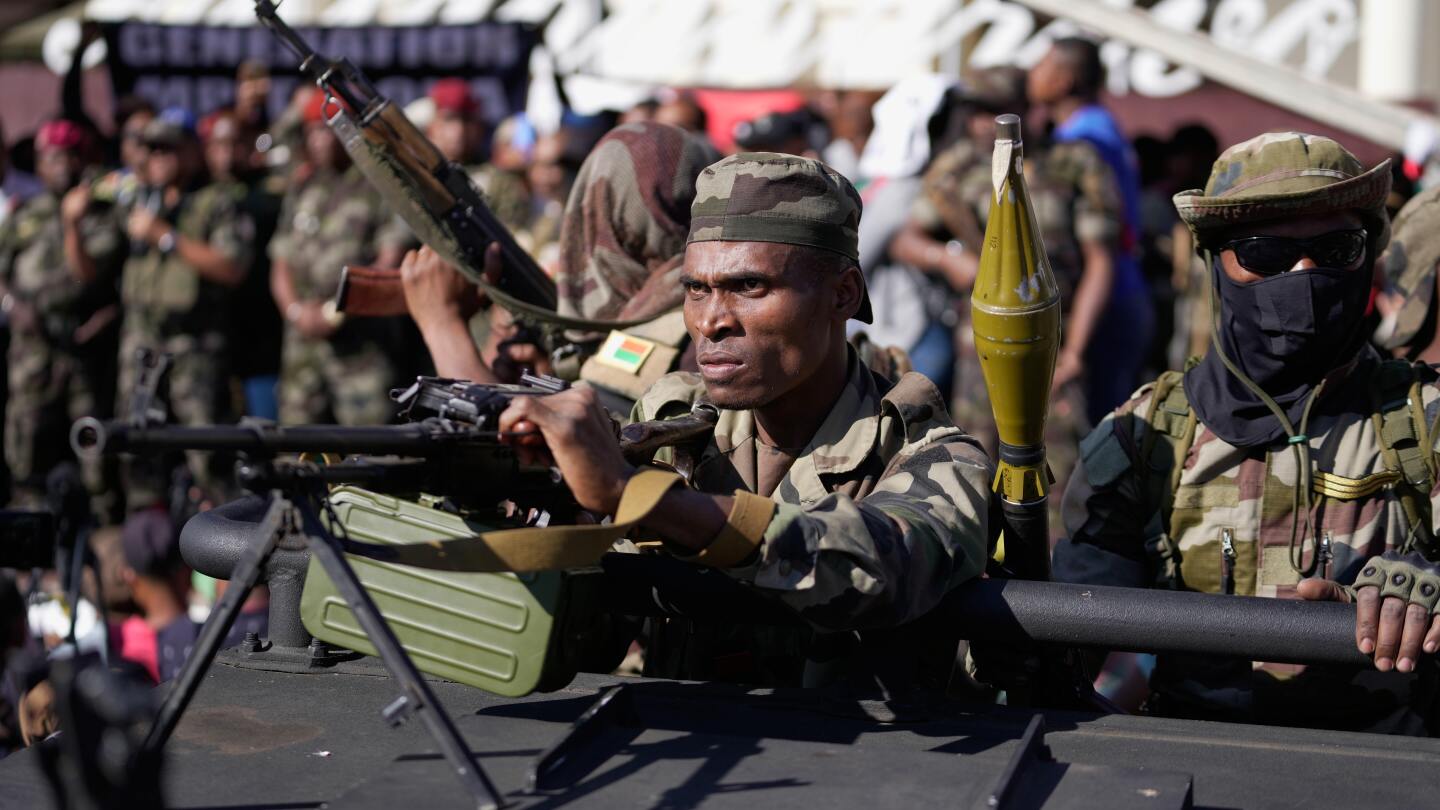
A timeline of all the major events in Madagascar’s military coup
ANTANANARIVO, Madagascar — The Indian Ocean island nation of Madagascar has witnessed a dramatic shift in power as the military staged a coup, ousting President Andry Rajoelina, who has since fled the country. This political upheaval marks a significant chapter in the history of the former French colony off Africa’s east coast. Below is a detailed timeline of the events leading to the military takeover:
**September 25: Youth Protests Erupt**
Thousands of young Madagascans, frustrated by chronic water and power shortages, took to the streets to protest against the government. Security forces responded with tear gas and rubber bullets, escalating tensions. The movement, dubbed ‘Gen Z Madagascar,’ gained momentum online, with their Facebook page amassing over 100,000 followers. Nighttime curfews were imposed in the capital, Antananarivo, and other major cities.**September 29: President Dissolves Government**
In an attempt to quell the unrest, President Rajoelina dismissed his prime minister and the entire Cabinet, claiming to address the grievances of the youth. However, the protests expanded, fueled by broader concerns such as the rising cost of living, unemployment, and allegations of corruption and nepotism. The United Nations reported at least 22 fatalities during the initial protests, attributing the violence to the security forces’ harsh crackdown on what began as peaceful demonstrations.**October 8: President’s Offer Rejected**
Rajoelina called for dialogue, inviting youth protesters and civic groups to talks. However, the protesters rejected the offer, vowing to continue their demonstrations and refusing to engage with a government they accused of killing its own citizens.**October 11: Military Rebellion**
The crisis reached a turning point when an elite military unit rebelled against Rajoelina, joining the protesters. Led by Colonel Michael Randrianirina, the soldiers marched with demonstrators to a key square in Antananarivo, historically significant for past uprisings. Randrianirina declared his unit’s refusal to suppress the protests and called for Rajoelina’s resignation, earning cheers from the crowd. Rajoelina’s whereabouts remained unknown.**October 12: Coup Leader Asserts Authority**
Randrianirina began consolidating power, claiming control over Madagascar’s armed forces and appointing a new military general. The defense minister’s acceptance of this move signaled Randrianirina’s growing authority. Rajoelina broke his silence, denouncing the military’s actions as an ‘illegal attempt to seize power,’ but his location remained undisclosed.**October 13: President Speaks from Hiding**
Rajoelina addressed the nation via social media, revealing he had fled Madagascar after learning of an assassination plot. He asserted his legitimacy as the country’s leader and called for constitutional adherence but provided no details about his location.**October 14: Military Announces Takeover**
Rajoelina attempted to dissolve parliament to prevent his impeachment, but lawmakers ignored his decree and voted overwhelmingly to remove him from office. Shortly after, Randrianirina, flanked by soldiers, announced the military’s assumption of power. He declared that a military council would govern the country for at least 18 months before new elections.**October 15: Randrianirina to Assume Presidency**
Randrianirina confirmed he would assume the presidency and planned to take the oath of office at the country’s highest court. This move solidifies the military’s control over Madagascar, marking a new era in the nation’s political landscape.