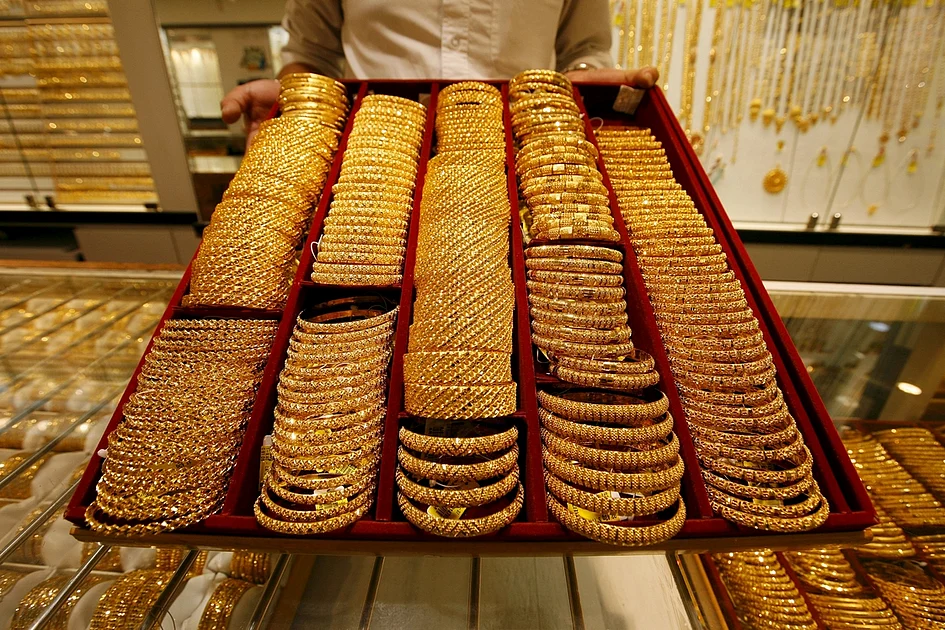
Gold prices in Dubai have surged to unprecedented levels, with 24K gold reaching Dh510 per gram on Thursday, marking a significant increase of Dh25.75 over the week. This upward trend has been consistent, setting new record highs for four consecutive days. Similarly, 22K gold rose to Dh472.25 per gram, reflecting a Dh24 increase since the beginning of the year. Other variants, including 21K and 18K, were trading at Dh452.75 and Dh388.25 per gram, respectively, at the market opening on Thursday. Globally, spot gold was priced at $4,231.5 per gram, up by over one percent. According to Pepperstone, a leading brokerage firm, gold’s remarkable rally continues, driven by a weaker dollar and expectations of rate cuts. The metal has seen a 15 percent surge over the past month, with minimal pullbacks, indicating strong demand from both institutional and retail investors. Analysts suggest that gold is increasingly viewed as a core component of diversified portfolios, particularly amid concerns over elevated US equity valuations and potential tech bubbles. While short-term pullbacks may occur, the broader trend remains firmly upward.
博客
-
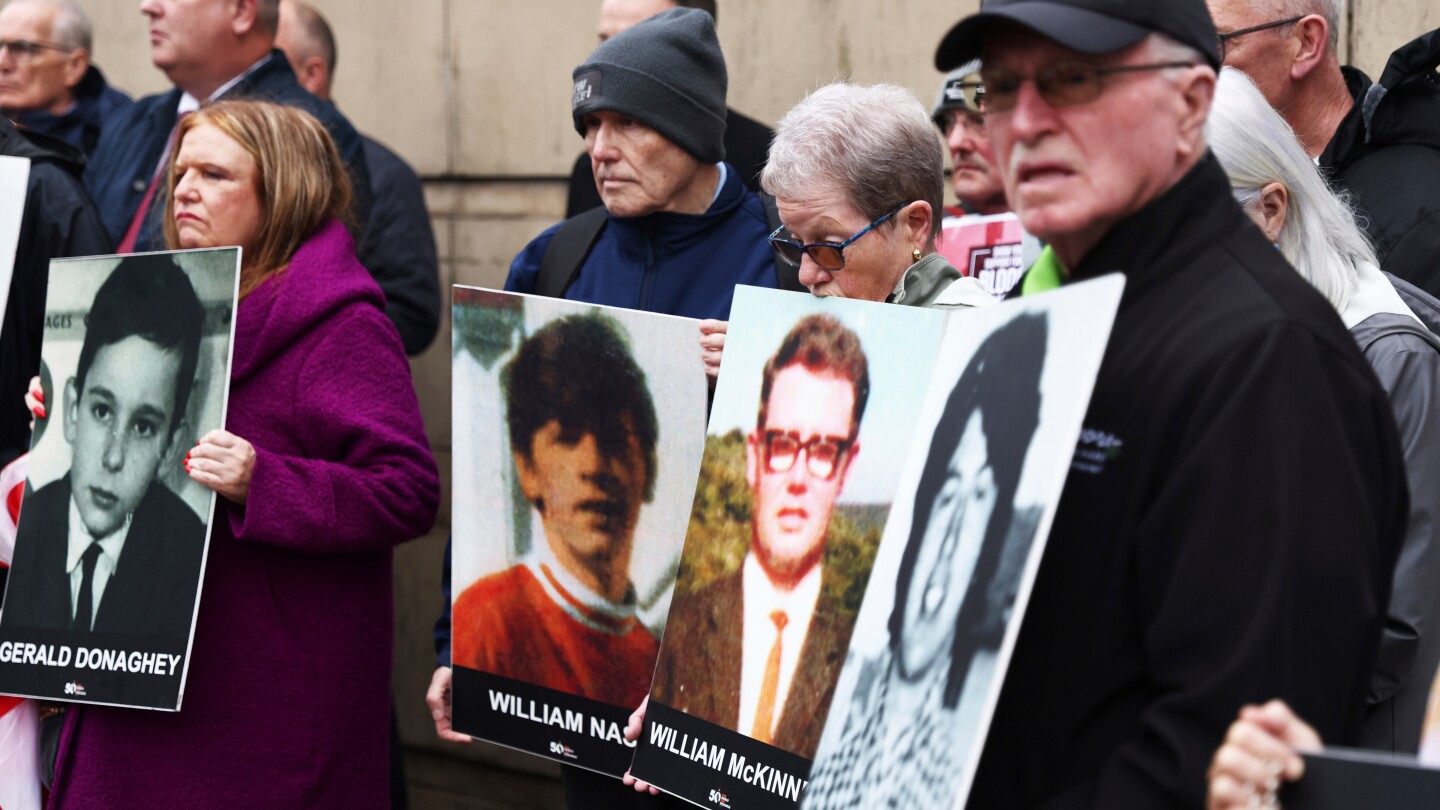
Lawyer urges judge to acquit British ex-soldier in 1972 Bloody Sunday killings in Northern Ireland
In a dramatic closing argument, defense lawyer Mark Mulholland urged a judge to acquit Soldier F, the only British soldier charged in the 1972 Bloody Sunday massacre. Mulholland asserted that the prosecution’s case was ‘fundamentally flawed and weak,’ relying on unreliable evidence from ‘fabricators and liars.’ The former lance corporal, whose identity remains protected, faces two counts of murder and five counts of attempted murder for his alleged role in the Jan. 20, 1972, shooting in Londonderry, also known as Derry, which left 13 dead and 15 wounded. The incident marked one of the darkest chapters in the sectarian violence known as ‘The Troubles.’ Mulholland rested his case without presenting evidence or calling his client to testify, instead challenging the credibility of inconsistent statements from fellow soldiers and fading memories of witnesses. Judge Patrick Lynch denied the defense’s request to dismiss the charges and is set to deliver his verdict on Oct. 23. The trial, held at Belfast Crown Court, has reignited tensions over accountability for the massacre. Families of the victims continue to seek justice, while supporters of army veterans argue that soldiers have been unfairly targeted. The prosecution, led by Louis Mably, contends that Soldier F and his fellow troops opened fire on unarmed civilians fleeing the scene. A 2010 inquiry overturned an earlier exoneration of the soldiers, leading to the eventual prosecution of Soldier F. The defense unsuccessfully sought to exclude hearsay statements from deceased Soldier G and Soldier H, who refused to testify. Soldier F, who pleaded not guilty, maintains he has no ‘reliable recollection’ of the events but insists he acted properly. The case underscores the lingering scars of Northern Ireland’s troubled history, even decades after the 1998 Good Friday peace accord.
-
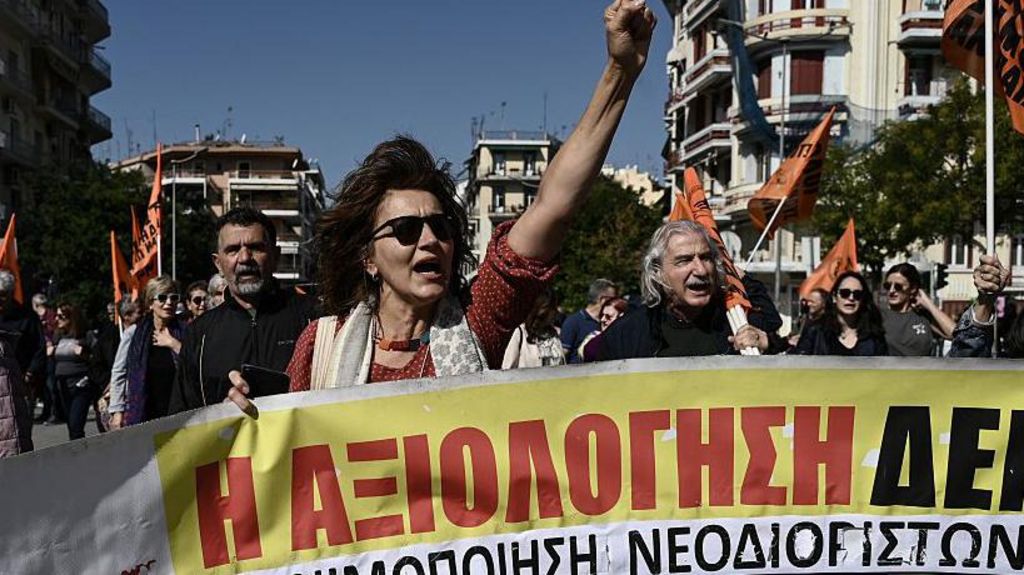
Greece passes labour law allowing 13-hour workdays in some cases
Greece’s parliament has passed a contentious labor reform bill permitting 13-hour workdays, sparking widespread protests and strikes across the nation. The government argues the legislation modernizes labor laws, aligning them with contemporary market demands. However, opposition parties, including the left-wing Syriza, have condemned the bill as a ‘legislative monstrosity’ that undermines workers’ rights. The new law caps annual overtime at 150 hours and maintains the standard 40-hour workweek. It also stipulates that extended workdays are optional, limited to the private sector, and applicable for no more than 37 days annually. The ruling center-right New Democracy party supported the bill, while the center-left Pasok party opposed it, and Syriza abstained. Labor Minister Niki Kerameus defended the reforms, stating they comply with EU working-time rules, which allow flexibility over a 12-month period. The law permits workers to opt for additional hours with a 40% pay increase and protects them from dismissal for refusing overtime. Critics, including public-sector union ADEDY, argue the reforms erode the eight-hour workday, disrupt family life, and legitimize worker exploitation. Greece, still recovering from its decade-long debt crisis, has among the lowest wages and living standards in the EU. The country recently introduced a six-day workweek for certain industries to stimulate economic growth. Despite these measures, Greek employees already work longer hours than most Europeans, earning less and struggling financially. Unemployment remains higher than the EU average, highlighting ongoing economic challenges.
-

US judge halts mass layoffs during government shutdown as Trump threatens 10,000 jobs
A federal judge has intervened to halt the mass layoffs of government employees during the ongoing US government shutdown, which has now entered its third week. The decision came after President Donald Trump’s administration announced plans to terminate up to 10,000 federal workers. District Judge Susan Illston issued a temporary restraining order in San Francisco, responding to a lawsuit filed by labor unions alleging that the layoffs are unlawful. The judge criticized the government for exploiting the shutdown to bypass legal obligations, stating, ‘The evidence suggests that the Office of Management and Budget and the Office of Personnel Management have taken advantage of the lapse in government spending to assume all bets are off.’ The shutdown stems from a deadlock in Congress over spending, with Trump threatening aggressive cuts to the federal workforce. Court documents revealed that over 4,000 employees were already dismissed last week, primarily affecting the US Treasury and departments of health, education, and housing. Meanwhile, the Senate has repeatedly failed to pass a funding bill, leaving 1.4 million federal employees either working without pay or on unpaid leave. Trump has accused Democrats of ‘playing politics’ and warned of further layoffs targeting opposition-aligned workers. Despite the crisis, the administration has prioritized military pay, ensuring 1.3 million personnel receive their checks on time. However, Capitol Police missed their full paycheck for the first time on Tuesday. As the shutdown drags on, calls for immediate negotiations to resolve the impasse have grown louder, with Senate Democrat Chuck Schumer urging the administration to ‘stop playing politics with people’s livelihoods.’
-
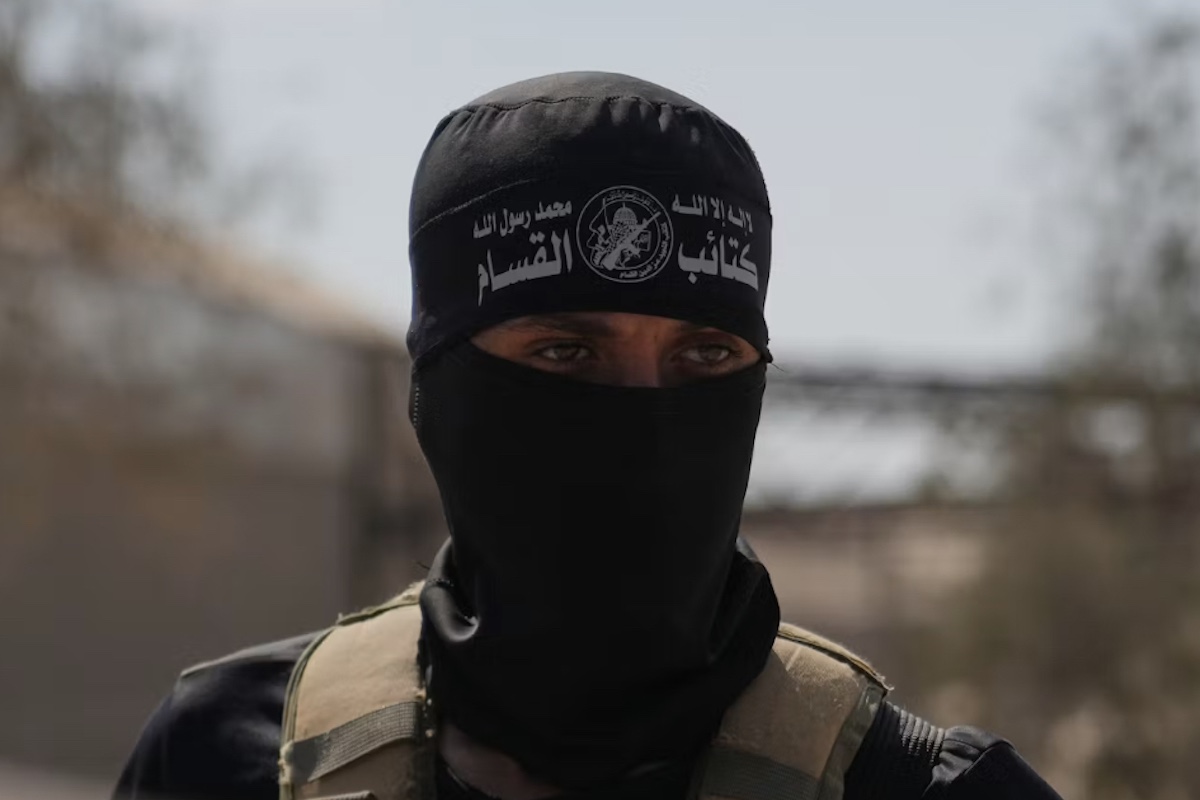
Clans, gangs and militias fighting Hamas for control of Gaza
Despite the recent ceasefire between Hamas and Israel, Gaza remains embroiled in internal violence, with over two dozen Palestinians killed in clashes between Hamas and various powerful clans. These familial groups, deeply rooted in Palestinian society for centuries, are now at the forefront of a complex power struggle. Hamas, reasserting control post-ceasefire, faces resistance from clans aligned with its rival, Fatah, and others reportedly backed by Israel. Among the most prominent clans are the Dughmush clan in Gaza City and the al-Majayda clan in Khan Younis, both of which have been targeted by Hamas. However, clan loyalties often supersede political affiliations, making disarmament efforts by Hamas or Fatah a contentious issue. Israeli Prime Minister Benjamin Netanyahu has admitted to arming certain clans to counter Hamas, further complicating the security landscape. This internal strife, while not directly violating the ceasefire, underscores Israel’s continued influence in Gaza. The situation is exacerbated by the shaky peace plan proposed by former US President Donald Trump, which calls for Hamas to disarm and withdraw from politics. With the Palestinian Authority’s role in Gaza uncertain, the clans could emerge as alternate power centers, fracturing Gaza further and jeopardizing any unified governance. Hamas, unlikely to relinquish control quietly, views clan resistance as a proxy war with Israel, posing a significant threat to peace and stability in the region.
-
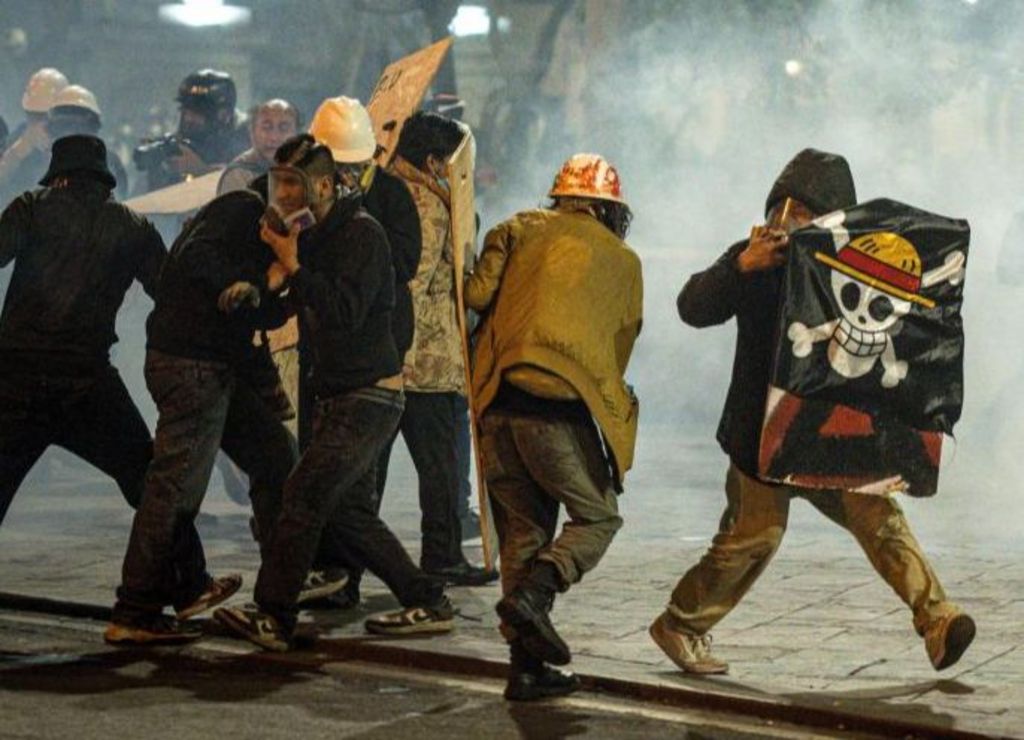
Clashes between police and Gen Z protesters in Peru leave one dead
Peru’s capital, Lima, witnessed violent confrontations between anti-government demonstrators and riot police, resulting in the death of a 32-year-old man and over 100 injuries, including numerous police officers. The unrest follows the swearing-in of interim President José Jerí, who assumed office after the impeachment of former President Dina Boluarte on grounds of ‘permanent moral incapacity’. The protests, led primarily by young Peruvians, demand stronger action against rampant crime and corruption. President Jerí condemned the violence, alleging that criminals had infiltrated the demonstrations to incite chaos, and pledged a thorough investigation into the protester’s death. Eduardo Ruiz Sáenz, a hip-hop artist, was identified as the deceased, with preliminary reports suggesting he died from a gunshot wound to the chest. Witnesses accused a plainclothes police officer of the shooting, though no official confirmation has been provided. The protests, which have spread across major cities, reflect widespread dissatisfaction with Peru’s political elite, whom demonstrators accuse of failing to address systemic issues. Jerí, a member of the conservative Somos Perú party, is Peru’s seventh president in eight years, highlighting the nation’s ongoing political instability. Protesters are calling for a ‘clean slate’ and demanding Jerí’s resignation in favor of an independent leader. The recent impeachment of Boluarte, whose popularity plummeted amid allegations of power abuse, has further fueled public anger. Analysts attribute the political shift to a recent armed attack on a band, which intensified calls for accountability. Boluarte remains in Peru, denying the allegations and awaiting investigations.
-
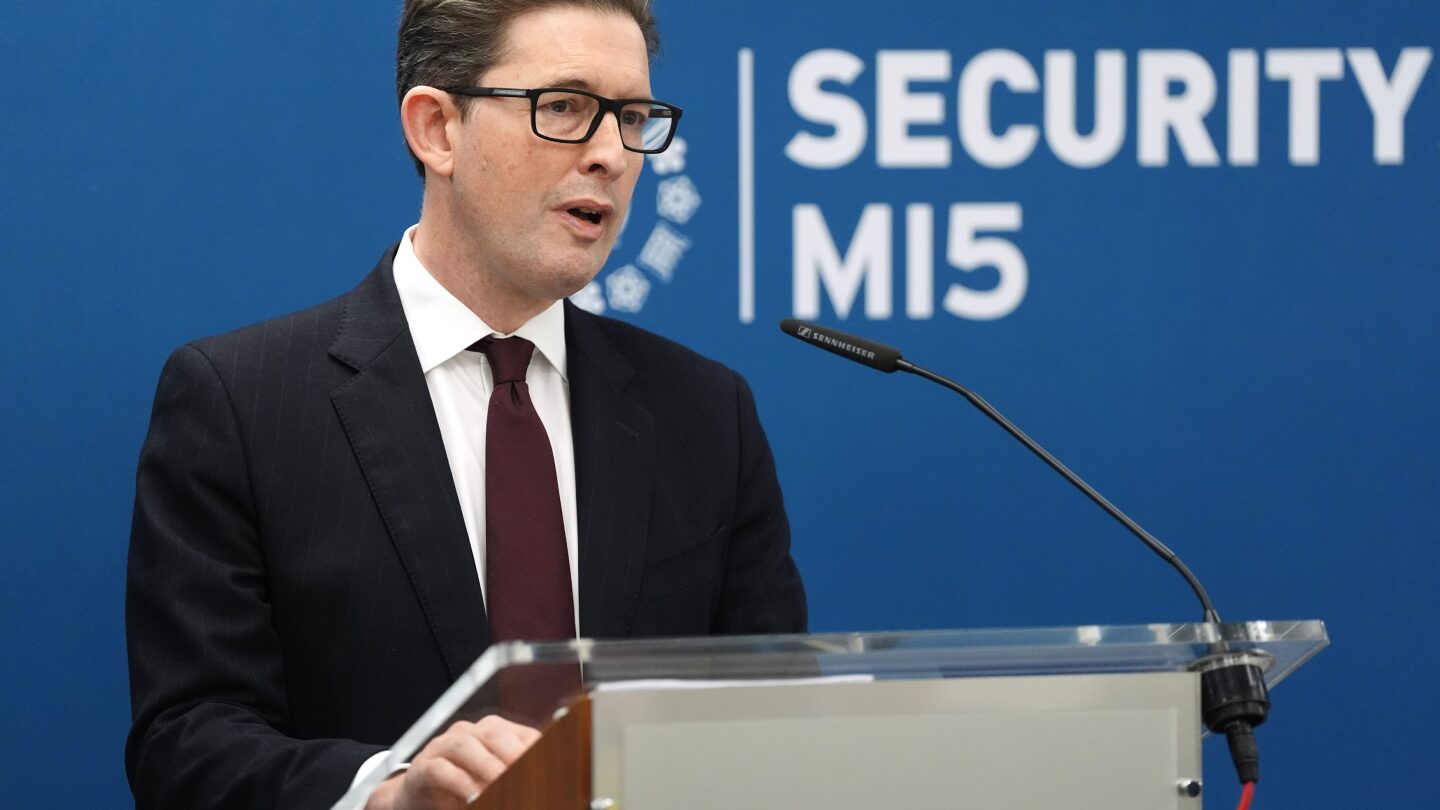
MI5 chief says China is a daily threat to Britain’s security as spying case collapsed
The head of Britain’s domestic intelligence agency, MI5 Director-General Ken McCallum, issued a stark warning on Thursday, asserting that China poses a daily threat to the UK’s national security. His remarks come amid growing scrutiny over the collapse of a high-profile espionage case involving two men accused of spying for Beijing. The case against academic Christopher Berry and parliamentary researcher Christopher Cash, charged under the Official Secrets Act, was dropped last month, sparking a blame game among government officials, opposition leaders, and prosecutors. McCallum revealed that MI5 had recently intervened to thwart a threat from China, emphasizing Beijing’s involvement in cyberespionage, technology theft, and covert interference in UK public life. He described the UK-China relationship as a ‘complex’ mix of risk and opportunity, urging robust action against national security threats. Meanwhile, the Labour Party government, in power since last year, has sought to cautiously reset ties with China despite ongoing tensions over spying allegations, human rights concerns, and China’s support for Russia in the Ukraine war. McCallum also highlighted escalating threats from Russia and Iran, citing a 35% increase in espionage investigations and the use of ‘ugly methods’ like sabotage and violence. The Chinese Embassy has dismissed the allegations as ‘malicious slander,’ while the accused deny any wrongdoing.
-
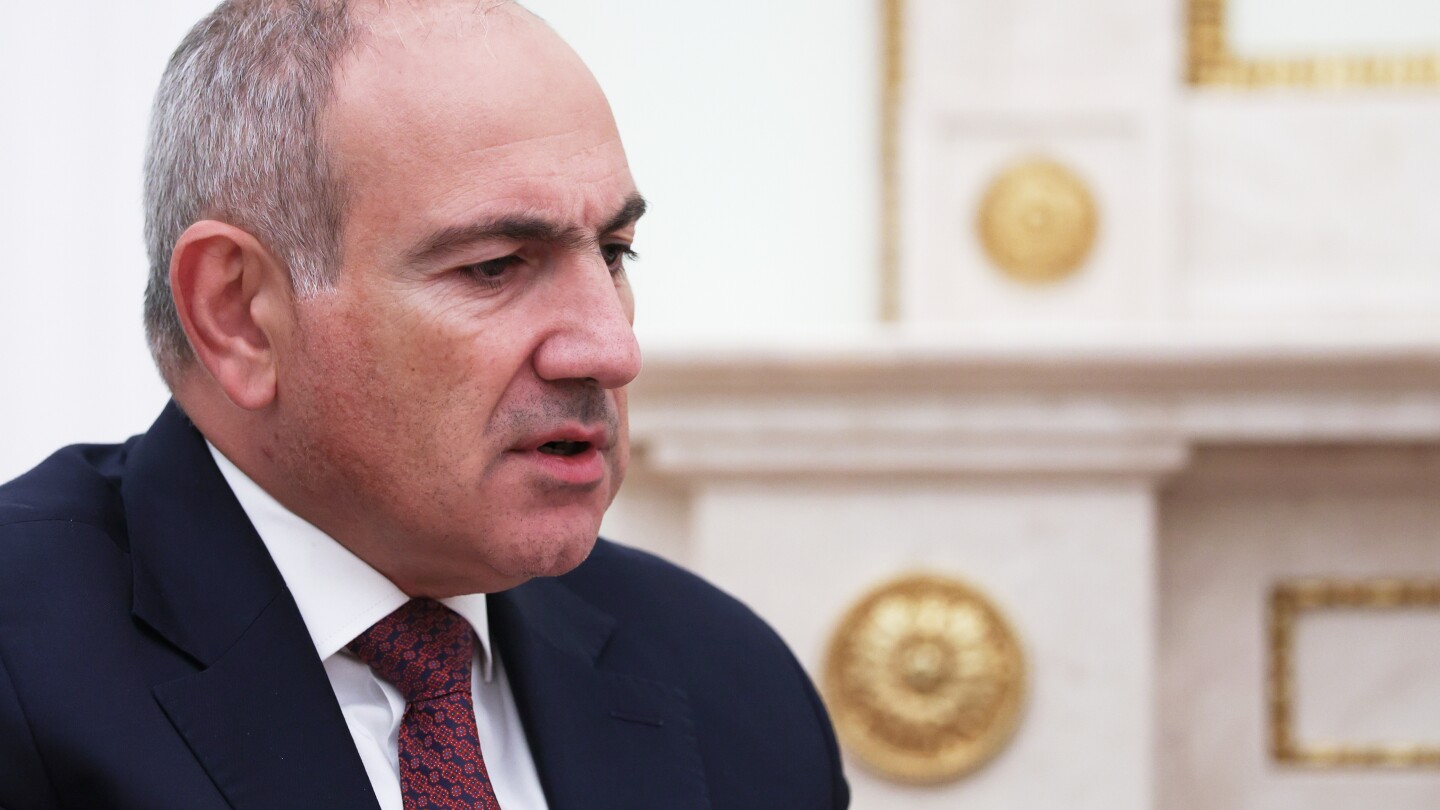
Leading bishop among Armenian clerics arrested in government crackdown on church
In a significant escalation of tensions between the Armenian government and the influential Armenian Apostolic Church, Bishop Mkrtich Proshyan has been charged with coercing citizens into participating in public gatherings, as well as allegations of large-scale theft and obstruction of electoral rights. The charges, announced by Armenia’s Investigative Committee on Wednesday, mark the latest in a series of high-profile arrests targeting critics of Prime Minister Nikol Pashinyan. Proshyan, who is the nephew of the church’s leader, Catholicos Karekin II, was detained alongside twelve other clergymen from his diocese. The church has condemned the arrests as part of a systematic campaign to undermine its activities, stating on social media that there is ‘obvious malicious intent to hinder the normal activities of the church.’ The investigation into Proshyan began in September following accusations from a clergy member that the church pressured its members to join anti-government rallies in 2021. This arrest follows the sentencing of Archbishop Mikael Ajapahyan to two years in prison in June for allegedly calling for the government’s overthrow. Relations between Pashinyan and the church have deteriorated sharply since April 2024, when tens of thousands of demonstrators protested Armenia’s decision to cede control of several border villages to Azerbaijan as part of a broader effort to normalize relations. The church, along with opposition groups like Sacred Struggle, has vehemently opposed these territorial concessions, which have become a focal point of broader grievances against Pashinyan’s administration. The ongoing conflict between Armenia and Azerbaijan, rooted in territorial disputes since the early 1990s, has further complicated the political landscape. In September 2023, Azerbaijan reclaimed full control of the Karabakh region, leading to Armenia’s subsequent handover of border villages. A White House-brokered peace deal signed in August aimed to end decades of conflict, but internal tensions in Armenia continue to simmer.
-

How Sharjah cut rental process from multiple visits to minutes
Sharjah has transformed its rental process from a cumbersome, multi-visit ordeal to a seamless digital experience, saving residents both time and money. Through a unified digital system integrating key government entities such as the Sharjah Electricity, Water and Gas Authority (SEWA), Sharjah City Municipality, the Real Estate Registration Department, and the Department of Town Planning and Survey, the emirate has achieved remarkable efficiency gains. Between 2022 and 2024, this system saved Dh250 million and reduced over 1.2 million work hours across government bodies. Residents have directly benefited, saving Dh1 million and more than 79,000 hours, as services like moving into a new home can now be completed in minutes through a single digital channel. Sheikh Saud bin Sultan Al Qasimi, Director General of the Sharjah Digital Department (SDD), emphasized that the future of government services in Sharjah will be defined by integration and simplicity, with every experience designed to be seamless and people-centric. Lamia Al Hussan Al Shamsi, Director of the SDD, highlighted key digital projects showcased at Gitex Global 2025, including Digital Sharjah, an AI-powered chatbot, and the Aqari Platform, which has processed over 2,000 transactions and registered 42,000 real estate units entirely online. Sharjah’s digital transformation aligns with the UAE’s broader smart governance goals, leveraging AI and data to enhance urban life, sustainability, and community trust.
-
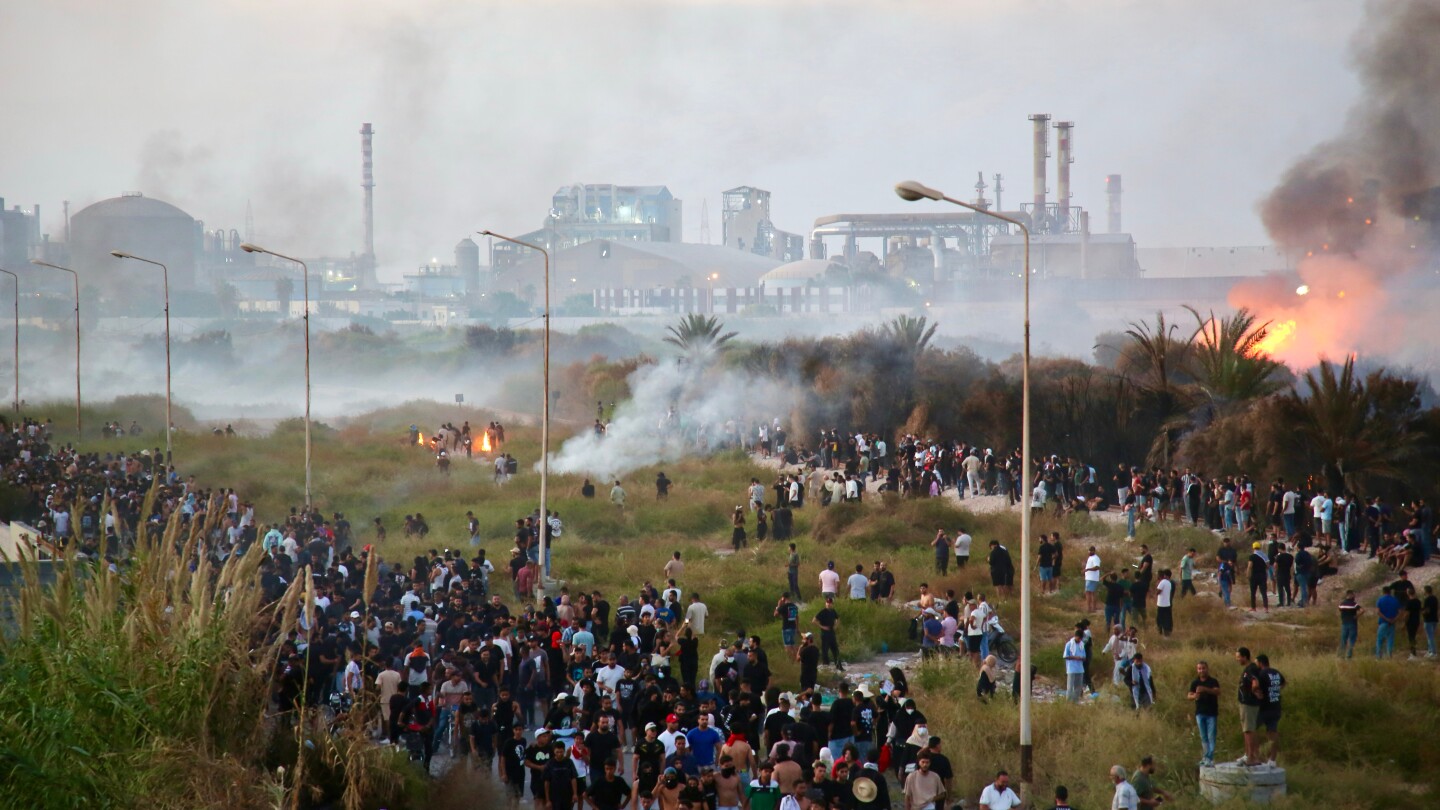
Violence erupts during anti-pollution protest as anger boils in Tunisia’s phosphate belt
The southern Tunisian city of Gabes witnessed violent clashes on Wednesday as thousands of protesters took to the streets to demand action against worsening air pollution caused by a phosphate-processing plant. Riot police deployed tear gas to disperse the crowds, resulting in injuries to both demonstrators and officers. The protest, which escalated into chaos, was sparked by a recent gas leak near the state-owned Chemical Group of Tunisia (GCT) industrial complex, a facility that has long been a source of environmental and health concerns for the city’s 400,000 residents. Gabes, a hub of Tunisia’s phosphate industry, has suffered from decades of industrial activity that residents blame for rising cancer rates, respiratory illnesses, and the destruction of the region’s once-thriving ecosystem. The latest gas leak, which sent dozens of people, including children, to hospitals, reignited public outrage. Protesters blocked major roads, burned tires, and chanted against what they called “environmental crimes,” demanding the closure of the GCT’s phosphate units. The plant, which processes raw phosphate into fertilizer, has been discharging toxic waste directly into the Gulf of Gabes, devastating marine life and forcing generations of fishermen out of work. Despite repeated government promises to modernize or relocate the facility, activists say no meaningful action has been taken. Tunisian President Kais Saied recently announced the formation of a joint commission to address protesters’ demands, but residents remain skeptical, citing years of unfulfilled pledges. The GCT admitted to “major non-conformities” in a 2025 environmental audit, acknowledging excessive ammonia and other emissions that fall short of global standards. However, locals say no visible improvements have been made, leaving the community to endure the ongoing environmental and health crisis.